商业地产

Search documents
湾里这么大 新年怎么逛
Bei Jing Wan Bao· 2026-01-01 07:45
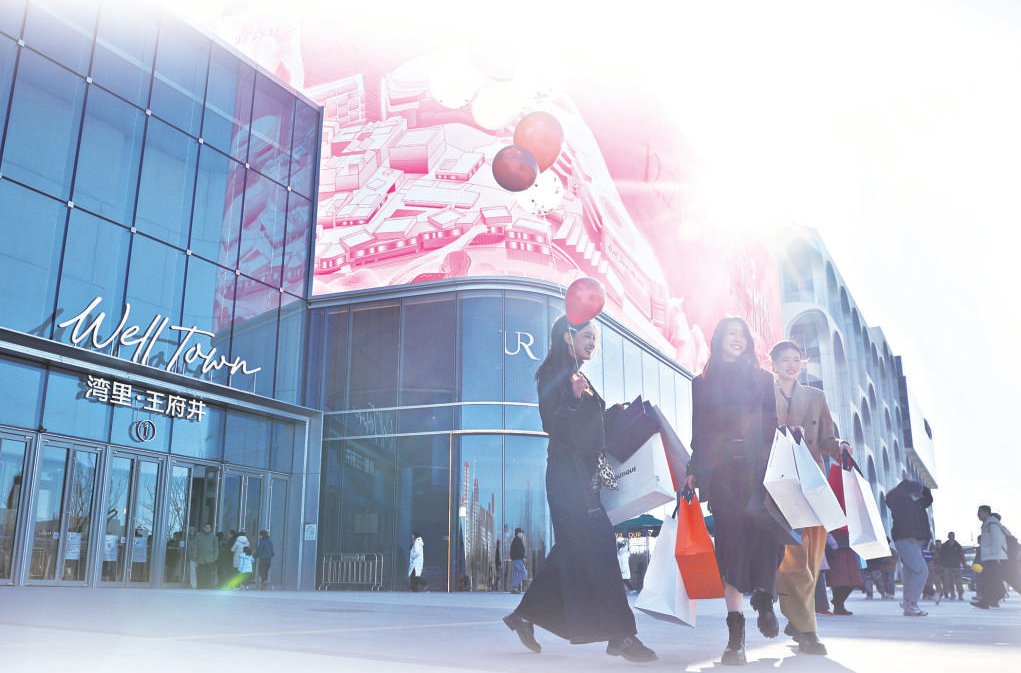
Core Viewpoint - The article highlights the emergence of "Wanli" as a new commercial hub in Beijing, offering a variety of shopping, dining, and entertainment experiences, encouraging exploration and engagement with the city's cultural offerings [4][5][6]. Group 1: Commercial Development - "Wanli" is described as a massive commercial complex located in the city's sub-center, comprising three main sections: Wangfujing Well-Town, Tingyun Town, and Nuo Lan Hotel, easily accessible via subway lines 1 and 7 [4]. - The area features a diverse range of retail and experiential consumption options, including unique stores like "Heitou," which offers globally sourced products, and a dinosaur-themed exploration center [4]. Group 2: Dining and Entertainment - Approximately 40% of the space in Wangfujing Well-Town is dedicated to dining and entertainment brands, providing a vibrant atmosphere for visitors to enjoy food and leisure activities [5]. - The complex includes various themed restaurants and unique concept stores, catering to a wide range of tastes and preferences [5]. Group 3: Cultural and Artistic Offerings - The Bay Area Contemporary Art Center, located on the fifth floor, features an exhibition titled "The Best of Spring - Walking in Gardens and Mountains," showcasing 49 artworks from 32 modern Chinese masters, available for free visits through prior reservation [6]. - Visitors can also enjoy scenic views of the Beijing Universal Studios theme park from the Nuo Lan Hotel, enhancing the overall experience of the area [7].

多元协同+深耕创新:2025年的绿城商用探索差异化壁垒
Xin Lang Cai Jing· 2025-12-31 16:03
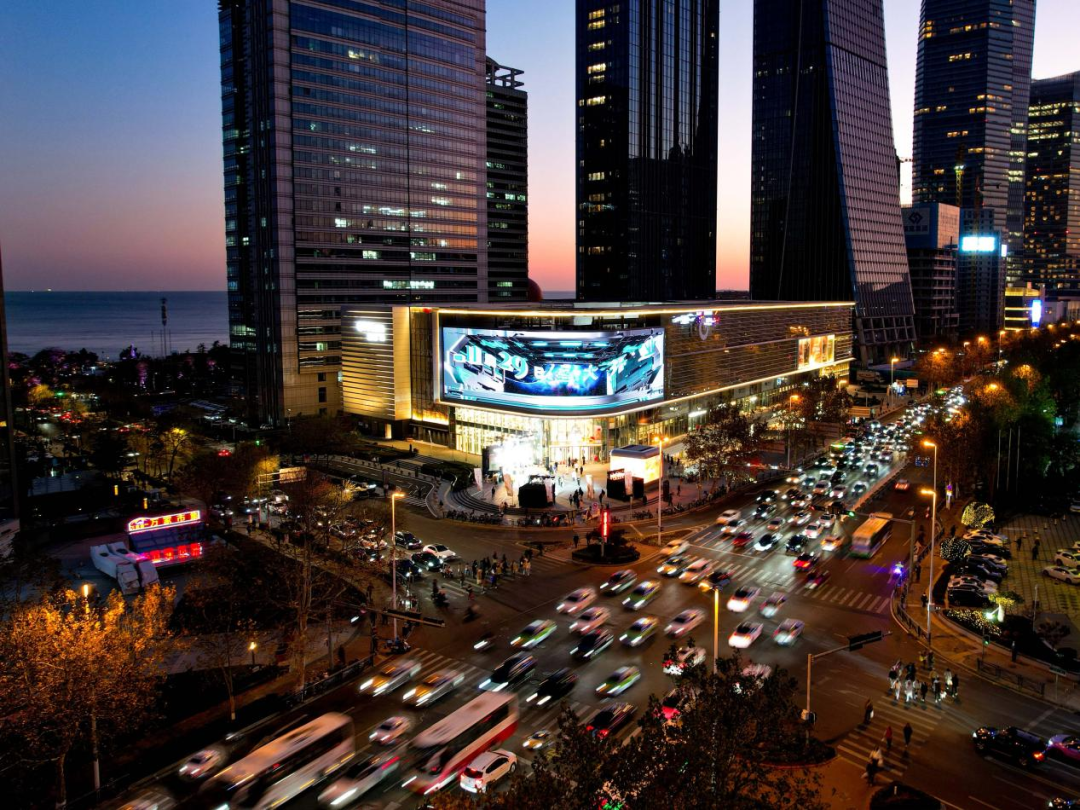
Core Insights - The article highlights the innovative "ecological synergy" model adopted by Greentown Commercial, which allows the company to transcend traditional competition in the commercial real estate sector and build unique competitive barriers [2][25] - Greentown Commercial is transitioning from being a "space provider" to an "organic ecosystem builder," focusing on multiple business lines such as commercial, hotel, and apartment sectors [2][25] Group 1: Ecological Synergy Model - Greentown Commercial has established a dual foundation for its ecological synergy practice: a member system that integrates asset data and rights, and the creation of cross-scenario experiences through rich content [3][26] - The "Guiyuehui" membership platform, launched in October 2025, serves as the core of Greentown's synergy strategy, integrating rights across commercial, hotel, and apartment sectors, with over 1.177 million members by December 2025 [4][27] - The membership system allows for seamless rights circulation across different business lines, enhancing user engagement and breaking down traditional data silos [4][27] Group 2: Emotional Content and Thematic Activities - Greentown Commercial has launched six major thematic activities in 2025, including "SUPER Green Enjoyment Festival" and "Year-End Celebration," which foster interaction across various business lines and enhance brand presence [6][28] - The "SUPER Green Enjoyment Festival" involved 130 projects across 26 cities, promoting consumer engagement and encouraging users to explore services beyond their usual consumption patterns [6][28] - The "Year-End Celebration" created a festive community by integrating traditional crafts and workshops into the hotel, commercial, and apartment sectors, achieving a complete operational loop [7][29] Group 3: Diverse Business Operations - Greentown Commercial has demonstrated flexibility in managing diverse commercial projects, effectively activating existing assets through targeted content and innovative combinations of different business types [8][30] - The "Qingyue Food Light" area in Zhuji Qingyue City achieved significant sales and foot traffic increases, with sales exceeding 1.1 million within three days of opening [10][32] - The opening of Qingdao GT PLAZA in 2024 marked a successful high-end commercial venture, featuring over 50% first-store ratio and quickly becoming a regional commercial hotspot [12][34] Group 4: Hotel and Cultural Integration - Greentown's hotels are evolving into high-end experience centers, offering specialized services such as pet-friendly accommodations and wellness programs [16][38] - The "Intangible Cultural Heritage Season" initiative in 2025 integrated local crafts and cultural elements into the hotel experience, enhancing customer satisfaction and brand connection [18][40] - Greentown's hotel business ranked first among major domestic hotel management groups for 12 consecutive months, showcasing its sustainable market appeal [18][40] Group 5: Apartments and Industrial Parks - The apartment and industrial park sectors serve as the foundational "capillaries" of Greentown's ecological network, effectively delivering value to end-users and fostering community engagement [20][42] - The "Aoyu" apartment brand operates 25 projects, achieving high occupancy rates and customer satisfaction through tailored services and community activities [20][42] - The industrial park business focuses on integrating resources to empower enterprise development, exemplified by the "Green Peak Center" and "Green Pearl Innovation Center" initiatives [20][42] Group 6: Strategic Exploration and Future Outlook - Greentown Commercial is navigating the challenges of the commercial real estate sector by emphasizing deep operations and ecological interconnectivity, rather than merely competing on scale [22][44] - The successful acquisition of the "Haichuang Base" marks a pivotal shift, allowing Greentown to market its ecological synergy capabilities beyond its own assets [22][44] - The company's future endeavors, including personalized projects and the expansion of light asset models, represent a long-term experiment in creating commercial ecological value [22][44]
商业不动产REITs开闸,万亿资产“活”了!投资新选择到来
2 1 Shi Ji Jing Ji Bao Dao· 2025-12-31 14:19
Group 1 - The core viewpoint is that the official release of the REITs pilot rules by the China Securities Regulatory Commission (CSRC) on December 31 allows commercial real estate such as shopping centers, office buildings, and hotels to be financed through public REITs, thus unlocking significant capital from the existing commercial real estate market [2][3] - The introduction of REITs transforms the approach for real estate companies from "development-sales" to "development-operation," enabling them to create long-term value through professional management [3] - REITs offer investors stable cash flow, providing new investment options for long-term funds such as insurance and pension funds [4] Group 2 - The regulatory authorities emphasize a cautious approach, focusing on quality rather than quantity, with the first batch of projects targeting mature commercial properties in first-tier cities to ensure a high-quality start [5] - The activation of trillions of yuan in commercial assets is anticipated, indicating a significant shift in the market landscape [6]
商业不动产REITs将优先推进商业综合体、商业零售、商业办公楼、酒店等业态
Xin Hua Cai Jing· 2025-12-31 13:04
中国证监会发布通知称,持续加大优质REITs供给,推动市场业态不断丰富、规模有序增长。完善 REITs扩募制度安排与市场化定价机制,积极探索多元、高效的扩募实施路径。此外,完善REITs发行 与交易机制,优化以市场化为导向的REITs估值与发行定价机制,规范推介、询价、定价、配售等发售 行为。结合不动产运营特点与风险收益特征,强化REITs信息披露和市场约束。 新华财经北京12月31日电(记者刘玉龙)12月31日,中国证监会正式印发《中国证监会关于推出商业不 动产投资信托基金试点的公告》及相关配套文件,自2025年12月31日起实施。 《公告》共八条,主要包括以下内容:一是产品定义,商业不动产REITs是指通过持有商业不动产以获 取稳定现金流并向基金份额持有人分配收益的封闭式公开募集证券投资基金。二是基金注册及运营管理 要求,明确基金管理人及基金托管人、尽职调查、申请材料、商业不动产等方面要求,以及基金管理人 的主动运营管理责任。三是发挥基金管理人和专业机构作用,压严压实责任,要求严格遵守执业规范和 监管要求。四是强化监管责任,明确各监管机构依法依规履行商业不动产REITs监管和风险监测处置等 职责。此外,商 ...
远洋乐堤港“光合场”启幕
Bei Jing Shang Bao· 2025-12-31 12:21
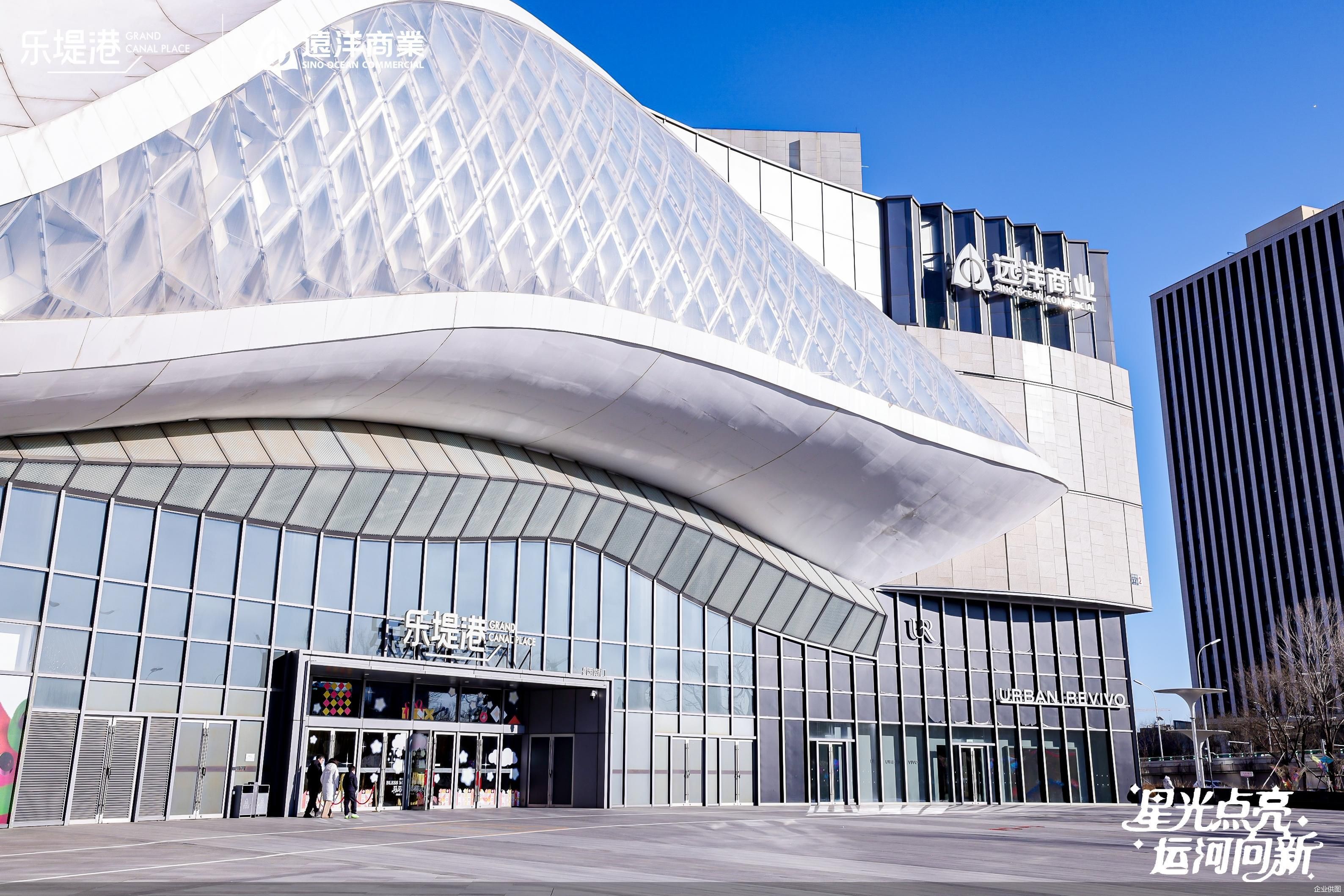
a 1177 RE FE GRAND le CANAL PLACE 门 0 ERC SINO-Q 1 (g (4 fin ff 11 IF 活动上,远洋集团副总裁马天一表示,大运河是流动的文化遗产、贯通南北的经济动脉,更是城市发展的重要脉络。远洋有幸参与运河沿岸的建设与运营, 既深感荣耀,也深知责任重大。作为大体量的城市综合体,乐堤港不止于商业、更是与城市共生的活力枢轴。远洋将充分发挥资管商管专业能力,扎实运 营,为区域消费升级与美好生活体验持续助力。 值得关注的是,今年内,远洋乐堤港品牌经历了焕新,持续优化消费供给。据悉,好特卖超级仓等区域首店、品牌入驻该项目,丰富了北京城市副中心的消 费选择。另外,项目内体验焕新。今年,远洋乐堤港全年举办近百场主题活动,逐步构建一个富有温度与参与感的"邻里生活场",持续提升顾客黏性与归属 感。 另外,活动现场,"远洋之帆小公民成长实践基地"的正式揭牌。未来,远洋将合作首都电影院等品牌,在项目内举办更加多元的儿童体验活动。 北京商报讯(记者 王维祎)12月31日,远洋乐堤港"星光点亮·运河向新"跨年活动暨"光合场"启幕仪式正式举行。这是远洋商业以专业资管商管能力,深度 参与 ...
提高租户黏性 商业地产公司不应忽视资产管理运营
Zheng Quan Shi Bao Wang· 2025-12-31 09:21
Core Insights - The real estate industry is transitioning from traditional paths of scale expansion and rapid turnover to a focus on operational optimization, quality upgrades, and brand deepening in response to significant changes in supply and demand dynamics [1] - The increasing competition in commercial real estate is leading to a heightened emphasis on asset management, with a shift from "building houses" to "managing assets" becoming increasingly urgent due to policies like urban renewal and affordable rental housing construction [1] Group 1: Market Trends - The average office rental price in major urban areas is projected to be 4.55 yuan per square meter per day by Q3 2025, reflecting a quarter-on-quarter decline of 0.33% and a cumulative drop of 1.39% over the first three quarters [1] - The urgency to revitalize existing assets is growing as the industry faces a more competitive landscape and the need for improved operational management capabilities [1] Group 2: Asset Management Importance - Professional asset managers are becoming increasingly vital, as their role involves comprehensive planning for asset appreciation throughout the entire project lifecycle, ensuring alignment with key performance indicators at each stage [1] - The introduction and maintenance of quality tenants are crucial for achieving asset premium, with dedicated teams often responsible for leasing and tenant management [2] Group 3: Risk Management Strategies - To mitigate vacancy risks, property owners are diversifying tenant compositions and focusing on industry clustering, while also monitoring policy and industry trends to preemptively identify and address potential risks [3] - A systematic approach to lease management, including tenant industry analysis and lease stability management, is essential for optimizing tenant composition and ensuring predictable rental income [2][3] Group 4: Future Directions - The normalization and expansion of public REITs are changing the asset value logic and broadening exit paths for existing assets, indicating a shift towards a full lifecycle asset management system as a new model for real estate development [3]
2025年北京写字楼市场需求复苏态势超预期 中关村板块成为年度最大亮点
Zheng Quan Ri Bao Wang· 2025-12-31 07:54
Group 1 - The core viewpoint of the news is that the Beijing office market is experiencing a recovery in demand, with a significant reduction in vacancy rates by the end of 2025, driven by a net absorption of approximately 83,000 square meters in Q4, leading to an annual total of 330,000 square meters [1] - The new supply of Grade A office space in Beijing for 2025 is limited to 188,000 square meters, which, combined with steady demand, has resulted in a decrease in the vacancy rate to 19.2%, down by about 1.5 percentage points year-on-year [1] - The average effective rent has decreased to 222 RMB per square meter per month, reflecting an 11.5% year-on-year decline, although the rate of decline has narrowed by 4.9% compared to the previous year [1] Group 2 - The Zhongguancun area has emerged as the biggest highlight of the year, with net absorption of Grade A office space exceeding 176,000 square meters, accounting for 53% of the city's total, marking a peak in nearly 20 years [2] - Despite stable annual demand exceeding 300,000 square meters in the overall Grade A market, high vacancy rates and declining rents persist, indicating a significant regional disparity in market performance [2] - The average rent in mature submarkets of core areas has seen a decline of over 10% year-on-year, with intensified competition across asset classes and market segments, indicating a shift towards refined competition in the industry [2] Group 3 - Looking ahead to 2026, the market may face challenges with tenant downsizing and relocations, particularly among large state-owned enterprises, which could offset the positive impacts of new demand [3] - The new supply in core markets is expected to exceed 700,000 square meters, with demand concentrated in the western submarkets while 90% of new projects are located in the eastern submarkets, leading to intensified competition and a mismatch in supply and demand geographically [3] - The rental price center in the Beijing office market is expected to remain under pressure, and achieving supply-demand rebalancing will be a long and challenging process, necessitating government intervention and innovative management approaches from market participants [3]

复苏态势超预期 四季度北京甲级写字楼空置率下降
2 1 Shi Ji Jing Ji Bao Dao· 2025-12-31 06:43
租金方面,高力国际指出,北京甲级写字楼市场平均租金虽延续调整态势,但下行压力在今年有所缓 解。年末净有效租金降至222元每月每平方米,同比下降11.5%,降幅较上年收窄4.9%。 但该机构同时指出,虽然需求连续放量,但尚未形成足以逆转高空置率和租金下行的核心势能,市场高 空置率依然持续,租金调整周期仍在延续。 知名商业地产服务商高力国际近日发布报告指出,2025年第四季度,北京甲级写字楼市场净吸纳量约 8.3万平方米,全年净吸纳量达到33万平方米。这也是该市场连续两年实现超30万平方米规模的去化。 从区域分布来看,随着新质生产力企业集群的崛起与产业红利的集中释放,中关村甲级写字楼市场全年 净吸纳量超17.6万平方米,占全市总量的53%,创下近20年来的峰值纪录,成为引领北京写字楼市场复 苏的核心引擎。 高力国际认为,今年北京写字楼市场需求复苏态势"超预期"。 供应方面,今年北京甲级写字楼新增供应量仅18.8万平方米。在有限供给与稳健需求的助推下,市场空 置率在四季度末降至19.2%,同比下降约1.5个百分点。 (文章来源:21世纪经济报道) 同时,市场热度高度聚焦于部分高性价比项目,核心区域成熟写字楼市场表现 ...
银河证券:2026年1月十大金股出炉
Xin Lang Cai Jing· 2025-12-31 01:11
Group 1 - The A-share and Hong Kong stock markets showed a growth style leading the rally in December, with the ChiNext and North Star 50 indices rising over 5% [1] - The core drivers for the cyclical sector include economic recovery expectations and the revaluation of strategic resources, particularly benefiting from global manufacturing recovery and resource security themes [1][2] - The growth style focuses on technological self-reliance and new productivity, with capital concentrating on sectors like defense, communication, and AI-related high-end manufacturing [1][2] Group 2 - In January, the A-share market will enter a critical data verification period, influenced by policy effects, macro data, corporate performance, and liquidity changes, leading to potential increased volatility [2] - Key sectors such as defense, 6G, and satellite internet will require performance or order validation to digest previous gains, while commercial aerospace and AI computing sectors may still present active opportunities [2] - Strategic resource segments, especially rare metals like antimony, tungsten, and rare earths, are being revalued by the market due to their essential role in advanced technology breakthroughs [2] Group 3 - The company has excellent asset allocation in mineral resources, with a projected CAGR of 24% for copper production and 12% for gold production from 2020 to 2024, leading in growth among major copper/gold mining companies [6] - The company has successfully completed several significant acquisitions, contributing to production and profit, with ongoing projects expected to support sustainable growth in copper and gold businesses [6][8] - The company has effectively controlled costs, with production costs for copper and gold remaining competitive, positioning it within the top 20% globally [7] Group 4 - The company is benefiting from a stable coal production capacity of 48 million tons/year and has seen an increase in profitability due to low extraction costs and high long-term contracts [18] - The company is expanding its electrolytic aluminum capacity, with a projected increase to 121,000 tons/year by the end of 2025, supported by cost advantages from proximity to coal sources [19] - The company is actively promoting clean energy transition, with significant growth in renewable energy installations, aiming for 700,000 kW by the end of the 14th Five-Year Plan [19] Group 5 - The company is a leading supplier of air conditioning refrigeration valves, with rapid growth in automotive and humanoid robot businesses, actively developing new growth curves [47] - The company achieved a revenue of 240.29 billion yuan in the first three quarters of 2025, with a year-on-year increase of 16.86%, and a net profit of 32.42 billion yuan, up 40.85% [47] - The company is focusing on the development of robotic components, with plans for overseas mass production to strengthen its position in the global supply chain [49]



中信建投:香港住宅市场止跌回升趋势确立 商办市场现结构性改善
智通财经网· 2025-12-30 23:56
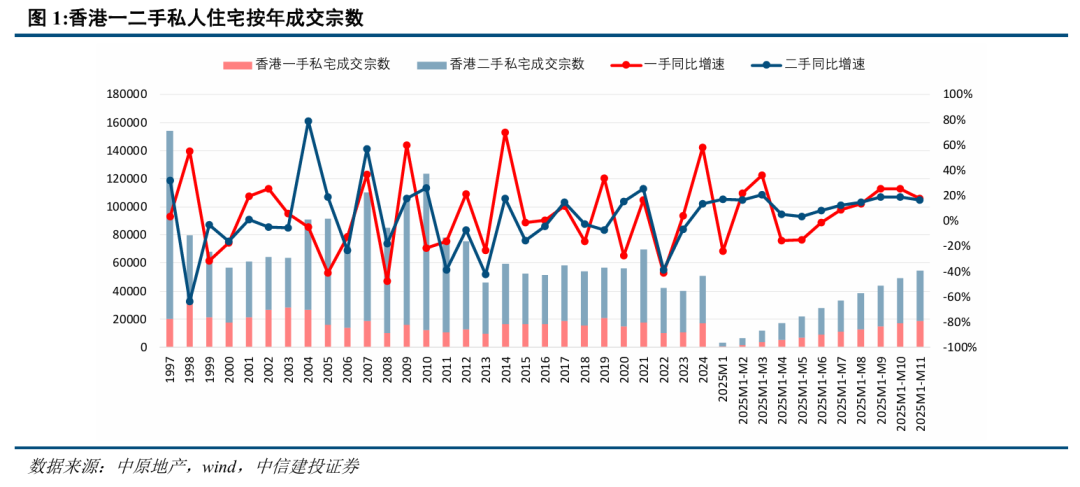
Core Viewpoint - Hong Kong's residential transaction volume and prices are expected to rebound significantly starting from March 2025, with total transactions projected to exceed 60,000 for the year, marking the second highest level in nearly 13 years, following 2021 [1][2][7] Residential Market - In the first 11 months of 2025, Hong Kong's total transactions for new and second-hand private residential properties reached 54,669, representing a year-on-year increase of 17.0% [2] - The second-hand residential prices confirmed a bottoming out from March to May 2025, with prices rising by 6.2% since the low point in late May, and an expected annual growth of 4.5% for 2025 [2][7] - The share of high-value properties (over 5 million HKD) in transactions has rebounded for the first time since 2022, indicating an increase in investment demand [2][7] Factors Driving Demand - The primary driver for the rebound in residential volume and prices is the increased asset allocation demand in the context of the Federal Reserve's interest rate cuts [7] - Contributing factors include the stabilization of the HKD/USD to RMB exchange rate, capital repatriation amid declining USD credit, and a strong wealth effect from rising Hong Kong stock prices [7] - Additional supportive elements include favorable talent attraction policies, an increase in international students, a rising housing demand, and a controlled supply from the government [7] Commercial and Office Market - The commercial office market in Hong Kong is under overall pressure but shows structural improvements, with increased transaction activity driven by domestic enterprises expanding their operations [14] - The rental rates for office spaces are still declining, with vacancy rates around 17%, but there is a trend of converting office spaces into student accommodations to address high vacancy rates [14] - Retail properties in core areas are experiencing improved rental conditions despite overall pressure, supported by an increase in inbound tourists and retail sales growth [14]