手机

Search documents
OPPO、vivo,要对标大疆了
21世纪经济报道· 2025-10-02 00:43
Core Insights - The handheld imaging market is witnessing new entrants like OPPO and vivo, who are developing handheld smart imaging devices to compete with established products from DJI [1][3] - The mobile imaging sector is becoming a new growth area for smartphone manufacturers as the smartphone market growth slows down [1][6] Market Dynamics - The global smart imaging device market is highly concentrated, with the top three companies (DJI, Insta360, and GoPro) holding 78.9% of the market share in 2024 [3][6] - Insta360 is experiencing significant growth, increasing its market share from 28.4% in 2023 to 35.6% in 2024, while GoPro's share is declining from 38.2% to 30.1% [6] Growth Potential - The Chinese market for panoramic cameras is expected to grow at a compound annual growth rate (CAGR) of 17.8% from 2023 to 2027, significantly outpacing other regions [6][11] - The sports camera segment in China is projected to grow at a CAGR of 26.1% during the same period, indicating strong growth potential [6][11] Competitive Advantages - Smartphone manufacturers possess advantages in hardware supply chains, design, and production capabilities, which can be leveraged in the handheld imaging market [7][8] - The software capabilities related to stabilization, AI algorithms, and color reproduction developed in smartphones can be applied to mobile imaging devices [7][8] Strategic Shifts - Traditional smartphone manufacturers are seeking to diversify beyond "pure smartphone" business models to explore broader smart terminal markets [10] - OPPO and vivo are cautiously expanding their product lines, with OPPO focusing on high-quality products and exploring new categories like MR glasses and home robots [10][11] Profitability Outlook - The handheld imaging market offers attractive profit margins, with companies like Insta360 reporting gross margins above 50% from 2022 to 2024 [11] - The entry of OPPO and vivo into this market is expected to enhance their profitability compared to the highly competitive smartphone market [11]



AI尚未带来手机格局颠覆性变化,差异化的产品才能推动换机潮
Xin Lang Ke Ji· 2025-10-01 02:10
Core Insights - The company has launched a 15000mAh concept smartphone and an innovative cooling system, while announcing global sales have surpassed 300 million units [1] - The smartphone industry is currently in a highly competitive phase, with a focus on enhancing product quality to meet user demands [1][2] Product Development - The 15000mAh concept smartphone features a 100% silicon anode battery with a density of 1200Wh/L, while maintaining a thickness of 8.89mm [1] - The cooling system incorporates a large 7700mm² VC passive cooling, an internal fan for active cooling, and a TEC semiconductor for active refrigeration [1] - The company plans to release a flagship model with significant upgrades by the end of the year, emphasizing ultra-level product capabilities and imaging collaborations [1] Market Trends - The domestic smartphone market showed a "front rise and back decline" trend in the first half of the year, with Q1 benefiting from policy incentives and Q2 experiencing slight contraction due to inventory adjustments [2] - The "national subsidy" policy initially boosted sales, particularly for high-end products, but did not address fundamental issues in the market [2] Marketing Strategy - The company aims to enhance brand appeal and attract younger consumers through collaborations with popular IPs and a focus on esports culture [3] - A long-term partnership with the Aston Martin F1 team will integrate competitive spirit and luxury design into products, while collaborations with Chinese IPs are planned for the Neo series [3] - The company plans to establish 400 new after-sales service stores, increasing the total to 900, and aims to open 200 experience stores nationwide [3] Business Focus - The company is prioritizing its core smartphone business, particularly focusing on traditional smartphone designs, and currently has no plans for foldable devices [4] - There is a growing demand for IoT products in the Chinese market, with plans to expand into categories like tablets and headphones [4] - The company is also developing lifestyle products and accessories that resonate with its young user base, including unique power banks and merchandise [4] AI and Market Dynamics - The industry has not yet seen a killer application for AI, which has only gradually integrated into daily life without significantly altering the smartphone landscape [5] - The company believes that its recent advancements in battery technology can generate market excitement and is focused on rapidly bringing these innovations to mass production [6]
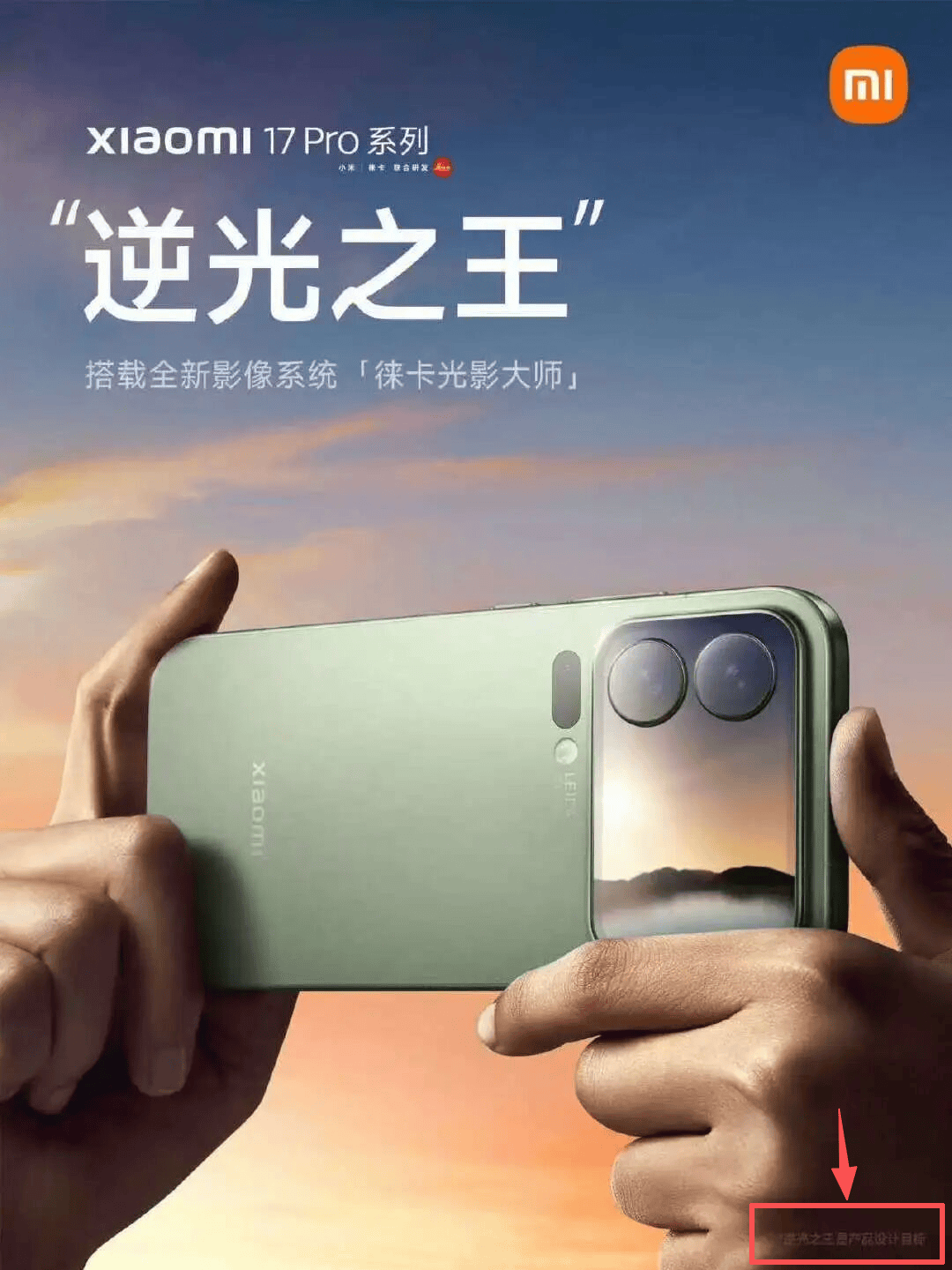
“大字吸睛、小字免责”的营销陋习该消停了
Sou Hu Cai Jing· 2025-09-30 11:17
Core Viewpoint - The article discusses the deceptive marketing practices in the advertising industry, particularly the use of "fine print" disclaimers that undermine the bold claims made in promotional materials, highlighting a trend towards strategic deception rather than genuine creativity [1][4][5]. Group 1: Marketing Practices - The phenomenon of "fine print" marketing is not unique to any single company but is a widespread issue in the industry, where businesses use extreme language to create memorable impressions while hiding disclaimers in less visible areas [1][4]. - This "attributive marketing" strategy allows companies to circumvent regulations against false advertising while exploiting cognitive biases like anchoring effects and visual habits [1][4]. Group 2: Industry Challenges - The persistence of such deceptive practices stems from competitive pressures in industries like smartphones and automobiles, where product features are increasingly homogenized, making marketing the easiest way to differentiate [4]. - Regulatory ambiguities regarding the specifics of advertising, such as font size and placement, create loopholes that allow for these "fine print games" to thrive [4]. Group 3: Long-term Implications - While these marketing tactics may boost short-term metrics like click-through and conversion rates, they ultimately erode brand value and consumer trust over time [5][6]. - A collective industry shift towards deceptive marketing can lead to widespread consumer skepticism, undermining the foundational trust necessary for market survival [5][6]. Group 4: Recommendations - To address these issues, regulatory bodies should clarify rules regarding the visibility of promotional claims and disclaimers, including establishing clear guidelines for font size and placement [5]. - Companies are encouraged to prioritize transparency and honesty in their marketing strategies, as genuine product quality and service are the true foundations of lasting brand success [5][6].
真我徐起:AI尚未带来手机格局颠覆性变化,差异化的产品才能推动换机潮
Xin Lang Ke Ji· 2025-09-30 10:27
Core Insights - The company has launched a 15000mAh concept smartphone and a cooling system, while announcing global sales have surpassed 300 million units [2] - The smartphone industry is currently in a highly competitive phase, with a focus on internal capabilities and creating products that meet user needs [2][3] - The company aims to leverage the "national subsidy" opportunity while emphasizing the importance of product differentiation and quality to stimulate replacement demand [3] Product Development - The 15000mAh concept smartphone features a 100% silicon anode battery with an energy density of 1200Wh/L and a thickness of 8.89mm [2] - The cooling system includes a large 7700mm² VC passive cooling, built-in fan active cooling, and TEC semiconductor active cooling [2] - A flagship model with significant upgrades is set to be released by the end of the year, focusing on ultra-level product capabilities and imaging partnerships [2] Market Strategy - The company plans to enhance brand appeal and engage younger consumers through long-term IP collaborations, including a three-year partnership with Aston Martin F1 [4] - The company aims to establish 400 new after-sales service stores, reaching a total of 900, and plans to open 200 experience stores nationwide [4] - The focus will remain on the smartphone business, with no immediate plans for foldable devices, while also expanding into IoT products and lifestyle accessories [5][6] Industry Trends - The domestic smartphone market has shown a "front rise and back decline" trend, with Q1 benefiting from policy incentives and Q2 experiencing slight contraction due to inventory adjustments [3] - There is a growing demand for IoT products in the Chinese market, with plans to launch new devices such as smartwatches in the near future [5] - Despite high expectations for AI, it has not yet produced a transformative impact on the smartphone market, with the company focusing on leveraging its battery technology to invigorate market interest [6]

“期待与中国企业深化合作,实现互利共赢”(第一现场)
Ren Min Ri Bao· 2025-09-29 22:30
Core Insights - Chinese smartphone brands have gained significant market share in Indonesia, with four out of the top five brands being Chinese, accounting for nearly 70% of the market [1] Group 1: Market Presence and Strategy - Vivo has established a strong presence in Indonesia with nearly 50 million users and has built approximately 14,000 sales and service points, along with nearly 130 after-sales service centers [2] - The company has implemented various customer service initiatives, such as a one-hour quick repair service and free screen replacements, to enhance customer satisfaction [2] - Vivo collaborates with local designers to create culturally relevant smartphone models, which have become popular among Indonesian consumers [3] Group 2: Technological Advancements and Production - Vivo's manufacturing facility in Indonesia features advanced automation, with an average production time of one complete phone every 11.4 seconds and over 50% automation coverage [4] - The factory employs over 200 quality control tests to ensure product reliability, utilizing equipment that simulates Indonesia's high humidity and temperature conditions [5] - The factory has adopted green practices, saving 6,200 tons of water and reducing carbon emissions by approximately 293.73 tons in the past year [5] Group 3: Local Talent Development and Collaboration - Over 96% of Vivo's workforce in Indonesia consists of local talent, with a training system in place that includes on-the-job training and opportunities for advanced studies in China [6] - Vivo has localized its supply chain, achieving a 35% local component sourcing rate, and has created over 1,300 direct jobs in the region [7] - The company's efforts in local production and employment have positively impacted the Indonesian telecommunications industry, fostering resilience and growth [7]

OPPO、vivo入局手持影像赛道,大疆、影石怕了吗?
2 1 Shi Ji Jing Ji Bao Dao· 2025-09-29 15:52
Core Viewpoint - The handheld imaging market is experiencing new competition as smartphone giants OPPO and vivo are entering the market with handheld smart imaging devices, targeting products from DJI [1][2] Group 1: Market Dynamics - The smartphone market is slowing down, prompting manufacturers to explore new growth areas, with the handheld imaging market emerging as a promising sector [2] - The global smart imaging device market is highly concentrated, with the top three companies expected to hold 78.9% market share by 2024, including DJI, Insta360, and GoPro [3][6] Group 2: Competitive Landscape - Insta360 is projected to grow its market share from 28.4% in 2023 to 35.6% in 2024, while GoPro's share is expected to decline from 38.2% to 30.1%, and DJI's from 19.1% to 13.2% [6] - The handheld imaging market, particularly in China, shows significant growth potential, with a compound annual growth rate (CAGR) of 17.8% for panoramic cameras and 26.1% for action cameras from 2023 to 2027 [7] Group 3: Technological Advantages - Smartphone manufacturers possess inherent competitive advantages in the handheld imaging market due to their established supply chains and expertise in hardware and software development [8] - The transition from smartphone imaging capabilities to handheld imaging devices is seen as a strategic move for companies like OPPO and vivo, which are facing growth challenges in their core smartphone business [7][9] Group 4: Future Prospects - OPPO plans to launch its new imaging product line in 2026, while vivo is also expected to introduce related products soon [12] - The handheld imaging market is anticipated to offer substantial profit margins, with companies like Insta360 reporting gross margins above 50% in their core business [11]

周末影响市场重要资讯回顾:八部门印发有色金属行业稳增长工作方案 万达集团王健林被限高
Xin Lang Zheng Quan· 2025-09-28 09:28
登录新浪财经APP 搜索【信披】查看更多考评等级 炒股就看金麒麟分析师研报,权威,专业,及时,全面,助您挖掘潜力主题机会! 本周末影响市场的重要资讯有:央行货币政策委员会召开2025年第三季度例会;八部门印发有色金属行 业稳增长工作方案;白银飙至14年新高,北交所并购重组市场活跃度显著提升;美联储10月降息25个基 点的概率为87.7%;小米17系列刷新2025年国产手机首销全天销量纪录;万达集团王健林被限高,摩尔 线程首发申请成功通过上交所审议。 【宏观要闻】 央行:下阶段建议加强货币政策调控,提高前瞻性、针对性、有效性 中国人民银行货币政策委员会召开2025年第三季度例会。会议研究了下阶段货币政策主要思路,建议加 强货币政策调控,提高前瞻性、针对性、有效性。会议指出,用好证券、基金、保险公司互换便利和股 票回购增持再贷款,探索常态化的制度安排,维护资本市场稳定。 国务院国资委召开国有企业经济运行座谈会 国务院国资委主任张玉卓9月25日主持召开部分国有企业经济运行座谈会,了解企业经济运行情况、面 临的困难挑战,聚焦稳电价、稳煤价、防止"内卷式"恶性竞争等,听取企业意见建议,进一步研究夯实 企业高质量发展基础 ...
手机企业以AI赋能听障人士无障碍沟通
Zheng Quan Shi Bao Wang· 2025-09-28 06:35
Core Viewpoint - The event organized by Honor and the Shenzhen Deaf Association highlights the urgent need for technology that caters to diverse groups, including the hearing impaired, in an increasingly digital world [1][2] Group 1: Technological Innovations - Honor has developed a platform-level AI capability that provides inclusive AI services across various scenarios, including screen reading and AI subtitles, ensuring offline accessibility for users [1] - The Magic OS system includes hearing assistance solutions that are simple, user-friendly, and cost-effective, with AI subtitles and AI calls integrated at the system level without the need for third-party apps [1] Group 2: User Impact - By the end of 2024, nearly 1.2 million hearing-impaired users are expected to benefit from the AI subtitle feature each month, while approximately 190,000 users will benefit from the call subtitle feature [1] - The "Love Without Barriers" initiative launched by Honor has reached over 15 cities and provided face-to-face services to more than 1,500 hearing-impaired users since 2023 [1]
存量竞争下的高端化求生:小米17系列变阵对标iPhone,国产手机厂商冲击苹果“围城”
Hua Xia Shi Bao· 2025-09-26 14:40
Core Viewpoint - Xiaomi is actively positioning itself to compete with Apple by launching the new Xiaomi 17 series, marking a significant shift in its branding and product strategy to align more closely with Apple's offerings [2][3]. Group 1: Product Launch and Strategy - Xiaomi officially launched the Xiaomi 17 series on September 25, which includes a new Pro Max version, aligning its product line with Apple's iPhone 17 series [3]. - The highest-priced model, the Xiaomi 17 Pro Max, is priced at 6,999 yuan, reflecting Xiaomi's ambition to enter the high-end market [3]. - Xiaomi's founder, Lei Jun, stated that the renaming from Xiaomi 16 to 17 was necessary to change public perception and emphasize the brand's evolution over 15 years [3]. Group 2: Competitive Landscape - The global smartphone market is now characterized by intense competition, with Xiaomi aiming to capture a share of the high-end market traditionally dominated by Apple [5][6]. - In Q1 of this year, Apple held a 43% market share in the domestic high-end smartphone market, while Xiaomi's share was only 7%, but it experienced a 102% year-on-year growth [6]. - In the overseas high-end smartphone market, Apple maintained a 62% market share, with Xiaomi showing a 55% increase in sales, although specific market share figures were not disclosed [7]. Group 3: Technological Advancements - The Xiaomi 17 series features the Snapdragon 8 Gen 5 chip, which is built on a 3nm process, offering CPU performance comparable to Apple's A19 Pro chip and a 34.6% improvement in GPU performance [3]. - The Xiaomi 17 Pro series includes a unique "smart back screen" that supports various functionalities, drawing parallels to the design innovations seen in Apple's products [3]. Group 4: Market Dynamics and Future Outlook - The smartphone market has shifted to a phase of stock competition, making rapid growth in shipment volumes challenging for manufacturers [6]. - Xiaomi's strategy to move upmarket is driven by the need for higher profit margins, as low-end devices yield minimal profits [6]. - Analysts suggest that while Xiaomi has made strides in high-end positioning, achieving brand recognition among high-end consumers will require sustained investment and brand development over time [7].


对话星纪魅族CEO黄质潘:旗舰手机坚持一年一迭代,留在牌桌上就有机会|财之道
Xin Lang Ke Ji· 2025-09-26 01:44
Core Viewpoint - Meizu has officially launched its flagship model, Meizu 22, and the new CEO Huang Zhipan outlined the company's strategic direction and product strategy, emphasizing a return to core values and user experience [2][3]. Product Strategy - The Meizu 22 was initially planned for release during the 618 shopping festival but was delayed due to internal adjustments and challenges in meeting design, imaging, battery life, and performance requirements within a 6.3-inch device [2][3]. - The company aims to achieve self-sufficiency in its mobile business within three years, focusing on creating personalized products that reflect Meizu's unique characteristics [3][4]. - Meizu plans to maintain an annual iteration for its digital flagship series, with the next generation expected in the second half of next year, while the Note series will focus on reliability and cost-effectiveness [4][11]. Market Positioning - Despite selling the Meizu 22 starting at 2999 yuan, the company is currently operating at a loss on hardware sales due to high channel and marketing costs [3][7]. - Meizu is strategically extending its focus towards Flyme Auto and Flyme AIOS, while still recognizing the importance of mobile devices as essential terminals for users [3][7]. Future Developments - The company is exploring modular phone designs, with potential releases by the end of this year or early next year, while currently avoiding the foldable phone market due to high costs and low user adoption [4][11]. - In the Flyme Auto segment, Meizu has partnered with 28 vehicle models and aims for 5 million installations within three years, while also developing an international version of Flyme Auto [5][17]. Competitive Landscape - Meizu, along with Huawei and Xiaomi, is one of the few companies capable of integrating mobile, system, and automotive sectors in China, which positions it uniquely in the market [5][16]. - The company acknowledges the resource gap compared to competitors but aims to focus on optimizing user experience rather than engaging in extreme parameter competition [10][18]. Additional Product Lines - Meizu is also investing in smart glasses, exploring their integration with automotive systems, although this segment is still in the investment phase and requires market education [19][22]. - The company is currently not planning to charge users directly for Flyme Auto services, focusing instead on building a user base and exploring future monetization opportunities [15][17].