油气

Search documents
能源央企密集召开年度工作会议,扩大有效投资等是今年重点
第一财经· 2026-01-26 16:02
2026.01. 26 本文字数:1566,阅读时长大约3分钟 作者 | 第一财经 郭霁莹 近日,两大电网、五大发电集团、两大核电集团等多家能源央企密集召开年度工作会议,部署2026年重点 任务。 当前,国内能源转型与安全保障的双重需求突出。据国家统计局数据,2025年全社会能源消费总量初步统 计比上年增长3.5%。其中,全社会用电量历史性增至10.4万亿千瓦时,同比增长5%,相当于美国全年用 电量的两倍多,超过欧盟、俄罗斯、印度、日本四个经济体的年用电量总和。而且在"双碳"目标下,国内 2025年非化石能源占能源消费总量比重较上年提高约2个百分点,超过石油成为第二大能源类型,成为能源 增量主体。 第一财经记者梳理发现,挖掘潜力扩大有效投资、靠前谋划一批重大项目和标志性工程,保障能源电力安全 可靠供应,以及加快产业数智化转型、推动科技创新与产业创新深度融合,是能源央企在2026年工作规划 中谈及最多的三大任务。 扩大有效投资是上述企业"十五五"开局工作的核心抓手。电网与核电领域的标志性工程率先落地。1月中 旬,国家电网以"十五五"期间4万亿元创纪录的固定资产投资计划拉开序幕,南方电网紧随其后披露了 2026年 ...


能源央企密集召开年度工作会议,扩大有效投资等是今年重点
Di Yi Cai Jing· 2026-01-26 14:41
Group 1 - The core focus of energy state-owned enterprises for 2026 includes expanding effective investment, planning major projects, ensuring reliable energy supply, and accelerating digital transformation and technological innovation [1][2][3] - The investment plan for the "14th Five-Year Plan" includes a record 4 trillion yuan from the State Grid and 180 billion yuan from the Southern Grid, targeting ultra-high voltage transmission, distribution network upgrades, and digital transformation [1] - The nuclear power sector is highlighted with the launch of the Jiangsu Xuwei nuclear heating power plant, which will supply 32.5 million tons of industrial steam annually and reduce carbon emissions by 19.6 million tons [2] Group 2 - The demand for energy transition and security is increasing, with a projected 3.5% growth in total energy consumption by 2025, and electricity consumption reaching 10.4 trillion kilowatt-hours, more than double that of the US [3] - Energy state-owned enterprises are prioritizing technological innovation and digital transformation as key drivers for high-quality development in 2026, with significant investments planned in these areas [3][4] - Policies from the National Development and Reform Commission and the National Energy Administration aim to integrate artificial intelligence with the energy sector, targeting the establishment of an innovation system by 2027 [4]



加仓
第一财经· 2026-01-26 14:14
2026.01. 26 作者 | 一财阿驴 V OF 09 % 1620家战 3767家下跌 涨跌停比 9:42 V 0 . 3 % 10 91 % A股三大指数高开低走. 集体收跌,沪指在金融、石油等权重股护盘下跌幅微弱,深市与创业 板指集体走弱,结构性差异创近期新高,沪指5日均线与10日均线形成支撑,收盘价站稳4130 点。 个股跌多涨少,赚钱效应低迷,盘面上,商业航 天板块回调,半导体、机器人、金融科技、AI算 力、消费电子、固态电池概念股跌幅靠前。黄金 股掀涨停潮,煤炭、有色金属、油气板块齐走 强,疫苗概念股逆势大涨。 资金情绪 主力资金净流出 216.26 亿元 . 2 5 万亿元 ▲ 5.28% 两市成交额放量,资金呈"晓晓板效应",权重 股与防御板块吸金,中小盘题材股遭遇大规模 资金撤离,沪市成交占比提升,黄金、有色金属、 银行等板块成为成交核心,而半导体、Al应用等 前期热门题材股成交缩量目资金净流出。 散户资金净流入 14.4亿元 今天你冲了还是撤了? 机构呈"防御为主、调仓换股"特征,资金大规模撤离半导体、AI应用、商业航天等前期热门题材,转而加 仓黄金、银行、电力等低估值防御性板块,通过 ...

资源股火热!两公司跻身“万亿市值俱乐部”
Shang Hai Zheng Quan Bao· 2026-01-26 13:59
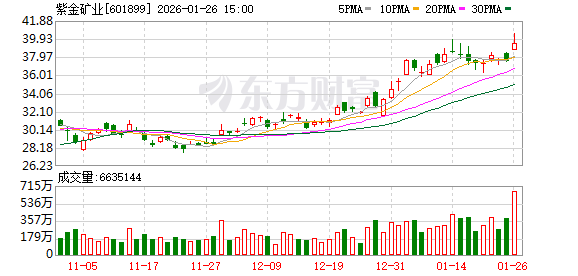
Core Viewpoint - The A-share market saw a significant rise in resource and energy stocks on January 26, with Zijin Mining and China National Offshore Oil Corporation both reaching new highs and entering the "trillion-dollar market value club" [2] Group 1: Market Performance - On January 26, Zijin Mining (601899) and China National Offshore Oil Corporation (600938) both achieved market capitalizations exceeding 1 trillion yuan, marking their entry into the "trillion-dollar market value club" [2] - The stock price of Zijin Mining increased by 5.17%, closing at 39.50 yuan, with a trading range of 4.66% [1] - The international gold price reached a new historical high on January 26, with futures and spot prices surpassing $5,100 per ounce, reflecting a more than 2% increase from the previous trading day [5] Group 2: Commodity Prices and Investor Sentiment - The price of silver also surged, breaking the $109 per ounce mark, indicating strong demand for precious metals as safe-haven assets amid rising geopolitical tensions [6][7] - Analysts attribute the price increases in gold and silver to heightened investor risk aversion, driven by geopolitical uncertainties and macroeconomic factors [7] Group 3: Company Earnings Forecasts - As of January 26, 26 listed companies in the non-ferrous metal sector released their earnings forecasts for 2025, with 19 companies expecting positive growth, representing over 70% of the total [10] - Zijin Mining anticipates a net profit attributable to shareholders of 51 billion to 52 billion yuan for 2025, reflecting a year-on-year increase of approximately 59% to 62% [10] - The expected net profit for Zijin Mining's non-recurring profit is projected to be between 47.5 billion and 48.5 billion yuan, indicating a growth of 50% to 53% year-on-year, primarily due to increased production and rising sales prices of key minerals [10] Group 4: Sector Trends and Recommendations - The Southwest Securities report highlights a bullish outlook for the resource sector, suggesting investors focus on four main lines for 2026, including gold, silver, and key strategic metals like rare earths [12][13] - The report emphasizes the importance of monitoring the supply side for potential disruptions and opportunities, particularly in the context of the "anti-involution" trend affecting production capacity in various sectors [14]

收市象限观察 | 市场短期调整,金银史诗级大涨为板块带来强劲动力
Sou Hu Cai Jing· 2026-01-26 13:05
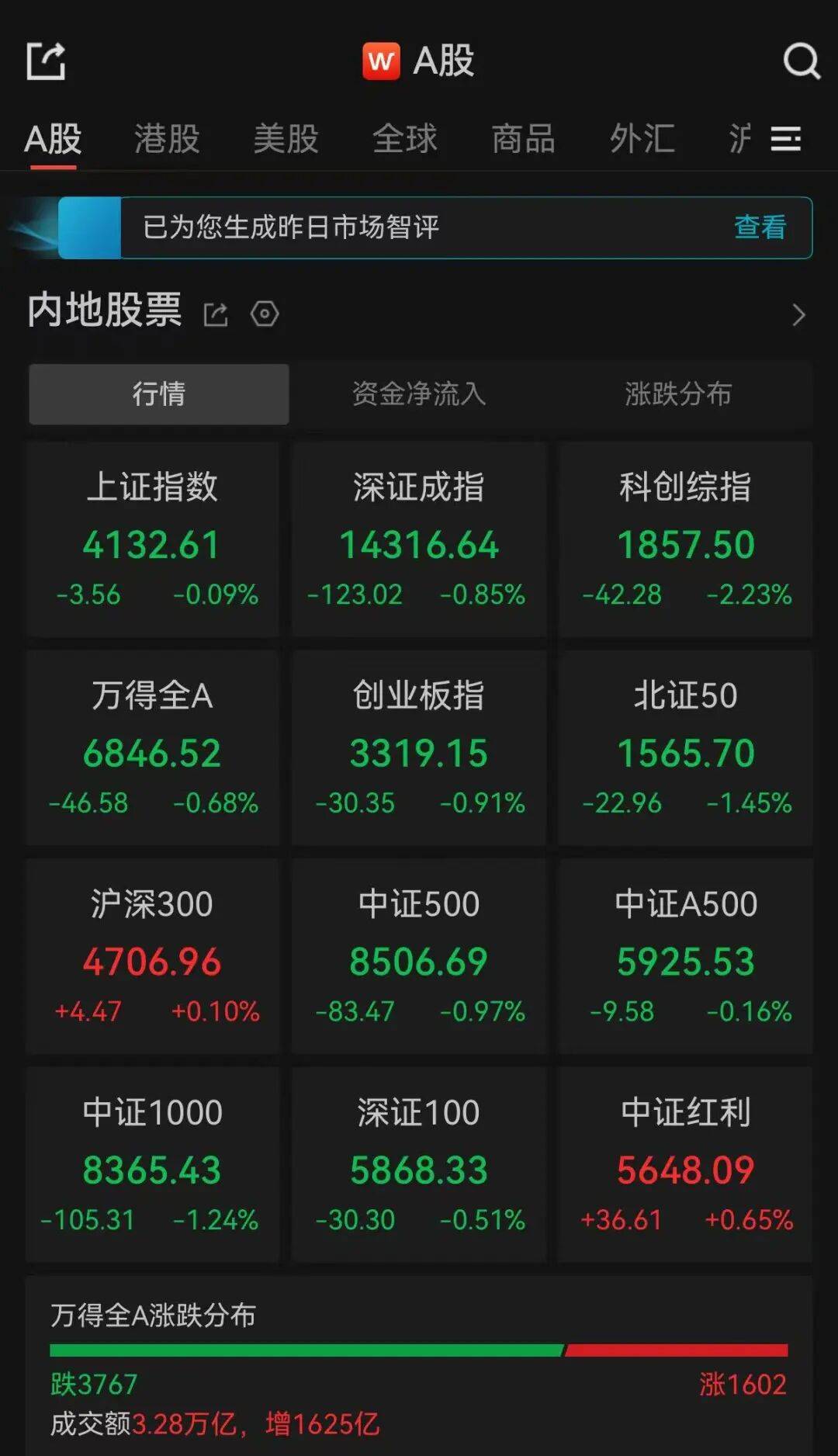
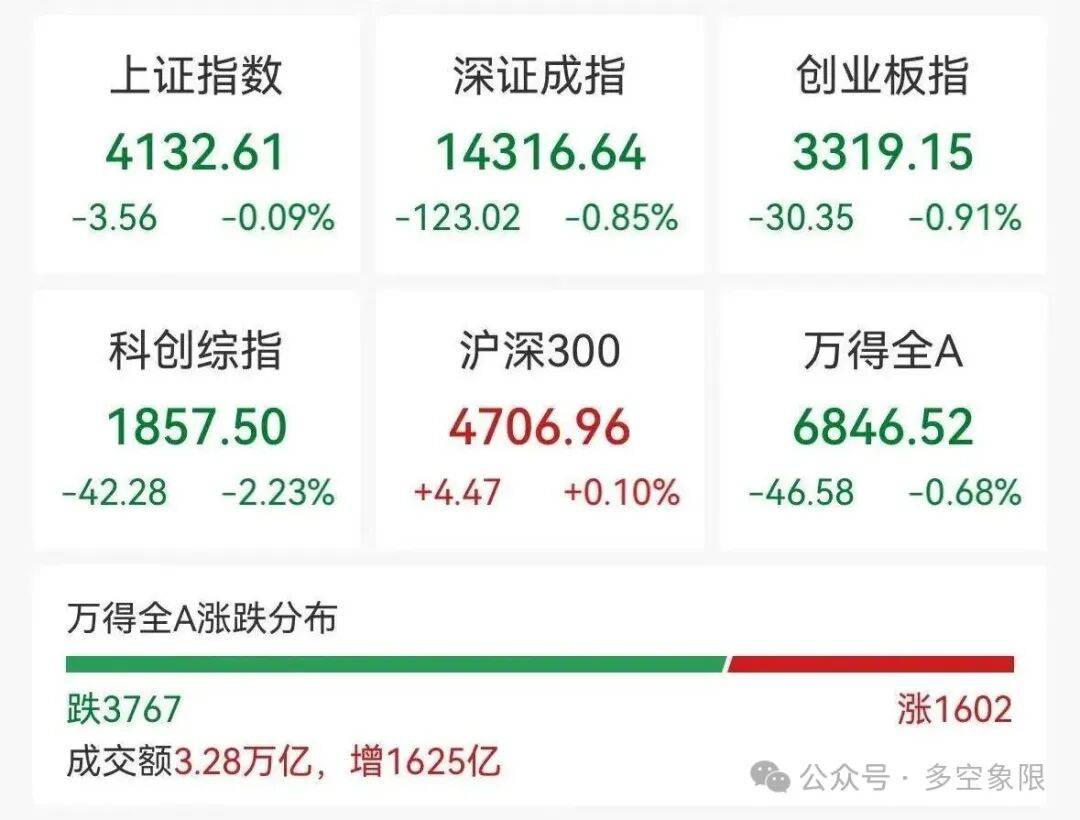
Market Overview - The market experienced a correction after a previous surge, with significant divergence in index performance. The Shanghai Composite Index fell by 0.09%, the Shenzhen Component Index decreased by 0.85%, and the ChiNext Index dropped by 0.91% [1][2] - Over 3,700 stocks declined in the market, with a total trading volume of 3.25 trillion yuan, an increase of 163 billion yuan compared to the previous trading day [1][2] Sector Performance - Precious metals saw a significant surge, with spot gold surpassing $5,100 per ounce and New York futures gold exceeding $5,130 per ounce. Silver also continued its upward trend after breaking $100 per ounce last week [2] - Notable stocks in the gold sector included Sichuan Gold, which achieved four consecutive trading limits, and Zijin Mining, which reached a historical high [2] - The oil and gas sector strengthened, with China National Offshore Oil Corporation hitting a historical high [2] - The chemical sector experienced fluctuations, with stocks like Hongbaoli and Chengxing shares reaching trading limits [2] - Conversely, sectors such as commercial aerospace and semiconductor equipment faced significant declines, with several stocks in commercial aerospace hitting the daily limit down [2] Economic Analysis - CITIC Securities indicated that market confidence is gradually recovering, suggesting that sectors at relatively low levels with logical narratives could see recovery. The consumer chain is expected to be a focus leading up to the Two Sessions [5] - The report emphasized a dual focus on "resources + traditional manufacturing pricing power" and recommended increasing allocations in sectors like chemicals, non-ferrous metals, and new energy [5] Futures Market - Domestic futures contracts mostly closed higher, with silver rising nearly 13%, platinum over 9%, and palladium more than 7%. Crude oil and liquefied petroleum gas also saw significant increases [6] - Geopolitical risks have heightened market demand for safe-haven assets, leading to a substantial rise in precious metal prices, particularly silver, which has seen a year-to-date increase of over 40% [6] Upcoming Events - A total of 30 companies will have their restricted shares unlocked this week, with a total market value exceeding 40 billion yuan based on the closing price on January 23 [7] - The Federal Reserve is expected to maintain interest rates during its monetary policy meeting, with a 95% probability of no change [8] - Key earnings reports from major tech companies such as Apple, Microsoft, and Tesla are anticipated, alongside the 19th Asian Financial Forum focusing on high-growth industries [8]
涨停复盘:今日全市场共79只股涨停,连板股总数15只,贵金属概念白银有色、四川黄金涨停!
Jin Rong Jie· 2026-01-26 11:11
Market Overview - On January 26, the market experienced fluctuations with significant divergence between large and small indices, where the Shenzhen Component and ChiNext indices opened high but closed down over 1% [1] - The total trading volume in the Shanghai and Shenzhen markets reached 3.25 trillion yuan, an increase of 163 billion yuan compared to the previous trading day [1] - The market saw over 3,700 stocks decline, with only 79 stocks hitting the daily limit up [1] Sector Performance - The non-ferrous metals sector led the gains, particularly the precious metals concept, with notable performances from Sichuan Gold, which achieved four limit-ups in eight days, and Zijin Mining reaching a historical high [1] - The oil and gas sector also showed strength, with China National Offshore Oil Corporation hitting a historical high and Intercontinental Oil & Gas achieving three limit-ups in four days [1] - The chemical sector experienced a rebound, with stocks like Hongbaoli and Chengxing Co. hitting the limit up [1] - Conversely, the commercial aerospace and semiconductor equipment sectors faced significant declines, with several commercial aerospace stocks hitting the limit down [1] Limit-Up and Limit-Down Stocks - A total of 70 stocks hit the limit up today (excluding ST and delisted stocks), with 15 stocks on consecutive limit-ups [1] - Key stocks included Baiyin Nonferrous Metals with five consecutive limit-ups and Sichuan Gold with four limit-ups in eight days [1][9] Related Hotspots - The precious metals sector continues to rise, with gold prices in New York surpassing $5,100 and silver prices exceeding $109 [11] - In the AI sector, major companies like Tencent and Baidu have initiated cash red envelope activities for the Spring Festival, indicating a competitive landscape in AI applications [12] - The robotics sector saw a partnership announcement between China Central Television and Magic Atom for the 2026 Spring Festival Gala [12]

焦点复盘创业板指放量跌近1%,资源股持续强势领涨,万亿市值油气龙头创历史新高
Sou Hu Cai Jing· 2026-01-26 09:48
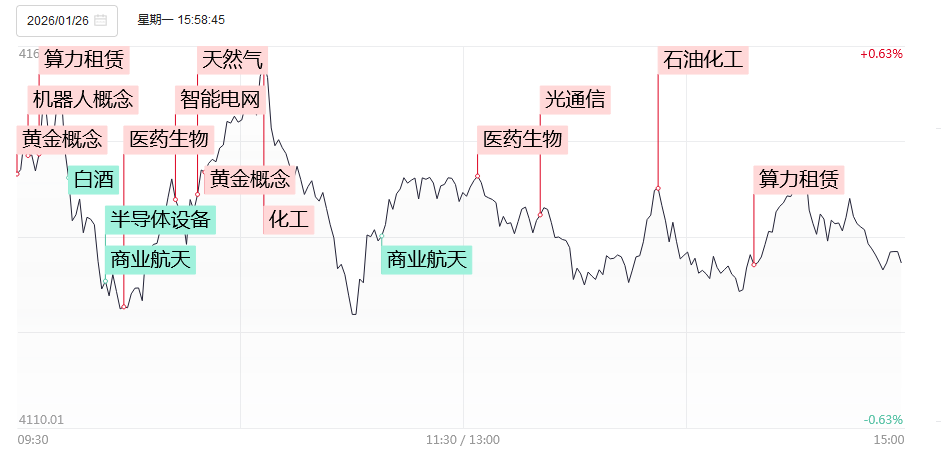
Market Overview - A total of 70 stocks hit the daily limit, while 40 stocks faced limit down, resulting in a sealing rate of 64%. The market experienced fluctuations with significant divergence between large and small indices, as the Shenzhen Composite Index and ChiNext Index opened high but fell over 1% during the day. The total trading volume in the Shanghai and Shenzhen markets reached 3.25 trillion yuan, an increase of 163 billion yuan compared to the previous trading day. Overall, more than 3,700 stocks declined, with the metal, oil and gas, photovoltaic, and chemical sectors leading the gains, while commercial aerospace, sports, semiconductors, and military industries faced declines. By the close, the Shanghai Composite Index fell by 0.09%, the Shenzhen Composite Index by 0.85%, and the ChiNext Index by 0.91% [1]. Stock Performance Analysis - The advancement rate for consecutive limit-up stocks dropped to 16.67%. High-profile stocks such as Fenglong Co. and Jiamei Packaging, which previously achieved 18 consecutive limit-ups, announced suspension for verification, impacting market sentiment towards high-priced stocks. The number of stocks with three or more consecutive limit-ups fell to only two, with both Runbei Hangke and Yuejian Intelligent hitting limit down. The recent focus of speculative funds on elastic sectors showed signs of localized losses, particularly after the Beijing Stock Exchange restricted trading for a private fund, leading to a significant drop of 28% for Huawi Design, which had previously achieved two consecutive limit-ups [3][4]. Sector Highlights - The "space photovoltaic" sector gained attention following support from Tesla CEO Elon Musk, who stated that SpaceX and Tesla are working to enhance solar energy production, aiming for an annual capacity of 100 GW within three years. Stocks like Mingyang Smart Energy, Tuojin New Energy, and GCL-Poly Energy achieved consecutive limit-ups, although individual stock performances varied significantly. Despite being viewed as a strong rebound opportunity within the commercial aerospace industry, the sector faced challenges amid a broader market retreat [5]. Precious Metals and Energy Sector - International precious metal prices have surged, with spot gold and New York gold prices both exceeding $5,100 per ounce, and spot silver prices nearing $110 per ounce. The non-ferrous metals sector continued its strong performance, with stocks like China Gold, Sichuan Gold, and others achieving consecutive limit-ups. However, many companies' stock prices have already priced in the impact of metal prices on future earnings, raising concerns about potential volatility in stock performance. Additionally, severe weather conditions have driven up natural gas futures prices, leading to a rebound in oil and gas stocks, with China National Offshore Oil Corporation seeing a rise of over 6%, reaching a historical high [6]. Computing Power and Biotech Sector - AWS announced a price increase of approximately 15% for EC2 machine learning capacity blocks, breaking its long-standing tradition of only lowering prices. The computing power leasing sector has shown strength, with stocks like Yuke Technology hitting limit-up. The recent surge in user numbers for Zhizhu and the cash red envelope activities from major tech companies may further intensify demand for computing power. In the biotech sector, news of Nipah virus infections in West Bengal, India, led to a surge in stocks related to virus testing and vaccines, with several stocks hitting limit-up due to heightened risk-averse sentiment [7][8]. Market Outlook - The market exhibited a pattern of rising and then falling throughout the day, with the Shanghai 50 Index briefly rising nearly 2% before ending a nine-day decline. In contrast, the small-cap index experienced a significant adjustment after reaching a new high. The number of stocks hitting limit down approached 40, with nearly 470 stocks declining over 5%, indicating a growing loss effect among individual stocks. Caution is advised as the peak period for earnings forecasts approaches, particularly regarding underperforming stocks [9].


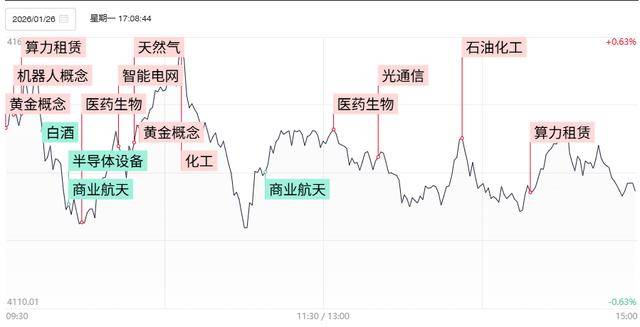
【内附直播表】创业板高开低走跌近1%,贵金属、油气概念逆势爆发
Sou Hu Cai Jing· 2026-01-26 09:48
Market Overview - The A-share market experienced a day of fluctuation and adjustment, with significant divergence between large and small indices, as the Shenzhen Composite Index and ChiNext Index opened high but fell over 1% during the day [2] - The total trading volume reached 3.25 trillion yuan, an increase of 163 billion yuan compared to the previous trading day, with a net outflow of 121.6 billion yuan from domestic investors [2] - Over 3,700 stocks declined, with a median drop of 1.36%, indicating a bearish sentiment despite the Shanghai Composite Index only falling by 0.09% [2] Sector Performance - The non-ferrous metals sector led the gains, particularly precious metals, with stocks like Sichuan Gold hitting the limit up for four consecutive days, and Zijin Mining reaching a historical high [3] - The oil and gas sector also performed well, with China National Offshore Oil Corporation achieving a historical high and Intercontinental Oil & Gas hitting the limit up for three out of four days [3] - The space photovoltaic concept stocks were active, with companies like Mingyang Smart Energy and Tuojin New Energy hitting the limit up [3] Investment Themes - Two main investment themes emerged: one focused on price increases in gold, non-ferrous metals, and oil and gas, with international gold prices surpassing 5,100 USD [4] - The second theme was risk aversion, with gold, pharmaceuticals, and performance growth stocks gaining attention, especially in light of recent virus news from India [4] - The market showed mixed signals, with hot money shifting between sectors, making it challenging for investors to participate effectively [4]
Why Baker Hughes Shares Are Trading Higher By Around 4%; Here Are 20 Stocks Moving Premarket - Ambitions Enterprise Mgmt (NASDAQ:AHMA), Arrive AI (NASDAQ:ARAI)
Benzinga· 2026-01-26 09:48
分组1 - Baker Hughes Co reported adjusted earnings of 78 cents per share, exceeding market estimates of 67 cents per share [1] - The company's quarterly sales reached $7.386 billion, surpassing expectations of $7.068 billion [1] - Following the earnings report, Baker Hughes shares increased by 3.7% to $55.81 in pre-market trading [1] 分组2 - Brand Engagement Network Inc saw a significant gain of 242.8% to $56.50 due to a strategic partnership announcement [4] - Battalion Oil Corp's shares rose 134.6% to $3.00 after changing its gas processing partner and increasing production [4] - USA Rare Earth Inc gained 44.9% to $35.88 following a planned $1.6 billion investment from the Trump administration [4] 分组3 - 60 Degrees Pharmaceuticals fell 25.1% to $3.40 after a 10% decline on the previous trading day [4] - Digital Currency X Technology Inc dropped 27.2% to $3.46 after receiving a Nasdaq delisting notification [4] - Revolution Medicines Inc decreased by 26.1% to $87.02 after reports that Merck is no longer pursuing an acquisition [4]

A股收评:超3700只个股飘绿,三大指数集体收跌
Sou Hu Cai Jing· 2026-01-26 09:25
新闻荐读 板块方面,贵金属再度爆发,带动有色金属概念股集体走强,化工等方向同样涨幅居前;AI应用概念股局部发力,浙文互联盘中涨停,浙数文化、盛天 网络、天舟文化等直线拉升;午后油气股持续走高,中曼石油盘中涨停,通源石油、中国海油、中国石油、中国石化、潜能恒信跟涨;生物医药概念午后 快速拉升。商业航天概念持续走弱,中国卫通、中国卫星等多股跌停;半导体设备概念震荡走弱,白酒板块震荡下挫,军工、卫星等方向跌幅居前。 26日,A股三大指数集体高开,随后震荡下行,集体收跌。截至收盘,沪指跌0.09%,深证成指跌0.85%,创业板指跌0.91%。全市成交额3.28万亿,超 3700只个股下跌。 | L | w A股 | | | Q | | --- | --- | --- | --- | --- | | A股 港股 美股 | 全球 | 商品 | 汁 三 外汇 | | | 已为您生成昨日市场智评 | | | 查看 | | | 内地股票 它 ○ | | | | | | 行情 | 资金净流入 | | 涨跌分布 | | | 上证指数 | 深证成指 | | 科创综指 | | | 4132.61 | 14316.64 | | 1857 ...