
电子信息

Search documents
瞄准全球领先、深化AI融合,领航级工厂领跑中国“智造”
Bei Jing Wan Bao· 2026-01-13 06:16
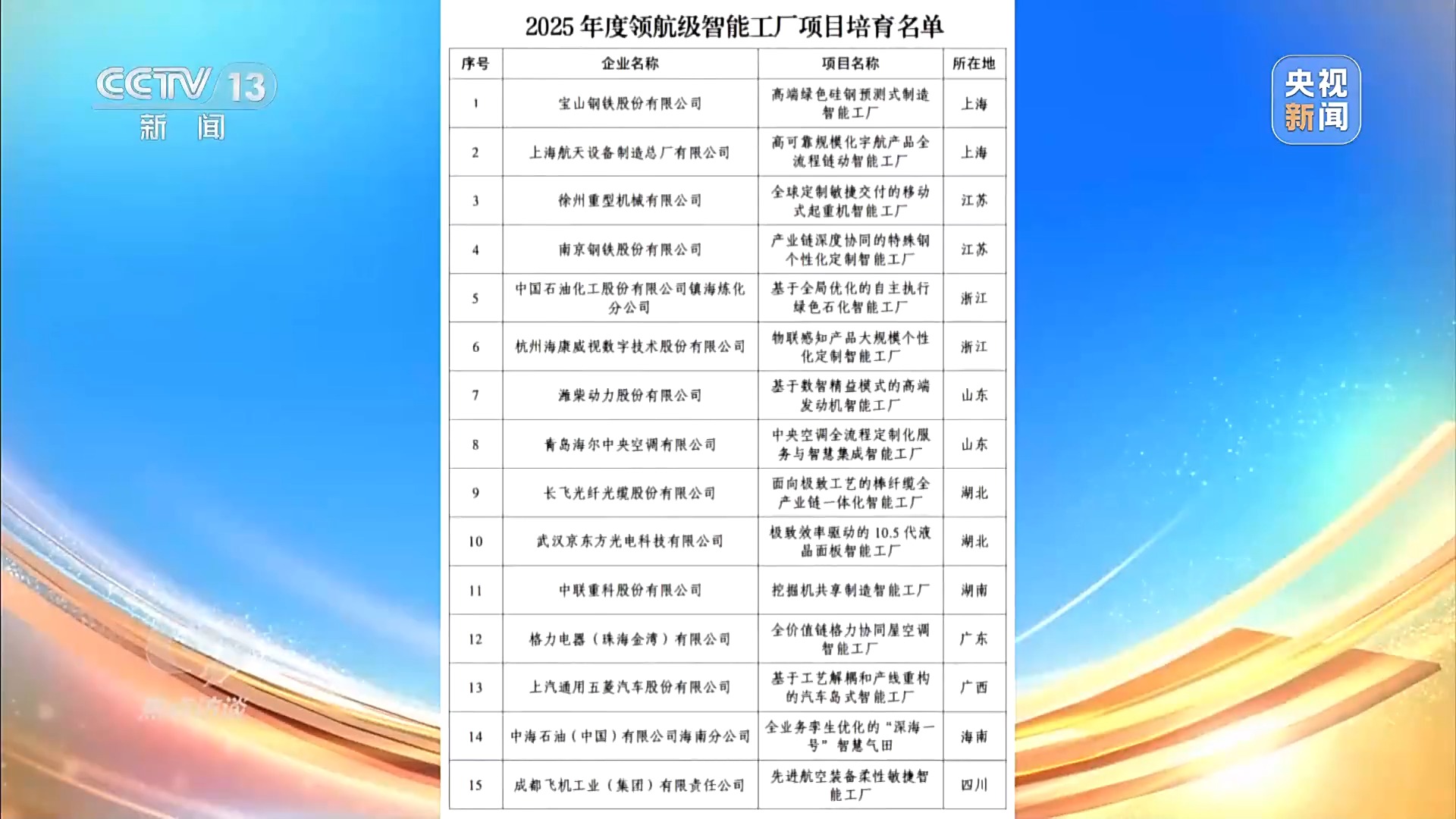
Core Viewpoint - Smart manufacturing is the core engine for high-quality development in the manufacturing industry, marking a critical leap from digitalization and networking to intelligence in China's manufacturing sector [1][5]. Group 1: Overview of Leading Smart Factories - The Ministry of Industry and Information Technology and five other departments announced the first batch of 15 leading smart factories, covering key industries such as equipment manufacturing, raw materials, and electronic information [1][4]. - These leading factories represent the highest level of smart manufacturing in China and showcase the breadth and depth of the country's intelligent manufacturing development [4][5]. Group 2: Classification and Development of Smart Factories - A four-tier system for smart factory cultivation has been established: foundational, advanced, excellent, and leading levels, with 35,000 foundational, over 7,300 advanced, 500 excellent, and 15 leading smart factories built to date [7]. - The leading level aims for global leadership and deep integration of AI, while the excellent level requires at least 20% AI application scenarios [7]. Group 3: Key Elements for Leading Smart Factories - Six key elements define a leading smart factory: industry leadership, AI technology application, innovative smart manufacturing models, performance leadership, replication leadership, and nurturing plans [10][12]. - Longfei Optical Fiber exemplifies these elements by integrating AI throughout its production process, achieving a global record in fiber drawing speed and precision [12][13]. Group 4: Case Studies of Leading Smart Factories - Weichai Power has implemented a digital twin technology that reduces R&D cycles by 20% and enhances production flexibility through AI-driven systems [20][21]. - Baosteel is innovating with AI-driven predictive manufacturing, aiming to establish 1,200 AI scenarios and 25 benchmark production lines by 2027, while also investing in talent development [25][27]. Group 5: Future Manufacturing Models - The exploration of future manufacturing models focuses on high customization, complex product production, and efficient supply chain organization, aiming to enhance China's position in the global supply chain [17][29]. - The emergence of these leading smart factories not only represents individual breakthroughs but also reflects a systemic transformation in China's manufacturing industry, providing replicable and scalable models for industry upgrades [29].




12场促销+18场活动!闭眼囤广货的机会来了
2 1 Shi Ji Jing Ji Bao Dao· 2026-01-13 06:06
Core Viewpoint - The article highlights the evolution of "Guangdong goods" from traditional products to modern high-tech items, emphasizing the strength and global reach of Guangdong's manufacturing capabilities. Group 1: Promotion and Events - The "Guangdong Goods Going Global" spring action launch event will take place on January 15, featuring 12 promotional activities, including 10 offline and 2 online events in the first quarter of 2026 [1] - A total of 18 supporting activities will be organized as part of the spring action series [1] Group 2: Market Performance - Guangdong's cross-border e-commerce import and export scale has expanded 66 times over the past nine years, accounting for over one-third of the national total, maintaining the top position in the country [4] - For every four express deliveries generated nationwide, one originates from Guangdong [4] Group 3: Product Innovation - Guangdong's product offerings have evolved from basic necessities to a wide range of high-tech items, with one in three smartphones sold globally originating from the province [6] - DJI holds over 70% of the global consumer drone market share, while local automotive manufacturers are significantly increasing the export volume of new energy vehicles [6] Group 4: Industrial Ecosystem - Guangdong's manufacturing ecosystem is characterized by a comprehensive and efficient industrial structure, encompassing all aspects of daily life, from clothing to electronics [10] - The province boasts all 31 major manufacturing categories, with 15 of them ranking first in the country, and has developed nine trillion-yuan industrial clusters in sectors like electronics and new energy [10] Group 5: Intelligent Manufacturing - Guangdong is transitioning from traditional manufacturing to intelligent manufacturing, with significant improvements in production efficiency, such as a 200% increase in efficiency at Gree's smart factory [11] - The integration of AI and biotechnology in food production has led to enhanced quality and reduced energy consumption [13] Group 6: Future Outlook - The article emphasizes the need for Guangdong goods, highlighting their blend of practicality and creativity, and the resilience of the manufacturing sector in uncertain times [15]


苏州市市长吴庆文:在江苏推进中国式现代化走在前做示范中勇挑大梁
Xin Lang Cai Jing· 2026-01-13 05:18
Group 1: Company Overview - Suzhou Huaxing Yuanchuang Technology Co., Ltd. is focused on the development of semiconductor and automotive electronics testing new products, showcasing over 1,200 patent certificates [1] Group 2: Economic Performance - Suzhou's economic total ranks sixth among Chinese cities, with industrial output value second nationally and import-export volume fourth [3] - The city's public budget revenue is also sixth in the country, indicating strong fiscal health [3] Group 3: Innovation and Development - Suzhou has achieved over 1 trillion in both total R&D investment and technology contract transaction volume, with a R&D intensity of 4.2% [5] - The city has established six national advanced manufacturing clusters and is recognized for its leadership in artificial intelligence and new industrialization [5] Group 4: Future Development Goals - Suzhou aims to enhance economic strength, promote technological and industrial innovation, and improve living standards as part of its "15th Five-Year Plan" [6][8] - The city plans to focus on smart, green, and integrated development, aiming to build a modern industrial system centered on advanced manufacturing [8][10] Group 5: Industry Transformation - Traditional industries will undergo upgrades through new technologies, while emerging industries like high-end equipment and biomedicine will be further developed [10][12] - Future industries such as artificial intelligence and quantum technology will be prioritized, with a strategic focus on integrating these technologies into urban development [12][13] Group 6: Talent and Innovation Ecosystem - Suzhou is committed to investing over 10% of its fiscal revenue into technological innovation annually, aiming to enhance its status as a hub for innovation and industry [13][14] - The city will strengthen its talent recruitment and development strategies to support its innovation ecosystem [14][16]
辽宁:35家企业入选先进级智能工厂
Liao Ning Ri Bao· 2026-01-13 01:30
Core Viewpoint - The Liaoning Provincial Department of Industry and Information Technology has announced the second batch of advanced intelligent factories for 2025, with 35 enterprises selected, covering various sectors such as biomedicine, equipment manufacturing, electronic information, and new metallurgical materials. This brings the total number of advanced intelligent factories in the province to 273 [1] Group 1 - The selected enterprises include Shenyang Xingqi Eye Medicine and Dalian Zhongbi Power Battery among others [1] - The provincial government aims to implement a gradient construction action for intelligent factories, promoting the upgrade of production processes and management integration [1] - The goal for 2026 is to add over 80 advanced and above intelligent factories in the province [1] Group 2 - The initiative includes promoting basic-level intelligent factories, accelerating the transformation of production processes, and fostering collaborative management [1] - The plan also emphasizes the cultivation of excellent-level factories to drive multi-scenario intelligent applications [1] - The establishment of leading-level factories is aimed at innovating research paradigms, production methods, service systems, and organizational structures [1]
焦点访谈|领航时代 “智造”未来 探秘领航级工厂的跃升密码
Yang Shi Wang· 2026-01-12 13:37
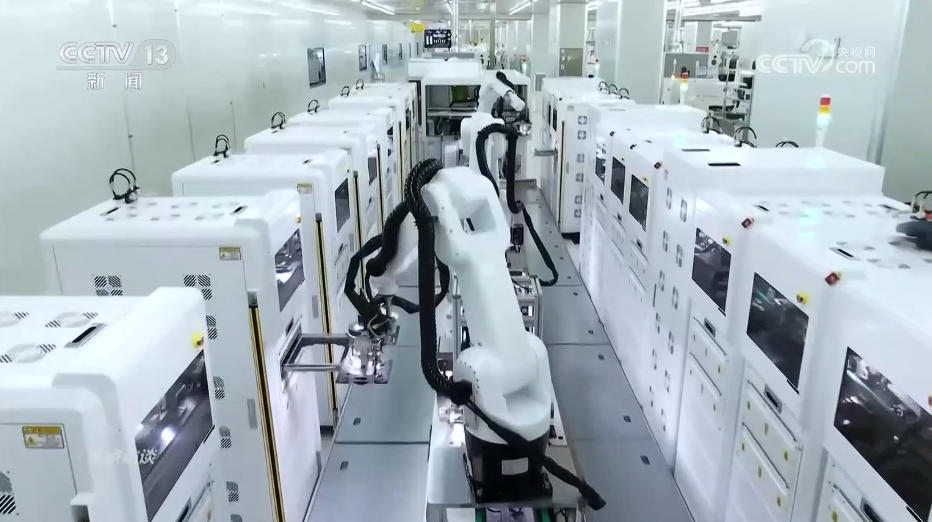
Core Viewpoint - Smart manufacturing is identified as the core engine for high-quality development in the manufacturing industry, marking a significant transition from digitalization and networking to intelligent manufacturing in China [1][15]. Group 1: Overview of Smart Factories - The Ministry of Industry and Information Technology, along with five other departments, announced the first batch of 15 leading smart factories, covering key industries such as equipment manufacturing, raw materials, and electronic information [1][3]. - These leading factories represent the highest level of intelligent manufacturing in China and showcase a broad and deep development of smart manufacturing across various regions [1][3]. - The four-tier system for smart factory cultivation includes foundational, advanced, excellent, and leading levels, with specific requirements for each tier [3]. Group 2: Key Elements of Leading Smart Factories - To qualify as a leading smart factory, six key elements are required: industry leadership, AI technology application, innovative smart manufacturing models, performance leadership, replication leadership, and nurturing plans [3][5]. - Longfei Optical Fiber exemplifies an industry leader by integrating AI throughout its production process, achieving a pulling speed of 3,500 meters per minute with no human intervention [5][6]. - Weichai Power demonstrates performance leadership by reducing maintenance costs by 30% through its engine health management system, showcasing the effectiveness of its smart manufacturing practices [10]. Group 3: Future Manufacturing Models - The exploration of leading smart factories aims to create a flexible and efficient supply network capable of high customization and rapid iteration in production [8][16]. - Baosteel is innovating with AI-driven predictive manufacturing, moving away from traditional order-based production to proactively managing supply chains and production resources [11][13]. - The establishment of at least 1,200 AI scenarios and 25 benchmark production lines by Baosteel by 2027 reflects a commitment to integrating AI into manufacturing processes [13]. Group 4: Systemic Transformation in Manufacturing - The emergence of the first batch of leading smart factories signifies a systemic transformation in China's manufacturing sector, with a focus on technological breakthroughs, efficiency improvements, and green transitions [16]. - The experiences and models developed by these leading factories are expected to be replicable and promote the digital transformation of more manufacturing enterprises [16].
湖南湘江新区:一条产业“金腰带”
Zhong Guo Xin Wen Wang· 2026-01-12 09:49
Core Viewpoint - The article emphasizes the transformation of Hunan Xiangjiang New Area from a competitive landscape of individual enterprises to a collaborative ecosystem where companies thrive together, forming a robust industrial chain and enhancing regional economic strength [1][3][24]. Economic Growth - During the "14th Five-Year Plan" period, the GDP of Xiangjiang New Area is projected to cross three trillion yuan milestones, entering the "500 billion club" [1]. - The area is expected to develop three trillion-yuan industrial clusters in engineering machinery, electronic information, and new materials, accelerating the formation of a modern industrial system [1][4]. Industrial Ecosystem - The industrial development in Xiangjiang New Area follows a clear path from attracting single enterprises to forming collaborative industrial clusters, enhancing resource efficiency and innovation [3][4]. - The ecosystem is characterized by a "chain ecology" that supports innovation and value circulation, with significant contributions from major enterprises like Hunan Dongying Carbon Materials and others [5][7]. Collaborative Advantage - The engineering machinery cluster is projected to achieve a total output value exceeding 150 billion yuan by 2024, with the new generation information technology cluster generating over 130 billion yuan, accounting for 72.2% of the provincial output [10]. - The establishment of an "hourly industrial ecosystem" around leading companies like Zoomlion enhances production efficiency and resilience against market fluctuations [7][10]. Policy Support - A three-tier policy collaboration system has been established to support industrial upgrades, focusing on innovation-driven development and providing continuous subsidies to key industry players [19][21]. - The implementation of targeted policies has effectively addressed common challenges in industrial upgrades, fostering a unique path for collaborative industrial development [19][21]. Future Prospects - The Xiangjiang New Area is positioned to capitalize on future industrial opportunities in fields such as artificial intelligence, quantum technology, and life sciences, supported by a solid industrial foundation and a mature innovation ecosystem [23][24]. - The evolution of the industrial landscape from isolated enterprises to interconnected clusters signifies a shift towards a collaborative and symbiotic growth model, enhancing the region's competitive edge [24].
9个方面重点任务明确成都郫都区“十五五”路线图、任务书
Zhong Guo Fa Zhan Wang· 2026-01-12 09:38
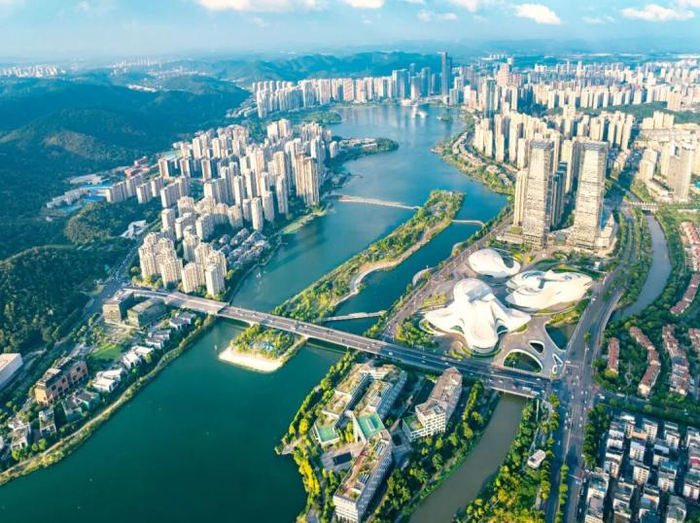
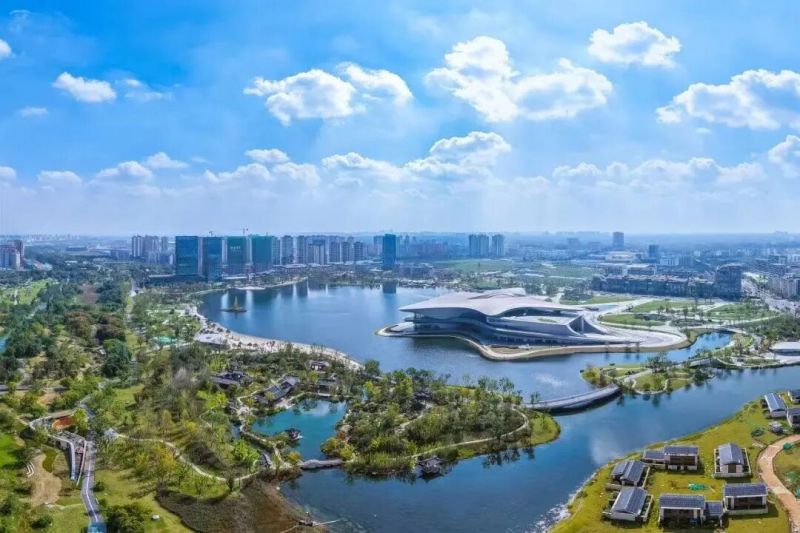
Core Viewpoint - Chengdu's Pidu District has outlined a comprehensive five-year development plan focusing on modern industrial systems, technological innovation, and deep integration of industry and innovation, aiming for high-quality economic and social development [1] Group 1: Modern Industrial System - The focus is on strengthening the real economy, emphasizing the development of advanced manufacturing as the backbone of a modern industrial system [3] - Key industries include electronic information, military-civil integration, green food, and cultural industries, with specific initiatives like upgrading the "Pixian Douban" brand and enhancing the Chengdu Film City [3] - Emerging industries such as hydrogen energy and solid-state batteries will be prioritized, alongside the integration of AI applications to create new economic growth points [3] Group 2: Technological and Industrial Innovation - The plan emphasizes the importance of technological innovation in shaping new development advantages and fostering deep integration between technology and industry [4] - Strengthening innovation platforms and enhancing corporate innovation capabilities are key strategies, including the establishment of industry chain innovation consortia [4][5] Group 3: Domestic Demand and Economic Growth - The strategy aims to boost consumption and investment, creating a positive interaction between supply and demand to ensure stable economic growth [6] - Specific actions include enhancing consumer rights protection, optimizing investment management, and fostering a supportive business environment for SMEs [6] Group 4: Rural Revitalization and Urban Integration - The plan promotes new urbanization and rural revitalization strategies, focusing on improving infrastructure and public services in rural areas [7] - Development of modern agriculture and integration of rural industries are highlighted to enhance the quality of life in rural communities [7] Group 5: Reform and Opening Up - The initiative aims to integrate into the national market and enhance openness, addressing systemic barriers to promote a dynamic environment for reform and development [8] - Key areas for reform include industrial parks and financial sectors, with a focus on expanding international market reach for local products [8] Group 6: Cultural Development - The plan emphasizes cultural confidence and the promotion of local heritage, aiming to enhance the cultural soft power of the city [9] - Initiatives include creating a 15-minute cultural service circle and integrating cultural, tourism, and sports sectors [9][10] Group 7: Social Welfare and Quality of Life - The focus is on improving living standards and ensuring high-quality employment, education, and healthcare services [11] - Strategies include enhancing social security systems and promoting a multi-pillar pension system [11] Group 8: Green Development - The plan commits to ecological protection and green transformation, aiming for a sustainable and livable environment [12] - Key initiatives include pollution prevention, the establishment of a park system, and the promotion of clean energy [12] Group 9: Safety and Governance - The strategy integrates safety into urban development, enhancing emergency management and smart governance [13] - Emphasis is placed on legal governance and community engagement to resolve conflicts and enhance public safety [13]
四川:改革为笔 绘就数字经济创新发展新蓝图
Zhong Guo Fa Zhan Wang· 2026-01-12 08:42
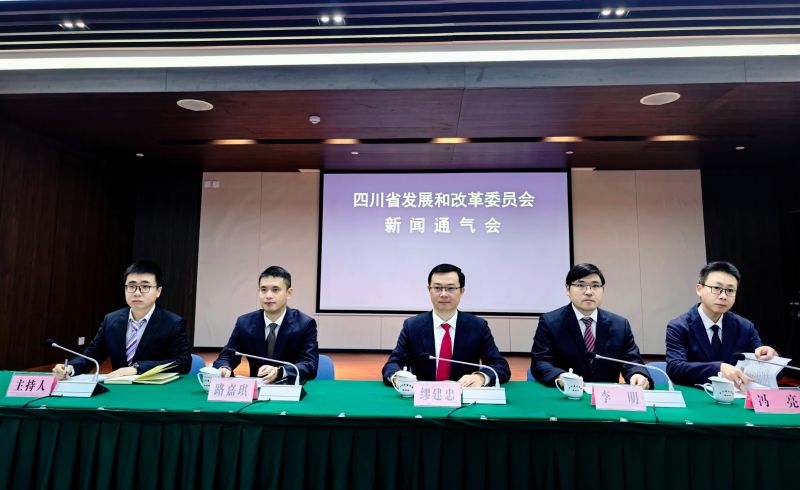
Core Viewpoint - The Sichuan Provincial Development and Reform Commission has officially released the "Sichuan National Digital Economy Innovation Development Pilot Zone Construction Plan," aiming to establish Sichuan as a leading province in digital economy innovation by addressing key challenges and implementing targeted reforms [3][4]. Group 1: Strategic Focus - The plan emphasizes a problem-oriented and goal-oriented approach, focusing on the bottlenecks and challenges hindering high-quality digital economic development [3][4]. - Sichuan aims to integrate the digital economy with the real economy through institutional and technological innovations, fostering new productive forces for high-quality economic growth [4][5]. - The province has established a comprehensive electronic information industry ecosystem, with a core industry value added exceeding 530 billion yuan in 2024, representing 16.7% of the revenue from large-scale digital economy enterprises [4]. Group 2: Key Objectives and Challenges - The plan outlines four core objectives: gathering new technologies and business models in the digital economy, promoting effective digital transformation, upgrading digital infrastructure, and improving the digital governance ecosystem [5][6]. - Key challenges identified include strengthening core competitiveness in digital industries, enhancing the dynamism of emerging industries, and improving the shared infrastructure for data [6]. Group 3: Multi-Dimensional Initiatives - The plan includes 17 key initiatives across five areas: cultivating digital industry clusters, advancing intelligent technology innovations, deepening digital transformation, optimizing data infrastructure, and enhancing digital governance policies [7]. - A digital transformation promotion network will be established, featuring application scenario laboratories and transformation centers to facilitate industry transitions [7][8]. - The province will leverage national strategies like "East Data West Computing" to enhance data infrastructure and promote the integration of clean energy with computing resources [8][9]. Group 4: Support Mechanisms - A comprehensive support system will be developed, focusing on policy support, financial backing, and innovative mechanisms to ensure the effective implementation of the pilot zone construction [10][11]. - Specific financial measures include annual funding of up to 30 million yuan for digital industry clusters and support for digital transformation centers [10]. - Six work promotion mechanisms will be established to enhance collaboration across departments and regions, ensuring effective reform implementation [11].
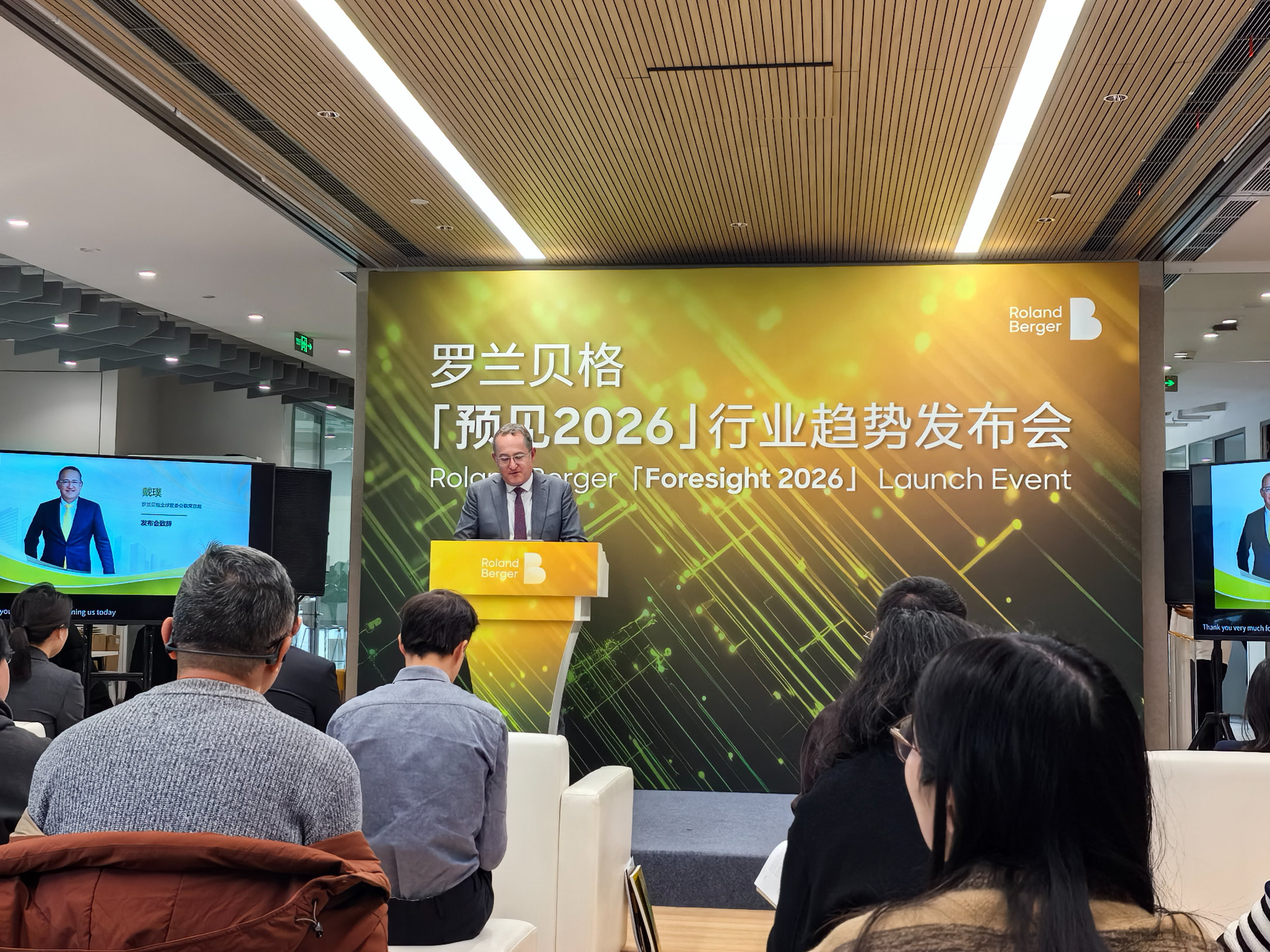
罗兰贝格:中国供应链正逐步升级为中资主导的亚洲供应链
Guo Ji Jin Rong Bao· 2026-01-12 08:26
"2026年中国经济增速预计在4.5%—5%区间,这一温和的增长目标,是为实现更高优先级目标而做出的权衡,即推动中国经济的深度转型。"近日,罗 兰贝格全球管委会联席总裁戴璞(Denis Depoux)在"预见2026"行业趋势会上如是表示。 吴钊据2025年1月至11月数据推演,全年投资并购交易金额超3500亿美元,同比增长超30%;中企海外并购上半年金额近200亿美元,同比增长八成,体 现出海进程的深度本地化。资本市场方面,A股与港股合计融资额占全球IPO市场的1/3,A股重大资产重组案例超130笔,较前一年数量翻倍,募投管退各环 节全面修复,全年交易数量超1.1万笔,市场活跃度显著提升。 戴璞表示,当前,部分行业收缩规模,另一部分行业则加速升级,这正是"创造性破坏"的生动写照,也恰恰印证了读懂中国经济的难度所在:它正处 于"一边增长、一边收缩"的分化状态,这种分化的背后是一场深刻的经济转型变革。 "我们或许会看到增速放缓,但实则是在为构建更强劲、更具韧性的经济根基铺路。增速数字本身并不重要,关键在于理解其背后的转型逻辑。"他说。 会上,罗兰贝格发布《预见2026:中国行业趋势报告》(下称"报告"),该报告 ...
推动工业互联网和人工智能融合赋能
Ren Min Ri Bao· 2026-01-12 02:48
Core Insights - The Ministry of Industry and Information Technology has issued an action plan to enhance the integration of industrial internet and artificial intelligence, aiming for significant improvements by 2028 [2] Group 1: Action Plan Objectives - By 2028, the plan aims to implement new industrial network upgrades in no less than 50,000 enterprises and create high-quality datasets in 20 key industries [2] - The action plan outlines four major initiatives: upgrading foundational infrastructure, ensuring data model interoperability, renewing application models, and fostering industrial ecosystem integration [2] Group 2: Industry Impact - The plan emphasizes the expansion of new industrial networks that meet the high throughput, low latency, high reliability, and low jitter communication needs of artificial intelligence applications [2] - Key industries such as raw materials, equipment manufacturing, consumer goods, and electronic information are targeted for accelerated deployment of these applications [2] - The initiative aims to cultivate a number of intelligent solution providers focused on critical links and typical scenarios within key industrial chains, promoting collaborative upgrades among large, medium, and small enterprises [2]