军工制造

Search documents
中国金龙指数大涨3.3%!美股三大指数均涨超1%,稳定币巨头跌逾15%,市值跌破500亿美元!原油跌超6%,黄金下跌
Sou Hu Cai Jing· 2025-06-24 22:44
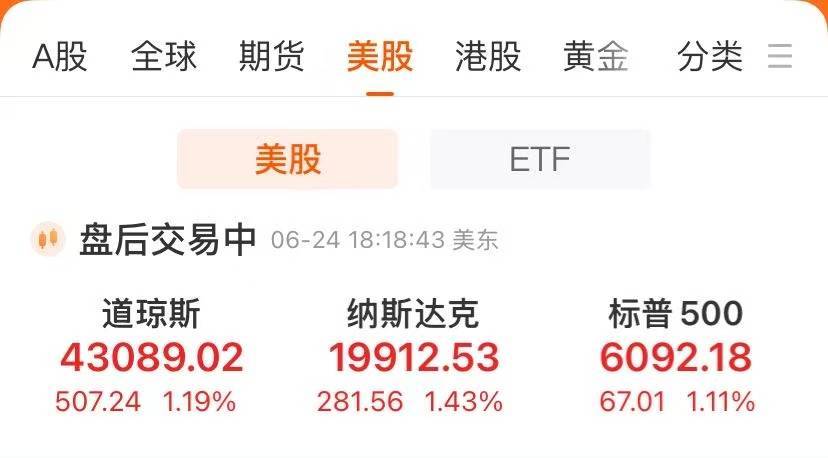
Market Performance - Major U.S. stock indices opened higher and closed with significant gains, with the Nasdaq up 1.43%, the Dow Jones up 1.19%, and the S&P 500 up 1.11% [1][5] - The Dow Jones reached its highest closing level since early March, while both the S&P 500 and Nasdaq achieved their highest closing levels since late February [1] - Large-cap tech stocks mostly rose, with Intel increasing over 6% [1][7] Chinese Stocks - The Nasdaq Golden Dragon China Index surged by 3.31%, marking its largest single-day gain since May 13 [2][10] - Notable gains were observed in various Chinese stocks, including Xiaoma Zhixing up over 16%, New Oriental up over 13%, and Kingsoft Cloud up over 7% [10] Commodity Market - COMEX gold futures fell by 1.71% to $3336.9 per ounce, while silver futures dropped by 0.9% to $35.86 per ounce [4] - International crude oil futures saw significant declines, with WTI crude oil down 6.04% to $64.37 per barrel and Brent crude oil down 6.07% to $67.14 per barrel [4] Federal Reserve Insights - Federal Reserve Chairman Jerome Powell indicated that inflation is expected to rise soon, and the Fed will continue to observe economic conditions before deciding on interest rate adjustments [4][12] - Powell mentioned that most Fed policymakers support a rate cut later this year, although he personally disagrees with a rate cut at the July meeting [4][16] - The market currently prices in a 23% chance of a rate cut at the July meeting, with an 82% probability for a cut in September [16]


美政府逼着欧洲加军费,“美军火商忙着抢市场”
Guan Cha Zhe Wang· 2025-06-24 14:27
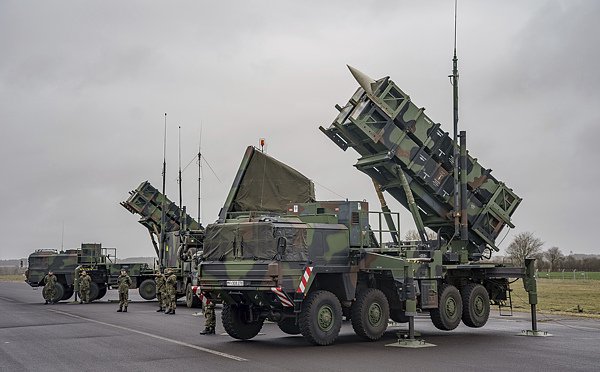
Core Viewpoint - The article discusses the increasing military spending in Europe driven by the Russia-Ukraine conflict and U.S. pressure, leading American defense companies to seek opportunities in the European market [1][2]. Group 1: Military Spending and Market Opportunities - European countries are significantly increasing military budgets, with NATO members expected to raise military spending to 5% of GDP [1]. - U.S. defense firms are focusing on partnerships with European companies to avoid exclusion from European defense projects [1][5]. - The European defense market is becoming increasingly attractive for U.S. companies, as evidenced by the establishment of new partnerships and production facilities in Europe [4][5]. Group 2: U.S. Defense Companies' Strategies - Major U.S. defense companies like Lockheed Martin and Raytheon are expanding their European operations, with European business accounting for 11% of their annual revenue in 2024 [4]. - Lockheed Martin is collaborating with Rheinmetall to establish missile production facilities in Europe, while Raytheon is forming joint ventures for missile production in Germany [5]. - U.S. firms are adapting to European requirements and standards to strengthen their partnerships and ensure compliance with local regulations [5][6]. Group 3: European Defense Industry Concerns - European defense executives express concerns about reliance on U.S. technology and the implications of U.S. export regulations, particularly the International Traffic in Arms Regulations (ITAR) [6]. - There is a growing sentiment among European nations to reduce dependency on U.S. weapons and enhance their own defense capabilities [6][7]. - The EU has proposed an €800 billion "Rearm Europe" plan to bolster defense capabilities, with a portion of funding allocated for purchasing non-European components [7].

特朗普再对美联储发飙,中国继续脱钩,又抛82亿,开辟第二战场
Sou Hu Cai Jing· 2025-06-24 01:27
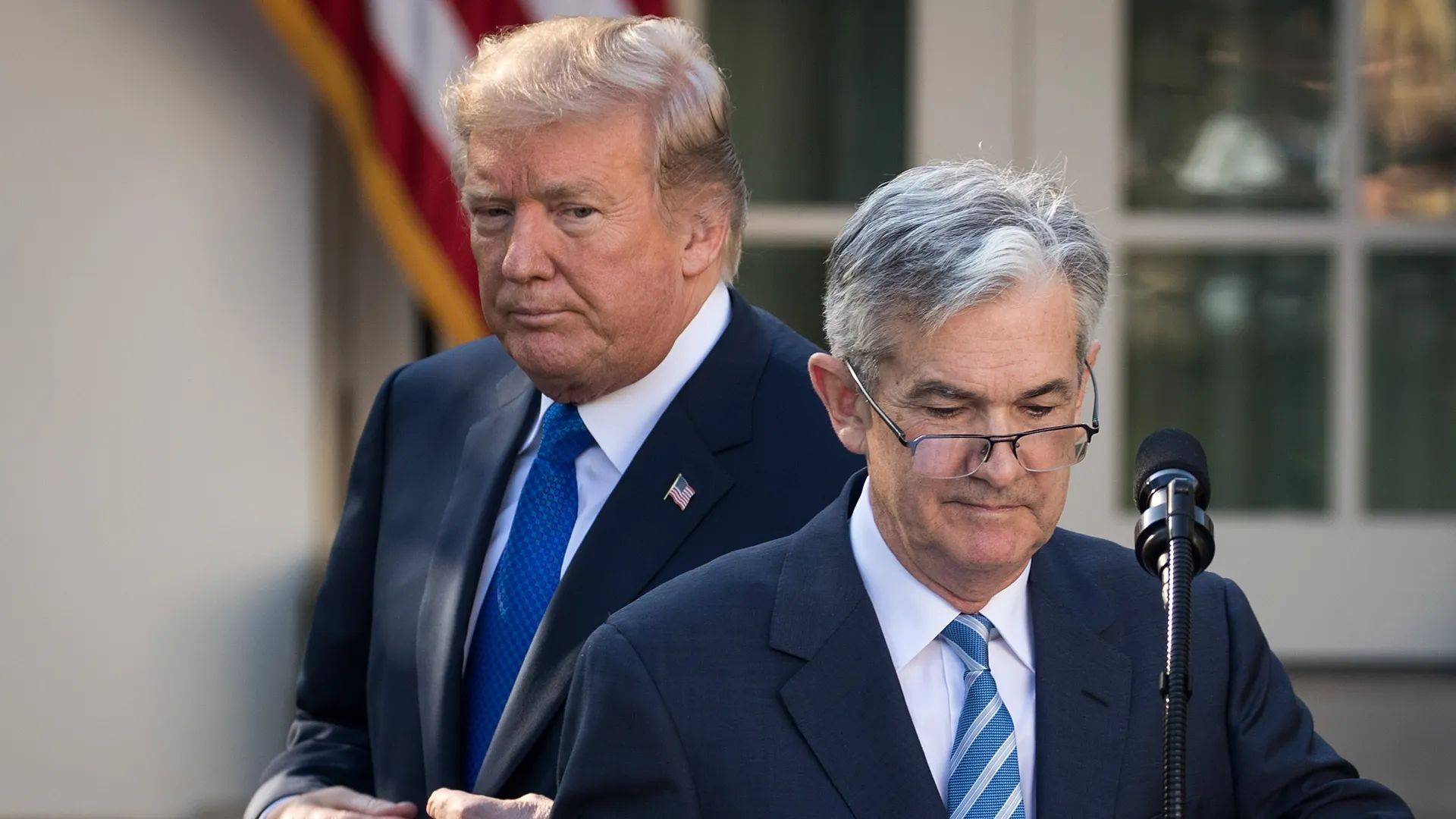
美国经济最近有点绷不住了。GDP增速被美联储下调到1.4%,通胀预期却飙到3%,失业率还在往上爬。特朗普一看这数据,直接破防,对着美联储主席鲍 威尔就是一顿输出:"愚蠢!不如我自己去干!" 这话从年初一直说到现在,还是老样子。美联储今年第四次按兵不动,利率卡在4.25%-4.5%,特朗普急得跳脚,恨不得自己上手降息250个基点。可惜美联 储不是他家的,不是他发条帖子就能改政策的。 除了金融战,中国手里还有一张王牌,就是稀土。出口管制让美国汽车和军工企业急得跳脚,通用、福特只能拿到临时许可,供应链随时可能断供。中国控 制全球90%的稀土加工,这一招比关税狠多了。美国想用乙烷出口卡中国脖子,结果发现中国早就布局,进口依赖度从80%降到35%。 特朗普这么急,是因为他的关税政策玩脱了。4月他突然对中国商品加税到125%,结果中国反手就抛美债,全球市场跟着抖三抖。美国企业叫苦连天,公司 利润预期直接下调,零售数据跌得妈都不认。特朗普甩锅技能点满,把经济疲软的锅全扣在美联储头上。他说降息能省6000亿利息支出,但问题是,美债现 在没人要了,收益率狂飙,30年期都破5%了,财政部发新债的成本高得吓人。 中国这边也没闲着。 ...
和一个融资数亿公司破产的朋友聊天
佩妮Penny的世界· 2025-06-23 09:44
Core Insights - The article reflects on the challenges faced by companies in traditional industries during economic downturns, highlighting the struggles of a friend who is facing bankruptcy after years of effort in a once-promising venture [1][2]. Group 1: Industry Challenges - Companies in traditional industries are experiencing significant difficulties, with many unable to survive without extreme cost control or non-compliance with regulations [1]. - The friend mentioned that in a declining market, attempting to innovate in traditional sectors feels like "swimming in a cesspool," leading to inevitable failures [1]. - The lack of investment in such companies is evident, as they struggle to attract funding without a strong technological or AI narrative [1]. Group 2: Entrepreneurial Reflections - The friend expressed regret over his entrepreneurial choices, noting that despite a promising start, the industry has not yielded successful outcomes for any of the companies in his cohort [2]. - He criticized the prevailing entrepreneurial wisdom that emphasizes long-term commitment and idealism, suggesting that a focus on immediate profitability would have been more beneficial [2]. - The article mentions several companies that were once successful but have now faced significant setbacks, illustrating a broader trend of failure in the industry [2]. Group 3: Future Opportunities - The conversation shifted towards exploring future opportunities in AI, indicating a potential pivot for entrepreneurs seeking new ventures [3]. - The friend is now focused on quickly generating capital to address personal debts, reflecting a shift in priorities from long-term vision to immediate financial needs [3].

中国稀土战略反制升级!美国军工命脉被掐住?80%依赖背后的资源博弈真相
Sou Hu Cai Jing· 2025-06-22 10:40
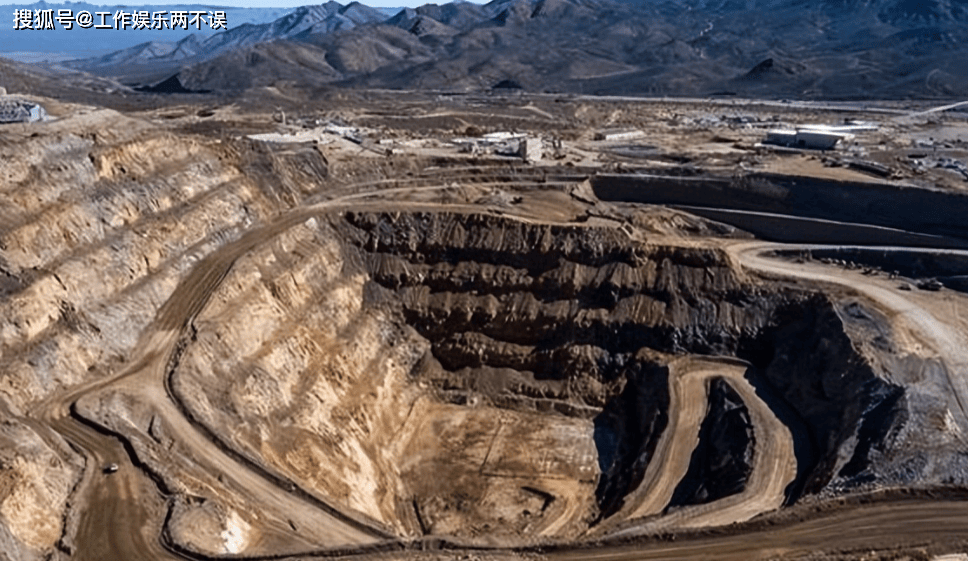
Group 1 - The core argument of the article highlights the escalating rare earth competition between China and the U.S., emphasizing China's strategic control over the global rare earth supply chain, which is crucial for U.S. military capabilities [1][5] - Rare earth elements, consisting of 17 metals, are essential for modern industries and military applications, significantly impacting the performance of advanced military equipment like the F-35 fighter jet and Virginia-class submarines [2][4] - The U.S. military's heavy reliance on China for rare earth supplies is underscored by a report indicating that 87% of its rare earth supply chain is dependent on China, revealing significant vulnerabilities in the U.S. rare earth industry [5] Group 2 - China's export controls on rare earths serve as a targeted response to U.S. actions, leading to a dramatic increase in U.S. rare earth import prices by 180% and causing production halts in companies like Raytheon [7] - The ongoing rare earth conflict reflects a broader reconfiguration of global power dynamics, with emerging nations challenging the existing international order established by the U.S. [9] - The article suggests that in the high-tech era, the definition of resources is evolving, with China elevating rare earths from mere industrial materials to strategic tools, thereby shifting the power dynamics within global supply chains [10]

中美稀土博弈:临时许可背后的战略深意
Sou Hu Cai Jing· 2025-06-22 02:27
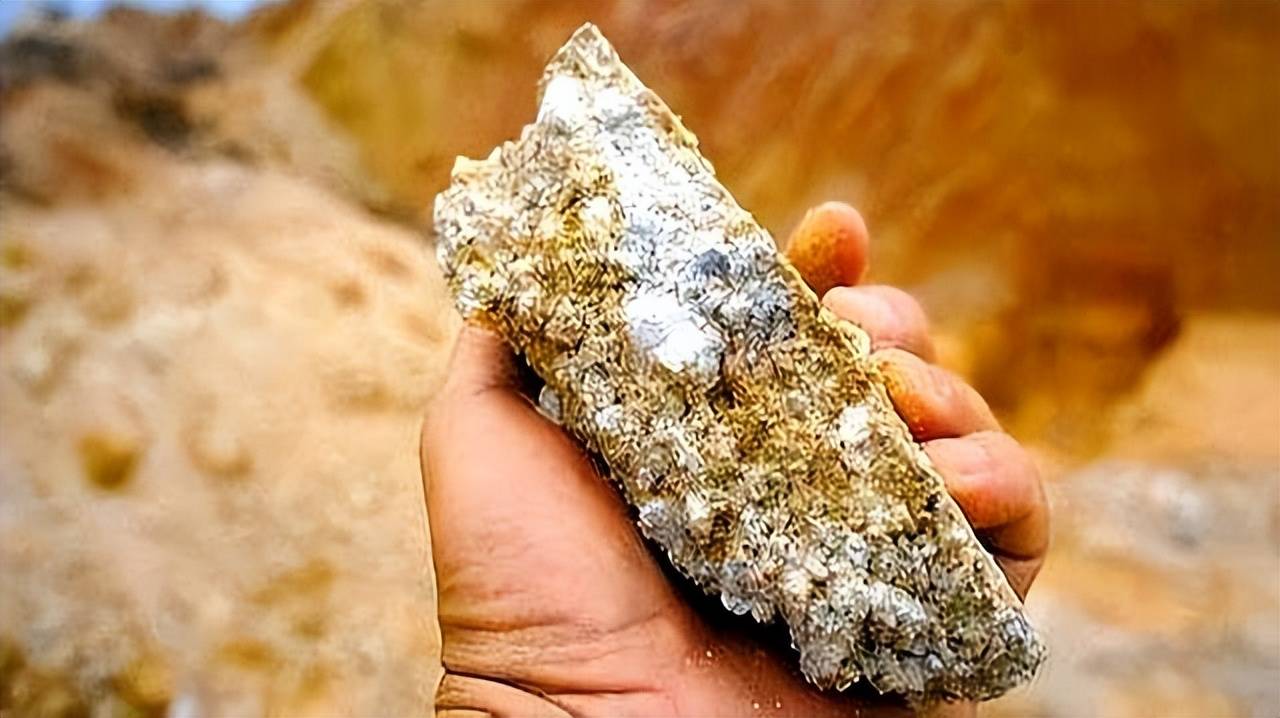
Group 1 - The core point of the article highlights the strategic leverage China holds over the U.S. through its control of rare earth exports, particularly in the context of U.S. military and high-end manufacturing reliance on these materials [1][2][4] - The U.S. automotive industry, including major manufacturers like General Motors, Ford, and Stellantis, has received temporary export permits for rare earths from China, but this is seen as a strategic trial rather than a permanent solution [1][5] - The U.S. military and high-tech sectors are significantly impacted by China's rare earth export controls, with critical components like the F-35 fighter jet and Virginia-class submarines heavily reliant on these materials [1][2][4] Group 2 - China's dominance in the rare earth market is underscored by the fact that it produces 90% of the world's high-performance rare earth magnets, essential for various advanced technologies [2][4] - The introduction of a rare earth tracking system by China aims to tighten control over the supply chain, making it difficult for companies to divert materials for unauthorized uses [2][5] - The U.S. response includes plans to establish domestic processing facilities and potential imports from Russia, but these efforts face significant technological and time barriers [4][5] Group 3 - The conditions set by China for continued rare earth exports include the U.S. lifting restrictions on Chinese technology sectors, indicating a complex interplay of trade and geopolitical strategy [7][9] - The pressure is mounting on U.S. leadership, particularly Trump, as the automotive sector's reliance on Chinese rare earths could have significant political repercussions if production is forced to relocate [9][10] - The ongoing rare earth competition reflects a broader shift in the balance of power between the U.S. and China, with implications for future negotiations over other critical materials [9][10]
据英国金融时报:洛克希德马丁(LMT.N)已向英国政府提出协助建设新导弹防御系统的请求。
news flash· 2025-06-19 04:07
Group 1 - Lockheed Martin (LMT.N) has requested assistance from the UK government to help build a new missile defense system [1]
突然大跌!美国下令:增兵中东!
券商中国· 2025-06-17 10:28
Core Viewpoint - The stock price of Lockheed Martin, the manufacturer of the F-35 fighter jet, dropped nearly 4% on June 16, resulting in a market value loss of $4.5 billion due to reports of F-35s being shot down in the Middle East [1][5]. Group 1: Market Impact - Lockheed Martin's stock closed at $467 per share, down 3.99%, with a total market value of $109.4 billion [5]. - The company has seen a cumulative decline of over 22% since its peak in October last year, with a market value loss exceeding $36 billion [14]. Group 2: Geopolitical Context - Tensions in the Middle East remain high, with the U.S. Defense Secretary ordering the deployment of additional military forces to the region [3][16]. - Reports from Iranian media claim that an F-35 was shot down, which has not been confirmed by Israeli defense forces [2][4]. Group 3: Procurement and Cost Issues - The U.S. Air Force has halved its procurement of F-35s, requesting only 24 aircraft instead of the previously expected 48, indicating a shift in defense spending priorities [9]. - The total projected cost of the F-35 program has exceeded $2 trillion, raising concerns about its long-term viability [12]. Group 4: International Reactions - Several U.S. allies have paused or reconsidered their F-35 procurement plans, including Canada and Portugal, amid growing safety concerns [13].

老美反复无常,特朗普发文称只有东方大国解除对美国稀土出口限制
Sou Hu Cai Jing· 2025-06-16 14:46
Group 1 - The U.S. military's dependence on rare earth elements has reached 97%, indicating a critical reliance that cannot be easily negotiated away [3] - The U.S. has limited domestic refining capabilities, with only 5% of global refining capacity, highlighting a significant vulnerability in the supply chain [3][5] - The Biden administration's efforts to establish a domestic rare earth supply chain have shown limited results, as reported by the Wall Street Journal [5] Group 2 - In 2023, 74% of the rare earth products imported by the U.S. came from China, underscoring the ongoing dependency on foreign sources [6] - Major U.S. companies like Apple and Tesla are facing supply chain pressures related to rare earth materials, prompting them to explore diversification strategies [8] - The shift in global market dynamics is leading to a reconfiguration of power, with countries moving towards de-dollarization and alternative currency settlements [10] Group 3 - The International Monetary Fund reported that the U.S. dollar's share in global foreign exchange reserves fell to 58.9% in Q1 2024, the lowest in 20 years, indicating a decline in U.S. influence [10] - The current situation reflects a broader issue for the U.S. in adjusting its stance towards China, as reliance on critical materials contradicts efforts for technological decoupling [11] - The resilience of China's industrial and policy frameworks suggests that the U.S. may face significant challenges in maintaining its position without addressing structural issues [13]