运动服饰

Search documents
姚剑“改造”狼爪:关闭小红书旗舰店只是开始
2 1 Shi Ji Jing Ji Bao Dao· 2025-12-03 13:52
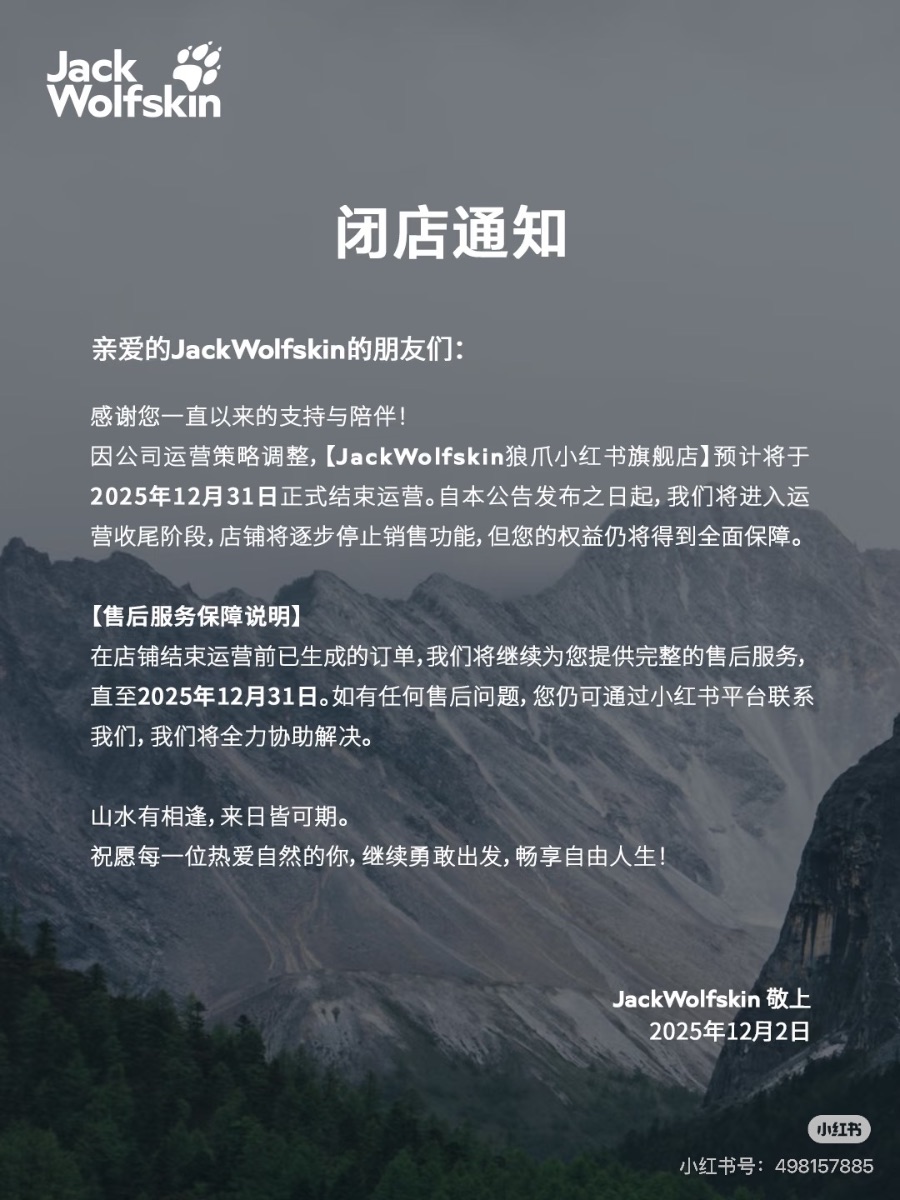
Core Viewpoint - Anta Group is initiating a transformation of the Jack Wolfskin brand, which includes the closure of its Little Red Book flagship store by December 31, 2025, due to operational strategy adjustments [1][2]. Group 1: Brand Transformation - Jack Wolfskin announced the closure of its Little Red Book flagship store as part of a strategy adjustment, with operations winding down and sales ceasing by the end of December 2025 [1]. - Anta Group's acquisition of Jack Wolfskin was completed for a base cash price of $290 million, marking a significant investment in the outdoor apparel sector [3]. - The appointment of Yao Jian as the president of Jack Wolfskin indicates Anta's commitment to revitalizing the brand, with a focus on global operations starting July 1 [8][10]. Group 2: Market Positioning - Jack Wolfskin aims to position itself in the mass outdoor sports market, differentiating itself from Anta's existing high-end outdoor brands, thereby creating a multi-brand strategy to address global uncertainties [7]. - The brand previously enjoyed success in China, with over 700 stores at one point, but has since struggled due to a lack of localization and operational capabilities [12]. Group 3: Strategic Goals - Anta Group's strategy includes a focus on multi-brand operations to fill gaps in the mid-range market and to create a complete outdoor brand hierarchy [12]. - The company is exploring further acquisitions, including potential interest in Puma, while maintaining a focus on its core strategy of "single focus, multi-brand, globalization" [17][18]. - Anta's recent joint venture with South Korean fashion group MUSINSA aims to enhance its presence in the Chinese market, indicating a broader strategy to integrate fashion and sports [18]. Group 4: Financial Performance - Anta Group reported a revenue growth of 13.6% to 70.826 billion yuan in 2024, with its subsidiary Amer Sports also showing significant growth [20]. - The company's overseas business, particularly in Southeast Asia, has seen substantial growth, with a nearly doubling of revenue in the first half of 2025 [21].

连续三季度超30%增长之后,On昂跑创始人说品牌需要“自律”|New Look专访
36氪未来消费· 2025-12-03 12:50
Core Viewpoint - The article discusses the growth and strategic positioning of On, a high-end sports brand, emphasizing its unique market approach and innovative technologies that differentiate it from traditional competitors [6][8][12]. Group 1: Brand Positioning and Strategy - On has positioned itself as a high-end brand, maintaining pricing power and avoiding discounting strategies, which is reflected in its gross margin consistently above 60% [8][9]. - The brand does not offer "downgraded" versions of its shoes, focusing instead on maintaining a premium product line that appeals to both elite athletes and everyday consumers [9][10]. - On's apparel segment has seen significant growth, with a 100.2% increase in sales, indicating successful market penetration and the attraction of new consumer demographics [12][13]. Group 2: Market Performance and Growth - Over the past three quarters, On's global revenue has increased by over 30%, with the Asia-Pacific region experiencing growth exceeding 100% [6][8]. - The company aims for a revenue target of 3.5 billion Swiss francs by 2026, with China identified as a crucial market for achieving this goal [8][12]. - On's strategy includes a controlled expansion of retail locations, with plans to open only 20 to 25 new stores globally in the coming year, reflecting a cautious yet confident growth approach [8][12]. Group 3: Innovation and Technology - On's innovative technologies, such as the LightSpray™ manufacturing process, allow for efficient production and high-quality products, enhancing its competitive edge [10][18]. - The brand's commitment to athlete feedback and product innovation is central to its growth strategy, ensuring that products meet the needs of both elite and casual runners [17][19]. - The introduction of new products, like the Cloudmonster Hyper, showcases On's focus on expanding its technology application across different shoe categories [10][12].
热点话题探析丨国潮崛起(下)
Jing Ji Ri Bao· 2025-12-03 03:53
业界流传一句话,"一流企业做标准、二流企业做品牌、三流企业做产品",这也是中国制造的发展 路径。从引进模仿到吸收创新再到自立自强,中国制造从努力提升产品质量,到积极打造国产品牌,再 到制定全球技术标准,从价值链低端持续向上攀升。国潮兴起,体现的正是中国制造的转型升级之路。 增品种、提品质,提供更多更好的中国制造 中国制造增品种、提品质是国潮兴起的核心基石。增品种,打破了国货品类单一的局限,多元化供 给精准匹配了年轻群体个性化、体验式的消费需求;提品质,则彻底扭转了此前中国制造"低端廉价"的 刻板印象。中国制造在性能、工艺上不断突破,也让优秀传统文化元素有了可靠的载体支撑。 中国制造增品种、提品质的过程,是从零突破、不断进阶的艰辛过程。新中国成立初期,中国制造 一穷二白,工业基础近乎空白,连日常消费品都难以自主生产。凭借庞大人口基数带来的广阔市场、成 本较低的劳动力资源、丰富的原材料储备与土地能源供给,叠加改革开放后出台的税收减免、政策扶持 等优惠条件,我国成功吸引全球制造业产业链的中低端环节向国内梯度转移。大量制造企业由此起步, 一方面承接面向国内市场的基础产品生产,满足民众基本生活需求;另一方面通过"三来一 ...
李宁户外首店“COUNTERFLOW 溯”亮相北京 加速户外市场布局
Zhi Tong Cai Jing· 2025-12-02 07:36
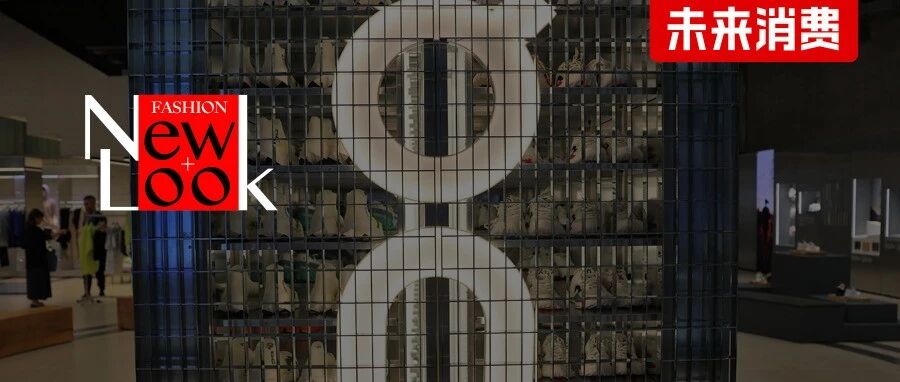
Core Insights - Li Ning has officially launched its first outdoor store "COUNTERFLOW" in Beijing, marking a significant step in its outdoor market strategy [1] - The outdoor category will become an independent segment starting in early 2024, leveraging Li Ning's comprehensive resources and expertise [2] - The company aims to capitalize on the rising trend of "pan-outdoor" activities in China, focusing on light outdoor experiences [1][3] Group 1 - The "COUNTERFLOW" store integrates retail, experience, and community interaction, showcasing a wide range of outdoor products [1] - Li Ning's outdoor products emphasize professional protective features combined with Eastern aesthetic design [2] - The store features a dedicated "outdoor community corner" for organizing offline outdoor activities, connecting urban outdoor enthusiasts [1] Group 2 - Li Ning's outdoor category is positioned in the light outdoor mass market, targeting high-frequency scenarios such as hiking, camping, and urban commuting [1] - The company has developed proprietary technologies for outdoor gear, including a unique rainproof nano-technology in collaboration with national research institutions [2] - Future plans include continuous innovation in professional technology and design, aiming to elevate outdoor lifestyles to a more mainstream and quality-focused level [3]

安踏或考虑竞购彪马?全球运动服饰市场迎新变局
Tai Mei Ti A P P· 2025-12-02 06:38
Core Viewpoint - The potential acquisition of Puma by Anta Sports is under consideration, with other bidders like Li Ning and Asics also in the mix, indicating a significant shift in the global sportswear market [2][3]. Group 1: Acquisition Interest - Anta Sports is reportedly considering a bid for Puma, possibly in collaboration with private equity firms [2]. - Other potential bidders include Li Ning and Asics, although both companies have denied any substantial negotiations regarding the acquisition [2][4]. Group 2: Puma's Current Situation - Puma's largest shareholder, Artemis SAS, is exploring options for its 29.3% stake, with a sale being a possibility due to financial pressures from the Kering Group [4][5]. - Puma's performance has declined significantly, with a 10.4% year-over-year drop in sales to €1.9557 billion and a net loss of €62.3 million in Q3 2025 [6]. - The company faces challenges such as weak brand momentum, changing channel structures, U.S. tariff pressures, and high inventory levels [6]. Group 3: Anta's Growth and Strategy - Anta has achieved a significant milestone, with combined revenues from Anta Sports and Amer Sports surpassing ¥100 billion, making it the third-largest sportswear group globally [7]. - In H1 2025, Anta's revenue grew by 14.3% to ¥38.54 billion, with Amer Sports' revenue increasing by 23.46% to approximately ¥19.44 billion [8]. - Anta's ambition for global expansion is evident, with ongoing rumors of potential acquisitions, including Reebok, although these have been denied [9][10]. Group 4: Anta's Acquisition History - Anta has a track record of successful acquisitions, having built a portfolio of around 20 brands through strategic purchases since 2009 [11]. - Recent acquisitions include a stake in the Korean fashion e-commerce platform Musinsa and full ownership of the German outdoor brand Wolfskin [12]. - The acquisition of Puma would solidify Anta's position as a globally influential sports brand group, potentially reshaping the competitive landscape among Nike, Adidas, and Puma [12].
可选消费W48周度趋势解析:黑五开启拉动海外消费表现优异,A/h消费景气度有一定回升-20251201
Haitong Securities International· 2025-12-01 14:03
Market Performance - The Black Friday kickoff has significantly boosted overseas consumption, leading to a positive sentiment in the A/H-share consumer sectors[1] - Weekly performance of various sectors showed strong growth, with the gaming sector leading at 6.9%, followed by overseas sportswear at 6.8% and overseas cosmetics at 4.1%[11] - Year-to-date performance highlights jewelry as the top performer with a 133.9% increase, while overseas sportswear has seen a decline of 15.4%[11] Sector Analysis - The overseas sportswear sector is expected to have a PE ratio of 30.2x in 2025, which is 57% of the average PE over the past five years[15] - The domestic sportswear sector's expected PE is 14.7x, representing 77% of its historical average[15] - The gaming sector's expected PE is 17.2x, which is only 28% of its five-year average, indicating potential undervaluation[15] Company Highlights - Notable stock performances include Sands China up 11.2% and MGM China up 9.1%, driven by positive trends in Macau's gaming revenue[14] - Lululemon's stock surged by 9.5% due to strong demand for new winter apparel, with expectations for a positive Q3 2025 earnings report[14] - E.L.F. Beauty's stock rose by 8.7% following favorable analyst ratings and improved sales trends[14] Consumer Sentiment - The retail sector saw a 3.6% increase, with Walmart and Target benefiting from the Black Friday shopping season[14] - The luxury goods sector increased by 2.5%, supported by expectations of strong performance during the holiday shopping season despite high valuation levels[14] - Domestic cosmetics stocks rose by 2.2%, with significant growth reported by companies like Shiseido and Marubi[14]
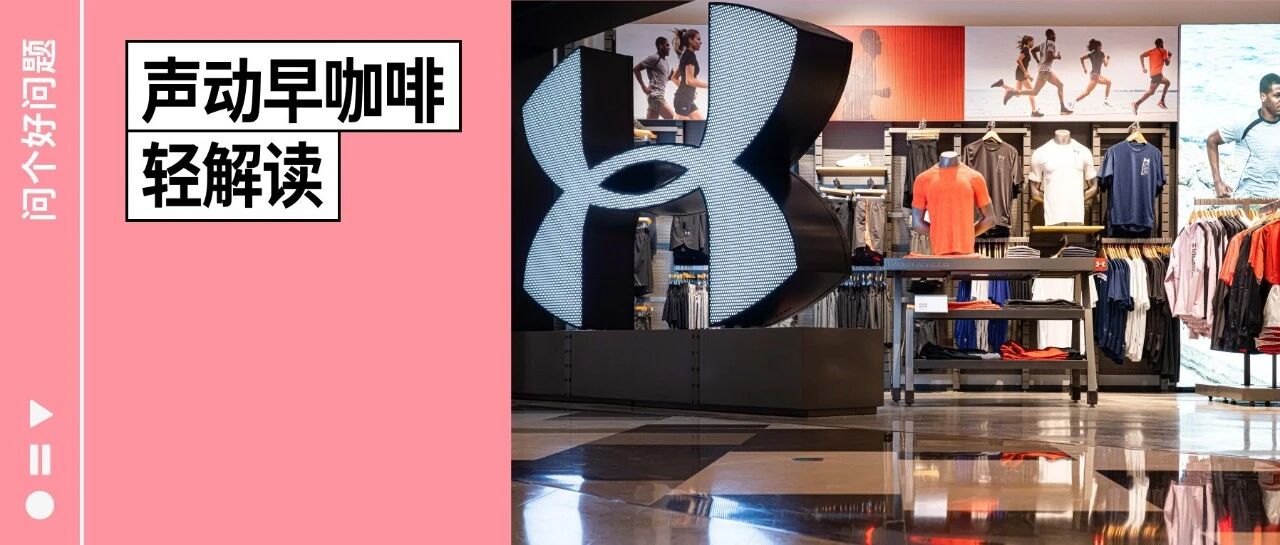
曾被称为「第二个耐克」的安德玛,为什么近十年业绩滑坡? | 声动早咖啡
声动活泼· 2025-12-01 09:04
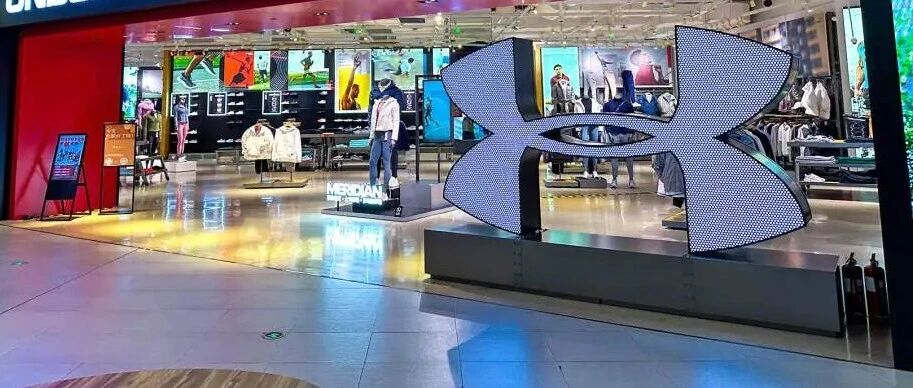
Core Insights - Under Armour's partnership with Stephen Curry, which began in 2013, significantly boosted its brand visibility and sales, making it the second-largest sports brand in the U.S. by 2015, surpassing Adidas [4][5] - However, the company has faced stagnation in revenue since 2017, with annual earnings hovering around $5 billion, and has struggled with profitability post-pandemic [5][10] - The shift in consumer preferences towards athleisure wear has left Under Armour's focus on professional sports apparel misaligned with market trends, leading to a decline in brand relevance [6][7] Company History and Growth - Under Armour was founded in 1996 by Kevin Plank, who aimed to create moisture-wicking athletic wear, capturing 70% of the market in the tight-fitting sports apparel segment by 2000 [4] - The brand's initial success was driven by its innovative products and strategic partnerships with professional athletes [4][5] Partnership with Stephen Curry - The collaboration with Curry was pivotal, as it coincided with his rise in the NBA, leading to a 350% increase in basketball shoe sales for Under Armour [5] - Despite the initial success, the partnership ended in November 2023, marking a significant shift for the brand [4] Market Position and Challenges - Under Armour's revenue growth has stagnated, with 65% of its income still coming from sports apparel, while only 25% is from footwear, indicating a lack of diversification [8] - The company has struggled to adapt to the athleisure trend, which has been embraced by competitors like Nike and Adidas [6][7] Internal Management Issues - Under Armour has faced internal turmoil, including leadership changes and allegations of financial mismanagement, which have hindered its operational effectiveness [10][11] - The company's reliance on distributors (70% pre-2015) has created barriers to understanding consumer demand, leading to inventory issues and a damaged brand image due to frequent discounting [9][10] Strategic Missteps - Under Armour's attempts to diversify into various sports categories have not yielded significant returns, resulting in resource dilution [8] - The company has made several costly decisions, such as acquiring MyFitnessPal for $700 million, which ultimately did not pan out, reflecting a lack of long-term strategic planning [11][12]
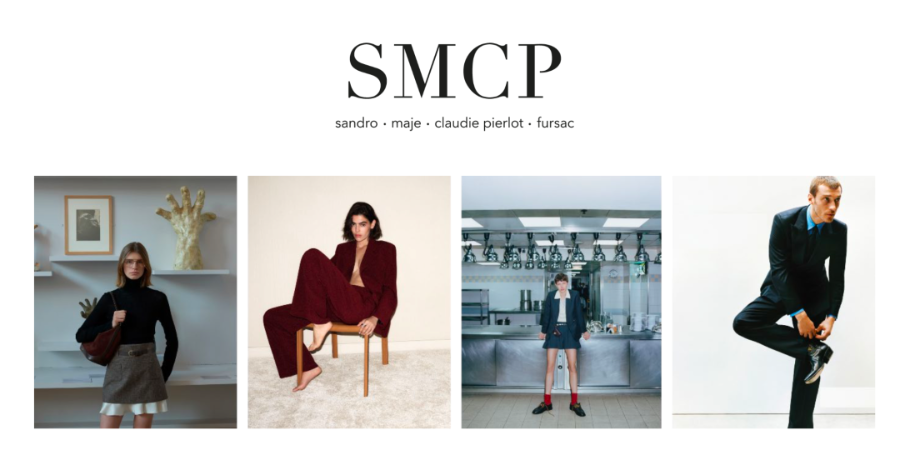
SMCP计划出售控股权;杰尼亚家族第四代上台
2 1 Shi Ji Jing Ji Bao Dao· 2025-12-01 02:37
Group 1: Luxury Goods Market Overview - The global luxury goods market is expected to reach €1.44 trillion by 2025, remaining stable compared to the previous year, with a trend of gradual improvement anticipated for the coming year [10][11] - The personal luxury goods market is projected to maintain stability, with a forecasted market size of €358 billion for 2025, although a decline of approximately 2% is expected this year [11] Group 2: Company Developments - SMCP Group has initiated a process to sell up to 51.2% of its equity, aiming to stabilize its shareholder structure and focus on strategic development [3] - Anta Sports is reportedly a potential buyer for German sports brand PUMA, which has seen its stock price drop nearly 50% over the past year due to various market pressures [6] - Golden Goose reported a 13% increase in revenue to €517 million for the first nine months of the fiscal year, with a 21% growth in direct-to-consumer (DTC) sales [6][7] - L'Oréal announced a €60 million investment to upgrade its perfume factory in France, aiming to double its annual production capacity to 200 million bottles [16] - Ermenegildo Zegna Group will implement a new leadership structure, with the fourth generation of the Zegna family taking over as co-CEOs [17] - Parfümerie Pieper, a major family-owned perfume retailer in Germany, has filed for bankruptcy management while continuing normal operations [19] - Estée Lauder is considering selling its Korean skincare brand Dr.Jart+, which is expected to generate approximately $150 million in revenue for 2025 [21] - Watsons is planning to list in Hong Kong and the UK, with an expected fundraising target of up to $2 billion [24]
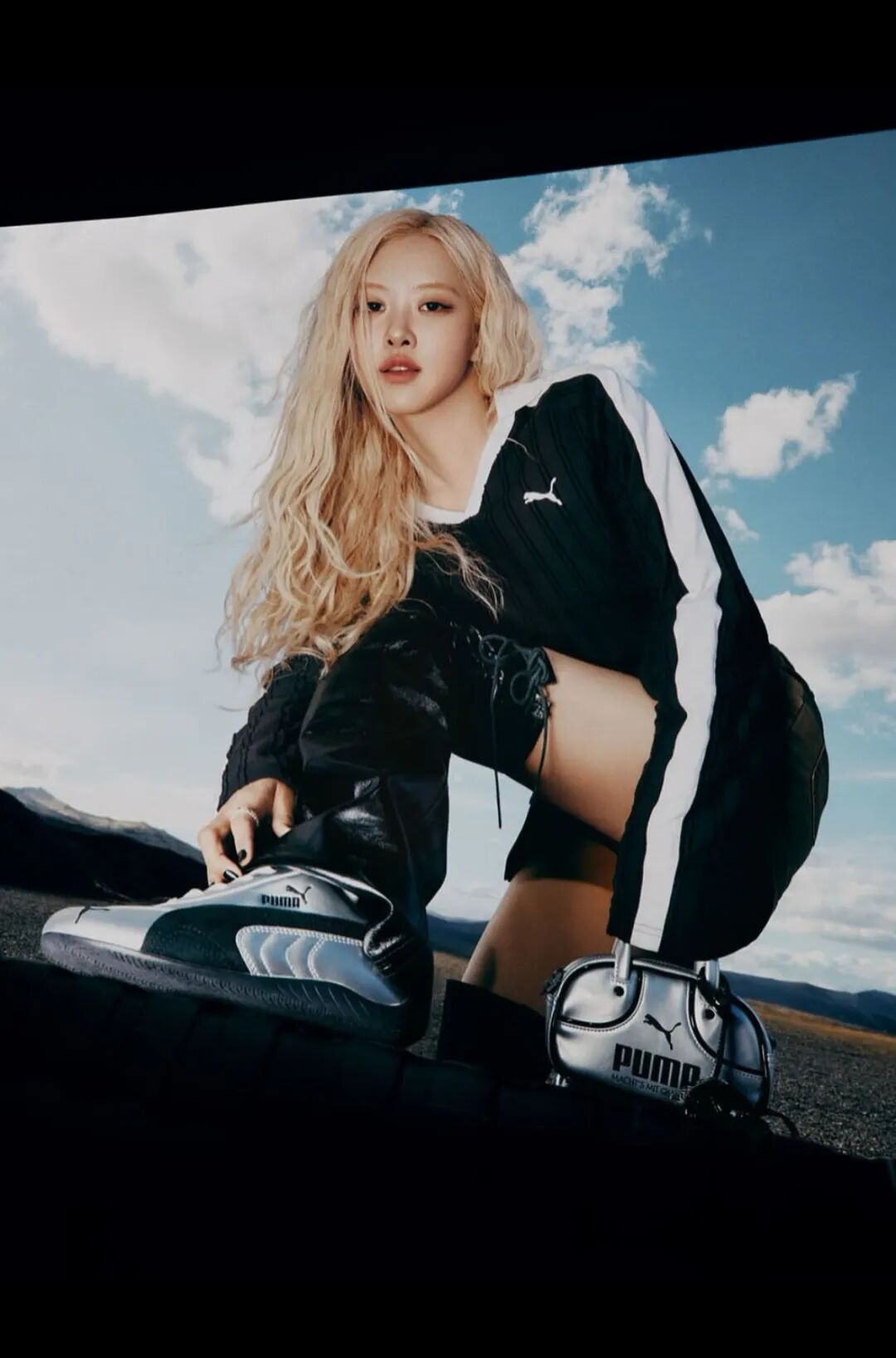
安踏李宁,争抢收购彪马?
3 6 Ke· 2025-11-30 08:35
Core Viewpoint - The German sports brand Puma is reportedly facing acquisition offers, with Anta Sports identified as a potential buyer among others, amid a backdrop of declining performance and market pressures [1][2][3]. Group 1: Acquisition Rumors - Anta Sports is one of the potential bidders for Puma, alongside Li Ning, Asics, Authentic Brands Group, and private equity firm CVC [2]. - Puma's stock experienced a significant surge, with an 18.91% increase in Germany and a 17.97% rise in the UK on November 27, marking the largest single-day gain in years [4]. - Puma's stock had previously fallen over 50% this year, reaching a decade-low due to intense competition and adverse market conditions [4][5]. Group 2: Financial Performance - Puma's financial struggles are evident, with a 6.6% increase in sales to €8.602 billion in 2023, but a 13.7% decline in net profit to €305 million [7]. - The company anticipates further declines, projecting a 2.0% drop in Q2 sales for 2025 and a net loss of €247 million [7][8]. - The new CEO, Arther Hold, has initiated measures to improve efficiency, including a workforce reduction of approximately 900 positions by the end of 2026 [8]. Group 3: Strategic Direction - Puma is shifting its focus back to core sports categories, emphasizing performance in football, running, and training [16]. - The company has partnered with the HYROX fitness competition to enhance its professional brand image, with plans to expand its presence in this segment [18][19]. - Despite its challenges, Puma remains a valuable brand, ranking fifth globally in brand value, according to GYBrand [23]. Group 4: Industry Implications - The potential acquisition of Puma could significantly alter the competitive landscape of the global sportswear industry, especially if a Chinese company like Anta successfully acquires it [27]. - This event is seen as a pivotal moment in the sportswear sector, with implications for market dynamics and international expansion strategies [27].

昔日千亿运动巨头,10年市值蒸发1400亿,耗资18亿与库里分手
21世纪经济报道· 2025-11-30 07:51
Core Viewpoint - Under Armour is at a critical juncture for transformation, facing declining revenues and market challenges, necessitating a strategic overhaul to regain its competitive edge [1][4]. Financial Performance - For the latest fiscal quarter ending September, Under Armour's revenue fell by 4.7% year-over-year to $1.33 billion (approximately 9.41 billion RMB), marking eight consecutive quarters of revenue decline [1]. - Revenue breakdown by region shows North America down 8.3%, EMEA up 12.2%, Asia-Pacific down 13.7%, and Latin America up 14.6%, with respective revenues of $790 million, $320 million, $180 million, and $50 million [1]. - As of November 28, 2025, Under Armour's stock price is $4.62 per share, with a total market capitalization of $2 billion (approximately 14.15 billion RMB), a significant drop from its peak market value of $22 billion (approximately 155.67 billion RMB) in 2015 [1]. Strategic Changes - Under Armour is undergoing a restructuring plan initiated by founder Kevin Plank, who returned as CEO, focusing on inventory reduction, price discipline, and profit maintenance [4]. - The company has incurred $103 million in restructuring and impairment costs as part of this plan [4]. - A significant move includes the separation from the Curry Brand, which will operate independently starting November 14, 2025, as part of the strategy to concentrate on core business lines [4][9]. Market Challenges - In the Asia-Pacific region, Under Armour's sales fell by 13.7% to $180 million (approximately 1.27 billion RMB), indicating a struggle to maintain market relevance compared to competitors like Nike and Lululemon [12]. - The brand faces issues with pricing inconsistency, leading to confusion among consumers regarding its market positioning [12][15]. - There are notable price discrepancies between online and offline sales channels, with significant differences reported for similar products, raising concerns about brand value and consumer perception [13][14][15]. Leadership Changes - To address market challenges, Under Armour appointed Chen Jianing as Vice President and General Manager for China, effective November 9, 2025, aiming to revitalize the brand's strategy and operations in the region [15].