护肤

Search documents
刘润年度演讲2025:进化的力量(演讲全文)
吴晓波频道· 2025-10-27 00:29
Core Viewpoint - The annual speech emphasizes the need for businesses to shift from opportunistic thinking to long-term problem-solving in the face of economic challenges, highlighting the importance of addressing real difficulties rather than merely seeking trends [9][11][12]. Group 1: Economic Challenges - The current economic environment is characterized as an "adjustment period," where many businesses face significant difficulties, leading to a collective struggle for survival and growth [9][18]. - Specific industries, such as the restaurant sector, have seen a 24.2% decrease in business-related dining and a 7.7% drop in average spending per customer, resulting in a reduction of restaurant lifespan from over two years to just 15 months [20]. - The birth rate in China has halved over seven years, impacting industries related to maternal and infant care, leading to a cascading effect on various sectors as fewer children are born [22][23]. Group 2: The Concept of "Great Migration" - The "Great Migration" is introduced as a necessary strategy for businesses to adapt and thrive amidst challenges, akin to how wildebeests migrate for survival [24][26][32]. - Companies must embrace change and seek new opportunities rather than remain stagnant in competitive markets, which are likened to overpopulated ecosystems where resources are scarce [31][32]. - Successful examples of this migration include a restaurant that enhances emotional value for customers and a baby stroller company that pivoted to producing pet strollers in response to changing consumer demographics [46][55]. Group 3: Avoiding Category Rigidity - Category rigidity is identified as a significant barrier to innovation, where businesses become too focused on existing products and fail to adapt to new consumer needs [58][61]. - The example of a fish farmer who successfully increased the price of a common fish by addressing new consumer demands illustrates how businesses can escape category rigidity by redefining their value propositions [63]. - The concept of "value reordering" is introduced, where consumers are becoming more selective about their spending, leading to a dual behavior of cutting costs in essentials while splurging on non-essentials [110][124]. Group 4: Consumer Behavior Insights - Recent consumer behavior indicates a complex landscape where individuals are cutting back on essential spending to indulge in non-essential purchases, reflecting a psychological shift rather than a straightforward economic decline [128][129]. - The phenomenon of "value reordering" suggests that consumers are recalibrating their spending priorities, influenced by external pressures and a desire for control over their financial situations [132][133].

《进化的力量》刘润2025年度演讲六大核心迁徙体系精炼(附演讲全文)
首席商业评论· 2025-10-26 04:34
Core Viewpoint - The article emphasizes the necessity for businesses and individuals to undergo "migration" in response to the systemic "drought" in ecological niches, which is characterized by the end of growth opportunities and increased competition. This migration involves abandoning old advantages and moving towards new demands, capabilities, markets, organizations, and technological orders [4][5][6]. Group 1: Overall Framework - The speech is structured into eight major parts, focusing on six critical migrations that determine whether a business can survive and grow: category migration, value migration, model migration, overseas migration, intelligent migration, and demographic migration [4][6]. - The overarching theme is that in an environment of "ecological drought," businesses must strategically migrate to survive and rebuild growth [4][5]. Group 2: Major Migrations 1. Category Migration - Category rigidity arises from excessive optimization of old demands and slow responses to new demands. Innovation requires redefining problems rather than merely improving existing solutions [6][8]. - A methodology for category migration includes stopping current practices, redefining the problem, and addressing new demands [6][8]. 2. Value Migration - The consumption landscape is shifting towards a "value reordering" era, where consumers exhibit frugality in some categories while being generous in others, indicating a shift from pure price sensitivity to emotional and meaningful consumption [8][9]. 3. Model Migration - As product life cycles end, core capabilities can still migrate and create new value. The key to successful migration lies in capability assessment, market scanning, and model validation [10][11]. 4. Overseas Migration - In increasingly crowded domestic markets, "going overseas" serves as a systematic migration strategy, offering new market opportunities and validating capabilities on a global stage [15][16]. 5. Intelligent Migration - AI and smart technologies are not merely tools but cognitive extensions that redefine human-machine collaboration, altering efficiency and business models [16][17]. 6. Demographic Migration - Changes in population dynamics, such as declining birth rates and aging populations, serve as long-term demand reshapers, impacting various industries [18][19]. Group 3: Practical Recommendations - Companies should conduct capability assessments, identify three unique capabilities, and explore new applications for these capabilities in adjacent industries [19][20]. - Businesses are encouraged to view overseas expansion as a means to amplify capabilities rather than a short-term revenue fix [20][21]. - The article suggests designing emotional touchpoints and small satisfactions to enhance customer loyalty and word-of-mouth [21][22]. Group 4: Conclusion and Action Items - The conclusion stresses that when ecological conditions are harsh, migration is preferable to mere competition. The six core migrations are essential for businesses to survive and grow [22][23]. - Immediate actionable items for companies include conducting a "river crossing meeting" to reassess priorities, performing capability inventories, and experimenting with both functional and emotional product lines [25][26].
玑喜携流金微囊焕活精粹水破局:打造“有用的水”,重构护肤认知
Jin Tou Wang· 2025-10-15 04:20
Core Insights - The skincare brand Jixi is leveraging a "reverse marketing strategy" to introduce its new product, the Golden Micron Capsule Revitalizing Essence Water, amidst a growing demand for effective skincare solutions [1][2] - The Chinese market for conditioning and nourishing waters is projected to reach 53.78 billion yuan in 2024 and exceed 60 billion yuan in 2025, indicating a significant growth opportunity [1] - Jixi's founder emphasizes the need for brands to focus on the efficacy of water products, contrasting with the industry's tendency to prioritize creams and serums [1] Product Innovation - The new product utilizes microencapsulation technology to enhance the stability and release of active ingredients, providing a unique user experience [2] - The formulation aligns with the demands of Gen Z and Millennials for multifunctional products that offer both repair and anti-aging benefits, filling a gap in the high-end efficacy skincare water market [2] - Jixi's approach is timely as the industry shifts from "concept marketing" to competition based on "real efficacy," reinforcing the brand's identity through differentiated positioning [2] Market Trends - The conditioning and nourishing water category is experiencing an annual compound growth rate of over 10%, presenting a lucrative market opportunity for Jixi's new product [3] - The introduction of the Golden Micron Capsule Revitalizing Essence Water not only offers consumers a valuable skincare option but also drives quality upgrades within the skincare water category [3] - As the demand for effective skincare continues to deepen, products that focus on real value are expected to become key growth drivers in the market [3]
韩束签王嘉尔撑场面,国货品牌陷 “全球代言人” 幻觉
Jing Ji Guan Cha Bao· 2025-10-14 11:18
(原标题:韩束签王嘉尔撑场面,国货品牌陷 "全球代言人" 幻觉) 10 月 13 日,韩束正式宣布王嘉尔成为品牌全球代言人。短片上线的瞬间,社交媒体被热度淹没,官宣 视频点赞破万,话题登上微博热搜。 然而网友的评论分化明显——有人称赞"太国际化了""韩束这波高级了";也有人质疑"王嘉尔自降身 段""给了多少代言费"。 毕竟近年来活跃在亚洲市场的王嘉尔,已然成为火遍日韩及东南亚市场的流量小生,连iPhone17Pro上 市,苹果都联合他借助新歌的MV《Get Loose》进行新品推广。而此前,韩束近年来官宣的代言人为贾 乃亮、赵今麦、丁禹兮、林一以及田栩宁等,相比之下,此次官宣王嘉尔为品牌的全球代言人,确实属 于极大手笔。 这场看似热闹的官宣,引发的讨论远超一场商业合作的范畴。在热度与争议之下,一个更值得追问的问 题浮出水面:一个国货品牌,请一个跨国市场的明星代言,就真的"国际化"了吗? 01 "全球代言人",国货品牌的新幻觉 近年来,"全球代言人"成为国货品牌营销语境中最具象征意味的称谓。从珀莱雅签刘亦菲为防晒产品全 球代言人、到霸王茶姬升级网球新星郑钦文为全球代言人,再到韩束官宣王嘉尔,这些举措的背后逻辑 ...
Armani公司或出售;Zara持续关闭小型店铺;Tod’s集团CEO将卸
Sou Hu Cai Jing· 2025-09-14 12:44
Investment Dynamics - Nutrabolt, an American energy drink company, has invested nearly 110 million yuan to increase its stake in Bloom Nutrition [4] - Bloom Nutrition, founded in 2019, is well-known on social media for its organic green superfood powders and has expanded its product line to include protein powders, collagen peptides, and super berry products [2] - This investment is expected to provide Bloom Nutrition with strategic growth capital, enhance its production capacity, and strengthen its internal capabilities, while allowing Nutrabolt to further expand its influence in the energy drink sector [2] Brand Dynamics - Inditex Group, the parent company of Zara, reported a 5.1% year-on-year revenue growth to 18.4 billion euros and a slight net profit increase of 0.8% to 2.8 billion euros as of July 31 [15] - Zara is closing smaller stores and shifting towards larger, higher-end retail spaces, with an expected total retail floor area increase of about 5% in the coming year [15] - The closure of smaller stores reflects a broader trend in the fast fashion industry, prioritizing efficiency over scale [15] Corporate Changes - Roberto Lorenzini announced his resignation as CEO of Tod's Group for the Americas, a decision made in agreement with the Della Valle family [23] - Sun Hui, CEO of Baizicui, announced her departure after seven years, indicating challenges in achieving rapid success in a competitive environment [26] - Burger King China appointed Fan Jun as COO and Li Jia as CIO, aiming to strengthen its core team for better market penetration [28]



当生意真正读懂人:AI成为新信任纽带
Sou Hu Cai Jing· 2025-09-07 06:24
Core Insights - The Chinese government's recent policy on "Artificial Intelligence+" signals a significant trend towards AI integration in various industries, particularly e-commerce [2] - AI is fundamentally transforming the e-commerce landscape by redefining the relationship between consumers and products, moving from "people finding goods" to "goods finding people" [5][10] - Companies like Tmall and The Ordinary are leveraging AI to enhance customer experiences and build trust, moving beyond traditional marketing strategies [10][12] E-commerce Transformation - AI is being adopted by major players in the e-commerce sector, such as Baidu, Pinduoduo, and Tmall, to optimize various operational aspects, including product search and customer service [2][4] - A case study highlights a young entrepreneur using AI to manage a hardware business, resulting in a significant increase in sales from 50,000 to 500,000 yuan per month through AI-driven optimizations [4] - The integration of AI in e-commerce is not merely a trend but a necessity for businesses to remain competitive and efficient [4][25] AI as a New Marketing Paradigm - AI is redefining how brands understand and engage with consumers, allowing for personalized recommendations and tailored marketing strategies [5][10] - The Ordinary's AI shopping assistant exemplifies how AI can alleviate consumer anxiety by providing personalized skincare advice, thus enhancing the shopping experience [8][10] - Brands are shifting from a focus on single blockbuster products to a more nuanced understanding of consumer needs, facilitated by AI's ability to analyze data and predict trends [10][24] Internal Business Operations - AI is not just a tool for marketing but is also transforming internal business operations, enhancing efficiency and innovation [13][20] - The Tmall Innovation Center (TMIC) is utilizing AI to streamline product development processes, significantly reducing time from design to market [14][22] - AI's role in product innovation is becoming more pronounced, with brands using data insights to create products that better meet consumer demands [20][24] Future of AI in Business - The ongoing integration of AI into business models is seen as a fundamental shift, moving from experience-driven to AI-driven innovation [25] - Companies are encouraged to rethink their operations and strategies to fully leverage AI's capabilities, indicating that the transformation is not a distant future but an ongoing reality [25]

品牌破圈:“双标”是张好牌
3 6 Ke· 2025-09-01 03:57
Core Viewpoint - The article discusses the rise of "non-standard" marketing strategies that challenge traditional beauty standards and consumer expectations, particularly in the context of female representation in branding and advertising [7][20]. Group 1: Non-Standard Marketing - "Non-standard" marketing effectively addresses unmet deep-seated consumer needs by proposing unique value propositions that resonate with loyal users [7][8]. - Brands are increasingly moving away from mere product selling to focus on cultural and social issues, particularly those related to women's empowerment and breaking stereotypes [8][10]. Group 2: Case Studies - The skincare brand PMPM launched the "偏偏女孩在闪烁" initiative, showcasing diverse women's stories to challenge conventional definitions of femininity and success [9][10]. - Jissbon, a sexual health brand, has successfully targeted female consumers by focusing on their health needs and desires, breaking away from male-centric marketing [11]. - Muji's use of male models in domestic settings has resonated with consumers, promoting a more inclusive view of gender roles in household responsibilities [11]. Group 3: Challenges and Missteps - Brands must avoid the pitfall of "self-indulgent" marketing that fails to resonate with consumers, as seen in the case of SK-II's campaign that was criticized for being inauthentic [14][15]. - Misunderstanding consumer needs can lead to backlash, as demonstrated by ABC's poorly received product innovation that ignored the core requirements of its target audience [15][17]. Group 4: Strategies for Success - Successful "non-standard" marketing requires a deep understanding of consumer pain points and the ability to articulate these through relatable narratives [21][22]. - Brands should focus on authentic storytelling that features ordinary individuals, allowing consumers to see themselves reflected in the brand's message [22][23]. - Engaging consumers in the narrative can foster a sense of community and shared values, enhancing brand loyalty [22][23].
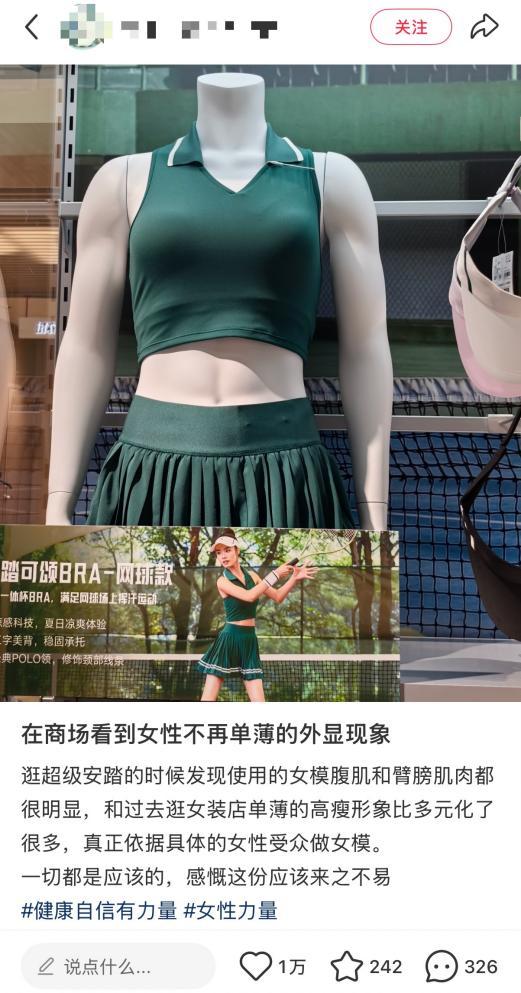
七夕营销上演“罗曼蒂克消亡史”
3 6 Ke· 2025-08-29 03:55
Core Insights - The brand marketing for this year's Qixi Festival is characterized by both vibrancy and a sense of restraint, with major luxury brands and domestic brands investing in creative campaigns while lacking the romantic exuberance seen in previous years [1][3][4] Group 1: Marketing Trends - Brands are increasingly cautious in conveying romantic themes, opting for a more reserved and subtle approach in their advertisements, reflecting a shift in consumer sentiment towards love and relationships [4][5][20] - The rise of "her economy" has become a focal point for brands, emphasizing female empowerment and diverse relationships beyond traditional romantic narratives [12][14] Group 2: Innovative Campaigns - Brands are exploring new formats such as short dramas and collaborations with cultural elements to engage consumers, with LOEWE being the first luxury brand to create an original short drama for Qixi [6][8] - Collaborations with popular cultural brands, such as Chopard partnering with POP MART, illustrate a strategy to reach younger consumers through familiar and appealing products [9][11] Group 3: Consumer Engagement - The shift in consumer engagement strategies reflects a need for brands to adapt to changing attitudes towards love and relationships, with a focus on emotional value and authenticity in marketing [11][12] - The emphasis on female narratives and values in marketing campaigns indicates a broader cultural shift, as brands seek to resonate with the evolving identity and aspirations of women [14][15]

487个海外品牌抢滩中国 首店经济成消费新引擎 政策红利全面释放
Sou Hu Cai Jing· 2025-08-27 02:07
Group 1: Market Trends - International niche brands are actively entering the Chinese market, opening their first stores and reshaping domestic consumption patterns [1][2] - Brands like Sessùn, ADERERROR, and ANINEBING are establishing their presence in major cities, targeting young consumers with unique design concepts [2][3] - These brands demonstrate a higher level of specialization in their product functionality compared to traditional brands, focusing on community marketing and member engagement [2] Group 2: Policy Support - The Chinese government is increasingly supporting the "first store economy" as a means to boost consumption and invigorate commercial districts [1][4] - Policies have been implemented since 2019 to attract well-known brands to open their first stores, with recent emphasis on this initiative in the 2024 Central Economic Work Conference [4] - Cities like Shanghai, Beijing, and Guangzhou are actively promoting the first store economy, with specific measures to enhance the consumer environment and attract international brands [4]

2025抖音电商护肤新风向:科技、情感双驱动,高端市场成新蓝海
Sou Hu Cai Jing· 2025-08-16 16:46
Core Insights - The report titled "2025 Douyin E-commerce Skincare Trend White Paper" analyzes the latest dynamics and future trends of the skincare market on the Douyin e-commerce platform, highlighting a significant upgrade trend by 2025 [1] - Consumer skincare needs have evolved from basic care to a dual focus on "scientific evidence and emotional satisfaction," indicating a shift towards holistic health aesthetics [1] - Douyin e-commerce has become a core platform for the online skincare market, with a noticeable trend towards high-end products, particularly those priced above 1,000 yuan [1] Market Dynamics - Approximately 60% of consumers are increasingly focused on health from within, moving beyond superficial skin management [1] - The supply side is accelerating product upgrades through ingredient technology (e.g., recombinant collagen, neuropeptide-161) and technical innovations (e.g., micro-encapsulation, clock gene technology) [1] Channel and Product Trends - Online channels are continuously gaining market share, with liquid essences and facial oils being particularly popular; single-use essences and masks are seen as blue ocean markets, while sheet masks and facial care sets are in a highly competitive red ocean market [2] - Consumer segments show distinct characteristics, with high-end customization favored by luxury consumers, domestic technology appealing to urban skincare enthusiasts, and practical consumers in smaller towns focusing on cost-effectiveness [2] Key Trends - The skincare sector is divided into two main camps: international brands leading in cell technology and domestic brands focusing on ingredient technology [4] - The medical beauty-related market is growing, with post-operative care and anti-dark spots becoming new demand hotspots [4] - Zone-specific skincare is expanding from the face to full-body care, with significant growth in niche categories like neck masks and nasolabial fold patches [4] - Emotional skincare is becoming more commonplace, leveraging neuroscience and sensory healing to expand categories like essential oils and masks [4] Brand Strategies - Douyin e-commerce supports brands in achieving integrated marketing through various IP activities and live streaming, with brands like Estée Lauder and Zhenyan successfully increasing performance through collaborations and celebrity endorsements [5] Future Outlook - The skincare market on Douyin e-commerce will continue to evolve with changing consumer demands, necessitating brands to innovate and adapt to meet diverse consumer needs [8] - The importance of emotional skincare is emphasized, urging brands to focus on consumers' emotional needs to enhance brand loyalty through emotionally connected products [10]