
奢侈品

Search documents
时尚WEEKLY|亏损 15.4 亿,资生堂前三季度业绩承压 梵克雅宝舞蹈映像 2025年秋季再度倾力支持当代舞蹈在华项目
Sou Hu Cai Jing· 2025-11-20 21:38
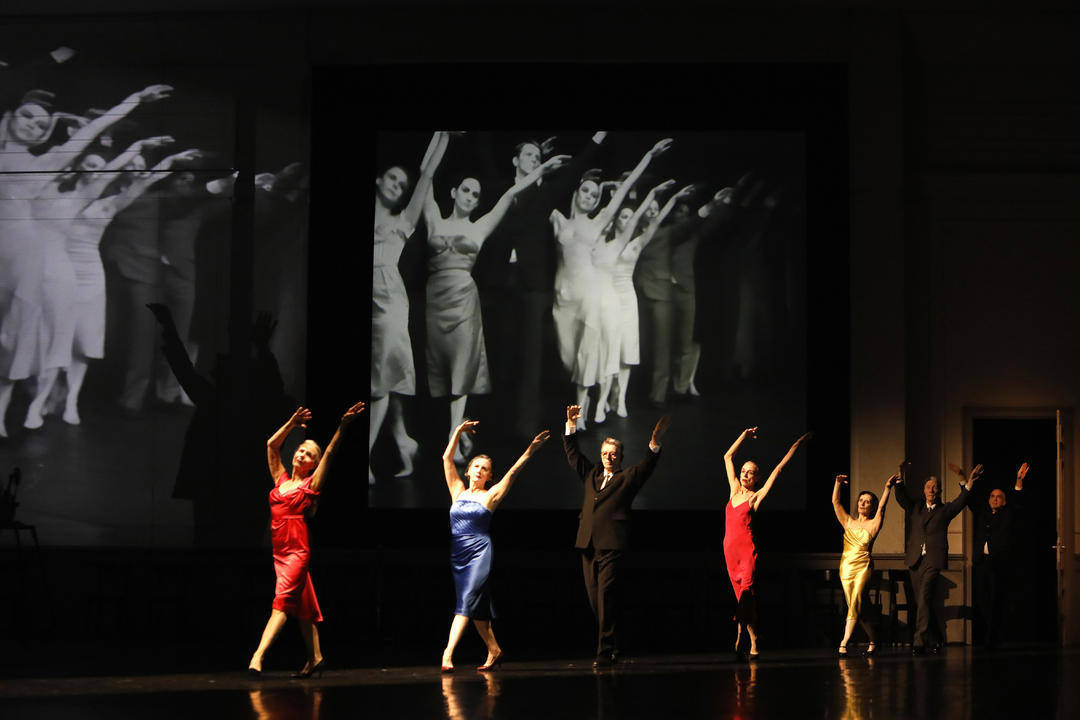
封面新闻记者 张旋 郭可欣 李雪丹 01 亏损 15.4 亿,资生堂前三季度业绩承压 近日,日本知名美妆集团资生堂正式发布 2025 年前三季度财报,多项核心业绩指标表现疲软。数据显示,今年 1 至 9 月,集团销售额同比出现下滑,营 业利润同期更是由盈转亏,录得 333.50 亿日元的巨额亏损,约合人民币 15.4 亿元,而上年同期该数据为盈利 21.8 亿日元,约合人民币 1 亿元,业绩反差 显著。 此外,2019 年资生堂收购的美国护肤品牌 "醉象" 持续表现疲软,成为影响集团业绩的关键因素之一。财报数据显示,"醉象" 前三季度收入同比暴跌 49%,其中三季度单季收入下滑 19%,成为集团旗下唯一收入下滑的美妆品牌。 对于全年业绩,资生堂给出了更为谨慎的预期,将全年净销售额预期下调至 9650 亿日元,预计全年亏损将扩大至420亿日元,约合人民币19.4亿元。 在全力支持编舞作品的创作与推广之外,项目也日益重视传播与教育的议题。通过与合作伙伴携手,项目为职业舞者及普罗大众组织艺术驻留项目,让专 业人士和业余爱好者都能参与其中,旨在提升公众对舞蹈艺术文化的认知。如今,项目已涵盖了来自16个不同国家和地区的 ...

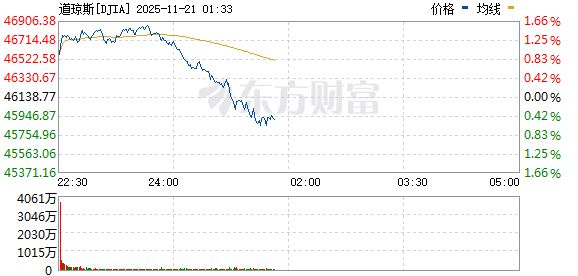
美股三大指数冲高回落 英伟达抹去此前5%的涨幅
Xin Lang Cai Jing· 2025-11-20 18:05
Group 1 - U.S. stock indices experienced a pullback after an initial rise, with the Dow Jones down 0.47%, Nasdaq down 0.96%, and S&P 500 down 0.69% as of the report time [2] - NVIDIA reported a significant revenue increase of 62% year-over-year for Q3, reaching $57 billion, and projected Q4 revenue of approximately $65 billion, exceeding market expectations of $62 billion [4][6] - The U.S. Labor Department reported an unexpected increase of 119,000 non-farm jobs in September, significantly above the market expectation of 50,000, with an unemployment rate of 4.4% [6] Group 2 - The global luxury goods industry is projected to grow by 3% to 5% in sales by 2026, but rising prices have alienated customers, posing a threat to long-term growth [7] - MKS PAMP SA announced the reintroduction of gold tokens to capitalize on the growing interest in "digital gold," following the complete acquisition of Gold Token SA [7] - Saudi Aramco signed 17 new agreements and memorandums of understanding with U.S. companies, totaling over $30 billion, covering sectors such as LNG, supply chain procurement, advanced materials, and financial services [8]

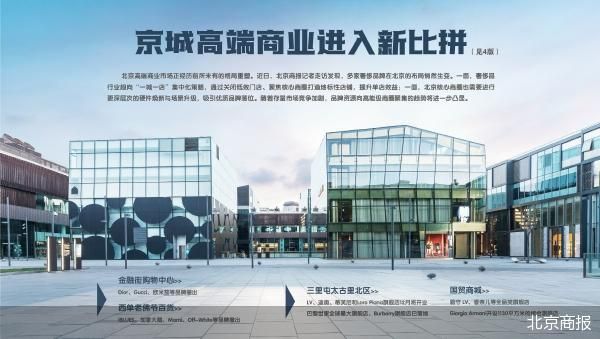
奢侈品门店密集调整 北京高端商业新比拼
Bei Jing Shang Bao· 2025-11-20 16:30
Core Insights - The luxury goods market in Beijing is undergoing significant changes, with brands like Gucci and Dior closing stores in traditional high-end shopping areas, while new flagship stores are emerging in more vibrant districts like Sanlitun [1][3] - The trend indicates a shift towards a "one store per city" strategy among luxury brands, focusing on flagship locations in prime commercial areas to enhance single-store efficiency [1][6] - The competition among shopping districts is intensifying, with a clear divide between the declining western commercial areas and the thriving eastern districts, particularly in Chaoyang [3][8] Group 1: Market Dynamics - Financial Street Shopping Center has seen the closure of major luxury brands due to expired leases, while other brands like Burberry and LV continue to operate [3] - Westside shopping areas, such as the West Wangfujing area, are experiencing a significant reduction in luxury brand presence, contrasting sharply with the "luxury frenzy" in the Chaoyang district [3][8] - The luxury brand selection criteria have evolved, with a focus on the alignment of brand positioning with shopping district characteristics and the necessity for high-quality infrastructure [6][7] Group 2: Strategic Adjustments - High-end shopping centers are actively upgrading their offerings to attract luxury brands, introducing trendy brands and unique experiences to enhance their appeal [4][6] - The introduction of flagship stores and unique retail experiences, such as themed pop-ups and interactive spaces, is becoming a strategy to maintain competitiveness in the luxury market [4][6] - The luxury market's focus on experiential retail is growing, with brands increasingly valuing the ability of shopping centers to create engaging content and experiences for consumers [7][10] Group 3: Future Opportunities - Despite the current challenges, there are still opportunities for luxury brands in the western regions of Beijing, particularly in areas like Haidian, which have affluent consumer bases [8][9] - The potential for luxury brands to establish a presence in western districts hinges on improving the quality of commercial spaces and enhancing transportation connectivity [8][9] - Strategies such as introducing high-end watch brands and leveraging local technological advancements could help attract luxury brands to underperforming areas [9][10]
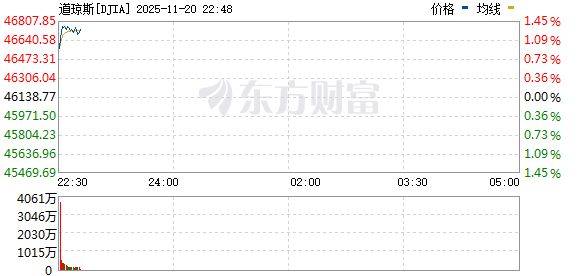
美股三大指数集体高开 纳指涨超2% 英伟达涨4%
Xin Lang Cai Jing· 2025-11-20 15:18
Market Overview - US stock market opened with collective gains, with Dow Jones up 1.08%, Nasdaq up 2.19%, and S&P 500 up 1.6% [3] - The US Labor Department reported an unexpected increase of 119,000 in non-farm employment for September, significantly above the market expectation of 50,000 [3] Company Performance - Nvidia's Q3 revenue reached $57 billion, a year-on-year increase of 62%, with Q4 revenue expected to be around $65 billion, surpassing market expectations of $62 billion [4][7] - Google's market capitalization reached $3.65 trillion, slightly exceeding Microsoft, placing it among the top three in the US stock market [4] - AMD, Intel, and TSMC stocks rose over 3%, with Broadcom increasing by over 4% and Micron Technology up by 1% [6][7] Semiconductor Industry - Nvidia's data center business revenue surpassed $50 billion for the first time in a single quarter [7] - The US Commerce Minister Wang Wentao discussed semiconductor supply chain issues with UK Trade Minister Peter Kyle, emphasizing the need for responsible actions to stabilize the global semiconductor supply chain [7] AI Developments - Reports indicate that President Trump plans to sign an executive order to launch the "Genesis Plan" aimed at enhancing AI development in the US [8]




奢侈品牌向东集中 北京高端商业进入新比拼
Bei Jing Shang Bao· 2025-11-20 13:19
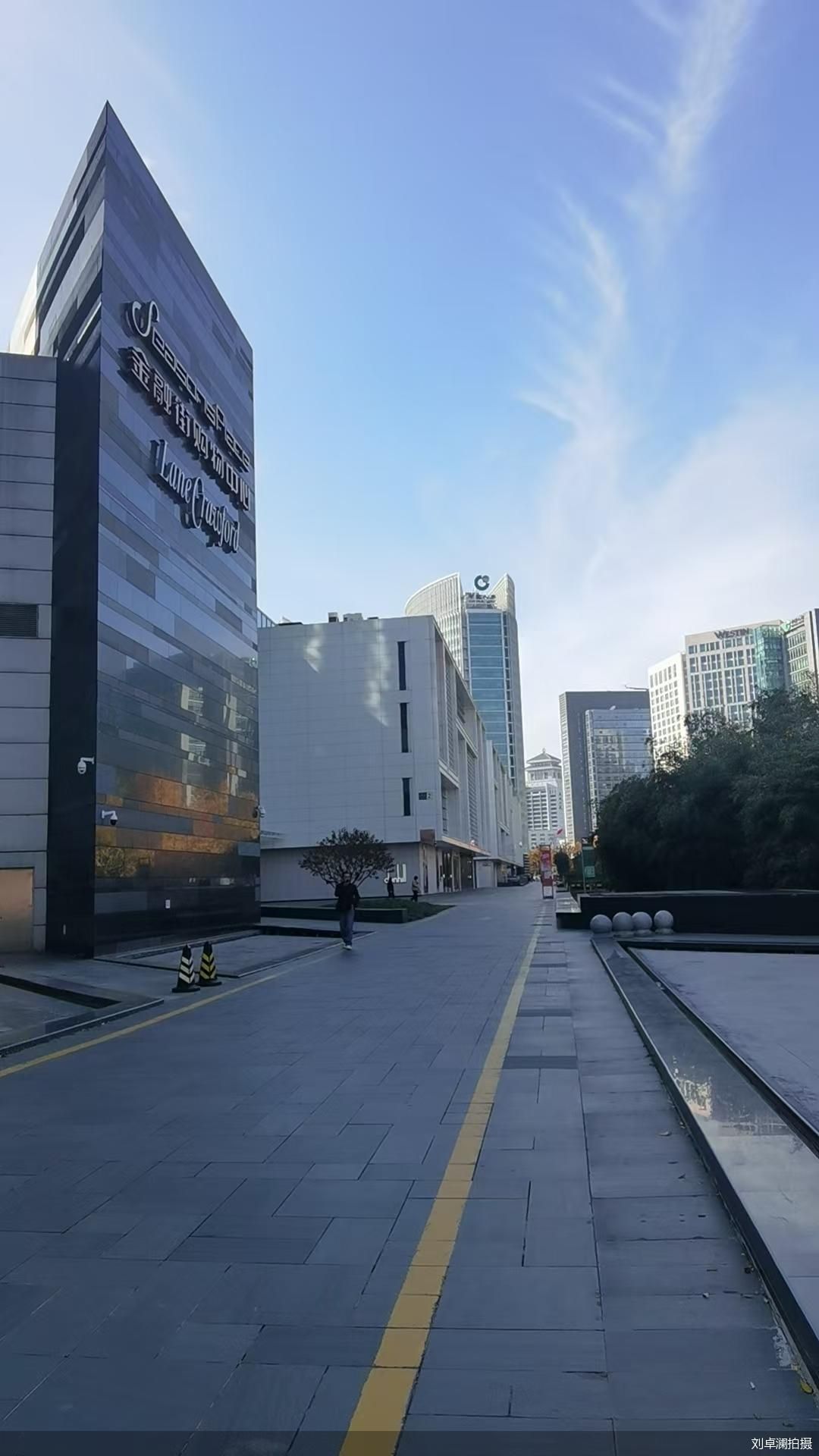
东西分化 奢侈品布局呈现"冰火两重天" 北京高端商业市场正经历前所未有的格局重塑,奢侈品品牌的倾斜,也让北京商圈分化态势愈发清晰。近日,北京商报记者走访看到,金融街购物中心作 为曾经的高端商业标杆,于近期关闭Dior、Gucci、欧米茄等核心奢侈品品牌。商场工作人员表示,这两大奢侈品撤出是因为租约到期,正常撤店。目前 场内仍有Burberry、LV路易威登、连卡佛等奢侈品正常营业。 奢侈品在北京布局生变。近日,北京商报记者走访发现,金融街购物中心Gucci撤店,西单老佛爷百货也撤出了多家奢侈品品牌,LV、Dior、蒂芙尼三家 品牌门店近日于三里屯太古里展露真容,筹备中的店铺外观已清晰可见。另据官方公众号,Loro Piana华北最大精品店已正式揭幕。业内人士指出,奢侈 品牌在商业招商中话语权越来越重,商业体需要配合其进行一系列改造才能换来双向选择的机会。同时,奢侈品行业趋向"一城一店"集中化策略,通过关 闭低效门店、聚焦核心商圈打造地标性店铺,提升单店效益;另一方面,北京核心商圈也需要进行更深层次的硬件焕新与场景升级,才能吸引优质品牌落 位。随着存量市场竞争加剧,品牌资源向高能级商圈聚集的趋势将进一步凸显。 ...
东方表行集团(00398.HK)中期净利润1.01亿港元 同比下降15.1%
Ge Long Hui· 2025-11-19 12:08
Core Viewpoint - The luxury goods market is under significant pressure due to changing consumer spending habits, leading to a decline in the financial performance of the company [1][2] Financial Performance - For the six months ending September 30, 2025, the company's revenue decreased by 10.1% year-on-year to HKD 1.618 billion (2024: HKD 1.8 billion) [1] - Gross profit fell by 12.9% year-on-year to HKD 488 million (2024: HKD 560 million), with a slight decrease in gross margin to 30.2% (2024: 31.1%) [1] - Profit attributable to shareholders dropped by 15.1% year-on-year to HKD 101 million (2024: HKD 119 million) [1] Market Conditions - The luxury goods market is expected to remain under pressure in the short term, with Swiss watch exports to mainland China and Hong Kong declining by 16.3% and 8.3% respectively from January to September 2025 [2] - The industry faces challenges from weak discretionary spending and macroeconomic uncertainties, leading to a forecast of continued weak consumer demand in mainland China [2] Strategic Response - The company is adopting a balanced strategy, focusing on strengthening partnerships with leading brands and selectively opening new stores in prime locations to expand market coverage [2] - The company aims to enhance customer loyalty through high-quality service while implementing strict cost management and improving operational efficiency to support sustainable profitability [2]
黄金突破4000美元!新能源化为泡沫?消费习惯迎来大洗牌
Sou Hu Cai Jing· 2025-11-19 09:16
Market Overview - The A-share market is stagnant around 4000 points, with individual stocks experiencing significant declines, leading to a net value drop of 20% for many investors [4][5] - The ETF market has expanded dramatically, with total shares reaching 3.16 trillion, a 19% increase from the previous year, and total scale hitting 5.74 trillion, up 2 trillion in just over six months [4] Economic Indicators - In October, household loans decreased by 360.4 billion, marking a 520.4 billion drop compared to the same period last year, indicating reduced consumer borrowing and spending [5] - Retail sales growth was only 2.9%, the lowest this year, while residential sales saw declines of 7% and 9.4% in sales volume and value, respectively [5] Investment Trends - Major funds are exiting the market, with a pension fund planning to reduce its growth stock holdings significantly and 115 companies announcing share reduction plans [6] - Share buybacks are accelerating, with proposed buybacks exceeding 330 billion, and banks have already released over 120 billion for this purpose [8] Industry Specifics - The new energy vehicle (NEV) sector is facing challenges, with a 0.8% year-on-year decline in retail sales in October, marking the first month-on-month drop since August 2024 [10] - The market for NEVs is becoming increasingly competitive, with domestic brands holding a 72.5% market share and penetration rates reaching 55.3% [10] IPO Market - The Hong Kong IPO market is thriving, with total IPO scale reaching 216.47 billion HKD, surpassing 200 billion for the first time in four years, and is expected to approach 300 billion by year-end [8] Luxury Goods Market - The luxury goods market is recovering, with LVMH planning to open multiple flagship stores in China, indicating confidence in high-end consumer spending [18] Policy Developments - The recent "13 Measures for Private Investment" policy allows private capital to hold over 10% in previously state-dominated sectors like railways and energy, presenting new investment opportunities [20] - The policy also encourages private participation in low-altitude economy and commercial aerospace, aiming to enhance competition in these emerging sectors [20]

中泰证券:奢侈品复苏主线明确 中国市场需求回归
Zhi Tong Cai Jing· 2025-11-19 05:46
Core Insights - The luxury goods industry is showing signs of recovery in Q3 2025, with Greater China emerging as a key driver for performance improvement [1][2] - Many brands have either narrowed revenue declines or achieved positive growth, indicating a gradual restoration of consumer confidence [2][3] Industry Overview - The luxury goods sector is experiencing a clear bottoming-out and recovery trend, particularly in the Greater China market, which is crucial for boosting market confidence [2] - Despite some brands still facing slight revenue declines year-on-year, the rate of decline is decreasing, and several companies have reported their first positive growth since the pandemic [2][3] Brand Performance - **LVMH**: Achieved a quarterly sales rebound for the first time in 2025, with Q3 total revenue at €18.2 billion, down 4% year-on-year but showing 1% organic growth, driven by strong performance in Greater China [3] - **Prada**: Reported a 9% increase in net revenue to €4.07 billion for the first three quarters of 2025, with Q3 growth at 8%, highlighting significant improvement in mainland China sales [3] - **Hermès**: Q3 revenue grew by 9.6% to €3.9 billion, with improvements noted in the Chinese market, although slightly below market expectations [4] - **Kering**: Revenue declined by 10% to €3.42 billion in Q3, but the decline was less severe than previous quarters, indicating a recovery trend, particularly in the North American market [4] - **Burberry**: Reported a 3% growth in comparable store sales in Q2 FY26, indicating a recovery trajectory in Greater China, with adjusted operating profit turning from a loss to a profit [5][6] - **Moncler**: Experienced a 1% revenue decline to €616 million in Q3, reflecting challenges in brand strategy and market competition [6] Investment Recommendations - The luxury goods sector in the Asia-Pacific region is seeing a significant narrowing of sales declines, with some brands already showing year-on-year increases, suggesting a bottoming out of mid-to-high-end consumption [7] - The focus of the market has shifted from concerns about deep recession to validating the strength and sustainability of recovery, with the performance in China being a critical variable for future luxury goods performance [7] - Companies with strong brand power, clear strategies, and effective execution in the Chinese market are expected to better capitalize on the recovery, with recommendations to focus on LVMH, Prada, Hermès, and Burberry [7]

普拉达拟斥6亿港元购米兰物业 拟作新公司总部
Ge Long Hui A P P· 2025-11-19 02:31
Core Viewpoint - Prada's parent company, Prada (1913.HK), announced a related transaction involving the acquisition of a Milan property by Ludo Due S.r.l., controlled by executive director and major shareholder Miuccia Prada Bianchi, for €66.588 million (approximately HK$600 million) [1] Group 1: Acquisition Details - The property consists of approximately 14,800 square meters of land, divided into two connected sections (Section One and Section Two) [1] - The company has been leasing Section One since 2013 for its Milan operational headquarters, while Section Two is currently undeveloped and available for future urban and real estate development [1] Group 2: Strategic Implications - The acquisition aims to develop the property into a new company headquarters, allowing the consolidation of several existing Milan offices and showrooms into one location, thereby enhancing operational efficiency [1] - The company views this acquisition as a significant opportunity to secure prime real estate in a region undergoing important urban development and value growth, anticipating that suitable real estate assets will become increasingly scarce [1]

21评论丨消费者偏好正发生结构性转变
2 1 Shi Ji Jing Ji Bao Dao· 2025-11-18 23:10
Core Insights - The global luxury goods giants are facing challenges from the Chinese market as consumer preferences shift from international brands to local high-end brands [1][2] - This structural change in consumer behavior is reshaping the competitive landscape of the world's largest luxury market, with local brands experiencing significant sales growth [1][2] Group 1: Market Trends - Chinese consumers are increasingly favoring domestic high-end brands, leading to a decline in sales for traditional international brands like Gucci and Louis Vuitton [1] - In the first three quarters of 2023, local brands such as Laopuhuangjin, Songmont, and ICICLE have seen substantial sales increases, contrasting with the declining performance of major foreign competitors [1] - Over the past two years, the sales growth of five domestic brands has outpaced that of seven major international rivals across various luxury sectors [1] Group 2: Consumer Behavior - The shift in consumer preferences is driven by a systemic upgrade in consumer values, moving from external displays of wealth to internal satisfaction and self-expression [1][2] - National pride and cultural connection are influencing consumer choices, with a growing acceptance of high-priced domestic luxury products [2] - Younger consumers are increasingly valuing product innovation and quality over brand prestige, reflecting a global trend towards more accessible and meaningful luxury [3] Group 3: Brand Development - Local companies are enhancing their high-quality supply capabilities, focusing on craftsmanship and cultural elements to create unique brand identities [2] - Brands like Laopuhuangjin and Songmont are integrating traditional craftsmanship with modern design to build a compelling brand narrative [2] - The Chinese luxury market is evolving into a diverse ecosystem driven by cultural confidence, with local brands poised to compete on the global stage [3]