数码

Search documents
机构称科技仍将是中长期配置主线,聚焦政策提振下的大消费板块
Mei Ri Jing Ji Xin Wen· 2025-06-17 06:12
Group 1 - The Hong Kong stock market indices experienced a decline, with the Hang Seng Index down 0.13% to 24028.83 points, the Hang Seng Tech Index down 0.06%, and the State-Owned Enterprises Index down 0.23% [1] - The 618 shopping festival coinciding with the national subsidy policy for replacing old products is expected to boost consumer demand for durable goods, including digital products, home appliances, and even automobiles [1] - The demand for durable consumer goods is anticipated to bring prosperity to related industries and provide strong support for the expansion of the domestic market [1] Group 2 - China Galaxy Securities suggests that the A-share market is likely to maintain a volatile trend in the short term, focusing on structural opportunities [1] - Three main lines of opportunity are identified: first, assets with high safety margins, characterized by low valuations and high dividends; second, technology as a long-term allocation focus; third, the consumer sector boosted by policy support [1] - The old-for-new policy is showing effects, with new consumption potential continuously released under the reconstruction of consumer behavior and deep technological empowerment [1] Group 3 - The Hong Kong consumption ETF (513230) combines e-commerce and new consumption, covering relatively scarce new consumption sectors compared to A-shares [2] - The Hang Seng Tech Index ETF (513180) includes both software and hardware technology, encompassing relatively scarce technology leaders compared to A-shares [2]


用好以旧换新这把“金钥匙”
Zheng Quan Ri Bao· 2025-06-16 16:48
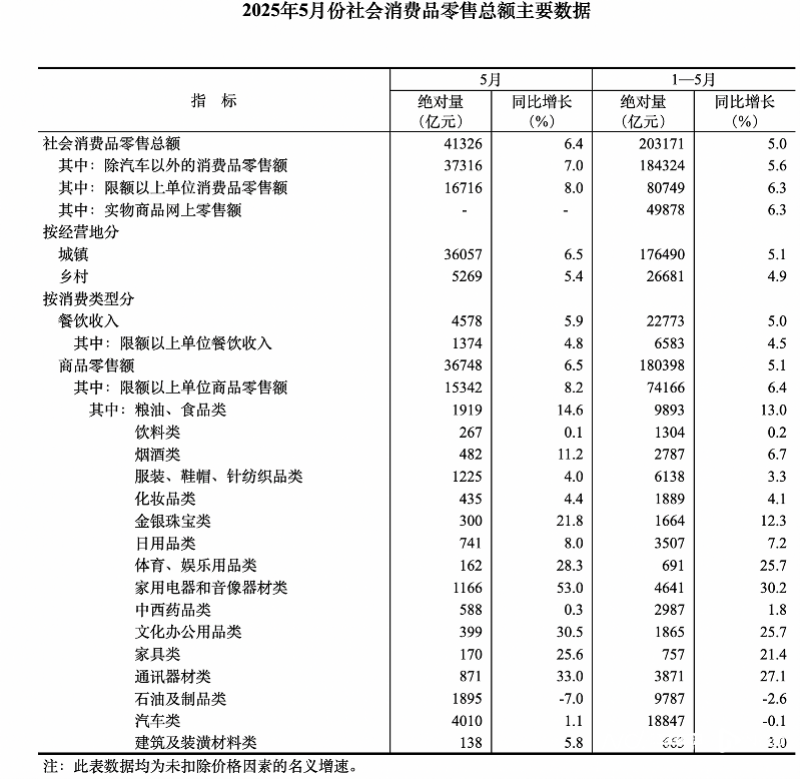
Group 1 - The core viewpoint emphasizes that the implementation of the old-for-new policy for consumer goods is crucial for boosting consumption and expanding domestic demand, serving as a "golden key" for economic growth and improving people's livelihoods [1][2]. Group 2 - The old-for-new policy has been expanded this year, including subsidies for new purchases of digital products such as smartphones, tablets, and smartwatches, and increasing the categories of appliances eligible for the program from 8 to 12. Additionally, 300 billion yuan has been allocated to support this initiative [2][3]. - Retail sales of household appliances, audio-visual equipment, communication devices, and furniture saw significant year-on-year growth in May, with increases of 53%, 33%, 30.5%, and 25.6% respectively, contributing to a 1.9 percentage point increase in total retail sales of consumer goods [2][3]. Group 3 - The old-for-new policy is driving explosive demand, leading to accelerated growth in related industries, particularly in green, smart, and high-quality products. In May, production of new energy vehicles, tablets, and electric bicycles increased by 31.7%, 30.9%, and 20.5% respectively [3][4]. Group 4 - There is a noticeable shift in consumer focus towards the performance and safety of products, moving from mere availability to quality. The old-for-new initiative aims to provide consumers with superior products, facilitating a quality upgrade in consumption and contributing to high-quality economic development [4].
宏观专题报告:地方国补,缘何_暂停”?
Shenwan Hongyuan Securities· 2025-06-16 09:49
Group 1: Policy Changes and Funding - The 2025 "old-for-new" policy has significantly increased funding support to 300 billion yuan, up from 150 billion yuan in 2024[24] - The subsidy scope has expanded to include more products, such as microwaves, water purifiers, dishwashers, rice cookers, and mobile devices[24] - As of the end of May, 162 billion yuan of central government subsidies have been allocated, with 138 billion yuan still pending distribution[7] Group 2: Market Impact and Performance - In April, retail sales of consumer goods grew by 5.1% year-on-year, with significant disparities in growth rates among categories[5] - Home appliance sales surged by 38.8% year-on-year in April, while automotive and communication equipment sales saw declines[39] - By the end of May, nationwide sales under the "old-for-new" program reached 1.1 trillion yuan, with approximately 175 million subsidies issued[33] Group 3: Regional Variations and Challenges - Some regions, like Chongqing, reported a subsidy redemption rate of 82.3%, leading to a suspension of certain subsidy programs due to fund exhaustion[33] - Local governments are adjusting subsidy mechanisms, with some areas implementing phased funding releases to manage demand[61] - The rapid use of subsidies in various regions has raised concerns about potential fraud and the need for improved monitoring mechanisms[65]
国家统计局:5月份消费增速回升,家电零售额同比增长超5成
Nan Fang Du Shi Bao· 2025-06-16 07:59
Core Viewpoint - The Chinese economy showed stable growth in May, driven by effective macro policies and a significant rebound in consumer spending, particularly due to the "old-for-new" policy and e-commerce promotions [1][2][5] Economic Performance - In May, the total retail sales of consumer goods reached 41,326 billion yuan, marking a year-on-year increase of 6.4%, the highest growth rate in 2024 [1][2] - The retail sales excluding automobiles amounted to 37,316 billion yuan, with a growth rate of 7.0% [2][4] - From January to May, the total retail sales of consumer goods were 203,171 billion yuan, growing by 5.0% [2][4] Consumer Trends - The "old-for-new" policy significantly boosted sales in various categories, with retail sales of home appliances and audio-visual equipment, communication devices, cultural office supplies, and furniture growing by 53.0%, 33.0%, 30.5%, and 25.6% respectively [1][4] - Online retail sales of physical goods accounted for 24.5% of total retail sales, with food items showing a growth rate of 14.5% [4][6] Regional Performance - Urban retail sales in May reached 36,057 billion yuan, up 6.5%, while rural retail sales were 5,269 billion yuan, growing by 5.4% [5] - For the first five months, urban retail sales totaled 176,490 billion yuan, increasing by 5.1%, and rural retail sales were 26,681 billion yuan, up 4.9% [5] Impact of Promotions - The "618" e-commerce promotion, which started on May 13, combined with the "old-for-new" policy, significantly accelerated online retail sales [5][6] - The total online retail sales reached 60,402 billion yuan from January to May, with a year-on-year growth of 8.5% [6]
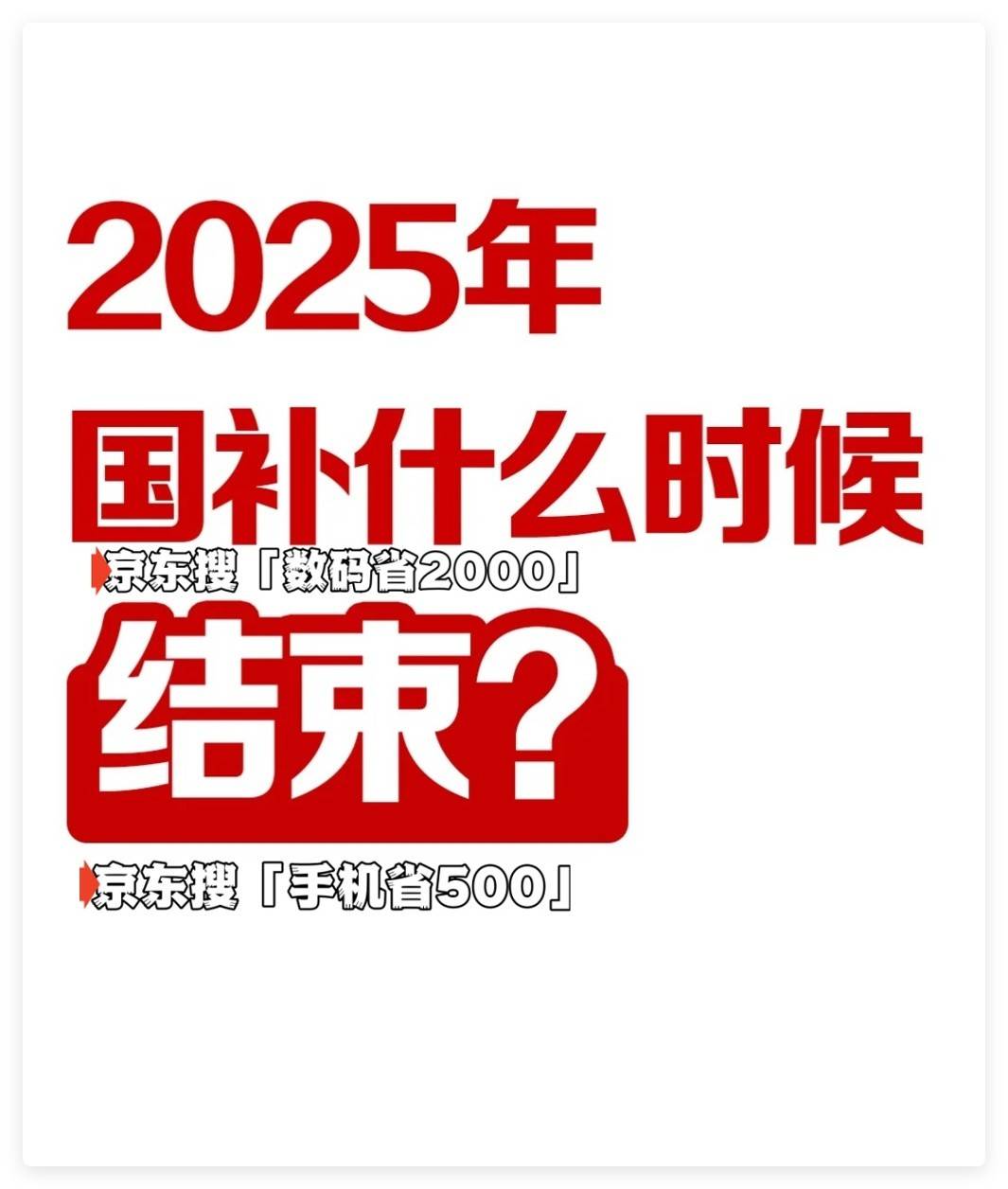
2025国补多地面临二次启动:国家补贴2025全国统一持续到12月31日结束
Sou Hu Cai Jing· 2025-06-13 06:47
Core Insights - The national subsidy program is not ending but is currently in a temporary pause, with the official end date still set for December 31, 2025 [1][3] - The first round of funding has been exhausted faster than expected, with over 150 billion yuan consumed by the end of May, accounting for more than 50% of the total 300 billion yuan allocated for the year [3][4] - The government is implementing stricter regulations to combat fraudulent claims, including linking serial numbers to identification for verification [3][4] Subsidy Details - The subsidy rules remain unchanged, with three main areas of focus: - **Automobiles**: Up to 20,000 yuan for scrapping old vehicles and purchasing new energy vehicles, with additional local incentives [5][8] - **Home Appliances**: Subsidies range from 15% to 20% based on energy efficiency, with a maximum of 2,000 yuan for high-efficiency products [5][8] - **Digital Products**: A 15% subsidy for smartphones, tablets, and smartwatches, capped at 500 yuan [5][8] Consumer Guidance - Consumers are advised to prioritize high-demand items such as air conditioners and high-end smartphones, as these subsidies are expected to deplete quickly [9][12] - Specific search terms on platforms like JD.com can help consumers access subsidies effectively, such as "家电省2000" for home appliances and "数码省2000" for digital products [9][12] - The second round of funding is expected to restart in late June, presenting a critical opportunity for consumers to take advantage of the subsidies before they run out [4][12]

国补遇上“618”打开消费新空间
Ren Min Ri Bao· 2025-06-11 21:28
Core Insights - The "618" promotional event has introduced two new features: the simplification of discount methods and the integration of national subsidies, leading to significant consumer interest and engagement [1][2][4] Group 1: New Promotional Methods - The promotional strategies have shifted to simpler and more direct discounts, with platforms eliminating complex discount structures in favor of straightforward price reductions [1][4] - The introduction of national subsidies has allowed certain products to be offered at discounts as low as 50%, enhancing the appeal of the promotions [3][8] - Major brands such as Apple and Xiaomi have seen significant price reductions on their products, with the iPhone 16 Pro being offered at a final price of 5499 yuan after applying various discounts [2][3] Group 2: Consumer Behavior and Trends - There is a notable increase in consumer engagement, with over 20 million products participating in the "618" event, reflecting a strong demand for both high-end and budget-friendly items [3][10] - The trend indicates that consumers are increasingly checking for national subsidies before making purchases, with significant participation from various provinces and cities across China [9][10] - The younger demographic, particularly those born after 2000, is reshaping market demand, showing a preference for high-quality, stylish products that enhance their lifestyle [10] Group 3: Sales Performance - The sales performance during the "618" event has been remarkable, with a 283% increase in total transaction volume for categories like home appliances and digital products compared to last year's "Double 11" event [7] - The national subsidy program has effectively driven sales, with 1.1 trillion yuan in sales attributed to the program and a significant increase in the number of consumers utilizing these subsidies [7][8] - The home appliance sector has experienced continuous double-digit growth, with retail sales in this category increasing by 38.8% in April alone [8] Group 4: Logistics and Service Enhancements - E-commerce platforms are enhancing their logistics services, with initiatives like same-day delivery for products purchased through national subsidy programs [5][6] - The "618" event has seen improvements in the recycling and replacement of old appliances, with comprehensive services offered across various regions [5][6] Group 5: Economic Impact - The "618" event and national subsidies are seen as crucial for stimulating domestic consumption, contributing to a consumption contribution rate of 51.7% in the first quarter of the year [11][12] - Collaborative efforts among government, platforms, and merchants are essential to maximize the potential of shopping festivals in driving economic growth [12]
个别地市暂停派券?广东商务厅:以旧换新政策不会提前结束
Nan Fang Du Shi Bao· 2025-06-11 08:34
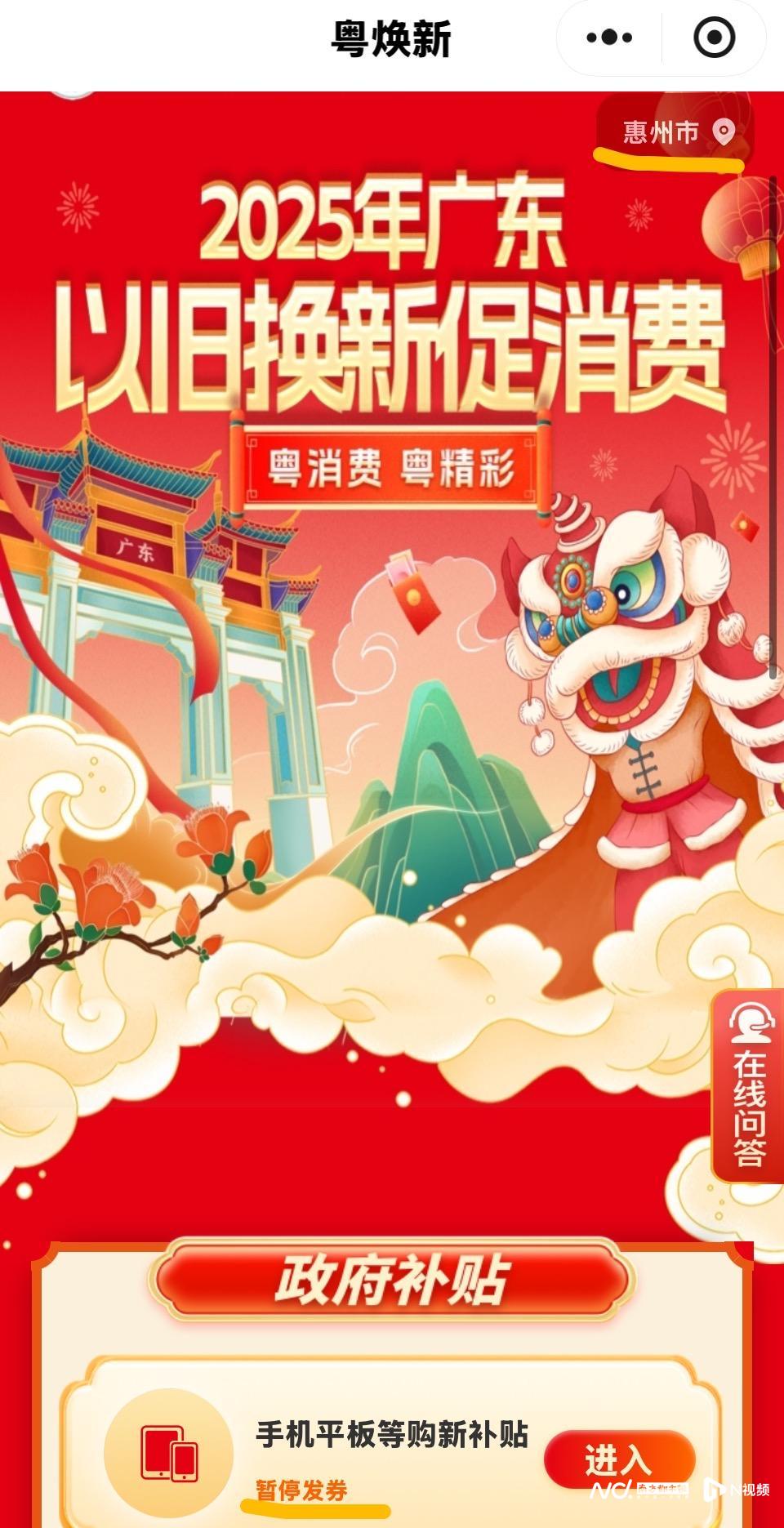
Core Viewpoint - The upcoming 618 shopping festival is facing disruptions as several regions, including Jiangsu and Chongqing, have suspended the issuance of national subsidies for home appliances, raising consumer concerns. However, the Guangdong Provincial Department of Commerce has confirmed that the "old-for-new" policy will not end prematurely, attributing the suspensions to system upgrades and periodic inventory checks [1][2][7]. Group 1: Policy Updates - Chongqing has halted the issuance of subsidies for 27 categories of green smart home appliances and home renovation due to exhausted funds, with plans for a second phase of the "old-for-new" subsidy policy being drafted [2][10]. - Jiangsu's Department of Commerce stated that the suspension of subsidies is due to system upgrades, and both online and offline channels will implement quota management until the end of the year [2][10]. - In Guangdong, while some cities have paused certain subsidies, most regions continue to offer them, with the overall "old-for-new" policy set to last until December 31, 2025 [7][10]. Group 2: Economic Impact - The "old-for-new" policy has significantly boosted consumer spending, with a reported sales volume of 1.1 trillion yuan driven by the program as of May 31, 2025. Approximately 175 million subsidies have been issued to consumers [10][11]. - In Guangdong, the "old-for-new" sales reached 153.45 billion yuan in 2024, benefiting over 11.28 million consumers, making it the largest scale in the country [10][11]. - The National Development and Reform Commission plans to accelerate the allocation of funds to support the "old-for-new" initiative, which is seen as a key driver for consumption recovery and economic stability [10][11].
国补政策结束?官方回应:国家补贴全国统一截止时间保持2025年12月31日
Xin Lang Cai Jing· 2025-06-11 04:26
Core Viewpoint - The recent suspension of the "national subsidy" program for home appliances in several regions has raised concerns about the early termination of subsidies, but the official response confirms that the nationwide deadline remains December 31, 2025, with local suspensions being temporary adjustments [1][6]. Group 1: Reasons for Suspension - The suspension in various regions is attributed to the exhaustion of subsidy funds and system upgrades [2][4]. - In Chongqing, the first round of 1.2 billion yuan in home appliance subsidies was exhausted by early June, leading to a pause in online applications [2]. - Other regions, such as Gansu and Guangdong, have also reported similar suspensions due to fund depletion and system management [3][5]. Group 2: Key Policy Content - The national subsidy policy covers three main areas: 1. **Automobile Trade-in**: Subsidies of 20,000 yuan for purchasing new energy vehicles and 15,000 yuan for fuel vehicles when trading in older models [7]. 2. **Home Appliance and Digital Subsidies**: Expanded categories for subsidies include microwaves and water purifiers, with a maximum subsidy of 2,000 yuan for energy-efficient appliances [9][10]. 3. **Public Equipment Updates**: Subsidies for replacing old public transport vehicles and agricultural machinery, with significant increases in subsidy amounts [11][12]. Group 3: Consumer Action Guide - Consumers are advised to secure their eligibility for subsidies promptly, as funds are being rapidly depleted [13]. - Online applications for home appliance and digital product subsidies can be made through the JD APP with specific search terms [14]. - It is crucial to rely on official channels to avoid misinformation regarding subsidy availability [15]. Group 4: Important Reminders - The Ministry of Finance has confirmed that the national subsidy program will end on December 31, 2025, but local funds may run out earlier, necessitating prompt action from consumers [18]. - The current subsidy pool has already consumed over 70% of its funds, with high-value items seeing the fastest depletion [18]. - The second batch of funds is being expedited, with 81 billion yuan already allocated to support local policy transitions [19].
湖北明确国补将贯穿全年 以旧换新已拉动消费482亿
Chang Jiang Shang Bao· 2025-06-11 00:23
Core Viewpoint - The "old-for-new" subsidy program in Hubei is confirmed to continue until December 31, 2025, despite rumors of suspension or adjustment, aiming to benefit more consumers through a daily limited issuance of vouchers [1][2] Group 1: Policy Details - The validity period for newly issued vouchers has been shortened from 15 days to 7 days, while historical vouchers can be reissued after unbinding, showcasing the policy's flexibility [1] - The subsidy vouchers are distributed through both online and offline channels, with specific rules for cross-province usage and restrictions on voucher mixing [1][2] Group 2: Consumer Protection and Experience - Consumers can report violations such as price hikes before subsidies to market regulatory authorities, and digital products must be activated on-site to prevent arbitrage [2] - A 24/7 customer service hotline has been established to enhance consumer experience, and a comprehensive service process has been created to address issues from qualification application to after-sales support [2] Group 3: Market Impact - As of May 5, 2023, Hubei has seen significant participation in the "old-for-new" program, with 100,100 vehicles and 27.802 million units of 3C digital products, home appliances, kitchen appliances, and electric bicycles exchanged, driving consumption of 48.174 billion yuan [2] - During the "May Day" holiday, home appliance and electronic goods stores in Hubei experienced year-on-year transaction growth of 24.23% and 29.87%, respectively, indicating a positive market response [2]
为什么“中国式消费”这么像投资?
吴晓波频道· 2025-06-10 16:40
Core Viewpoint - The article emphasizes the shift in consumer behavior in China, where spending is increasingly viewed as a form of investment rather than mere consumption, reflecting a desire for value retention and appreciation in purchases [5][15][48]. Group 1: Consumer Behavior Trends - In Shanghai, large-scale consumption vouchers have led to significant increases in sales, particularly in gold jewelry, indicating a strong consumer interest in both consumption and investment [2][3]. - The Consumer Price Index (CPI) data shows a stark contrast between the rising prices of gold (up 40.1%) and the overall CPI, which decreased by 0.1%, highlighting a trend where consumers are prioritizing investment-like purchases [3][5]. - The concept of "investment-style consumption" is becoming prevalent, where consumers are not just buying goods but are also considering their potential for value retention and appreciation [6][17][24]. Group 2: Policy and Economic Context - The Chinese government has implemented various policies to stimulate consumption, including subsidies for replacing old goods, which have significantly boosted sales across multiple categories [7][8]. - Despite the push for increased consumer spending, the actual contribution of consumption to GDP has remained relatively stable, indicating that the growth in consumer loans has not translated into proportional increases in retail sales [18][20]. - Recent trends show a surge in consumer loans, with banks aggressively promoting these products, but much of this borrowing is being redirected towards investments rather than direct consumption [21][22]. Group 3: Service Consumption - There is a notable shift towards service consumption, which includes spending on experiences rather than physical goods, yet this segment remains underreported in official statistics [30][32]. - Current data indicates that while product consumption has returned to historical levels, service consumption lags behind at only 87.7% of historical trends, suggesting untapped potential in this area [34][38]. - The quality and quantity of service supply are critical to meeting consumer demand, and enhancing service offerings could be a key strategy for stimulating further consumption growth [35][41].