新茶饮

Search documents
新茶饮行业IPO提速 4000亿赛道迎来新变局
Zheng Quan Shi Bao· 2025-04-29 21:05
Core Insights - The competition in the new tea beverage industry is intensifying, with a surge in IPO activities among key players [1][4]. IPO Activities - Since 2025, three new tea beverage companies have successfully listed on the Hong Kong and US stock markets, including Gu Ming, which went public on February 12, 2025, and Mi Xue Group, which listed on March 3, 2025 [2][3]. - The company "Hushang Ayi" plans to list on May 8, 2025, further contributing to the IPO wave in the industry [2]. Market Growth Potential - The new tea beverage market in China is expected to grow significantly, with projections indicating a market size exceeding 400 billion yuan by 2028 [4]. - Despite a decrease in the total number of tea beverage stores in the country, leading companies have managed to increase their store counts, showcasing their competitive strength [4]. Expansion into Lower-Tier Markets - Major brands like Mi Xue Group and Gu Ming are focusing on expanding into lower-tier cities, where they have captured a significant market share [5]. - The distribution of stores shows that 65% to 80% of their locations are in second-tier cities and below, indicating a strategic shift towards these markets [5]. Financial Performance Disparities - Mi Xue Group reported a net profit of 4.454 billion yuan in 2024, a 39.8% increase year-on-year, while Ba Wang Cha Ji saw a remarkable 213.3% growth in net profit, reaching 2.515 billion yuan [6]. - In contrast, Naixue's Tea reported a loss of 919 million yuan, and Cha Ba Dao experienced a revenue decline of 13.8% with a significant drop in net profit [6]. Market Reactions - The stock market has reacted differently to various tea beverage brands, with Mi Xue Group's market value approaching 200 billion HKD, while Naixue's stock price has plummeted from 19.8 HKD to 1.06 HKD [6]. Business Models - Different companies employ varied business models, with Naixue's Tea relying heavily on direct sales from its stores, while others like Mi Xue Group and Ba Wang Cha Ji utilize franchise models to generate revenue [7][8]. - The supply chain plays a crucial role in the valuation of these companies in the capital market, as it underpins their operational efficiency and product offerings [7][8]. International Expansion - Mi Xue Group has expanded its presence outside mainland China, with 4,895 stores internationally by the end of 2024, focusing on Southeast Asia [9]. - Ba Wang Cha Ji also increased its overseas stores from 95 to 156, primarily in Southeast Asian markets, capitalizing on the region's acceptance of Chinese tea culture [9].
新茶饮市场 进入“精细化管理”下半场
Zheng Quan Shi Bao· 2025-04-29 20:59
古茗、蜜雪集团、霸王茶姬、沪上阿姨集体冲击IPO的热闹景象背后,是新茶饮行业在全球经济下行期 的艰难抉择。此外,行业还面临市场准入门槛不高、产品迭代迅速、品牌层出不穷等问题。 至于拓展海外市场,虽然已有蜜雪集团、霸王茶姬充当"吃螃蟹的人",但这一选项仍然充满了冒险和未 知。一是茶饮文化在全球多数文化中仍属小众,市场前景不明朗;二是茶饮产品种类繁多,原料供应成 为难题。因此,即便是到了市场竞争更加残酷的2025年,新茶饮赛道的主流打法仍是争取加盟商、提高 品牌势能、抢跑上市的"老三样"。 上市为何成为众多新茶饮公司共同选择?万联证券分析师叶柏良认为,新茶饮企业集体冲击上市,既有 短期资金的需求,也有品牌宣传的需要。 然而,有人走阳关道,就有人走独木桥。2月10日,喜茶发布了一封主题为《不参与数字游戏与规模内 卷,回归用户与品牌》的全员内部邮件,并提出三点战略选择:2025年喜茶会继续坚持"不做低价内 卷",不玩"数字游戏";拒绝门店规模内卷,暂时停止接受事业合伙申请,携手并支持现有事业合伙人 更好地服务用户;强化品牌与用户的深度连接,回归用户与品牌。 新茶饮市场的竞争,已经由"跑马圈地"的上半场,进入"精细化管 ...
沪上阿姨(02589.hk)正式开启招股,都有哪些投资亮点?
Ge Long Hui· 2025-04-29 01:46
Core Viewpoint - The company "沪上阿姨" is set to launch an IPO, offering 2.41134 million H-shares at a price range of HKD 95.57 to HKD 113.12 per share, with expectations to list on the Hong Kong Stock Exchange on May 8. The new tea beverage market is experiencing a surge in listings, with "蜜雪冰城" breaking the "IPO failure curse," making unique new tea brands attractive to investors [1]. Group 1: Brand and Product Strategy - "沪上阿姨" operates three brands: "沪上阿姨," "沪咖," and "轻享版," covering a wide range of products including fresh fruit tea, milk tea, and coffee, with prices ranging from 7 to 23 RMB, catering to diverse consumer needs [2]. - The company has initiated a brand upgrade in April 2024, achieving 3,524 new brand image stores, demonstrating rapid strategic implementation [2]. - The "轻享版" brand targets cost-sensitive consumers with prices between 2 to 12 RMB, making it suitable for lower-tier markets [2]. Group 2: Market Expansion and Performance - As of 2024, "沪上阿姨" has expanded its store count from 5,307 in 2022 to 9,176 in 2024, reflecting a year-on-year growth of 46.8% and 17.8% respectively, with revenues of 2.2 billion RMB in 2022, 3.35 billion RMB in 2023, and 3.28 billion RMB in 2024 [3]. - The company has maintained operational resilience and steady growth despite increasing competition and diverse consumer demands [3]. Group 3: Competitive Advantages - "沪上阿姨" focuses on the lower-tier market, holding a leading position with over 50.4% of its stores located in these areas, which are projected to be the fastest-growing segment from 2023 to 2028 [5]. - The company has launched over 100 new products annually from 2022 to 2024, showcasing its commitment to innovation and meeting consumer preferences [9]. - A robust supply chain supports the company's extensive market coverage, with 12 logistics bases and 15 cold chain warehouses ensuring quality control and timely delivery of fresh ingredients [9]. Group 4: Investment Potential - The upcoming IPO is seen as a significant milestone for the new tea beverage sector, potentially recalibrating market valuations and attracting investor interest [10].


新茶饮赛道再添猛将!沪上阿姨(02589)今起招股 全国门店数量达9176家
智通财经网· 2025-04-28 08:52
Core Viewpoint - The tea beverage brand Hu Shang A Yi has officially launched its IPO, aiming to raise funds for digital upgrades, product development, and supply chain enhancement, amidst a booming new tea beverage market in China [1][3]. Group 1: Company Overview - Hu Shang A Yi was founded in 2013 by Shan Weijun and Zhou Rongrong, initially selling grain milk tea and later expanding to fresh fruit tea in 2019 [2]. - As of December 31, 2023, Hu Shang A Yi is the fourth largest ready-to-drink tea brand in China, with a significant presence in lower-tier markets and a franchise model driving rapid expansion [2]. Group 2: Growth and Performance - The number of Hu Shang A Yi stores has increased significantly over the past three years, with store counts of 5,307, 7,789, and 9,176, reflecting growth rates of 46.8% and 17.8% [2]. - The company's Gross Merchandise Value (GMV) has shown robust growth, reaching 6.068 billion yuan in 2022, 9.732 billion yuan in 2023 (up 60.4%), and projected to grow to 10.736 billion yuan in 2024 [2]. Group 3: Financial Performance - Hu Shang A Yi's revenue for 2022, 2023, and 2024 was 2.199 billion yuan, 3.348 billion yuan, and 3.285 billion yuan, respectively, with adjusted net profits of 154 million yuan, 416 million yuan, and 418 million yuan [3]. - The company has secured two cornerstone investors for its IPO, raising approximately 9.2155 million USD, with plans to deepen market penetration and expand into more third-tier cities [3].
新茶饮第六股困局:加盟商喝下“苦”茶
凤凰网财经· 2025-04-26 04:33
来源丨凤凰网财经《IPO观察哨》 2025年的新茶饮上市热潮中,沪上阿姨也终于"熬"出头了。 4月23日,沪上阿姨通过港交所上市聆讯,距离2024年2月14日,其第一次在港交所递交上市申请,已经过去了1年多的时间,2024年12月27日更 新招股书,上市才迎来新进展。 财务数据不算亮眼。根据招股书,沪上阿姨2024年收入为32.8亿,同比下滑1.9%,净利润3.29亿元,同比下滑15.2%。 这是一家主攻下沉市场,高度依赖加盟模式的品牌。2024年,其收入中有96.5%来自加盟相关。2024年,其门店数量为9176家,在三线及以下城 市的门店占比达50.4%。 换句话说,在奔向万店的路途里,三线及以下城市的加盟商——也就是县域里有充裕资金的那群中产,撑起了沪上阿姨业绩的半边天。 通过港交所聆讯后,沪上阿姨将成为第六家上市的新茶饮企业。然而,以加盟模式驱动规模增长,沪上阿姨财务数据却暴露了单店效率下滑、供应 链脆弱性的双重风险。而正在承担风险的,则依旧是加盟商。 01 下沉狂奔,单店效率滑坡 沪上阿姨的主要产品的价格范围在7元至人民币22元。在其高速增长的业绩里,下沉市场的加盟商是重要的"燃料"。 新茶饮大都依 ...
夏日临近新茶饮消费逐渐起量 多家头部品牌新品迎来大卖
Zheng Quan Shi Bao Wang· 2025-04-24 13:24
Core Insights - The new tea beverage industry is entering a consumption peak as summer approaches, with major brands launching new products to capture market share [1] - Health-conscious trends are driving the introduction of innovative products featuring fresh and healthy ingredients [1][4] Industry Trends - The order volume for beverage categories has consistently ranked first in the restaurant sector since April 20, with a 110% week-on-week increase in searches for summer-themed drinks [1] - The number of tea beverage merchants launching new products has increased by nearly 30% compared to the same period last month [4] Company Highlights - Cha Bai Dao launched its "Oriental Plant Fresh Fruit Tea" series, with the "Fresh Purple Perilla Multi-Fruit Grape" and "Rose Grape" products selling 1.8 million cups within five days [1][2] - The new product from Xi Tea, "Ying Hong. Cheese Sticky," achieved a first-day sales record of 800,000 cups nationwide, with some stores selling 1,500 cups in a single day [2] - Jasmine Milk White's "Green Mango Yellow Skin Ice Tea" sold over 100,000 cups on its first day, showcasing innovative flavor combinations [3] Consumer Preferences - Consumers are increasingly focused on health management, leading to a rise in low-sugar and low-calorie fruit and vegetable tea beverages [4] - The pairing of tea drinks with food items like fried chicken and barbecue is becoming more popular, indicating a shift in consumer dining habits [4]
新茶饮“暗战”:东方超级植物火热,茶百道定义行业健康新标准
Xin Jing Bao· 2025-04-24 09:00
对越来越多的消费者而言,或许觉得新茶饮产品配料越简单越健康,但在茶百道眼中,将紫苏这样的东 方植物放入鲜果茶,是一次大胆的尝试。 紫苏是中国原生的草本植物,可作食用、药用、油用、香料用,在我国有2000多年的种植历史。著名传 统医学典籍《本草纲目》中就记载,紫苏"行气宽中,消痰利肺,和血,温脾胃",可以说是不折不扣 的"东方超级植物"。如今,紫苏依旧是许多人热爱的食物,凉拌,做汤,烹鱼、肉等方式已经司空见 惯,但将香气浓郁的紫苏做饮品,或许还颇为少见。 在过去几年的跑马圈地后,新茶饮行业发展进入新阶段,从比拼规模到回归产品初心,越来越多的企业 意识到产品依旧是差异化的最大手段。近期,茶百道以东方草本植物搭配鲜果,成为率先推出"东方植 物鲜养果茶"新品类的新茶饮企业。与以往的产品发布不同,此次茶百道为"东方植物鲜养果茶"上市制 定了"3鲜3养"的产品标准,用高标准保障产品品质。 事实上,在新茶饮行业,头部企业纷纷开始发力原料端,从牛奶到茶叶再到如今的"超级植物",新茶饮 企业用自己的方式自我革新。而在新茶饮企业这一系列动作的背后,是越来越成熟的供应链建设,通过 规模优势,打造品牌壁垒。茶百道开创的"东方植物鲜养 ...
减塑行动持续升温,新茶饮与零售业如何重塑商业生态?
Huan Qiu Wang· 2025-04-23 07:51
Core Insights - China is actively addressing plastic pollution through policies like the "14th Five-Year Plan for Plastic Pollution Control" and aims to reduce single-use plastic in the food delivery sector, despite challenges in supply chain adjustments and consumer behavior [2] Group 1: Retail Industry Initiatives - ALDI has implemented "packaging reduction" and "paper instead of plastic" initiatives, successfully reducing plastic packaging by 93.57 tons, equivalent to replacing approximately 7.49 million 550ml plastic bottles [3] - ALDI has adopted lightweight packaging designs across 34 product categories, resulting in a reduction of 74.20 tons of plastic packaging, and has replaced plastic packaging with 100% recyclable paper trays for 18 product categories, reducing plastic use by 19.37 tons [3] - ALDI enhances consumer awareness of sustainable consumption through optimized packaging design and brand display areas [3] Group 2: New Tea Beverage Industry Challenges - The new tea beverage industry in China is experiencing rapid growth but faces significant packaging challenges, including an increase in packaging weight and a lack of reusable business models [4] - The industry predominantly relies on single-use plastic packaging, which poses sustainability challenges [4] Group 3: New Tea Beverage Industry Innovations - The new tea brand Tianlala has adopted biodegradable PLA straws made from natural plant resources, achieving a reduction of 80,000 tons in plastic emissions with an annual usage of over 500 million straws [5] - Tianlala has fully adopted paper cups in Hainan, aligning with regional plastic bans and establishing a dual approach of "overall reduction and regional focus" [5] - Despite the dual efforts of policies and industry actions, challenges remain in changing consumer habits and upgrading technology [5] Group 4: Business Opportunities in Plastic Reduction - ALDI collaborates with over 80% of local preferred suppliers in China, creating 13 private labels that account for 90% of its products, thus reducing transportation costs and enhancing consumer shopping experiences [6] - Tianlala builds competitive differentiation through biodegradable materials, providing a replicable low-carbon transformation model for the industry [6] - The need for collaboration across the supply chain is emphasized for effective management of lightweight, high-frequency, and dispersed products [6] Group 5: Future Directions - The transition towards a green economy is reshaping the business ecosystem, with the practices of the new tea beverage and retail industries responding to policy requirements and market trends [6] - ALDI plans to expand its packaging reduction initiatives to more product categories, while Tianlala explores new paths for green development through material technology innovation [6] - The success of global plastic reduction efforts will depend on industry collaboration, technological innovation, and public participation [7]

挤崩服务器后宣布补货!古茗ד崩铁”联名掀抢购狂潮,新茶饮靠Z世代“信仰”能否打破增长焦虑?
Mei Ri Jing Ji Xin Wen· 2025-04-22 14:18
Core Viewpoint - The collaboration between the tea brand Gu Ming and the popular game IP "崩坏:星穹铁道" (Honkai: Star Rail) has led to significant consumer interest and controversy due to insufficient stock and overwhelming demand, highlighting the challenges of managing high-profile collaborations in the beverage industry [2][3][5]. Group 1: Collaboration Details - Gu Ming launched its collaboration with "崩铁" on April 18, 2024, offering limited-edition drinks and merchandise, which quickly sold out due to high demand, with 1.2 million people reportedly queuing for the purchase [5][8]. - The collaboration included popular drink flavors and exclusive merchandise such as stickers and badges, which attracted significant attention from fans [5][6]. - Despite previous successful collaborations with other IPs, this particular launch faced criticism for inadequate preparation and stock levels, leading to consumer dissatisfaction [3][6]. Group 2: Sales and Financial Impact - The overwhelming demand resulted in an estimated sales figure of at least 20 million yuan on the first day, assuming each of the 1.2 million queuing customers purchased one drink at a minimum price of 16.9 yuan [8]. - Gu Ming's marketing expenses have increased significantly, with sales and distribution costs rising from 3.366 billion yuan in 2023 to 4.794 billion yuan in 2024, reflecting the costs associated with frequent collaborations [9]. - The tea industry is experiencing heightened competition, prompting brands to adjust pricing strategies, with Gu Ming and others lowering entry-level product prices to attract consumers [11][12]. Group 3: Market Trends and Consumer Behavior - The collaboration reflects a broader trend in the tea and beverage industry where brands are increasingly leveraging popular IPs to drive sales and brand awareness [9][10]. - However, the frequency of collaborations may lead to consumer fatigue, as seen in the case of another brand, which reported a decline in revenue despite increased marketing spending [9][10]. - The industry is shifting focus towards lower-tier markets, with brands exploring opportunities in smaller towns, indicating a strategic pivot in response to competitive pressures [12].
新茶饮赛道狂飙背后,是资本在捧杀还是在预热?
3 6 Ke· 2025-04-21 09:40
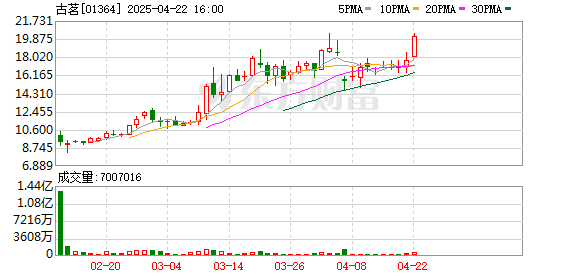
Core Insights - The new tea beverage industry is experiencing a rollercoaster of market activity, highlighted by the IPOs of brands like Mixue Ice City and Bawang Tea Princess, which have seen significant market valuations and stock price fluctuations [1][11] - Despite the excitement, underlying issues such as high debt levels, franchisee attrition, and quality control challenges indicate a deeper crisis of trust and imbalance within the industry [1][5] Market Dynamics - The Chinese new tea beverage market is projected to reach 354.72 billion yuan in 2024, with expectations to exceed 400 billion yuan by 2028, indicating a shift towards a saturated market and increased competition among existing brands [1][2] - Mixue Ice City has become the largest brand in the global ready-to-drink beverage sector with 46,479 stores, surpassing Starbucks, while other brands like Guming and Cha Baidao are also expanding rapidly [2] Profitability Challenges - The average profit margin in the new tea beverage industry has declined from 21.4% in 2023 to 14.7% in 2024, driven by aggressive pricing strategies and increased competition in lower-tier cities [2][4] - Despite revenue growth, individual store performance is declining, with Guming's same-store GMV down 4.3% and Cha Baidao's net profit dropping 58% in 2024 [4][12] Health and Innovation Issues - The industry's health-focused marketing has led to a disconnect between consumer expectations and actual product offerings, with many brands failing to deliver genuine innovation despite promoting low-sugar and health-oriented products [7][10] - Brands like Mixue Ice City and Guming are attempting to enhance their supply chains to meet health demands, but regional differences in consumer preferences complicate standardization efforts [8][10] Capital Market Sentiment - The capital market remains enthusiastic about the new tea beverage sector, as evidenced by the high valuations of recent IPOs, but concerns about the sustainability of growth and profitability persist [11][12] - The contrasting trends of rapid store expansion and declining individual store profitability highlight the challenges faced by brands in maintaining a balance between scale and quality [12][13] Cultural Significance - The new tea beverage industry is evolving into a cultural ambassador for Chinese traditions, with brands like Mixue Ice City and Bawang Tea Princess leveraging their international presence to promote Chinese tea culture [14] - The industry's future success will depend on its ability to balance commercial ambitions with cultural values, ensuring that each product not only serves a market need but also conveys a sense of cultural identity [14]