炼油

Search documents
印度炸锅了!特朗普对中国签下总统令,莫迪两头碰壁,里外不是人
Sou Hu Cai Jing· 2025-08-21 08:34
Group 1 - Trump signed a document extending the tariff suspension on China for 90 days, originally set to expire on August 12 [1] - The extension is seen as a strategic move to ease tensions with China while simultaneously applying pressure on India by imposing tariffs of up to 50% on Indian goods [3][5] - The tariffs affect approximately 55% of India's exports to the U.S., targeting key industries such as jewelry, pharmaceuticals, and leather [5][13] Group 2 - India's economy faces significant challenges due to the tariffs, with the jewelry sector at risk of losing 700,000 jobs and pharmaceutical costs rising by 50% [13] - The U.S. tariffs disrupt India's profitable model of purchasing and refining Russian oil, which has helped maintain economic stability [7] - India's response includes a strategy of negotiation to seek policy adjustments and potential increases in LNG and defense purchases from the U.S. [11] Group 3 - The tariffs have broader implications for U.S.-India relations, with a notable decline in visa approval rates for Indian students and restrictions on Bollywood stars [15] - India has retaliated by increasing tariffs on bourbon whiskey to 150% and halting defense procurement negotiations, indicating a willingness to push back against U.S. pressure [17] - The current geopolitical landscape is shifting towards a multipolar balance, with India seeking to strengthen ties with China and Russia as a counterbalance to U.S. influence [19]

中国对普京在商言商,趁着莫迪不敢买,折扣价格拿下千万桶俄油?
Sou Hu Cai Jing· 2025-08-21 03:15
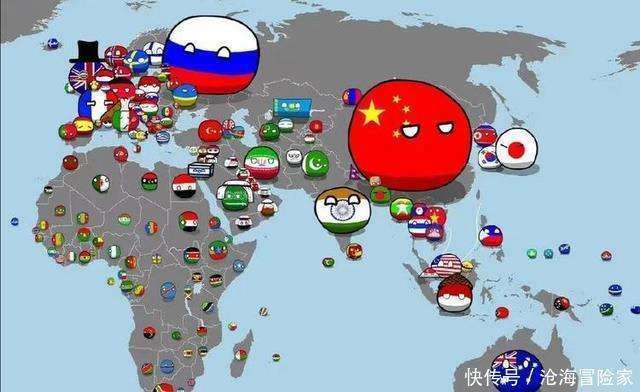
Core Insights - India has reduced its purchases of Russian oil due to pressure from the Trump administration, which has threatened to impose a 25% secondary tariff on Russian oil imports starting from late August [3] - In response to India's withdrawal, Chinese refineries have seized the opportunity to purchase over 10 million barrels of Russian oil at discounted prices, with 15 batches already bought this month [1][5] - The strategic implications of this move include strengthening energy cooperation with Russia and demonstrating to Moscow that China is a reliable partner compared to India's fluctuating stance [8][9] Group 1 - India's reluctance to buy Russian oil stems from the potential 25% tariff imposed by the U.S., which has led Indian state-owned refineries to halt purchases since late July [3] - The discounts previously enjoyed by India on Russian oil have decreased, prompting Indian refineries to reassess their purchasing strategies [3] - Chinese companies have negotiated a $1 discount per barrel on Urals crude oil, which is significant given the current price of around $65 per barrel [5] Group 2 - The increase in Chinese purchases of Urals crude is primarily a commercial decision driven by price competitiveness, as Chinese refineries typically use higher-quality ESPO crude [6] - The short-term impact of increased Russian oil purchases by China has led to a reduction in demand for Saudi oil, with some refineries cutting back on September deliveries [8] - Despite the current increase in Russian oil imports, China aims to maintain a diversified energy import strategy to avoid over-reliance on a single source, learning from Europe's energy dependency issues [8][9]
规模最大的化工ETF(159870)开盘涨超1.2%,机构称行业景气度有望回升
Xin Lang Cai Jing· 2025-08-21 01:54
Group 1 - The chemical sector is experiencing a rise in opening prices, with institutions indicating that the "anti-involution" trend may lead to a recovery in chemical industry prosperity, benefiting leading companies [1] - Key factors for potential investment opportunities in the chemical industry include stricter new project approvals, the positive impact of old facility renovations, attempts at industry self-discipline, and rising energy consumption standards [1] - As of August 21, 2025, the CSI Sub-Industry Chemical Theme Index (000813) increased by 1.25%, with notable stock performances including: Nucor Titanium (002145) up 8.76%, Rongsheng Petrochemical (002493) up 5.24%, and Dongfang Shenghong (000301) up 3.24% [1] Group 2 - The Chemical ETF (159870) closely tracks the CSI Sub-Industry Chemical Theme Index, which consists of seven sub-indices reflecting the overall performance of listed companies in related sub-industries [2] - As of July 31, 2025, the top ten weighted stocks in the CSI Sub-Industry Chemical Theme Index (000813) accounted for 43.54% of the index, including companies like Wanhua Chemical (600309) and Yilong Co. (000792) [2]
能源列国志:南非:摘要Abstract
Zhong Xin Qi Huo· 2025-08-20 23:31
1. Report Industry Investment Rating No relevant content provided. 2. Core Viewpoints - South Africa is a middle - income developing country and the most economically developed and industrialized nation in Africa, with a relatively complete financial and legal system and good infrastructure, but suffers from unbalanced development among economic sectors and regions [1][9]. - The manufacturing, mining, agriculture, and service industries are well - developed and serve as the four pillars of the economy. The manufacturing industry has a complete range of sectors, while emerging export industries like automobile manufacturing are growing strongly [2][11]. - South Africa is rich in mineral resources, being a major global producer and exporter of gold, platinum - group metals, and chromium [2][11]. - In the energy field, South Africa's liquid fuel production mainly relies on synthetic fuels, and it has limited natural gas resources, relying on imports. Coal production and consumption are relatively stable, and power generation mainly depends on fossil fuels, especially coal, while non - hydro renewable energy has great growth potential [17][21][27]. 3. Summary by Relevant Catalogs 3.1 South Africa National Overview 3.1.1 Geographical Location - South Africa, with an area of about 1.22 million square kilometers, is located at the southernmost tip of the African continent, bordering the Indian and Atlantic Oceans, and neighboring several countries. It has a coastline of about 3000 kilometers and a tropical savanna climate in most areas [8]. 3.1.2 Economic Overview - In 2022, the population was 62 million, with four major ethnic groups. English and Afrikaans are the common languages, and about 80% of the population believes in Christianity [9]. - In 2024, the nominal GDP was $400.2 billion, and the per - capita nominal GDP was $6333. The economy has been sluggish in recent years, but the government has launched initiatives to promote growth [11]. - The manufacturing industry's output value accounts for about 17.2% of GDP, covering various fields. The mining industry is rich in resources, with over 70 types of minerals mined, and diamond production accounts for about 9% of the world's total [2][11]. - South Africa is a free - trade country, with China as its largest trading partner. It mainly exports minerals, precious metals, and transportation equipment, and imports mechanical and electrical products, minerals, etc. [12]. 3.1.3 Historical Politics - South Africa has a complex colonial history. After a long - term apartheid policy, it achieved democratic elections in 1994. The new constitution implements the separation of powers, and South Africa pursues an independent foreign policy and is active in international affairs [13][14][15]. 3.2 Oil and Other Liquids - In 2023, the total production of liquid fuels was about 108,000 barrels per day, mainly synthetic fuels. Only two of the four refineries are currently operating, and there are GTL and CTL plants [17][18]. - South Africa does not export crude oil or condensate and relies on imports. From 2014 - 2023, it imported an average of 316,000 barrels per day. In 2023, 66% of imports came from African countries, with Nigeria being the largest source [32][34]. - South Africa is both an importer and exporter of petroleum products. From 2020 - 2023, it imported an average of 316,000 barrels per day and exported an average of 34,000 barrels per day [37]. 3.3 Natural Gas - From 2014 - 2023, the average annual production of dry natural gas was about 27 Bcf, and the average annual consumption was about 171 Bcf. It relies on imports from Mozambique due to limited domestic resources [21]. - The PetroSA GTL refinery stopped operating in 2020 due to insufficient gas supply. In December 2023, PetroSA announced cooperation with Gazprombank to restart it [22][24]. - South Africa plans to expand its gas pipeline network and build LNG infrastructure to diversify imports and increase consumption [43]. 3.4 Coal - In 2022, the proven coal reserves were about 11 billion short tons. Production and consumption were relatively stable, with production of about 269 million short tons and consumption of about 192 million short tons [25]. - The Secunda CTL refinery uses coal to produce synthetic fuels and chemicals, with a total capacity of 150,000 barrels per day [25]. - South Africa imports little coal but is an important exporter. From 2013 - 2022, it imported an average of 2.7 million short tons per year and exported an average of 83.9 million short tons per year [44]. 3.5 Electricity - In 2022, the total installed capacity was 63.4 GW, and the power generation was about 230 GWh. Fossil - fuel power generation accounted for 76% of the total capacity and 88% of the total generation, mainly from coal [27]. - Non - hydro renewable energy has great growth potential. The REIPPPP has procured about 6.4 GW of renewable energy from 112 independent power producers [31]. - The JETP announced an $8.5 billion fund to support South Africa's decarbonization efforts [31]. 3.6 Energy Trade 3.6.1 Oil and Other Liquids - South Africa relies on imports for crude oil and condensate, and is both an importer and exporter of petroleum products [32][37]. 3.6.2 Natural Gas - South Africa imports natural gas through pipelines from Mozambique and plans to expand its pipeline network and build LNG infrastructure [38][43]. 3.6.3 Coal - South Africa has low coal imports and is a major coal exporter, mainly exporting through the RBCT [44]. 3.6.4 Electricity - As a member of the SAPP, South Africa trades electricity with other members. From 2013 - 2022, it exported an average of 14.5 GWh per year and imported an average of 10.3 GWh per year [46].
石化和炼油行业反内卷,对化工行业影响几何?
2025-08-20 14:49
Summary of Key Points from the Conference Call Industry Overview - The petrochemical industry is facing challenges such as declining product prices, intense competition, and anti-dumping lawsuits, prompting the government to implement measures for capacity assessment, elimination of redundant facilities, and technological upgrades to promote energy conservation and carbon reduction [1][2][3] Core Insights and Arguments - The petrochemical industry's profits have been declining, with total revenue projected at 14.6 trillion yuan in 2024, but profits falling below 1 trillion yuan, continuing a downward trend of 8.8% in 2025 [2][25] - A capacity warning report identified 14 high-risk products, including refining, propylene, and PVC, and 10 products with relatively high risk, such as soda ash and ethylene glycol, indicating structural overcapacity issues [3][4] - Private enterprises are better positioned for transformation in the petrochemical sector due to advanced technology and willingness to invest in energy-saving modifications, while state-owned enterprises face greater pressure to upgrade outdated facilities [5][10] - New capacity additions before the carbon peak include an increase of 40 million tons in primary refining capacity, which is aligned with advanced technology and will not lead to overcapacity [6][10] - The development of the petrochemical industry chain relies heavily on policy guidance and downstream market demand, with emerging markets like pharmaceuticals and renewable energy driving growth in biodegradable materials and photovoltaic materials [10][12] Additional Important Content - The petrochemical industry is experiencing structural overcapacity, particularly in low-end bulk products, while mid-to-high-end products remain scarce and reliant on imports [7][8] - The need for upgrading old facilities is critical, especially in traditional refining and caustic soda plants, many of which are over 20 years old [9] - The government is encouraging the elimination of outdated capacity and extending the industrial chain into new materials, with a focus on market-driven development rather than strict regulatory measures [17][27] - The petrochemical sector's future planning must balance specific development directions with market demand to avoid misleading the market and causing overcapacity [18] - The overall profitability of the petrochemical industry is under pressure, with a reported profit decline of 2.3% in the first half of the year and an 8.8% decline the previous year [25] Conclusion - The petrochemical industry is at a critical juncture, facing both challenges and opportunities for transformation. The emphasis on technological upgrades, market responsiveness, and policy support will be essential for navigating the current landscape and achieving sustainable growth.
石化行业 国内“反内卷”及海外产能清退专家电话会
2025-08-20 14:49
Summary of Petrochemical Industry Conference Call Industry Overview - The conference call focused on the **petrochemical industry** in China, discussing the impact of domestic "anti-involution" policies and overseas capacity reductions [1][2][3]. Key Points and Arguments - **Policy Impact**: The anti-involution policy is expected to last for 3-4 years, accelerating the elimination of outdated capacities, particularly small and old private refining units, such as those with capacities below 2 million tons and over 20 years old [1][2][9]. - **Capacity Management**: China's refining capacity is nearing the 1.1 billion tons threshold, with future measures focusing on capacity reduction rather than maintaining total levels. Ethylene capacity has increased significantly, but coal-based ethylene glycol projects face economic and energy consumption challenges [1][6]. - **Market Dynamics**: The concentration of propane dehydrogenation units has led to an oversupply of propylene, primarily due to decisions made during the dual control period in 2022 [7]. - **Development Trends**: The industry is shifting towards fine chemicals and high-end materials, as merely producing ethylene is no longer sufficient to meet market demands. Outdated units, typically with a lifecycle of 20 years, are prioritized for elimination [1][11]. - **Overseas Capacity Reductions**: Frequent capacity reductions in overseas ethylene production are attributed to economic inefficiencies and aging facilities, particularly in Europe, Japan, South Korea, and Southeast Asia [1][29]. Additional Important Insights - **Government Initiatives**: The Ministry of Industry and Information Technology (MIIT) is expected to release a detailed list of policies for the petrochemical and chemical industries by September 2025, including specific requirements for capacity elimination and transformation [2]. - **Supply Chain Challenges**: European ethylene production faces upstream raw material supply shortages, leading to reliance on imports, which increases transportation costs and disrupts supply-demand balance [4][22]. - **Investment Needs**: Significant investments are required for energy-saving and carbon reduction initiatives, with costs for upgrading old facilities potentially reaching billions of RMB [18][28]. - **Regional Variations**: Different responses to environmental pressures are observed between state-owned enterprises and private firms, with state-owned enterprises more proactive in adopting technological upgrades [9][14]. - **Future Outlook**: The petrochemical industry is expected to undergo a rebalancing, with small outdated units being phased out and larger units requiring upgrades. This transition will benefit companies with lower costs and diverse product offerings [26][27]. Conclusion The conference highlighted the ongoing transformation within the petrochemical industry, driven by stringent government policies aimed at reducing outdated capacities and promoting high-quality development. The focus on fine chemicals and high-end materials indicates a significant shift in production strategies, while overseas market dynamics continue to influence domestic supply and demand.
中方获“唯一特赦”,把印度拿不下的“打折货”,一股脑都买了
Sou Hu Cai Jing· 2025-08-20 12:21
Core Insights - The global oil market is undergoing significant changes, with China emerging as the only major buyer exempt from secondary tariffs on Russian oil, leading to a surge in low-priced Russian oil flowing to China [1][5][25] - The geopolitical landscape is shifting, with the U.S., India, and Russia's interests intertwining, indicating a new international trade order [1][5] Group 1: Oil Trade Dynamics - In Q1 2025, Russian oil exports to China via pipelines surged by 43% year-on-year, reaching an average of 750,000 barrels per day [3][19] - Following the U.S. implementation of secondary tariffs on Russian oil, India faced a significant increase in tariffs, leading to a drastic reduction in its Russian oil imports from 1.18 million barrels per day to less than 400,000 barrels per day [5][7] - China's daily imports of Urals crude oil from Russia approached 75,000 barrels in August, nearly double the amount earlier in the year, with several coastal refineries placing new orders [7][19] Group 2: Market Reactions and Implications - The price differential between Urals crude and Brent crude has widened, with the cost of Urals crude imported by China being over 15% lower than Brent prices [9][19] - Chinese refineries are rapidly expanding their profit margins and capturing market share in South Asia, the Middle East, and Europe due to the low prices of Russian oil [9][21] - The U.S. is cautious about imposing tariffs on China due to the deep economic interdependence between the two nations, which complicates the potential impact of sanctions [11][17] Group 3: Geopolitical Considerations - The U.S. secondary tariffs on India are seen as a warning against India's strategic autonomy in the global energy landscape, while the U.S. maintains a more restrained approach towards China [11][15] - The European Union has expressed concerns over potential reductions in Chinese refined oil exports, fearing a rise in energy prices [15][25] - The ongoing geopolitical tensions and energy market dynamics are reshaping global supply chains and trade patterns, with China gaining significant influence [21][25] Group 4: Future Outlook - China's oil imports are projected to reach a historical high of over 600 million tons in 2025, while India is diversifying its energy sources to reduce reliance on Russian oil [19][25] - The global energy market is entering a new phase of multi-dimensional competition, with any actions taken by major players likely to trigger chain reactions [15][25] - The evolving energy landscape reflects a balance of power shift, with China leveraging its position to reshape global energy pricing and supply chains [21][25]
尽管美国提出批评,印度炼油企业仍增加从俄罗斯进口石油
Ge Long Hui· 2025-08-20 04:40
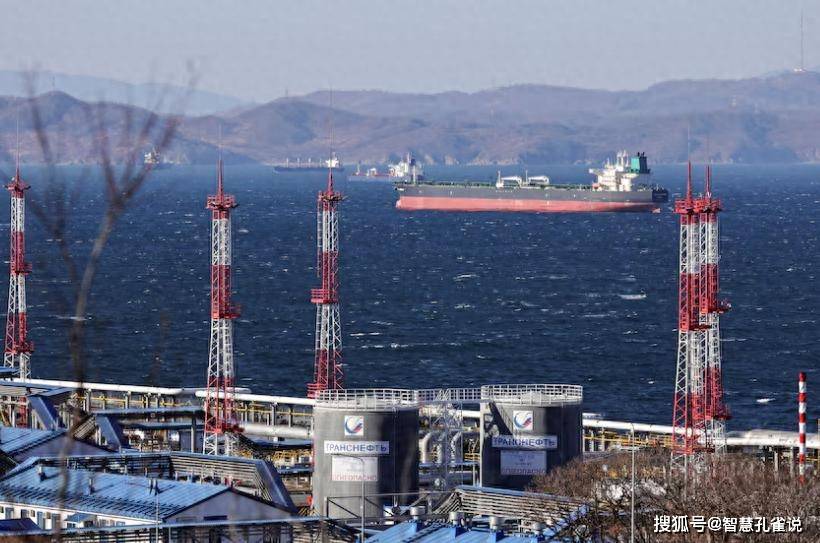
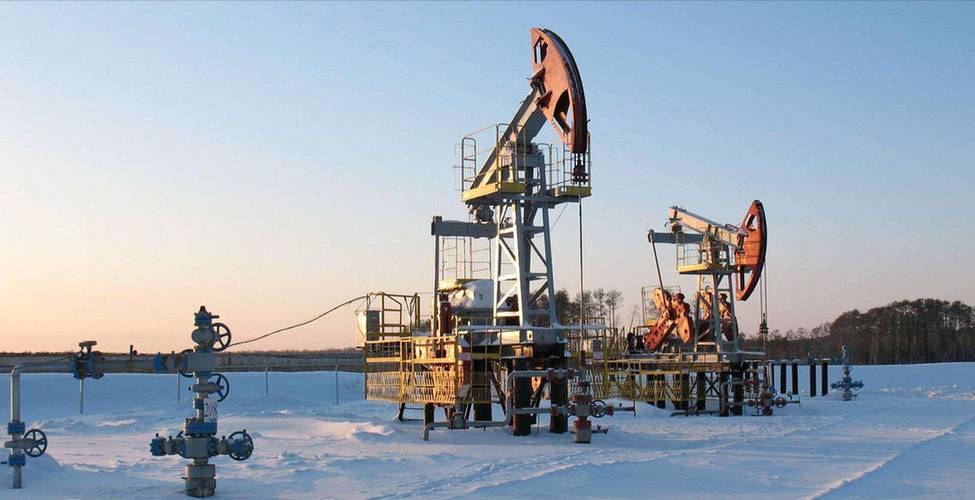
Core Points - Indian state-owned oil companies have resumed purchasing Russian oil after a brief pause, despite facing higher tariffs and criticism from U.S. officials [1] - Companies like Indian Oil Corporation and Bharat Petroleum have bought Russian Urals crude, with shipments scheduled for September and October [1] - The pause in purchases was due to U.S. pressure, and New Delhi had previously instructed refiners to prepare for potential disruptions in Russian oil supply [1] - U.S. officials have criticized the surge in Russian oil purchases, attributing it to profit-driven motives of Indian oil lobbying groups rather than domestic demand [1] - U.S. Treasury Secretary Scott Bansen reiterated plans to increase tariffs on New Delhi due to the benefits gained by wealthy Indian families from purchasing Russian oil [1]

燃料油日报-20250819
Yin He Qi Huo· 2025-08-19 11:37
Group 1: Related Data - FU main contract price on August 19, 2025, was 2686, down 27 from the previous day; LU main contract price was 3466, down 14 [3] - FU main contract positions were 95,000 lots, down 17,000 lots from the previous day; LU main contract positions were 44,000 lots, up 2,000 lots [3] - FU warehouse receipts were 80,710 tons, unchanged from the previous day; LU warehouse receipts were 11,110 tons, unchanged [3] - FU9 - 1 spread was -27, down 1; LU10 - 11 spread was 7, down 8; LU - FU main contract spread was 780, up 13 [3] - FU09 - foreign market 08 spread was -17.9, down 1.1; LU10 - foreign market 09 spread was 7.6, up 0.7 [3] - In the Singapore paper market, the high - sulfur Sep/Oct month - spread decreased from 3.3 to 1.5 USD/ton, and the low - sulfur Sep/Oct month - spread decreased from 2.0 to 1.0 USD/ton [8] Group 2: Market Analysis Market Overview - Debris from destroyed Ukrainian drones caused fires at an oil refinery and a hospital roof in the Volgograd region of Russia [6] Market Judgment - High - sulfur supply and inventory in Asia remain at a high level in the near term. Ukrainian bombings of Russian refineries continue, affecting some refinery capacities. Mexican high - sulfur exports are declining, and Middle - East high - sulfur exports are stable at a low level. High - sulfur supply pressure in the third quarter is slightly lower than expected. High - sulfur seasonal power - generation demand is gradually decreasing, and the support from feedstock demand in China after the increase in the consumption - tax deduction ratio is not obvious. Singapore's high - sulfur bunker fuel bunkering volume in July reached the highest level since IMO2020 [7] - Low - sulfur fuel oil spot premiums are continuously declining. The increase in spot - window sellers and near - term supply growth are hitting low - sulfur spot prices. Low - sulfur supply is continuously increasing, and there is no specific driver for downstream demand. Nigerian RFCC units have intermittent maintenance, and South - Sudan's low - sulfur raw - material supply is gradually returning to the early 2024 level. Al - Zour's low - sulfur exports have rebounded to the high level of normal refinery operation, with a significant increase in exports to Singapore. The low - sulfur market in China has sufficient supply and stable demand [7]
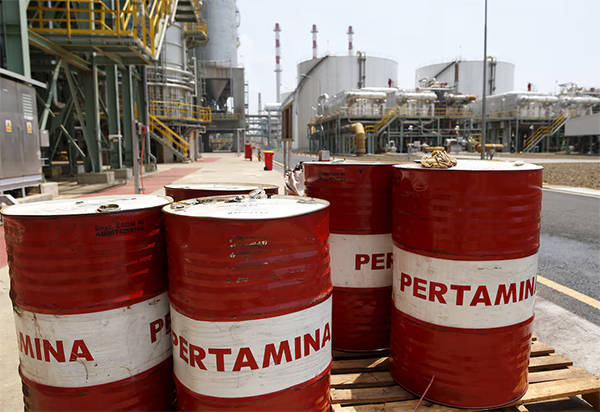
印尼被曝跟美企签80亿美元合同建17座炼油厂,加工美国原油
Sou Hu Cai Jing· 2025-08-19 10:30
Core Viewpoint - Indonesia plans to build a network of small modular refineries to process crude oil from the US and domestic sources, aiming to reduce gasoline imports and fulfill trade agreements with the US [1][4]. Group 1: Project Overview - Indonesia's sovereign wealth fund Danantara is set to sign an $8 billion contract with US engineering firm KBR to construct 17 modular refineries [1]. - The agreement includes a commitment to purchase $15 billion in energy products from the US in exchange for reduced tariffs on Indonesian goods [1]. - The total value of Indonesia's oil and gas imports is projected to reach $36.28 billion in 2024 [1]. Group 2: Strategic Concerns - Analysts express skepticism about the shift to smaller refineries, noting that it contradicts the global trend towards larger facilities for economies of scale [4]. - Pertamina, Indonesia's state oil company, plans to invest $48 billion to upgrade six refineries and build large refining complexes to increase oil product output to 1.5 million barrels per day [4]. - Indonesia has not built a large refinery in the past 30 years, and most partnerships for these projects have been canceled, forcing Pertamina to proceed independently [4]. Group 3: Technical and Economic Considerations - Modular refineries are expected to be built faster and at lower costs compared to traditional facilities, providing a quick solution to reduce dependence on imported refined oil [5]. - However, the capacity of small refineries typically ranges from 50,000 to 150,000 barrels per day, which may not meet Indonesia's expanding petrochemical capacity goals [5]. - Concerns have been raised about the potential need for small vessels to import crude oil, which could significantly increase costs and expose Indonesia to fluctuations in US crude oil prices [6].