半导体

Search documents
马斯克:“Terafab”项目目标年产能超1太瓦算力
财联社· 2026-03-22 02:58
Core Insights - Tesla is set to launch its in-house chip factory project "Terafab" soon, aiming to produce over 1 terawatt of computing power annually, with approximately 80% allocated for space applications and 20% for terrestrial use [1]



英伟达需要的不是新芯片,而是新护城河
半导体行业观察· 2026-03-22 02:42
Core Viewpoint - Nvidia is transitioning from a chip manufacturer to an operating system for future AI, with CEO Jensen Huang emphasizing the importance of a strategic shift towards AI agent systems through the launch of NemoClaw, an open-source platform for building and deploying AI agents [2][3]. Group 1: Strategic Shift - The introduction of NemoClaw represents a significant strategic change for Nvidia, showcasing its direction towards becoming a platform provider rather than just a chip supplier [2][3]. - Nvidia's previous success was built on locking users into its AI training ecosystem, but the industry is shifting towards model deployment, where vendor lock-in is less critical [3]. Group 2: Open Source and Security - NemoClaw is based on OpenClaw, a rapidly growing open-source project, allowing users to download and modify the software, but Nvidia has added security measures to address risks associated with open-source software [4]. - The open-source approach allows Nvidia to monetize the underlying technology required for AI agents while providing a free platform to drive user adoption [5]. Group 3: Market Dynamics - Nvidia's strategy threatens its top clients, as it allows companies to deploy AI agents for free, potentially undermining the pricing power of companies like OpenAI and Anthropic [6]. - The current landscape shows a lack of strong open-source AI platforms in the U.S., while Chinese labs are advancing rapidly in this area, creating a competitive environment for Nvidia [7]. Group 4: Future Outlook - Nvidia's revenue has seen significant growth, with a 73% increase in the last quarter, and expectations for nearly $80 billion in the upcoming fiscal quarter, indicating a successful transition to a platform model [8]. - The key question for investors is whether Nvidia will be viewed as a chip manufacturer, which is subject to cyclical fluctuations, or as an operating system provider, which has the potential for compound growth [8].

刚刚,马斯克晶圆厂,正式发布
半导体行业观察· 2026-03-22 02:42
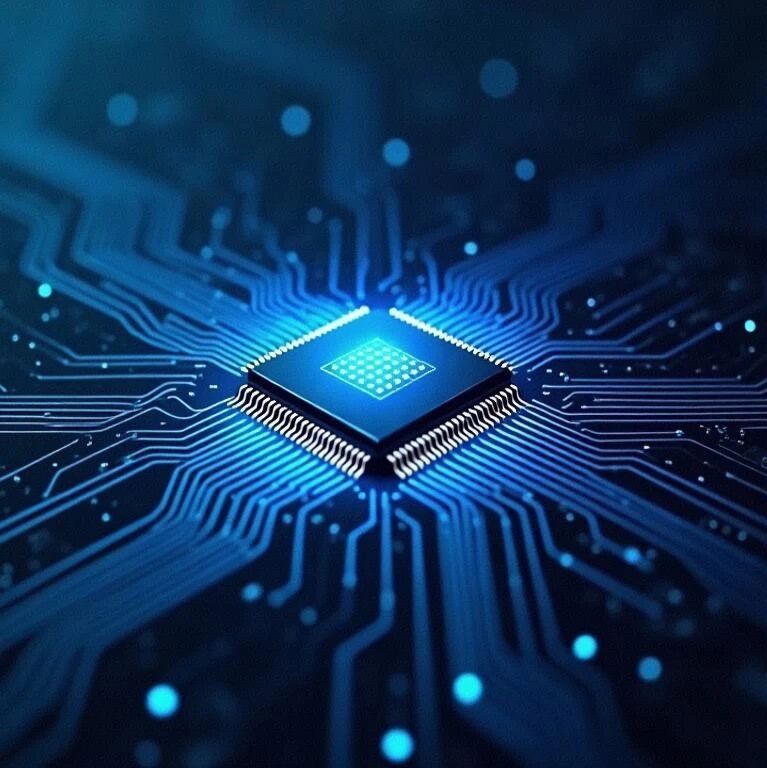
Core Viewpoint - The article discusses Elon Musk's announcement regarding the "TERAFAB" project, which aims to produce over 1 terawatt of computing power annually, with 80% allocated for space applications and 20% for terrestrial uses [2][10]. Group 1: Project Overview - The TERAFAB project will establish a vertically integrated semiconductor manufacturing facility in the U.S., covering logic chips, memory chips, and advanced packaging [3]. - The project is expected to require an investment of approximately $25 billion, surpassing existing super factory scales [4]. Group 2: Chip Development Roadmap - Tesla's chip evolution includes the AI5, AI6, and D3, targeting cutting-edge 2nm process technology with a production goal of 100 to 200 billion custom AI chips annually [4]. - The AI5 chip is designed for Full Self-Driving (FSD) and Optimus, with performance improvements of 40-50 times over the previous generation [7][8]. Group 3: Strategic Goals - The distribution of computing power from TERAFAB reflects ambitious goals, with a focus on creating a distributed interstellar computing network through AI satellites [12]. - Musk emphasizes the need for internal chip production to mitigate geopolitical risks and supply chain vulnerabilities, as existing suppliers like TSMC and Samsung cannot meet Tesla's demands [16][21]. Group 4: Challenges and Considerations - Building the TERAFAB facility presents significant challenges, including high capital costs and the complexity of advanced chip manufacturing processes [19][21]. - The timeline and location for the factory remain uncertain, with Tesla planning to utilize its substantial cash reserves for funding [18].
AI周报|黄仁勋抛出英伟达万亿美元收入预期;三星面临史上最大罢工威胁
Di Yi Cai Jing· 2026-03-22 01:52
Group 1: Nvidia's Revenue Forecast - Nvidia CEO Jensen Huang predicts revenue from Blackwell and Rubin will reach $1 trillion from 2025 to 2027, up from a previous estimate of $500 billion [1] - The revenue forecast does not include income from CPUs, Groq, storage systems, and other diversified business lines [1] - Nvidia's product lineup is expanding, showcasing collaborative design and vertical integration, with implications for space computing and autonomous driving [1] Group 2: AI Impact on Workforce - Huang asserts that AI will not eliminate jobs but will make people busier, similar to past technological advancements [2] - The efficiency brought by AI allows tasks to be completed faster, leading to increased workloads rather than leisure time [2] - Historical examples suggest that technological progress creates new job opportunities despite initial fears of job loss [2] Group 3: Alibaba's New Business Unit - Alibaba is forming a new business unit called Alibaba Token Hub to consolidate its AI services and R&D efforts [3] - The unit will oversee the development of the Qwen large model and integrate various AI-related products [3] - This restructuring aims to enhance collaboration among teams and signals Alibaba's intent to commercialize AI [3] Group 4: Baidu's Organizational Changes - Baidu has appointed He Jingzhou to lead the APP development center, promoting the integration of large models with search and recommendation services [4] - This personnel change is part of a broader strategy to enhance the application of cutting-edge technologies in core business areas [4] - The move reflects Baidu's commitment to leveraging AI to reconstruct its core products and improve competitiveness [4] Group 5: Samsung's Labor Issues - Samsung Electronics faces a significant strike threat, with a 93.1% approval rate for a planned 18-day strike starting in late May [6] - The strike could disrupt production and exacerbate global semiconductor supply shortages, with potential losses estimated between 5 trillion to 9 trillion KRW (approximately 230 million to 414 million RMB) [6] Group 6: Kioxia's Production Changes - Kioxia has announced the discontinuation of TSOP packaging products due to lifecycle, market demand, and production constraints [7] - The shift in focus towards high-performance storage products for AI data centers indicates a strategic realignment in the semiconductor industry [7] - The industry is increasingly prioritizing advanced technologies like PCIe 5.0 and QLC SSDs over older storage solutions [7] Group 7: Tencent's AI Investment - Tencent's Q4 revenue reached 194.37 billion RMB, with AI being a key focus area, driving growth in content production and marketing efficiency [8] - The company plans to double its investment in AI products this year, following a 180 billion RMB investment last year [8] - Despite the commitment to AI, Tencent's stock price fell by 6.81% after the earnings report, indicating market skepticism [8] Group 8: OpenAI's New Model Launch - OpenAI has introduced two new small models, GPT-5.4 mini and nano, optimized for high-frequency workloads with lower latency and cost [10][11] - These models aim to provide developers with options for building systems that combine large and small models for efficient task execution [11] - The competitive landscape for AI models is intensifying, particularly with lower-priced alternatives from Chinese developers [11] Group 9: Google and Apple Collaboration - Google is testing a native Gemini application for macOS, moving beyond web-based access to enhance user experience [12] - This development reflects a deeper integration of Google's AI capabilities within Apple's ecosystem, balancing competition and collaboration [12] Group 10: Rakuten's AI Model Controversy - Rakuten's new AI model has been criticized for closely resembling a Chinese open-source model without proper attribution [13] - The controversy highlights issues of transparency and ethical considerations in AI development and commercialization [13] Group 11: AI Model Poisoning Incident - A recent report revealed that an AI model was manipulated to promote false information, raising concerns about the integrity of AI systems [14] - The incident underscores the importance of maintaining authenticity and trust in AI-driven information dissemination [14] Group 12: BioMap's IPO Plans - BioMap, an AI life sciences company led by Baidu's Li Yanhong, has reportedly filed for an IPO in Hong Kong to raise several hundred million dollars [15] - The company aims to address challenges in the AI and biopharmaceutical sectors, facing competition from established players [15][16] Group 13: KH Robotics Formation - KH Robotics, a joint venture between Kandi Technology and HawkRobo, will focus on deploying quadruped robots for security inspections in North America [17] - The venture aims to address labor challenges in the logistics sector, with plans for commercial delivery by 2026 [17]



亚马逊买百万颗英伟达芯片 鸿海、广达等添利多
Jing Ji Ri Bao· 2026-03-21 23:36
Group 1 - NVIDIA is set to sell 1 million GPU chips, language processing units (LPU), and networking platforms to Amazon AWS by the end of 2027, with confirmation from NVIDIA [2] - The procurement agreement between NVIDIA and AWS has been announced, but specific financial details have not been disclosed [2] - The deal includes various NVIDIA chips, such as Spectrum Ethernet chips and the newly released Groq chip, aimed at enhancing inference efficiency [2] Group 2 - The integration of NVIDIA's Vera Rubin platform includes Rubin GPU chips, Vera CPUs, Spectrum Ethernet, NVLink switches, and BlueField data processing chips, maximizing computational efficiency [3] - The order signifies the upcoming peak delivery season for AI server manufacturing, with production expected to begin in Q3 of this year [3] - NVIDIA plans to launch an enhanced version of the Rubin Ultra GPU chip next year, which is anticipated to be part of the procurement agreement with AWS [3]


港股年内IPO融资额猛增559%
21世纪经济报道· 2026-03-21 15:31
Core Viewpoint - The Hong Kong IPO market remains robust despite global macroeconomic challenges and increased regulatory scrutiny, with significant participation from A-share companies driving fundraising growth [1][5]. Group 1: IPO Market Performance - As of March 20, 2024, the Hong Kong Stock Exchange welcomed a new listing from Guanghe Technology, which saw a first-day surge of 33.56% [1]. - The number of new IPOs in Hong Kong has exceeded 30 in 2026, marking a 150% year-on-year increase, with total fundraising reaching 1004.72 billion HKD, up 559.02% [1]. - A-share companies have become a crucial source for new listings in Hong Kong, with 14 A-share firms raising a total of 658.83 billion HKD, accounting for over 65.57% of the total [1]. Group 2: A+H Listing Model - The A+H listing model allows companies to access both domestic and international capital, mitigating market volatility risks and enhancing capital operation space [1]. - Notable A-share companies like Muyuan Foods and Dongpeng Beverage have raised over 100 billion HKD each in the Hong Kong IPO market this year [5]. - The semiconductor sector is particularly active, with leading firms like Haowei Group and Zhaoyi Innovation participating in the Hong Kong listings [5]. Group 3: Regulatory Environment - The Hong Kong Stock Exchange has initiated measures to enhance the quality of IPO disclosures, including a proposal to hold intermediaries accountable for incomplete application materials [10]. - The Hong Kong Securities and Futures Commission is closely monitoring the surge in IPO applications, emphasizing the need for high-quality listing documents [11]. - Recent regulatory changes are seen as a dual approach of encouraging listings while ensuring stringent oversight, which is expected to improve the overall quality of IPOs in the market [11].

策略周专题(2026年3月第3期):震荡蓄势,等待破局
EBSCN· 2026-03-21 15:15
Group 1 - The A-share market experienced fluctuations this week, with a decline in major indices due to decreased market risk appetite. The ChiNext index performed the best with a change of +1.3%, while the CSI 500 index had the worst performance with a change of -5.8%. The overall valuation of the entire A-share market is at the 91.2 percentile since 2010 [1][11][12] - In terms of industry performance, sectors such as oil and petrochemicals, coal, and utilities showed relatively good performance, while sectors like non-ferrous metals, basic chemicals, and steel lagged behind with significant declines [1][13][15] Group 2 - Key events this week included the convening of an anti-monopoly work meeting, a central bank expanded meeting, and Sino-US trade discussions in Paris. The focus of the meetings included accelerating the development of new productive forces and maintaining the stability of financial markets [2][18][19][20] - Economic data released showed that the industrial value added for January-February increased by 6.3% year-on-year, and retail sales grew by 2.8%, indicating a positive start to the year. Additionally, the total import and export value increased by 18.3% year-on-year [2][21] Group 3 - The report suggests that the market may continue to experience fluctuations due to external pressures, including geopolitical tensions in the Middle East and a hawkish stance from the Federal Reserve. However, there are positive factors such as the central bank's supportive statements and strong economic data for January-February [4][25] - The report recommends focusing on growth and cyclical sectors in the medium to long term, with short-term attention on resource-related assets and safe-haven investments due to ongoing geopolitical risks [34][35]
内存暴涨,华强北姐弟半年猛赚400亿
36氪· 2026-03-21 13:35
Core Viewpoint - The article highlights the remarkable growth of Jiangbolong, a semiconductor storage company that emerged from Huaqiangbei, showcasing its journey from a small trading business to a major player in the global storage market, driven by strategic shifts and market dynamics [3][6][51]. Group 1: Market Dynamics - In 2025, significant price increases were observed in various commodities, with gold rising by 65%, copper by 42%, and silver by 147.8%, but the most notable was the 300% increase in memory prices [3][4]. - The semiconductor storage market experienced substantial price hikes starting in the second half of 2025, with DRAM prices expected to rise by approximately 46.9% and NAND Flash prices by about 56.6% [5][49]. Group 2: Company Growth and Strategy - Jiangbolong's market capitalization soared to 150.6 billion yuan in March 2026, making it the largest independent storage manufacturer in China and the second globally, with the founders' wealth increasing significantly [6][51]. - The company transitioned from a trading model to manufacturing, driven by the need to mitigate risks associated with market volatility and to establish a competitive edge through proprietary technology [18][23]. Group 3: Historical Context and Founding - The founders, Cai Huabo and Cai Lijiang, started Jiangbolong in 1999 from a small booth in Huaqiangbei, initially focusing on trading storage products [10][11]. - The company faced significant challenges due to the cyclical nature of the storage industry, which is characterized by unpredictable demand and supply mismatches, often referred to as the "pig cycle" [12][14]. Group 4: Strategic Shifts and Innovations - Jiangbolong adopted a strategy of private label manufacturing to buffer against market fluctuations, which proved successful during the 2008 financial crisis [20]. - The launch of the brand FORESEE in 2011 marked a significant milestone, allowing Jiangbolong to penetrate the enterprise market and secure large orders from major companies [25][27]. Group 5: Mergers and Acquisitions - In 2017, Jiangbolong acquired the high-end consumer storage brand Lexar from Micron Technology, a move that significantly boosted its market presence and revenue [28][30]. - Following the acquisition, Jiangbolong's revenue surged from 4.228 billion yuan to 9.74 billion yuan over four years, reflecting the success of its strategic initiatives [30]. Group 6: Future Outlook and Challenges - Jiangbolong aims to become one of the top three storage brands globally, necessitating continuous revenue and profit growth amidst industry challenges [31][34]. - The company is focusing on building a robust supply chain and increasing its inventory to mitigate risks associated with market volatility, with stock levels reaching 8.517 billion yuan by Q3 2025 [45].
海外策略周报:中东问题引发本周全球多数市场继续回调-20260321
HUAXI Securities· 2026-03-21 12:03
Global Market Performance - The report indicates that due to the evolving geopolitical issues in the Middle East, most global markets experienced a pullback this week, with significant declines in major indices such as the S&P 500, NASDAQ, and Dow Jones Industrial Average [1][13][25] - The S&P 500 index fell by 1.9%, the NASDAQ by 2.07%, and the Dow Jones by 2.11% during the week [13][25] - The report highlights that the S&P 500 utilities, materials, and consumer staples sectors saw the largest declines, while the energy sector was the only one to gain, increasing by 2.75% [13][25] US Market Insights - The TAMAMA Technology Index dropped by 2.48% this week, with a current P/E ratio of 31.34, indicating high valuations in the tech sector [1][17] - The Philadelphia Semiconductor Index's P/E ratio decreased slightly to 41.25, while the NASDAQ's P/E ratio remains at 38.54, suggesting continued pressure on tech stocks due to high valuations and geopolitical tensions affecting oil prices [1][17] - The report notes that despite potential short-term rebounds in tech stocks, there is a need for further digestion of pressures in the mid-term, particularly in financial, consumer, communication services, and industrial sectors [1][17] European Market Performance - European markets also faced declines, with major indices like the STOXX 50 and DAX experiencing significant drops, attributed to weak economic fundamentals and high price-to-book ratios [1][10] - The report anticipates continued volatility in European markets, even with potential short-term rebounds, due to the prevailing economic conditions [1][10] Asian Market Insights - The Nikkei 225 index saw a minor decline of 0.83%, with a current price-to-book ratio of 2.38, indicating high valuations and potential mid-term downward pressure [1][10] - The report mentions that the Korean market experienced a rebound, but the mid-term outlook remains cautious due to existing pressures in tech assets [1][10] Emerging Markets Overview - Emerging markets in Latin America and Southeast Asia also faced further pullbacks, with indices like Brazil's IBOVESPA and Mexico's MXX expected to encounter mid-term pressures despite potential short-term rebounds [1][10] - The report highlights that geopolitical uncertainties and economic conditions are influencing these emerging markets, leading to a cautious outlook [1][10] Hong Kong Market Analysis - The Hong Kong market experienced a pullback, with the Hang Seng Index and related indices declining, although there are structural opportunities in assets with favorable fundamentals and upward industry trends [1][29] - The report notes that the performance of different assets within the Hong Kong market is showing significant divergence, indicating potential selective investment opportunities [1][29]
霍尔木兹警报拉响:半导体材料的危与机
格隆汇APP· 2026-03-21 09:28
Core Viewpoint - The article discusses the impact of geopolitical tensions, particularly the escalation of the US-Iran conflict, on global energy prices and the semiconductor materials industry, highlighting the interconnectedness of these sectors and the potential investment opportunities arising from these dynamics [5][6][8]. Group 1: Geopolitical Impact on Energy and Semiconductor Supply Chains - The escalation of the US-Iran conflict has pushed Brent crude oil prices from over $70 to above $100 within a month, affecting global supply chains [5]. - Japan and South Korea, major players in the semiconductor materials market, rely heavily on oil imports from the Middle East, which could disrupt their production capabilities [7]. - Previous geopolitical conflicts, such as the Russia-Ukraine war, have already shown how supply chain disruptions can lead to price surges in critical materials like neon gas, impacting semiconductor manufacturing [9]. Group 2: Recovery in the Semiconductor Materials Industry - Prior to the geopolitical tensions, the semiconductor materials industry was emerging from a downturn, with leading companies reporting significant profit increases for 2025 [12][14]. - Shanghai XinYang reported a 71.12% increase in net profit, with semiconductor business revenue reaching 1.517 billion, a 46.5% year-on-year increase [15]. - The global semiconductor sales are projected to reach $791.7 billion in 2025, a 25.6% increase, with the Chinese market expected to grow by 17.3%, surpassing $200 billion [16]. Group 3: Demand Drivers in the Semiconductor Sector - The demand surge is primarily driven by the explosion of AI applications, leading to increased requirements for high-bandwidth memory (HBM) and AI chips, filling production capacities across storage and logic chips [18]. - The automotive sector is also experiencing a rise in chip usage, with electric vehicles requiring significantly more semiconductors, further driving demand for semiconductor materials [19]. Group 4: Supply Chain Dynamics and Material Demand - The expansion of wafer production is ongoing, with global silicon wafer shipments expected to grow by 5.4% to 12,824 million square inches by 2025 [21]. - The industry has shifted from an oversupply situation to a tight balance between supply and demand, exacerbated by the recent geopolitical tensions [24][25]. Group 5: Investment Logic in Semiconductor Materials - The investment logic in semiconductor materials combines long-term trends of domestic substitution with short-term catalysts from geopolitical events [28]. - The domestic market has made progress in mid-to-low-end materials, but high-end material production remains critically low, indicating significant market opportunities for domestic producers [30]. Group 6: Key Opportunities in Semiconductor Materials - The most vulnerable segment in the current geopolitical context is photolithography materials, where Japanese companies dominate over 90% of the high-end market [44]. - The supply of rare gases, essential for photolithography equipment, is also at risk due to geopolitical tensions, creating opportunities for domestic producers [46]. - The large silicon wafer market, which constitutes nearly one-third of the materials market, is also poised for growth as domestic companies are ready to capitalize on potential price increases and domestic substitution orders [46]. Group 7: Conclusion on Globalization and Supply Chain Security - The article emphasizes that the recent geopolitical uncertainties highlight the importance of supply chain security over mere efficiency, making domestic substitution in semiconductor materials a critical focus for the industry [50][52].