电池

Search documents
鹿山新材(603051.SH):目前没有直接参加比亚迪刀片电池的生产与研发
Ge Long Hui· 2026-03-27 09:23
Group 1 - The core viewpoint is that Lushan New Materials (603051.SH) has established a long-term stable partnership with BYD in the field of solar cell packaging adhesive films [1] - Currently, Lushan New Materials is not directly involved in the production and research of BYD's blade batteries [1]


超70亿元磷酸铁锂大单落地!
起点锂电· 2026-03-27 09:16
Group 1: Event Overview - The 2026 (Second) Starting Point Lithium Battery Cylindrical Battery Technology Forum and the Top 20 Cylindrical Battery Ranking Conference will be held on April 10, 2026, at the Venus Hall, Venus Royal Hotel, Shenzhen [5] - The event theme is "All-Ear Technology Leap, Leading the Large Cylindrical Market" [5] - The forum is organized by Starting Point Lithium Battery and Starting Point Research Institute SPIR, with multiple sponsors and speakers from leading companies in the lithium battery sector [5] Group 2: Samsung SDI's Strategic Moves - Samsung SDI has signed a procurement agreement with Korean battery material supplier L&F to expand its energy storage system (ESS) business in North America, with a total value of 1.6 trillion KRW (approximately 7.3 billion RMB) for the years 2027-2029 [6] - The materials will be supplied to StarPlus Energy, a joint venture with Stellantis, for battery production at their Indiana plant [6][7] - Samsung SDI has secured over 30 billion RMB in orders in the energy storage sector since 2025, indicating a strong market position and demand [8] Group 3: Market Dynamics and Competition - The global shipment of lithium iron phosphate (LFP) cathode materials is projected to reach 3.654 million tons in 2025, a 67.2% increase year-on-year, with China accounting for over 90% of global shipments [9] - L&F, as one of the few non-Chinese suppliers of LFP materials, is positioned to become a key partner for Korean battery manufacturers [10] - L&F has also initiated overseas investments to build a production facility with an annual capacity of 60,000 tons, with the first phase expected to be operational by Q3 2026 [11] Group 4: Challenges and Future Outlook - L&F's high-nickel cathode material orders from Tesla were significantly reduced, indicating challenges in the high-nickel segment while the demand for LFP is increasing [13][14] - The competition in the LFP battery and material sector is intensifying, with L&F rapidly closing the gap with Chinese companies in high-end product markets [12][14] - The future landscape of the LFP market remains uncertain, with ongoing developments and competition expected to shape the industry [14]

融资融券每日观察(2026年3月26日)
申万宏源证券上海北京西路营业部· 2026-03-27 05:24
Market Overview - The total margin balance in the Shanghai and Shenzhen markets is 26,165.5 billion, showing a slight decrease of 0.04% compared to the previous period [1] - The financing amount for the last trading day is 1,761.6 billion, which represents a significant decline of 14.58% [1] Industry Insights - The top 20 industries by margin balance include: - Semiconductor: 192.49 billion - Securities: 140.23 billion - Communication Equipment: 104.72 billion - Battery: 84.78 billion - Banking: 78.06 billion - Software Development: 75.23 billion - Military Equipment: 63.81 billion - Automotive Parts: 63.74 billion - Consumer Electronics: 61.18 billion - Photovoltaic Equipment: 60.69 billion - IT Services: 60.12 billion - Components: 59.09 billion - Power: 56.05 billion - Complete Vehicles: 49.46 billion - General Equipment: 47.84 billion - Chemical Pharmaceuticals: 47.74 billion - Industrial Metals: 47.36 billion - Optical Electronics: 45.77 billion - Computer Equipment: 43.08 billion - Insurance: 42.72 billion [3] Individual Stock Insights - The top five stocks by financing amount for the last trading day are: - Xinyi Technology: 2.8 billion, with a financing buy ratio of 16.41% and a price drop of 4.03% - Zhongji Xuchuang: 2.45 billion, with a financing buy ratio of 14.86% and a price drop of 2.26% - Huagong Technology: 1.72 billion, with a financing buy ratio of 11.60% and a price drop of 8.98% - Tianfu Communication: 1.71 billion, with a financing buy ratio of 12.91% and a price increase of 2.17% - Shenghong Technology: 1.41 billion, with a financing buy ratio of 18.00% and a price increase of 0.92% [5]



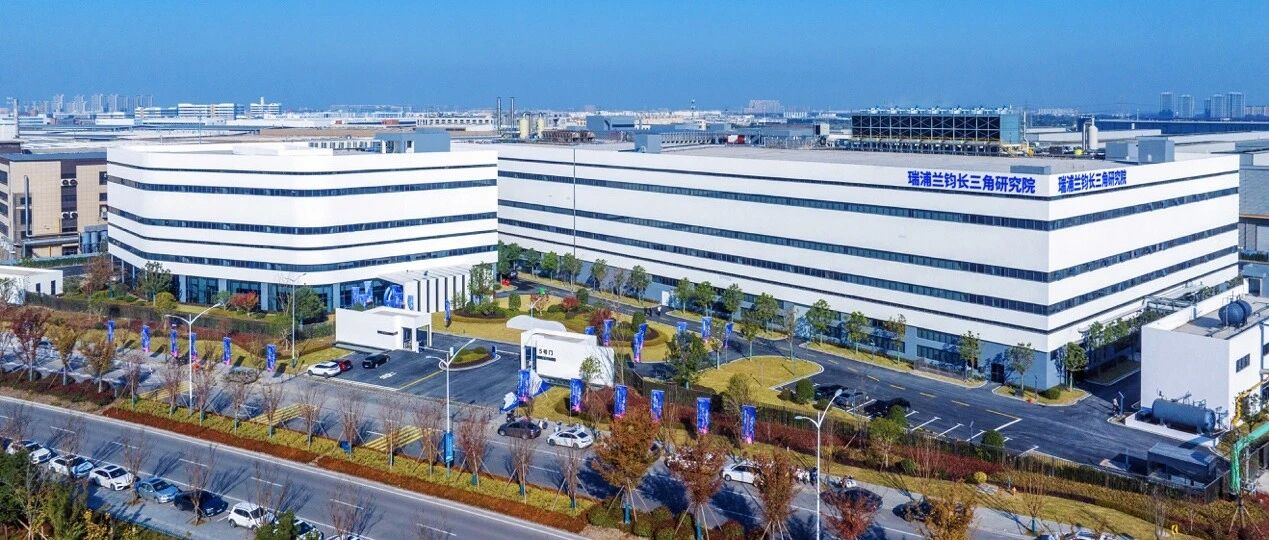
瑞浦兰钧2025营收243亿,储能贡献超55%
中关村储能产业技术联盟· 2026-03-27 02:14
Core Viewpoint - The company, Ruipu Lanjun, reported a significant increase in revenue and profit for the fiscal year ending December 31, 2025, indicating strong growth in its core business segments, particularly in energy storage and power battery products [2][3]. Financial Performance - The company achieved a revenue of RMB 24.33 billion, representing a year-on-year growth of 36.7% [3][4]. - The net profit attributable to the parent company was RMB 623 million [3]. - Gross profit reached RMB 2.72 billion, with a gross margin of 11.2%, which is an increase of 269.2% compared to the previous year [4][6]. Segment Performance - Revenue from power battery products was RMB 10.01 billion, up 35.6% year-on-year [5]. - Revenue from energy storage battery products surged to RMB 13.56 billion, marking an impressive growth of 86.8% [5]. - The gross profit for power battery products was RMB 1.19 billion, with a gross margin of 11.9%, a significant increase from 2.5% in the previous year [6]. - The gross profit for energy storage battery products was RMB 1.46 billion, with a gross margin of 10.8%, up from 5.4% year-on-year [6]. Other Financial Metrics - The company reported a decrease in other income and gains by 11.6% to RMB 374 million [4]. - Selling and distribution expenses increased by 28.9% to RMB 693 million, while administrative expenses rose by 8.0% to RMB 611 million [4]. - Research and development expenses slightly decreased by 1.5% to RMB 767 million [4]. Future Events - The company confirmed its participation in the 14th International Energy Storage Summit and Exhibition (ESIE 2026), scheduled for April 1-3, 2026, in Beijing [6][7].
电池ETF广发(159755)开盘跌1.00%,重仓股比亚迪涨0.82%,宁德时代涨0.90%
Xin Lang Cai Jing· 2026-03-27 01:40
Group 1 - The Battery ETF Guangfa (159755) opened down 1.00% at 1.085 yuan on March 27 [1][2] - Major holdings in the ETF include BYD, which opened up 0.82%, and CATL, which opened up 0.90% [1][2] - Other notable stocks in the ETF include Sanhua Intelligent Control down 1.98%, Huayou Cobalt down 1.60%, and Xiamen Tungsten down 2.97% [1][2] Group 2 - The performance benchmark for the Battery ETF Guangfa is the National Certificate New Energy Vehicle Battery Index return rate [1][2] - The fund is managed by Guangfa Fund Management Co., with manager Luo Guoqing [1][2] - Since its establishment on June 15, 2021, the fund has returned 9.24%, while the return over the past month is -0.33% [1][2]



瑞浦兰钧2025年实现首次盈利6.81亿元
鑫椤锂电· 2026-03-27 01:35
Core Viewpoint - The company reported significant growth in revenue and net profit for the year 2025, driven by increased sales in both power and energy storage battery segments [1][3]. Group 1: Financial Performance - The company achieved a revenue of RMB 24.334 billion, representing a year-on-year increase of 36.7% [1]. - The net profit for the year was RMB 681 million, marking a turnaround from previous losses [1]. Group 2: Sales and Product Performance - Total sales of lithium battery products reached 82.7 GWh, reflecting a year-on-year growth of approximately 89.2% [3]. - Revenue from power battery products amounted to RMB 10.013 billion, an increase of 35.6% compared to the previous year [4]. - Revenue from energy storage battery products was RMB 13.561 billion, showing a significant year-on-year growth of 86.8%, which was a core driver of the overall performance [4]. Group 3: Market Position and Strategy - The company has enhanced its market position by establishing a business matrix that includes "energy storage + passenger vehicles + commercial vehicles" [6]. - In the energy storage sector, the company ranked first globally in household energy storage cell shipments and fifth in overall energy storage cell shipments [6]. - In the power sector, the company ranked second in the installation volume of new energy heavy trucks and seventh in the shipment of lithium iron phosphate power batteries in China [6].
ICC鑫椤资讯:2026年2月全球锂电数据
鑫椤锂电· 2026-03-27 00:43
Core Insights - The article provides a comprehensive overview of the lithium battery and related materials market, highlighting significant growth in production across various segments for early 2026 compared to the previous year. Lithium Battery Market - In February 2026, global lithium battery production reached 202.6 GWh, marking a year-on-year increase of 42.2%. The total production for January-February 2026 was 400.37 GWh [1]. Energy Storage - Global energy storage battery production in February 2026 was 70 GWh, showing a remarkable year-on-year growth of 150%. The total production for January-February 2026 was 145 GWh [2]. Lithium Carbonate - China's lithium carbonate production in February 2026 was 82,200 tons, reflecting a year-on-year increase of 29.7%. The total production for January-February 2026 was 177,400 tons [2]. Lithium Iron Phosphate - Global lithium iron phosphate production in February 2026 reached 382,000 tons, with a year-on-year growth of 67.8%. The total production for January-February 2026 was 792,000 tons [3]. Lithium Iron - The production of lithium iron in February 2026 was 323,200 tons, which is a year-on-year increase of 59.68%. The total production for January-February 2026 was 659,700 tons [3]. NCM Materials - Global production of NCM (Nickel Cobalt Manganese) materials in February 2026 was 77,000 tons, representing a year-on-year increase of 14.1%. The total production for January-February 2026 was 171,600 tons [3]. NCM Precursors - The production of NCM precursors in February 2026 was 79,000 tons, with a year-on-year growth of 20.2%. The total production for January-February 2026 was 178,400 tons [3]. Lithium Manganese - China's lithium manganese production in February 2026 was 9,900 tons, showing a year-on-year increase of 19.3%. The total production for January-February 2026 was 22,300 tons [3]. Lithium Cobalt - China's lithium cobalt production in February 2026 was 7,800 tons, reflecting a year-on-year growth of 24.4%. The total production for January-February 2026 was 18,000 tons [3]. Anode Materials - Global anode material production in February 2026 was 284,500 tons, with a year-on-year increase of 44.4%. The total production for January-February 2026 was 584,800 tons [4]. Electrolytes - Global electrolyte production in February 2026 was 196,200 tons, marking a year-on-year growth of 35.4%. The total production for January-February 2026 was 426,500 tons [4]. Separators - Global battery separator production in February 2026 reached 3.414 billion square meters, with a year-on-year increase of 66.4%. The total production for January-February 2026 was 6.904 billion square meters [4]. Copper Foil - China's lithium battery copper foil production in February 2026 was 100,800 tons, reflecting a year-on-year growth of 45%. The total production for January-February 2026 was 200,800 tons [4]. Aluminum Foil - China's battery aluminum foil production in February 2026 was 53,500 tons, showing a year-on-year increase of 68%. The total production for January-February 2026 was 114,300 tons [4]. Lithium Hydroxide - China's lithium hydroxide production in February 2026 was 24,700 tons, which is a year-on-year decrease of 13.3%. The total production for January-February 2026 was 52,000 tons [4]. Recycled Lithium Carbonate - China's recycled lithium carbonate production in February 2026 was 4,900 tons, reflecting a year-on-year increase of 3.1%. The total production for January-February 2026 was 11,500 tons [5].
浙商证券浙商早知道-20260327
ZHESHANG SECURITIES· 2026-03-26 23:31
Market Overview - On March 26, the Shanghai Composite Index fell by 1.09%, the CSI 300 decreased by 1.32%, the STAR 50 dropped by 2.02%, the CSI 1000 declined by 1.44%, the ChiNext Index decreased by 1.34%, and the Hang Seng Index fell by 1.89% [3][4] - The best-performing sectors on March 26 were coal (+0.59%), oil and petrochemicals (+0.47%), and banking (+0.37%), while the worst-performing sectors included computers (-2.75%), non-bank financials (-2.74%), telecommunications (-2.35%), environmental protection (-2.33%), and construction decoration (-2.33%) [3][4] - The total trading volume of the A-share market on March 26 was 1.957 trillion yuan, with a net inflow of 3.34 billion Hong Kong dollars from southbound funds [3][4] Key Insights Macroeconomic Analysis - The report discusses the challenges faced by the two largest current account surplus countries, China and Japan, in terms of exchange rate dynamics, suggesting that traditional models like purchasing power parity do not adequately explain their currency movements [5] - It highlights that the international balance of payments theory, optimized for actual cash flow, is more applicable to analyze the "surplus without collection" phenomenon in both countries [5] - The report identifies two key factors affecting the conversion efficiency of trade surpluses into cash flows: the mismatch between trade surpluses and cross-border cash flows, and the delay in repatriating export revenues [5] Battery Industry Analysis - The battery industry is experiencing a reversal in supply and demand, with improved market conditions leading to simultaneous increases in volume and price [6] - The demand side is driven by unexpected growth in energy storage battery needs and continued demand from commercial vehicles, while the supply side benefits from the clearing of upstream material capacities and a more favorable competitive environment [6] - Investment opportunities are identified in battery components, separators, lithium carbonate, and lithium hexafluorophosphate, with catalysts including ongoing policy subsidies for energy storage and increasing penetration rates of new energy vehicles [7]
钠电产业化提速,26年拾级而上
Shenwan Hongyuan Securities· 2026-03-26 14:17
Investment Rating - The report suggests a positive outlook for the sodium battery industry, indicating a potential exponential growth in the coming years due to technological advancements and market demand [3][4]. Core Insights - Sodium batteries are expected to experience rapid industrialization, with significant developments in technology, cost reduction, and application expansion. Major players like CATL are leading the way in production and innovation [3][4]. - The report emphasizes the importance of the sodium battery cycle, highlighting that the industry is at a bottoming phase with expectations for substantial growth. Key companies to watch include Zhihua New Materials, Meilian New Materials, and CATL [3][4]. - The report outlines the competitive advantages of sodium batteries, including lower costs, safety, and performance in various temperature conditions, making them suitable for a wide range of applications [12][39]. Summary by Sections 1. Sodium Battery Development Dynamics - The report identifies multiple driving forces behind sodium battery development, including technological breakthroughs and increasing demand in specific sectors [8][29]. - The cost competitiveness of sodium batteries is analyzed, showing a clear path from theoretical advantages to practical applications [30][32]. 2. Cost Competitiveness - The report details the significant cost advantages of sodium battery materials, particularly the NFPP cathode, which is expected to see a reduction in costs from 0.42 CNY/Wh at the end of 2025 to 0.28 CNY/Wh by 2030 [31][32]. - The cost comparison between sodium and lithium batteries shows a narrowing gap, with sodium batteries potentially achieving price parity with lithium iron phosphate batteries by 2026 [35][36]. 3. Supply and Demand Resonance - The report highlights the growing orders for sodium batteries and the ongoing efforts to scale production, indicating a strong market demand [28][30]. - The supply chain for sodium battery materials is expected to expand significantly, driven by technological advancements and increased production capacity [25][39]. 4. Policy Support - Global and domestic policies are increasingly supportive of sodium battery commercialization, with initiatives aimed at accelerating development and application [13][16]. - The report notes that policy focus has shifted from research and development to large-scale application, indicating a systemic approach to fostering the sodium battery industry [16][29].



钠电起停出货量全国第一:派能科技独占鳌头
鑫椤锂电· 2026-03-26 14:05
Core Viewpoint - Shanghai Pylon Energy Technology Co., Ltd. (referred to as "Pylon Technology") is set to lead the sodium-ion battery market in China by achieving the highest shipment volume of start-stop batteries by 2025, marking a significant milestone in the industrialization of sodium-ion batteries and showcasing the innovative strength of Chinese enterprises in the global renewable energy technology transformation [1][4]. Group 1: Market Position and Industry Trends - Pylon Technology is projected to ship nearly 200 MWh of sodium-ion start-stop batteries by 2025, making it the only company in the industry to surpass the 100 MWh scale and securing its leading position in this niche market [1][6]. - The sodium-ion battery industry is entering a critical new cycle of industrialization in 2026, shifting from passive replacement driven by lithium price fluctuations to proactive industrialization based on mature technology and controllable costs [1][4]. - The global demand for start-stop batteries is expected to exceed 240 GWh annually, driven by over 1 billion passenger vehicles worldwide and a replacement demand of over 300 million sets per year [4]. Group 2: Technical Advantages and Product Features - Sodium-ion batteries offer significant advantages over traditional lead-acid batteries, including higher energy density, longer lifespan, better low-temperature performance, and environmental benefits [4][5]. - Pylon Technology's sodium-ion batteries maintain over 90% capacity retention at extreme low temperatures of -40°C and can support 15C pulse discharge at -18°C, ensuring reliable performance in cold regions [7]. - The company has developed a sodium-ion start-stop battery system with high safety, low-temperature resistance, and long cycle life, achieving over 15,000 charge cycles at 45°C with a capacity retention above 98% [6][7]. Group 3: Strategic Collaborations and Future Plans - Pylon Technology has established strategic partnerships, including a collaboration with Xupai Power to provide over 1 GWh of battery products, focusing on start-stop and lightweight power applications [9]. - The company aims to complete the entire sodium-ion battery industrial chain by 2025, promoting large-scale applications in start-stop, lightweight power, and energy storage sectors [12]. - Pylon Technology is also advancing the development of negative-free sodium-ion battery technology, expected to enter mass production in the first half of 2026, which will enhance product competitiveness and open new market opportunities [10][12].