
电竞

Search documents
2025和平精英全明星电竞周圆满收官:多元生态共铸刺激盛宴
Yang Zi Wan Bao Wang· 2025-12-31 13:46
12月28日,2025和平精英全明星电竞周在成都量子介电竞中心圆满落幕。本次活动以"从一打到七,把把都刺激"为主题,汇聚了PEL职业选手、明星艺 人、行业KOL与各路精英,通过职业赛、大众赛、娱乐赛、粉丝嘉年华与生态颁奖典礼共五大维度内容的深度整合,打造了属于和平精英的首个全生态 电竞狂欢节。 从顶尖职业对抗到校园青春风暴,从硬核竞技观赏到舞台娱乐体验,本届全明星电竞周不仅呈现了多场精彩赛事,更展现了和平精英电竞生态的蓬勃活力 与无限可能。 2025和平精英全明星电竞周圆满收官 赛事矩阵集结:从职业竞技到大众狂欢 本届全明星电竞周集结高校赛、全国大赛、摸金杯以及刺激杯四大赛事矩阵,覆盖职业选手到大众玩家、经典模式到特色玩法等丰富层次,全面呈现了和 平精英电竞生态的广度与深度。各赛事贯穿"从一打到七"的主题脉络,每一天都带来截然不同的"刺激"体验。 其中,大众赛事板块以其广泛的参与基础与蓬勃的竞技活力,为电竞周注入了浓厚的全民色彩,打造了一场青春热血与全民竞技的舞台。 在高校赛总决赛中,来自全国的15支顶尖高校战队为冠军荣耀展开激战,重庆城市科技学院CCST战队突破重围捧得桂冠,而在顶级刚枪王的歼灭赛对抗 中, ...


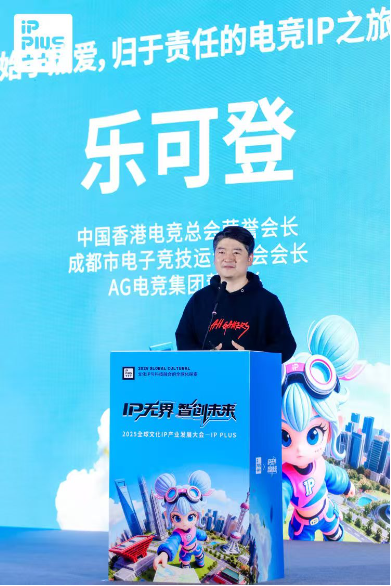
乐可登:始于热爱,归于责任的电竞IP之旅
Xin Lang Cai Jing· 2025-12-31 13:19
Core Viewpoint - The 2025 Global Cultural IP Industry Development Conference will be held in Shanghai on December 26-27, 2025, focusing on the theme of "IP Without Boundaries: Intelligent Creation for the Future - Global Exploration of Cultural IP and Technology Integration" [6] Group 1: Industry Insights - Esports is transitioning from "marginal culture" to "mainstream culture," characterized by high interactivity and user engagement [7][8] - The essence of IP lies in its uniqueness, emotional value, and the long-term interaction with users that creates emotional assets [3][8] - The social recognition of esports IP will be amplified when cities illuminate landmarks for esports and when events intersect with popular culture [7][9] Group 2: IP Characteristics and Development - The first characteristic of IP is uniqueness, which ensures memorability; the second is emotional value, which encourages people to invest time and passion [3][8] - Esports allows users to be co-creators rather than mere spectators, fostering connections across different games and communities [4][8] - The esports industry can integrate with various sectors: events serve as content engines, clubs are long-term operational carriers, and cultural activities expand the scene [4][8] Group 3: Future Aspirations - The journey of esports from being misunderstood to gaining visibility reflects society's re-evaluation of new cultural forms [9] - There is a commitment to maintaining professionalism in events, guiding youth responsibly, and building a healthier industry ecosystem as esports moves into the mainstream [9] - The industry looks forward to collaborating with partners across content, technology, cultural tourism, and branding to explore more possibilities for esports IP [9]
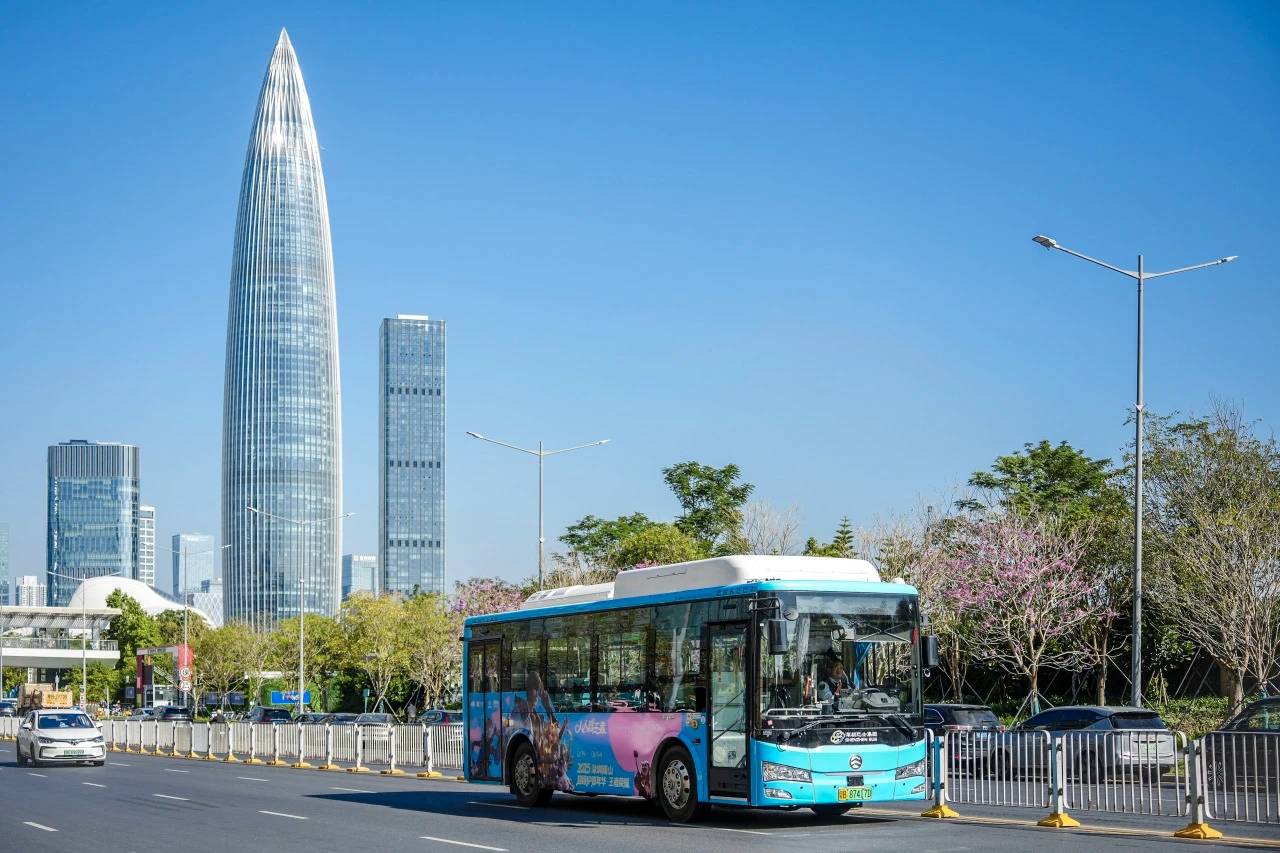
将线上流量变为线下消费,深圳发力“电竞经济”
Sou Hu Cai Jing· 2025-12-31 11:43
Core Insights - The article highlights the transformation of esports events in Shenzhen's Nanshan district, showcasing a shift from merely watching competitions to immersive experiences that engage participants in various activities and consumption [1][2]. Group 1: Event Structure and Engagement - The esports carnival features a 17-day "Honor of Kings" event with a "1+2+3+N" multi-dimensional framework, integrating esports elements into public spaces [2]. - The main venue, Shenzhen Talent Park, has been transformed into a "No Boundaries King" themed town, blending virtual and real experiences with various attractions [4]. - Multiple sub-venues offer unique experiences, such as VR gaming and light art, while themed activities like parades and concerts enhance engagement [4]. Group 2: Transportation and Accessibility - Nanshan has established seamless transportation links, including themed buses and exclusive helicopter tours, to facilitate access to the events [4]. - The integration of public transport with event themes aims to convert online enthusiasm into physical attendance [4]. Group 3: Economic Impact - The esports carnival has generated significant economic activity beyond ticket sales, with a reported 58,000 visitors in a single day during the first weekend [6]. - A collaborative initiative with the local business bureau provided 5 million yuan in consumer subsidies, stimulating spending across various sectors [7]. - The "event-driven tourism" model has proven effective, with over 10,000 tickets for the "Naraka: Bladepoint" finals sold within five minutes, attracting a majority of out-of-province attendees [7]. Group 4: Technological Integration - The event showcased advanced technology, including humanoid robots and drone light shows, enhancing the overall appeal and experience [11]. - This integration of technology reflects Shenzhen's strengths in industries like AI and drone technology, contributing to the event's attractiveness [11]. Group 5: Industry Foundation and Policy Support - Nanshan's esports industry has a robust foundation, with annual revenues exceeding 100 billion yuan, accounting for over 80% of Shenzhen's total [12]. - The region hosts major gaming companies and esports clubs, creating a comprehensive ecosystem that supports various facets of the industry [12]. - Local policies provide substantial financial support for hosting major esports events, fostering a conducive environment for growth [12].



50个数字文创人,眼中的“成都”
Mei Ri Jing Ji Xin Wen· 2025-12-31 05:48
Core Insights - Chengdu has emerged as a favored hub for the digital cultural and creative industry, showcasing a vibrant ecosystem that combines historical culture with modern creativity, attracting numerous global enterprises and talents [1][2][3]. Group 1: Industry Potential - Chengdu is recognized for its potential in the creative industry due to its young talent pool, lower market costs, and a relatively complete policy framework [2]. - The city has become a prominent global creative economy center among major cities in mainland China [3]. - Chengdu's unique ability to blend historical culture with modern creativity provides a competitive edge in its creative industry [4]. Group 2: Cultural and Creative Ecosystem - The city is likened to "Digital Hollywood," offering a relaxed creative environment and a complete industrial chain [1]. - Chengdu's vibrant young market attracts numerous domestic and international brands, fostering a dynamic commercial ecosystem [11]. - The local government has implemented various supportive policies for the digital cultural and creative industry, enhancing its strength in the national landscape [13][14]. Group 3: Opportunities in Specific Sectors - Chengdu is seen as a fertile ground for the film industry, with increasing interest from film companies to establish a presence in the city [12]. - The city is also recognized for its potential in the esports sector, with major companies choosing to launch events there due to its cultural depth and infrastructure [7][15]. - The local market's enthusiasm for cultural trends, such as the潮玩 (trendy toys) industry, is significant, with a strong consumer base willing to invest in unique products [18][52]. Group 4: Creative Talent and Innovation - Chengdu is home to a diverse range of creators and innovators, with many expressing a desire to establish their projects in the city due to its supportive environment [6][28]. - The city encourages a culture of innovation and inclusivity, making it an attractive location for young professionals seeking a balance between work and life [32][34]. - The presence of unique cultural IPs, such as the giant panda and historical sites, enhances the city's appeal in the creative sector [18][50].
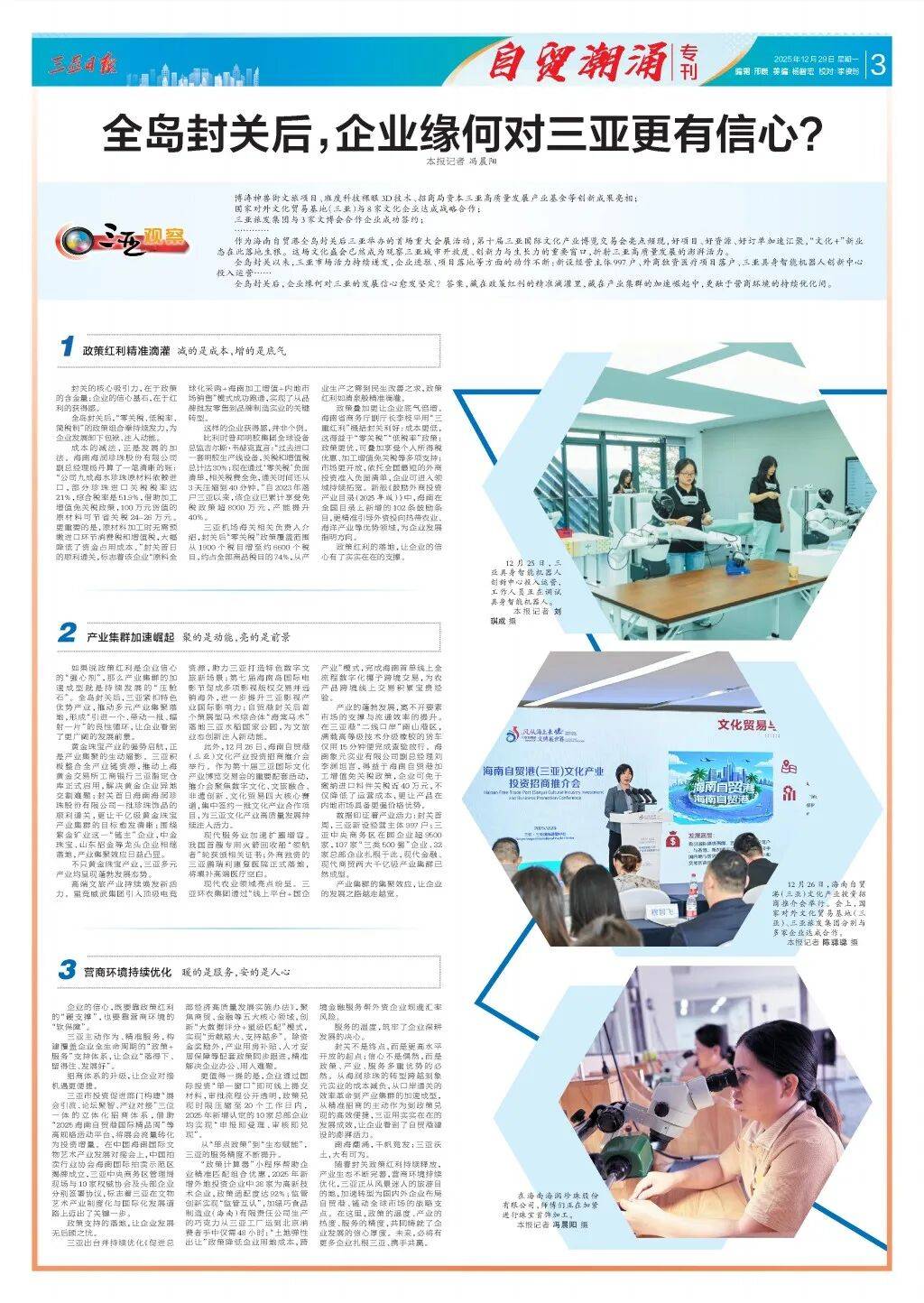
全岛封关后,企业缘何对三亚更有信心?
Sou Hu Cai Jing· 2025-12-30 18:27
Core Insights - The article discusses the increasing confidence of enterprises in Sanya following the implementation of the Hainan Free Trade Port policies, highlighting the role of policy benefits, industry clusters, and an improved business environment in fostering this confidence [13][14][30]. Policy Benefits - The "zero tariff, low tax rate, and simplified tax system" policies have significantly reduced costs for businesses, enhancing their operational capabilities [15][16]. - For instance, a company relying on imported raw materials can save between 240,000 to 280,000 yuan in tariffs for every 1 million yuan worth of materials due to the exemption policies [15]. - The coverage of the "zero tariff" policy has expanded from 1,900 to approximately 6,600 tax items, accounting for 74% of all goods, which supports both industrial production and public welfare [16][30]. Industry Clusters - The acceleration of industry clusters in Sanya is seen as a key driver of economic growth, with a focus on integrating resources across various sectors [19][20]. - The establishment of the gold and jewelry industry cluster is a prime example, with major companies like China Gold and Shandong Zhaojin setting up operations, indicating a robust industry ecosystem [19][20]. - Other sectors, including high-end cultural tourism and modern agriculture, are also experiencing significant growth, with initiatives like the digital cultural industry and cross-border e-commerce gaining traction [20][21]. Business Environment - Sanya has developed a comprehensive support system for enterprises, covering their entire lifecycle, which includes policy and service integration [24][26]. - The city has enhanced its investment promotion framework, facilitating easier access to opportunities for businesses through events and partnerships [25][26]. - Continuous optimization of services and policies has led to a more favorable environment for businesses, ensuring they can operate efficiently and effectively [30].
南明区筹备30场文旅体商活动迎新年
Xin Lang Cai Jing· 2025-12-29 19:19
"爽口"方面,多家餐饮商家推出元旦专属优惠活动,地道黔味与特色美食齐聚,让市民游客在味蕾的盛 宴中,感受南明的烟火气息与温暖滋味。 "爽购"方面,南明区各大商圈福利不停歇,代金券团购、满减优惠、特惠爆品轮番上线,从时尚零售到 生活好物,全方位满足市民游客的购物心愿,让跨年的幸福感在"买买买"中加倍。 "爽游"方面,7条"甲秀南明 开心过'冬'"冬季文旅Citywalk线路已发布,这些线路聚焦不同兴趣主题和风 景人文,串起景区、地标、特色街区的文化与美食资源,陪市民游客在漫步中读懂南明的冬日韵味。 转自:贵州日报 本报讯 记者昨日从南明区文体广电旅游局获悉,2025年12月31日至2026年1月3日,该区精心筹备30场 文旅体商活动,涵盖"爽身、爽心、爽眼、爽口、爽购、爽游"六大维度,邀市民游客在满满的仪式感与 烟火气中共迎新年,畅享假日欢愉。 "爽身"方面,第九届甲秀电子竞技公开赛将在万象城燃情开赛,顶尖选手同台竞技,点燃热血激情;全 民健身主题活动邀市民游客参与趣味健身项目,在运动中舒展身心,用活力开启新年新篇章。 "爽心"方面,跨年夜,花果园国际文化艺术交流中心全新开放,"璀璨之夜·2026新年交响音乐会 ...
燃竞光谷,热爱收官!2025中国光谷电竞嘉年华暨斗鱼鱼跃杯系列赛圆满落幕
Zheng Quan Ri Bao Wang· 2025-12-29 11:49
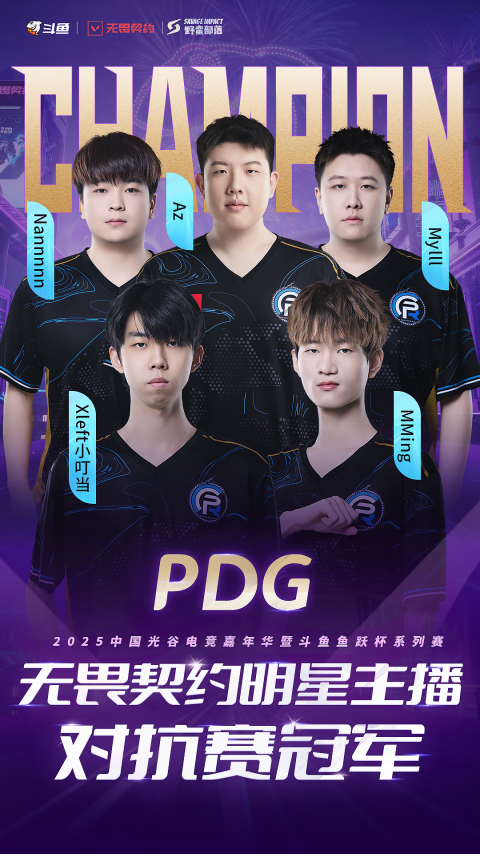
Core Insights - The 2025 China Optical Valley eSports Carnival and Douyu Fish Leap Cup series concluded successfully, showcasing a vibrant eSports event with participation from 24 professional clubs and top streamer teams [1][4][14] - MQ team emerged as the champion in the "Delta Action" project, winning a prize of 200,000 yuan, while PDG team claimed victory in the "Fearless Contract" star competition [1][6][8] Event Highlights - The event spanned six days, featuring intense matches and a lively atmosphere, with notable performances from popular streamers like Scboy and Xleft [4][8] - The "Delta Action" professional finals saw MQ team triumph after a series of competitive matches, with player Rx awarded the FMVP title for outstanding performance [6] - The "Fearless Contract" star competition featured 20 high-profile streamers, culminating in a victory for PDG team led by Xleft [8] Audience Engagement - The event offered both offline viewing and online streaming, attracting a full house at the venue and generating significant online interaction, enhancing the overall viewing experience [8][12] - A Coser performance featuring characters from popular games added an immersive element to the event, engaging the audience further [10] Strategic Implications - Douyu continues to position itself as a leading game streaming platform, focusing on a diversified content ecosystem centered around gaming [14] - The event exemplified Douyu's strategy to connect professional eSports with casual players, fostering a vibrant eSports culture in Wuhan [14]

上海推出“游戏沪十条” 赋能电竞产业
Xin Lang Cai Jing· 2025-12-27 16:36
Core Viewpoint - Shanghai has announced ten measures to support the development of the gaming and esports industry, aiming for high-quality growth and the establishment of a globally influential industrial ecosystem [1][2] Group 1: Industry Support Measures - The "Game Shanghai Ten Measures" will provide an annual special support fund of 50 million yuan, focusing on enterprise cultivation, cluster construction, international cooperation, IP innovation, and esports upgrades [1] - The measures are designed to create a systematic support policy to promote the gaming and esports industry's development [1] Group 2: Market Performance - The actual sales revenue of the domestic gaming market reached 350.79 billion yuan this year, with a user base of 683 million, indicating strong industry growth [1] - The Xuhui District has gathered over 70 leading gaming companies, including Tencent, NetEase, and miHoYo, with an expected revenue of over 70 billion yuan in 2024, accounting for nearly 50% of the city's total [1] Group 3: Ecosystem Development - Xuhui District has formed a "large enterprises leading + new forces rising + international layout" golden ecosystem, housing nearly 60% of the city's gaming companies [1] - The "Meta Universe Neo World" area connects research, distribution, and consumption, serving as a benchmark for industrial integration [1] Group 4: Future Integration and Collaboration - Future plans include deep integration of the gaming industry with healthcare, education, and new infrastructure, amplifying the industry's spillover effects [1] - Support will be provided for gaming companies to collaborate with Shanghai's time-honored brands to create themed consumption scenarios and brand activities [1] Group 5: Esports Development - The focus will be on creating a globally influential proprietary event system for esports, continuously attracting top international esports events [2] - Support will be given to esports clubs, with special rewards for those achieving significant rankings in major domestic and international competitions [2]
和平精英全国大赛圆满落幕,“全民电竞”彰显魅力
Xin Lang Cai Jing· 2025-12-27 11:31
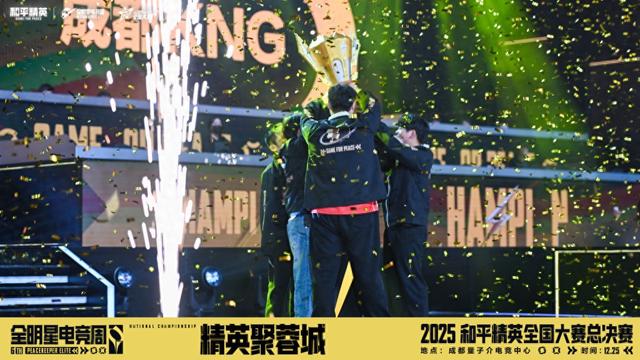
Core Insights - The 2025 Peace Elite National Championship concluded in Chengdu, featuring a significant upgrade with the introduction of independent competition modes for mobile and tablet devices, promoting inclusivity among diverse players [1][6] - Chengdu KNG team won the tablet competition with a total score of 81 points, while Hunan Majiaban team claimed the mobile competition title with 89 points, earning a spot in the prestigious "Stimulus Cup" finals with a prize pool of 2 million [1][3] Group 1 - The tournament showcased dramatic reversals, with KNG team initially struggling but ultimately securing victory through strong performances, particularly from player "Qichen," who was named FMVP [3][4] - Hunan Majiaban team demonstrated strategic prowess, achieving their first win in the third match and executing a textbook edge control tactic to eliminate opponents in the final match, culminating in their championship win [3][4] Group 2 - The event featured a special exhibition match between the "PEL Champion Team" and the grassroots "Majiaban," highlighting the competitive spirit and the potential for ordinary players to shine in esports [4][6] - The national championship is part of the broader "全民电竞计划" (National Esports Plan), aiming to lower barriers for participation and promote esports as a mainstream activity, thus fostering a more inclusive environment for aspiring players [6][7] Group 3 - The introduction of a dual competition mode and the "year-round esports points" system has enhanced the competitive landscape, allowing players to accumulate points throughout the year and increasing the overall excitement and skill level of the tournament [6][7] - The seamless integration of amateur and professional esports through pathways to the "PEN New Forces League" is expected to nurture talent and sustain the growth of the Peace Elite esports ecosystem [6][7]
新消费派 | “他经济”焕发新“钱景”,走出“被低估”的时代?
Zhong Guo Jin Rong Xin Xi Wang· 2025-12-27 10:22
Core Insights - The first China (Shanghai) International Men's Lifestyle Expo highlights the rapid growth of the male consumer market, showcasing various brands in smart wearables, functional clothing, outdoor gear, and digital technology [1][3][6] Group 1: Market Trends - The male consumer market is evolving, moving beyond basic functionality to interests, lifestyle, and self-improvement [6][10] - The "He Economy" is characterized by unique demands and commercial blind spots, with male consumers showing a preference for rational recognition and interest attributes [7][10] - The male user base has surpassed 634 million, with an average monthly internet usage of 168 hours, indicating a strong growth potential in male consumption [3][10] Group 2: Consumer Behavior - Male consumers are increasingly willing to spend on hobbies and identity, as seen in the gaming and fishing sectors, where spending is not solely based on practicality [4][5] - The demand for male grooming and beauty products is changing, with a focus on maintaining youthfulness rather than simply improving appearance [5][10] - The loyalty and recommendation willingness of male consumers are high once trust in a brand or product is established, particularly in high-end markets [7][10] Group 3: Industry Challenges - The sports and outdoor market faces challenges in translating technological advancements into marketable products, highlighting a disconnect between academia and industry [12][13] - The male apparel market is experiencing polarization, with a lack of development in mid-range designer brands, indicating untapped potential [10][12] - The integration of AI, new materials, and cultural heritage into men's fashion is essential to meet the evolving demands for identity and quality of life [13]
