智能电动汽车

Search documents
小鹏汽车:7月交付智能电动汽车36717辆,同比增长229%
Mei Ri Jing Ji Xin Wen· 2025-08-01 00:46
(文章来源:每日经济新闻) 每经AI快讯,8月1日,小鹏汽车在港交所公告,7月共交付智能电动汽车36717辆,同比增长229%。 2025年前七个月,共交付智能电动汽车233906辆,同比增长270%。 ...

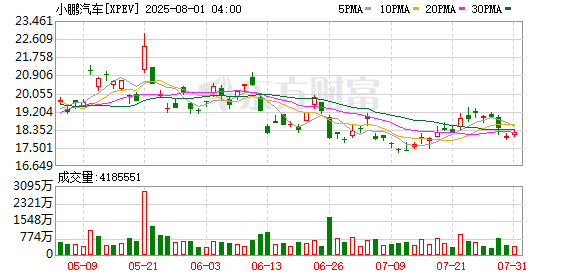
小鹏汽车-W(09868)7月共交付智能电动汽车36717辆 同比增长229%
智通财经网· 2025-08-01 00:39
Core Insights - Xiaopeng Motors achieved a new monthly delivery record in July 2025, delivering 36,717 smart electric vehicles, representing a year-on-year growth of 229% [1] - The company has maintained a delivery volume exceeding 30,000 vehicles for nine consecutive months, with total cumulative deliveries surpassing 800,000 units as of July 2025 [1] - In the first seven months of 2025, Xiaopeng Motors delivered 233,900 smart electric vehicles, a significant increase of 270% compared to the same period last year [1] Market Expansion - In mid-July 2025, Xiaopeng Motors launched the 2025 models of G6 and G9 in the European market and announced the upcoming launch of the P7+, enhancing its growth momentum in the region [1] - The brand has entered 46 countries and regions globally, including new markets such as the UK, Italy, and Ireland in the first half of 2025 [1] Technology and User Engagement - The monthly active user penetration rate for Xiaopeng's smart navigation assisted driving (XNGP) reached 86% in urban driving scenarios as of July 2025 [1] - The company recently introduced the latest version of its Tianji XOS, which includes features such as human-machine co-driving experience, customized automatic parking, and enhanced automatic emergency braking systems [1]
机器人ETF易方达(159530)连续“吸金”,规模创历史新高
Sou Hu Cai Jing· 2025-07-29 12:15
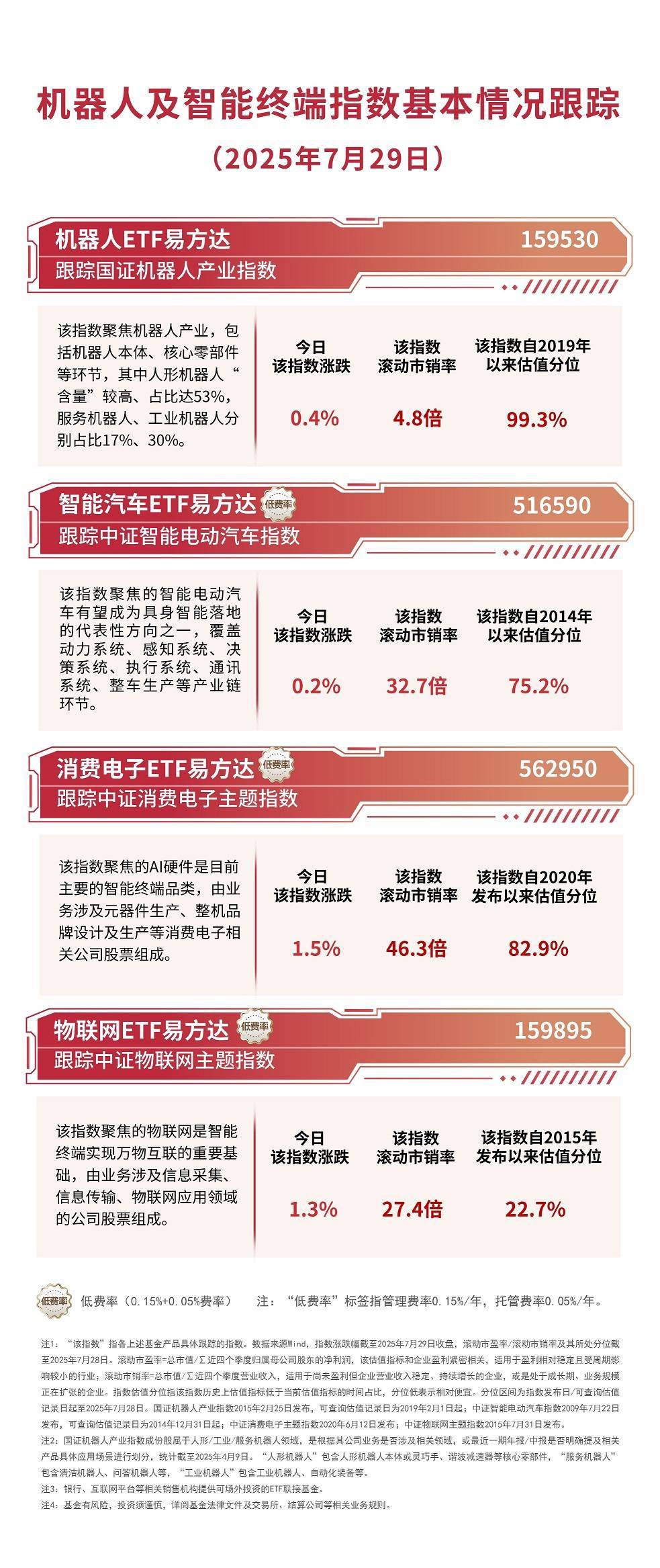
截至收盘,中证消费电子主题指数上涨1.5%,中证物联网主题指数上涨1.3%,国证机器人产业指数上涨0.4%,中证智能电动汽车指数上涨 0.2%。Wind数据显示,截至昨日,机器人ETF易方达(159530)连续10个交易日获资金净流入,最新规模达32.8亿元、创成立以来新高。 每日经济新闻 ...

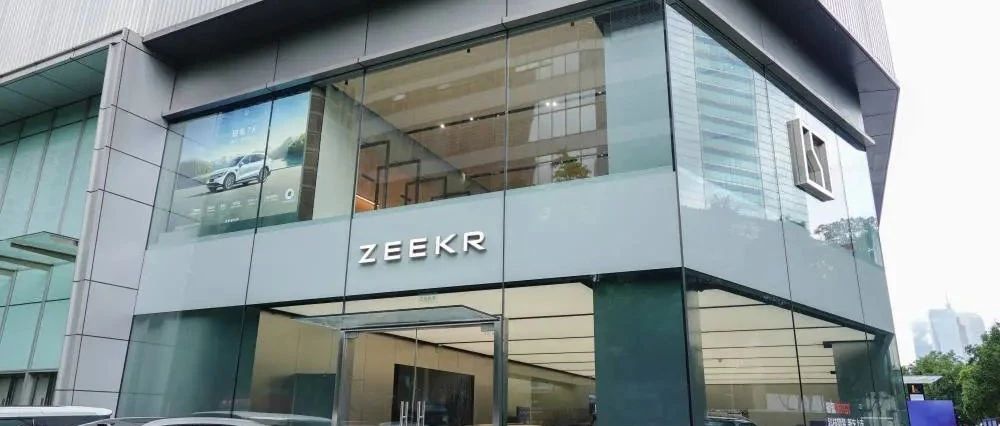
极氪被指卖0公里二手车,车主集体炸锅
21世纪经济报道· 2025-07-19 15:30
Core Viewpoint - Zeekr has been accused of selling previously insured and registered vehicles as new cars, leading to numerous consumer complaints and allegations of misleading sales practices [1][4][5]. Group 1: Consumer Complaints - Consumers in multiple regions, including Guizhou, Chongqing, and Guangzhou, discovered that the "new cars" they purchased had already been insured and registered, effectively making them "used cars" [4][5]. - When consumers sought refunds or compensation, they often faced evasion or denial from the company [5][11]. - Affected consumers reported that sales personnel misrepresented vehicle information, claiming the cars were new and had not been insured [10][11]. Group 2: Sales Practices and Market Impact - The practice of selling "0-kilometer used cars," which are vehicles that have been registered but not used, has emerged as a tactic to inflate sales figures and create a false sense of demand [8][12]. - Industry experts suggest that some automakers are using these tactics to manipulate financial reports and mislead the capital market regarding actual supply and demand [12]. - Data from the China Passenger Car Association indicates that Zeekr's production in 2024 exceeded its sales, suggesting a need to offload excess inventory [11]. Group 3: Financial Performance - Zeekr reported a total sales volume of 43,012 units in June, but the core brand's delivery was only 16,702 units, reflecting a year-on-year decline of 17% [13]. - The company has accumulated significant net losses over the years, totaling 26.22 billion yuan from 2021 to 2024, with a slight reduction in losses in the first quarter of 2025 [13]. Group 4: Industry Context - The rise of "0-kilometer used cars" is attributed to increased competition and inventory pressure within the automotive market, leading manufacturers to adopt aggressive sales strategies [15][17]. - The China Automobile Dealers Association reported that the national used car transaction volume reached 19.61 million units in 2024, with an estimated 5% to 8% of these being "0-kilometer used cars" [18].
反内卷政策推动汽车行业格局进一步优化,智能车ETF泰康(159720)捕捉智驾全产业链红利,近3月新增规模居可比基金第一
Xin Lang Cai Jing· 2025-07-14 07:09
Group 1 - The smart electric vehicle industry is identified as a blue ocean with clear policy support, accelerated technological iteration, and vast market space, contrasting with the current trend of excessive competition in other sectors [1] - The Central Financial Committee's recent meeting emphasized the need to regulate low-price competition in the automotive industry, promoting a shift from price wars to technological innovation among leading companies like BYD and XPeng [2] - The "New Energy Vehicle Consumption Season" policy is expected to release over one million units in county markets, supported by subsidies and financial incentives, directly stimulating end-user demand [2] Group 2 - The global smart electric vehicle market is projected to reach $850 billion by 2025 and exceed $1.5 trillion by 2030, with a compound annual growth rate of 12% [2] - In 2024, China's new energy vehicle sales are expected to reach 12.866 million units, maintaining a 64.7% share of the global market, with BYD leading global sales at 4.27 million units [2] - The smart electric vehicle index tracks 50 core companies, including BYD and CATL, reflecting the overall performance of the smart electric vehicle industry [3]


出海,读懂本地需求才是王道
Sou Hu Cai Jing· 2025-07-13 18:21
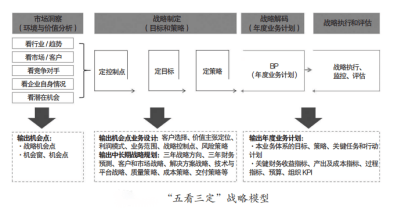
Group 1 - The core purpose of Chinese companies going global is to expand their markets, customers, and channels to increase profitability [3][4][5] - Companies have various reasons for going global, including market expansion, technology acquisition, talent recruitment, brand enhancement, and financing [4][5][9] - Small and medium-sized enterprises (SMEs) find opportunities in overseas markets to avoid intense domestic competition and to explore new growth avenues [7][8] Group 2 - Chinese companies can tap into a vast potential market of 196 countries and over 6 billion people by going global [9] - Manufacturing companies, such as Mindray Medical, have successfully expanded internationally by leveraging advanced technology and international talent [10][11] - Yutong Bus has established a diverse sales model combining direct sales and distribution partnerships to meet overseas market demands [18] Group 3 - Companies like SAIC Motor have pursued overseas technology partnerships to enhance their capabilities and product offerings [19][20] - Semiconductor firms like SMIC actively recruit top global talent to drive innovation and market expansion [21][23] - Brand influence is crucial for success in international markets, as seen with Haier's strategic acquisitions and global branding efforts [26][30][31] Group 4 - Globalization requires sufficient funding, and many Chinese companies have turned to overseas markets for financing opportunities [32][35] - Companies must develop a clear global strategy that aligns with their overall business strategy to ensure effective execution [37][50] - Strategic insights, including market analysis and competitive positioning, are essential for identifying opportunities and formulating actionable plans [38][40][44]
何小鹏再谈组织进化:每个部门都要使用AI
36氪· 2025-07-13 12:00
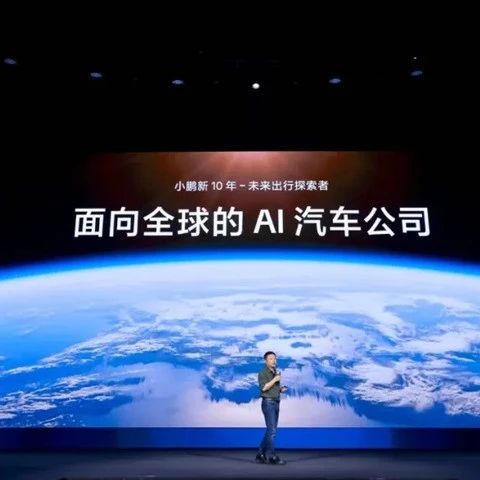
Core Viewpoint - The article emphasizes that almost all companies globally can no longer ignore AI, particularly in the automotive industry, where companies like Xiaopeng Motors are integrating AI into their operations and products to enhance efficiency and competitiveness [1][23]. Group 1: AI Integration in Automotive Industry - Xiaopeng Motors has adopted the concept of "AI cars" and is exploring the integration of AI with flying cars and robots [2]. - The automotive industry is experiencing intense competition, prompting companies to rethink their strategies to survive and thrive [1][29]. - Xiaopeng's CEO, He Xiaopeng, believes that leveraging AI can significantly enhance organizational capabilities and efficiency [1][25]. Group 2: Organizational Changes and Efficiency - Xiaopeng Motors has undergone significant organizational changes, including the introduction of AI to improve internal processes and reduce unnecessary meetings [10][13]. - The company has seen a 30% reduction in non-essential offline meetings, with 72% of employees using cloud documents for collaboration [11][13]. - AI is being utilized across nearly 200 business areas within Xiaopeng, including coding, quality control in production, and digital marketing [18][19]. Group 3: Product Development and Market Strategy - Xiaopeng's new model, G7, features advanced specifications and a competitive price, achieving over 10,000 pre-orders shortly after launch [8][9]. - The company plans to release new models, including an updated P7, as part of its strategy to align with established automakers [9]. - Xiaopeng's revenue for the first quarter of this year was 15.8 billion, with a reduced loss of 660 million, indicating a positive outlook for profitability by the fourth quarter [14][19]. Group 4: AI as a Core Competency - Xiaopeng is investing over 4 billion annually in AI development, including the creation of a large-scale AI computing cluster [18]. - The company aims to develop a foundational AI model that can enhance the capabilities of its vehicles, with the G7 Ultra being the first model to achieve L3-level AI capabilities [18][19]. - AI is not only seen as a tool for production but also as a means to enhance organizational efficiency and decision-making processes [25][30].

何小鹏再谈组织进化:每个部门都要使用AI
3 6 Ke· 2025-07-11 15:51
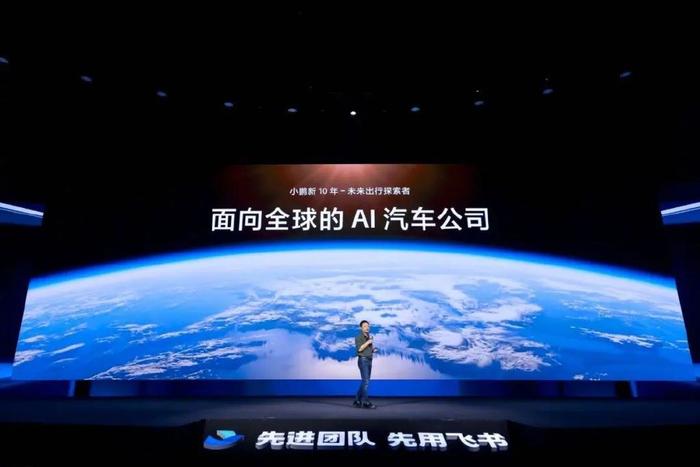
Group 1 - The core concept of the articles revolves around the integration of AI into the operations and products of XPeng Motors, emphasizing the need for companies to adapt to the AI era to enhance efficiency and competitiveness [2][12][22] - XPeng Motors' CEO He Xiaopeng has highlighted the importance of AI in improving organizational capabilities and efficiency, stating that AI can significantly enhance a company's collective effectiveness and resilience [2][10][17] - The automotive industry in China is experiencing intense competition, prompting companies like XPeng to rethink their strategies and embrace AI to remain relevant and successful [2][5][22] Group 2 - XPeng's recent vehicle launch, the G7, features advanced specifications such as over 2000 TOPS computing power and a price point below 200,000 yuan, showcasing the company's strategy to compete effectively in a saturated market [5][6] - The company has seen a significant increase in sales, with over 190,000 units sold in the first half of the year, surpassing its total sales target for 2024 [6][11] - XPeng is expanding its product lineup and has plans to release new models, including an updated P7, as part of its strategy to align with established automakers [7][11] Group 3 - The integration of AI extends beyond product development to various business operations, with approximately 25% of the company's code being generated by AI and AI being utilized in quality control and marketing [13][14] - XPeng has implemented AI-driven tools to enhance internal communication and collaboration, resulting in a 30% reduction in unnecessary meetings and increased use of cloud documentation [10][14] - The company has invested over 4 billion yuan in AI development and has created a large-scale AI computing cluster to support its initiatives [12][13] Group 4 - XPeng's organizational changes include a focus on improving cross-departmental efficiency and reducing meeting times, with a goal of fostering a more agile and responsive corporate structure [8][10] - The company is leveraging AI to streamline various processes, including sales and customer service, which has led to a decrease in manual labor in these areas [14][18] - XPeng's approach to AI is seen as a model for other automotive companies, as the industry shifts towards more efficient management practices and rapid adaptation to market changes [18][22]
蔚来汽车旗下"萤火虫"品牌携手HERE Technologies,以互联科技赋能电动出行新体验
Globenewswire· 2025-07-08 03:00
Core Insights - HERE Technologies has partnered with NIO's new brand "Firefly" to provide high-quality map data and location services to enhance the performance of its electric vehicles and Advanced Driver Assistance Systems (ADAS) [1][6] - The collaboration aims to improve the safety, energy efficiency, and overall driving experience of Firefly's smart electric vehicles [1][6] - Firefly is positioned to make high-end electric vehicle technology more accessible to a broader user base, focusing on urban mobility, smart connectivity, and safety features [1][2] HERE Technologies - HERE Technologies is recognized as a pioneer in map and location technology, with a 40-year history, providing a comprehensive location platform for organizations and enterprises [5] - The company aims to set a global benchmark for real-time maps in the automotive sector, leveraging AI technology to enhance location intelligence solutions [3][5] - HERE's collaboration with Telenav will integrate various location services, including real-time traffic information, to optimize the digital cockpit and navigation experience for electric vehicles [1][6] NIO and Firefly Brand - NIO's global business development vice president, Chris Chen, emphasized the importance of partnering with reliable experts like HERE to meet international safety and compliance standards [2] - NIO has seen a robust growth in global deliveries, with 42,094 vehicles delivered in Q1 2025, marking a 40.1% increase compared to the same period in 2024 [2] - The Firefly brand is part of NIO's strategic expansion into the compact electric vehicle market, aiming to launch its first model in China in April 2025 before entering global markets [4][5] Market Position and Strategy - NIO has established a comprehensive R&D and production network across multiple cities globally, including Shanghai, Berlin, and San Jose, and has a strong sales service system in various countries [5] - The introduction of the Firefly brand is expected to accelerate NIO's growth by reaching a wider consumer base in the electric vehicle market [2][4] - NIO has filed over 9,500 patents and developed a full-stack technology system, showcasing its commitment to independent R&D in the high-end smart electric vehicle sector [5]

注销!蔚来,最新回应!
DT新材料· 2025-07-07 15:57
Core Viewpoint - The dissolution of Jianglai Advanced Manufacturing Technology (Anhui) Co., Ltd. indicates the end of the manufacturing collaboration between NIO and JAC Motors, while other forms of cooperation in the smart electric vehicle sector will continue [1][3][4]. Group 1: Company Actions - Jianglai Company has announced its dissolution, with the reason cited as a resolution to dissolve, effective from June 10, 2025, to July 24, 2025 [2]. - The collaboration between NIO and JAC Motors in manufacturing began in 2016, where JAC produced NIO's vehicles under its brand [3][6]. - In 2021, NIO and JAC Motors signed a joint venture agreement to establish Jianglai Company, focusing on manufacturing management, supply chain management, and technical consulting [6]. Group 2: Future Collaborations - Although the manufacturing partnership has ended, NIO and JAC Motors will continue their collaboration in the battery swap business, having signed a strategic cooperation framework agreement in 2024 [4][6]. - NIO has obtained independent factory and production qualifications, leading to the termination of the manufacturing collaboration with JAC Motors [6].