
潮玩

Search documents
斥资约2.51亿港元回购,拉布布感受到“天冷了”
Yang Zi Wan Bao Wang· 2026-01-21 06:17
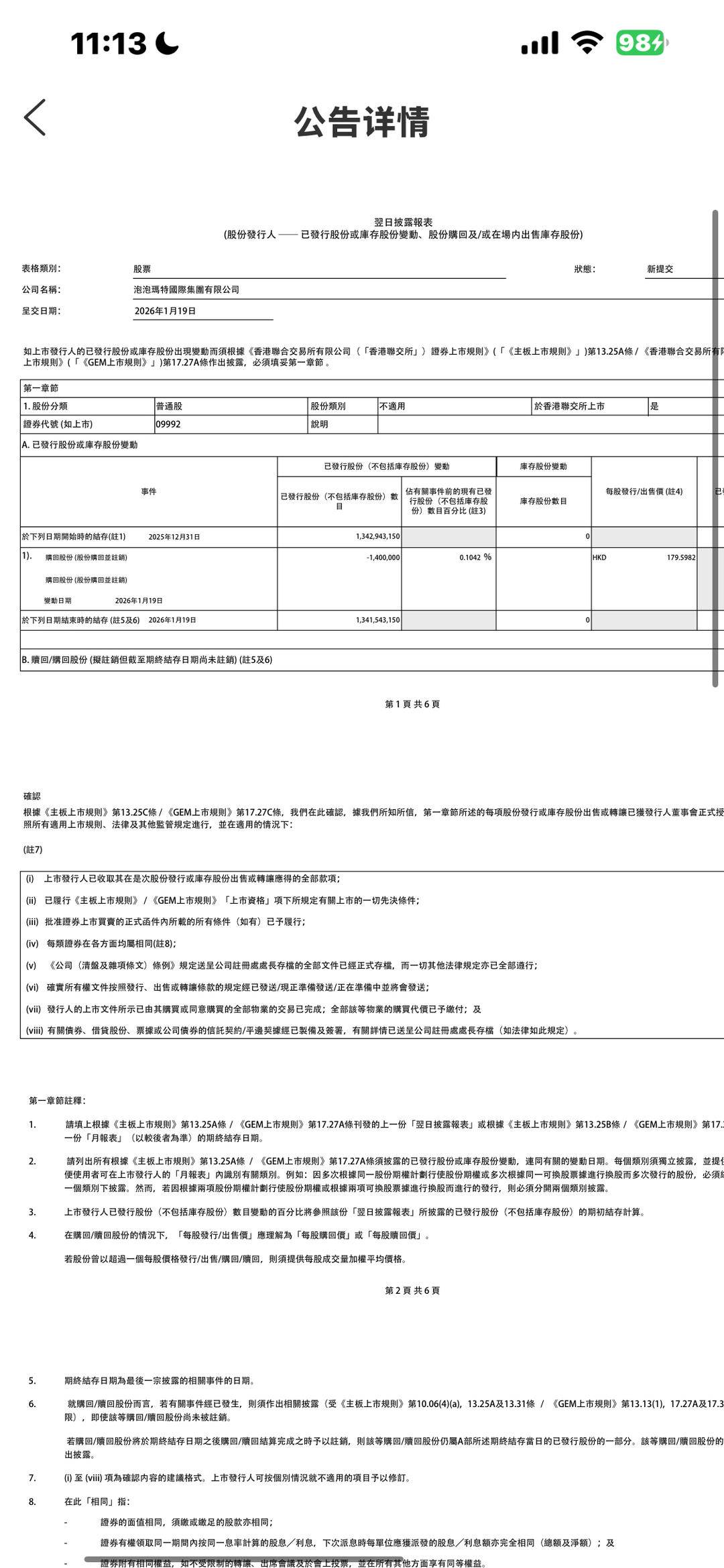
Core Viewpoint - Pop Mart, a leading player in the trendy toy market, has repurchased approximately 1.4 million shares for about HKD 251 million, indicating a strategic move to stabilize its stock price amid recent declines [1][5]. Group 1: Share Buyback Details - The share buyback occurred on January 19, 2026, with a total expenditure of approximately HKD 251 million [1]. - Following the buyback, Pop Mart's market capitalization stands at HKD 257.04 billion [1]. - The total number of issued shares decreased from 1,342,943,150 to 1,341,543,150 after the buyback [2]. Group 2: Market Performance and Concerns - Pop Mart's stock price has been on a downward trend since reaching a peak of HKD 339.8 in late August 2025 [5]. - There are concerns regarding a potential slowdown in domestic revenue growth in Q4 2025, with some products experiencing inventory buildup in specific retail locations [5]. - The market has shown reduced interest in older product lines, leading to significant price drops for certain items, reflecting consumer behavior trends [21].


研报掘金|华泰证券:维持泡泡玛特“买入”评级,目标价为410港元
Ge Long Hui· 2026-01-21 02:57
Core Viewpoint - Huatai Securities reports that Bubble Mart's performance in Q4 last year showed strong resilience both domestically and internationally, supported by the strength of its IP matrix after the sales peak of Labubu 3.0 [1] Group 1: Performance Insights - The company's sales growth is underpinned by the strength of its IP matrix, indicating a solid foundation for future performance [1] - Bubble Mart repurchased 1.4 million shares for HKD 251 million on January 19, reflecting the company's confidence in its growth prospects [1] Group 2: Valuation and Recommendations - Huatai Securities believes that the sustainability of Bubble Mart's performance growth and its medium to long-term potential are undervalued [1] - The current market valuation is considered attractive amid existing market discrepancies, maintaining a "Buy" rating with a target price of HKD 410 [1]

中泰国际:美股方面,特朗普威胁向反对美国征收额外关税,市场避险情绪升温
ZHONGTAI INTERNATIONAL SECURITIES· 2026-01-21 01:55
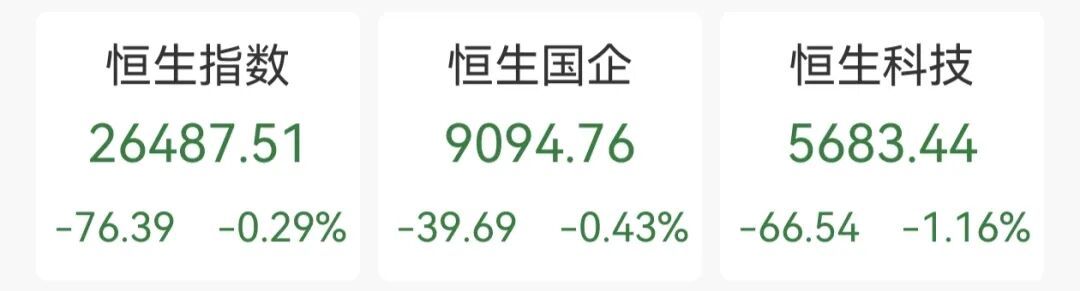
Market Overview - On January 20, the Hang Seng Index fell by 76 points (0.3%) to close at 26,487 points, influenced by a decline in technology stocks[1] - The Hang Seng Tech Index dropped by 66 points (1.1%) to close at 5,683 points, with total market turnover reaching HKD 237.8 billion, an increase of HKD 12.1 billion from the previous day[1] - Southbound capital recorded a net inflow of HKD 3.66 billion[1] Sector Performance - Gold and precious metal stocks surged due to international gold prices hitting a record high, with Zijin Mining (2899 HK) up 1.7%, Shandong Gold (1787 HK) up 2.7%, and Zijin Gold International (2259 HK) up 5.5%[1] - Real estate stocks rose as China announced financial measures for the sector, including a 25 basis point cut in the re-lending rate and a reduction in the minimum down payment ratio for commercial real estate from 50% to 30%[1] - Greentown China (3900 HK) increased by 5.6%, China Resources Land (1109 HK) by 3.7%, and China Overseas (688 HK) by 2.6%[1] U.S. Market Reaction - The Dow Jones Index fell by 870 points (1.8%) to close at 48,488 points, while the Nasdaq Index dropped by 561 points (1.5%) to 22,954 points, and the S&P 500 Index decreased by 143 points to 6,796 points[2] - Technology stocks faced significant declines, with Tesla (TSLA US) down 4.2%, Amazon (AMZN US) down 3.4%, and Google (GOOG US) down 2.5%[2] Macroeconomic Data - The National Bureau of Statistics reported that the per capita disposable income for residents in 2025 is projected to be RMB 43,377, with a real year-on-year growth of 5%[3] - Urban residents' per capita disposable income is expected to be RMB 56,502, reflecting a real growth of 4.2%, while rural residents' income is projected at RMB 24,456, with a real growth of 6%[3] Industry Developments - Pop Mart (9992 HK) shares rose by 9.1% following the announcement of a share buyback of 1.4 million shares at prices between HKD 177.7 and 181.2, totaling approximately HKD 250 million[4] - Weisheng Holdings (3393 HK) increased by 5.5% amid news of a planned investment of RMB 4 trillion by the State Grid during the 14th Five-Year Plan[4] - In the healthcare sector, the Hang Seng Healthcare Index fell by 0.8%, but Insilico Medicine (3696 HK) rose by 1.9% due to a collaboration agreement with Shenzhen Hengtai Biotechnology[5]
1月20日【中銀做客】恆指、小米、中芯、泡泡瑪特、紫金礦業、李寧、美的
Ge Long Hui· 2026-01-20 12:43
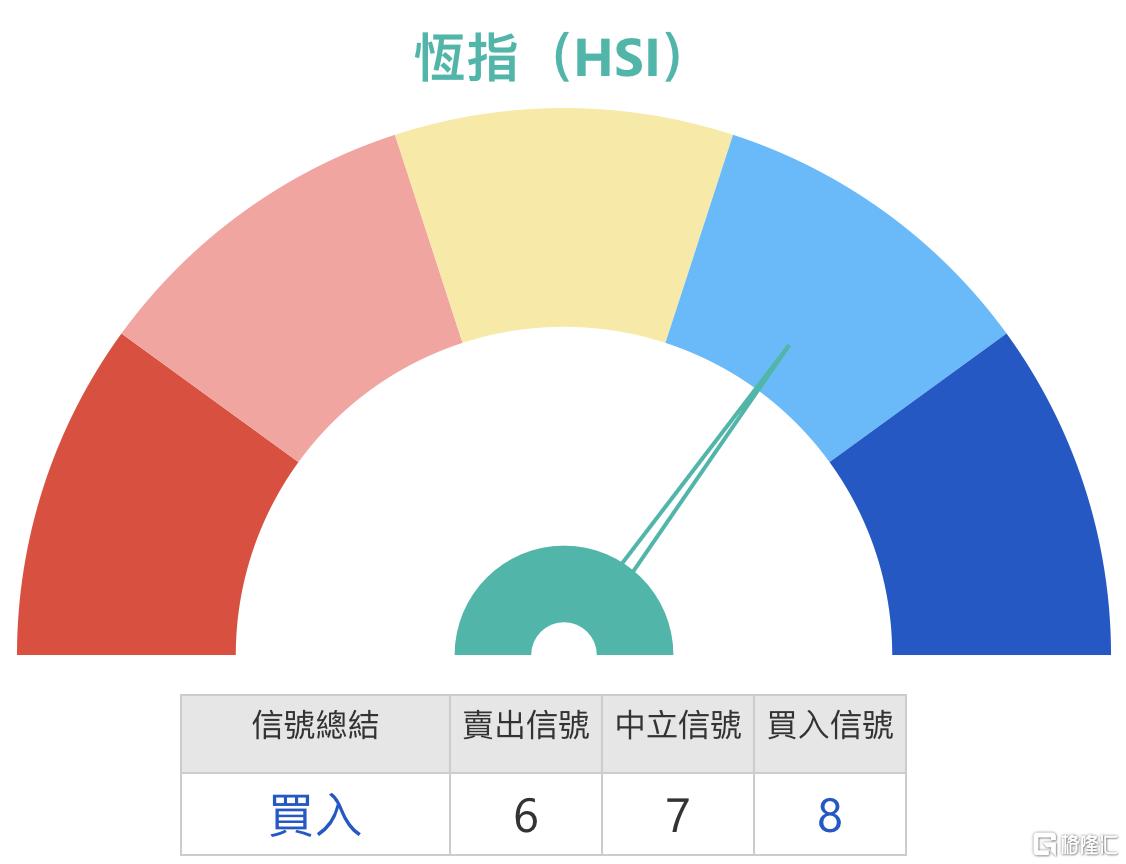
Market Overview - The Hong Kong stock market has been experiencing a downward trend, with the index dropping to around 26,300 points after reaching 27,000 points [1][2] - The market sentiment remains cautious, and the index needs to stabilize around 26,400 points to avoid further declines, with a potential drop to 25,800 points if it fails to hold [2][3] Investment Strategies - Investors are advised to monitor the distribution of warrants, particularly the heavy positions around 25,800 points, which is a critical support level [2][4] - The current trading range for the index is suggested to be between 25,800 and 27,500 points for investment deployment [2] Stock Analysis: Xiaomi Group (01810) - Xiaomi's stock has shown weakness, dropping to a low of 35.6 HKD, with concerns about its automotive safety impacting investor sentiment [6][7] - Despite previous strong performance, the stock has fallen below key support levels, leading to cautious investor behavior regarding long-term entry points [8] - Investors are considering options like call warrants with lower entry costs to mitigate risks while betting on potential rebounds [8][9] Stock Analysis: Semiconductor Industry (SMIC 00981) - SMIC has seen a decline in stock price, currently around 34 HKD, after a peak of 94 HKD, but investor interest remains strong for rebound opportunities [10][11] - New high-leverage products have been introduced to attract investors looking for higher returns in the semiconductor sector [11][13] Stock Analysis: Pop Mart (09992) - Pop Mart's stock has shown signs of recovery after management's first buyback in two years, indicating confidence in the company's future [15][16] - Investors are encouraged to consider call warrants as a way to capitalize on potential rebounds, with specific products highlighted for their favorable terms [16][24] Resource Sector Insights - The resource sector, particularly gold and silver, is gaining attention as prices reach historical highs, with recommendations for investing in related stocks or ETFs [19][20] - Investors are advised to consider leveraged products in the resource sector to maximize returns while managing capital [20] Domestic Consumption Sector - The domestic consumption sector is expected to benefit from ongoing policies promoting local brands, with companies like Li Ning and Midea being highlighted for potential investment [23][24] - Specific warrants for these companies are suggested as viable options for investors looking to capitalize on the domestic consumption trend [24][25]




华源晨会精粹20260120-20260120
Hua Yuan Zheng Quan· 2026-01-20 12:16
Group 1: Emotional Economy and New Consumption Trends - The emotional economy in China is expected to exceed 2 trillion yuan in market size by 2024, with a projected CAGR of 21% from 2025 to 2030 for the trendy toy economy [2][7] - The pet economy is anticipated to surpass 1 trillion yuan by 2027, driven by emotional attachment and companionship needs [2][9] - The fragrance economy is projected to grow at a CAGR of 15% from 2018 to 2024, with emotional benefits outweighing functional needs [2][10] Group 2: Egg Processing Industry - The egg processing market in China is expected to exceed 50 billion yuan in 2024, with a year-on-year growth rate of 7% [2][12] - The current processing ratio of eggs in China is only 5%-7%, compared to 50% in Japan, indicating significant growth potential [2][12] - Euf Egg Industry, a leading company in the egg processing sector, reported a revenue of 674 million yuan in Q1-Q3 2025, with a net profit of 66.13 million yuan, reflecting a year-on-year increase of 29.77% [2][12] Group 3: Real Estate Market Developments - Recent policies include the extension of personal income tax incentives for housing purchases and a reduction in the down payment ratio for commercial properties to 30% [2][19] - In the week of January 10-16, new home transactions in 42 key cities increased by 6.3% compared to the previous week, while second-hand home transactions rose by 4.9% [2][18] - The real estate sector has seen a decline of 3.5% in the week, with significant fluctuations in individual stock performances [2][17] Group 4: Power Generation and Renewable Energy - China Resources Power reported a 7% year-on-year increase in electricity sales, reaching 226.8 billion kWh in 2025 [2][23] - The company expects significant growth in renewable energy installations, with a target of 10 GW for 2025, which will enhance its performance during industry downturns [2][26] - The anticipated decline in coal prices and the introduction of new market mechanisms may create challenges for the power sector in 2026 [2][25]

泡泡玛特近两年首次回购股票 股价收涨9%
Zheng Quan Shi Bao Wang· 2026-01-20 12:01
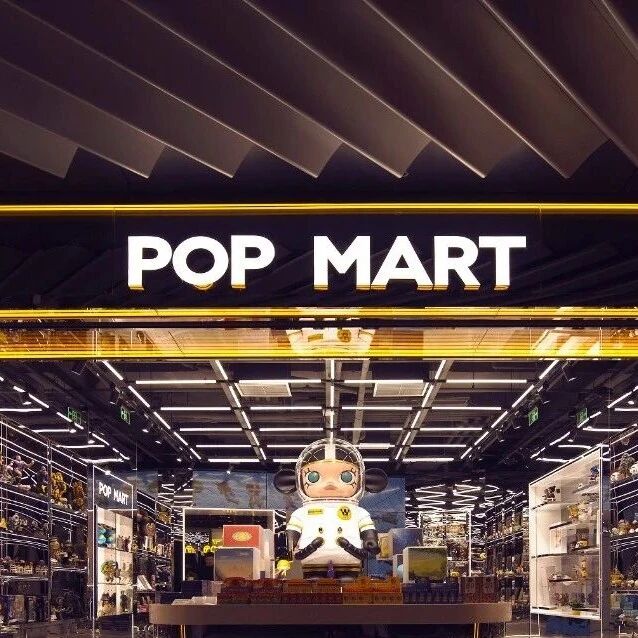
Core Viewpoint - Pop Mart's stock price rebounded significantly on January 20, closing up approximately 9%, following the announcement of a share buyback program worth HKD 251 million [1] Group 1: Stock Performance and Buyback - On January 20, Pop Mart announced a buyback of 1.4 million shares at a price range of HKD 177.7 to HKD 181.2 per share, marking the company's first buyback since the beginning of 2024 [1] - Morgan Stanley noted that this buyback could attract more investor attention, particularly from those looking for stock price catalysts [1] - Since its listing in 2020, Pop Mart's stock has experienced multiple cycles of rise and fall, with its market value once exceeding HKD 100 billion before declining [1] Group 2: Market Conditions and Performance Discrepancies - Analysts suggest that the overall pressure on the Hong Kong stock market since the second half of 2025 has affected Pop Mart and other consumer sector stocks, despite their strong performance [2] - In the second half of 2025, Pop Mart's stock price fell approximately 30%, contrasting sharply with a 245% year-on-year increase in overall revenue reported in the third quarter [1][2] - The company has expanded its blind box production to meet market demand, which has alleviated the "difficult-to-obtain" situation but also led to a decline in secondary market premiums [2] Group 3: IP Performance and Growth Strategy - Pop Mart's half-year report for 2025 indicated that aside from LABUBU, the fastest-growing IPs were HACIPUPU and CRYBABY, with year-on-year growth rates of 249.6% and 248.7%, respectively [2] - Huatai Securities believes that Pop Mart's global and IP group strategies leverage its unique business model to drive rapid growth, positioning it as a leading platform for global trendy toy IPs [2]
泡泡玛特逆市大涨,医药巨头,突传利好
Zhong Guo Ji Jin Bao· 2026-01-20 11:49
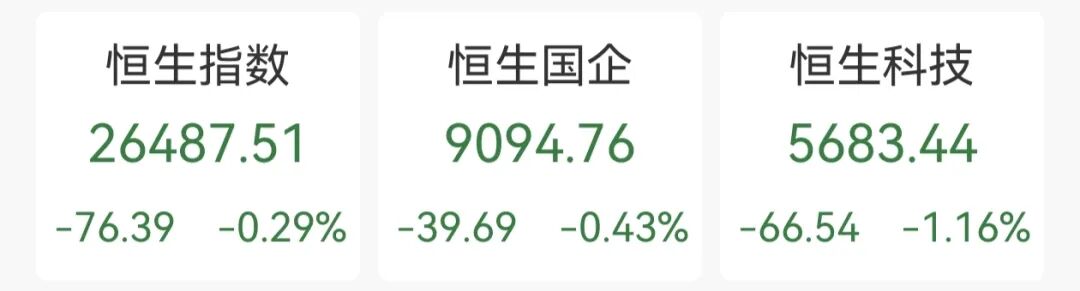
Market Overview - The Hong Kong stock market continued its adjustment trend, with the Hang Seng Index closing down 0.29% at 26,487.51 points, the Hang Seng Tech Index down 1.16% at 5,683.44 points, and the Hang Seng China Enterprises Index down 0.43% at 9,094.76 points [1] - The total market turnover for the day was HKD 2,377.7 billion, higher than the previous trading day's turnover of HKD 2,256.9 billion [1] Stock Performance - Among the constituent stocks of the Hang Seng Index, 44 stocks rose while 41 stocks fell. Notable declines included WuXi AppTec down 4.13%, BYD down 3.67%, and Sunny Optical Technology down 3.25% [3] - The top gainers included Pop Mart, which surged 9.07%, China Life up 4.31%, and China Resources Land up 3.71% [3] Notable Stocks - Pop Mart's stock price increased significantly due to a share buyback of HKD 2.51 billion and a bullish report from Morgan Stanley [6][7] - The stock closed at HKD 197.20, with a maximum increase of 10.40% during the day, and a total turnover of HKD 58.79 billion, ranking fourth among Hang Seng Index constituents [7] - Tencent Holdings had a turnover of HKD 146.38 billion, down 1.48%, while Alibaba's turnover was HKD 88.68 billion, down 0.44% [5] Industry Performance - The real estate and construction sector led the industry indices with a gain of 1.05%, followed by materials and consumer staples, both up 0.82%. In contrast, the information technology sector fell by 1.72%, healthcare by 0.78%, and energy by 0.57% [5] Company Announcements - Hengrui Medicine announced the approval of clinical trials for its new drug HRS-2141 for type 2 diabetes, marking a significant development in its product pipeline [14][15] - The drug is a fixed-dose combination formulation, and the company has invested approximately HKD 5.4 million in its development so far [18]
泡泡玛特,逆市大涨!医药巨头,突传利好
中国基金报· 2026-01-20 11:16
Core Viewpoint - The article highlights the significant stock performance of Pop Mart, which surged over 9% due to share buybacks and positive analyst ratings from Morgan Stanley, while also noting the approval of a new drug clinical trial by Heng Rui Pharmaceutical [5][12]. Group 1: Pop Mart Stock Performance - Pop Mart experienced a notable increase of 9.07%, closing at HKD 197.20 per share, with a peak increase of 10.40% during the trading day [6][5]. - The company repurchased 1.4 million shares on January 19, spending HKD 251 million, which contributed to the stock's upward momentum [9][11]. - Morgan Stanley's report projected Pop Mart's net profit for 2025 to be RMB 12.6 billion, indicating strong financial resources for shareholder returns [11]. Group 2: Heng Rui Pharmaceutical Developments - Heng Rui Pharmaceutical received approval for the clinical trial of its drug HRS-2141, aimed at treating type 2 diabetes, marking a significant step in its drug development pipeline [13][17]. - The company has invested approximately RMB 5.4 million in the development of HRS-2141, which is currently in the early stages of clinical trials [17]. - Despite the positive news regarding the drug approval, Heng Rui's stock fell by 4.36% to HKD 73.55 per share on January 20, reflecting market volatility [18].
泡泡玛特,逆市大涨!医药巨头,突传利好
Zhong Guo Ji Jin Bao· 2026-01-20 11:00
Group 1 - The core point of the news is that Pop Mart's stock surged over 9% due to a share buyback and positive outlook from Morgan Stanley, while the overall Hong Kong market experienced a decline [1][5][6] - Pop Mart's share price increased by 9.07%, closing at HKD 197.20 per share, with a trading volume of HKD 58.79 billion, ranking fourth among Hang Seng Index constituents [5][6] - The company repurchased 1.4 million shares on January 19 at a total cost of HKD 251 million, with plans to cancel the repurchased shares [5][6] Group 2 - Morgan Stanley's report predicts Pop Mart's net profit for 2025 to be RMB 12.6 billion, with an expected cash reserve of RMB 20 billion by the end of 2025, indicating strong financial resources for shareholder returns [6] - Heng Rui Medicine announced the approval of clinical trials for its new drug HRS-2141, aimed at treating type 2 diabetes, marking a significant step in its drug development pipeline [7][10] - The drug HRS-2141 is a fixed-dose combination formulation, with no similar drugs approved in the domestic and international markets, and the company has invested approximately RMB 5.4 million in its development so far [10][11]

泡泡玛特开盘涨超10%
Bei Jing Shang Bao· 2026-01-20 10:45
Core Viewpoint - Pop Mart's stock surged over 10% to HKD 199 on January 20, following the announcement of a share buyback program worth HKD 251 million to repurchase 1.4 million shares at a price range of HKD 177.7 to HKD 181.2 per share, marking the company's first buyback since the beginning of 2024 [1]. Group 1 - Pop Mart announced a share buyback program of HKD 251 million [1] - The company plans to repurchase 1.4 million shares [1] - The buyback price is set between HKD 177.7 and HKD 181.2 per share [1]