超市零售

Search documents
解密盒马“超盒算”开放加盟 巨头硬折扣战争夺赛点
Zhong Guo Jing Ying Bao· 2025-12-05 02:29
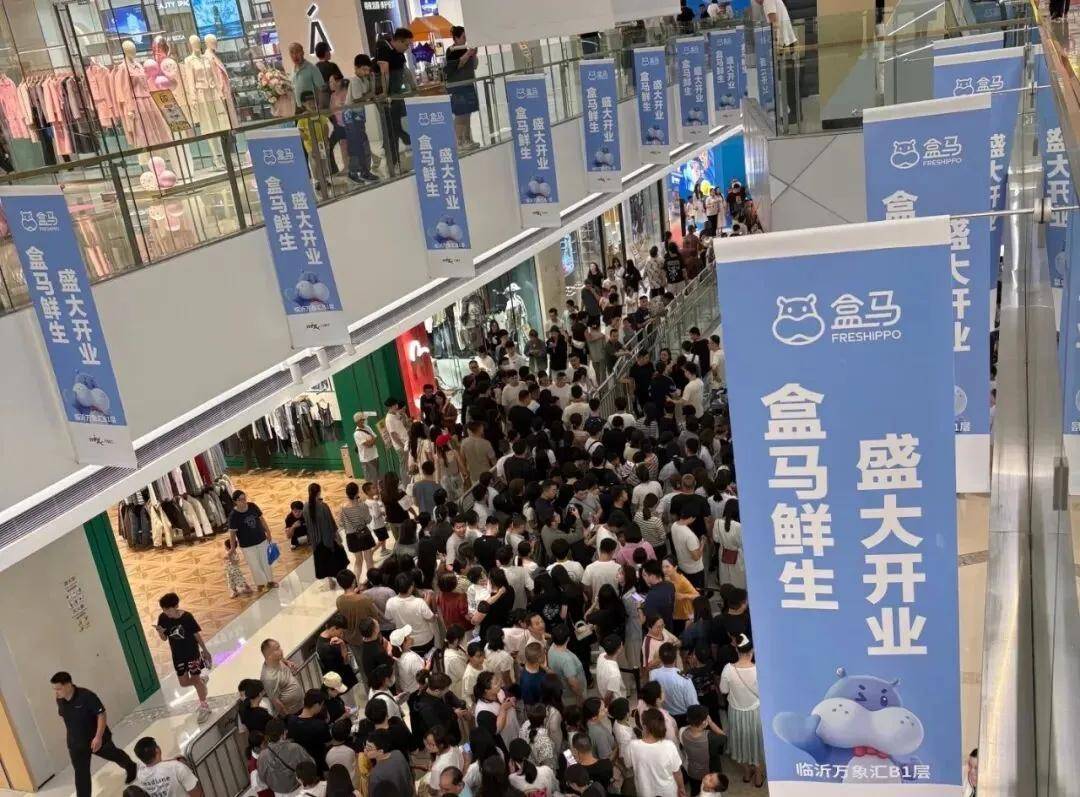
Core Viewpoint - The competition among Alibaba, Meituan, and JD.com in the discount supermarket sector is intensifying, with Hema's "Super Box" launching a franchise model to accelerate expansion, indicating a shift from online food delivery battles to offline discount wars [1][4][10]. Group 1: Market Dynamics - Hema's "Super Box" has opened franchise opportunities, with initial fees around 2.65 million yuan, including various costs for branding, deposits, renovations, and equipment [1]. - The discount supermarket model focuses on "extreme cost compression and constant low prices," with a significant emphasis on price sensitivity among consumers [3][6]. - The competition is not just about pricing but also involves product quality and freshness, with a notable focus on private label products to differentiate offerings [5][6]. Group 2: Expansion Strategies - Hema's "Super Box" has rapidly expanded to over 350 stores in the Yangtze River Delta region, while Meituan's "Happy Monkey" and JD's discount supermarkets are also entering the market with their own expansion plans [3][4]. - Meituan is adopting a gradual expansion strategy without opening franchise opportunities, while Hema's franchise model aims for quick scale [4][10]. - The competition is characterized by a race for speed and scale, with all three companies leveraging their existing ecosystems to capture market share [8][9]. Group 3: Pricing and Product Strategy - Hema's "Super Box" emphasizes private label products, with nearly 60% of its offerings being self-branded, which helps in maintaining lower prices [6][7]. - The pricing strategy involves a cost-backward approach, where the actual costs of production and logistics are analyzed to set competitive prices [7]. - The average gross margin for discount supermarkets is around 15%, highlighting the importance of a simplified supply chain and lower margins for operational success [7]. Group 4: Challenges and Risks - The rapid expansion through franchising presents challenges in supply chain management and maintaining product quality and service standards across different locations [10]. - Hema must implement strict franchisee selection and training processes to ensure consistent operational standards and mitigate brand reputation risks [10].



永辉超市“大劫案”中,丢失了500多辆购物车,为什么人们购物后不愿归还购物车?
3 6 Ke· 2025-12-05 00:41
Core Viewpoint - The article discusses the issue of abandoned shopping carts in supermarkets, highlighting the social behaviors and psychological factors that contribute to this phenomenon, as well as the emergence of a vigilante group known as "Cart Narcs" that aims to encourage responsible cart return behavior [1][3][12]. Group 1: Shopping Cart Abandonment - In April 2025, a YH Supermarket discovered over 500 shopping carts missing during an inventory check, primarily due to customers taking them outside the store and not returning them [1]. - Abandoned shopping carts not only occupy parking spaces but also obstruct traffic, prompting the need for community oversight [3]. - A significant portion of shoppers (over 50%) provide excuses for not returning carts, such as physical limitations or a belief that it is the store's responsibility [6][7]. Group 2: Cart Narcs Initiative - The "Cart Narcs," led by a figure known as Agent Sebastian, patrols parking lots to record and confront customers who abandon carts, sharing these interactions on YouTube [3][4]. - Approximately 50% of individuals approached by the Cart Narcs return their carts after being reminded, while 25% ignore the request, and the remaining 25% engage in arguments [3]. Group 3: Psychological Insights - The article references a study categorizing shoppers into five types based on their attitudes towards social norms regarding cart return: steadfast returners, never returners, convenience returners, enforced returners, and child-led returners [9]. - The "broken windows theory" is discussed, suggesting that minor disorder, such as abandoned carts, can lead to a broader decline in social responsibility and adherence to rules [12][14]. - Research indicates that environments with visible disorder can increase the likelihood of further antisocial behavior, such as littering [12][14]. Group 4: Solutions and Limitations - Supermarkets have implemented measures like coin-operated cart systems to incentivize returns, which have shown effectiveness but also face challenges, such as customers finding ways to bypass the system [14].


克罗格周四尾盘下跌4.8%
Xin Lang Cai Jing· 2025-12-04 20:51
克罗格(Kroger,KR)周四尾盘下跌4.8%,此前该公司公布了喜忧参半的第三季度业绩:每股收益超 预期幅度收窄,但调整指引。 来源:环球市场播报 ...

3037家说倒就倒,传统超市撑不住了?盒马、奥乐齐们把客流抢光?
Sou Hu Cai Jing· 2025-12-04 17:11
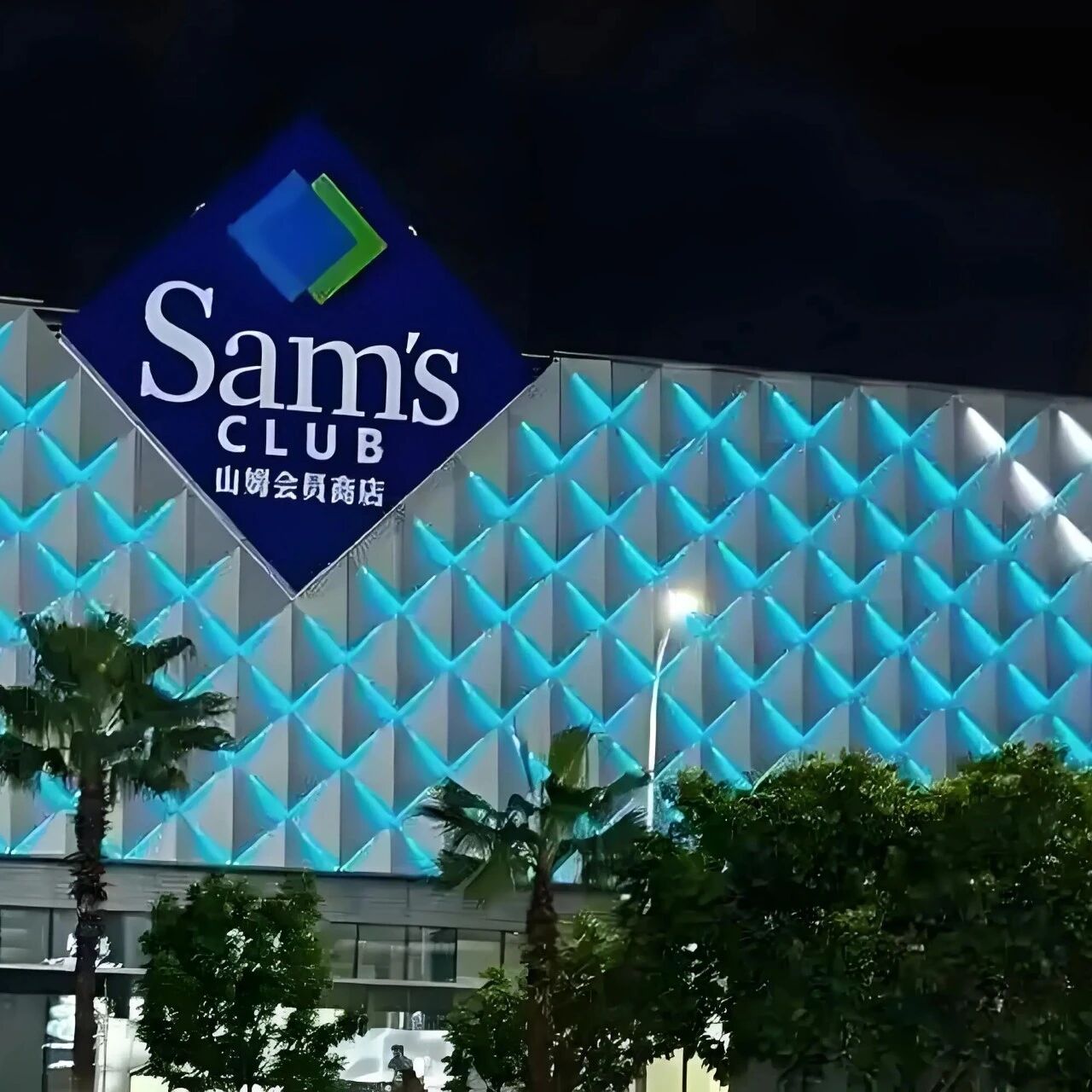
如果说十年前逛商场是一种休闲,那么如今逛商场更像是在见证一场工业文明的更替。 走进任何一座城市的商业中心,你会发现一个越来越明显的现象: 曾经占据整层楼、灯火通明、购物车堆满入口的传统大超市正在不断消失,沃尔玛、永辉、世纪华联等熟悉的名字一个接一个撤离。 而与此同时,盒马、奥乐齐、京东七鲜、山姆会员店甚至本土新零售品牌却在快速扩张? 势头之猛几乎是在用"接盘旧址"的方式宣告时代的主角已经换人了。 最讽刺的是,人们从来没有不需要买菜买肉买零食,但却越来越不愿意走进传统超市消费。 同样的城市、同样的食物需求、同样的家庭结构,却产生了完全不同的流量走向。 这不是一场短期行情,而是一场关于商业逻辑和消费意识全面更新的社会现象。 传统超市的衰退并不是因为"卖东西",而是因为"卖法不对"。 多数人误以为传统超市衰落是因为消费降级,顾客没钱了,不逛了。 但真正的问题根本不是经济,而是体验。 消费者从未停止购买日用品,只是不愿再接受传统超市的购物模式。 今天的人去超市不是"需要买东西",而是"希望买得省心、买得划算、买得有意义"。 而传统超市的核心逻辑却仍停留在"货上够多、渠道够全、品牌够大"这一套。 大面积货架、冗余陈列、 ...
000759:年内关闭门店30家,预计损失1.8亿
第一财经· 2025-12-04 12:23
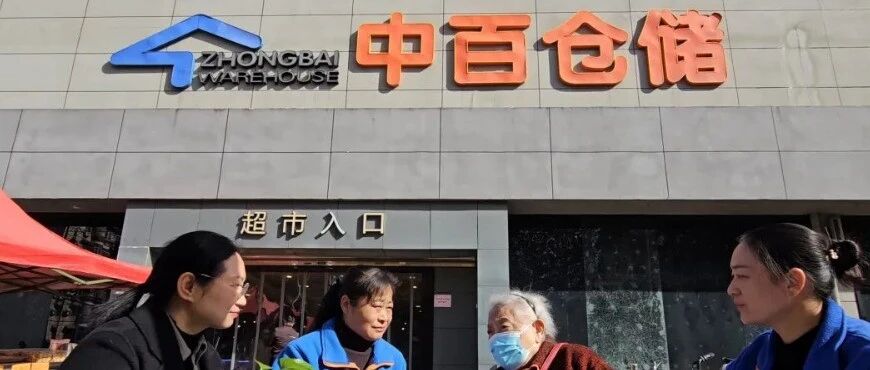
12月4日,中百集团公告,公司深化改革关闭亏损门店,2025年上半年已关闭仓储大卖场13家,截至目前,公司共关闭仓储大卖场30家,年内暂无关闭 大卖场计划。 关闭门店将产生一次性损失,主要包括合同解约损失、员工安置补偿支出、装修等长期待摊费用摊余价值的一次性摊销损失、不可转移的固定资产净值损 失、经营租户解约损失等。公司门店关闭预计产生关店损失约1.8亿元。 中百集团表示, 因关店解约在具体实施过程中,存在由此带来的业主和租户赔偿、员工补偿、资产损失以及诉讼等风险,对公司业绩的影响存在一些不 确定性,可能导致关店损失的变化,最终损失金额以会计师事务所审计的数据为准。公司将持续跟进后续进展情况。 截至今日收盘,中百集团跌2.98%,报7.16元。 | < ロ | 中百集团(000759) | | | | | --- | --- | --- | --- | --- | | -0.22 | 當日 | -2.98% 换 5.50% 市值 47.4亿 市净" 3.91 | | | | 叠加 | 均价: 7.25 盘口 资金 | | | | | 7.60 | | | | | | | 7.16 3339 | | | | | ...

中百集团:公司门店关闭预计产生关店损失约1.8亿元
Ge Long Hui· 2025-12-04 11:17
Core Viewpoint - The company is undergoing a reform by closing unprofitable stores to optimize its layout and enhance overall operational quality, which is part of its strategic transformation and sustainable development [1] Group 1: Store Closures - The company has closed 13 warehouse hypermarkets in the first half of 2025, bringing the total number of closed stores to 30 [1] - There are currently no plans to close additional hypermarkets within the year [1] Group 2: Financial Impact - The closure of stores is expected to incur a one-time loss of approximately 180 million yuan, which includes costs related to contract termination, employee compensation, and the write-off of long-term expenses [1] - The company has followed necessary internal decision-making procedures and has properly arranged for employee placements during the store closures [1]
中百集团:关闭30家仓储大卖场 预计产生1.8亿元损失
Xin Lang Cai Jing· 2025-12-04 10:33
中百集团(000759.SZ)公告称,2025年上半年已关闭仓储大卖场13家,截至目前共关闭30家,年内暂无 关闭大卖场计划。关闭原因包括门店亏损和合同到期。公司门店关闭预计产生关店损失约1.8亿元。 ...
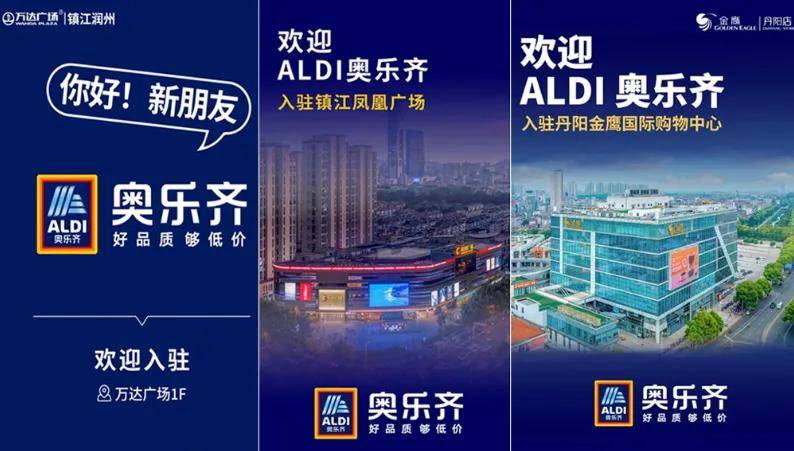
奥乐齐扩张按下 “加速键”:三店同开落子镇江
Sou Hu Cai Jing· 2025-12-04 10:21
Core Insights - Aldi's recent opening of three stores in Zhenjiang reflects a significant shift in the Chinese retail industry, moving from large suburban spaces to community-centric shopping experiences [1][2] - The focus of competition is transitioning from vast spaces and shelves to curated products and operational efficiency [1] - The competitive advantage is shifting from capital investment to precision in supply chains and depth in corporate values [1] Company Expansion - Aldi has officially announced the simultaneous opening of three new stores in Zhenjiang, indicating a rapid acceleration of its expansion in East China [2] - Since entering the Jiangsu market in 2025, Aldi has seen significant success, with its stores attracting large crowds due to competitive pricing on essential goods [4] - As of September 2025, Aldi has reached a total of 79 stores in China, with a clear strategic rhythm in its expansion plan [6] Industry Transformation - The retail landscape is evolving from a "large and comprehensive" model to a "small and refined" approach, with community becoming the new battleground [7] - Discount retailing has shifted from a marketing tactic to a core business model, with the global discount retail channel expected to grow by 8.2% in 2024 [8] - The hard discount market in China has surpassed 200 billion yuan, indicating a significant market opportunity for players like Aldi [8] Product Strategy - Aldi's strategy focuses on offering a limited selection of high-value products, ensuring quality and cost balance through deep supply chain involvement [10] - The trend of "refinement" in retail is essential for combating homogenization and building customer loyalty [9] - Aldi's fresh produce strategy is designed to meet community needs, with a network of local suppliers ensuring freshness and convenience [11] Challenges Ahead - The balance between scalability and localization poses a challenge as Aldi expands its store network across different regions [12] - Merging efficiency with customer experience is crucial, as the hard discount model must not compromise the shopping experience [12] - Competition is intensifying with local giants like Hema and Meituan entering the market, necessitating a focus on supply chain depth and product development capabilities [12]
郑州胖东来再迎新进展!山姆、永辉慌不慌?
3 6 Ke· 2025-12-04 02:29
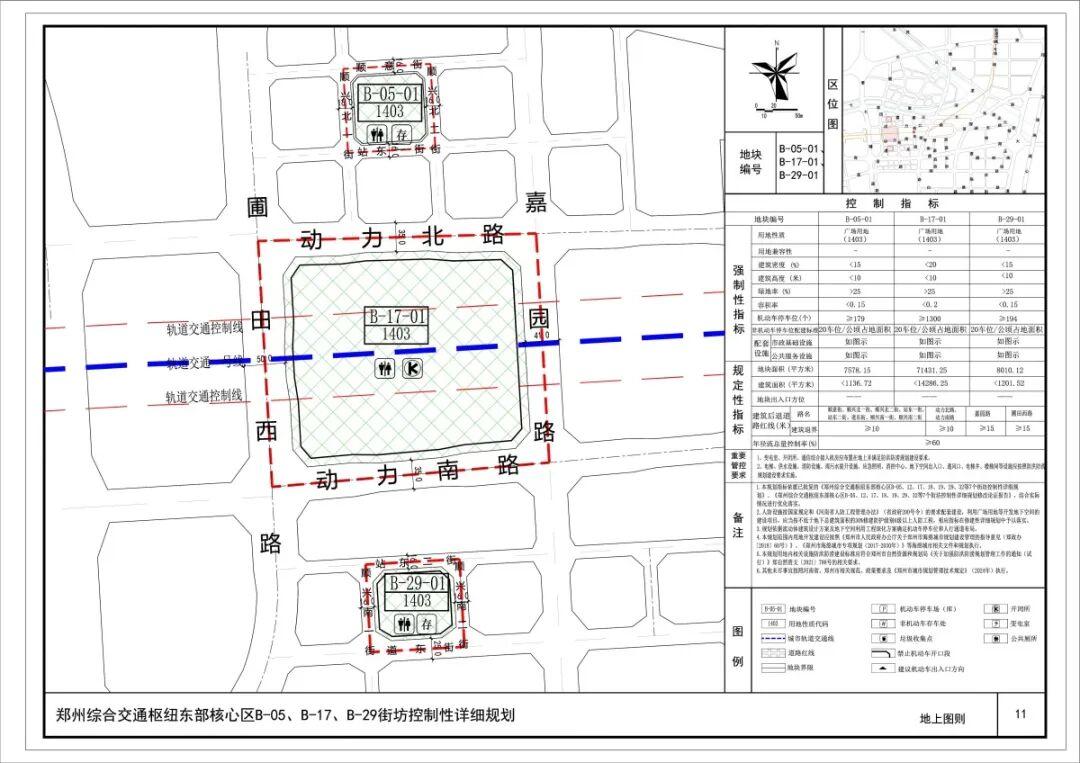
Core Insights - The news highlights the upcoming opening of the first "Fat Donglai" store in Zhengzhou, with significant planning developments for the site [1][7]. Group 1: Site and Planning Details - The B-17-01 plot, where the Fat Donglai store will be located, covers approximately 107 acres (71,431.25 square meters) and is designated as a public square with strict construction guidelines [2][4]. - The above-ground construction is limited to a height of 10 meters, with a building density of no more than 20% and a green space coverage of at least 25% [2][4]. - The underground space will be developed up to three levels, allowing for a maximum depth of 20 meters, with a total building area not exceeding 205,130.34 square meters [4][6]. Group 2: Business Model and Strategy - Fat Donglai's core operational area will be located on the first underground level, with an estimated commercial area of 30,000 to 40,000 square meters, significantly larger than its existing stores in Xuchang and Xinxiang [6][9]. - The company emphasizes a strong service culture, offering full refunds without proof for unsatisfactory products, and plans to distribute 1.5 billion yuan in net profits to employees in 2025 [7][9]. - Fat Donglai's procurement and operations are closely integrated, allowing for rapid adjustments based on consumer demand, enhancing efficiency [7][9]. Group 3: Competitive Landscape - The retail market in Henan is set for a significant transformation, with Fat Donglai projected to achieve sales of 16.964 billion yuan in 2024, while Sam's Club has surpassed 100 billion yuan in sales [9][10]. - The consumer market in Henan shows robust growth, with a retail sales total of 2.76 trillion yuan in 2024, reflecting a 6.1% increase [10][11]. - Local retailers are adapting strategies in response to the competition, with plans to enhance product offerings and service quality to meet evolving consumer preferences [11].
沃尔玛中国靠电商带飞,流量红利能吃多久?
阿尔法工场研究院· 2025-12-04 00:06
Core Insights - Walmart's recent leadership changes and strong performance in China, particularly in e-commerce and Sam's Club, signal a strategic shift as the company prepares for future growth [4][5][9]. Financial Performance - For Q3 FY26, Walmart reported revenue of $179.5 billion, a year-over-year increase of 5.84%, with adjusted operating income rising to $7.2 billion, up 8% [7]. - Walmart China achieved net sales of $6.1 billion in Q3, marking a 21.8% increase year-over-year, significantly outperforming the international business segment's average growth of 10.84% [7][8]. - E-commerce sales in China grew by 32%, with e-commerce accounting for over 50% of total sales, reflecting a substantial increase of over 390 basis points compared to the previous year [7][9]. Leadership Changes - Doug McMillon will be succeeded by John Furner as CEO, effective February 1, 2026. Furner has extensive experience within Walmart, having served as President and CEO of Walmart U.S. since 2019 [11]. - The transition to Nasdaq from the New York Stock Exchange is a significant move for Walmart, emphasizing its technology-driven growth strategy [12]. Strategic Focus - The emphasis on AI and digital innovation is evident, with McMillon highlighting Furner's capability to lead Walmart through an AI-driven transformation [12]. - Sam's Club in China has also appointed a new president, Liu Peng, who has a strong background in e-commerce and retail, aligning with Walmart's focus on AI and online strategies [13][18]. Growth Prospects - Walmart China is expected to open 10 new Sam's Club locations in 2025, with 8 already opened, indicating a robust expansion strategy [18]. - The company aims to enhance its operational efficiency and customer value, focusing on internal capabilities rather than external trends [18].