
零售业

Search documents
毛宁表示,中方不见高市,钝刀子割肉开始,日本股票应声暴跌
Sou Hu Cai Jing· 2025-11-18 23:15
Group 1 - A sudden diplomatic storm in November marked a critical turning point in China-Japan relations, triggered by Japanese Prime Minister Kishi Nobuo's hardline remarks regarding Taiwan, which provoked strong discontent from China [1][3][5] - Kishi's comments about potential Japanese Self-Defense Force intervention in the event of a Taiwan conflict were seen as a direct provocation, crossing China's core interest boundaries [3][5][7] - China's response was clear, with Foreign Ministry spokesperson Mao Ning stating there were no arrangements for a meeting with the Japanese Prime Minister during the G20 summit, indicating a firm stance on sovereignty issues [5][7][15] Group 2 - The Japanese market reacted swiftly, with significant declines in tourism, retail, and airline sectors, reflecting the market's anticipation of the diplomatic fallout [3][11][19] - On November 18, the Nikkei 225 index dropped over 1000 points, signaling a shift in market sentiment as investors recognized the long-term implications of reduced Chinese tourism and spending [11][19][24] - China's approach to exerting pressure was subtle yet effective, issuing safety warnings for travel and study in Japan, which could have lasting impacts on Japan's economy heavily reliant on Chinese consumers [9][11][19] Group 3 - Kishi aimed to project an image of a "security decision-maker" but risked damaging Japan's international credibility if her statements were not retracted [9][15][17] - The Japanese government faces a dilemma, balancing the need to support Kishi's statements while managing the economic and diplomatic repercussions of a frozen relationship with China [7][15][19] - The situation highlights a lack of unified strategic direction within the Japanese political landscape regarding China, leading to potential diplomatic miscalculations [15][17][21] Group 4 - The incident serves as a warning to other nations about the potential consequences of verbal provocations that touch on core national interests, as China's response indicates a firm unwillingness to compromise [21][23] - Japan now faces a critical decision: to continue supporting Kishi's stance or to reassess its policy logic in light of the market's reaction and diplomatic fallout [23][24]

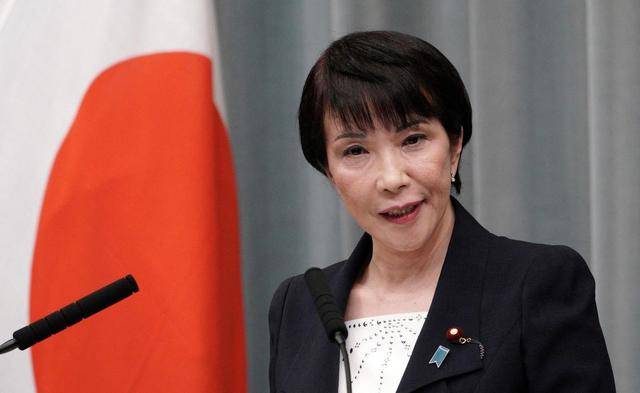
中方要求日方给出“明确交代”,外交部:日方必须立即收回错误言论,深刻反省,改弦更张
Huan Qiu Shi Bao· 2025-11-18 22:44
Group 1 - Japan's Prime Minister Kishi Sanae's controversial remarks regarding Taiwan have led to strong protests from China, resulting in economic and tourism repercussions for Japan [1][2][5] - Approximately 491,000 flight tickets to Japan have been canceled by Chinese airlines, representing 32% of total bookings, with a significant impact on Japan's tourism industry [4][5] - The reduction in Chinese tourists could lead to a 0.2 percentage point decrease in Japan's GDP growth if the number of visitors is halved, exacerbating the already fragile state of Japan's economy [5][6] Group 2 - The Japanese government is facing criticism from within, with calls for Prime Minister Kishi to reconsider her statements and actions that have escalated tensions with China [6][8] - There are concerns that Kishi may visit the Yasukuni Shrine, which could further strain Japan-China relations and provoke international backlash [7][8] - The ongoing diplomatic tensions have narrowed communication channels between Japan and China, complicating efforts to resolve the situation [3][8]
南宁百货:公司2025年第三季度报告披露的报告期末普通股股东总数为28921户
Zheng Quan Ri Bao· 2025-11-18 13:38
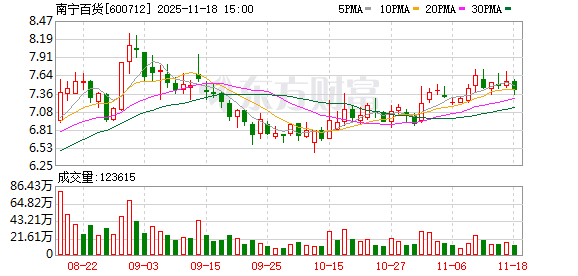
证券日报网讯南宁百货11月18日在互动平台回答投资者提问时表示,公司2025年第三季度报告披露的报 告期末普通股股东总数为28,921户。 (文章来源:证券日报) ...

【UNFX财经事件】数据积压扰动预期 美联储政策前景分化
Sou Hu Cai Jing· 2025-11-18 10:07
WTI在欧洲盘回落至59.34美元,布伦特压至63.38美元附近。需求前景的不稳定性成为压制油价的核心 因素,加之经济数据延迟公布、市场风险偏好下降,能源板块整体维持弱势震荡。短线市场将聚焦美国 库存变化和需求指引,以寻找新的方向信号。 本周市场的主旋律仍围绕避险升温与政策预期再定价展开。美元受益于降息预期降温,美股受到情绪与 估值压力双重影响,黄金继续向关键支撑区间试探,原油则在需求隐忧下维持弱势。随着延迟数据陆续 公布,市场节奏可能在本周中后期迎来新的切换点。 美元仍偏强:政策预期尚未扭转前,美元维持强势结构的可能性更高。 黄金关注4000美元:就业数据集中公布时可能放大短线波动,需警惕支撑被击穿的风险。 美股波动或维持高位:AI情绪脆弱,加上政策面不确定性,指数短线仍承压。 原油看需求信号:库存与需求预期仍是决定油价能否脱离弱势区间的关键因素。 周二亚洲到欧洲交易时段,全球风险情绪明显走弱。受美国政府停摆造成的数据延后影响,加上12月降 息预期显著降温,投资者普遍选择降低仓位风险。ADP就业数据将在稍晚公布,多位美联储官员也会在 美股交易时段发表讲话,使短线波动的不确定性进一步提升。周一华尔街已提前展现 ...
高市早苗的算计,将让日本割肉5000亿
商业洞察· 2025-11-18 09:29
Core Viewpoint - The article discusses the significant impact of recent diplomatic tensions between China and Japan on Japanese tourism and related industries, highlighting a sharp decline in stock prices for major Japanese companies reliant on Chinese tourists and investments [3][4][6]. Group 1: Impact on Japanese Tourism Stocks - Major Japanese companies such as Food & Life, Isetan Mitsukoshi, and Shiseido have seen stock declines of 14%, 11%, and 9% respectively, reflecting the broader market reaction [4]. - The Nikkei 225 index briefly fell below 50,000 points, indicating a significant market downturn [4]. Group 2: Diplomatic Tensions and Reactions - The Chinese government has issued warnings to citizens about traveling to Japan due to deteriorating safety conditions, leading to a reduction in flights and travel packages to Japan [8][9]. - Japanese officials are reportedly surprised by the strong reaction from China, which they did not anticipate [10][12]. Group 3: Economic Contributions of Chinese Tourists - In 2024, Japan's tourism revenue is projected at 8.14 trillion yen, with Chinese tourists contributing approximately 1.73 trillion yen (around 810 billion RMB) [15][16]. - Chinese tourists are noted for their high spending power, averaging 280,000 yen (about 13,000 RMB) per person, significantly boosting Japan's retail and tourism sectors [16][17]. Group 4: Historical Context and Future Implications - The article references the 2010 diplomatic incident that led to a 26% drop in Chinese tourists to Japan, suggesting a potential similar decline this time, estimating a loss of about 520 billion yen (approximately 24 billion RMB) in tourism revenue [34]. - Japan's GDP has shown a decline of 1.8% in the third quarter, marking a return to negative growth, which could be exacerbated by the current diplomatic fallout [35][36].
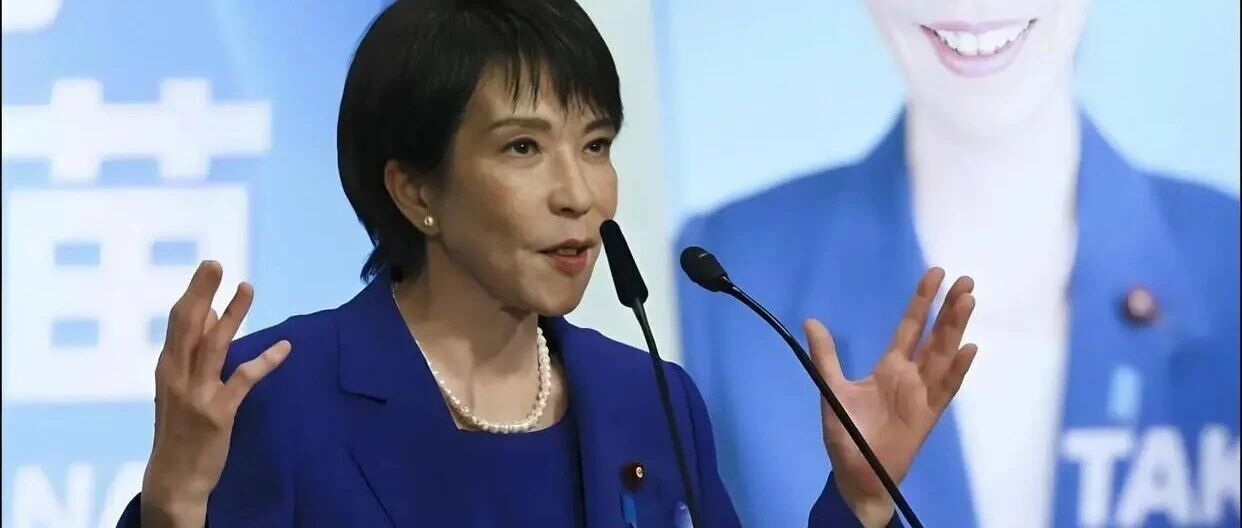
山雨欲来风满楼,日企紧张了
Guan Cha Zhe Wang· 2025-11-18 09:08
Group 1 - Japanese companies reliant on Chinese consumers and tourists are preparing for potential challenges due to deteriorating Sino-Japanese relations, with tourism, retail, and entertainment sectors expected to be most affected [1][3] - Following diplomatic tensions, Japanese stocks related to tourism and retail experienced significant sell-offs, with notable declines in companies such as Mitsukoshi Isetan (down 11.31%) and Takashimaya (down 6.18%) [1][3] - The number of Chinese tourists visiting Japan from January to September reached approximately 7.49 million, a year-on-year increase of over 40%, making them the largest group of foreign visitors [3][5] Group 2 - Chinese tourists accounted for 27.7% of total foreign tourist spending in Japan from July to September, amounting to 590.1 billion yen, a 26.1% increase from the previous year [5] - The impact of declining Chinese tourist numbers could lead to significant economic losses for Japan, with estimates suggesting a potential loss of 2.2 trillion yen and a GDP decrease of 0.36% [7][8] - The Japanese tourism sector is facing uncertainty, with reports of cancellations for group tours and a notable decrease in ticket bookings for flights to Japan [5][8]

山姆在北京房山成立新公司
Mei Ri Jing Ji Xin Wen· 2025-11-18 08:50
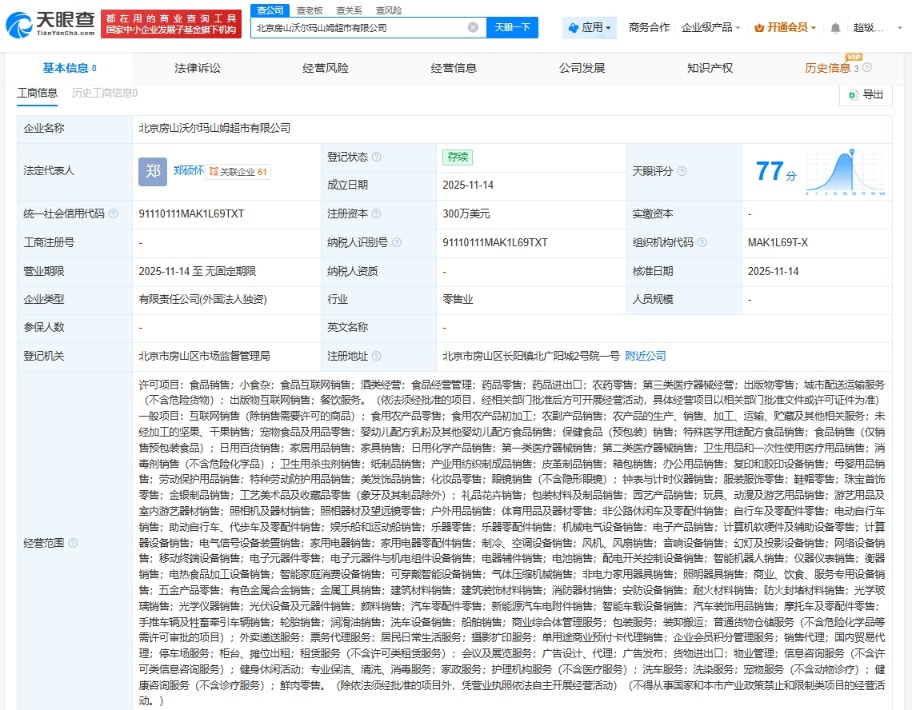
| 基本信息 8 | | 法律诉讼 | 经营风险 | 经营信息 | 公司发展 | 知识产权 | | WILL 历史信息 3 2 | | --- | --- | --- | --- | --- | --- | --- | --- | --- | | 股东信息 1 ⑦ ● 品股权结构 | | | | | | 2持股比例, | 템 음버 | で天眼 | | 序号 | | | 股东名称 | | 持股比例; | | 认缴出资额(万美元); 认缴出资日期: 关联产品/机 | | | Sams | 山姆 (上海) 投资有限公司 品 控股股东 | | | | 100% | 300 | | 山姆中国 | 每经AI快讯,天眼查App显示,近日,北京房山沃尔玛山姆超市有限公司成立,法定代表人为郑硕怀,注册资本300万美元,经营范围包括食品互联网销 售、酒类经营、食品经营管理、商业综合体管理服务等。股东信息显示,该公司由山姆(上海)投资有限公司全资持股。 (文章来源:每日经济新闻) | 第一同有之星之五七 第 | | 者公司 查表板 音关系 吉风险 | | | | | | --- | --- | --- | --- | --- | ...
欧美齐跌,道指重挫超500点,苹果、英伟达低迷
Di Yi Cai Jing Zi Xun· 2025-11-17 23:56
Market Overview - Major U.S. stock indices faced pressure, with the Dow Jones Industrial Average dropping 557.24 points, a decline of 1.18%, closing at 46590.24 points. The Nasdaq Composite fell 0.84% to 22708.07 points, and the S&P 500 decreased by 0.92% to 6672.41 points, marking the first drop below the 50-day moving average since April [2] - The Cboe Volatility Index (VIX) surged by 12.97%, reaching 22.39, indicating increased market volatility [2] - European indices also weakened, with the Stoxx 600 down 0.54%, the DAX 30 down 1.20%, and the CAC 40 down 0.64% [2] Company Performance - Nvidia's stock fell by 1.8% after Peter Thiel's fund liquidated all its shares in the company [3] - Apple also dropped 1.8% following a court ruling that required the company to pay $634 million in damages for patent infringement related to certain Apple Watch models [3] - Other tech stocks like Oracle, Meta, Amazon, and Microsoft experienced declines, while Tesla saw a slight increase of 1.1% [3] - Alibaba's stock rose by 2.6% as the company announced its "Qianwen" project aimed at entering the AI to C market, with the app's public beta launched [3] Economic Indicators - The U.S. government is set to release key economic data, including the delayed September employment report, which is expected to confirm a trend of slowing job growth [3] - Federal Reserve officials indicated a cautious approach to potential interest rate cuts, with a 25 basis point reduction anticipated in December [3][4] - The yield on the 2-year U.S. Treasury bond fell by 0.4 basis points to 3.609%, while the 10-year bond yield decreased by 1.5 basis points to 4.132% [4] Upcoming Earnings Reports - The earnings season is approaching its peak, with major retailers like Walmart, Home Depot, and Target set to report their financial results [4] - Nvidia's earnings report, scheduled for release after the market closes on Wednesday, is highly anticipated as it will assess the sustainability of the remarkable gains in AI-related stocks [4] - Analysts predict a potential 6% price volatility for Nvidia's stock following its earnings announcement [4] Commodity Prices - International oil prices saw a slight decline, with WTI crude oil down 0.30% to $59.91 per barrel and Brent crude oil also down 0.30% to $64.20 per barrel [5] - Gold prices faced pressure, with COMEX gold futures for November delivery dropping 0.47% to $4068.30 per ounce, and after-hours trading saw prices dip to around $4040 [5]


寒潮影响持续 多部门积极应对
Xin Hua She· 2025-11-17 16:53
Core Viewpoint - The article discusses the impact of a nationwide cold wave and strong winds on various sectors, including agriculture, transportation, energy, and market supply, highlighting the measures taken by relevant departments to address these challenges [1][2][3]. Energy Supply and Demand - The cold wave is expected to increase energy demand, with daily gas consumption reaching 1.18 billion cubic meters and peak electricity load at 1.13 billion kilowatts, although still below peak winter levels [3][4]. - National energy supply remains sufficient, with coal reserves at 230 million tons, enough for 35 days, and gas storage at high levels to ensure stable operations [3][4]. Market Supply of Essential Goods - The Ministry of Commerce is focused on ensuring stable supply of essential goods during the cold wave, enhancing market monitoring and increasing the organization of goods to meet basic consumer needs [5][6]. - Prices for vegetables and fruits have risen by 1.7% and 1.9% respectively since the beginning of the month, while pork prices have decreased by 1.4%, indicating a mixed market response [6]. Agricultural Impact - The cold wave poses risks to agricultural production, particularly for facilities and crops, with warnings issued for snow and frost damage [7]. - The Ministry of Agriculture is coordinating with meteorological authorities to prepare for adverse weather effects, advising on crop management and facility protection [7]. Transportation and Logistics - The Ministry of Transport is implementing measures to ensure road and waterway safety during the cold wave, enhancing monitoring and response capabilities for extreme weather conditions [8]. - Specific focus is on maintaining traffic flow on critical routes and ensuring the safety of vessels during adverse weather [8]. Public Health Recommendations - The cold wave is expected to increase flu risks in several regions, prompting health officials to recommend reduced outdoor activities and increased indoor ventilation [9]. - Vulnerable populations, including the elderly and children, are advised to take precautions against cold-related health issues [9].
广百股份:离境退税业务经营成果在公司定期报告中的财务报表中体现
Zheng Quan Ri Bao Wang· 2025-11-17 11:46
Group 1 - The core viewpoint of the article is that Guangbai Co., Ltd. (002187) has confirmed that the results of its outbound tax refund business are reflected in the financial statements of its regular reports [1] Group 2 - The company responded to investor inquiries on November 17 regarding the performance of its outbound tax refund business [1] - The financial outcomes of the outbound tax refund operations are included in the company's periodic financial reports [1]
