
养老服务

Search documents
泰康之家 通园体验馆开放,“一省四园”打造长三角高品质享老新标杆
Jiang Nan Shi Bao· 2025-12-15 08:53
Core Insights - The opening of the Taikang Home Tongyuan Experience Center in Nantong marks a significant step in providing high-quality elderly care services in the region, aligning with the city's reputation for longevity and quality of life [1][2] Group 1: Project Overview - The Taikang Home Tongyuan project covers approximately 120,000 square meters and plans to build around 1,500 elderly care units, with a rehabilitation and nursing medical institution included [1] - The community is expected to officially operate by the fourth quarter of 2027, aiming to set a new standard for elderly care in Nantong and the Yangtze River Delta region [1] Group 2: Community Features - The Taikang Home Tongyuan Experience Center spans about 600 square meters and integrates Taikang's elderly care service philosophy with local cultural elements, providing an immersive experience for seniors [1] - The community will implement a "1+N" multidisciplinary care model, offering a range of services from independent living to professional nursing care [4] Group 3: Strategic Importance - Nantong is recognized as a "Happy City" with high satisfaction in elderly services, providing a solid foundation for high-quality elderly care [2] - The project is part of Taikang's broader strategy to establish a comprehensive elderly care service network in Jiangsu, with multiple facilities already operational or under development [6][8] Group 4: Local Context - Jiangsu province has entered a "longevity era," with over 3.25 million residents aged 80 and above, highlighting the increasing demand for elderly care services [6] - Nantong, as a certified "World Longevity City," has a significant number of centenarians, emphasizing the need for innovative elderly care solutions [6] Group 5: Community Engagement - Residents of Taikang communities have shared positive experiences, highlighting the benefits of the integrated care model, which includes proactive health monitoring and community activities [5]


广东完善养老服务体系 长者饭堂累计服务老年人超5330万人次
Nan Fang Ri Bao Wang Luo Ban· 2025-12-15 07:44
"今日有咩餸啊?""你今日都嚟得咁早?"上午十点半,距离开饭尚有一段时间,广州市天河南街广和社 区长者饭堂里已人气渐浓。老人们三三两两排起队伍,用熟悉的粤语闲话家常,笑语声里透着邻里间的 熟络。 餐台前,20多道菜品渐次摆开,选择丰富。饭堂之外,相连的银发小超市中,老人们正仔细挑选适老化 用品;一旁的儿童活动区,孩童嬉戏的笑声清脆传来……截至今年8月底,广东已建成3705个"长者饭 堂"及助餐点,累计服务老年人超过5330万人次。 一餐一饭,心安即是归处。从破解"吃饭难"的贴心举措,到承载社交、照护、文娱等功能的社区服务枢 纽,广东正以长者饭堂为支点,探索一条"暖胃更暖心"的养老服务新路径。 "家门口"的饭堂▷▷ "不止吃饱,还能吃好" "以前一个人在家,做饭嫌麻烦,不做又饿肚子,现在来饭堂,十几块就能吃顿热乎又营养的饭菜。"陈 阿姨端着餐盘,笑着和老街坊打招呼。每天中午,她都会准时出现在长者饭堂,这里的菜品不仅合口 味,更让她感受到久违的热闹。 天河南街长者饭堂作为颐康中心组成部分正式运营时,菜品仅有6种,主要目的是解决社区独居、空巢 老人的就餐难题。 饭堂的暖心之处,体现在每一个细微的服务中。83岁的郑奶 ...
“十五五”时期: 如何推进中国特色养老服务体系成熟定型
Jin Rong Shi Bao· 2025-12-15 03:33
Core Viewpoint - The aging population in China is accelerating, and the pension service sector is evolving beyond traditional welfare to play a dual role in ensuring social welfare and fostering new economic growth [1] Top-Level Logic - The pension service reform in China has entered a new stage characterized by systematic integration and high efficiency, with over 80 policy documents issued since 2020 [2] - Six core logics have been identified in the current policy design: 1. Universal fairness, emphasizing affordable and quality services for all, particularly vulnerable groups [2] 2. System integration, creating a unified service network that combines home, community, and institutional care [3] 3. Digital empowerment, utilizing technology to enhance service supply and management [3] 4. Grassroots restructuring, focusing on community-based services and regional centers [4] 5. Collaborative governance, involving multiple stakeholders in service provision [4] 6. Safety regulation, strengthening oversight to mitigate risks in the rapidly developing market [4] Reform Practices - Current reform practices exhibit four prominent features: 1. A dual focus on problem-solving and demand-driven initiatives, addressing urgent needs of the elderly [6] 2. Pilot demonstrations and gradual implementation to accumulate experience before broader application [7] 3. Activating existing resources while expanding new ones through government investment and innovative financial tools [7] 4. Combining policy support with market mechanisms to ensure fair competition and service innovation [7] Development Trends - The "15th Five-Year Plan" is expected to bring six strategic transformations in the pension service sector: 1. Transitioning from focusing on key groups to ensuring basic services for all elderly [8] 2. Shifting from supply-side support to demand-side subsidies for elderly individuals [8] 3. Moving from merely providing care to enabling active participation of the elderly in society [8] 4. Emphasizing precision and detail in service delivery amid economic pressures [9] 5. Advancing from information technology to intelligent solutions in service provision [10] 6. Expanding the focus from pension services to the broader silver economy [11] Future Measures - To address challenges and ensure successful implementation of reforms during the "15th Five-Year Plan," five key areas of focus are recommended: 1. Strengthening organizational leadership to integrate pension service construction into broader socio-economic planning [13] 2. Enhancing policy communication and training to ensure effective implementation at all levels [14] 3. Establishing a robust evaluation system for dynamic policy adjustments based on feedback [15] 4. Promoting regional collaboration to address disparities in aging development across regions [15] 5. Deepening the development of the silver economy and fostering new business models in pension services [16]
民生答卷绘新景 同心齐唱幸福歌
Hai Nan Ri Bao· 2025-12-15 01:35
Core Viewpoint - Hainan is accelerating the construction of a shared and prosperous free trade port, focusing on people-centered development to ensure that the benefits of economic growth reach the populace, thereby enhancing overall well-being [7]. Group A: Employment and Economic Stability - Hainan has established employment stations to assist job seekers, resulting in the creation of a labor team for agricultural work, which has alleviated immediate employment challenges for local businesses [8][9]. - The province has implemented various measures to stabilize employment, achieving a total of 684,400 new urban jobs during the 14th Five-Year Plan period, with an urban survey unemployment rate maintained below 5.5% [11]. - The "Hainan Good Employment" app has gained popularity, with 4.0059 million job postings and 294,500 registered job seekers, reflecting the province's commitment to providing accessible employment services [11]. Group B: Social Welfare and Education - Hainan is enhancing elderly care and children's education, with initiatives like regional elderly service centers and group-based schooling to ensure quality services for the elderly and children [12][13]. - The province has established 189 educational groups to improve resource distribution in education, allowing more children to access quality schooling close to home [13]. - Digital education resources have been expanded, with 3.5 million digital education resources and 6 million test questions available, promoting equitable education across the province [13]. Group C: Infrastructure and Living Conditions - Hainan is actively improving living conditions through the construction of affordable housing, with 117,000 affordable housing units planned and 2,187 old urban communities being renovated [16]. - The province has developed "pocket parks" to enhance urban green spaces, with 49 parks renovated this year, ensuring residents have access to green areas within walking distance [16]. - Infrastructure improvements include the construction of 2,815.79 kilometers of urban gas pipelines and a comprehensive underground utility corridor in Haikou, enhancing urban resilience [16]. Group D: Cultural and Recreational Development - Hainan is diversifying its cultural and recreational offerings, with events like the Hunan Satellite TV New Year's concert and government-issued consumer vouchers to stimulate local spending [18]. - The province is fostering a vibrant cultural scene, with activities such as marathons and other community events contributing to a lively atmosphere [18].
重磅刷屏!最新解读,信息量很大
Zhong Guo Ji Jin Bao· 2025-12-15 01:00
Core Insights - The Central Economic Work Conference emphasizes a more proactive fiscal policy and moderately loose monetary policy for 2026, aiming to stabilize the economy and promote high-quality development [3][8][11] Group 1: Economic Signals - The conference released three positive signals: strong policy continuity, focus on high-quality development, and targeted efforts in key areas such as domestic demand and risk prevention [3][4] - Emphasis on "internal demand as the main driver" and the establishment of a strong domestic market as a top priority for 2026 [11][12] Group 2: Policy Framework - The fiscal policy is expected to maintain a deficit ratio around 4% and expand special bond quotas to approximately 5 trillion yuan, while monetary policy will focus on maintaining ample liquidity and using structural tools to support innovation and consumption [8][9] - The conference highlights the need for policy synergy, integrating existing and new policies to enhance effectiveness and support economic stability [3][10] Group 3: Focus on Quality and Efficiency - The principle of "seeking progress while maintaining stability" is reiterated, with a new emphasis on "quality improvement and efficiency enhancement" to balance short-term economic support with long-term transformation needs [6][7] - The shift from quantity expansion to quality optimization in policy focus is noted, aiming for more efficient, sustainable, and secure development [7][8] Group 4: Investment Opportunities - Key investment opportunities identified include digital trade, green energy, and high-end manufacturing, which are expected to benefit from ongoing reforms and international cooperation [19][20] - The focus on county-level economic development and green transformation is anticipated to open up capital market opportunities in infrastructure, renewable energy, and healthcare services [21][22]

全链条人才培养,全方位风险防控 多维度发力,镇江养老服务由“有”进“优”
Zhen Jiang Ri Bao· 2025-12-14 19:01
Core Viewpoint - The aging population in Zhenjiang is increasing, leading to a growing demand for diversified and professional elderly care services, prompting local authorities to enhance service quality and workforce capabilities [1][2][3] Group 1: Aging Population and Service Demand - By the end of 2024, the elderly population aged 60 and above in Zhenjiang is projected to reach 911,000, accounting for 28.22% of the total population, which is 2.72 percentage points higher than the provincial average [1] - The deepening aging trend necessitates a shift towards more specialized and diversified elderly care services [1] Group 2: Talent Development in Elderly Care - Zhenjiang is establishing a comprehensive talent development system focusing on education, professional evaluation, and incentive mechanisms to enhance the quality of elderly care services [2][3] - Eighteen educational institutions in Zhenjiang are offering programs related to elderly care, aiming to cultivate professionals in nursing, wealth management, and health management [2] - As of 2024, 576 individuals have obtained skill level certificates in elderly care, contributing to a diversified skill evaluation system [2] Group 3: Incentives and Support for Care Workers - Elderly care workers are classified as a shortage occupation, leading to increased training subsidies and a structured reward system for graduates entering the workforce [3] - Graduates from different educational backgrounds can receive financial incentives for completing five years of service, ranging from 30,000 to 10,000 yuan, depending on their qualifications [3] - By March 2025, Zhenjiang has 139 registered elderly care institutions employing 2,534 staff, with 21% of caregivers holding high school diplomas or higher [3] Group 4: Meal Assistance Services - The local government is prioritizing meal assistance services for the elderly, aiming to improve quality and accessibility through a structured service network [4][5] - A five-way subsidy mechanism has been established to support meal assistance points, ensuring coverage for vulnerable elderly populations [4] - The city plans to implement a "15-minute elderly service circle" by 2026, enhancing the reach and quality of meal services [5] Group 5: Risk Management in Elderly Care - Zhenjiang is developing a comprehensive risk management system focusing on safety management, risk sharing, and conflict resolution in elderly care institutions [6] - A comprehensive liability insurance scheme has been in place since 2016, providing financial protection for elderly residents and reducing operational risks for care facilities [6] - The city is also establishing a specialized conflict resolution center to address disputes and enhance service quality [6] Group 6: Future Directions in Elderly Care - The local government is committed to continuous improvement in elderly care services, ensuring that every elderly individual receives quality, dignified, and compassionate care [7]
山东政商要情(12.8—12.14)
Jing Ji Guan Cha Bao· 2025-12-14 11:49
Group 1: Housing Policy in Shandong - Shandong Province has introduced a new policy to support housing "old for new" exchanges, aiming to stabilize the real estate market and activate housing consumption potential [1] - The policy framework includes 15 specific measures, enhancing the efficiency of housing exchanges through three models: "selling old for new," "collecting old for new," and "demolishing old for new" [1] - The initiative is expected to shorten transaction cycles and alleviate financial pressures for homebuyers, promoting healthy housing consumption [1] Group 2: Artificial Intelligence Development - The Shandong Provincial Government has released an action plan targeting the high-quality development of the artificial intelligence industry, with a goal to exceed 200 billion yuan in core industry scale by 2027, achieving an annual growth rate of over 30% [2] - The plan focuses on key areas such as big data, intelligent hardware, and services, implementing five major actions to build a comprehensive AI industry ecosystem [2] - This policy aims to complete the top-level design for Shandong's AI industry, facilitating the formation of a full-chain AI industry from computing power to applications [2] Group 3: Investment Attraction Measures - Shandong Province has launched a "combination punch" strategy for investment attraction, introducing an encouragement list and a service coordination mechanism to enhance the investment environment [3] - The encouragement list includes ten specific measures focusing on differentiated competition and industry chain investment, while the coordination mechanism aims to streamline project implementation [3] - Together, these initiatives create a modern investment attraction system covering the entire process from attraction to service and implementation [3] Group 4: Elderly Care Reform - The Shandong Provincial Government has issued an implementation opinion to deepen the reform and development of elderly care services, proposing 15 reform measures [5] - By 2029, the goal is to establish a tiered, inclusive, and sustainable elderly care service network, with a target of 65% of institutions being supportive and inclusive [5] - The plan addresses the growing elderly population in Shandong, focusing on integrating medical and elderly care services [5] Group 5: Archaeological Discoveries - Recent archaeological findings in Jinan have pushed the city's history back by approximately 1500 years, revealing significant artifacts from various cultural periods [6] - The discoveries include city walls, wells, and burial sites, with the most notable being the walls from the Longshan culture, dated to around 4200 years ago [6] - These findings are part of a pre-construction archaeological effort for the Jinan Metro Line 6 [6]
中央经济工作会议定调“投资于人”,如何实现?
Sou Hu Cai Jing· 2025-12-13 12:25
在12月10日至11日召开的中央经济工作会议上,"人"被摆在了重要位置。会议将"坚持投资于物和投资于人紧密结合"列为五个"新的认识和体 会"之一。 "坚持投资于物和投资于人紧密结合",是对我国投资理念、方向、重点的提升和优化,对于增强发展动能、扩大国内需求、促进人的全面发展意 义重大。 为何要投资于人? 从2025年政府工作报告首次提出"投资于人"理念,到"十五五"规划建议提出"坚持惠民生和促消费、投资于物与投资于人紧密结合",再到今年中 央经济工作会议强调"必须坚持投资于物和投资于人紧密结合",我国的宏观政策更加注重民生导向,人力资本所发挥的作用不断受到重视。 过去数十年间,对于"物"的投资构筑了我国经济的硬实力。目前,我国固定资产投资年度规模已达到50万亿元。 北京大学经济学院教授、国民经济研究中心主任苏剑在接受《中国报道》记者采访时指出,随着传统物质资本投入的增长红利逐步减弱,部分领 域甚至出现过度竞争与边际收益下滑,这使得完全依赖传统基建与产能扩张的发展路径难以为继。 "相反,投资于人是一个充满潜力的战略方向,因为对人力资源的投入能够有效激发创新活力、开拓更广阔的发展空间,并产生更可持续的长期回 报。 ...

“更新”保障带来“更新”生活 翻看2025年电商数据感知银发经济“新”活力
Yang Shi Wang· 2025-12-13 05:02
Core Viewpoint - The article highlights the evolving lifestyle and improved quality of life for the elderly in China, driven by advancements in technology, government support, and changing societal attitudes towards aging. Group 1: Aging Population and Lifestyle Changes - One in five Chinese individuals is now elderly, and there is a growing admiration among younger generations for the vibrant lifestyles of older adults [1] - The elderly are engaging in various activities, from cultural classes to spontaneous travel, reflecting a significant update in their daily lives [1][2] - The rise of "silver-haired" influencers on social media platforms indicates a shift in how older adults are perceived and how they engage with technology [5] Group 2: Government Initiatives and Support - Government subsidies for age-friendly renovations have made such improvements more accessible and affordable for the elderly [2][29] - By 2025, over 419 senior-friendly dining facilities and more than 2,000 elderly meal assistance points are expected to be established in Shanghai, enhancing the dining experience for seniors [14][33] - Policies introduced in late 2024 aim to accelerate the construction of age-friendly housing and support home modifications, with subsidies reaching up to 30% of renovation costs [27][29] Group 3: Technological Integration in Elderly Care - The integration of smart devices and services into the daily lives of the elderly is becoming more prevalent, with a notable increase in the use of health monitoring technologies [20][21] - The market for age-friendly products is expanding rapidly, with a 1.4 times increase in the number of available items, now covering 87 categories and 500,000 products [26] - The sales scale of smart assistive devices is approaching 2 billion yuan in 2025, driven by advancements in AI and health management technologies [26] Group 4: Community and Infrastructure Development - The establishment of 2,990 age-friendly communities and 86,000 meal assistance points across the country is providing essential support for over 3 million elderly individuals daily [33] - The development of comprehensive standards for age-friendly furniture and home products is enhancing the quality and safety of living environments for seniors [31]
为老年人“定制”一条街
Jing Ji Ri Bao· 2025-12-13 01:20
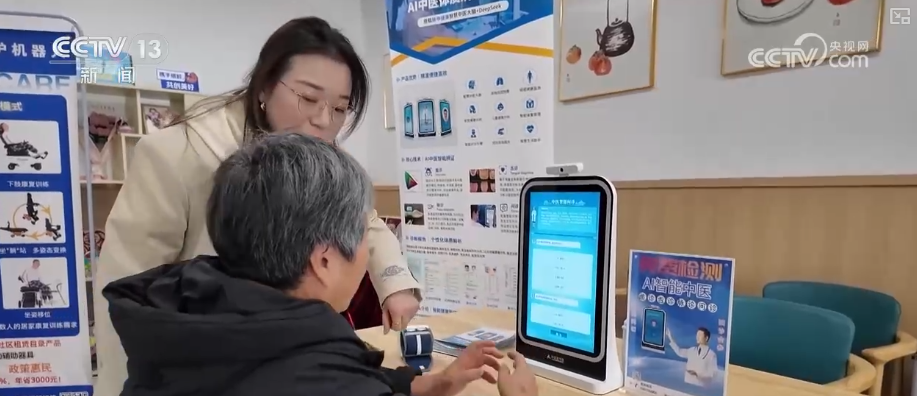
Core Insights - The emergence of "Silver Economy Streets" reflects the growing demand and innovative market supply for elderly services in response to demographic changes [1][2][3] Group 1: Market Trends - The elderly population is shifting from a "frugal" consumer mindset to a demand for high-quality, personalized services such as health management, education, and leisure activities [2] - The "Silver Economy" is becoming a significant consumer force, necessitating a comprehensive approach to meet their diverse needs [2] Group 2: Supply Challenges - The elderly market faces challenges such as fragmented supply, lack of diverse offerings, and absence of standards, leading to insufficient services like community dining and wellness facilities [3] - "Silver Economy Streets" aim to address these supply-demand mismatches by consolidating elderly products and services, enhancing consumer experience and lowering barriers to access [3] Group 3: Consumer Behavior - The development of "Silver Economy Streets" respects the consumption habits of the elderly, who prefer tactile and visual engagement with products [4] - The initiative reflects societal progress in addressing the needs of the elderly, aiming to create vibrant social spaces and improve their quality of life [4]