
冰雪旅游

Search documents
冰雪经济成“双循环”新引擎:携程入境冰雪游订单翻倍增长 东南亚游客占七成
Yang Zi Wan Bao Wang· 2025-12-04 12:59
Core Insights - The ice and snow tourism sector in China is transforming from a seasonal niche to a year-round economic driver, supported by policy guidance and market innovation [1] - The industry is entering a new phase characterized by structural optimization, model innovation, and internal-external circulation [1] Market Expansion - The market scale of ice and snow tourism is experiencing a qualitative leap, with the number of ski resorts reaching 748 and winter ski visits exceeding 26.05 million, a year-on-year increase of 12.9% [2] - Booking data from Ctrip shows a 70% year-on-year increase in domestic ski and ice attraction ticket reservations, with overseas bookings rising by 50% [2] - Ski resort ticket bookings have surged nearly 2.2 times since November, indicating a growing demand for comprehensive experiences [2] Changing Consumer Behavior - There is a shift from one-day visits to longer stays, with hotel bookings for two nights increasing by 5% and three to four nights by 3% in key ice and snow regions [3] - Tourists are seeking integrated vacation experiences that combine leisure, entertainment, and wellness, leading to the introduction of new offerings such as children's camps and themed activities [3] - The demand for diverse skiing experiences has led to the launch of specialized products, including private lessons from retired national team athletes and cultural experiences [3] Emerging Trends - The learning barrier for skiing is being lowered through cost-effective strategies, with bookings for mid-sized ski resorts increasing by 2.6 times [4] - Smaller cities like Heihe and Yichun are leveraging unique geographical advantages to develop international winter tourism destinations [4] - The integration of ice and snow tourism with local culture and wellness services is enhancing customer value and experience [5] Marketing and Technology Integration - Ctrip's marketing initiatives, such as the "day ski, night soak" campaign, are gaining popularity, effectively attracting customers [5][7] - The platform's technological enhancements, including real-time information on snow conditions, are improving decision-making for travelers [7] - Ctrip's promotional activities have significantly increased inbound tourist numbers, showcasing its role as a connector in the industry [7] International and Domestic Circulation - Inbound ice and snow tourism is experiencing explosive growth, with orders nearly doubling year-on-year, particularly from regions like Hebei and Xinjiang [10] - The trend of outbound ice and snow tourism is also emerging, with a notable increase in bookings for Russian ski resorts due to favorable visa policies [10] - The ice and snow tourism wave is becoming a long-term trend driven by substantial market demand, ongoing policy support, and innovation across the industry [10]


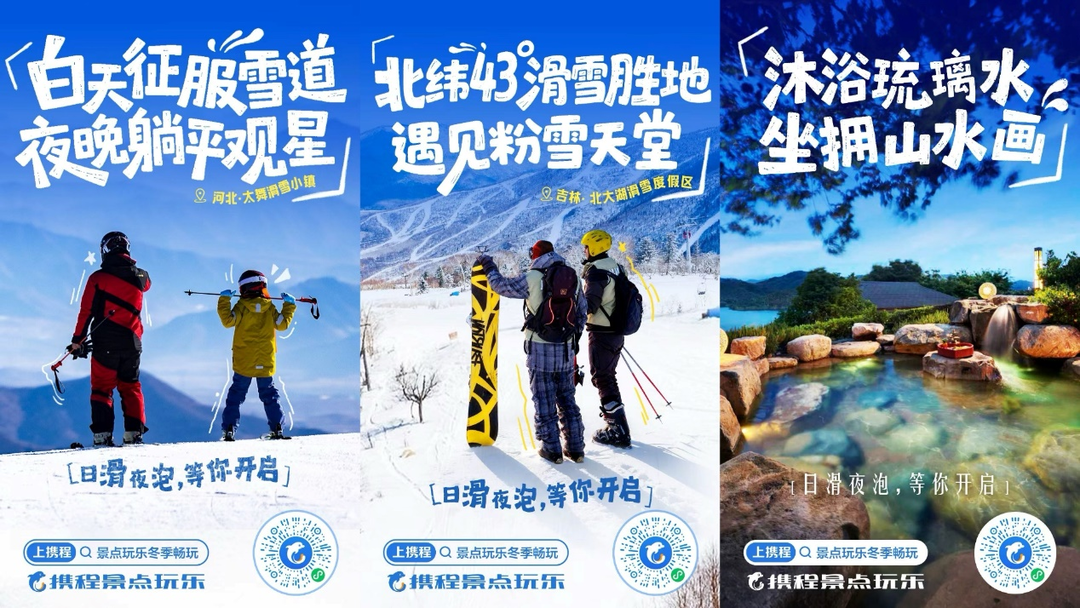
中国经济信心说丨“雪假”激活冰雪热,消费势能如何精准释放?
Yang Shi Xin Wen· 2025-12-04 10:53
Core Insights - The introduction of "snow holidays" in northern regions has led to a significant increase in ice and snow consumption, creating a new wave of tourism driven by policy and demand [1][3] - The ice and snow tourism industry is evolving from traditional models to more integrated experiences, combining education, culture, and sports [3][5] - The rapid growth in ice and snow consumption is prompting a shift from broad development to refined services, enhancing the overall quality of tourism offerings [5][6] Group 1: Policy and Demand - Northern regions have announced "snow holidays," allowing students to enjoy up to 9 days off, which has stimulated ice and snow tourism [1] - Local governments are implementing measures such as issuing ice and snow consumption vouchers and special subsidies to attract visitors [1] Group 2: Tourism Infrastructure and Services - The influx of tourists is testing the capacity of local cultural and tourism industries, necessitating improvements in transportation, safety, and service [3] - New services are being introduced, such as dedicated transportation for ice and snow tourism and one-stop service stations for families [3][5] Group 3: Industry Growth and Economic Impact - The ice and snow tourism sector is projected to reach a scale of 980 billion yuan in 2024, with expectations to exceed 1 trillion yuan by 2025 [6] - The growth in this sector is creating job opportunities, with over 30,000 jobs generated in Hebei's snowfields alone, and young ski instructors earning competitive salaries [5][6] - The economic benefits extend to surrounding areas, with a reported 27.97% increase in consumption within a two-kilometer radius of ski resorts [5]
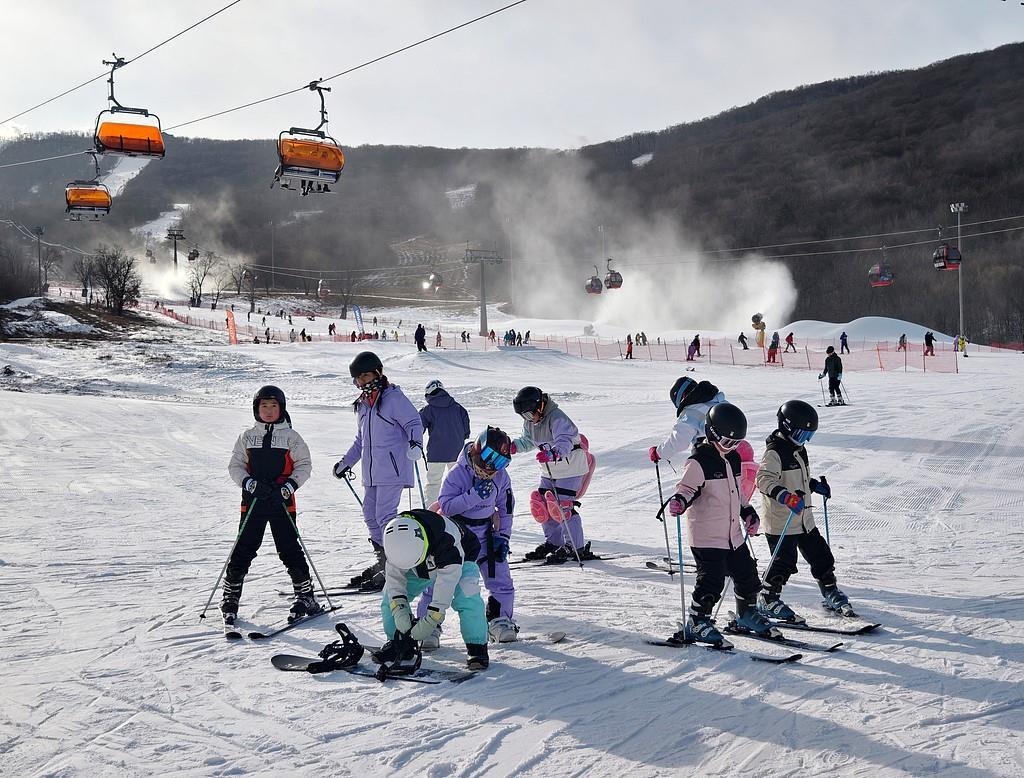
雪假激发延边景区预订热度增长超240%
Di Yi Cai Jing· 2025-12-04 10:50
Core Insights - The ice and snow tourism sector in China is experiencing unprecedented growth, transforming from a seasonal "cold resource" to a "hot economy" that links domestic and international markets [2] - Driven by policy guidance and market innovation, ice and snow tourism is breaking seasonal barriers and becoming a key force in promoting consumption upgrades and industrial integration [2] Group 1: Market Trends - The introduction of the "snow holiday" in Jilin Province has significantly boosted local tourism, with a reported increase in bookings for local day trips and hotel stays during this period [3] - The overall market size for ice and snow tourism is expanding, with the number of ski resorts reaching 748 and winter ski visits exceeding 26.05 million, marking a 12.9% year-on-year increase [5] - Popular destinations for ice and snow tourism include Harbin, Beijing, and other northern cities, with a notable increase in bookings from southern users, who make up nearly 70% of the market [6] Group 2: Consumer Behavior - There is a shift in consumer preferences, with longer stays becoming more common; the proportion of two-night hotel stays has increased by 5% and three to four-night stays by 3% in key ice and snow regions [7] - Tourists are seeking more comprehensive experiences beyond skiing, with a trend towards integrated leisure, entertainment, and family-oriented activities [7] Group 3: Industry Innovation - The ice and snow industry is evolving towards more inclusive and innovative models, with a significant increase in bookings for mid-sized ski resorts, which have seen a 2.6-fold increase since November [8] - Smaller cities are leveraging partnerships with travel platforms to develop unique winter tourism destinations, showcasing the potential for differentiated market growth [8] Group 4: International Dynamics - The inbound ice and snow tourism market is experiencing explosive growth, with orders for inbound travel nearly doubling, particularly from Southeast Asian markets [8][9] - Outbound ice and snow tourism is also on the rise, with a notable increase in bookings for Russian ski resorts, driven by visa-free policies and rich ice and snow resources [9]

雪假激发延边景区预订热度增长超240%
第一财经· 2025-12-04 10:25
Core Viewpoint - The article highlights the rapid growth of the ice and snow tourism industry in China, transforming from a seasonal niche to a significant economic driver, supported by policy initiatives and market innovations [3]. Group 1: Market Trends - The introduction of the "snow holiday" in Jilin Province from December 3 to 7, 2025, aims to promote ice and snow sports among students and boost local tourism [5]. - Booking data from Tongcheng Travel indicates a significant increase in local tourism during the "snow holiday," with a week-on-week rise of over 650% in bookings for one to three-day tours [6]. - The number of ski resorts in China has reached 748, with winter ski visits surpassing 26.05 million, marking a year-on-year growth of 12.9% [6]. Group 2: Consumer Behavior - Popular destinations for ice and snow tourism include Harbin, Beijing, and Changchun, with southern users making up nearly 70% of bookings, indicating a strong interest in "northward snow chasing" [9]. - The trend shows a shift from one-day trips to longer stays, with hotel bookings for two-night stays increasing by 5% and three to four-night stays by 3% [10]. - The demand for diverse experiences beyond skiing is growing, with tourists seeking comprehensive vacation experiences that include leisure and entertainment [10]. Group 3: Industry Development - The ice and snow industry is evolving towards more inclusive and innovative models, with a notable increase in bookings for mid-sized ski resorts, which have seen a year-on-year rise of 260% [11]. - Smaller cities like Heihe and Yichun are leveraging partnerships with travel platforms to develop unique winter tourism destinations, showcasing a trend towards differentiated and specialized offerings [11]. - The inbound ice and snow tourism market is experiencing explosive growth, with orders nearly doubling year-on-year, particularly from Southeast Asian markets [11][12].
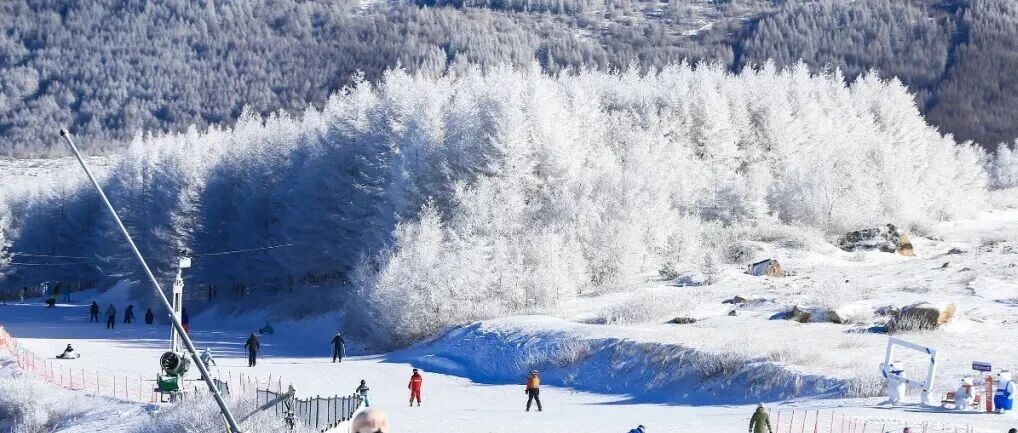
冬日经济|冰雪游成“双循环”新引擎:入境订单翻倍增长、小雪场订单增2.6倍
Di Yi Cai Jing· 2025-12-04 09:27
Core Insights - The "ice and snow economy" is transforming China's tourism narrative, becoming a significant driver of consumption upgrades and industry integration [1] - The ice and snow tourism sector is transitioning from initial scale expansion to a new cycle characterized by structural optimization and innovative models [1] Group 1: Policy and Market Trends - Jilin Province has established an "ice and snow holiday" from December 3 to 7, 2025, to promote ice sports and boost the local market [3] - During the "ice holiday," local travel bookings in Jilin surged, with a week-on-week increase of over 6.5 times for local day tours [3] - Hotel bookings in Changchun increased by nearly 20% year-on-year, while major scenic spots in Yanbian saw a more than 240% increase in bookings [3] Group 2: Market Growth and Consumer Behavior - The number of ski resorts in China has reached 748, with winter ski visits exceeding 26.05 million, a year-on-year increase of 12.9% [4] - Domestic ski and ice attraction ticket bookings have surged by approximately 70% year-on-year, with overseas bookings increasing by 50% [4] - The trend of longer stays is emerging, with hotel bookings for two nights increasing by 5% and three to four nights by 3% in key ice regions [6] Group 3: Evolving Consumer Preferences - The demand for diverse experiences beyond skiing is growing, with tourists seeking comprehensive vacation experiences that include leisure and entertainment [6] - The market is seeing a shift towards more affordable and accessible skiing options, with bookings for mid-sized ski resorts increasing by 2.6 times [7] - Southern users represent nearly 70% of ice tourism bookings, indicating a strong interest in traveling north for snow experiences [5] Group 4: International and Domestic Circulation - The inbound ice tourism market is experiencing explosive growth, with orders nearly doubling year-on-year, particularly from regions like Hebei and Xinjiang [7] - Outbound ice tourism is also gaining traction, with bookings for Russian hotels increasing by over 20% year-on-year, driven by visa-free policies [8]
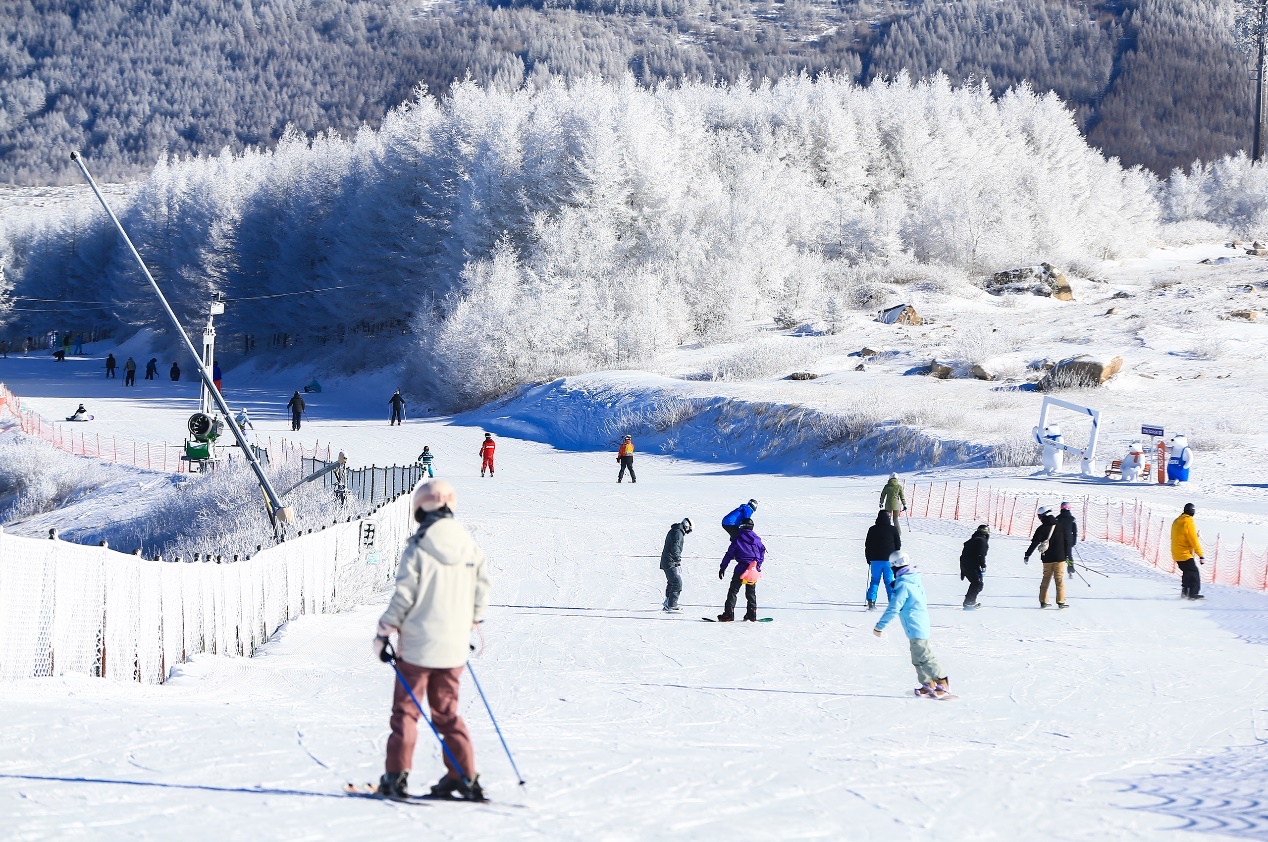
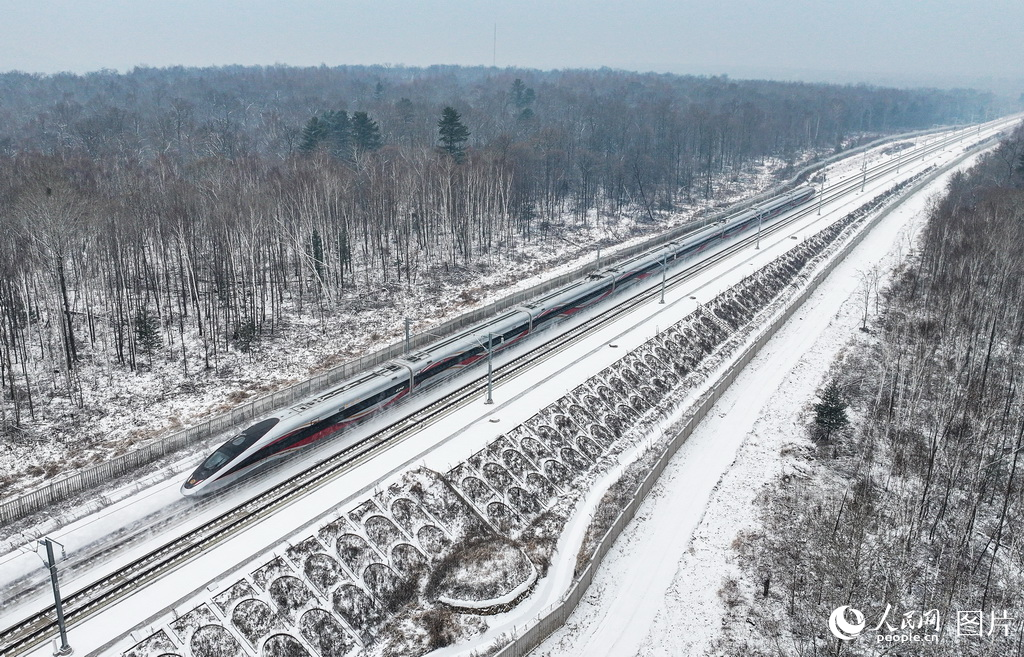
沈白高铁开通助推长白山冰雪旅游
Ren Min Wang· 2025-12-04 09:21
Group 1 - The article highlights the operation of the Fuxing intelligent high-speed trains on the Shenyang-Baihe Railway, showcasing advancements in China's rail transport technology [1][6] - The Harmony high-speed trains are also mentioned as part of the railway services, indicating a diverse fleet operating in the region [3] - The presence of passengers waiting at Changbai Mountain Station emphasizes the growing demand for rail travel in scenic areas [5] Group 2 - The article features the Changbai Mountain Huamei Resort Ski Area, indicating the integration of tourism and transportation in the region [7] - Scenic views of Changbai Mountain after snowfall are presented, highlighting the natural beauty that attracts visitors and supports the local tourism industry [9]

地方“雪假”试点再添新例,“加热”新雪季激活消费新活力
Zheng Quan Shi Bao Wang· 2025-12-04 03:14
Core Viewpoint - The introduction of the "snow holiday" in Jilin Province aims to enhance ice and snow sports participation among students, stimulate local consumption, and promote the development of the ice and snow economy [1][2][3]. Group 1: Policy Implementation - Jilin Province has set the "snow holiday" from December 3 to December 7, 2025, allowing all students in compulsory education to enjoy this break without affecting winter and summer vacations [1][2]. - The "snow holiday" initiative follows similar trials in Xinjiang, where Urumqi and Altay regions have already implemented their own versions of the holiday [5][6]. Group 2: Economic Impact - The "snow holiday" is expected to activate local ice and snow consumption potential, benefiting related industries such as accommodation, dining, transportation, and equipment sales [4][7]. - The initiative is part of a broader strategy to transform "cold resources" into a "hot economy," emphasizing the importance of ice and snow culture and sports [4][8]. Group 3: Safety and Infrastructure - Safety measures have been established at ski resorts, including protective nets and mandatory accident insurance for students, ensuring a secure environment for ice and snow activities [4]. - Ski resorts have optimized their facilities to cater to various skill levels, enhancing the overall experience for students [4]. Group 4: Cultural and Educational Integration - The "snow holiday" is seen as a crucial opportunity to cultivate a love for ice and snow sports among children, aiming to shift from individual participation to organized group activities [8]. - Experts suggest integrating ice and snow sports into regular education, proposing that these activities become part of the curriculum to foster a deeper cultural appreciation and participation [8].
交通“引流”+特色假期点燃冰雪经济引擎 “冷”资源激活消费“热”活力
Yang Shi Wang· 2025-12-04 02:50
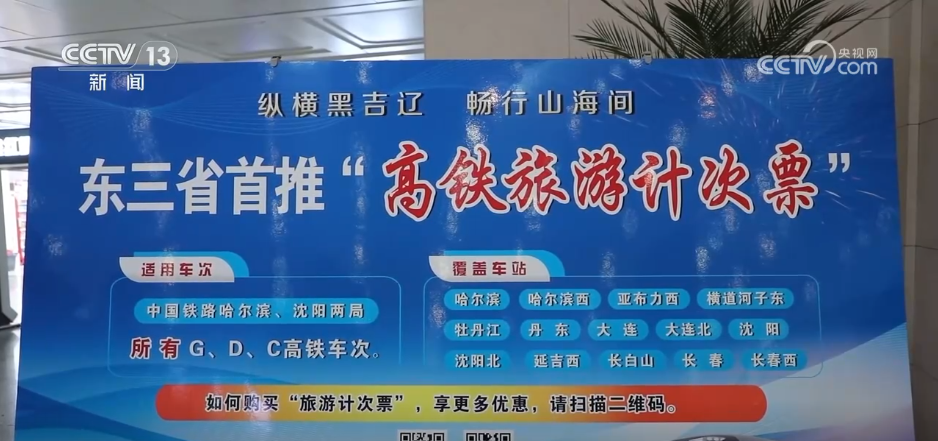
Group 1 - The core idea of the news is the introduction of a new tourism ticket by China Railway Harbin Bureau and Shenyang Bureau, aimed at enhancing winter tourism in Northeast China through a "high-speed rail + tourism" model [1] - The newly launched 15-day valid cross-province tourism ticket covers 14 stations including Dandong, Shenyang, Changbai Mountain, and Harbin West, connecting cities like Harbin, Mudanjiang, and Changchun for a flexible travel experience [1] - The ticket allows travelers to purchase once and travel in segments over 15 days, promoting a "quick entry, slow travel" approach to popular ice and snow destinations in Heilongjiang, Jilin, and Liaoning provinces [1][5] Group 2 - Travelers can book their tickets through the 12306 website, app, or automatic ticket machines, with the option to add 2 to 10 segments to their itinerary [3] - The ticket must be activated within 30 days of purchase, and if not used, it will be fully refunded; it remains valid for 15 days after the first trip, with features like free cancellation for itinerary changes [5] - The introduction of this ticket is expected to convert transportation "flow" into consumer "retention," thereby empowering the ongoing ice and snow economy in Northeast China [5] Group 3 - In Jilin Province, students in compulsory education are granted a special ice and snow holiday from December 3 to 7, allowing them to enjoy free ice and snow activities [8] - During this holiday, students can access free entry to designated venues for three hours of ice and snow activities daily, along with free admission to A-level scenic spots [8] - Similar initiatives are observed in Xinjiang, where students in Urumqi and Altay can enjoy a snow holiday from December 1 to 5, potentially extending to a nine-day break [10]
冰雪运动咋就“热”了起来
Xin Hua Wang· 2025-12-03 23:48
Core Insights - The article highlights the rapid growth and popularity of ice and snow sports in China, transitioning from niche activities to mainstream participation [2][4][5] - Economic development, particularly the increase in GDP, has played a crucial role in making ice and snow sports more accessible to the general public [5][9] - The successful hosting of the Beijing Winter Olympics has significantly boosted the ice and snow sports industry, leading to increased participation and investment [6][7] Economic Impact - The ice and snow industry in China has seen substantial growth, with the total scale increasing from 270 billion yuan in 2015 to an expected 980 billion yuan by 2024, and projected to surpass 1 trillion yuan in 2025 [9] - The development of ice and snow sports has stimulated related sectors, including tourism, equipment manufacturing, and cultural activities, creating a comprehensive industry ecosystem [8][9] - The rise in participation has led to increased consumer spending, with venues like the Yao Xue Ice and Snow World in Shanghai generating 200 million yuan in economic benefits within a year [8] Participation Trends - Ice and snow sports have become increasingly popular among various demographics, including families and young adults, with many seeking to learn and engage in these activities [3][4] - The accessibility of ice and snow sports has improved, with indoor facilities emerging in southern regions, making these activities available year-round [4][8] - Events and competitions, such as the Jiangsu Province Alpine Skiing Open, are being organized in non-traditional regions, further promoting participation [4]
翻倍增长 “雪假”催热国内亲子冰雪游
Bei Jing Shang Bao· 2025-12-03 23:28
Core Insights - The domestic ice and snow tourism market is experiencing rapid growth, driven by the "snow holiday" policy, leading to a significant increase in youth and family visitors [1][2][3] Group 1: Youth Visitor Growth - The introduction of "snow holidays" in regions like Xinjiang and Jilin has resulted in a doubling of youth visitors to ski resorts, with over 10,000 young skiers recorded this season, marking a significant increase compared to the previous season [2][3] - Skiing winter camps are seeing a notable rise in youth participation, with registration numbers doubling compared to previous years, prompting longer and more diverse camp offerings [3] - The increase in youth visitors is also boosting family tourism, as evidenced by a 131% rise in searches for family ski packages since mid-November [3] Group 2: Accommodation Demand - The demand for hotels and homestays near ski resorts has surged, with a reported 87% increase in searches for nearby ski accommodations [4] - Popular ski resorts like Chongli Wanlong and Fulong have seen order volumes increase by 257% and 210% respectively compared to last year, while Beijing's military ski resort has experienced a staggering 489% increase in bookings [4][5] - The average occupancy rate for hotels at Fulong ski resort is around 60% on weekdays, with weekends often fully booked, indicating strong demand [5] Group 3: Diverse Ice and Snow Experiences - Beyond skiing, tourists are increasingly interested in diverse activities such as snow hiking and photography, with ticket bookings for scenic spots like Xiling Snow Mountain and Karola Glacier seeing significant growth [6][7] - The trend towards multi-faceted ice and snow tourism is evident, with offerings expanding to include events like snow drifting and photography, catering to a broader audience [7] - The market is evolving to meet the demand for personalized and high-quality experiences, with a focus on small group custom services becoming more popular [7]
