
酒类

Search documents
“日本茅台”的崛起之路,对中国白酒有何启示?
Hu Xiu· 2025-08-14 07:09
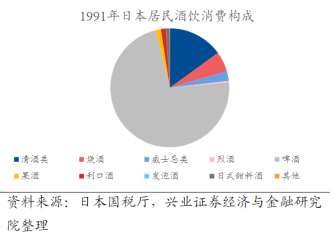
Core Viewpoint - The Chinese liquor industry is facing a significant crisis, with inventory levels exceeding 1 trillion yuan and challenges such as aging consumer demographics, market competition from wines and beers, and shrinking consumption scenarios [1][4][16]. Group 1: Industry Challenges - In 2024, the inventory value of 19 listed Chinese liquor companies is approximately 760.947 billion yuan, with unlisted companies and distributors potentially exceeding 300 billion yuan [1]. - The aging population in China is projected to reach 22% by 2024, indicating a rapid increase in the elderly demographic, which directly impacts liquor consumption frequency and sales [6][7]. - Similar to Japan's experience in the 1970s, the younger generation in China, particularly the Z generation, is increasingly rejecting traditional liquor, with 64% viewing it as a drink for older generations [4][6]. Group 2: Historical Context - Japan's sake industry faced a similar decline starting in the 1970s, with a significant drop in consumption among younger demographics, leading to a 70% decrease in sake consumption from 1970 to 1990 [2][4]. - The production of Japanese sake has been in continuous decline since reaching a peak of 1.4 billion liters in 1973, dropping to only 400 million liters by 2020 [9]. Group 3: Consumption Patterns - Both Japanese sake and Chinese liquor have consumption patterns heavily reliant on gifting and banquet scenarios, which are now diminishing due to changing social norms and regulations [13][16]. - The Japanese sake market saw a drastic reduction in consumption scenarios as economic conditions worsened, leading to a rapid decline in sales [13]. Group 4: Successful Strategies from Japan - Despite the overall decline in the sake market, high-end sake brands like Dassai have seen significant growth, capturing 32% of the market by focusing on premium products [18][35]. - The success of Dassai can be attributed to strategic positioning, including leveraging national cultural pride and creating a high-end image through branding and marketing [87][88]. - The approach of Dassai in establishing itself as a symbol of Japanese culture offers valuable insights for Chinese liquor brands seeking to revitalize their market presence [89][90].

第113届全国糖酒会将于10月在南京举办
Zhong Guo Jing Ji Wang· 2025-08-14 07:06
Core Points - The 113th National Sugar and Wine Fair will be held from October 16 to 18, 2025, in Nanjing, with a series of promotional activities starting from late September [1] - The event aims to integrate city and exhibition activities, enhancing both industry engagement and local economic development [1][7] Group 1: Event Innovations - The fair will implement a "net invitation" strategy, inviting 400,000 professional attendees from 219 key food wholesale markets and over 220,000 core buyers [1][2] - A new online pre-matching model will be introduced, allowing exhibitors to upload product information in advance for better on-site communication [2] - The event will feature a "Fall Sugar Season," linking three major consumption peaks: Mid-Autumn Festival, National Day, and the fair itself, over a 30-day period [3][4] Group 2: Regional and International Engagement - The fair will leverage Nanjing's geographical advantages as a key city in the Yangtze River Delta and a hub for the Belt and Road Initiative, facilitating international trade connections [6][7] - Over ten import-export matchmaking sessions will be organized to explore new pathways for domestic products to enter international markets [6][8] Group 3: Participation and Exhibitor Details - The fair will utilize all three phases of the National Exhibition and Convention Center, covering 200,000 square meters with 4,000 participating companies [9] - Notable exhibitors include major liquor brands like Moutai and Yanghe, as well as food companies such as Three Squirrels and Wanglaoji [10] - The event will also host over 30 industry seminars and competitions, enhancing networking and knowledge sharing among participants [11]
黄酒:龙头引领破局,黄酒复兴可期
Tianfeng Securities· 2025-08-14 05:13
Investment Rating - Industry Rating: Outperform the market (first rating) [5] Core Viewpoints - The yellow wine industry, as one of the three ancient wines in the world, is expected to revive due to the leadership of major brands and the transformation towards "high-end, national, and youth-oriented" strategies [1][3][19] - Historical constraints such as low pricing, regional limitations, weak social scenarios, and a lack of younger consumer engagement have hindered the development of yellow wine [2][10] - Recent breakthroughs include supportive policies, a shift towards high-end branding, national expansion, and targeting younger demographics, which are expected to drive the industry's revival [3][19] Summary by Sections Historical Constraints - Pricing limitations have led to a low-end product structure, with 60% of national sales coming from products priced below 40 yuan [11] - The primary market for yellow wine remains concentrated in the Yangtze River Delta, accounting for 79% of the overall market size [14] - Consumption scenarios are predominantly home-based, with social attributes being weak, as only 21% of consumption occurs in social settings [16] - The core consumer group is primarily males aged 40 and above, with younger consumers showing limited engagement [17] Breakthrough Changes - Policy support has emerged, with local governments establishing dedicated teams to promote the yellow wine industry [20] - Major brands are focusing on high-end product development, with successful launches like Gu Yue Long Shan's "Guo Niang 1959" and Kuaijishan's "Lanting" [21] - National expansion efforts have shown results, with Gu Yue Long Shan's sales outside Jiangsu, Zhejiang, and Shanghai increasing from 27% to 43% from 2018 to 2024 [22] - Innovations targeting younger consumers include new flavor profiles and lower alcohol content products, such as sparkling yellow wine and herbal-infused options [26] Investment Recommendations - The report suggests focusing on two leading brands, Kuaijishan and Gu Yue Long Shan, which have made significant progress in high-end, national, and youth-oriented strategies [28]


南都电商观察|抖音封禁“杀猪盘”账号;黄子韬减持公司股权
Nan Fang Du Shi Bao· 2025-08-14 02:40
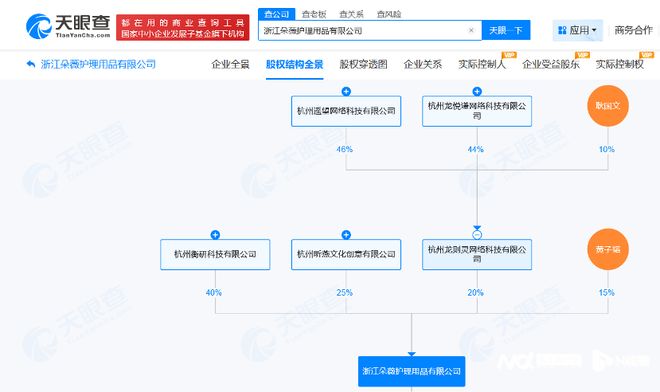
Group 1 - Huang Zitao significantly reduced his stake in Hangzhou Longyueqian Network Technology Co., Ltd., changing his ownership from 99% to 49%, while his mother, Wang Xiaojun, increased her stake from 1% to 51% [1][3] - Hangzhou Longyueqian is a key part of Huang Zitao's business portfolio, indirectly holding a 20% stake in Zhejiang Duowei Care Products Co., Ltd., which is associated with Huang Zitao's sanitary napkin brand [3] - Reports suggest that the share transfer was made to a professional manager, but Duowei's shareholder, Yaowang Technology, clarified that the shares were transferred to Huang Zitao's mother [3] Group 2 - Douyin's anti-fraud center announced the banning of 15,000 accounts related to "pig-killing plate" scams since August 2025, warning users about the risks associated with these scams [5] - The fraudulent accounts impersonated aviation professionals, using fake content to attract attention and create a false sense of trust [5] - Douyin emphasized the importance of being cautious with online interactions, especially with strangers claiming to offer investment opportunities [5] Group 3 - Kweichow Moutai's sauce-flavored liquor marketing company announced a deep cooperation with Meituan Flash Purchase, launching over a thousand official certified stores for instant retail [7] - This partnership aims to enhance the consumer experience by ensuring genuine products are delivered within 30 minutes [7] - The initiative is part of Moutai's strategy to transform its distribution channels and expand its instant retail network [7] Group 4 - Douyin responded to complaints regarding negative discussions about "Ideal car owners," stating that it has taken action against misleading and abusive content [8] - The platform is actively managing content that violates community rules, including malicious marketing and personal attacks [8] - Douyin encourages users to communicate rationally and avoid posting false or aggressive statements [8] Group 5 - Taobao launched a "zero-threshold" shipping campaign in Hong Kong, allowing consumers to enjoy free shipping on single items without needing to meet a minimum order requirement [9][11] - This initiative aims to reduce shopping costs for Hong Kong consumers and enhance their shopping experience [11] - Taobao also introduced convenient return services for Hong Kong consumers, with a limit of five local returns per user each month [11] Group 6 - The live streaming sales ranking on Douyin shows new faces, with Hailey topping the list with sales between 50 million to 75 million, followed by "Yuhui Tongxing" and "Zhu Zixiao" with sales between 25 million to 50 million [12][13] - The data reflects the competitive landscape of live commerce, highlighting the performance of various influencers [12][13]
珍酒李渡再涨超5% 上半年业绩承压 战略新品大珍预计下半年贡献收入
Zhi Tong Cai Jing· 2025-08-14 02:07
Core Viewpoint - Zhenjiu Lidu (06979) has seen its stock price increase by over 5%, currently trading at 8.35 HKD with a transaction volume of 62.129 million HKD, despite a disappointing earnings forecast for the first half of the year [1] Group 1: Earnings Forecast - The company expects revenue for the first half of the year to be between 2.4 billion to 2.55 billion CNY, representing a year-on-year decline of 38.3% to 41.9% [1] - The net profit attributable to shareholders is projected to decline by 23% to 24% year-on-year, with adjusted net profit expected to decrease by 39% to 40% [1] - CICC notes that the earnings forecast is slightly below expectations, primarily due to further sales pressure on the company's products in the second quarter [1] Group 2: Strategic Developments - CITIC Securities highlights the launch of a new strategic product, "Dazhen," in June, which targets a vacant price segment and has received positive market feedback, expected to contribute revenue in the second half of the year [1] - The company is set to introduce a high-end beer brand named "Niushi," aiming to expand its product range [1] - Founder and Chairman Wu Xiangdong stated that most of this year's budget expenditures will be focused on "Dazhen," and with concentrated top-level resources, the channel push for "Dazhen" is expected to continue in the second half of the year [1]
港股异动 | 珍酒李渡(06979)再涨超5% 上半年业绩承压 战略新品大珍预计下半年贡献收入
智通财经网· 2025-08-14 02:01
Core Viewpoint - The company, Zhenjiu Lidu, has experienced a significant decline in revenue and profit forecasts for the first half of the year, leading to a mixed market reaction with a recent stock price increase despite the negative outlook [1]. Financial Performance - Zhenjiu Lidu expects revenue for the first half of the year to be between 2.4 billion to 2.55 billion yuan, representing a year-on-year decline of 38.3% to 41.9% [1]. - The company's net profit attributable to shareholders is projected to decrease by 23% to 24% year-on-year, with adjusted net profit expected to decline by 39% to 40% [1]. Market Strategy - The company launched a strategic new product, "Dazhen," in June, targeting a vacant price segment and receiving positive market feedback, which is expected to contribute to revenue in the second half of the year [1]. - Zhenjiu Lidu is set to introduce a high-end beer brand named "Niushi," aiming to expand its product categories [1]. - The chairman, Wu Xiangdong, indicated that a significant portion of this year's budget will be allocated to "Dazhen," suggesting a focused resource strategy that may sustain channel momentum in the second half of the year [1].
万字讲透“日本茅台”獭祭的崛起之路:中国白酒破局启示样本
Sou Hu Cai Jing· 2025-08-13 12:26
Core Insights - The Chinese liquor industry, particularly Baijiu, is facing a significant crisis with inventory levels exceeding 1 trillion yuan and challenges such as aging consumer demographics and competition from other alcoholic beverages [1][2][4] - The situation mirrors Japan's sake industry in the 1970s to 1990s, where young consumers began to abandon traditional sake for Western alcoholic beverages [2][3] - Both industries are experiencing a decline in production capacity and market share, with Chinese Baijiu production dropping nearly 70% since its peak in 2016 [5][6][8] Group 1: Consumer Demographics - The aging population in Japan has led to a decline in sake consumption, with those aged 65 and older expected to reach 29.3% of the population by 2024 [3][4] - Similarly, China's aging population is projected to reach 22% by 2024, resulting in decreased drinking frequency among traditional Baijiu consumers [3][4] Group 2: Market Trends - Japan's sake production has been in decline since 1973, with a drop from 14 billion liters to just 4 billion liters by 2020 [5] - China's Baijiu production has also been on a downward trend, with a forecast of only 4.145 million kiloliters in 2024, marking the eighth consecutive year of decline [6] Group 3: Consumption Patterns - Both Japanese sake and Chinese Baijiu are primarily consumed in social settings such as banquets and gift-giving, which are shrinking due to changing social norms and regulations [8][9] - The introduction of alcohol bans in China is further exacerbating the decline in traditional consumption scenarios for Baijiu [8] Group 4: Strategic Responses - Japanese sake brands have found success in niche markets, particularly high-end sake like Dassai, which has grown to capture 32% of the sake market despite overall declines [12][23] - The case of Dassai illustrates how focusing on premium products and leveraging cultural identity can drive growth even in declining markets [12][23][80] Group 5: Cultural Positioning - The Japanese government has actively promoted sake as a national beverage, which has helped brands like Dassai establish a strong cultural identity [19][80] - There is a call for Chinese Baijiu brands to similarly leverage cultural heritage to create a distinct identity that resonates with consumers [80]
好一个美丽的秋糖会
Qi Lu Wan Bao· 2025-08-13 02:18
Core Viewpoint - The 113th National Sugar and Wine Fair will be held from October 16 to 18, 2025, in Nanjing, with a series of consumer promotion activities called "Autumn Sugar Season" starting from late September [1][3]. Group 1: Event Overview - The fair aims to explore the integration of the exhibition with the city, online and offline interactions, and B2B and B2C connections, enhancing both industry engagement and regional economic development [4]. - The event will feature over 40,000 professional attendees, with a "net-style" invitation approach targeting 219 key food wholesale markets and over 220,000 core buyers [4][5]. Group 2: Innovations and Activities - The fair will introduce the "Autumn Sugar Season," linking three major consumption peaks: Mid-Autumn Festival, National Day, and the fair itself, creating a month-long promotional period [5][6]. - A variety of themed activities will be organized, including music festivals, dance competitions, and food festivals, aimed at attracting diverse age groups and enhancing consumer engagement [6][9]. Group 3: Regional and International Collaboration - The fair will leverage Nanjing's geographical advantages as a key city in the Yangtze River Delta and a hub for the Belt and Road Initiative, facilitating international trade and cooperation [7][8]. - The event will feature over ten import-export matchmaking sessions, promoting domestic and international trade integration [7][10]. Group 4: Industry Development and Support - Nanjing aims to strengthen its food and beverage industry by attracting new brands and enhancing industrial clusters, focusing on food research, logistics, and processing [10][11]. - The city will implement comprehensive service measures to ensure safety and efficiency during the fair, including public safety and food safety protocols [10][11]. Group 5: Exhibition Details - The exhibition will cover an area of 200,000 square meters with 4,000 participating companies, showcasing various sectors including traditional liquor, international food, and food machinery [11][12]. - Notable exhibitors include major brands like Moutai, Yanghe, and various international participants from countries such as Italy, Russia, and Japan [12].

2025年(第91届)山东省糖酒商品交易会邀请函
Qi Lu Wan Bao· 2025-08-13 02:11
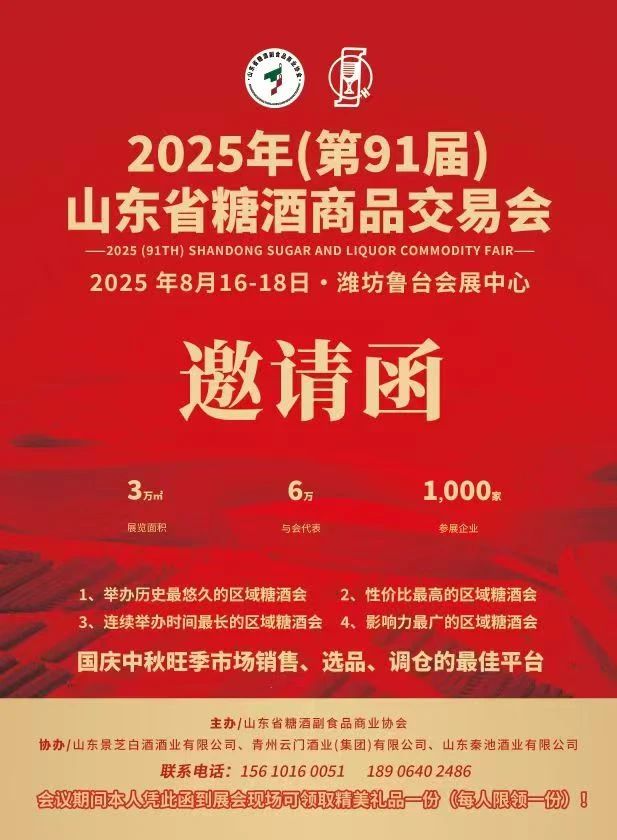
尊敬的社会各界朋友、广大相关工商企业: 2025年(第91届)山东省糖酒商品交易会将于8月16至18日在潍坊鲁台会展中心召开,8月17日上午将举行开幕式,诚挚邀请您届时参观惠顾、光临指导! 山东省糖酒会作为全国历史最悠久、连续举办时间最长的大型区域性专业展会,深耕山东市场数十载。截至目前已经成功举办了90届,为振兴鲁酒,推动 行业发展发挥了重要作用。即将举办的第91届山东糖酒商品交易会由山东省糖酒副食品商业协会主办,山东景芝白酒有限公司、山东云门酒业有限公司和 山东秦池酒业有限公司协办。主会场设在潍坊鲁台会展中心,实际展出面积3万余平米,全部集中在一楼,其中2—4号展厅主要为特装展位,1号展厅主要 是酒水豪华标展区,5号展厅为食品饮料豪华标准展位区。其中景芝、云门、秦池、密州春、兰陵、孔府家、泰山、国井、古贝春、琅琊台、趵突泉、花 冠、百脉泉、景阳冈、沂蒙老区、红太阳、金彩山、洛北春、蒙山酿酒、威海颐阳、天地缘等20多家我省白酒骨干企业,将在会上高调集中亮相,全面展 示鲁酒近年来的发展成就和实力风采。鲁酒骨干企业抱团参展,不但一直是我省糖酒会的传统和特色,更是本届会议最大的亮点之一。 2025年(第91届)山 ...
贵州茅台酒股份有限公司2025年半年度报告摘要
Shang Hai Zheng Quan Bao· 2025-08-12 19:45
Group 1 - The company held its 10th board meeting of the 2025 fiscal year on August 12, 2025, with all 7 directors present, complying with legal and regulatory requirements [3]. - The board approved the 2025 semi-annual report with unanimous support, indicating strong governance and agreement among directors [4]. - The company plans to invest approximately 773.53 million yuan in the renovation of the drainage system for the second phase of the liquor production workshop, covering multiple production areas [6]. Group 2 - The company reported a non-tax revenue of 1,076,043.75 million yuan through its "i Moutai" digital marketing platform during the reporting period [2]. - There was an increase in domestic distributors, all of whom are series liquor distributors, indicating a potential expansion in market reach [2]. - The board confirmed that there were no changes in the controlling shareholder or actual controller during the reporting period [2].
