
核能

Search documents
全球最大“人造太阳”,最后关键一步只能靠中国?
3 6 Ke· 2025-09-08 00:56
Core Viewpoint - The article discusses China's significant role in the ITER project, the world's largest nuclear fusion initiative, highlighting its technological advancements and contributions to the project, which were previously underestimated by other nations [1][22][40]. Group 1: ITER Project Overview - The ITER project aims to create a controlled nuclear fusion reactor, often referred to as the "artificial sun," which is seen as the most efficient energy production method known to humanity [1][3]. - The project began in 1985 and has evolved to include seven member countries, with a total of 35 collaborating nations [5][6]. - The completion of the project is anticipated by 2025, with commercial energy output expected by 2050 [7][8]. Group 2: Challenges Faced - The ITER project has encountered significant technical challenges, including issues with component dimensions and material durability, leading to potential delays beyond the original timeline [16][19]. - Financial difficulties have also arisen, with initial funding estimates of €5 billion now projected to exceed €20 billion, causing further project delays [19][21]. Group 3: China's Involvement - China was initially excluded from the ITER project but joined in 2003 after a funding gap emerged, demonstrating its financial capability and technical expertise [24][25]. - Since joining, China has become a key player, completing critical installation tasks and achieving significant milestones in the project [26][30]. - China's technological advancements in nuclear fusion, particularly with its EAST facility, have positioned it as a leader in the field, surpassing other member nations in key performance metrics [37][40]. Group 4: Future Implications - The success of the ITER project and China's contributions could lead to a breakthrough in sustainable energy production, with implications for global energy security and geopolitical dynamics [42].


投资前瞻:中期趋势并未逆转
Wind万得· 2025-09-07 22:40
Market News - Southbound trading of Hong Kong Stock Connect has been active this year, with average daily trading volume of ETFs reaching a new high since the launch of the mutual market access [2] - The CEO of Hang Seng Index Company stated that the demand from mainland investors for Hong Kong stocks remains strong, leading to the launch of cross-market products [2] - On September 5, former US President Trump criticized the EU's $3.5 billion fine on Google, warning of potential retaliatory measures if similar actions continue against US tech giants [2] Employment and Recruitment - The Ministry of Human Resources and Social Security announced the launch of a nationwide joint recruitment event for college graduates in Urumqi, Xinjiang, attracting over 20,000 participants and offering more than 15,000 job positions [4] Sector Developments - The World Nuclear Association reported a significant increase in global uranium demand due to the expansion of nuclear power, projecting a rise to 86,000 tons by 2030 and 150,000 tons by 2040 [6] - Spot uranium prices have surged from $30 per pound in 2020 to around $80 per pound currently, driven by supply-demand imbalances [6][7] Industrial Policy - The Ministry of Industry and Information Technology outlined key tasks for the "14th Five-Year Plan" period, focusing on maintaining a reasonable proportion of manufacturing, promoting technological innovation, and fostering emerging industries [8] Environmental Initiatives - The Ministry of Ecology and Environment reported that during the "14th Five-Year Plan" period, significant investments have been made in water pollution prevention, with a total of 124.5 billion yuan allocated to support over 6,000 key projects [9] Real Estate Market Insights - Recent reports from listed real estate companies indicate a recovery in market confidence, with most firms believing the market has bottomed out, although the rebound is expected to be weak [10] Company-Specific News - Jilin Electric Power received 1.271 billion yuan in renewable energy subsidies from January to August 2025, a 154.2% increase year-on-year, significantly improving cash flow [12] - Hongchuan Wisdom announced a conditional redemption of its convertible bonds due to stock price performance, allowing bondholders to redeem at 100.312 yuan per bond [13] - Jiangtian Chemical plans to reduce its stake by up to 3% due to funding needs [14] - Runhe Materials and Xiangshan Co. also announced plans to reduce their stakes by up to 3% for similar reasons [15][16] Lock-up Expiration - A total of 40 companies will have lock-up shares released this week, with a total of 4.054 billion shares and a market value of approximately 95.021 billion yuan based on the closing price on September 5 [19][20] New Stock Calendar - Three new stocks are scheduled for subscription this week, including Shichang Co. on September 9 and Haocreat on September 11 [22] Market Outlook - CITIC Securities noted a divergence in ETF fund flows, with a shift towards industry/theme funds and increased interest in Hong Kong stocks [25] - Galaxy Securities expects A-shares to continue a trend of oscillating upward, supported by recent policy expectations and market conditions [26] - Zhongtai Securities indicated that despite short-term adjustments, the mid-term trend remains intact, with potential catalysts from upcoming policy events [27]

Prediction: Oklo Stock Will Be Worth This Much 1 Year From Now
The Motley Fool· 2025-09-07 14:30
Group 1: Company Overview - Oklo's stock has surged by over 1,000% in the past year, indicating significant investor interest and enthusiasm [1][3] - The company currently generates no revenue and is not expected to do so until 2027, yet it has a market valuation of $10.7 billion [7][12] - Oklo is incurring substantial research and development costs, with operating expenses reported at $45.9 million for the first half of the year [9][10] Group 2: Financial Strategy and Capital Raising - In June, Oklo raised approximately $441 million through the offering of 6,666,667 shares, which resulted in dilution for existing shareholders [10][11] - The decision to raise capital at a high valuation reflects the company's financing strategy, potentially leading to further dilution if market conditions remain favorable [11] - Despite having $683 million in cash and marketable securities, the company's actions suggest a need for additional capital to support its product development [9][10] Group 3: Market Valuation and Future Projections - Wall Street estimates project Oklo's 2027 revenue at only $14 million, implying a forward price-to-sales multiple of 764, which is considered excessive [12][14] - Even with optimistic revenue projections of $500 million by 2027, the current valuation would still translate to over 20 times future sales, which is more typical for high-growth software companies [14][15] - A more reasonable valuation for an early-stage green energy business would be around $2.5 billion, suggesting a potential decline of approximately 77% from current levels [15][16]
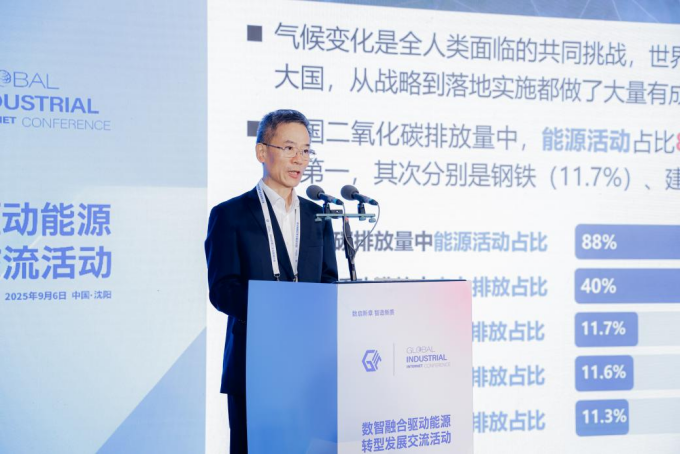
绿色、智能、创新 数智融合驱动能源转型
Zhong Guo Jin Rong Xin Xi Wang· 2025-09-07 13:51
Core Viewpoint - The energy sector is crucial for economic development and national security, with digitalization and intelligence reshaping the global energy landscape [1] Group 1: New Energy Systems - The integration of digital technology with new power systems is essential for creating a secure, green, and economically viable energy framework in China [1] - Energy activities account for 80% of China's carbon emissions, with electricity generation contributing 40% of that [1] Group 2: Nuclear Energy - Nuclear energy is recognized globally as a near-zero carbon clean energy source, supporting high-energy industries in carbon reduction and contributing to the new energy system [3] - The high energy density of nuclear fuel makes it suitable for various applications, including those in challenging environments [3] Group 3: Smart Grid and Digitalization - The State Grid Corporation emphasizes the importance of digitalization in enhancing the energy transition, implementing various applications to support the new power system [4] - Initiatives include the development of a comprehensive digital grid and AI applications to improve service delivery [4] Group 4: Hydrogen Energy - Hydrogen is viewed as the ultimate energy source of the 21st century, with over 60 countries developing hydrogen strategies, and China's hydrogen industry expected to exceed one trillion by 2025 [6] - China Petrochemical Corporation is actively developing hydrogen infrastructure in Liaoning, including the establishment of hydrogen refueling stations [6] Group 5: Oil and Chemical Industry Transition - The oil and chemical industry in China is transitioning from primary chemical production to fine chemical manufacturing, with fossil fuels remaining dominant for the foreseeable future [8] - The industry aims for high-quality development through technological innovation and green low-carbon pathways during the 14th Five-Year Plan [8] Group 6: Future Trends in Energy Transition - The energy transition in China is expected to showcase multi-energy collaboration, diverse application scenarios, and breakthroughs in disruptive technologies [11] - The discussions at the event highlighted the need for a systematic approach to digital and intelligent transformation in the energy sector [13]
美国关税政策大转向:关键商品获豁免,硅产品入列征税清单
Huan Qiu Wang· 2025-09-07 02:14
Group 1 - The U.S. government has made significant adjustments to its import tariff policy, exempting key metals and minerals like gold, tungsten, uranium, and graphite, while adding silicon products to the tax list [1][2] - The exemptions are expected to benefit high-tech industries such as aerospace, consumer electronics, nuclear energy, and medical devices, providing stability to financial markets after previous confusion regarding gold tariffs [2] - The new tariffs on silicon products may pose cost challenges for the semiconductor and solar industries, raising concerns about the underlying intentions of the policy changes [2] Group 2 - The recent tariff adjustments have led to a dramatic increase in the U.S. trade deficit, which surged by 33% in July to reach $78.8 billion, the highest in four months, primarily due to a 5.9% rise in imports [4] - Companies are stockpiling goods in anticipation of higher tariffs, with gold imports hitting a record high of $10.5 billion in July, indicating a "rush to import" trend driven by policy expectations [4] - The manufacturing sector continues to face challenges, with the PMI remaining below 50 for six consecutive months, indicating ongoing contraction, and the automotive industry particularly affected by high tariffs on imported parts [5]
俄罗斯宣称将协助中国核电装机容量超越美国:目标超100吉瓦
Xin Lang Cai Jing· 2025-09-06 07:36
Group 1 - The core viewpoint is that Russia aims to assist China in surpassing the United States in nuclear power capacity, with a target of over 100 GW [1][2] - Currently, the United States has the largest nuclear power network globally, with a total installed capacity of nearly 97 GW [1] - Russia has already helped China build 4 nuclear reactors, with another 4 under construction [2] Group 2 - China has ambitious nuclear energy development plans, which require significant amounts of uranium and nuclear fuel [2] - The cooperation between Russia and China in the nuclear energy sector is expected to expand in both breadth and depth over the coming decades and even centuries [2]
美国关税重大调整! 特朗普宣布豁免黄金、钨以及铀全球关税
智通财经网· 2025-09-06 04:41
Core Points - The article discusses significant tariff adjustments made by President Trump, exempting graphite, tungsten, uranium, gold bars, and other metals from the U.S. government's global tariff policy while including silicone products in the taxable category [1][2] - The adjustments are aimed at facilitating trade agreements with other countries and streamlining the process for implementing tariff changes without requiring new executive orders for each agreement [2][3] - The exemptions for gold, tungsten, and uranium are strategically important for financial stability, manufacturing, defense, and energy security, as they are critical materials that could impact key U.S. industries if subjected to tariffs [4][5] Group 1 - The U.S. Trade Representative (USTR) and the Department of Commerce are now authorized to implement framework trade agreements with countries like the EU, Japan, and South Korea, reducing the need for Trump to issue new executive orders for each tariff change [2][3] - The exemptions include key materials used in aerospace, consumer electronics, and medical devices, which are vital for various technological sectors [3][4] - The decision to exempt these materials aligns with the goal of maintaining the resilience of critical domestic industries and ensuring national security [4][5] Group 2 - Tungsten is crucial for the U.S. military industry, particularly in high-performance weaponry, and is heavily reliant on imports due to its unique physical properties [5] - Uranium is essential for nuclear energy production, which is a focus of Trump's administration, as it aims to revitalize the U.S. nuclear power sector [5] - The adjustments reflect a broader strategy to address trade imbalances and enhance the competitiveness of U.S. industries while ensuring access to critical materials [2][4]
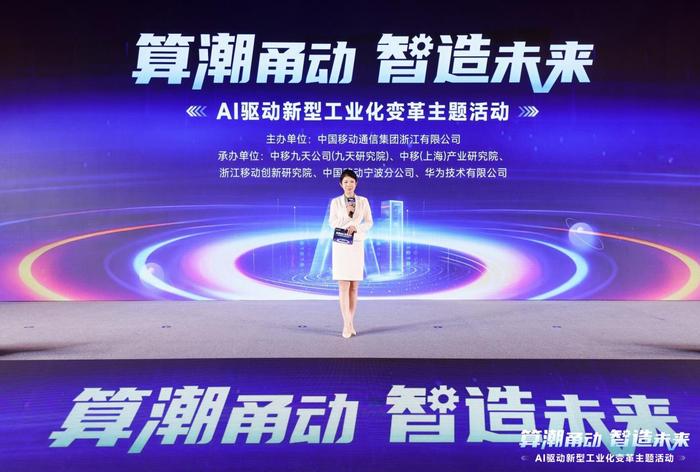
“算潮甬动 智造未来”中国移动AI驱动新型工业化变革主题活动在宁波举行
Xin Lang Cai Jing· 2025-09-05 13:27
Core Insights - The Chinese government emphasizes the strategic importance of artificial intelligence (AI) as a transformative technology for the new industrial revolution and modernization efforts [1][3] - China Mobile is actively promoting AI integration in manufacturing, launching initiatives and guidelines to facilitate the adoption of AI technologies among small and medium-sized enterprises (SMEs) [3][5] Group 1: Government Initiatives - The State Council has issued opinions to deepen the implementation of the "AI+" initiative, aiming to cultivate new productive forces and ensure that all citizens benefit from AI advancements [1] - The event in Ningbo marks a significant step in promoting AI-driven industrial transformation, with the establishment of an AI+ manufacturing ecosystem [3][6] Group 2: AI in Manufacturing - China Mobile, in collaboration with Huawei, released practical guidelines for AI applications in manufacturing, targeting the challenges faced by SMEs [5][6] - The guidelines focus on 63 AI application scenarios across ten key industries in Ningbo, providing a comprehensive operational manual for AI transformation [5] Group 3: Pilot Projects and Collaborations - China Mobile has initiated pilot projects in Ningbo, showcasing successful AI applications that significantly enhance production efficiency, such as an 80% increase in production efficiency at a flexible production line [6][9] - Strategic partnerships have been formed, including a collaboration with China Nuclear Zhejiang Energy to integrate AI with energy technologies [7][9] Group 4: Ecosystem Development - The establishment of the "Factory Operating System Ecosystem" aims to create a comprehensive service model for industrial clients, enhancing production efficiency and reducing transformation risks [11][13] - China Mobile is building an AI+ manufacturing ecosystem with various partners to support algorithm development and industry-specific solutions [13][15] Group 5: Future Directions - The ongoing efforts in Ningbo are expected to serve as a replicable model for AI-driven industrialization across China, promoting a new era of intelligent manufacturing [6][9] - The collaboration among industry players is crucial for accelerating the digital transformation of manufacturing and fostering innovation in AI applications [15]

Here's What Separates Oklo From the Rest of the Nuclear Startups
MarketBeat· 2025-09-05 12:02
Core Viewpoint - The energy sector has faced challenges this year, but nuclear energy has emerged as a strong performer, driven by increasing energy demand from AI data centers and bipartisan support for nuclear power [1] Group 1: Company Performance - Cameco, the largest publicly traded uranium miner, has seen its stock rise nearly 45% this year [1] - NuScale, a producer of small modular reactors (SMRs), has experienced over a 110% increase in stock value [1] - Oklo, a newcomer in the nuclear sector, has had an impressive stock appreciation of 237% since the beginning of the year [2] Group 2: Regulatory and Operational Aspects - Oklo is expected to remain pre-revenue until late 2027 or early 2028 when its commercial Aurora reactor is projected to go online [2][3] - The company faces potential delays due to the combined license application and Nuclear Regulatory Commission review process [3] Group 3: Key Personnel and Institutional Support - Sam Altman, known for his role as CEO of OpenAI, is a significant figure associated with Oklo, having been involved since his time at Y Combinator [4][6] - Oklo has 85.03% institutional ownership, with institutional buyers significantly outnumbering sellers over the past year, resulting in $840.54 million in inflows [8] Group 4: Business Model and Client Agreements - Oklo plans to enter long-term Power Purchase Agreements (PPAs) rather than selling its SMRs directly to clients [9] - The company has secured a PPA with Switch for 12 GW of Aurora energy through 2044, marking one of the largest corporate clean energy deals [10] - Additional agreements include a non-binding agreement with Equinix for 500 MW and a letter of intent from Wyoming Hyperscale for 11 MW [11] Group 5: Strategic Partnerships and Future Prospects - Oklo has launched a partnership with Liberty Energy to accelerate integrated power solutions for high-demand customers [12] - The company has agreements in its pipeline for 14 GW of energy, sufficient to power between 10.5 million and 14 million homes [12]
9.5犀牛财经晚报:多家券商保证金产品短暂下调管理费率 华夏银行被罚8725万元
Xi Niu Cai Jing· 2025-09-05 10:32
Group 1 - Several brokerage firms have recently adjusted management fees for margin products in response to declining yields, with Shenyin Wanguo Asset Management announcing a management fee adjustment to 0.30% for its money market fund starting September 2 [1] - The adjustment of management fees is closely related to the decline in yields, as many asset management contracts stipulate that fees will be adjusted if the calculated yield falls below twice the current deposit rate [1] - Brokerage margin products are favored for their liquidity services, including T+0 real-time redemption and unlimited withdrawals, which enhance their competitive edge in the market [1] Group 2 - The domestic silicon wafer production plan for September has been raised for the first time, with an overall output increase compared to August, as many silicon wafer companies raise their operating rates due to price increases [2] - The global battery cell production is expected to reach approximately 60GW in September, a 2.3% increase from August, with domestic production also showing a similar increase [2] - The semiconductor industry is experiencing a structural recovery, with the analog chip sector seeing a significant rebound in profitability, with a nearly fourfold increase in net profit in the second quarter compared to the previous quarter [2] Group 3 - A new study has identified a weak point in certain blood cancers that can be targeted by drugs, potentially allowing for the selective elimination of cancer cells without harming healthy cells [3] - The research emphasizes the urgent need for new drugs with fewer side effects and stronger targeting capabilities, particularly for conditions like myelodysplastic syndromes [3] Group 4 - Deep Insight Technology announced that its subsidiary has received regulatory approval for a mobile MRI system, making it the first company in China to master and register this core technology [4] - The latest version of the Kimi K2 model has been released, extending the context length to 256K and supporting high output speeds [4] Group 5 - Alibaba and other shareholders have exited Yuanrong Qihang, with the company stating that this is part of its restructuring process [5] - White Elephant's e-commerce subsidiary has been fined for false advertising, highlighting regulatory scrutiny in the sector [5] Group 6 - Zhongshan Securities' Hefei branch has been ordered to rectify its operations due to violations related to investor solicitation activities [6] - Huaxia Bank has been fined 87.25 million yuan for imprudent management of loans and related business [7] Group 7 - Hangzhou Bank's approval for a shareholding change has been revoked due to failure to complete the change within the stipulated time [8] - Yunnan Energy Investment's subsidiary has received a subsidy of 309 million yuan for renewable energy, contributing to its total subsidies of 591 million yuan for the fiscal year [15] Group 8 - The market saw a significant increase in the ChiNext index, with a rise of 6.55%, driven by strong performance in the solid-state battery sector [17] - The overall market showed a positive trend with over 4,800 stocks rising, while only a small number of stocks declined [17]
