稀土

Search documents
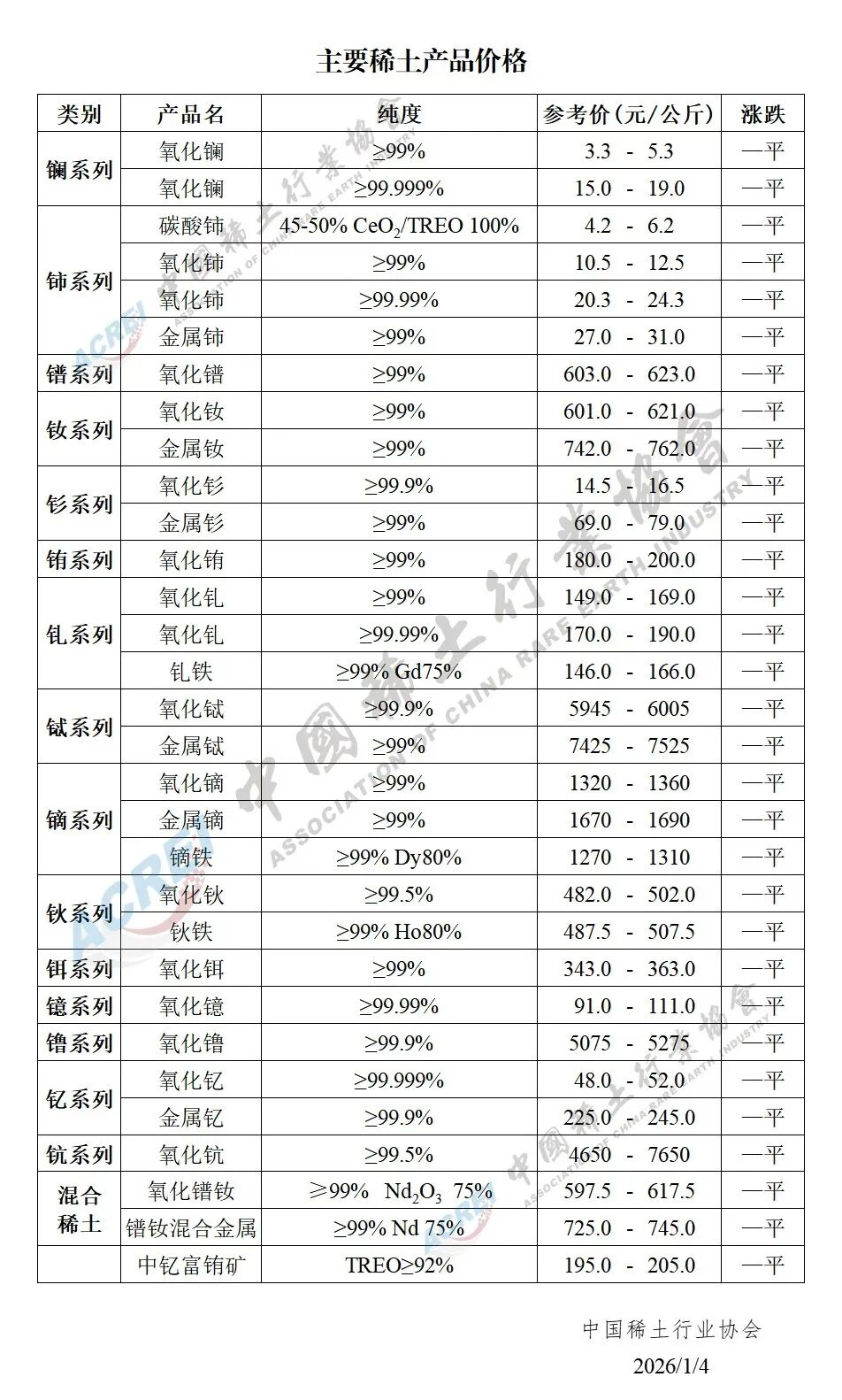
2025年01月04日主要稀土产品价格
Xin Lang Cai Jing· 2026-01-04 11:30
Price Trends - The price of copper oxide (>99%) remains stable at 3.3 - 5.3 yuan/kg, while the price for high-purity copper oxide (>99.999%) is also stable at 15.0 - 19.0 yuan/kg [2][4] - The price of lithium oxide (>99.9%) is reported at 5075 - 5275 yuan/kg, showing a slight increase of 2 yuan [5] - The price of mixed rare earth metals (>99% Nd 75%) is stable at 725.0 - 745.0 yuan/kg [3][5] Product Categories - The steel series includes various copper oxides and copper products, with prices ranging from 3.3 to 31.0 yuan/kg depending on purity [2][4] - The tungsten series features tungsten oxide (>99.9%) priced at 14.5 - 16.5 yuan/kg, while metallic tungsten is priced at 69.0 - 79.0 yuan/kg [2][4] - The lithium series includes lithium oxide (>99%) priced at 343.0 - 363.0 yuan/kg, indicating stable pricing [4][5] Market Observations - The market for rare earth elements shows a mix of stable and slightly fluctuating prices, with some products like mixed rare earth metals maintaining consistent pricing [3][5] - The overall trend in the market indicates a balance between supply and demand, with most products showing little to no significant price changes [2][4]

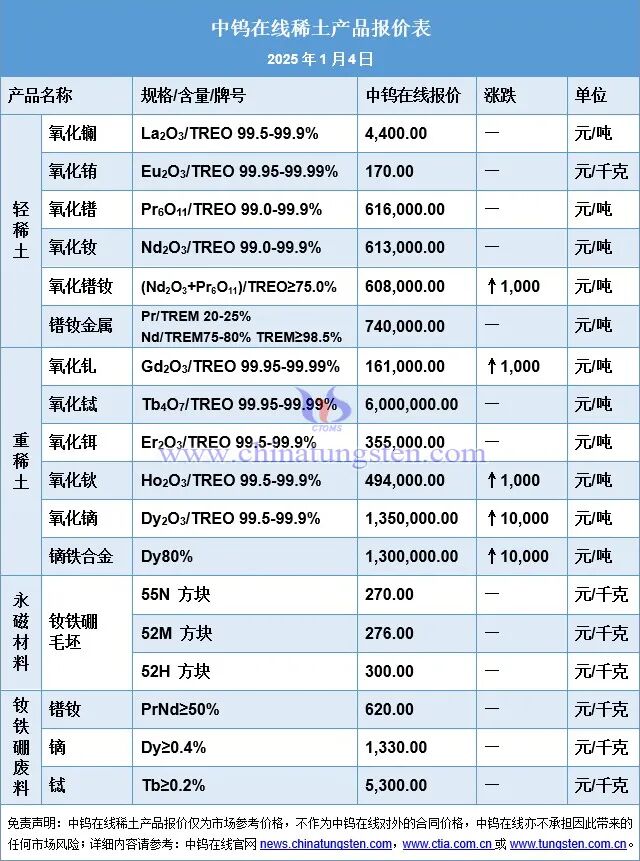
稀土价格|氧化镨钕、氧化钬、镝铁合金价格最新价格
Xin Lang Cai Jing· 2026-01-04 06:36
Group 1: Market Overview - The domestic rare earth market is maintaining a sideways trend at the beginning of 2026, with intense price negotiations between buyers and sellers, resulting in narrow price fluctuations and low actual transaction volumes [5] - Prices for praseodymium-neodymium oxide, holmium oxide, and dysprosium iron alloy have increased by approximately 1,000 yuan/ton, 1,000 yuan/ton, and 10,000 yuan/ton respectively [5] - Factors such as pressure on the liquidity of downstream production enterprises, high raw material inventory, and sufficient supply of raw materials are collectively suppressing market demand [5] Group 2: Research Developments - A research team from Anhui University, in collaboration with Beijing University of Technology and the National Key Laboratory of Rare Earth Permanent Magnet Materials, has made significant theoretical progress in the field of rare earth permanent magnet materials [6] - The research reveals two key microscopic mechanisms affecting the diffusion efficiency of heavy rare earths, providing a new scientific perspective for improving the utilization efficiency of strategic heavy rare earths [6] - The findings have been published in the well-known materials science journal "Advanced Functional Materials" [6]
2023年挪威发现大量稀土矿,本以为可以挑战中国地位,结果怎样了
Sou Hu Cai Jing· 2026-01-03 07:19
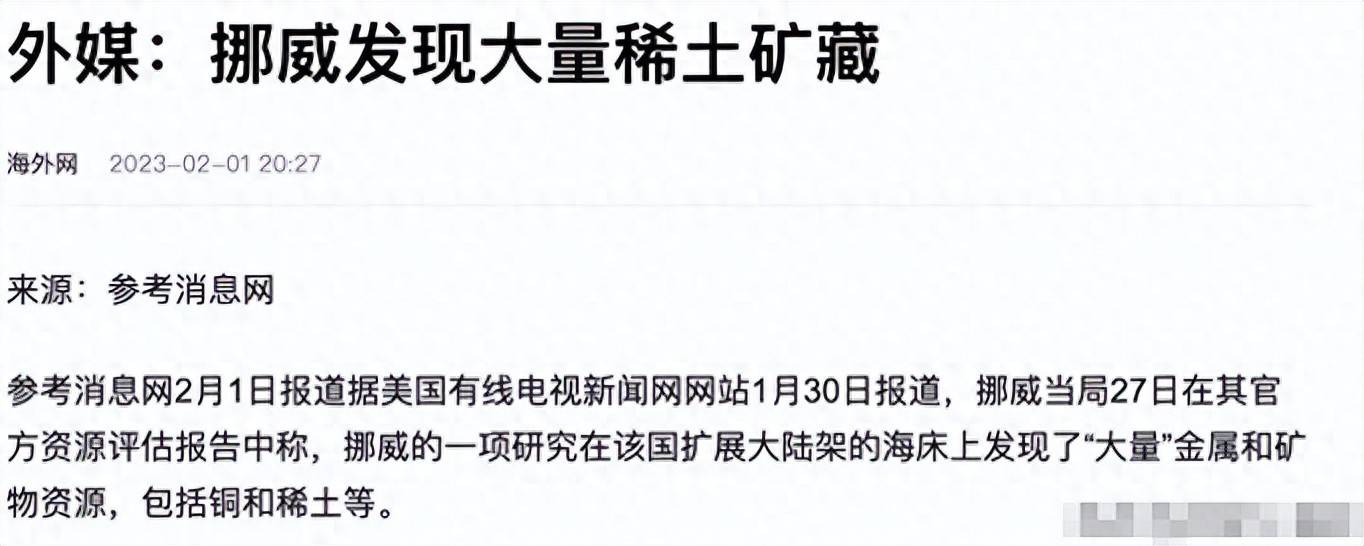
关注新闻的朋友可能对稀土这一词并不陌生,因为它在工业和军事中都扮演着至关重要的角色。中国的稀土资源丰富,许多欧美国家也依赖于我国的稀土供 应。然而,2023年挪威宣称在自家领土发现了大量稀土矿,这引发了一些猜测,认为欧美可能借此摆脱对中国稀土的依赖,甚至能够与中国竞争。那么,挪 威的稀土矿与中国的有何不同?欧美的这一梦想是否能够实现呢? 2023年10月9日,英挪合资的矿业公司Norge Mining发布公告,称在挪威西南部的Store Knuten矿区发现了一个巨大的矿产资源。根据公告中的专业评估数 据,该矿区的资源总量达到了1.94亿吨,是2022年初步探测的9100万吨的两倍多,资源种类包括稀土、磷、钒、钛等多种关键矿产。消息传出后,欧洲媒体 纷纷兴奋地表示,这一发现或许能够帮助欧洲摆脱对中国稀土的依赖,甚至挑战中国在全球稀土产业中的主导地位。 到了2024年6月,另一家挪威矿业公司Rare Earths Norway发布消息,称在芬恩地区的碳酸岩复合体中发现了欧洲最大的稀土矿床,初步探测表明其资源深度 已达到海平面以下468米,且矿化带可能延伸至1000米深。两次发现让挪威一度成为全球稀土产业的焦点, ...
内蒙古以标准引领赋能经济社会高质量发展
Xin Lang Cai Jing· 2026-01-02 18:29
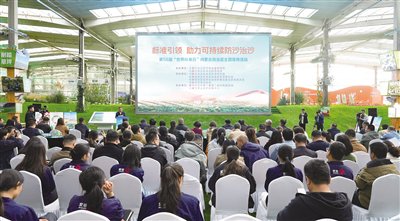
Core Viewpoint - Inner Mongolia is implementing a standardization strategy to enhance high-quality development across various sectors, including agriculture, industry, and social services, leading to significant improvements in product quality and economic benefits [4][5][6][7][8][11]. Agricultural Sector - The annual grape production in Wuhai increased from 680 tons to 800 tons due to standardized cultivation methods [4] - The introduction of the "Meng" brand standard has improved the quality and marketability of local agricultural products, resulting in increased income for farmers, such as a 150 CNY increase per sheep for herders [7] - The establishment of 25 high-quality development standard systems in agriculture has led to significant economic, social, and ecological benefits [8] Industrial Sector - Inner Mongolia has developed 30 high-quality standard systems in the industrial sector, focusing on unique industries like cashmere and rare earth materials, which has filled several industry standard gaps [11] - The rare earth hydrogen storage materials standard system has improved product quality and stability, with sales reaching 1,087 tons in 2023, generating an additional revenue of 23.63 million CNY [11][12] Social Services - The construction of high-quality standard systems in social services, such as elderly care and public safety, has improved service quality and operational standards, leading to enhanced efficiency in governance [5][6] - The implementation of a standardized community elderly care service system has resulted in the establishment of 17 local standards, promoting better service delivery [5] Ecological Governance - Inner Mongolia has developed a comprehensive standard system for ecological governance, focusing on sustainable land management and ecological protection, contributing to the region's ecological safety [6] - The establishment of 23 high-quality development standards in ecological governance has supported the construction of a significant ecological safety barrier in northern China [6] Regional Cooperation - Inner Mongolia is actively participating in regional standardization initiatives, enhancing cooperation with neighboring provinces and promoting the mutual recognition of local standards [13][14] - The region has established a collaborative local standard system for ecological protection in the Yellow River basin, facilitating inter-regional standard connectivity [13] International Standards - Inner Mongolia has led or participated in the development of 21 international standards, enhancing its influence in global industries [15] - The region is working to align its standards with international benchmarks, facilitating the global acceptance of "Chinese standards" [15]
中国稀土:委任郑郑为核数师
Ge Long Hui· 2026-01-02 14:54
Core Viewpoint - China Rare Earth (00769.HK) announced the resignation of its auditor, Tianjian Deyang Accounting Firm, effective December 24, 2025, and the appointment of Zhengzheng Accounting Firm as the new external auditor starting January 2, 2026 [1] Group 1 - The board of directors and the audit committee received a resignation letter from Tianjian Deyang on December 24, 2025 [1] - The appointment of Zhengzheng Accounting Firm was recommended by the audit committee and approved by the board [1] - The term of the new auditor will last until the conclusion of the next annual general meeting of the company [1]

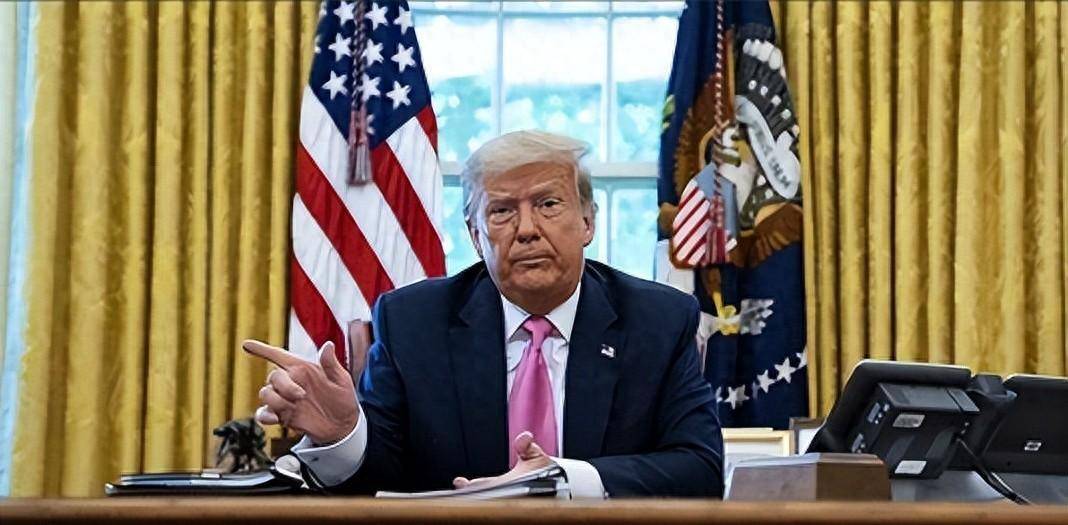
特朗普搬石头砸脚,稀土价格暴涨6000%,美国全球抢购,八万零件遭断供
Sou Hu Cai Jing· 2026-01-02 02:07
Group 1 - The "Pax Silica Declaration" alliance aims to end China's dominance in the global rare earth supply chain, particularly in heavy rare earths like yttrium, samarium, and dysprosium [1][2] - The U.S. is attempting to bypass market dependencies through a political alliance, creating a "de-China" rare earth pathway with partners like Australia, Japan, and South Korea [2][3] - Despite these efforts, the U.S. Geological Survey reported that the U.S. still relies on China for 93% of its yttrium supply, highlighting the structural issues in the industry [4][6] Group 2 - The U.S. lacks industrial-scale rare earth separation and refining capabilities, with two-thirds of its raw ore still needing to be processed in China [10][12] - The construction of a new rare earth refinery in the U.S. could take 7 to 10 years, with costs significantly higher than those in China [12][38] - The U.S. Department of Defense's investment in MP Materials does not address the fundamental issue of lacking refining capabilities [12][48] Group 3 - China's export controls on heavy rare earths, including yttrium and samarium, are a strategic response to U.S. actions, impacting critical industries like defense and automotive [14][41] - The price of yttrium skyrocketed from $6 to $320 per kilogram, a 53-fold increase, due to supply shortages, affecting global manufacturing [21][32] - Major automotive companies and defense contractors are facing production disruptions due to reliance on Chinese rare earths, with significant implications for supply chains [24][27] Group 4 - The crisis reveals the limitations of political solutions in addressing complex supply chain issues, as the U.S. attempts to restructure its rare earth supply without the necessary industrial foundation [33][55] - The rare earth industry is characterized by high technical barriers and geopolitical significance, with China controlling a significant portion of the global supply chain [23][34] - The U.S. is now exploring legislative measures to prioritize non-Chinese rare earths for defense projects, but the market lacks sufficient alternatives [50][52] Group 5 - The ongoing crisis emphasizes the need for a multi-faceted approach to resource management, as countries reassess their resource potentials and supply chain dependencies [53][55] - The rare earth market is being redefined as a strategic asset rather than a mere commodity, with geopolitical implications influencing supply and pricing [55][55] - The long-term solution may lie in accepting a diversified supply chain rather than attempting to politically sever ties with China [55][55]
美媒回顾中国六十年稀土发展历程,“注意:重点保密单位”
Guan Cha Zhe Wang· 2026-01-01 04:52
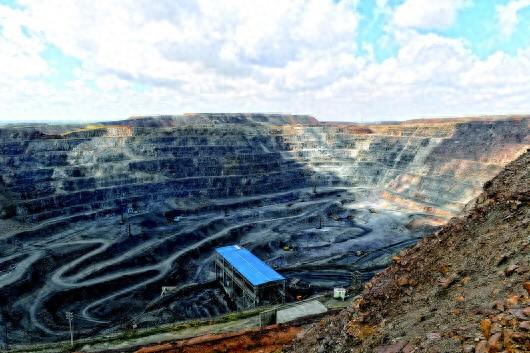
Core Viewpoint - The article discusses the efforts of the West, particularly the U.S., to establish a domestic rare earth industry to reduce dependence on China, acknowledging the complexity and time required for such a transition [1]. Group 1: China's Dominance in Rare Earths - China accounts for over 60% of global rare earth production and holds a staggering 92% of the processing stage, indicating a near-monopoly in the global rare earth processing sector [1][5]. - The U.S. Geological Survey reported that from 2020 to 2023, 70% of rare earth compounds and metals imported by the U.S. came from China [1]. - The article emphasizes that China's core position in the rare earth sector is the result of decades of strategic planning and investment [1]. Group 2: Historical Development of China's Rare Earth Industry - The origin of China's dominance in rare earths dates back to April 1964, when the largest rare earth deposit was discovered in the Bayan Obo mine, leading to significant government attention [3]. - In the 1970s, Chinese chemists successfully broke the monopoly of France, the U.S., and Japan in the international rare earth market, transitioning China from a resource-rich country to a major producer and exporter [6]. - By the 1980s, China had established numerous rare earth refining plants, becoming the largest producer globally, despite initial technological lag [7]. Group 3: Strategic Moves and Technological Advancements - In 2010, China halted rare earth exports to Japan for two months, causing panic in Japan's automotive industry, which was heavily reliant on Chinese supplies [8]. - Currently, China is enhancing its refining technology and has increased control over rare earth mining and production enterprises [11]. - The sale of an 86% stake in the Wuxi refining plant to a Chinese state-owned enterprise highlights China's ongoing efforts to secure its position in the rare earth supply chain [11].
2026年我国经济高质量发展三大看点
Guo Ji Jin Rong Bao· 2026-01-01 00:31
Group 1 - China's economy is expected to maintain steady growth in 2025, successfully achieving annual targets, with strong momentum continuing into 2026 driven by new consumption, enhanced production capabilities, and a solid export position in global supply chains [1] Group 2 - New consumption is set to expand and improve, with policies aimed at boosting domestic demand, including increased quotas for trade-in programs and an expanded range of supported products, leading to over 2.5 trillion yuan in sales benefiting more than 360 million people in 2025 [2] - The shift in consumer trends towards value-for-money and emotional value is notable, with experiential consumption in areas like culture, travel, and fitness driving growth [2] - AI is enhancing both online and offline retail experiences, with innovations like instant retail and smart shopping becoming more prevalent, expected to lead to deeper integration and quality improvements in consumption by 2026 [3] Group 3 - Core technology breakthroughs are reshaping industrial advantages, with advancements in AI, semiconductors, and commercial aerospace expected to drive high-quality upgrades in various sectors [4] - The renewable energy sector is projected to expand significantly, with an expected addition of over 20 million kilowatts of wind and solar power capacity by 2026, contributing to energy structure optimization and carbon peak goals [4] - The digital transformation of manufacturing is advancing, with a penetration rate of 68% in 2025, leading to efficiency improvements of over 25% in key industries [4] Group 4 - Export resilience is anticipated, with a focus on diversifying markets and consolidating China's leading position in global supply chains [6] - The reduction of tariff uncertainties is expected to stabilize trade with the U.S., while high-value, green products are becoming key growth drivers, with electric vehicle exports reaching 3.01 million units in 2025, a 62% increase [7] - China's trade with Belt and Road Initiative countries accounted for over 50% of exports in 2025, indicating a strong foundation for non-U.S. trade [7] - Continued high-level openness and trade innovation are expected to strengthen global supply chain positions, with rapid growth in cross-border e-commerce and digital technologies reducing trade costs [8]
2026年度投资策略会-资产配置专场
2025-12-31 16:02
Summary of Key Points from Conference Call Records Industry Overview - **China's Economic Growth**: In the first three quarters of 2025, China's economy grew by 5.2%, laying a foundation for the annual target of 5% growth. The forecast for 2026 includes a recovery in infrastructure and manufacturing investments, optimistic export conditions, and a retail growth rate in the service sector potentially reaching 6% [1][5][12]. Core Insights and Arguments - **Investment Forecasts**: - Infrastructure investment is expected to rebound to over 5% growth in 2026, while manufacturing investment is projected to stabilize around 5% due to technological and pricing factors [1][7]. - Real estate investment is anticipated to see a reduced decline, although inventory pressures remain, necessitating enhanced destocking policies [1][10]. - **Export Performance**: - Strong export performance in 2025 is expected to continue into 2026, with a growth rate of approximately 5%, supported by industrialization in emerging markets and a potential easing of trade tensions [1][11]. - **Fiscal and Monetary Policy**: - The fiscal policy for 2026 is projected to be proactive, with new special bond issuance potentially increasing to 4.6 trillion yuan and a broad deficit rate around 9.5%. Monetary policy may maintain liquidity stability, with a possible reserve requirement ratio cut of 50 basis points [1][13]. - **Inflation and Economic Growth**: - The Consumer Price Index (CPI) is expected to stabilize above 0.5%, while the Producer Price Index (PPI) is projected to gradually recover to around -0.5%. Overall, inflation is anticipated to return to approximately 0%, with GDP growth expected at 5% [1][16]. Additional Important Insights - **Consumer Market Trends**: - The current consumer spending rate in China is about 40%, lower than in developed countries. The service sector is expected to drive GDP growth, with retail growth in services projected at 6% for 2026, up from 5.4% in 2025 [1][6]. - **Banking Sector Dynamics**: - The banking sector is experiencing a dividend-driven market, supported by stable dividend yields and effective risk management. The performance of large banks remains strong, with a focus on maintaining dividend stability [3][24]. - **Wealth Management Growth**: - The scale of investable assets for residents has surpassed 300 trillion yuan, with a projected compound annual growth rate of 15%. This growth is expected to continue, driven by a shift towards higher-return assets [40][41]. - **Securities Market Performance**: - The securities market saw a 73% increase in IPOs in 2025, with significant growth in bond underwriting as well. The overall market remains active, with daily trading volumes significantly increasing [36][37]. - **Investment Banking Trends**: - Investment banking is expected to benefit from a supportive regulatory environment, with a focus on enhancing capital market inclusivity and adaptability. The growth in IPOs and refinancing activities indicates a recovery trend in the sector [39][44]. Conclusion The conference call highlighted a cautiously optimistic outlook for China's economy in 2026, with expected growth in infrastructure, manufacturing, and exports. The banking and securities sectors are positioned for continued growth, supported by favorable fiscal and monetary policies. Investors should monitor these trends closely to identify potential opportunities and risks in the market.
暴涨1500%!2025年“牛股”大盘点,你中奖了吗?
凤凰网财经· 2025-12-31 12:34
Group 1: A-share Market Overview - In 2025, the A-share market entered a new bull market, with the Shanghai Composite Index surpassing 4000 points, reaching a nearly ten-year high. The total market capitalization of A-shares exceeded 108 trillion yuan [1] - Major indices saw significant annual gains: Shanghai Composite Index up 18.41%, Shenzhen Component Index up 29.87%, and the ChiNext Index up 49.57% [1] - A total of 116 companies went public in 2025, raising 131.77 billion yuan, a 96% increase compared to the previous year [1] Group 2: A-share Stock Performance - Among 5470 A-share stocks, over 4000 stocks rose in 2025, with 495 stocks gaining over 100%, 116 stocks over 200%, and 42 stocks over 300%. Notably, two stocks, Tianpu Co. and Shangwei New Materials, saw gains exceeding 1500% [2] Group 3: Hong Kong Stock Market Overview - The Hong Kong stock market experienced a strong performance in 2025, with the Hang Seng Index rising 27.77%, marking its best annual performance since 2017 [3] - The Hang Seng Technology Index and the Hang Seng China Enterprises Index also saw significant increases of 23.45% and 22.27%, respectively [3] Group 4: Sector Performance in Hong Kong - The gold and non-ferrous metals sectors showed remarkable growth, with Zifeng Gold rising over 1200% and Lingbao Gold over 570% [4] - The semiconductor sector performed well, with Huahong Semiconductor increasing by over 240% and SMIC by over 120% [4] - Significant inflows of southbound capital were noted, with net purchases exceeding 1.4 trillion HKD in 2025 [4] Group 5: Notable Stocks in Hong Kong - Nearly 400 stocks in the Hong Kong market doubled in value in 2025, with 14 stocks increasing by more than ten times. The base benchmark group stock surged over 4100%, becoming the top performer [5][6] - The top-performing stocks included Base Benchmark Group, which rose 4164.15%, and Yuegangwan Holdings, which increased by 3305.59% [6] Group 6: IPO Activity in Hong Kong - In 2025, Hong Kong's IPO market saw a significant increase, raising 285.69 billion HKD, a 224.11% year-on-year growth, with 117 companies going public, up 67.14% from the previous year [8][10]