
农业

Search documents
推动生产生活方式绿色变革 多部门详解新举措
Jin Rong Shi Bao· 2026-01-07 02:00
Group 1 - The Ministry of Commerce and nine other departments released a notification to implement green consumption actions, outlining 20 measures across seven areas to promote green consumption during the 14th Five-Year Plan period [1] - Key initiatives include enhancing the quality of supply in the livelihood sector, fostering new growth points for green consumption, and optimizing the green consumption environment by promoting energy-saving equipment and green power [1] - The government aims to establish a universal green consumption points system that can be used both online and offline, encouraging consumers to adopt green purchasing behaviors [1] Group 2 - The Ministry of Commerce is promoting a "trade-in" policy for consumer goods, providing subsidies for high-efficiency green appliances, green home products, and new energy vehicles to stimulate green consumption demand [2] - By 2025, it is projected that 17.67 million scrapped vehicles will be recycled annually, with a 45.8% average growth rate, and 39.686 million second-hand vehicles will be traded [2] - The Ministry of Commerce has guided the establishment of 1,161 green shopping malls and 3,500 green hotels across the country, while e-commerce platforms are forming green cooperation alliances to promote low-carbon operations [2] Group 3 - There is a growing consumer preference for green quality agricultural products, which is driving the upgrade of the agricultural supply system [3] - By the end of 2025, the total number of certifications for agricultural products under the "three products and one standard" initiative is expected to exceed 88,000, with standardized production areas for green food reaching 20.5 million acres [3] Group 4 - The "Zero Waste City" initiative aims to minimize the environmental impact of solid waste, with 113 cities and 8 regions participating since the pilot began in 2018 [4] - Efforts include promoting resource recycling capabilities and establishing collection facilities for recyclable materials in residential communities, with over 11,000 smart recycling facilities expected to be added by 2024 [4] - The central government plans to invest 5 billion yuan by 2025 to support the standardized dismantling and processing of old appliances, resulting in over 3 million tons of recycled resources [4] Group 5 - Technological innovations are facilitating the resource utilization of waste materials, such as using microbial technology to transform battery waste into materials that can absorb heavy metals [5] - The government plans to accelerate the practical application of such innovative solutions through technology directories and pilot demonstrations [5]
持续激发绿色消费潜力,多部门详解新举措
Xin Hua Cai Jing· 2026-01-06 23:45
Core Viewpoint - The Ministry of Commerce and nine other departments have issued a notice to implement a green consumption promotion action plan, outlining 20 measures across seven areas to systematically arrange green consumption work during the 14th Five-Year Plan period [1] Group 1: Green Consumption Initiatives - The promotion of green consumption is a key strategy for achieving low-carbon development and enhancing economic transformation, aligning with consumption upgrade trends and fostering new growth points [1] - The first measure includes increasing the supply of green agricultural products, with a target of over 88,000 certifications for agricultural products by the end of 2025 and a standardized production area of 20.5 million acres for green food [2] Group 2: Consumer Replacement Policies - The implementation of a large-scale replacement policy for consumer goods is seen as a significant opportunity to promote green consumption, with targets of 18.3 million old cars replaced and 19.2 million old home appliances replaced by 2025, where nearly 60% of the cars will be new energy vehicles [3] - The replacement policies are expected to drive sales of consumer goods amounting to 3.92 trillion yuan, benefiting approximately 494 million consumers [3] Group 3: Green Supply Chain and Resource Utilization - Green consumption is identified as a critical force for economic structural transformation, with significant reductions in logistics time, damage rates, and supply chain costs through green supply chain practices [4] - The promotion of green procurement, products, and packaging, along with the establishment of a green consumption points system, is encouraged to enhance resource efficiency and reduce single-use plastic products [4] Group 4: Waste Management and Circular Economy - The initiative to build "waste-free cities" aims to transform waste materials from a societal burden into urban resources, with plans to support around 200 cities in this effort during the 14th Five-Year Plan period [5] - Future efforts will focus on improving waste disposal processes and supporting the construction of intelligent sorting centers, with local governments encouraged to provide policy support [6] Group 5: Regulatory and Standardization Efforts - The government will accelerate the update of national standards and support participation in international standardization activities related to green fields, while also enhancing the enforcement of regulations against violations in green product labeling and food waste [6]
河南省推动2026年第一季度经济发展实现良好开局若干政策措施新闻发布会丨开局就是奋斗 起步就要奋进
He Nan Ri Bao· 2026-01-06 23:30
Core Viewpoint - The government is focusing on enhancing market efficiency and promoting investment, consumption, and production to ensure economic growth in 2026, with specific initiatives outlined for infrastructure, consumer support, and industrial development [2][4][9]. Market Development - The government aims to eliminate barriers to a unified national market by conducting market access evaluations and implementing a comprehensive administrative enforcement mechanism [2]. - Plans include building "four hubs" and creating "three support points" to facilitate resource flow and economic activity [3]. Investment Initiatives - A total of 28 major transportation projects are set to commence in the first quarter of 2026, with an estimated total investment of approximately 800 billion [4][5]. - The government is focusing on enhancing the inland water transport system and developing green low-carbon transportation [4][5]. Consumer Support - The province will issue 2 billion in consumption vouchers to stimulate consumer spending, particularly in key sectors like dining and tourism [6][10]. - A new round of consumer product trade-in programs will be launched, including subsidies for various categories such as automobiles and electronics [6][10]. Industrial Production - The government plans to allocate 5 billion to reward industrial enterprises that operate at full capacity, with additional incentives for those achieving significant revenue growth [8][9]. - A focus on digital transformation and the implementation of over 1,600 industrial technology improvement projects is expected to drive industrial growth [8]. Financial Support - The financial system will support the economy by organizing over 1,000 government-enterprise financial matchmaking events to facilitate funding [11]. - Emphasis will be placed on technology finance and agricultural financial support to enhance productivity and competitiveness [11][12].

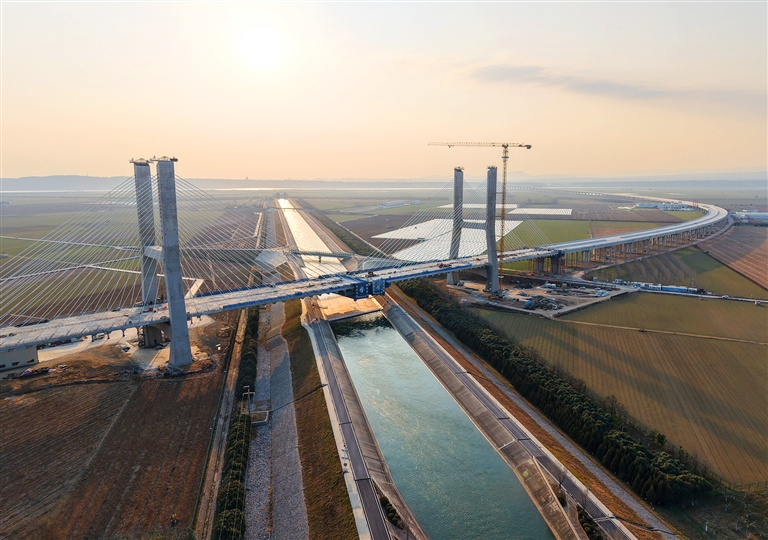
持续提高消费“含绿量”(锐财经)
Ren Min Ri Bao Hai Wai Ban· 2026-01-06 22:45
Core Viewpoint - The Ministry of Commerce and nine other departments have jointly issued a notice to implement green consumption initiatives, aiming to promote green and low-carbon practices across various sectors, thereby injecting green momentum into high-quality economic and social development [2]. Group 1: Green Consumption Environment Optimization - The promotion of green consumption aligns with the trend of consumption upgrades and aims to cultivate new growth points in consumption [3]. - The green consumption market is expanding steadily, driven by the growth of green products such as electric vehicles and smart home appliances, although challenges like inconsistent standards and weak consumer awareness remain [3]. - The notice outlines 20 measures across seven areas to enhance green consumption throughout the entire supply chain [3]. Group 2: New Growth Points in Green Consumption - The initiative includes increasing the supply of green agricultural products, promoting energy-efficient appliances, and enhancing green service consumption [3]. - A green supply chain will be established, encouraging green procurement and innovative sharing models to promote efficient resource utilization [3]. - The plan also emphasizes reducing single-use plastics and promoting recycling of waste materials [3]. Group 3: Green Supply Chain Development - The initiative aims to leverage digital technology to drive the development of green supply chains, focusing on cost reduction and efficiency improvement [6]. - The standardization rate of pallets has reached 37.8%, with an estimated 50 million reusable pallets saving approximately 250 million single-use pallets, equivalent to protecting 50 million trees and reducing carbon emissions by over 2 million tons [6]. Group 4: Collaborative Efforts for Green Consumption - Promoting green consumption requires a collaborative effort from government, enterprises, and consumers [7]. - The Ministry of Agriculture and Rural Affairs is working to increase the supply of high-quality green agricultural products and enhance brand recognition [7]. - The Ministry of Ecology and Environment is focusing on transforming waste materials into valuable resources through initiatives like "zero waste cities" [7]. Group 5: Market Regulation and Standards - The State Administration for Market Regulation is advancing green consumption efforts by updating national standards and supporting international standardization activities [8]. - The administration is also enhancing energy and water efficiency labeling systems and promoting the "green dining" service on internet platforms [8]. - The Ministry of Commerce will guide local efforts in promoting green consumption and share successful practices to further expand green consumption [8].
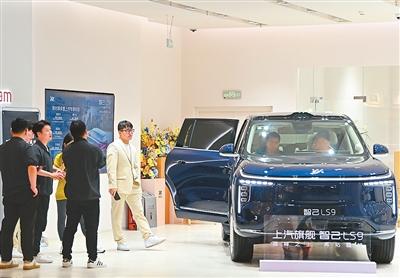
新年第一会,贵州为何“大抓经营主体”
Xin Lang Cai Jing· 2026-01-06 22:38
Core Insights - The article emphasizes the importance of nurturing business entities as a foundation for economic growth in Guizhou, highlighting the need for a robust ecosystem of enterprises to drive development [2][4][9] Group 1: Business Entities and Economic Contribution - In Guizhou, private enterprises account for 96% of all business entities, contributing nearly 30% of tax revenue, over 85% of new urban employment, and more than 70% of innovation outcomes [4] - The province's state-owned enterprises have made significant strides in various sectors, but issues of unbalanced development remain [4][5] Group 2: Strategies for Growth - The "New Year First Meeting" outlines key strategies to support the growth of business entities, including unwavering support for private enterprises and enhancing the capabilities of state-owned enterprises [3][9] - Emphasis is placed on fostering larger enterprises and increasing the number of publicly listed companies to improve direct financing and corporate governance [5] Group 3: Optimizing Business Environment - The article stresses the need to optimize the business environment by addressing challenges faced by enterprises, ensuring legal rights are protected, and reducing operational costs [9][10] - It highlights the importance of attracting investments and enhancing the quality of business entities through effective招商引资 (investment attraction) strategies [11] Group 4: Future Outlook - The article envisions a thriving ecosystem where large enterprises lead by example, while small enterprises develop specialized skills, contributing to a diverse and robust business landscape [12][13] - The focus on nurturing business entities is seen as essential for achieving high-quality economic development in Guizhou [13]
我省一区一县入选
Xin Lang Cai Jing· 2026-01-06 17:29
其中,我省三亚市崖州区及澄迈县在名单内。该份名单公示期为1月6-8日。如有异议,可实名向农业农 村部发展规划司反映,并将证明材料发至xczxc@agri.gov.cn。通讯员 谢虹妃 记者 王小武 本报讯 近日,农业农村部公示2025年国家乡村振兴示范县创建名单。经地方推荐、专家评审,共有83 个申报单位进入公示名单。 ...
银河期货每日早盘观察-20260106
Yin He Qi Huo· 2026-01-06 12:58
期 货 眼 ·日 迹 每日早盘观察 银河期货研究所 2026 年 1 月 6 日 0 / 48 研究所 期货眼·日迹 | 蛋白粕:供应端仍偏宽松 价格压力相对明显 5 | | --- | | 白糖:国际糖价小涨,国内糖价震荡 5 | | 油脂板块:油脂波动增加 7 | | 玉米/玉米淀粉:小麦和玉米拍卖,现货稳定 8 | | 生猪:出栏压力继续体现 现货震荡运行 8 | | 花生:花生现货稳定,花生盘面窄幅震荡 9 | | 鸡蛋:需求表现一般,蛋价稳中有涨 10 | | 苹果:冷库库存偏低,果价高位震荡 11 | | 棉花-棉纱:新年度种植面积预计下降,棉价震荡偏强 12 | | 钢材:基本面边际转弱,钢价区间震荡 13 | | --- | | 双焦:基本面乏善可陈 13 | | 铁矿:市场预期反复,矿价震荡运行 14 | | 铁合金:供需边际改善预期叠加成本推动,短期震荡偏强 15 | | 股指期货:仍有上攻动能 3 | | --- | | 国债期货:央行购债规模不及预期 4 | | 金银:地缘主导,短期内或偏强震荡 16 | | --- | | 铂钯:内盘溢价收敛,铂钯随金银上行 17 | | 铜:逢低多 ...
推动绿色消费成为新增长点,九部门联合打造全链条激励体系
Xin Jing Bao· 2026-01-06 12:10
Core Viewpoint - The recent notification from the Ministry of Commerce and nine other departments emphasizes the importance of green consumption as a key driver for low-carbon practices, new consumption momentum, and industrial upgrades [1] Group 1: Green Consumption Initiatives - The Ministry of Commerce is leveraging large-scale consumer goods replacement programs to promote green consumption, with a target of 18.3 million vehicles replaced from 2024 to 2025, nearly 60% of which will be new energy vehicles [2] - The policy is expected to generate sales of 3.92 trillion yuan in consumer goods, benefiting nearly 500 million consumers and effectively promoting the growth of green and smart product consumption [2] - The initiative includes subsidies for high-efficiency green appliances, green home products, and new energy vehicles to stimulate demand and facilitate a circular economy [2] Group 2: Specific Measures for Green Consumption - The notification outlines 20 specific measures across seven major areas to address challenges in green consumption, including inconsistent product standards and inadequate incentive mechanisms [3] - Measures include expanding the supply of green agricultural products and appliances, enhancing service consumption's green content, and establishing a universal green consumption points system [3] - The initiative aims to strengthen recycling systems and reduce single-use plastic products, promoting a more sustainable consumption environment [3] Group 3: Resource Recycling and Utilization - The Ministry of Commerce will support the establishment of high-value recycling projects for renewable resources, focusing on optimizing sorting center construction to improve efficiency and reduce waste [4][5] - Local governments are encouraged to provide policy support for the construction and renovation of sorting centers, enhancing the recycling network's quality [5] Group 4: Standards and Regulations - The State Administration for Market Regulation has published 40 national standards for green product evaluation and 66 standards for energy and water efficiency, supporting the implementation of the consumer goods replacement policy [6] - The administration has also intensified enforcement actions against violations related to energy and water efficiency labeling, ensuring market order and consumer rights [6][7] Group 5: Waste Management and Urban Development - The Ministry of Ecology and Environment is promoting "waste-free city" initiatives, aiming to transform waste into resources and enhance recycling capabilities [8] - As of now, 113 cities have initiated "waste-free" construction, with plans to expand this to around 200 cities during the 14th Five-Year Plan period [9] Group 6: Seasonal Consumption Promotion - The Ministry of Agriculture and Rural Affairs is launching initiatives for the New Year and Spring Festival, including the release of a directory of local specialty products to guide consumers towards green and quality products [10][11] - Activities will include themed consumption events and promoting healthy eating habits, aiming to meet the diverse and high-quality consumption needs of urban and rural residents during the festive season [11]
如何提高消费“含绿量”?多部门解读
证券时报· 2026-01-06 11:47
Core Viewpoint - The article discusses the implementation of green consumption initiatives by the Ministry of Commerce and nine other departments, highlighting 20 specific measures across various sectors to promote sustainable consumption and support policies [1][4]. Group 1: Green Consumption Policies - The initiative aims to enhance the green consumption incentive mechanism, focusing on areas such as agricultural products, home appliances, and hospitality [1]. - The "old-for-new" policy is emphasized as a key strategy to increase green consumption, with targets set for replacing 18.3 million cars, of which nearly 60% will be new energy vehicles, and 192 million home appliances, with 90% being of the highest energy efficiency [4][5]. Group 2: Market Development and Support - The article notes that the green consumption initiative is aligned with the trend of consumption upgrades and aims to create new growth points in the economy, contributing to carbon reduction and high-quality development during the 14th Five-Year Plan period [4]. - The Ministry of Commerce has collaborated with other departments to provide subsidies for high-efficiency green appliances and vehicles, stimulating demand and facilitating a circular economy [4]. Group 3: Quality Assurance and Certification - The article highlights the importance of quality certification in promoting green products, with nearly 40,000 effective certification certificates issued for 122 types of consumer-related products, ensuring lower resource consumption and pollution [7]. - China has become the world's third-largest organic consumption market, with over 32,000 certification certificates issued for organic products, supporting agricultural green development and enhancing the quality of life for consumers [6][7]. Group 4: Future Directions - Future efforts will focus on updating national standards, enhancing energy and water efficiency labeling systems, and promoting green dining services to reduce food waste [8]. - The establishment of a high-value recycling system for renewable resources is deemed essential for promoting sustainable consumption and improving resource utilization [10][11].
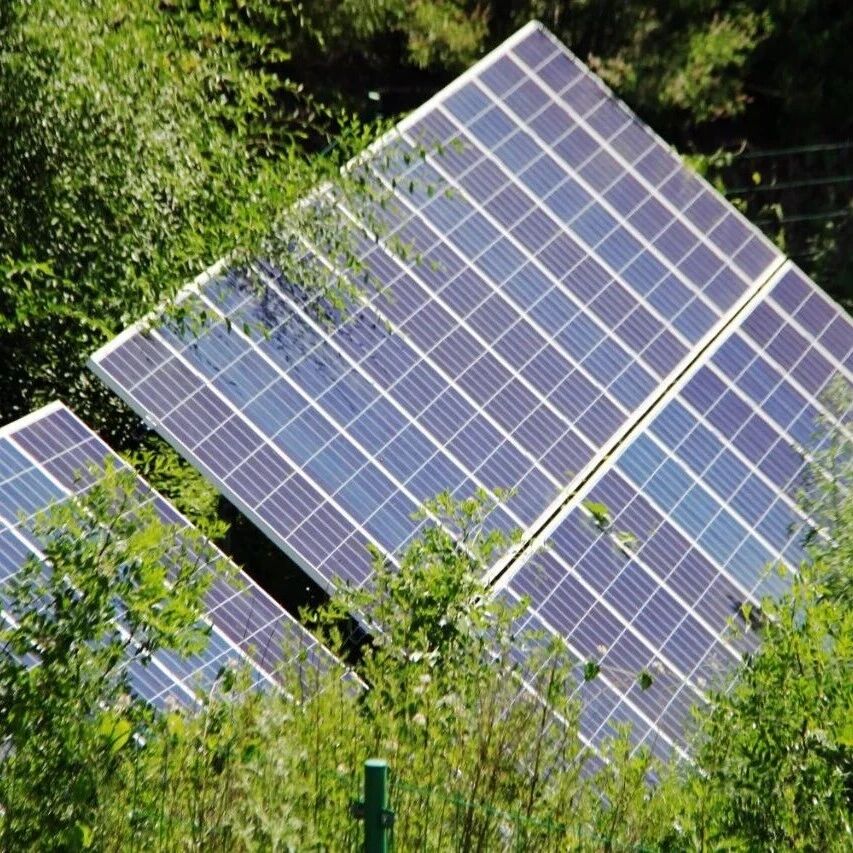
到2027年,这些地区要完成存量磷石膏库整治
Zhong Guo Hua Gong Bao· 2026-01-06 11:26
Core Viewpoint - The State Council has issued the "Solid Waste Comprehensive Governance Action Plan," aiming for significant improvements in solid waste management by 2030, including a target of 4.5 billion tons of annual comprehensive utilization of major solid waste and 510 million tons of annual recycling of main renewable resources [1][4]. Group 1: Overall Requirements - The plan emphasizes a systematic approach to solid waste management, focusing on reduction, resource utilization, and harmless treatment, with a goal to effectively control historical solid waste stockpiles and curb illegal disposal practices by 2030 [4][3]. Group 2: Source Control and Reduction - The plan mandates strict source reduction of industrial solid waste, promoting green design and improved production processes to lower waste generation intensity [5][6]. - It also calls for the implementation of source control measures for urban solid waste, including the classification and reduction of construction waste [6][5]. Group 3: Standardized Collection, Transportation, and Storage - The plan requires the establishment of a standardized management system for industrial solid waste, including classification and tracking to prevent mixing and illegal disposal [7][6]. - It emphasizes the need for improved collection and transportation systems for urban solid waste, integrating recycling networks with waste collection points [7][6]. Group 4: Resource Utilization Enhancement - The plan aims to enhance the comprehensive utilization of major solid waste, including mining waste and construction debris, and to promote the recycling of agricultural waste [8][9]. - It encourages the development of a circular economy by improving the recycling of renewable resources and promoting the use of recycled materials in production [8][9]. Group 5: Increasing Harmless Treatment Capacity - The plan focuses on improving the harmless treatment of industrial solid waste and optimizing the structure of waste disposal methods, including the construction of incineration facilities [9][10]. - It also explores large-scale disposal channels for industrial solid waste, ensuring compliance with environmental standards [9][10]. Group 6: Implementation of Key Area Special Rectification - The plan outlines specific rectification efforts in areas such as illegal disposal, environmental hazards from landfills, and historical solid waste sites, aiming for the remediation of over 60% of historical waste sites by 2030 [10][11]. - It includes targeted actions for the comprehensive management of phosphogypsum, with specific timelines for remediation in various provinces by 2027 [12][11]. Group 7: Regulatory and Technical Framework - The plan emphasizes the need to improve legal frameworks and standards related to solid waste management, including the revision of existing laws and the establishment of new regulations [14][15]. - It also highlights the importance of technological innovation in solid waste recycling and pollution control [14][15]. Group 8: Policy Support - The plan calls for enhanced land use policies to support solid waste management projects and encourages financial support for resource recycling initiatives [15][16]. - It promotes the establishment of a reasonable pricing mechanism for waste management services to incentivize recycling and waste reduction [16][15]. Group 9: Strengthening Implementation Assurance - The plan stresses the importance of organizational leadership and accountability at all levels of government to ensure effective implementation of solid waste management strategies [17][16]. - It encourages public education and international cooperation to foster a culture of waste reduction and recycling [17][16].