酒店

Search documents
“人从众”再现!元旦假期前两日迎客超400万人次,南京文旅市场持续火热
Yang Zi Wan Bao Wang· 2026-01-02 14:59
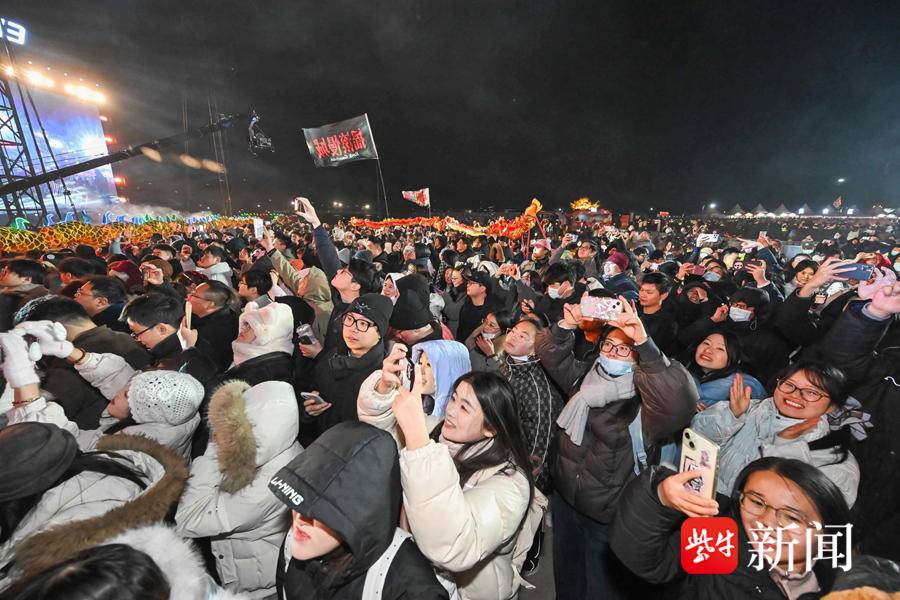
扬子晚报网1月2日讯(记者王夕悦)2026年元旦假期第二天,南京文旅市场持续火力全开!据南京智慧旅游大数据监测平台显示,1月2日,全市景区景点、 文博场馆、乡村旅游、国家级夜间文旅消费集聚区等监测点接待游客量207.7万人次,按可比口径较去年同期上升26.4%。其中,外地游客占比68%,省外 客源地排名前十的地区分别是安徽、上海、浙江、河南、山东、广东、江西、北京、湖北、河北。 假期前两天,全市累计接待游客量403.8万人次,日均较去年同期上升22.9%。其中,玄武湖景区推出全新沉浸式体验、黄册库护卫巡游等活动,叠加冬日 赏梅亮点,两天累计接待游客量21.8万人次,日均较去年同期上升62.7%;红山森林动物园南门新区显著拉动游客量增长,两天累计接待游客量13.4万人 次,日均人数为去年同期2.9倍;高淳老街历史文化景区聚焦非遗主题开展系列迎新活动,两天累计接待游客量3.2万人次,日均较去年同期上升57.1%。 文旅消费同步实现强劲增长。元旦当天,银联商务渠道的南京全市文旅消费金额12.4亿元,同比增长33.1%。其中,异地文旅消费金额7.4亿元,同比增长 46%,显示出外地游客强劲的消费带动能力。 景区景点和 ...

1元甩卖股权!肿瘤医院无人接盘
Xin Lang Cai Jing· 2026-01-02 13:16
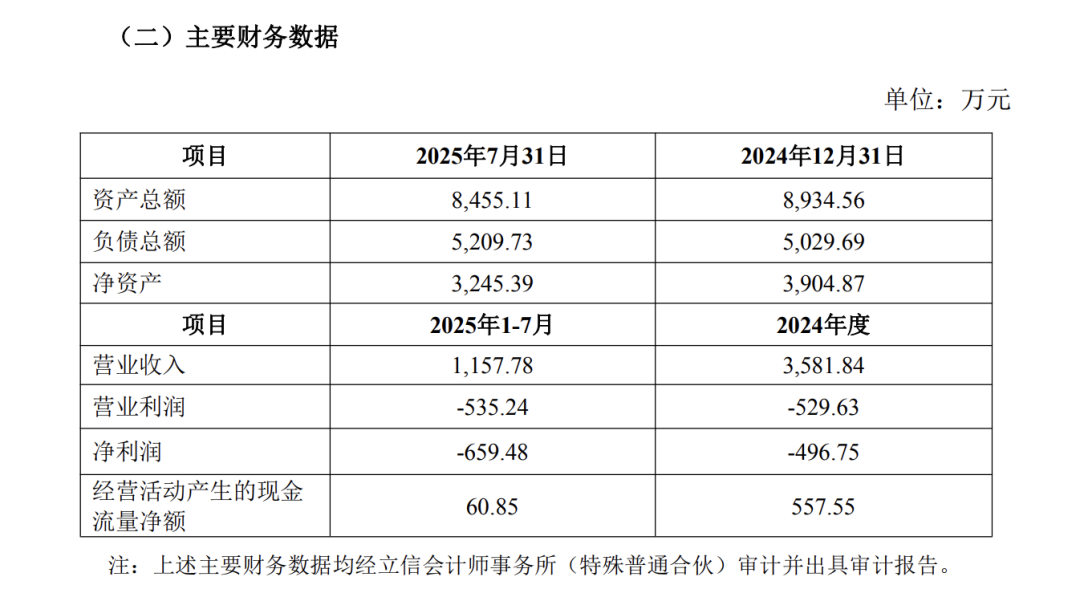
Core Viewpoint - Yonghe Intelligent Control is attempting to publicly transfer 100% equity of Kunming Medical Oncology Hospital for a base price of 17 million yuan, marking the fourth attempt to sell this asset after previous unsuccessful attempts at higher prices [1][2]. Group 1: Financial Performance - Kunming Medical Oncology Hospital has consistently reported losses since its establishment in 2017, with a total loss of 4.97 million yuan in 2024 and an increased loss of 6.59 million yuan from January to July 2025 [1][2][3]. - The hospital's total assets as of July 31, 2025, were 84.55 million yuan, with total liabilities of 52.10 million yuan, resulting in net assets of 32.45 million yuan [2]. - The operating revenue for the first seven months of 2025 was 11.58 million yuan, while the operating profit was -5.35 million yuan, indicating ongoing financial struggles [2]. Group 2: Acquisition and Investment Strategy - Yonghe Intelligent Control acquired Kunming Medical Oncology Hospital in 2020 for 108 million yuan, as part of a broader strategy to expand into the healthcare sector [1][6]. - The company planned to establish a network of 50 oncology specialty hospitals across China, with initial investments estimated between 50 million to 70 million yuan per hospital [6][9]. - The company has also attempted to transfer stakes in other hospitals, with the latest transfer price for 70% of Liangshan High-tech Oncology Hospital set at 1.87 million yuan, and stakes in Dazhou and Xi'an Medical Oncology Hospitals listed for only 1 yuan [1][2]. Group 3: Market Context and Challenges - The oncology hospital sector in China has significant revenue potential, with total income for oncology hospitals reaching 104.99 billion yuan in 2022, averaging 656 million yuan per hospital [3][9]. - Despite the high demand for oncology services, Yonghe Intelligent Control's strategy of relying on equipment rather than clinical expertise has proven ineffective, as the company has faced challenges in patient acquisition and operational management [9][11]. - The competitive landscape for private oncology hospitals is tough, with many struggling to achieve profitability, highlighting the difficulties in the healthcare market [9][11].

海南自贸港封关后首个假期人气旺 三亚酒店入住率超九成
Zhong Guo Xin Wen Wang· 2026-01-02 09:06
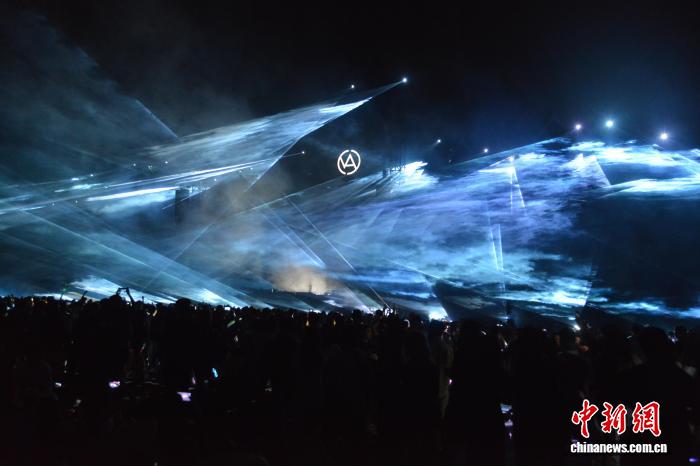
Group 1 - The New Year's holiday in 2026 marks the first holiday after the full closure of Hainan Free Trade Port, leading to a surge in tourism in Sanya [1][5] - Sanya Atlantis Hotel introduced a unique underwater dance show, which received positive feedback from tourists, enhancing the overall travel experience [1] - The VAC Sanya New Year's Electronic Music Festival attracted nearly 20,000 attendees over two nights, with 75% being non-local tourists, indicating strong interest in large-scale events [1][3] Group 2 - The full operation of Hainan Free Trade Port facilitates the hosting of large events, with the VAC festival featuring mostly foreign performers and equipment imported from abroad [3] - During the New Year's holiday, Hainan's duty-free shopping experienced a peak in consumer activity, with significant increases in foot traffic at duty-free stores [3][5] - The average hotel occupancy rate in Sanya exceeded 90%, showing a notable year-on-year increase and indicating a strong start to the tourism season [5]
太火爆!售罄、约满、限流……
Zheng Quan Shi Bao· 2026-01-02 08:54
Group 1 - The article highlights a significant increase in tourist traffic across various popular scenic spots during the New Year holiday, indicating a strong recovery in travel demand [19][21]. - The "Lingyin Feilai Peak" scenic area in Hangzhou reported full bookings for all three days of the holiday, reflecting heightened visitor interest [5][9]. - A travel platform noted that on January 1, 2026, the volume of flight bookings to popular destinations increased by 26% year-on-year, while hotel occupancy in these areas surged by 120% [19]. Group 2 - To enhance visitor awareness regarding cancellations, the Lingyin scenic area has optimized its reservation system, prompting users to cancel bookings if plans change [10]. - The article mentions various scenic spots, including Jiuzhaigou in Sichuan and Wuzhishan in Hunan, which are experiencing high visitor numbers [2][12]. - Social media posts reflect the overwhelming crowds at popular locations, with some users humorously estimating the number of visitors to be around one billion [18][21].

2026元旦广州酒店入住量居首,热门地机票增26%
Xin Lang Cai Jing· 2026-01-02 08:11
【#新年首日酒店入住量广州TOP1#】1月1日,#2026年第一个出游人潮峰值来了#!相关平台数据显 示,2026年3天元旦假期热度大幅超过往年同期。1月1日,热门目的地机票量同比增长26%,热门地区 酒店入住量同比增长1.2倍,据平台数据显示,1月1日酒店入住量TOP10城市为:广州、北京、上海、 南京、郑州、武汉、成都、重庆、南宁、杭州;人们坐飞机飞往了境内外698个城市,入住了国内逾200 个城市、境外逾800个城市的酒店,加起来足迹覆盖全球超1000城。(21世纪经济报道)(编辑:惠天 骄;审签:艾渝) ...
熊征宇调研检查节日期间安全生产工作:以“时时放心不下”的责任感抓实抓细各项工作,全力保障群众欢乐平安祥和过节
Chang Jiang Ri Bao· 2026-01-02 00:30
Group 1 - The core message emphasizes the importance of safety production during the holiday season, highlighting the need for strict adherence to safety protocols and management in various projects and commercial complexes [1][2] - The city government is focusing on enhancing safety measures at key construction sites, including the subway project and commercial malls, to ensure a safe and smooth experience for the public during peak travel times [1] - There is a strong emphasis on the need for real-time monitoring and dynamic inspections in high-rise building renovations, with a call for strict compliance with safety management systems to prevent accidents [2] Group 2 - The city authorities are urged to maintain a heightened awareness of safety production, adopting a "safety first, prevention-oriented" mindset, and conducting thorough inspections to identify and rectify potential hazards [2] - Emergency preparedness and response capabilities are to be improved, with a focus on implementing safety production responsibilities and ensuring that enterprises fulfill their obligations [2]
“买买买”更划算 进出口强劲增长
Ren Min Ri Bao Hai Wai Ban· 2026-01-01 23:03
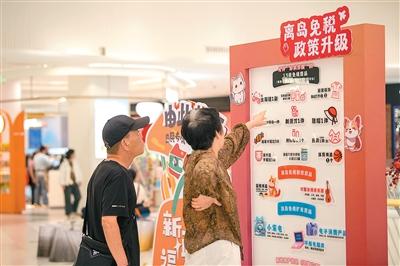
Core Insights - Hainan Free Trade Port officially launched its full island closure on December 18, 2025, leading to significant policy benefits and a surge in import and export activities, as well as consumer spending [2][3] Group 1: Consumption Trends - The duty-free shopping market in Hainan experienced a boom, with sales reaching 1.1 billion yuan from December 18 to 24, 2025, marking a year-on-year increase of 54.9% [3] - The variety of products available has expanded, enhancing the shopping experience for both domestic and international tourists, as evidenced by increased foot traffic in duty-free stores [2][3] Group 2: Tourism Market Dynamics - The hotel occupancy rate in Sanya exceeded 90% since the full closure, with expectations of continued high demand through the New Year [4] - Multiple factors, including government-issued consumption vouchers and large-scale cultural events, are driving the tourism market's growth in Sanya [4] Group 3: Business Opportunities - The full closure has enabled local companies to engage in processing and value-added activities, with a notable increase in registered foreign trade enterprises, up 230% year-on-year [5] - Global investors are showing heightened interest in Hainan's free trade policies, with significant projects like Siemens Energy's gas turbine assembly base being established [6][7] Group 4: Consumer Sentiment - Online discussions reflect a positive consumer sentiment towards the shopping experience in Hainan, highlighting the convenience and benefits of the new policies [8][9][10]
LVMH旗下Belmond指责凯雷集团子公司导致秘鲁马丘比丘火车相撞事故
Xin Lang Cai Jing· 2026-01-01 22:55
Group 1 - Belmond Ltd., a luxury hotel subsidiary of LVMH, blames a railway company controlled by Carlyle Group for a fatal collision on the railway line to Machu Picchu [1] - The accident occurred on December 30, resulting in one death and several injuries due to Inca Rail's train entering an unauthorized section of the track [1] - Inca Rail is cooperating with authorities in the investigation and has expressed condolences to the victims while urging caution against premature conclusions before the investigation is complete [1]


规范元旦春节期间市场秩序
Xin Lang Cai Jing· 2026-01-01 19:47
Core Viewpoint - The Xinjiang Production and Construction Corps Market Supervision Administration issued a reminder to regulate market price order, online transactions, advertising compliance, and drug safety during the New Year and Spring Festival period, emphasizing the need for businesses to adhere to pricing norms and protect consumer rights [1][2] Group 1: Pricing Regulations - Catering businesses must implement clear pricing, ensuring consistency across menus, price tags, and ordering tools, with separate pricing for different specifications and transparent delivery fees [1] - Hotels are required to prominently display room types, pricing methods, and adhere to booking price commitments without temporary price increases [1] - Tourist attractions and parking lots must establish clear pricing signs, prohibiting unauthorized fee increases and ensuring all services are transparently priced [1] Group 2: Business Conduct and Compliance - Businesses must ensure legal qualifications and display their information prominently on their main operating pages, while strictly regulating promotional activities to prevent price fraud [2] - Unfair competition practices, such as selling counterfeit products and misleading advertising, are strictly prohibited, with a focus on maintaining ethical marketing practices [2] - Companies must comply with laws regarding drugs, medical devices, and cosmetics, ensuring product quality and safety, and adhering to strict quality management protocols [2]
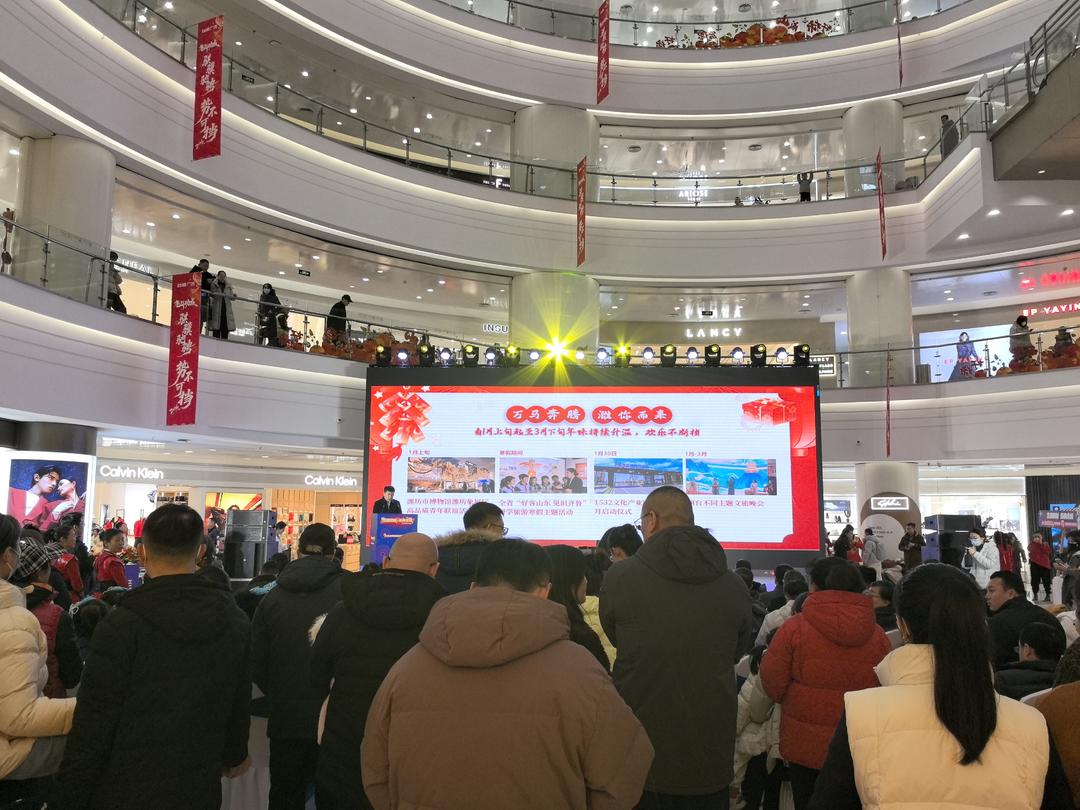
文旅进商圈销售额同比增长超30%,潍坊跨年迎新点亮消费新场景
Qi Lu Wan Bao· 2026-01-01 17:54
Core Insights - The event "Art Starts New Year, Shopping for the Whole City" held in Weifang on December 31, 2025, aimed to invigorate the year-end consumer market through cultural and artistic engagement, resulting in a significant increase in foot traffic and sales [1][3]. Group 1: Event Overview - The event attracted a total of 61,000 visitors, with foot traffic and sales increasing by 10.7% and 30.5% year-on-year, respectively [1][3]. - The Weifang Municipal Bureau of Culture and Tourism announced three core policy areas for promoting cultural tourism consumption, supported by financial initiatives from China UnionPay and exclusive benefits from Weifang Bai Group [3]. Group 2: Consumer Engagement - The event featured a diverse cultural market with 32 participating merchants, including activities such as incense ceremony, tea art, oil painting, and traditional crafts, which became popular engagement points for attendees [3]. - A series of lottery draws and the "Annual Koi Award" giveaway, valued at 5,000 yuan, heightened the excitement and participation among the public [3]. Group 3: Future Initiatives - The Weifang Municipal Bureau of Culture and Tourism plans to continue implementing strategies to boost consumption, focusing on creating new cultural tourism scenarios, business models, and activities that resonate with citizens [4].