
食品生产

Search documents
13个新项目获批 协议投资额达3.23亿美元
Shang Wu Bu Wang Zhan· 2025-12-23 16:28
Core Insights - The Cambodian Development Council (CDC) approved 13 new investment projects with a total investment of approximately $323 million, including a wind power plant project [1] Group 1: Investment Projects - Out of the 13 approved projects, 12 are in the industrial sector, covering various industries such as cosmetics manufacturing, electrical equipment assembly, textile dyeing, kitchenware manufacturing, automobile assembly, noodle and ingredient production, camping equipment manufacturing, sports equipment and accessories manufacturing, flower pot and gardening decoration materials production, furniture manufacturing, and pest control products manufacturing [1] - The remaining project is an infrastructure project, specifically a wind power plant with a capacity of 150 megawatts [1] Group 2: Investment Facilitation - Since the launch of the online "single-window" service in 2020, the registration and investment approval process for Cambodian enterprises has been significantly simplified, reducing the processing time from a maximum of about 3 months to 8 working days [1] - The platform integrates multiple key approval agencies, including the Ministry of Commerce, General Department of Taxation, Ministry of Labor, Ministry of Interior, Ministry of Economy and Finance, and the Cambodian Development Council, allowing for unified electronic document submission, one-time fee payment, and centralized issuance of permits, thereby enhancing investment convenience and administrative efficiency [1]
一问到底丨如何守护舌尖上的安全?聚焦食品添加剂、校园餐、直播售卖等
Yang Shi Wang· 2025-12-23 15:48
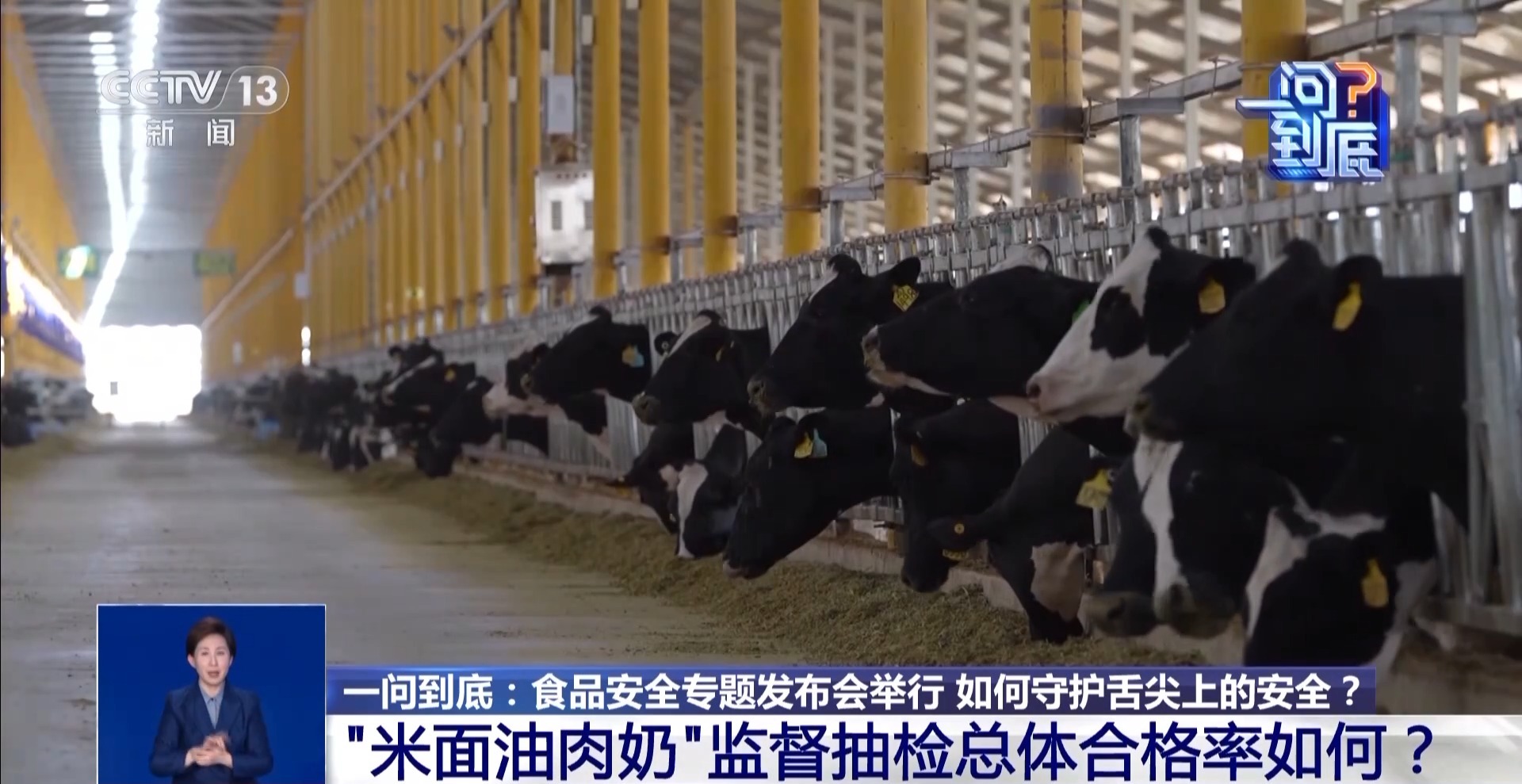
Core Viewpoint - The National Market Supervision Administration (NMSA) has conducted a comprehensive food safety inspection, revealing a stable overall food safety situation in China, with specific focus on meat products and edible oils, and has implemented new regulations to enhance food safety in various sectors, including e-commerce and school cafeterias [1][4][11]. Group 1: Food Safety Inspection Results - As of November this year, the NMSA completed 6.1769 million batches of food safety inspections, detecting 172,300 non-compliant batches, resulting in a non-compliance rate of 2.79% [1] - Among 39 categories of inspected foods, 24 categories had a non-compliance rate of less than 1%, with staple foods like rice, flour, oil, meat, and milk showing low non-compliance rates of 0.17%, 0.01%, 0.66%, 0.52%, and 0.08% respectively [1][3]. Group 2: Special Rectification of Meat Products and Edible Oils - The NMSA has focused on rectifying issues related to adulteration in meat products and edible oils, inspecting 2.45 million meat production and operation entities, leading to 35,529 cases filed and 1,511 cases referred for criminal investigation [4] - For edible oils, 1.892 million entities were inspected, resulting in 2,581 cases being filed, indicating significant progress in addressing these issues [4]. Group 3: Improvement in Infant Formula Safety - The compliance rate for domestic infant formula has remained above 99.95% for four consecutive years, with inspections covering all registered production and sales enterprises [3]. Group 4: Issues with Food Additives and Counterfeit Products - The NMSA has intensified efforts against counterfeit and substandard food products, filing 129,600 cases and seizing 2,071 tons of counterfeit food, while also addressing the misuse of food additives with 13,180 cases investigated and fines totaling 90.38 million yuan [7]. Group 5: Enhancements in Campus Food Safety - New measures have been implemented to strengthen food safety in schools, including the establishment of a dual food safety supervisor system for contracted school cafeterias to prevent management responsibility from being shifted [10][11]. Group 6: New Regulations for E-commerce and Chain Stores - The NMSA is set to release new regulations for live-streaming e-commerce, clarifying the food safety responsibilities of platforms and streamers, and enhancing consumer protection against substandard products [11][17] - Regulations for chain stores require headquarters to manage food safety across all branches, ensuring accountability and compliance with safety standards [19][21].

惠州今年查处食品安全违法案件526宗,罚没款超224万元
Nan Fang Du Shi Bao· 2025-12-23 14:15
Core Viewpoint - The Huizhou government has reported significant achievements in food safety for the year 2025, emphasizing a stable and improving food safety situation with no major incidents occurring throughout the year [1][2][3] Group 1: Food Safety Achievements - A total of 39,000 food samples and 406,000 agricultural product samples were tested throughout the year [1][3] - 526 cases of food safety violations were investigated, resulting in fines totaling 2.2486 million yuan [2][3] - The city successfully ensured food safety for 87 major events, achieving "zero accidents, zero complaints, and zero public opinion incidents" [1][3] Group 2: Regulatory Framework and Responsibilities - The Huizhou government has implemented a robust responsibility system, emphasizing local management and corporate accountability in food safety [1][2] - A total of 7,988 officials were assigned to ensure the implementation of local responsibilities, while food production and operation enterprises were encouraged to establish a comprehensive management mechanism [1][2] Group 3: Innovative Approaches and Community Engagement - The integration of "Internet + AI supervision" has been promoted to enhance regulatory efficiency, with 2,852 food samples tested based on public requests [3] - The city has initiated community-driven actions, such as the "Food Safety Rider 'Snap and Share'" campaign, to strengthen social cooperation in food safety [2][3] Group 4: High-Quality Development of Food Industry - Huizhou is advancing the high-quality development of the food industry by revising 114 local agricultural standards and optimizing food production licensing processes [3] - The city currently boasts 16 nationally recognized geographical indication agricultural products and 85 certified green and organic food products [3]
杭州市市场监督管理局关于食品安全监督抽检情况第十六期通告
Zhong Guo Zhi Liang Xin Wen Wang· 2025-12-23 08:17
Core Insights - The article reports on the food safety supervision and sampling conducted by the Hangzhou Market Supervision Administration, revealing a total of 2,345 batches tested, with 36 batches found to be non-compliant with safety standards [3][4][5][6] Group 1: Food Production Sector - In the food production sector, 881 samples were tested, with 878 passing and 3 failing. The non-compliant products included a batch of sesame mooncakes from Hangzhou Xu Di Di Food Co., which had excessive bacterial counts, and a batch of frozen rice cakes from Hangzhou Hong Ye Ye Food Co., which had unacceptable peroxide levels [3] - Another non-compliant product was a batch of five-spice peanuts from Hangzhou Lin'an Songjin Fried Food Factory, which contained unacceptable levels of aflatoxin [3] Group 2: Food Distribution Sector - The food distribution sector saw 845 samples tested, with 825 passing and 20 failing. Non-compliant products included batches of longan from various vendors that exceeded sulfur dioxide residue limits, and a batch of yam that contained unacceptable levels of pesticides [4] - Specific vendors cited for non-compliance included Hangzhou Lin'an Yan Bo Fruit Store and Hangzhou Xiaoshan Yingfeng Street Bo Yin Food Business, among others, with various pesticide and residue violations [4] Group 3: Catering Service Sector - In the catering service sector, 619 samples were tested, with 606 passing and 13 failing. Non-compliant products included batches of chili peppers and eggs from multiple restaurants that contained prohibited substances such as antibiotics and excessive peroxide levels [5] - Notable establishments with violations included Hangzhou Tide Restaurant Management Co. and Hangzhou Lin'an Yao Jie Traditional Steamed Dish Restaurant, which had issues with antibiotic residues in their food products [5] Group 4: Regulatory Actions - The Hangzhou Market Supervision Administration has referred the non-compliant products and their respective producers to local market regulatory authorities for further action in accordance with the Food Safety Law of the People's Republic of China [6]
爱沙尼亚2025年11月工业生产者价格指数同比上涨1.1%
Shang Wu Bu Wang Zhan· 2025-12-23 04:38
Core Insights - The industrial producer price index in Estonia increased by 1.1% year-on-year in November 2025, with a month-on-month rise of 0.2% [1] Group 1: Energy and Mining - The price index for energy production, including electricity, rose by 10.7% year-on-year [1] - The mining industry saw a production price increase of 6.3% year-on-year [1] Group 2: Manufacturing Sector - The manufacturing price index experienced a modest increase of 0.2% year-on-year [1] - Within manufacturing, clothing production prices increased by 6.3% year-on-year [1] - Wood and wood products processing prices rose by 4.2% year-on-year [1] - Basic pharmaceuticals and drug formulations saw a price increase of 2.7% year-on-year [1] - Food production prices increased by 1.5% year-on-year [1] - Conversely, basic metals manufacturing prices decreased by 11.3% year-on-year [1] - Textile production prices fell by 7.3% year-on-year [1] - Paper and paper products manufacturing prices declined by 5% year-on-year [1] - Repair and installation prices for machinery and equipment decreased by 1.8% year-on-year [1] Group 3: Trade Prices - The export price index in Estonia increased by 1.9% year-on-year in November [1] - The import price index rose by 1% year-on-year [1]
视频丨强制标示"一油一糖" 能否引领食品业健康升级?
Yang Shi Xin Wen Ke Hu Duan· 2025-12-23 02:43
Core Viewpoint - The National Health Commission has announced the new "National Food Safety Standard for Prepackaged Food Nutrition Labels," which will be implemented on March 16, 2027. The regulation mandates the labeling of "saturated fat or saturated fatty acids" and "sugar" as core items on nutrition labels, aiming to enhance consumer awareness of these components in food products [1][3]. Industry Changes - Over 80% of products from a food manufacturer in Jiangxi have already begun to comply with the new labeling standards ahead of the official implementation date [3]. - The new standard expands the mandatory labeling from "1+4" (energy, protein, fat, carbohydrates, sodium) to "1+6," adding sugar and saturated fat, which is expected to help consumers make informed dietary choices [6]. Health Implications - Excessive intake of saturated fat is closely linked to cardiovascular diseases, with common sources including animal fats and fried foods [9]. - Nutrition experts emphasize that the new labeling will help consumers better manage their intake of fats and sugars, addressing the challenge of making healthy choices in a market where many products may appear healthy but contain high levels of these components [6][9]. Challenges for Food Manufacturers - Food manufacturers are facing the need to upgrade their product formulations in response to the new labeling requirements, shifting focus from price and taste to health and quality [10]. - Companies are preparing by conducting comprehensive testing of their products to establish accurate nutritional databases and are in the process of designing and replacing packaging to meet the new standards [12][14]. Industry Regulation and Consumer Rights - The new standard is seen as a necessary step towards regulating the food industry and protecting consumer rights by providing clearer nutritional information [15]. - The mandatory labeling is expected to empower consumers to make informed choices based on transparent data, countering misleading marketing practices [15].
新版食品营养标签2027年实施!饱和脂肪、糖含量须明确标注
Yang Guang Wang· 2025-12-22 02:55
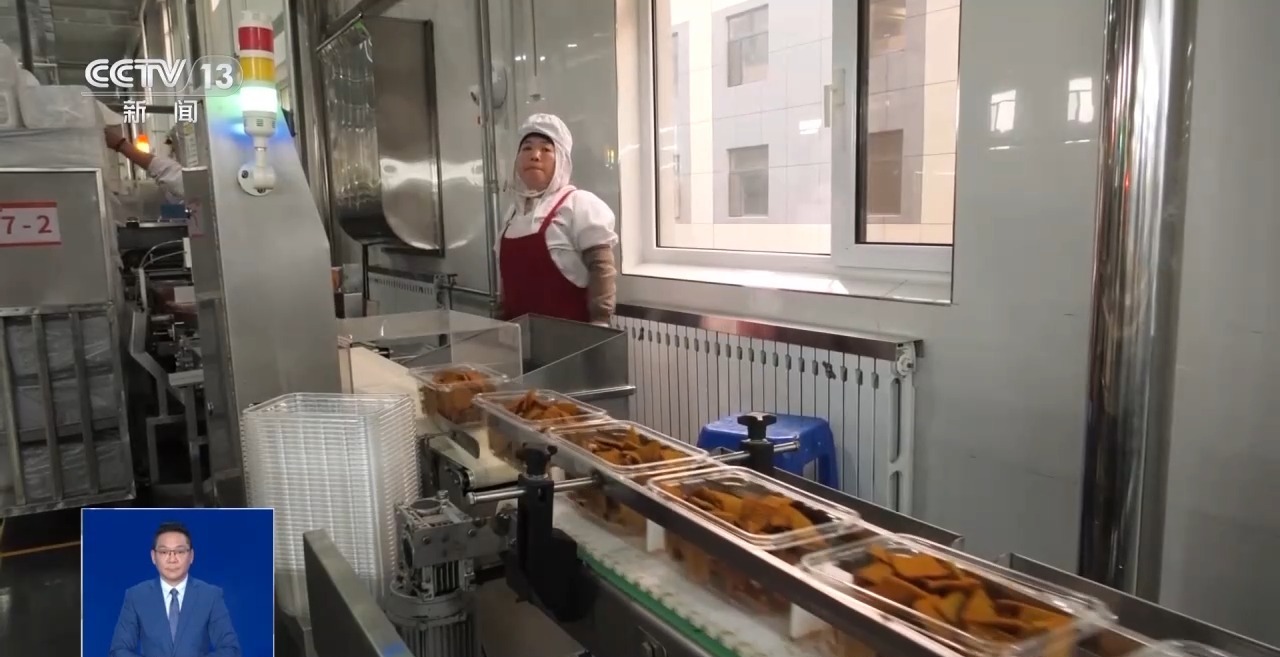
Core Viewpoint - The new national standard for food safety nutrition labeling will be implemented on March 16, 2027, requiring mandatory labeling of "saturated fat" and "sugar" on pre-packaged foods, aiming to enhance consumer awareness and promote healthier food choices [1][2]. Group 1: Industry Changes - Over 80% of a food production company's products have already begun to comply with the new labeling standards ahead of the official implementation date [1][2]. - The new standard expands the required nutritional information from "1+4" to "1+6," adding saturated fat and sugar to the existing list of nutrients [2]. - Companies are expected to upgrade their product formulations to meet the new standards, shifting focus from price and taste to health and quality [5][6]. Group 2: Consumer Impact - The new labeling will provide consumers with clearer information about the nutritional content of pre-packaged foods, addressing the confusion caused by insufficient transparency in current labeling practices [3][4]. - The emphasis on saturated fat and sugar is intended to help consumers make more informed dietary choices, potentially reducing the prevalence of lifestyle-related diseases [3][6]. - The new regulations are seen as a significant step towards protecting consumer rights and ensuring that food labeling is accurate and reliable [6]. Group 3: Challenges for Companies - Companies may face challenges in adjusting their product formulations and ensuring compliance with the new labeling requirements, particularly regarding the variability in raw material quality [6]. - The transition to new packaging and labeling may incur costs, especially for companies with large existing inventories [6]. - The new standards are expected to drive industry-wide changes, promoting better health outcomes and consumer trust in food products [6].

贵阳市市场监督管理局2025年第18期市级食品安全监督抽检公告
Zhong Guo Zhi Liang Xin Wen Wang· 2025-12-17 08:39
Core Points - The Guizhou Provincial Market Supervision Administration conducted a food safety inspection, sampling 910 batches of food products across 21 categories, with 32 batches found to be non-compliant [3]. Summary by Category Food Safety Inspection Results - A total of 910 samples were collected, including health foods, restaurant foods, nuts, egg products, starch products, seasonings, bean products, pastries, alcoholic beverages, grain products, meat products, dairy products, edible agricultural products, oils, vegetable products, snacks, seafood, fruit products, frozen foods, candy, and beverages [3]. - 32 batches of food were identified as non-compliant, with issues related to various contaminants such as chlorpyrifos, E. coli, and other harmful substances [3]. Regulatory Actions - The Guizhou Provincial Market Supervision Administration has mandated local market supervision departments to conduct immediate investigations and take necessary actions, including product recalls and risk control measures [3]. - The administration will strictly handle any violations and will publicly disclose the risk control measures and investigation results taken by the companies involved [3].
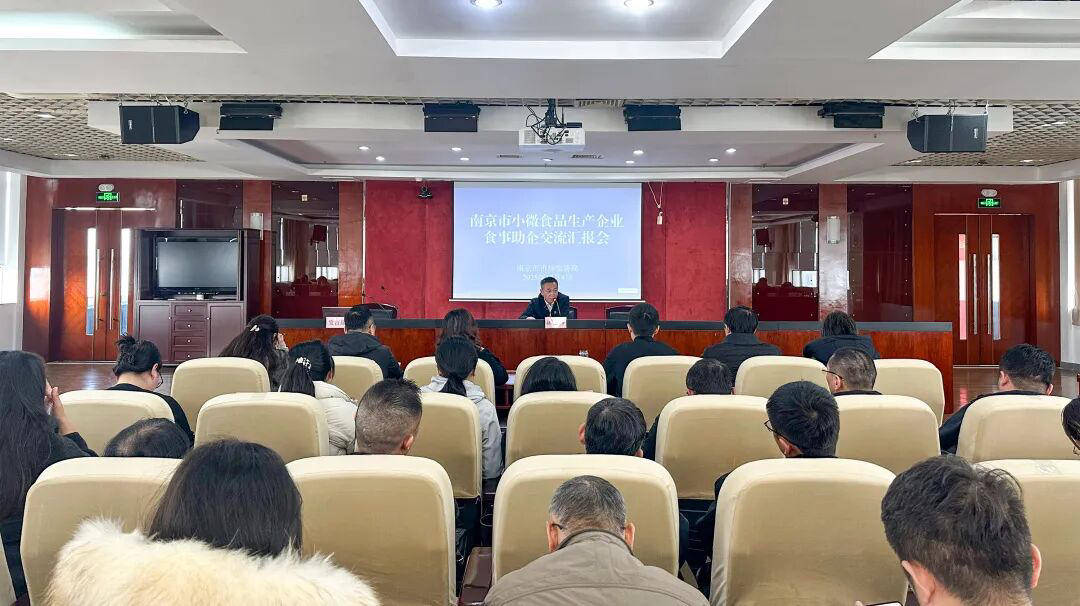
“食事助企”!再出新招→
Sou Hu Cai Jing· 2025-12-16 16:36
会上,6家小微食品生产企业代表先后发言,分享了在风险管控、标签规范、检验技能、体系建设等方面的提升成果,生动展现了帮扶工作给企业带来的 实在变化。 为深化小微食品生产企业质量安全提升行动,总结2025年"食事助企"服务成效,凝聚防风险促发展合力,近日,南京市市场监管局召开"食事助企"小微食 品生产企业质量提升交流会。 精准帮扶,筑牢安全防线 2025年,南京市市场监管局启动小微食品生产企业"食事助企"精准帮扶项目,对100家有帮扶意向的小微食品生产企业开展"一对一"指导、"菜单式"服 务。帮扶工作紧扣企业需求,通过现场问题诊断、风险危害分析、定制管控方案、跟踪验证改进等闭环流程,帮助企业应用HACCP原理,精准识别风险 点、制定管控清单,扎实推进"日管控、周排查、月调度"机制落地。同时,创新性推出标准咨询、标签诊断、检验实操、证前指导、认证帮扶5项服务, 破解小微食品生产企业质量管控能力不足、标准执行不到位、专业技术支撑薄弱等痛点难题。 赋能添力,企业提质强能 交流会总结了小微食品生产企业"食事助企"精准帮扶项目实施情况。2025年以来,累计帮助100家企业识别并防控食品安全风险点849个,结合企业实际制 定 ...
食品生产抽检合格率连续3年全省最高!烟台食药安全形势稳定向好
Qi Lu Wan Bao· 2025-12-09 06:17
Core Insights - Yantai City has strengthened food and drug safety supervision and enforcement since the start of the 14th Five-Year Plan, achieving the highest product sampling pass rate in the province for three consecutive years [1][2] - The city has been recognized as an advanced collective in national food safety work by the State Council Food Safety Committee in 2021 [1] Group 1: Regulatory Enhancements - The municipal government has integrated food and drug safety into key work reports and performance assessments, establishing a comprehensive regulatory system [1] - The Food and Drug Safety Committee plays a leading role in improving mechanisms for administrative and criminal coordination [1] Group 2: Collaborative Supervision - A mechanism for connecting the production and market entry of agricultural products has been established, involving multiple departments to enhance food safety [2] - Collaboration with various departments, including education and health, has been intensified to monitor centralized dining units like school and nursing home cafeterias [2] Group 3: Risk Management - The city has conducted nearly 230,000 food and drug inspections during the 14th Five-Year Plan, focusing on early detection and resolution of issues [2] - Emergency response plans for food, drug, and vaccine safety have been developed, along with regular emergency drills to improve response capabilities [2]