
铁矿石

Search documents
铁矿石早报-20251015
Yong An Qi Huo· 2025-10-15 00:47
Report Summary 1. Report Industry Investment Rating - Not provided in the given content 2. Core Viewpoints - Not provided in the given content 3. Summary by Relevant Catalogs Spot Market - **Australian mainstream iron ore**: Newman powder price is 776, down 16 daily and up 1 weekly; PB powder price is 780, down 16 daily and up 2 weekly; Mac powder price is 774, down 15 daily and up 6 weekly; Jinbuba powder price is 750, down 16 daily and up 2 weekly; Mixed powder price is 750, down 12 daily and up 7 weekly; Super special powder price is 705, down 15 daily and down 1 weekly; Roy Hill powder price is 767, down 16 daily and up 10 weekly; KUMBA powder price is 839, down 16 daily and up 2 weekly [1] - **Brazilian mainstream iron ore**: Brazilian mixed ore price is 813, down 14 daily and down 2 weekly; Brazilian coarse IOC6 price is 784, down 16 daily and up 2 weekly; Brazilian coarse SSFG price is 789, down 16 daily and up 2 weekly [1] - **Other iron ore**: Ukrainian concentrate price is 905, down 15 daily and down 1 weekly; 61% Indian powder price is 739, down 16 daily and up 2 weekly; Carrera concentrate price is 905, down 15 daily and down 1 weekly; 57% Indian powder price is 638, down 15 daily and up 2 weekly; Atlas powder price is 745, down 12 daily and up 7 weekly [1] - **Domestic iron ore**: Tangshan iron concentrate price is 1020, unchanged daily and up 18 weekly [1] Futures Market - **DCE contracts**: i2601 contract price is 782.0, down 22.5 daily and up 1.5 weekly; i2605 contract price is 761.0, down 20.0 daily and up 1.5 weekly; i2609 contract price is 739.5, down 19.5 daily and down 1.0 weekly [1] - **SGX contracts**: FE01 contract price is 103.76, up 1.11 daily and up 2.42 weekly; FE05 contract price is 101.16, up 0.77 daily and up 1.63 weekly; FE09 contract price is 98.77, up 0.66 daily and up 1.29 weekly [1]
铁矿石贸易告别美元!打破澳矿垄断,人民币结算背后是中国硬实力的崛起
Sou Hu Cai Jing· 2025-10-14 19:54
Core Viewpoint - The global commodity trade foundation is shifting as BHP agrees to use RMB for iron ore trade with China, breaking decades of USD dominance in this sector [3][9]. Group 1: Market Dynamics - BHP will start using RMB for 30% of its iron ore trade with China from Q4 2025, marking a significant shift in the market [3][9]. - China's iron ore imports are projected to reach a record high of 1.237 billion tons in 2024, reflecting strong demand driven by continuous steel production exceeding 1 billion tons annually [3][5]. - The establishment of the China Mineral Resources Group consolidates purchasing power, representing nearly 40% of China's iron ore imports, enhancing China's bargaining position [5][6]. Group 2: Supply Chain Developments - The Simandou iron ore project in Guinea, with proven reserves of approximately 5 billion tons and an average grade of 66-67%, is set to significantly boost global iron ore supply [3][6]. - The project is expected to produce 12 million tons annually by 2026, contributing to 4.74% of global iron ore production and alleviating supply constraints for Chinese steelmakers [8][15]. Group 3: Financial Implications - The shift to RMB settlement is projected to save Chinese steel companies about $8 per ton in transaction costs, translating to significant financial benefits for large importers [9][11]. - BHP's acceptance of RMB is expected to improve its cash flow and reduce exposure to USD exchange rate fluctuations, enhancing its financial stability [11][12]. Group 4: Global Trade Impact - The transition to RMB for iron ore trade may trigger a broader trend of de-dollarization, as seen with other countries moving away from USD in bilateral trade [12][17]. - The potential decline in iron ore prices is anticipated as supply increases, with forecasts suggesting prices may drop below $80 in the long term [15][17].


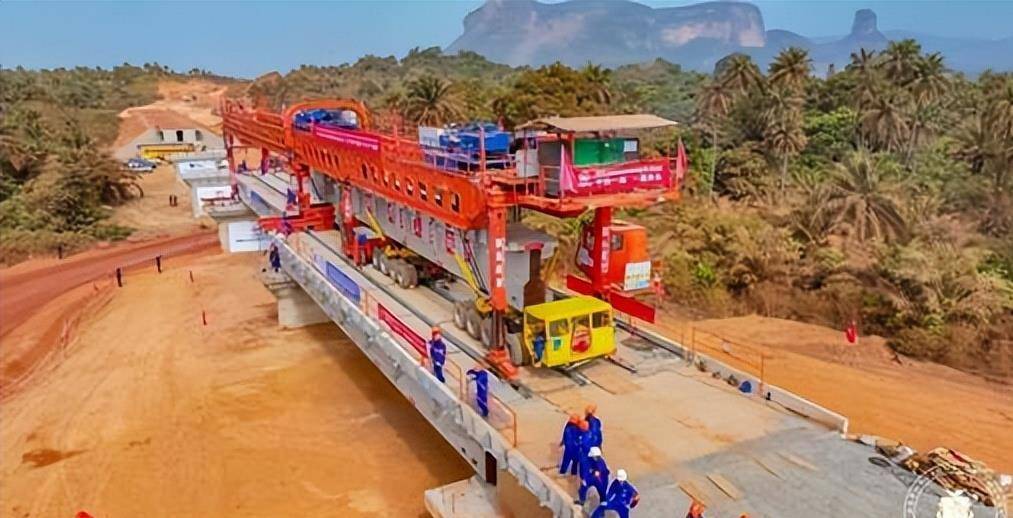
人民币国际化是一个渐进过程
Sou Hu Cai Jing· 2025-10-14 16:35
Core Viewpoint - BHP and China Mineral Resources Group have reached an agreement to settle a portion of iron ore spot trades in RMB starting in Q4 2023, marking a significant shift in pricing power for China and a step forward in the internationalization of the RMB [2][3] Group 1: Trade Dynamics - The initial phase involves 30% of the spot trading volume being settled in RMB, with long-term contracts under observation for potential full transition [2] - China's establishment of the Mineral Resources Group has improved its bargaining power, moving away from a passive acceptance of seller pricing [2] - The diversification of iron ore suppliers for China, including the upcoming Simandou mine and increased recycling of scrap iron, is reducing reliance on single-country imports [2] Group 2: RMB Internationalization - The agreement is expected to reduce foreign exchange demand by $70-80 billion annually, enhancing the RMB's share in commodity settlements [2][4] - The use of RMB for pricing and settlement will lower exchange rate risks for domestic companies and reduce costs associated with currency conversion [2][4] - Recent trends show that RMB internationalization has made significant progress, with RMB reserves held by global central banks reaching $245.2 billion, accounting for 2.14% of total reserves [3][4] Group 3: Policy and Future Outlook - China's approach to RMB internationalization is characterized by a cautious and gradual policy, focusing on risk control and market-driven strategies [5] - Former central bank governor Zhou Xiaochuan indicated that increased protectionism from the U.S. could provide an opportunity for the RMB to play a larger role in the international monetary system [5] - Future reforms are necessary to enhance the RMB's international use, including improving cross-border settlement efficiency and increasing the availability of RMB-denominated financial products [5]


人民币国际化:让这个世界上,不再有霸权能骑到别人头上
Sou Hu Cai Jing· 2025-10-14 15:57
Core Viewpoint - BHP, a major Australian iron ore producer, announced it will gradually accept RMB for iron ore spot transactions, starting in Q4 2023, marking a significant milestone in the internationalization of the RMB as all four major iron ore giants now accept RMB settlement [1][7]. Group 1: Iron Ore Market Dynamics - China is heavily reliant on iron ore imports, with over 1.2 billion tons expected in 2024, 60% of which will come from Australia, highlighting the country's significant demand for high-quality iron ore [5][6]. - Despite being the largest buyer of iron ore, China has limited bargaining power due to a fragmented buyer landscape and a concentrated seller market dominated by four major companies [6][7]. - The establishment of the China Mineral Resources Group (CMRG) aims to consolidate procurement among state-owned steel enterprises to enhance bargaining power against suppliers [6][7]. Group 2: RMB Internationalization Progress - The acceptance of RMB for iron ore transactions is seen as a major step forward for RMB internationalization, especially in the context of global commodity trading [7][11]. - Recent data indicates that RMB settlements in cross-border transactions have surpassed those in USD for the first time, with over 60% of foreign trade enterprises using RMB [11][12]. - The CIPS (Cross-Border Interbank Payment System) has been developed to facilitate RMB payments, covering 189 countries and connecting 1,700 banks, processing a significant volume of cross-border RMB transactions [10][12]. Group 3: Future Prospects and Innovations - The mBridge project aims to create a digital currency platform for central banks, allowing for direct currency exchanges without intermediaries, potentially reducing reliance on the USD [16][20]. - The internationalization of RMB is not just about becoming a reserve currency but also about eliminating the dominance of the USD in global trade [21].

中方用一周时间,就拿到铁矿石定价权,澳铁矿巨头同意人民币结算
Sou Hu Cai Jing· 2025-10-14 15:17
Core Insights - China's recent strategy to pause iron ore purchases from BHP has led to significant outcomes, including the agreement to settle transactions in RMB, marking a pivotal step in the internationalization of the currency and a shift in pricing power in iron ore trade [1][3]. Group 1: Pricing Power Shift - China, as the largest buyer, historically lacked bargaining power in iron ore pricing, but recent actions have enabled it to gain pricing authority [3]. - The Chinese Mineral Resources Group's decision to halt purchases of BHP's iron ore priced in USD, including goods already at port, forced BHP to reconsider its stance on RMB settlement [3][5]. - BHP's previous firm position included rejecting RMB transactions and demanding price increases based on current market rates, but China's strategic moves led to a breakthrough [3]. Group 2: Strategic Moves and Market Dynamics - China's diversification of supply sources, such as the upcoming production from Guinea's Mandi iron ore mine, which is expected to yield 120 million tons annually by 2025, is crucial in reducing reliance on Australian iron ore [3][5]. - The introduction of the RMB-denominated "North Iron Index" by China, leveraging domestic futures trading, aims to diminish the influence of the Platts index and enhance local pricing mechanisms [3][7]. - The consolidation of purchasing power through the establishment of the Chinese Mineral Resources Group, which integrates procurement from 600 steel companies, has effectively countered suppliers' pricing advantages [5]. Group 3: Implications for Currency and Future Strategies - The acceptance of RMB for settlements not only facilitates trade but also challenges the dominance of the USD in commodity transactions [7]. - Since 2020, major mining companies have been experimenting with RMB cross-border settlements, indicating a broader trend towards currency diversification in trade [7]. - China's future plans include expanding the RMB settlement framework to other commodities like oil and agricultural products, drawing on experiences from partnerships with Saudi Arabia and ASEAN [9].
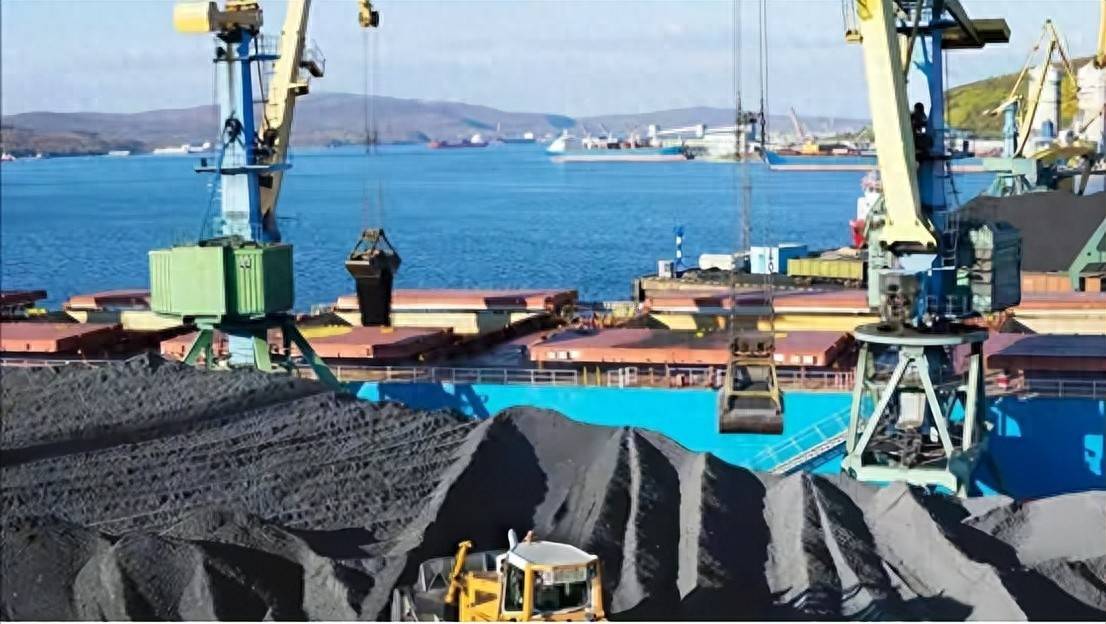
澳洲铁矿石用人民币结算,堪称里程碑事件:整个过程太低调,以至连西方都低估了其战略意义!
Sou Hu Cai Jing· 2025-10-14 14:41
Core Insights - BHP's agreement to settle iron ore transactions in RMB marks a significant shift in the global commodity trading landscape, challenging the dominance of the US dollar [1][2] - China's annual iron ore imports exceed 1.2 billion tons, representing a substantial portion of global imports, while BHP derives 60% of its iron ore revenue from the Chinese market [1] - The move towards RMB settlement is a strategic action by China, reflecting a broader challenge to US dollar hegemony, especially given BHP's significant US ownership [1] Group 1 - The agreement between BHP and China is not just a routine business deal but a reflection of the underlying power dynamics between the two parties [1] - The shift to RMB settlement is expected to have a strong demonstration effect, influencing other global players like Brazil's Vale and Indian mining companies to consider similar arrangements [1] - The transition to RMB for iron ore transactions signifies a structural loosening of the dollar's dominance in commodity settlements, which may have long-term implications for global trade [2] Group 2 - The first shipments of iron ore settled in RMB could symbolize a historic transformation in commodity trading, as traders begin to adapt to the new currency dynamics [2] - The change in settlement currency is seen as a quiet yet profound shift that could alter the foundations of dollar dominance in global markets [2]

人民币逼退美元!中国停购必和必拓后,全球矿业规矩要变了?
Sou Hu Cai Jing· 2025-10-14 11:58
Core Viewpoint - China's decision to stop purchasing BHP's iron ore priced in USD and switch to RMB has significant implications for the global mining industry, marking a shift in the balance of power in iron ore trade and signaling a move towards de-dollarization in commodity transactions [1][7][29]. Market Reaction - Following the announcement, BHP's stock fell by 1.8%, and iron ore futures experienced fluctuations exceeding 3%, highlighting the immediate impact of China's procurement policy change on the market [4][27]. China's Position in Iron Ore Trade - China, as the world's largest iron ore importer, consumes approximately 75% of globally shipped iron ore, making its purchasing decisions critical for the profitability of mining companies [4][6]. - Historically, China has been viewed as a "big spender" in iron ore trade, often at the mercy of international miners due to its reliance on imported high-grade iron ore [9][11]. Historical Context - China's steel industry has faced three main challenges: high demand for steel due to urbanization, internal competition among numerous small steel producers, and the oligopolistic control of iron ore supply by a few major companies [9][14][16]. - The average profit margin for Chinese steel companies from 2005 to 2020 was below 5%, while BHP and its peers maintained profit margins around 60%, illustrating the unfavorable pricing dynamics for Chinese steelmakers [14]. Strategic Moves by China - China has adopted a three-step strategy to break the monopoly of international miners: consolidating its domestic steel industry, securing alternative iron ore sources, and strategically engaging with individual mining companies [16][19][21]. - The establishment of the China Mineral Resources Group in 2022 allowed for unified negotiations with foreign suppliers, enhancing China's bargaining power [18]. Recent Developments - The commencement of production at the Simandou iron ore project in Guinea, which has significant reserves, provides China with a stable iron ore supply and strengthens its negotiating position [21]. - China's recent negotiations with BHP culminated in a decision to accept RMB for iron ore transactions, marking a pivotal moment in the shift away from USD dominance in commodity pricing [27][29]. Future Implications - The increasing use of RMB in commodity settlements is expected to lead to a more diversified and competitive global iron ore market, moving away from the previous USD-centric model [31]. - China's approach in the iron ore market serves as a potential template for other developing countries seeking to enhance their negotiating power and secure fairer trade terms [29][31].
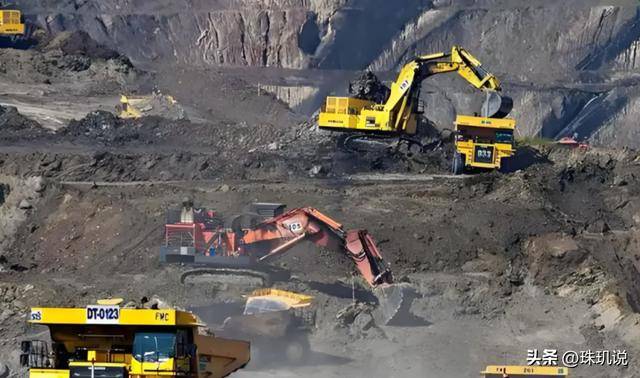
银十钢材仍在旺季 短期内铁矿石期价处于震荡走势
Jin Tou Wang· 2025-10-14 07:06
Group 1: Shipping and Supply Data - Global iron ore shipments totaled 32.075 million tons from October 6 to October 12, a decrease of 0.715 million tons week-on-week [1] - Shipments from Australia and Brazil amounted to 27.31 million tons, down by 0.949 million tons week-on-week [1] - Australian shipments were 19.163 million tons, a decrease of 0.636 million tons, with shipments to China at 15.845 million tons, down by 0.767 million tons [1] - Brazilian shipments were 8.147 million tons, down by 0.313 million tons week-on-week [1] Group 2: Company Reports - Rio Tinto reported a third-quarter production and sales update, indicating that 13 million tons of iron ore shipments were affected by a hurricane in Q1, with recovery expected to reach only about half [1] - The company expects its Pilbara iron ore shipments for 2025 to be at the lower end of the guidance target range of 323-338 million tons [1] Group 3: Market Insights - Recent data shows a significant increase in iron ore transactions at major national ports, with 0.952 million tons traded, an increase of 88.14% week-on-week [2] - The near-term supply remains ample, with stable iron production and resilient demand for iron ore, despite a slight increase in port inventories [3][4] - Steel mills are expected to have a certain level of replenishment demand post-holiday, contributing to a short-term resilience in iron ore prices, which are currently in a fluctuating trend [4]
铁矿石:供需矛盾偏弱,短期高位震荡
Hua Bao Qi Huo· 2025-10-14 05:19
1. Report Industry Investment Rating - Not provided 2. Core View of the Report - Iron ore's supply - demand contradiction is weak. The pressure of profit contraction in the industrial chain and the structural contradiction of finished product inventory limit the upward price ceiling, while the positive domestic macro - narrative provides support for the price floor. The price will fluctuate in the short - term, with the main contract of Dalian iron ore futures trading between 780 - 805 yuan/ton, corresponding to an external market price of about 104 - 107 US dollars/ton. The recommended strategy is interval operation and covered call options [2][3] 3. Summary by Relevant Catalogs Supply - External ore shipments decreased slightly month - on - month. Rio Tinto's shipments from Australia dropped significantly, while those from Brazil were relatively stable. The arrival volume reached a new high this year, and the support from the supply side continued to weaken [3] Demand - Domestic demand decreased month - on - month but remained at a high level, supporting the iron ore price. The daily average pig iron output this period was 241.54 tons (month - on - month - 0.27), higher than the average level in August (240.5). High pig iron production supported the iron ore price. The blast furnace operation rate in steel mills continued to decline slightly, with blast furnace restarts occurring in Hebei, and the blast furnaces under maintenance were mainly concentrated in Hebei, Northeast China, and Inner Mongolia for short - term maintenance, expected to resume production in two or three weeks [3] International Situation - Trump announced a 100% additional tariff on Chinese goods and export controls on key software and Boeing parts, but the possibility of the US raising tariffs by 100% is extremely low. It is expected that the two sides will restart communication on issues such as port service fees and rare - earth export controls, and related frictions may be alleviated periodically [3]
广发期货《黑色》日报-20251014
Guang Fa Qi Huo· 2025-10-14 05:18
Report 1: Steel Industry Investment Rating No investment rating is provided in the report. Core View Although steel demand is weak, the cost side provides support. Pay attention to the support levels around 3000 and 3200 for the January contract of rebar and hot-rolled coil respectively. The short-term weak macro sentiment will suppress the black market, but if the Sino-US friction intensifies in the medium term, the inflation expectation of upstream resource products will increase. [1] Summary by Directory - **Steel Prices and Spreads**: Rebar and hot-rolled coil spot and futures prices mostly declined. For example, the spot price of rebar in East China dropped from 3230 to 3220 yuan/ton, and the 05 contract of rebar decreased from 3159 to 3139 yuan/ton. [1] - **Cost and Profit**: The steel billet price decreased by 10 to 2940 yuan/ton, and the profit of hot-rolled coil in East China decreased by 7. [1] - **Mills**: The daily average pig iron output decreased by 0.3 to 241.5 tons, a decline of 0.1%. The output of five major steel products decreased by 3.8 to 863.3 tons, a decline of 0.4%. [1] - **Inventory**: The inventory of five major steel products increased by 127.9 to 1600.7 tons, an increase of 8.7%. The rebar inventory increased by 57.4 to 659.6 tons, an increase of 9.5%. [1] - **Trading and Demand**: The building materials trading volume decreased by 0.7 to 9.1 tons, a decline of 7.1%. The apparent demand for five major steel products decreased by 153.4 to 751.4 tons, a decline of 17.0%. [1] Report 2: Iron Ore Industry Investment Rating No investment rating is provided in the report. Core View The iron ore market is in a balanced and slightly tight pattern. The weak performance of finished products drags down the raw materials. The iron ore is expected to fluctuate within a range. It is recommended to go long on the Iron Ore 2601 contract at low levels and conduct an arbitrage strategy of going long on iron ore and short on hot-rolled coil. [4] Summary by Directory - **Iron Ore Prices and Spreads**: The warehouse receipt costs of various iron ore powders increased, and the 1-5 spread increased by 3.0 to 23.5, an increase of 14.6%. [4] - **Supply**: The weekly global shipment volume of iron ore decreased by 71.5 to 3207.5 tons, a decline of 2.2%, and the 45-port arrival volume increased by 437.1 to 3045.8 tons, an increase of 16.8%. [4] - **Demand**: The weekly average daily pig iron output of 247 steel mills decreased by 0.3 to 241.5 tons, a decline of 0.1%. The national monthly crude steel output decreased by 229.0 to 7736.9 tons, a decline of 2.9%. [4] - **Inventory Changes**: The 45-port inventory increased by 46.7 to 14024.5 tons, an increase of 0.3%, and the imported ore inventory of 247 steel mills decreased by 990.6 to 9046.2 tons, a decline of 9.9%. [4] Report 3: Coke and Coking Coal Industry Investment Rating No investment rating is provided in the report. Core View For coke, it is recommended to go short on the Coke 2601 contract at high levels, with a reference range of 1550 - 1700, and conduct an arbitrage strategy of going long on iron ore and short on coke. For coking coal, it is recommended to go short on the Coking Coal 2601 contract at high levels, with a reference range of 1050 - 1200, and conduct an arbitrage strategy of going long on iron ore and short on coking coal. [6] Summary by Directory - **Coke and Coking Coal Prices and Spreads**: The prices of coke and coking coal contracts mostly declined. For example, the 01 contract of coke decreased from 1667 to 1643 yuan/ton, and the 01 contract of coking coal decreased from 1161 to 1146 yuan/ton. [6] - **Supply**: The daily average output of all-sample coking plants remained unchanged at 66.1 tons, and the output of raw coal decreased by 31.3 to 836.7 tons, a decline of 3.6%. [6] - **Demand**: The iron ore output decreased by 0.3 to 241.5 tons, a decline of 0.1%. [6] - **Inventory Changes**: The total coke inventory decreased by 10.1 to 909.8 tons, a decline of 1.1%, and the coking coal inventory of all-sample coking plants decreased by 78.7 to 959.1 tons, a decline of 7.6%. [6]