智能驾驶

Search documents
卓驭科技获得中国一汽战略投资超36亿元,投后估值超100亿元
Sou Hu Cai Jing· 2025-11-21 06:58
Core Insights - Zhuoyu Technology has secured a strategic investment exceeding 3.6 billion RMB from China FAW Group, leading to a post-investment valuation of over 10 billion RMB [1][4] - Zhuoyu will continue to operate as an independent entity with its existing management team, technology roadmap, and brand strategy unchanged [1] - China FAW Group will act as a strategic shareholder, providing business collaboration and resource support to Zhuoyu [1] Investment Details - The investment is part of a broader strategic partnership that began with a smart driving cooperation agreement signed in April 2024 [4] - The collaboration has established a strong trust foundation between Zhuoyu and China FAW Group [4] Product Collaboration - Zhuoyu's "Chengxing Platform" features a 10V high-computing power platform capable of explaining end-to-end algorithms, along with the world's first inertial navigation tri-vision system [4] - These technologies have been integrated into various models, including Hongqi Tian Gong series, EH7 2025, and HS6 PHEV, enabling advanced driver assistance features such as smart parking and highway navigation [4]



从全运赛场到经济主场,解码广东体育经济新范式
2 1 Shi Ji Jing Ji Bao Dao· 2025-11-21 03:37
Core Insights - The article focuses on the economic impact of the 15th National Games in Guangdong, highlighting the integration of sports with various industries and the potential for economic growth through sports events [1][5][14]. Group 1: Economic Integration and Innovation - The 15th National Games serve as a platform for showcasing Guangdong's technological advancements, including AI, robotics, and low-altitude economy, which are becoming integral to the event [11][15][20]. - The event has catalyzed a shift in the perception of sports from a supplementary role in tourism to a central role, driving travel and consumption [8][9]. - The integration of sports with technology and consumption is redefining the economic landscape in Guangdong, linking innovation with economic growth [13][14]. Group 2: Regional Collaboration and Development - The collaboration among Guangdong, Hong Kong, and Macau during the Games signals a deeper regional integration, enhancing the competitiveness of the Greater Bay Area [5][6]. - The event has created a "space effect," facilitating movement and consumption across the region, thus promoting a comprehensive tourism map for the Greater Bay Area [32]. - The Games have highlighted the potential for cross-industry collaboration, particularly in the realms of culture, sports, and tourism, driving new economic opportunities [5][32]. Group 3: Consumer Engagement and Market Dynamics - The popularity of the Games has led to a surge in demand for merchandise, with sales of mascots and related products exceeding expectations, indicating a strong consumer engagement [29][30]. - The ticketing process for events has generated significant excitement and competition, reflecting the high demand for participation in the Games [31][32]. - The economic impact of the Games extends beyond immediate sales, fostering long-term consumer relationships and enhancing the overall economic ecosystem in Guangdong [9][30].
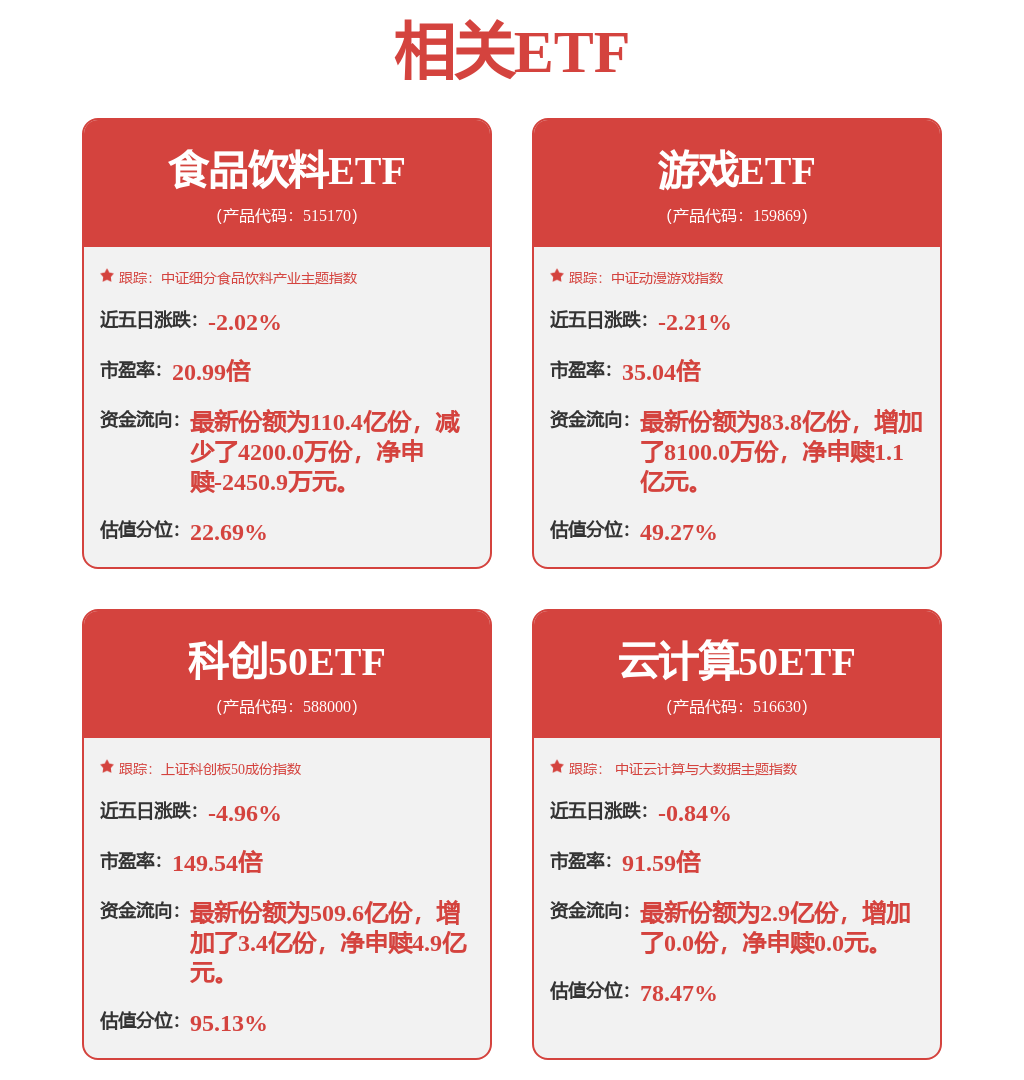
天准科技:公司旗下子公司天准星智的智能驾驶域控制器产品已经服务于行业内多家智能驾驶科技公司和汽车主机厂客户
Zheng Quan Ri Bao Zhi Sheng· 2025-11-20 13:36
Group 1 - The core viewpoint of the article is that Tianzhun Technology's subsidiary, Tianzhun Xingzhi, has developed an intelligent driving domain controller that is already serving multiple clients in the smart driving technology sector and automotive manufacturers [1] - The intelligent driving domain controller products cover various autonomous driving application scenarios, including Robotaxi [1]

天准科技:天准星智的智能驾驶域控制器产品已经服务于行业内多家智能驾驶科技公司和汽车主机厂客户
Mei Ri Jing Ji Xin Wen· 2025-11-20 12:38
Group 1 - The company Tianzhun Technology (688003.SH) has provided an update on its progress in the Robotaxi sector, indicating that its subsidiary, Tianzhun Xingzhi, has developed intelligent driving domain controllers [2] - The intelligent driving domain controller products are currently serving multiple smart driving technology companies and automotive OEM clients, covering various autonomous driving application scenarios, including Robotaxi [2]
元戎启行公布商业化“成绩单” 量产一年交付20万辆
Zheng Quan Shi Bao Wang· 2025-11-20 09:42
Core Insights - The company has achieved a production and delivery target of 200,000 units for its assisted driving technology, with a market share of nearly 40% in October 2025, and aims to exceed 1 million cumulative deliveries by 2026 [1][2] - The assisted driving market is experiencing rapid growth, with market size projected to increase from 6.25 billion yuan in 2024 to 19.28 billion yuan in 2025, and expected to reach 60.33 billion yuan by 2030 [2] - The company is focusing on deep partnerships with automakers to create popular models, which has led to significant sales success in the MPV and mid-size SUV segments [2] Assisted Driving Business - The company plans to expand its cooperation with more vehicle models and clients, aiming for a cumulative delivery of over 1 million units [1] - The rise of high-level urban NOA products is a key factor in the company's rapid expansion [2] - The company has secured a full suite of assisted driving standard projects with a leading domestic new energy vehicle manufacturer, which is expected to support its delivery goals for 2026 [2] Technological Advancements - The next-generation VLA technology is expected to significantly improve performance in handling occluded scenarios and defensive driving [3] - The company is leveraging its extensive data from mass production vehicles to enhance its technological capabilities [6] Robotaxi Business - The company is accelerating the rollout of its Robotaxi business, with plans to launch a testing and R&D base in Wuxi and to deploy consumer-grade mass production vehicles by the end of the year [4] - The Robotaxi vehicles are built on consumer-grade mass production cars, which reduces deployment costs and enhances system stability and platform compatibility [4] - The company anticipates that the Robotaxi market will exceed 100 billion yuan by 2030 and aims to be a significant player in this space [4] RoadAGI Initiative - RoadAGI targets the complex "last 100 meters" delivery scenarios, utilizing AI-driven platforms to enable autonomous navigation through natural language instructions [5][6] - The integration of VLA and VLN models allows mobile intelligent agents to navigate various environments, including public roads and indoor spaces [5][6] - The company possesses unique data processing capabilities, enabling it to handle large datasets effectively, which is crucial for the success of the RoadAGI initiative [6]
一线调研“现代化产业体系”怎么建
Zhong Guo Qing Nian Bao· 2025-11-20 03:04
Core Viewpoint - The article emphasizes the importance of integrating technological innovation with industrial development to build a modern industrial system in China, particularly in the context of the 14th and 15th Five-Year Plans [1][2]. Group 1: Traditional Industry Transformation - Traditional industries, such as steel and pharmaceuticals, are undergoing significant digital and intelligent transformations, with companies like Hunan Huazhong Steel Co. implementing automated systems that enhance efficiency and reduce labor costs [3][4]. - The Ministry of Industry and Information Technology reports that over 230 excellent smart factories and 1,260 5G factories have been established since the 14th Five-Year Plan, with China's industrial robot installations accounting for over 50% of the global total [4]. - The traditional industries contribute approximately 80% of the added value in manufacturing, highlighting their critical role in China's competitive advantage and the need for quality upgrades [4][5]. Group 2: New and Future Industries - The 15th Five-Year Plan focuses on developing emerging pillar industries, including new energy, aerospace, and advanced manufacturing clusters, while also laying the groundwork for future industries like quantum technology and brain-computer interfaces [7][10]. - Companies like Xidi Intelligent Driving Technology Co. are capitalizing on market demands for automation in hazardous environments, such as mining, supported by government policies aimed at increasing the adoption of intelligent technologies [10][11]. - The humanoid robot market in China is projected to reach approximately 870 billion yuan by 2030, indicating rapid growth in the new industry sector [11][12]. Group 3: Collaborative Innovation - The establishment of a collaborative innovation ecosystem involving government, enterprises, and research institutions is essential for building a modern industrial system, with policies aimed at fostering industry clusters and supporting technological breakthroughs [13][14]. - The North Star industry cluster in Zhuzhou has attracted over 170 related enterprises, indicating a successful model for industrial integration and collaboration [14]. - The government is encouraged to create a supportive environment for innovation, including financial incentives for basic research and the development of a skilled workforce to facilitate the transition from technology to industry [15][16].

【机构调研记录】方正富邦基金调研德赛西威
Sou Hu Cai Jing· 2025-11-20 00:14
Group 1 - The core viewpoint of the article highlights the recent research conducted by Fangzheng Fubang Fund on Desay SV, emphasizing the impact of intelligent driving regulations that demand higher performance and safety standards in automotive configurations [1] - Desay SV has secured new project orders from international automotive companies such as Toyota, Stellantis, and Volkswagen, indicating strong market demand and growth potential [1] - The company is operating its German factory normally, while the Spanish factory is expected to be completed by the end of this year, with supply starting in 2026, showcasing its expansion plans [1] Group 2 - Desay SV has launched a robotic intelligent base ICube, which applies automotive-grade redundant design to enhance durability and reliability, supporting rapid model deployment and computational optimization [1] - Fangzheng Fubang Fund, established in 2011, has an asset management scale of 89.403 billion yuan, ranking 66th among 211 in total public funds [1] - The fund's best-performing public fund product in the past year is Fangzheng Fubang Xinhong Mixed A, with a latest net value of 0.93 and a growth of 58.52% over the past year [1]
【机构调研记录】长信基金调研德赛西威
Sou Hu Cai Jing· 2025-11-20 00:14
Core Insights - Changxin Fund recently conducted research on Desay SV, highlighting the impact of intelligent driving regulations that demand higher performance and safety standards in automotive configurations [1] - The company has secured new project orders from international automakers such as Toyota, Stellantis, and Volkswagen, with its German factory operating normally and a Spanish factory expected to be completed by the end of this year, starting supply in 2026 [1] - Desay SV has launched the ICube, a robotic intelligent base that applies automotive-grade redundancy design to enhance durability and reliability, supporting rapid model deployment and computational optimization [1] Company Overview - Changxin Fund, established in 2003, has an asset management scale of 193.734 billion yuan, ranking 41st out of 211 in total public funds and 52nd out of 211 in non-monetary public funds [1] - The fund manages 181 public funds, ranking 41st out of 211, with 33 public fund managers, ranking 38th out of 211 [1] - The best-performing public fund product in the past year is Changxin Innovation-Driven Equity, with a latest net value of 2.12 and a growth of 65.96% over the past year [1] - The latest public fund product launched is Changxin Shanghai Stock Exchange Science and Technology Innovation Board Comprehensive Index Enhanced A, which is an index-type equity fund with a subscription period from November 17, 2025, to December 15, 2025 [1]
10年跃龙门:121家深企上市解码
Shen Zhen Shang Bao· 2025-11-19 16:50
Core Insights - Shenzhen has seen a remarkable acceleration in the speed of company listings, with 121 companies established for less than 10 years successfully going public, including 87 on A-shares and 34 on Hong Kong stocks [3][6] - This trend reflects Shenzhen's efficient innovation ecosystem, precise policy support, and active capital market, contributing to a comprehensive market entity cultivation system [3][7] Group 1: Listing Speed and Industry Focus - The average time for a startup in Shenzhen to grow into a listed company on the Sci-Tech Innovation Board is 13.35 years, which is 1.05 years faster than the national average [6] - The majority of the 121 companies are concentrated in strategic emerging industries such as new energy, semiconductors, artificial intelligence, robotics, and intelligent driving, indicating a shift towards technology-driven economic growth [7][8] Group 2: Innovation Ecosystem - Shenzhen's strong innovation ecosystem supports rapid company growth, with a well-established industrial chain that allows for quick product development and prototype creation [8][9] - The city has a comprehensive technology finance support system that matches capital with innovative enterprises, facilitating their growth [8][9] Group 3: Policy Support and Development Mechanisms - Shenzhen has implemented a market entity cultivation system that includes mechanisms for discovering and nurturing unicorn and gazelle companies, focusing on strategic emerging industries [10][11] - Recent data shows that Shenzhen has exceeded its targets for the number of small enterprises transitioning to larger scales, indicating effective policy implementation and support for industrial growth [11]
从技术路线到人员更迭,为什么智能驾驶又开始了“新造词”?
3 6 Ke· 2025-11-19 12:19
Core Insights - The automotive and intelligent driving industry is experiencing rapid technological iterations, leading to new terminologies and concepts that challenge user understanding and acceptance [1] - The transition from rule-based systems to end-to-end and world model architectures is reshaping the landscape of autonomous driving, with significant implications for company strategies and personnel [2][4][10] Industry Trends - The shift towards end-to-end systems, exemplified by Tesla's FSD V12, has prompted other companies like Huawei, Xpeng, and NIO to explore similar approaches, indicating a trend towards more integrated solutions [2][4] - The industry recognizes the upcoming critical period for the implementation of advanced driver assistance technologies, particularly from Q4 2023 to mid-2024, as companies race to adopt and refine these technologies [1] Technical Developments - Current autonomous driving systems, whether rule-based or end-to-end, primarily rely on mimicking human driving through extensive data collection and learning, which presents challenges in efficiency and adaptability [4][5] - The introduction of VLA (vision-language-action) models aims to enhance understanding of the physical world, moving beyond mere imitation to a more human-like comprehension of driving scenarios [7][11] Company Strategies - Companies like Xpeng and Li Auto are pivoting towards VLA models, with Xpeng's second-generation VLA eliminating the language translation step to improve efficiency and data utilization [8][11] - The restructuring of R&D departments within companies such as Li Auto and NIO reflects a strategic shift towards prioritizing VLA and world model approaches, indicating a broader industry trend towards adapting organizational structures to new technological demands [15][17] Competitive Landscape - The competition between self-developed autonomous driving technologies and third-party solutions is intensifying, with companies increasingly opting for partnerships with specialized suppliers to enhance their capabilities [18][21] - The financial burden of self-development is prompting companies to reconsider their strategies, as seen in Xpeng's significant investment in computing resources and the need for profitability in Q4 2023 [19][22]