新能源

Search documents
安徽将实施民营企业“登峰计划”写入政府工作报告
Xin Lang Cai Jing· 2026-02-08 19:33
Core Viewpoint - Anhui Province has introduced the "Summit Plan" for private enterprises, aiming to enhance their transformation and competitiveness, which has been included in the government's key work for 2026 [1] Group 1: Objectives of the "Summit Plan" - The plan focuses on cultivating a group of private enterprises with core competitiveness, industry leadership, and international influence [1] - The goal is to develop leading private enterprises in advanced manufacturing and strategic emerging industries, targeting companies with revenues exceeding 10 billion and 100 billion [1] - It aims to enhance innovation capabilities, support the establishment of R&D platforms, and promote the transformation of private enterprises towards high-end, intelligent, and green development [1] Group 2: Key Support Areas - The plan emphasizes support for advanced manufacturing, including sectors like new energy vehicles, integrated circuits, artificial intelligence, and high-end equipment [1] - It also includes support for strategic emerging industries such as new materials, biomedicine, new energy, and energy conservation and environmental protection [1] - Modern service industries like technology services, modern logistics, and the digital economy are also prioritized [1] Group 3: Policy Measures for Implementation - Financial support will be provided through the establishment of special funds, equity investments, and interest subsidies to alleviate financing difficulties [2] - Innovation incentives include support for building national and provincial engineering research centers and providing R&D funding for companies tackling key technologies [2] - Market expansion efforts will involve organizing participation in international exhibitions and supporting brand development and overseas market exploration [2] - Talent recruitment initiatives will include high-level talent introduction plans with housing and education support, encouraging collaboration between enterprises and educational institutions [2] - The business environment will be optimized through reforms to simplify approval processes and strengthen property rights protection [2]
加大力度吸引科技企业落户香港
Xin Lang Cai Jing· 2026-02-08 18:31
Group 1 - The Hong Kong government emphasizes the importance of the "14th Five-Year Plan" as a guiding framework for the city's development, particularly in sectors like finance, trade, and technology [1] - Hong Kong is actively attracting technology companies, providing them with favorable conditions for fundraising and talent acquisition, as well as opportunities to adapt their technologies to international standards through smart city initiatives [1] - A microelectronics company has successfully established a new production line in Hong Kong, focusing on semiconductor equipment, which is expected to enhance the local ecosystem and accelerate industry development [1] Group 2 - The Hong Kong Productivity Council, as part of the government's initiative, has launched the "Cradle Outbound Service Center" to support companies in expanding internationally, with over 350 companies expressing interest in its services [2] - In the past three years, more than 100 companies have been attracted to set up in Hong Kong, with an expected investment of over HKD 60 billion, creating approximately 22,000 R&D or management positions [2] - Hong Kong's financial services are positioned to empower industry development, with the IPO market leading globally, raising over HKD 280 billion from 119 companies, particularly in technology and biotech sectors [3]


培育绿色低碳人才 赋能高原绿色发展
Xin Lang Cai Jing· 2026-02-08 18:30
Core Viewpoint - China is committed to achieving carbon peak and carbon neutrality goals, emphasizing the importance of green and low-carbon development as part of its ecological civilization strategy [1] Group 1: Green Transition in Qinghai - Qinghai is positioned as a crucial ecological security barrier and clean energy hub, tasked with accelerating green transformation and promoting high-quality development [1] - The province must enhance the cultivation and introduction of green low-carbon talent to integrate green industries with economic development [1] Group 2: Green Low-Carbon Education - Qinghai's higher education institutions are urged to implement the national education framework for green low-carbon development, focusing on key areas like energy storage, hydrogen energy, and carbon capture [2] - A collaborative innovation approach across disciplines is necessary to train talent in climate change, energy transition, and ecological protection [2] Group 3: Promoting Green Low-Carbon Concepts - The integration of green low-carbon development into political theory courses is essential for fostering a deep understanding among students regarding carbon peak and neutrality goals [3] - Innovative and interactive educational models should be developed to enhance practical learning experiences for students [3] Group 4: Establishing School-Enterprise Cooperation - Enterprises play a vital role in green low-carbon industry development and should collaborate with educational institutions to foster talent and technological innovation [4] - A systematic talent cultivation plan should be established through school-enterprise partnerships, combining theoretical knowledge with practical skills [4] Group 5: Creating Green Low-Carbon Job Opportunities - The development of green professions is essential for achieving carbon reduction goals and enhancing environmental safety [5][6] - The emergence of new green jobs, such as those in clean energy and energy efficiency, reflects the growth of new industries and business models [6] Group 6: Building a Participatory Technical Support System - Qinghai aims to create a technology support system that encourages public participation in carbon reduction actions, enhancing awareness and engagement [7] - The system should facilitate the integration of digital technology and energy data to promote a culture of green behavior among citizens [7]
江苏林洋能源股份有限公司第六届董事会第五次会议决议公告
Shang Hai Zheng Quan Bao· 2026-02-08 18:11
Core Viewpoint - Jiangsu Linyang Energy Co., Ltd. has announced several key resolutions from its fifth meeting of the sixth board of directors, including the cancellation of repurchased shares, a valuation enhancement plan, and a share repurchase plan to boost investor confidence and maintain long-term value [1][4][5]. Group 1: Share Cancellation - The company plans to cancel 18,949,000 shares that were repurchased and remain unused in the repurchase account, aiming to enhance investor confidence and maintain the interests of shareholders [1][24][25]. - The total share capital will decrease from 2,060,169,156 shares to 2,041,220,156 shares following the cancellation [25]. Group 2: Valuation Enhancement Plan - The valuation enhancement plan was triggered due to the company's stock price being below the audited net asset value per share for 12 consecutive months in 2025, necessitating a strategy to improve market perception [29][30]. - The plan includes focusing on core business development, enhancing shareholder returns, maintaining regulatory compliance, improving information disclosure quality, and strengthening investor relations [29][31]. Group 3: Share Repurchase Plan - The company approved a plan to repurchase shares at a price not exceeding RMB 8.75 per share, with a total repurchase amount between RMB 15 million and RMB 30 million, intended for employee stock incentives [6][46]. - The repurchase will be conducted through centralized bidding and is expected to take place within 12 months from the board's approval [6][51]. Group 4: Governance and Management - The company is revising its internal management systems for information disclosure and fundraising management to enhance governance and operational efficiency [8][11]. - A new compensation management system for directors and senior management has been proposed to align with legal and regulatory requirements [14][15]. Group 5: Upcoming Shareholder Meeting - A temporary shareholder meeting is scheduled for February 27, 2026, to review the resolutions that require shareholder approval, including the cancellation of repurchased shares and the new compensation management system [17][71].

上海发布先进制造业转型升级三年行动方案 到2028年新增年产值10亿元以上制造业企业100家
Shang Hai Zheng Quan Bao· 2026-02-08 17:31
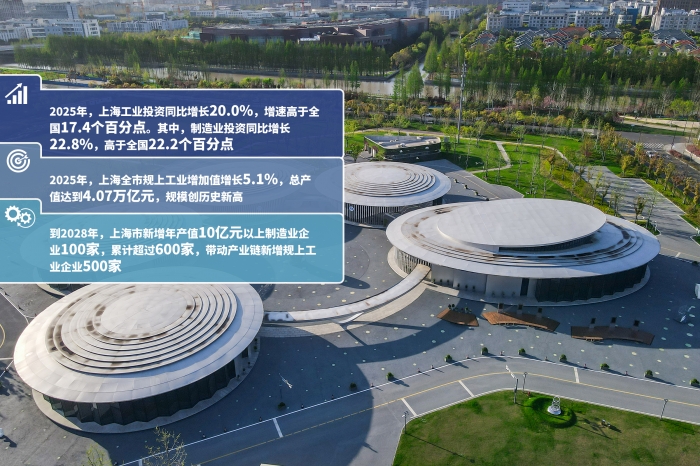
Core Viewpoint - Shanghai is launching a three-year action plan (2026-2028) to support the transformation and upgrading of advanced manufacturing, aiming to add 100 manufacturing enterprises with an annual output value exceeding 1 billion yuan by 2028, totaling over 600 [2] Group 1: Investment and Growth Targets - By 2025, industrial investment in Shanghai is expected to grow by 20.0%, surpassing the national growth rate of 17.4%, with manufacturing investment increasing by 22.8%, higher than the national rate of 22.2% [2] - The action plan aims to drive the establishment of 500 new large-scale industrial enterprises along the industrial chain [2] Group 2: Strategic Paths for Industry Optimization - The action plan outlines three strategic paths: 1. "Optimize and Upgrade" traditional advantageous industries such as petrochemicals and steel [3] 2. "Strategic Leadership" for leading industries like integrated circuits and biomedicine [3] 3. "Promote Growth" for key and emerging industries, including new electronic information and intelligent connected vehicles [3][4] Group 3: Innovation and Technology Development - The plan emphasizes enhancing corporate innovation capabilities, encouraging increased investment in basic research, and providing financial support based on investment levels [4][5] - Focus on breakthrough technologies in laser manufacturing and new energy, as well as core technologies in integrated circuits and high-end equipment [4] Group 4: Digital Transformation and Smart Manufacturing - Shanghai aims to deepen digital transformation through initiatives like "AI + Manufacturing," promoting the application of AI technologies in production processes [4] - By 2028, the goal is to achieve full coverage of smart factories among large enterprises, with a robot density of 600 units per 10,000 people and a digitalization level of over 70% for smart manufacturing equipment [4] Group 5: Elemental Support and Financial Services - The action plan includes strengthening support for talent, space, and funding, with a focus on optimizing financial services for the manufacturing sector [5] - Financial institutions are encouraged to offer lower interest rates and longer-term loans for manufacturing enterprises [5] Group 6: Long-term Development Strategy - The action plan is seen as a long-term strategy for cultivating new productive forces and building new advantages for high-quality development in Shanghai [6] - It aims to create a robust industrial growth engine, enhance the innovation system led by enterprises, and improve the support system for manufacturing development [6][7]
人生发财靠康波:2026年展望
泽平宏观· 2026-02-08 16:05
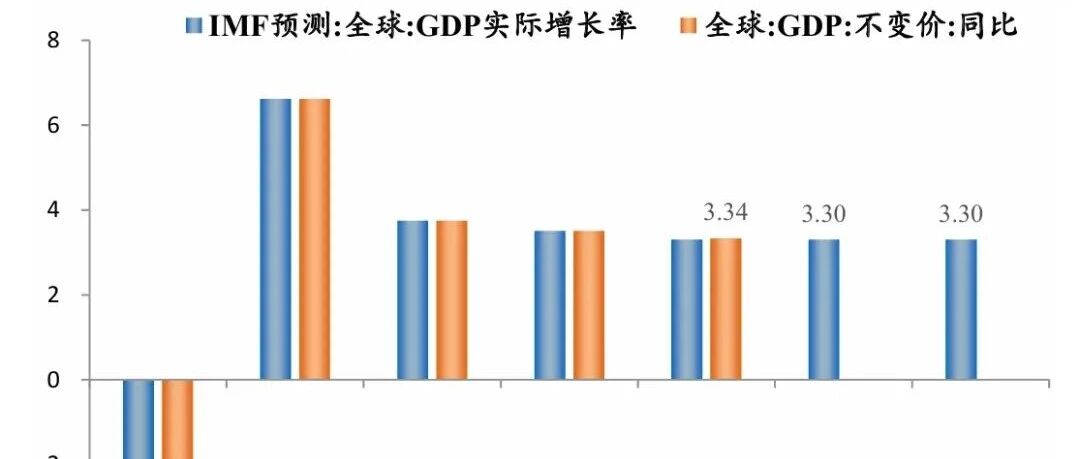
Core Viewpoint - The article discusses the impending global economic shifts, including de-dollarization, the rise of AI, and the cyclical nature of economic trends, predicting significant inflation and subsequent monetary tightening by 2026 [2][4][5]. Group 1: Economic Cycles - The article emphasizes the end of a century-long economic cycle, marked by the disintegration of the old order and the emergence of new challenges such as income inequality, populism, and geopolitical tensions [6][12]. - It highlights the fourth technological revolution driven by AI, which is expected to lead to substantial capital expenditure in new infrastructure and reshape wealth distribution and national power [6][18][19]. Group 2: Real Estate Market - The real estate sector is entering a phase of differentiation, with a predicted 20% of the population moving to core cities while 80% in lower-tier cities face prolonged declines [7][21]. - The article forecasts that 2026 will see a stabilization in the real estate market, contingent on policy support such as relaxed purchase restrictions and lower interest rates [22][23]. Group 3: Capacity Cycle - The capacity cycle is undergoing a transition, with traditional industries facing capacity reduction while new productive forces, particularly AI, drive large-scale infrastructure investments [24][27]. - The article notes that the capacity cycle has reached a turning point, with improvements in supply-demand dynamics and a recovery in prices and corporate profits expected [25][29]. Group 4: Inventory Cycle - The inventory cycle is transitioning from passive destocking to active restocking, although the recovery is expected to be weak due to ongoing industry differentiation and external uncertainties [29][30]. - The article anticipates a potential exit from deflation in 2026, driven by factors such as anti-involution policies and external inflationary pressures [30][31]. Group 5: Debt Cycle - The article discusses the ongoing challenges in the debt cycle, particularly the need for households to repair their balance sheets while new productive enterprises increase leverage [34][35]. - It emphasizes the necessity for fiscal and monetary policy adjustments to support new productive forces and stimulate economic recovery [39][41]. Group 6: Policy Outlook - The article outlines five key policy areas for 2026, including maintaining a moderately loose monetary policy, proactive fiscal measures, and supportive real estate policies aimed at stabilizing the market [46][48]. - It suggests that the focus will shift from merely preventing overheating in the real estate market to encouraging sustainable growth and addressing housing affordability [48][49]. Group 7: Asset Class Outlook - The article predicts a "confidence bull market" in the stock market, driven by technological advancements and a favorable policy environment, with a focus on sectors like AI, semiconductors, and renewable energy [51][52]. - It also anticipates a significant year for commodities, with expectations of rising prices due to de-dollarization and increased demand from the AI sector [53][54].
未来的机会在这里!任泽平带你看前沿科技
泽平宏观· 2026-02-08 16:05
Core Viewpoint - The article emphasizes the importance of practical learning experiences in cutting-edge technology sectors, highlighting the value of direct engagement with leading companies and experts to enhance investment insights and opportunities [12][24]. Schedule Overview - The schedule for 2025 includes visits to major technology companies such as Huawei, BYD, Tencent, and others, focusing on sectors like artificial intelligence, new energy, and biotechnology [23][24]. - Specific events are planned, including closed-door investment research meetings and thematic explorations in various cities, showcasing advancements in robotics, autonomous driving, and digital ecosystems [8][9][10]. Learning Experience - Participants will engage in deep explorations of technology companies, gaining insights into the full chain of technology development from laboratory to industrialization [12]. - The program includes top-level dialogues with founders and executives, providing firsthand insights into strategic decisions and industry disruptions [12]. Participant Feedback - Feedback from participants highlights the transformative impact of the program on their understanding of macroeconomic trends and investment strategies, emphasizing the importance of continuous learning and adaptation in a rapidly changing environment [46][47][48].

A股分析师前瞻:兼具胜率与赔率,策略分析师普遍看好持股过节
Xuan Gu Bao· 2026-02-08 13:49
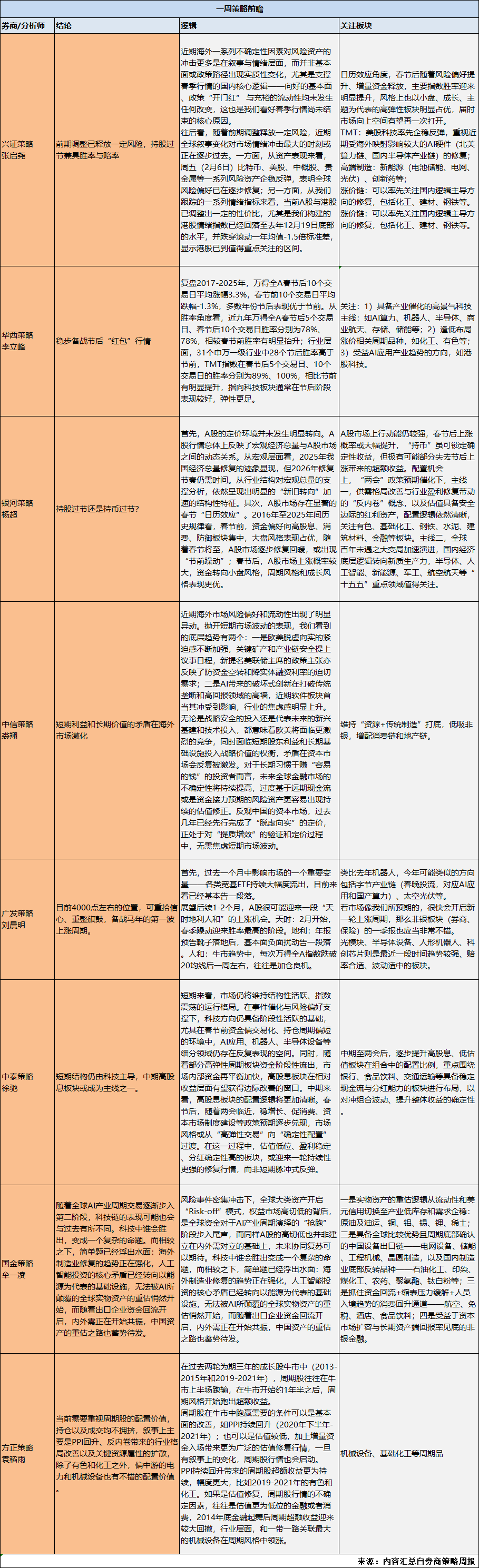
本周各家券商策略分析师讨论的焦点在于是否持股过节,整体偏向乐观。 华西策略李立峰团队也指出,可稳步备战节后"红包"行情。 其复盘2017-2025年,万得全A春节后10个交易日平均涨幅3.3%,春节前10个交易日平均跌幅-1.3%,多数年份节后表现优于节 前。从胜率角度看,近九年万得全A春节后5个交易日、春节后10个交易日胜率分别为78%、78%,相较春节前胜率有明显抬升; 行业层面,31个申万一级行业中28个节后胜率高于节前,TMT指数在春节后5个交易日、10个交易日的胜率分别为89%、100%, 相比节前有明显提升,指向科技板块通常在节后阶段表现较好,弹性更足。 银河策略杨超团队称,A股市场上行动能仍较强,春节后上涨概率或大幅提升,"持币"虽可锁定确定性收益,但极有可能部分失 去节后上涨带来的超额收益。以2016年至2025年间历 史规律看,春节前,资金偏好向高股息、消费、防御板块集中,大盘风格表现占优,随着春节将至,A股市场逐步修复回暖,或 出现"节前躁动";春节后,A股市场上涨概率较大,资金转向小盘风格,周期风格和成长风格表现更优。 广发策略刘晨明团队指出,目前4000点左右的位置,占据天时地利人和。 ...
后怕!如果当初决策层相信了许小年,中国可能会比现在落后20年
Sou Hu Cai Jing· 2026-02-08 13:29
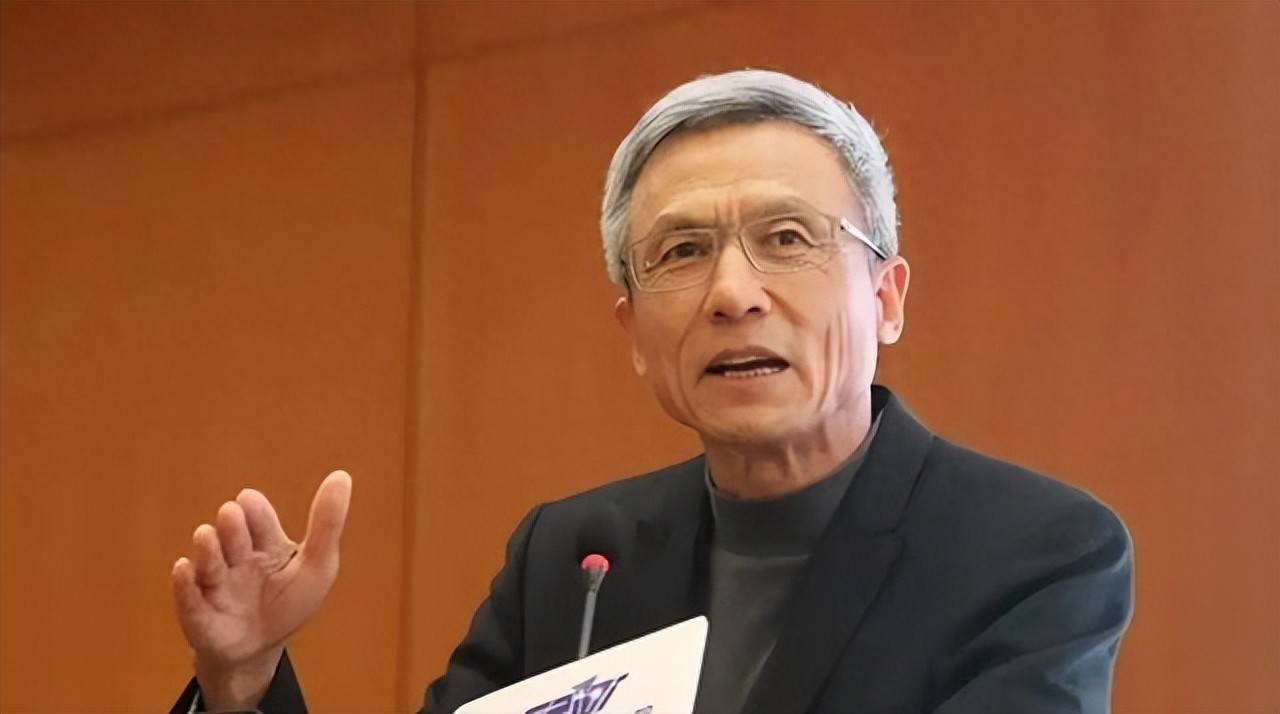
Core Viewpoint - Xu Xiaonian emphasizes the importance of market regulation and warns against excessive government intervention in high-end industries, suggesting that if policymakers had heeded his advice, China might have lagged significantly in sectors like high-speed rail and semiconductors [1][5][8]. Group 1: Xu Xiaonian's Background and Views - Xu Xiaonian, born in 1953, has a diverse educational and professional background, including a PhD in economics and experience at institutions like the World Bank and Merrill Lynch [2]. - He advocates for a cautious approach to industrial development, arguing that China's industrial base is weak and that rushing into high-end products could lead to inefficiencies and debt accumulation [5][7]. Group 2: Economic Development and Government Intervention - Xu has consistently warned about the risks of over-investment in high-speed rail and other technologies, suggesting that market forces should determine the pace of development [5][8]. - The Chinese government has shifted towards a focus on high-quality development and financial risk control, indirectly addressing Xu's concerns [7][8]. Group 3: Successes of China's Strategic Approach - China's high-speed rail network has expanded significantly, reaching 45,000 kilometers by 2023, accounting for 70% of the global total, which has boosted economic efficiency and reduced logistics costs [8][13]. - The electric vehicle market has seen rapid growth, with China accounting for 60% of global sales in 2023, demonstrating the effectiveness of government subsidies and strategic planning [8][13]. - In the solar energy sector, China has become a global leader, with 85% of solar module exports in 2023, showcasing the benefits of state support for research and development [8][13]. Group 4: Balancing Market Forces and State Strategy - The debate between market-driven approaches and state intervention continues, with Xu's views serving as a cautionary reminder against dogmatism in economic policy [15]. - The Chinese model illustrates that strategic investment and market mechanisms can coexist, leading to significant advancements in various industries [13][15].
春节前最后一个交易周!持币观望,还是持股过节?券商发声
证券时报· 2026-02-08 12:56
Core Viewpoint - The article discusses the strategies for investors in the last trading week before the Spring Festival, highlighting the mainstream recommendation of "holding stocks over the holiday" based on historical "Spring Festival effect" analysis and current economic expectations [1][5]. Market Trends and Historical Analysis - A-shares typically exhibit a "calendar effect" around the Spring Festival, characterized by "volume contraction before the festival and expansion afterward" [2][3]. - Historical data indicates that market volume usually starts to decline from T-8 days (T being the day of the festival), with significant volume drop observed around February 4, 2026, where trading amounts fell below 2.5 trillion yuan [2]. - The market tends to rebound in the last five trading days before the festival, with a clear upward trend often continuing until about T+6 days after the festival [2]. Fund Behavior and Market Dynamics - The "down then up" pattern of the index is attributed to risk-averse behavior of funds during the holiday, leading to a temporary market decline before a rebound as investors anticipate the "Spring Festival effect" [3]. - The rotation of large-cap and small-cap stocks is notable, with large-cap stocks performing better before the festival and small-cap stocks gaining an advantage afterward [3][4]. Investment Strategies and Recommendations - Multiple brokerage firms suggest a balanced approach to investment, emphasizing "stable allocation" before the festival and a focus on growth and industry trends afterward [8]. - Specific sectors such as low-volatility, high-dividend stocks in banking and consumer sectors are expected to attract funds during the pre-festival period [8]. - The technology sector remains a long-term consensus for investment, with a focus on AI applications, high-end manufacturing, and new energy post-festival [8]. Sector Focus and Future Outlook - Analysts recommend monitoring sectors that may experience marginal changes during the festival, including humanoid robots, AI industry chains, and gaming [9]. - The overall sentiment suggests that the market may see renewed upward momentum post-festival, driven by improved economic and profit expectations, as well as a favorable liquidity environment [6][7].