
天然气

Search documents
天然气周度思考第144期:卡塔尔两条LNG生产线遭到破坏短期难以恢复国际气价进一步走强-20260322
Zhong Tai Qi Huo· 2026-03-22 08:59
Report Industry Investment Rating No relevant information provided. Core Viewpoints of the Report - Qatar's two LNG production lines were damaged and are difficult to recover in the short term, leading to a further strengthening of international gas prices [1]. - Geopolitical tensions have not eased, and concerns about supply stability remain. Downstream users have limited acceptance of high gas prices [3]. Summary by Directory 01 Natural Gas Price Analysis - **International Price Summary**: The prices of various international natural gas futures and spot prices have shown significant changes. For example, compared with the same period last year, the JKM price increased by 60% in the annual change, and the China arrival price increased by 97% [11]. - **Domestic Price Summary**: The domestic natural gas prices in different regions have also changed. For example, the China arrival price increased by 146% in the monthly change [21]. - **Import Cost**: The LNG comprehensive import to - shore price and other import - related costs have their own trends [31]. - **Related Commodity Price Summary**: The prices of related commodities such as JCC, low - sulfur fuel oil, and high - sulfur fuel oil have different changes [37]. - **Forward Curve**: The forward curves of HH, TTF, NBP, and JKM show different trends [46]. - **Spread**: The spreads between different natural gas varieties, such as TTF - HH, JKM - HH, etc., show different trends [52]. - **Profit**: The theoretical production profit of Inner Mongolia liquid plants, LNG comprehensive import profit, and the economic comparison between LNG and pipeline gas have their own situations [63]. - **Freight**: The spot rents of Pacific and Atlantic LNG ships have changed [70]. 02 World Natural Gas Supply and Demand Analysis - **Natural Gas Rig Count**: The rig counts in different regions such as Canada, Asia - Pacific, and the Middle East have different trends [76]. - **World Natural Gas Demand**: The natural gas consumption of OECD countries shows different trends in monthly cumulative and monthly changes [81]. - **World Natural Gas Import and Export**: The LNG exports of countries such as Australia, Russia, and Qatar, and the LNG imports of countries such as Japan and South Korea have different trends [84][86]. - **World Natural Gas Inventory**: The LNG inventories of Japan's public utilities, South Korea, and other regions have different trends [93]. - **World Important City Temperatures**: The CDD and HDD of important cities such as Seoul and Tokyo have different trends [96]. - **Japan's Power Generation**: The total power generation and power generation from different energy sources in Japan have different trends [98]. - **World Natural Gas Supply and Demand Forecast**: BNEF's forecasts for world LNG exports and imports show different trends in different months [104][106]. - **Japan and South Korea Natural Gas Supply and Demand Forecast**: BNEF's forecasts for Japan and South Korea's natural gas supply, demand, and supply - demand differences show different trends in different months [108]. 03 US Natural Gas Supply and Demand Analysis - **US Natural Gas Production**: The dry gas production in the US shows different trends in weekly and expected values [113][115]. - **US Natural Gas Rig Count**: The numbers of US crude oil and natural gas rigs show different trends [117]. - **US Natural Gas Demand**: The natural gas consumption in the US for different purposes such as power generation, residential, and commercial use shows different trends [120]. - **US Natural Gas Import and Export**: The LNG exports and the net intake volumes of different terminals in the US show different trends [128][130]. - **US Natural Gas Inventory**: The inventories of US underground storage facilities in different regions show different trends [137][140]. - **US Major City Temperatures**: The CDD and HDD of major cities such as New York, Chicago, and Los Angeles have different trends [146]. - **US EIA Natural Gas Balance Sheet**: The EIA's short - term energy outlook for the US in 2026 shows the supply, demand, and inventory changes in different months [149]. 04 European Natural Gas Supply and Demand Analysis - **European Natural Gas Production**: The natural gas production in the UK, the Netherlands, and Norway shows different trends [154]. - **European Natural Gas Rig Count**: The number of European rigs shows a certain trend [157]. - **European Natural Gas Demand**: The natural gas consumption and power generation in countries such as France, Italy, Germany, and Spain show different trends [159][161]. - **European Natural Gas Import and Export**: The pipeline gas exports from Norway, TAP, and North Africa to Europe, and the LNG imports in different regions of Europe show different trends [166][172]. - **European Natural Gas Inventory**: The inventories of European gas storage facilities and LNG receiving stations in different countries show different trends [178][189]. - **European Important City Temperatures**: The CDD and HDD of important cities such as Madrid, Berlin, Paris, and Rome have different trends [193][196]. - **Other**: The water level of the Rhine River at Kaub shows a certain trend [199]. - **European Natural Gas Supply and Demand Forecast**: BNEF's forecast for European natural gas supply, demand, and inventory changes shows different trends in different months [201]. 05 Domestic Natural Gas Supply and Demand Analysis - **Natural Gas Total Supply**: The total supply of natural gas in China shows different trends in monthly and cumulative values [207]. - **Natural Gas Production**: The domestic natural gas production shows different trends in monthly and cumulative values [210]. - **Natural Gas Import**: The total natural gas imports, including pipeline gas and LNG imports, show different trends in monthly and cumulative values [213][216]. - **Domestic LNG Commodity Volume**: - **Receiving Station Tank Batch Volume**: The tank batch volumes of LNG imports in different regions show different trends [223][225]. - **LNG Liquid Plant Production**: The production of LNG liquid plants in different regions shows different trends [235][237]. - **Natural Gas Total Demand**: The apparent consumption of natural gas in China shows different trends in monthly and cumulative values [253][254]. - **LNG Liquid Plant Shipment Volume**: The shipment volumes of LNG liquid plants in different regions show different trends [258][260]. - **Weather**: There are different precipitation and temperature conditions in different regions of China [270]. - **Natural Gas Sector - by - Sector Consumption**: - **Transportation Gas Consumption**: The sales volume of natural gas heavy - duty trucks and the logistics industry prosperity index show certain trends [274]. - **Industrial Gas Consumption**: The PMI in China shows a certain trend [276]. - **Power Generation Gas Consumption**: The Three Gorges water level shows a certain trend [278]. - **Domestic Natural Gas Inventory**: - **Liquid Plant Inventory**: The inventories of LNG liquid plants in different regions show different trends [281][283]. - **Receiving Station Inventory**: No relevant detailed data provided.
大宗商品是个巨大的盘丝洞,牵一发而动全身
对冲研投· 2026-03-22 04:08
Group 1 - The article emphasizes that the narrative surrounding the Iran conflict in the commodity market is predominantly focused on oil prices, but it also highlights the significant impact on other commodities, particularly fertilizers and natural gas [3][4]. - Fertilizers are crucial for global food supply, with synthetic fertilizers supporting approximately half of the world's population. A complete halt in synthetic fertilizer production could only sustain about 4 billion people, while the current global population exceeds 8 billion [4][5]. - Natural gas is a core raw material for fertilizer production, with approximately 36 mmBTU of natural gas required to produce one ton of ammonia, which is then converted into urea, the most widely used nitrogen fertilizer [5][7]. Group 2 - Fertilizer plants are typically located near abundant and cheap natural gas supplies, such as in the Middle East and Russia. The transportation costs of natural gas are prohibitively high, making local production more economical [7]. - The closure of the Strait of Hormuz would severely disrupt the fertilizer market, as there are no strategic reserves for fertilizers, unlike oil. Approximately 45% of urea and 20% of ammonia are exported from countries along the Persian Gulf [7][8]. - The article discusses the limited alternatives for fertilizer supply, with China being a key player. If China resumes exports, prices may decrease; otherwise, they could rise to the next cost level [8][9]. Group 3 - Farmers in major agricultural countries like the US, Australia, India, and Thailand face tough choices due to fertilizer shortages, which could impact crop yields and food prices, thereby influencing inflation [9]. - The article outlines four potential responses from farmers: reducing fertilizer use, switching to crops that require less nitrogen, mixing different fertilizers, or ceasing cultivation altogether [9]. - The article also highlights the differences in the natural gas market compared to oil, noting that natural gas lacks a unified global price due to high transportation costs, leading to fragmented regional markets [12][13]. Group 4 - The attack on the Shah gas field in the UAE, a significant source of sulfur, could further impact fertilizer production, as sulfur is a key ingredient in sulfuric acid used in fertilizers [19]. - The article suggests that the complexities of the commodity market mean that disruptions in one area can have cascading effects on others, illustrating the interconnectedness of global supply chains [21].


1-2月全社会用电量同比增长6.1%,规上工业天然气产量同比增长2.9%
Xinda Securities· 2026-03-21 08:51
Investment Rating - The investment rating for the utility sector is "Positive" [2] Core Insights - The total electricity consumption in the first two months increased by 6.1% year-on-year, with industrial natural gas production rising by 2.9% [4] - The utility sector outperformed the broader market, with a decline of 2.4% compared to the Shanghai Composite Index's 2.2% drop [3][11] - The report highlights a potential improvement in profitability and value reassessment for the electricity sector due to ongoing supply-demand tensions and market reforms [4] Summary by Sections Market Performance - As of March 20, the utility sector declined by 2.4%, while the electricity sector fell by 2.45% and the gas sector by 1.42% [3][11] - Key companies in the electricity sector showed varied performance, with some gaining significantly while others faced declines [16] Electricity Industry Data Tracking - The price of Qinhuangdao port thermal coal (Q5500) remained stable at 731 CNY/ton as of March 20 [3][21] - Coal inventory at Qinhuangdao port increased by 580,000 tons week-on-week, totaling 7.18 million tons [27] - Daily coal consumption in inland provinces decreased by 2.79% week-on-week, with a total of 3.026 million tons [29] Natural Gas Industry Data Tracking - Domestic natural gas production in January-February reached 44.64 billion cubic meters, a year-on-year increase of 3.1% [4] - The average LNG ex-factory price in Shanghai was 4,868 CNY/ton, reflecting a year-on-year increase of 6.61% [55] - The European TTF spot price rose by 51.3% year-on-year, while the US HH spot price decreased by 22.8% [58] Key Industry News - The report notes significant growth in electricity consumption across various sectors, with the first industry seeing a 7.4% increase and the third industry 8.3% [4] - The report emphasizes the importance of ongoing reforms in the electricity market, which are expected to lead to a gradual increase in electricity prices [4] Investment Recommendations - The report suggests focusing on leading coal-fired power companies and regional leaders in electricity supply, as well as water power operators and equipment manufacturers benefiting from the new coal power cycle [4] - In the natural gas sector, companies with low-cost long-term gas sources and receiving station assets are expected to benefit from market conditions [4]
俄罗斯:欧盟计划停止进口俄天然气是“朝他们自己和选民们的脚上开枪”
中国能源报· 2026-03-21 07:08
Core Viewpoint - The European Union's plan to stop importing Russian natural gas is seen as detrimental to its own interests, according to Russian presidential spokesperson Dmitry Peskov [1][3]. Group 1: EU's Import Ban - The EU's 27 member states officially passed regulations in January to gradually prohibit imports of Russian pipeline gas and liquefied natural gas (LNG) [1][3]. - A complete ban on imports of Russian LNG will take effect in early 2027, while the ban on pipeline gas imports will be fully implemented in the fall of 2027 [1][3]. Group 2: Russia's Response - Russia is considering a complete halt of gas supplies to Europe ahead of the scheduled bans [1][3]. - Peskov emphasized that Russia will act in its own best interests and may redirect its gas, LNG, oil, and oil-related product exports to emerging markets if they become more attractive [1][3].

不对称的代价!伊朗战争“每持续一天”,对全球经济的伤害“以数月计”
华尔街见闻· 2026-03-21 03:30
Core Viewpoint - The ongoing conflict in the Middle East is causing significant disruptions to global energy markets, with the destruction of oil and gas infrastructure leading to long-term economic damage that could last for months or even years [1][5]. Group 1: Impact of the Conflict on LNG Infrastructure - Qatar's LNG export facilities have been severely damaged by Iranian missile strikes, with repair expected to take three to five years and an annual export loss of approximately 12.8 million tons, translating to a revenue loss of around $20 billion [2][10]. - The LNG market lacks strategic reserves, making it particularly vulnerable to supply shocks; following the news of the attack, European natural gas futures surged by 35%, more than double the levels before the conflict [3][10]. - The damage to Qatar's LNG production capacity is significant, with approximately 17% of total export capacity affected, leading to potential force majeure declarations on long-term contracts with European and Asian customers [10][11]. Group 2: Broader Economic Implications - The conflict's impact extends beyond the energy sector, with a mismatch in the timeline for destruction and reconstruction leading to compounded economic effects; each day of conflict could result in months of global economic repercussions [5][16]. - As LNG supply contracts, inflationary pressures and energy market re-pricing are accelerating, indicating a shift in market dynamics [6][14]. - Morgan Stanley has revised its estimates for Qatar's LNG production capacity utilization down from 90% to 80%, predicting a supply loss of 36 billion cubic meters if the Strait of Hormuz reopens within a month, with further losses for each additional month of delay [13][14]. Group 3: Long-term Market Outlook - Historical data suggests that countries affected by significant supply shocks may still experience substantial production losses years later, with an average of 42% production loss remaining four years post-crisis [16]. - Goldman Sachs warns that if the production potential in Iran and surrounding regions suffers substantial damage, oil prices may remain above $100 for longer than currently anticipated [17]. - The U.S. oil and gas sector is also feeling the impact, with operators hesitant to increase production despite rising prices, reflecting a shift towards capital discipline following past market cycles [19][21].
深夜,集体跳水!美国新计划曝光,事关霍尔木兹海峡!
券商中国· 2026-03-20 14:48
Group 1: Market Reactions - The Dow Jones, Nasdaq, and S&P 500 indices fell by 0.61%, 1.26%, and 0.93% respectively, with significant declines in technology stocks such as Oracle and Micron Technology, which dropped over 3% [1] - Brent crude oil prices remained above $100 per barrel, raising concerns about inflation, as Federal Reserve Governor Waller indicated that a closure of the Strait of Hormuz could exacerbate inflationary pressures [1] - European stock indices also experienced declines, with Germany's DAX30 down 1.10% and France's CAC40 down 0.92% [1] Group 2: U.S. Military Plans - The Trump administration is considering occupying or blockading Iran's Hark Island to pressure Iran into reopening the Strait of Hormuz, with plans still under evaluation [2] - Approximately 2,200 U.S. Marines are being deployed to the Middle East, potentially to seize key Iranian oil export hubs [2] - Former U.S. Central Command Chief McKenzie stated that the U.S. could destroy Hark Island's oil infrastructure, causing irreparable damage to Iran and the global economy [2] Group 3: Oil Price Impact - Since military actions against Iran began on February 28, international oil prices have surged by about 50%, with predictions that prices could rise to between $150 and $180 per barrel if conflicts continue [3] - The International Energy Agency warned that restoring oil and gas supplies in the Gulf region could take up to six months [4] Group 4: Iran's Position - Iran's ambassador to the UK stated that the Strait of Hormuz is open to all ships except those belonging to enemies, emphasizing Iran's right to self-defense [6] - Iran has expressed willingness to facilitate shipping through the Strait, provided its sovereignty and security are respected [7] Group 5: Helium Price Surge - The disruption of shipping in the Strait of Hormuz has led to a significant increase in helium prices, with estimates of up to a 40% rise [8] - Qatar, a major supplier of helium, has faced production interruptions, raising concerns about the supply chain for critical industries such as semiconductors [8]
卡塔尔:伊朗袭击致17%液化天然气出口产能受损
中国能源报· 2026-03-20 13:33
对此,韩国产业通商资源部相关人士表示,在美国和以色列对伊朗实施军事打击后,韩国 政府已在第一时间为卡塔尔液化天然气供应完全中断的情况制定了应急方案,目前已确保 足够使用至今年年底的储备量。不过,随着中东战争长期化,国际液化天然气价格上涨几 乎不可避免,韩国政府目前正在制定相关对策,以减少天然气价格上涨对国内经济的影 响。 根 据 韩 国 贸 易 协 会 数 据 , 韩 国 去 年 从 卡 塔 尔 进 口 液 化 天 然 气 697 万 吨 , 占 总 进 口 量 的 14.9%,为第三大进口来源国,仅次于澳大利亚和马来西亚。 卡塔尔说伊朗袭击致1 7%液化天然气出口产能受损 伊朗向全球最大液化天然气生产设施——卡塔尔拉斯拉凡工业区发射导弹,导致其液化 天然气出口能力的17%受损,韩国政府制定了应对卡塔尔液化天然气进口完全中断的紧 急预案。 韩国产业通商资源部相关人士20日表示,在卡塔尔液化天然气设施遭袭、韩国国内天然 气供应中断担忧加剧的背景下, 韩国政府已制定了应对卡塔尔液化天然气进口完全中断 的紧急预案 ,根据该方案,韩国国内天然气供应不会出现问题。 据卡塔尔能源公司19日表示,由于伊朗向全球最大液化天然 ...
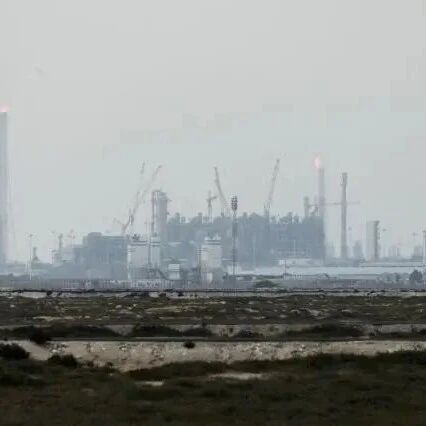
能源转型与碳中和(天然气):卡塔尔LNG出口装置出现长期损伤,欧亚气价进一步上涨
Zhong Xin Qi Huo· 2026-03-20 12:55
Report Industry Investment Rating - Not provided in the given content Core Viewpoints - Qatar's LNG export reduction due to long - term damage of facilities will reverse the expected LNG supply surplus this year and may raise the LNG price center [1][3] - Short - term, Eurasian gas prices will be volatile and strong, with Asian gas prices stronger than European ones; mid - term, prices may fall if Middle - East exports recover, but restocking demand will support prices [3] - The long - term reduction in Middle - East exports will increase the demand for US LNG, which is beneficial to US gas prices, but a further increase in the US gas price center requires new LNG export facilities to be put into production [3] Summary by Related Content Qatar LNG Export Situation - Qatar's Ras Laffan complex suffered long - term damage from Iranian attacks, with the 4th and 6th units needing 3 - 5 years to repair, affecting about 12.8 million tons/year of LNG exports, accounting for about 17% of Qatar's total LNG exports [1] - Some long - term contracts to China, South Korea, Italy, and Belgium will be cancelled due to force majeure [1] Impact on China - In 2025, Qatar's LNG exports to South Korea, Italy, and Belgium were 6.97 million, 4.99 million, and 1.57 million tons respectively, while exports to China reached 19.82 million tons [2] - More than 50% of the future export reduction will be concentrated in China, about 6 - 7 million tons, accounting for about 10% of China's LNG imports in 2025, and about 2% of China's total natural gas supply [2] Middle - East LNG Export Loss - Since March 1, LNG exports from Qatar and the UAE have been zero. The loss from the interruption of exports in the Middle - East is at least 13 million tons this year. If the Strait of Hormuz remains restricted, the export reduction will increase [2] Price Outlook - The expected LNG supply surplus this year is reversed, and the LNG price center may rise year - on - year [3] - Short - term, Eurasian gas prices will be volatile and strong, with Asian gas prices stronger than European ones [3] - Mid - term, if Middle - East exports recover, prices may fall, but restocking demand will support prices. A trend decline in the price center requires new LNG export capacity and increased inventories [3] - The long - term reduction in Middle - East exports increases the demand for US LNG, which is beneficial to US gas prices, but a further increase in the US gas price center requires new LNG export facilities [3]
纳贡
债券笔记· 2026-03-20 10:49
Group 1 - The Federal Reserve's decision not to cut interest rates and the possibility of future rate hikes have led to a significant drop in gold and silver prices, with the A-share market falling below 4000 points, raising concerns about a liquidity crisis [2] - European natural gas futures surged by 27% due to damage at Qatar's liquefied natural gas facilities [4] - Iran's parliament is pushing a bill that would require countries using the Strait of Hormuz for shipping, energy, and food transport to pay tolls and taxes to Iran [7] Group 2 - The UAE is maintaining its $1.4 trillion investment commitment to the US despite the ongoing conflict, indicating a strategic stance against Iran, which remains a key target for Iranian retaliation [8] - Japan is responding to US demands by committing 10 trillion yen (approximately $640 billion) for investment in the US, covering sectors like energy, minerals, and infrastructure, to secure concessions on tariffs and trade rules [9] - Japan's investment in the US is seen as a way to bypass Chinese control and establish a US-Japan-led supply chain for strategic industries such as semiconductors and renewable energy [11][12]

【能源转型与碳中和(天然气)】卡塔尔LNG出口装置出现长期损伤,欧亚气价进一步上涨
Zhong Xin Qi Huo· 2026-03-20 10:35
Group 1: Report's Industry Investment Rating - Not mentioned Group 2: Report's Core View - Qatar's LNG export reduction due to facility damage will reverse the expected supply surplus of LNG this year and may raise the price center [1][3] - Short - term Eurasian gas prices will fluctuate strongly with geopolitical conflicts, and Asian prices will be stronger than European [3] - In the medium - term, Eurasian gas prices may fall if Middle - East exports recover, but replenishment demand will support prices [3] Group 3: Summary of Key Information from Different Aspects Impact of Qatar's LNG Export Reduction - Qatar's Ras Laffan facilities' damage will affect 12.8 million tons/year of LNG exports, accounting for about 17% of total exports, and some long - term contracts to China, South Korea, Italy, and Belgium will be cancelled [1] - More than 50% of future export reduction will focus on China, about 6 - 7 million tons, accounting for about 10% of China's 2025 LNG imports and 2% of total gas supply [2] Middle - East LNG Export Losses - Middle - East LNG exports have lost at least 13 million tons this year. If the Strait of Hormuz remains blocked, losses will increase [2] Impact on Gas Prices - The reduction in Middle - East exports will increase the demand for US LNG, which is beneficial for US gas prices, but further price increases need new export facilities [3]