
私募股权

Search documents
寒冬中募资40亿 嘉御资本如何逆势而行?
Xin Lang Cai Jing· 2025-12-19 02:23
Core Insights - The global and Chinese economies have entered a stock era, while the AI technology revolution is evolving at an unprecedented speed [1][10] - In a tight fundraising environment for private equity, 嘉御资本 successfully raised over 4 billion RMB, showcasing a diverse and market-oriented funding structure [3][5] Fundraising Environment - The private equity fundraising market in 2025 is complex, with a notable disappearance of social LPs, yet some private enterprises are actively investing [2][11] - 嘉御资本's successful fundraising is particularly valuable in this contradictory market context, highlighting its unique funding sources [12][13] Investment Strategy and Focus - The newly raised funds will be allocated across a clear map of core sectors, including AI infrastructure, new consumer industries, cross-border e-commerce, and life sciences [3][4] - 嘉御资本's investment logic is based on deep insights into global structural trends, focusing on systemic opportunities in AI and supply chain restructuring [3][4] AI Infrastructure and Consumer Market - 嘉御资本 proposes a systematic framework called "Four Forces Synergy," emphasizing the collaborative development of computing, storage, transmission, and power [3][4] - The investment spans the entire chain from domestic AI chips to power management, creating technological synergies and mitigating risks [4][14] Industry Transformation Signals - The successful fundraising reflects broader changes in the private equity industry, with a shift from reliance on family and entrepreneur funding to market-oriented guiding funds and industry capital [5][15] - The active participation of listed companies as LPs indicates a closer integration between real enterprises and capital markets, aiming for both strategic and financial returns [6][15][16] Investment Philosophy Evolution - 嘉御资本's investment philosophy is evolving, focusing on sustainable profitability and resilience rather than just growth expectations [16] - The concept of "price-performance ratio" is emphasized, particularly in the new tea beverage sector, where 嘉御资本's investments have yielded significant returns [16][14] Future Outlook - As 嘉御资本 approaches its 15th anniversary in 2026, it is expected to enter a period of intensive IPO activity, validating past investment performance and enhancing future growth prospects [16][18] - The fundraising success and strategic shifts are likely to reshape the capital landscape in the private equity sector, moving focus from short-term gains to long-term structural opportunities [17][18]
“湘”当给力!湖南国资创投改革加速
Zheng Quan Shi Bao Wang· 2025-12-17 01:39
Core Insights - Hunan Province is accelerating its state-owned venture capital reform towards "technology innovation empowerment," with significant growth in private equity market activities [1][5] Fundraising Market - Institutional Limited Partners (LPs) in Hunan contributed a total of 30.4 billion yuan from January to November 2025, marking a 67% increase compared to the entire year of 2024 [2] - Nationally, institutional LP contributions reached approximately 1.4 trillion yuan, with state-owned capital accounting for 62.5% [2] - Major contributors in Hunan include Changsha Zhenwang Investment Development Co., Ltd. with 4 billion yuan, and Changsha Kaifu State-owned Capital Investment Operation Co., Ltd. with 2.277 billion yuan [2] Fund Scale and Structure - By November 2025, the newly registered fund scale in Hunan reached 51.1 billion yuan, nearly matching the 51.5 billion yuan from the entire year of 2024 [3] - The Hunan Jin Furong Fund, established in September 2024, aims to create a fund cluster of 300 billion yuan, with a structure of one main fund, five major guiding funds, and multiple sub-funds [4] Investment Market - Hunan led the Central Triangle region with 286 investment projects from January to November 2025, outperforming Hubei and Jiangxi [7] - Key investment sectors in Hunan include new materials, new energy, biopharmaceuticals, and intelligent manufacturing, aligning with the province's modernization goals [7] - Hunan Xingxiang Capital Management Co., Ltd. emerged as the most active fund manager in the province, with a registered fund scale of 7.3 billion yuan [8]
2026年最佳投资机遇在哪里?全球亿万富豪加码押注:中国和西欧!
天天基金网· 2025-12-14 07:00
Core Insights - The global stock market has shown strong performance in 2025, driven by the AI investment boom and loose monetary policies, with many indices, including US stocks, reaching historical highs [2] - Billionaires are optimistic about investment opportunities in China and Western Europe, with 40% of respondents favoring Western Europe and 34% favoring Greater China for the next 12 months, significantly up from 18% and 11% respectively in 2024 [2] - Over a five-year horizon, the outlook for Greater China has also improved, with the percentage of respondents expecting positive investment opportunities rising from 31% in 2024 to 48% in 2025 [2] North America Market Sentiment - There has been a significant decline in optimism regarding the North American market, with only 63% of billionaires favoring it in 2025, down from 80% in 2024 [4] - Concerns over multiple risk factors, particularly tariffs, have influenced this shift, with 66% of respondents identifying tariffs as a major potential negative impact on the market environment [4] - Other concerns include geopolitical conflicts (63%), policy uncertainty (59%), and higher inflation (44%) [4] Investment Preferences - Billionaires plan to increase their investments in private equity, hedge funds, developed market equities, and emerging market equities over the next 12 months, with 49% indicating plans to increase exposure to private equity [4] - The survey indicates that 43% of respondents plan to increase investments in hedge funds and developed market equities, while 42% are looking to invest more in emerging market equities [4] Regional Investment Trends - The UBS Billionaire Survey 2025 highlights varying investment preferences across regions, with significant interest in private equity and hedge funds in the Americas and EMEA [5] - In the Asia-Pacific region, 61% of billionaires plan to increase their exposure to hedge funds, indicating a strong regional preference for alternative investments [5]



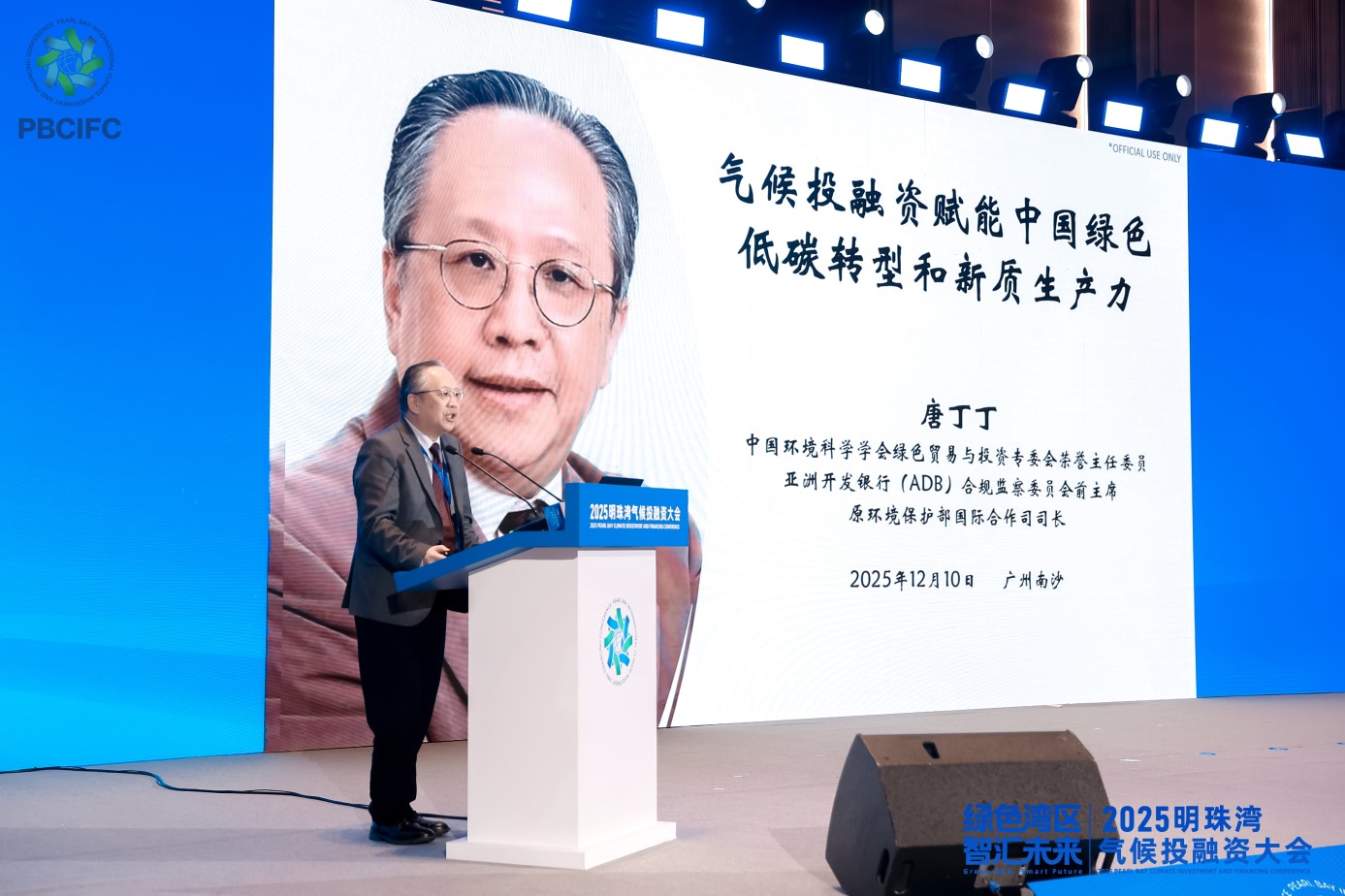
亚洲开发银行合规监察委员会前主席、中国环境科学学会绿色贸易与投资专委会荣誉主任委员唐丁丁:金融助力新质生产力高质量发展就是支持绿色低碳转型
Xin Hua Cai Jing· 2025-12-10 14:00
Core Viewpoint - Climate investment and financing should not merely focus on spending to reduce pollution and carbon emissions, but rather represent a profound transformation in development methods and a revolution in productivity, providing strategic support for China's economic transition to be not only "green" but also "high-quality" and "sustainable competitive" [1] Group 1: Climate Investment and Financing - Climate investment and financing address the core issue of "where the money comes from and where it goes," clearing significant obstacles for green and low-carbon transitions [2] - Traditional financial institutions often hesitate to invest in green technologies due to their long investment cycles, high risks, and uncertain short-term returns [2] - Climate investment and financing can fill market gaps by establishing special funds, green credit, green bonds, and transition finance tools to support these projects [2] Group 2: Recommendations for New Productive Forces - The first recommendation is to support breakthroughs from "0 to 1" through venture capital and private equity, and to promote industrialization from "1 to N" via project financing and asset securitization, driving the commercialization of technologies like large-scale energy storage and efficient hydrogen production [3] - The second recommendation focuses on cultivating emerging industrial clusters around "new three items," with climate investment and financing aiding in the formation of complete industrial and supply chains, while also providing transition finance for energy-saving transformations in traditional high-energy-consuming industries [3] - The third recommendation emphasizes creating new market demands and business models, with carbon markets and ESG investments being examples of new markets generated by climate investment and financing [4]
私募股权基金份额转让市场月报(2025年11月)
Sou Hu Cai Jing· 2025-12-10 06:17
Group 1 - The National Space Administration issued the "Action Plan" for commercial aerospace development, proposing the establishment of a national commercial aerospace development fund to encourage long-term, strategic, and value investments [2] - Haidian District released measures to support the high-quality development of the financial industry, aiming to create a diversified financial service system that meets the financing needs of technology-based enterprises throughout their lifecycle [3] - The Future Science City established the Lianjie Aikan Scientist Fund, focusing on hard technology fields such as robotics and AI, to promote the industrialization of scientific achievements and support high-quality development in Changping District [4] Group 2 - Beijing Home Furnishing Group's subsidiary transferred its partnership interest in the Tianjin Home Furnishing Fund for a price of 26.74 million yuan, resulting in a 32.87% share transfer [5][6] - Xiamen Municipal Finance Bureau established a 5 billion yuan industrial merger and acquisition fund to support companies in mergers and acquisitions, enhance core competitiveness, and facilitate the integration of resources [6][7] - As of November 30, 2025, the Beijing Equity Exchange Center's fund share transfer platform has recorded 139 fund share transfers, totaling 21.318 billion shares, with 104 completed transactions amounting to 8.03 billion shares [9]


富达国际:明年美联储料继续降息,AI投资热潮切实带动企业创新
Di Yi Cai Jing· 2025-12-10 04:33
Core Viewpoint - The impact of AI investments is becoming increasingly evident, with significant changes observed in various sectors, including productivity improvements and corporate restructuring [5][6]. Market Conditions - By the end of 2025, the market is expected to experience renewed volatility and weakness due to diverging expectations regarding Federal Reserve interest rate cuts and liquidity contraction [2]. - Recent market adjustments have been largely driven by liquidity, starting from more speculative markets like cryptocurrencies and spreading to gold and equities [4]. - The Federal Reserve is anticipated to continue its rate-cutting cycle into the next year, which may create favorable conditions for risk assets [4]. AI Investment Impact - AI investments have led to substantial operational efficiencies, reducing technology update cycles from eight months to under one month for some companies [6]. - The AI trend is expected to positively influence not only AI-related companies but also those in seemingly unrelated sectors, enhancing productivity and profitability [6]. Sector Preferences - There is a preference for investing in sectors that will benefit from AI infrastructure, such as the U.S. power grid and Asian semiconductor stocks, which are seen as having attractive valuations [6]. - Chinese technology stocks are viewed favorably due to lower capital investment requirements compared to U.S. tech firms, despite their strong capabilities [6]. Private Equity Insights - The private equity sector does not exhibit systemic risks, but there is significant variability in returns, with some funds outperforming while others underperform [6][7]. - Investors in private equity are advised to diversify their portfolios and extend investment horizons to mitigate risks and enhance returns [7].

告别低谷,LP出资显著回暖
FOFWEEKLY· 2025-12-08 10:19
Core Insights - The market has moved past its low point, with volatility recovery becoming the new norm, driven by strategic guidance from top-level policies and an influx of patient capital [3][31]. - Institutional LP funding activity has shown a significant increase compared to 2024, despite a 27% month-over-month decline in October, reflecting a 42.5% year-over-year growth [5]. Group 1: Institutional LP Funding Trends - In October, 394 new private equity and venture capital funds were registered, marking a 29.3% month-over-month decline but a 55.1% year-over-year increase [5]. - The funding activity of industrial LPs, particularly state-owned enterprises, remained stable, acting as a "ballast" in the market, focusing on strategic investments in core business upgrades and hard technology sectors [7][14]. - Financial institutions showed a mixed funding pattern, with bank-affiliated AICs gaining prominence, while traditional banks and insurance companies remained cautious [8][21]. Group 2: LP Type Structure - In October, the highest funding share came from industrial LPs at 41.77%, followed by policy LPs at 32.59%, financial LPs at 20.83%, and public LPs at 0.11% [11]. - Industrial LPs' funding activity decreased by 26% month-over-month, with non-listed companies showing more resilience compared to listed firms [14]. - Policy LPs experienced a 30% month-over-month decline in funding activity but a 20% year-over-year increase, indicating a cautious but persistent trend towards new productive forces [20]. Group 3: Regional Dynamics - Jiangsu Province exhibited notable resilience, with a 13% month-over-month decline in funding activity, the smallest among major provinces, while funding scale increased by 44% [25]. - The establishment of the Jiangsu Social Security Science and Technology Innovation Fund, with an initial scale of 50 billion yuan, is expected to inject long-term confidence and development momentum into the market [27]. - The core triangle of Suzhou, Nanjing, and Wuxi remains a focal point for capital aggregation and industrial layout, supported by significant fund establishments [27]. Group 4: Future Outlook - The private equity market is expected to continue its recovery, driven by strategic demands from industrial capital and long-term guidance from policy capital, with a focus on sectors like smart manufacturing, artificial intelligence, and renewable energy [31]. - The alignment of capital flows with industrial policies indicates a new development phase for China's private equity market, emphasizing the need for enhanced capabilities and specialization among GPs [31].

刚刚买下星巴克中国,博裕又募新基金了
投中网· 2025-12-07 07:04
以下文章来源于LP波谱 ,作者黎曼 LP波谱 . 本账号专注LP市场报道。"波浪、谱系"是识别市场的维度,也是定义市场的坐标;此外,波谱(Pop Art)也意为放低意义与史诗的执念,认同商业的日常之美。 将投中网设为"星标⭐",第一时间收获最新推送 三家产业巨头的同时入局。 作者丨黎曼 来源丨LP波谱 宁德时代、洛阳钼业、伊泰煤炭三家产业巨头,各自将 5 亿元资金托付给一家刚刚接管星巴克中国 运营权的私募机构。 这家机构就是中国知名 PE ,博裕资本。博裕资本凭借其成功投资阿里巴巴、美团、小红书、蜜雪 冰城等企业的往绩,以及在消费领域收购星巴克中国和 SKP 的近期动作,进一步巩固了头部 PE 的 位置。 三大产业 LP 出手 博裕新基金将募集 80-100 亿元 博裕新基金的具体消息是: 公告明确,基金管理人为博裕陶然(上海)股权投资管理有限责任公司,普通合伙人为博裕天枢(宁 波)自有资金投资有限责任公司。 三家产业资本参与私募股权基金投资,反映出的动机和战略意图各有侧重。 次日,洛阳钼业发布关联交易公告,其全资子公司西藏施莫克商贸有限公司认购 5 亿元基金份额。 由于宁德时代间接持有洛阳钼业 24.91% ...

双创融合孕育新质 耐心资本深耕未来 2025科创投资大会在安徽合肥举行
Sou Hu Cai Jing· 2025-12-06 15:05
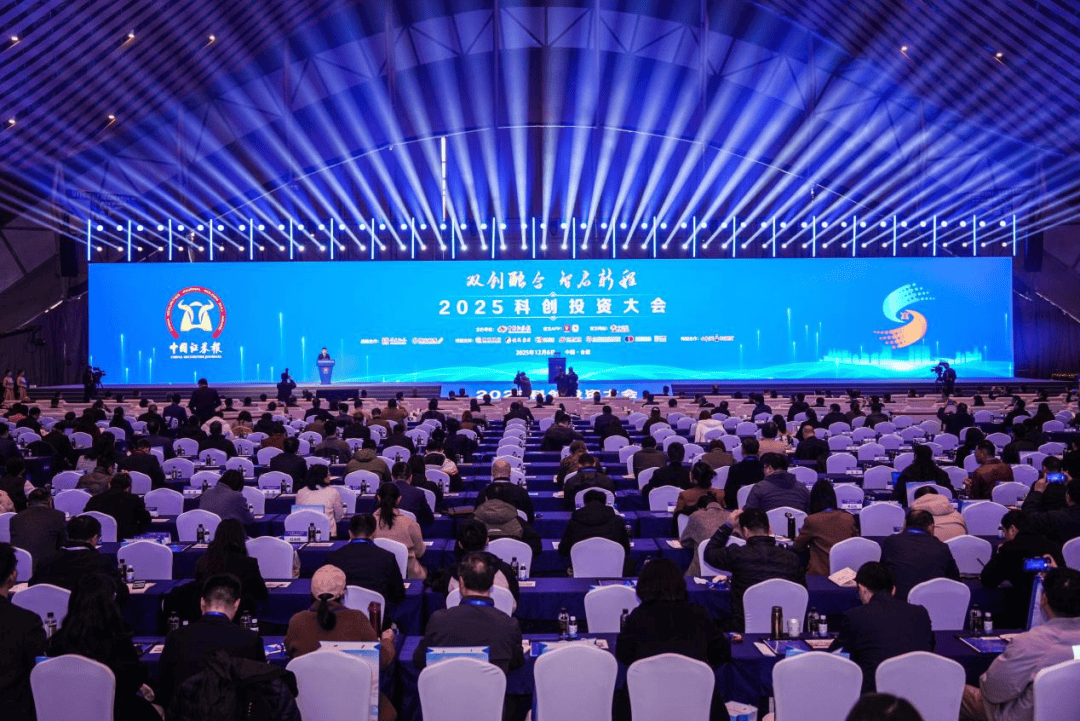
12月6日,由中国证券报主办的"双创融合 智启新程——2025科创投资大会"在安徽合肥举行。时值"十四五"决胜收官与"十五五"谋篇关键节点,近千位来 自政、产、投、研等领域代表齐聚江淮,共同探讨以耐心资本培育未来产业、以科技创新与产业创新深度融合驱动高质量发展的实践路径,为推动"科技 —产业—金融"良性循环凝聚智慧、汇聚合力。 2025科创投资大会在安徽合肥举行 科技创新与产业创新深度融合,呼唤资本更好发挥好纽带作用。新华社副总编辑任卫东致辞表示,私募股权、创投机构要以"科技"为引擎,引导资本投 向"最先一公里";以"金融"为活水,浇灌企业茁壮成长;以"融合"为路径,构建共创共赢的科创生态。新华社将充分发挥旗下中国证券报等媒体的专业优 势,讲好时代故事,做中国科创力量的"记录者"与"展示者",为科创投资、双创融合营造积极的舆论氛围。 战略引领 耐心资本育未来 "十五五"规划建议清晰擘画了未来五年国家现代化建设与产业体系构建的战略蓝图,也为资本市场赋能科技创新、培育新质生产力指明了战略方向。 在主题演讲中,国务院发展研究中心原党组书记马建堂重点解读了"十五五"规划建议的三条主线:坚持高质量发展,为基本实现社会主 ...
激发创投资本活力 赋能企业向“新”而行
Zhong Guo Zheng Quan Bao· 2025-12-05 20:23
Group 1 - The core viewpoint of the articles highlights the increasing vitality of venture capital in China, particularly in the context of the successful IPO of domestic GPU company Moore Threads, which saw a 425.46% increase on its first trading day, reaching a market capitalization of over 280 billion yuan [1] - The investment landscape is shifting towards early-stage, small-scale investments in hard technology, as evidenced by recent funding rounds in various sectors such as semiconductors and clean technology [2][3] - The total scale of private equity and venture capital funds in China reached 14.74 trillion yuan by the end of October, marking a 27.46% increase compared to the end of the 13th Five-Year Plan [2] Group 2 - The investment strategies of different types of institutions are evolving, with government investment funds transitioning from policy-driven to ecosystem-driven approaches, and market-oriented institutions shifting focus from internet sectors to advanced manufacturing [3] - The regulatory environment is expected to enhance the efficiency of fundraising and investment processes, promoting a more robust venture capital ecosystem that supports early-stage investments in hard technology [3][4] - A diversified investment model is anticipated to emerge, incorporating angel investments and corporate venture capital, which will play a crucial role in supporting early-stage projects and startups [4]