软件

Search documents
猝不及防,Adobe关停2D动画软件Animate拥抱AI,最惨学生:一学期的课白上了
3 6 Ke· 2026-02-03 10:02
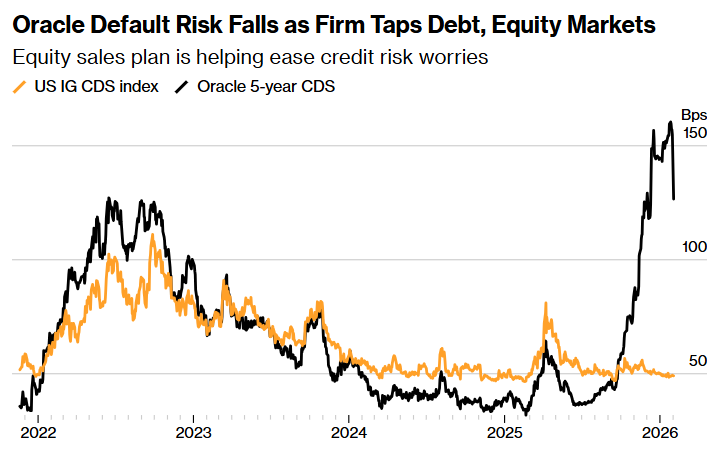
Core Viewpoint - Adobe has announced the discontinuation of Adobe Animate, a 2D animation software that has been in use for over 25 years, primarily due to a shift in focus towards AI technologies [8][19]. Group 1: Announcement and User Reactions - Adobe officially notified users that sales of Adobe Animate will cease on March 1, 2026, leading to widespread disbelief and anger among users, particularly those who have recently invested time in learning the software [3][8]. - Long-time users expressed frustration over Adobe's lack of communication and support for Animate, feeling betrayed by the sudden decision [5][17]. - The decision has significant implications for various professionals, including web animators, game developers, and independent creators who rely on Animate for their work [10][12]. Group 2: Reasons for Discontinuation - The primary reason cited for the discontinuation is Adobe's strategic pivot towards AI, with the company focusing on developing AI-driven tools across its product suite [19]. - Despite the software's historical significance and continued use, Adobe has not developed a suitable replacement that matches the capabilities of Animate, particularly in terms of frame-by-frame animation control [19][20]. Group 3: User Concerns and Alternatives - Users are concerned about the lack of a viable alternative, as transitioning to other software like Toon Boom involves high migration costs and a steep learning curve [11][12]. - Adobe's proposed solutions for users include using other Adobe applications to replicate some of Animate's functionalities, which many users find inadequate [14][19]. - The abrupt nature of the announcement and the absence of a clear transition plan have left users feeling unsupported and frustrated [17][19]. Group 4: Historical Context and Legacy - Adobe Animate, originally launched as FutureSplash Animator in 1996, played a crucial role in transforming the internet by enabling rich multimedia content [20][25]. - The software's legacy includes significant contributions to independent animation and web gaming, despite its decline in recent years [29].


在大上海钱真的不经花?“沪币”只是上海消费分层现象的缩影
Sou Hu Cai Jing· 2026-02-03 09:45
Core Viewpoint - The concept of "Shanghai currency" (沪币) reflects the high living costs and consumption stratification in Shanghai, serving as a humorous expression of the city's expensive lifestyle [3][10][17] Consumption Standards - Different consumption areas have varying "Shanghai currency" conversion rates, with daily dining at 1沪币≈6-10 RMB, core business districts at 1沪币≈15-20 RMB, and luxury goods/services at 1沪币≈50 RMB [5][6][12] - High rental costs significantly impact pricing in Shanghai, with restaurant rents constituting 20-25% of costs, compared to the industry standard of 10% [10][12] Economic Context - Shanghai's consumer price index is expected to remain stable in 2024, while rental prices in core areas are projected to rise by 5-8% year-on-year [10][12] - The information transmission/software industry is anticipated to grow by 9.5% in revenue, with software industry growth at 13.8% [12] Living Conditions - Despite high living costs, Shanghai offers a wide range of affordable options, such as community dining and budget supermarkets, which can help manage expenses [14] - The city is characterized by a high level of public services, job opportunities, and a favorable environment for career growth and entrepreneurship [14][17] Social Stratification - Shanghai exhibits significant consumption stratification, with high-end markets coexisting alongside affordable options, highlighting the need for tailored planning for low-income groups [17] - The city is working on urban development projects to alleviate pressure in central areas and improve living conditions through increased affordable housing [17]

钱多有什么用?被曝隐瞒花柳病的比尔盖茨,还要为23岁女儿操碎心
Sou Hu Cai Jing· 2026-02-03 08:58
Core Viewpoint - Bill Gates, once a symbol of the American Dream with a net worth of $108 billion, is now facing personal and public scrutiny due to the Epstein case and his daughter's unconventional choices [5][27]. Group 1: Personal Life and Controversies - Bill Gates has been implicated in the Epstein case, with allegations suggesting he concealed a sexually transmitted disease from his ex-wife Melinda [6][10]. - The exposure of 300,000 pages of documents related to Epstein has drawn public attention, linking Gates to various controversial figures, including former President Bill Clinton and Elon Musk [5][8]. - Gates' marriage to Melinda ended in 2021 after 27 years, with rumors indicating that his connections with Epstein contributed to the divorce [10][12]. Group 2: Family Dynamics - Gates has made significant financial investments to support his children's aspirations, such as purchasing a $37 million horse farm for his daughter Jennifer [12][14]. - Jennifer Gates has pursued a medical career after graduating from Stanford University, while his son Rory has focused on academics and business [14][16]. - His youngest daughter, Phoebe, has attracted media attention for her social media presence and relationships, which have caused Gates personal concern [18][20]. Group 3: Public Perception and Legacy - The scrutiny surrounding Gates' personal life contrasts sharply with his professional achievements, highlighting the complexities of wealth and public image [27][29]. - Gates' ability to manage his business empire does not extend to controlling his family's personal matters, illustrating the challenges faced by high-profile individuals [27].

美股“先疯涨后崩盘”?美债破5%、科技输给医药…2026这“十大意外”恐颠覆市场
Sou Hu Cai Jing· 2026-02-03 07:17
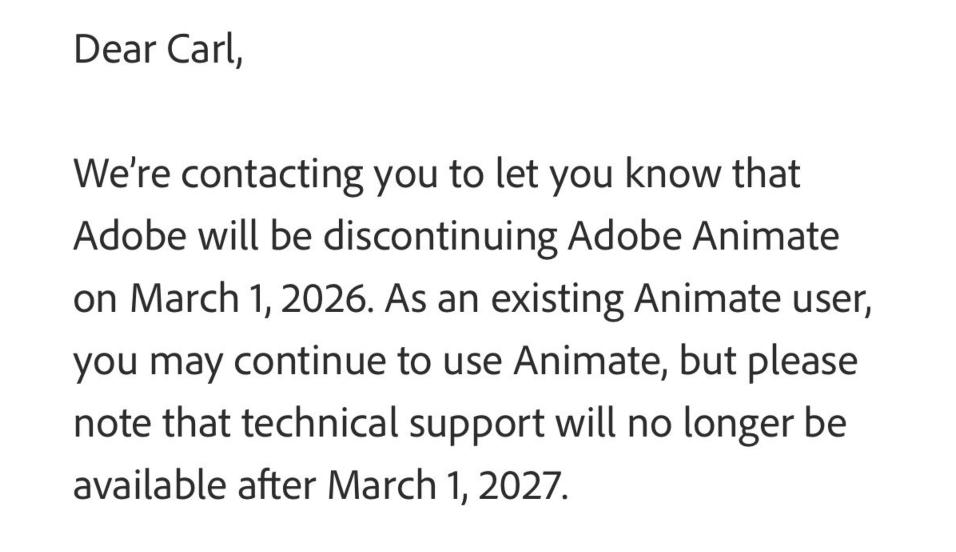
Group 1 - The core viewpoint of UBS is that the US stock market may experience a "bubble" followed by a significant crash, with a potential increase of 20% before a downturn [1][2] - The report indicates that the probability of a bubble is currently estimated at 20%, but this could rise to over 80%, suggesting further upside in the stock market [2][3] - The UBS team highlights that the current conditions for a bubble are more pronounced than in previous instances, with seven prerequisites met since December [2][3] Group 2 - The report warns of a potential rise in US 10-year Treasury yields, which may exceed the previous high of 5.04%, impacting traditional asset allocation strategies [1][14] - The US federal deficit is currently 4.2% of GDP, with government debt at 125.1% of GDP, significantly higher than during the TMT bubble [9][14] - UBS suggests that the government may resort to significant spending measures, which could exacerbate the fiscal situation [14][15] Group 3 - The pharmaceutical sector is expected to outperform, driven by its low leverage and favorable conditions compared to other sectors [20][22] - The report notes that pharmaceutical stocks are currently undervalued and could benefit from a stronger dollar and easing drug pricing pressures [25][20] - The sector's performance is also supported by the application of generative AI in drug discovery, potentially reducing costs and time to market [25][20] Group 4 - Technology stocks are anticipated to underperform, with concerns over rising capital expenditures impacting profit margins [26][27] - The report highlights that the capital expenditure to sales ratio for large cloud computing companies has reached historical highs, raising questions about sustainability [26][27] - There is a risk of disruption in the software industry due to advancements in generative AI, which may lead to reduced demand for traditional software solutions [29][30] Group 5 - The report emphasizes the potential for the Indian market to outperform, supported by strong structural growth and favorable economic indicators [39] - UBS notes that the Indian economy's nominal GDP growth is significantly higher than that of China, providing a positive outlook for investments in the region [39] - The report also highlights the risks associated with copper mining stocks, which are currently overvalued and may face challenges if demand shifts [43]
甲骨文最新融资成功安抚市场:CDS暴跌17%,缓解“AI债务浪潮”担忧
美股IPO· 2026-02-03 05:04
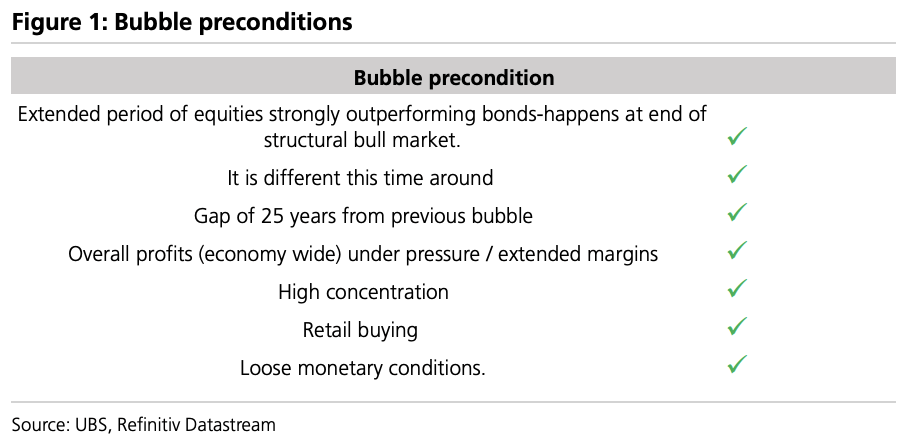
Core Viewpoint - Oracle (ORCL.US) plans to raise $50 billion through debt and equity financing, boosting investor confidence in the company's ability to avoid a credit rating downgrade while funding its artificial intelligence initiatives [1][4]. Group 1: Financing and Market Reaction - Oracle's issuance of $25 billion in bonds received record demand, alleviating concerns about the company's debt levels and allowing for significant investments in data centers [3][4]. - The company's stock and bond prices rose following the announcement of the financing, indicating a positive shift in market sentiment [3][4]. - Analysts noted that the equity financing significantly mitigates credit downtrend risks, leading to an upgrade in Oracle's debt rating to "overweight" [4][5]. Group 2: Debt Market Dynamics - The issuance of bonds is expected to trigger a rally in the bond and credit default swap markets after a prolonged period of low activity [5][6]. - Oracle's bonds were sold in eight tranches with maturities ranging from three to forty years, with yields lower than previously anticipated [4][5]. - The demand for Oracle's bonds exceeded $129 billion, surpassing the previous record set by Meta Platforms [6][7]. Group 3: Future Outlook and Industry Trends - The technology sector is projected to issue approximately $93 billion in investment-grade corporate bonds related to artificial intelligence by 2025, indicating a robust market for such securities [10]. - Major tech companies, including Oracle, are expected to contribute significantly to the bond market, with predictions of around $300 billion in AI and data center-related transactions annually over the next five years [10][11]. - Oracle's financing reflects the substantial capital required for AI growth, with the company also raising $5 billion through mandatory convertible preferred stock [12].


城市24小时 | 江苏第六座GDP万亿之城,还要再等等
Mei Ri Jing Ji Xin Wen· 2026-02-03 03:08
每经记者|刘艳美 每经编辑|杨欢 2月2日,徐州市统计局发布2025年徐州市经济运行情况。 根据地区生产总值统一核算结果,2025年全市实现地区生产总值9957.22亿元,按不变价格计算,比上年增长5.8%。这意味着,全力冲刺"万亿之城"的徐 州,最终还是差了"一点"。 从三次产业结构来看,第一产业增加值792.46亿元,同比增长3.0%;第二产业增加值3656.29亿元,增长3.5%;第三产业增加值5508.47亿元,增长8.0%。 解读:作为此前备受关注的准万亿城市之一,2024年徐州GDP已达9537.12亿元,距离万亿大关仅有"一步之遥",也让外界对其 2025 年冲刺万亿目标充满期 待。 从2025年徐州经济表现来看,全年5.8%的增速,高于全国(5.0%)、全省(5.3%)平均水平,显示出其稳健的经济走势。 细分数据亦可圈可点。比如,根据此前徐州市政府工作报告披露,2025年徐州社会消费品零售总额增长5.5%、居全省首位;"343"创新产业集群总规模突破 8000亿元,其中工程机械"一号产业"增长18%。 从具体经济指标来看,徐州未能实现破万亿目标,主要是受投资增速下滑拖累。2025年,徐州固定资 ...
美欧安全战略转向对亚太市场的影响:环球市场动态2026年2月3日
citic securities· 2026-02-03 02:40
Market Overview - Global markets experienced significant volatility, with the Chinese market collectively weakening, particularly in metals and semiconductors, while European markets showed a recovery driven by improved economic sentiment[3] - The U.S. stock market stabilized with a rebound, supported by better-than-expected manufacturing data, alleviating concerns over the next Federal Reserve chair[3] Commodity and Currency Movements - International oil prices dropped over 4% due to reduced conflict risks in Iran and a sharp decline in commodity prices[3] - The U.S. dollar index rose for two consecutive days, reflecting positive manufacturing activity data, while precious metals continued to decline[3] Fixed Income Insights - U.S. Treasury yields increased slightly, with the yield curve flattening; the ISM manufacturing index reached its highest growth rate since 2022[3][30] - Oracle issued $25 billion in bonds to support cloud infrastructure expansion, contributing to a significant increase in global bond issuance[30] Asia-Pacific Market Trends - The Asia-Pacific stock markets generally declined, with South Korea's KOSPI index falling 5.3% and Indonesia's index down 4.9%[20] - India's Nifty index rose 1.1% following the U.S. reduction of tariffs on Indian goods, contrasting with the overall regional downturn[20] Sector Performance - In the U.S., 8 out of 11 S&P sectors rose, with consumer staples leading the market with a 1.58% increase[9] - Conversely, the Hong Kong market saw significant declines in precious metals and technology sectors, with the Hang Seng Index dropping 2.23%[11] Key Economic Indicators - The U.S. ISM manufacturing index surpassed expectations at 52.6, indicating stronger economic momentum and reducing expectations for further monetary easing[30] - France's government successfully passed its budget, alleviating political uncertainty and stabilizing market conditions[30]


高盛顶级交易员对周五暴跌后市场的看法
Goldman Sachs· 2026-02-03 02:05
Investment Rating - The report indicates a bearish sentiment in the market, particularly in sectors like managed care and software, following a significant market downturn [1]. Core Insights - The report highlights a decline in risk appetite, with alternative assets like precious metals and cryptocurrencies suffering due to market misinterpretations of monetary policy [1]. - There has been a notable increase in gross leverage in the U.S. brokerage business, reaching a historical high of 226.2%, while net leverage has decreased significantly [2]. - The technology sector experienced volatility, with mixed earnings reports leading to a focus on software stocks, which saw substantial sell-offs [10][11]. - The consumer sector has underperformed, primarily due to adverse weather conditions affecting high-frequency data and a shift in capital towards technology and media sectors [13]. - The industrial sector is showing strong performance, with significant gains driven by macroeconomic events and earnings reports, particularly in materials [13]. Summary by Relevant Sections Technology Sector - The Nasdaq 100 index rose approximately 50 basis points, but this did not fully reflect the volatility in prices [10]. - Major tech earnings reports showed mixed results, with Meta rising 10% due to strong revenue guidance, while Microsoft and Apple had less favorable outcomes [10][11]. - Software stocks faced significant selling pressure, with the IGV index dropping 5% and reaching a record trading volume [11]. Consumer Sector - The consumer sector has lagged behind the market for six consecutive days, influenced by adverse weather and capital rotation towards tech [13]. - Despite the overall weakness, many companies in the sector reported solid earnings [13]. Industrial Sector - The industrial sector is experiencing one of its strongest starts since 2019, with materials leading the gains [13]. - Earnings reports have shown a complex trend, with some sectors like chemicals performing well despite mixed news [13]. Financial Sector - The focus has been on mortgage performance, with PFSI's disappointing results leading to significant stock price declines [13].

报道称软件股敞口巨大,美国PE公司遭遇新一轮抛售
Hua Er Jie Jian Wen· 2026-02-03 01:53
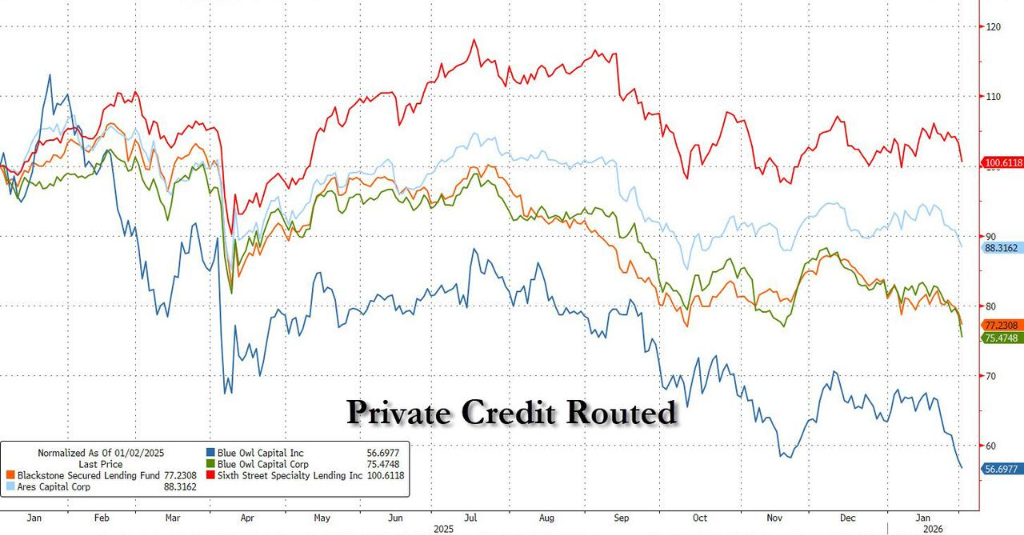
Core Viewpoint - The software industry is facing significant risks, leading to a sell-off of U.S. publicly traded private equity (PE) and business development companies (BDC) due to concerns over the valuation of billions in private software debt [1][5]. Group 1: Market Reaction - On February 3, following reports from Goldman Sachs and Barclays, there was a notable sell-off in the market, with Blue Owl Capital's stock dropping approximately 5% and other industry leaders like Ares Capital and Sixth Street Specialty Lending declining over 3% [2]. - A report from Goldman Sachs indicated that hedge funds are rapidly rotating out of software stocks, marking the highest net sell-off in the tech sector since September 2024, with software stocks leading the decline [4]. Group 2: Impact on Private Credit Institutions - The sell-off has severely impacted private credit institutions that finance software companies, with a software stock index plummeting 15% in January, the largest monthly drop since October 2008 [5]. - Barclays analysts highlighted that software constitutes about 20% of BDC portfolios, making them particularly sensitive to declines in software equity and credit valuations, with total exposure estimated at $100 billion [7]. Group 3: Concerns Over Default Rates - UBS strategists warned that if AI leads to the large-scale elimination of traditional software companies, default rates in U.S. private credit could soar to as high as 13% [9]. - Apollo Global Management has already begun reducing its software exposure from 20% to below 10%, indicating a cautious approach towards the software sector [9]. Group 4: Market Sentiment and Analyst Opinions - Despite the prevailing panic, some analysts believe the market may be overreacting, as there is no new fundamental information to justify the declines [12]. - Recent negative news, including significant withdrawals from funds like Blue Owl and TCP Capital Corp., has heightened investor anxiety ahead of the earnings season, leading to a preemptive market downturn [12].
甲骨文(ORCL.US)最新融资成功安抚市场:CDS暴跌17%,缓解“AI债务浪潮”担忧
Zhi Tong Cai Jing· 2026-02-03 01:50
Core Viewpoint - Oracle (ORCL.US) plans to raise $50 billion through debt and equity financing, boosting investor confidence in the company's ability to avoid a credit rating downgrade as it funds its artificial intelligence initiatives [1][2]. Group 1: Financing Details - Oracle announced a $25 billion bond issuance that received record demand, alleviating market concerns about the company's substantial debt financing for AI investments [2][5]. - The company will also issue approximately $25 billion in equity financing, which is expected to support its capital expenditure plans for data centers without overly stressing its balance sheet [2][3]. - The bond issuance consists of eight parts with maturities ranging from three to forty years, with the longest bonds yielding 1.95 percentage points above U.S. Treasury rates, lower than the previously expected 2.25 percentage points [3]. Group 2: Market Impact - Following the bond announcement, Oracle's long-term bonds rose in the secondary market, and the company's credit risk indicators fell to their lowest level since April 2021 [3]. - The optimism surrounding Oracle's financing is expected to extend to the broader credit market, with analysts suggesting that the issuance may signal a renewed willingness among investment-grade companies to take on risk [2][3]. - The demand for Oracle's bonds exceeded $129 billion, surpassing the previous record set by Meta Platforms in October [5]. Group 3: Industry Context - The issuance of AI-related bonds by technology companies is anticipated to significantly influence market performance, with major firms like Alphabet, Amazon, and Meta expected to issue approximately $93 billion in the U.S. investment-grade bond market by 2025 [8]. - The overall issuance of high-grade corporate bonds in the U.S. is projected to reach a record level of around $2.25 trillion this year, driven by strong corporate profits and investor demand [5]. - Oracle's substantial borrowing reflects the financing needs associated with AI growth, as the company builds additional capacity to meet the demands of major cloud clients, including AMD, NVIDIA, and OpenAI [9].