
保险

Search documents
国泰海通晨报-20260304
GUOTAI HAITONG SECURITIES· 2026-03-04 00:43
Fixed Income Research - Geopolitical conflicts typically impact bond markets for only a few weeks, with inflation expectations and monetary policy being the primary drivers of interest rates [2] Transportation Research: Aviation - Spring Festival travel demand is strong, with post-holiday ticket prices continuing to rise, and Q1 industry profitability is expected to improve [2] - As of March 1, 2026, the total flow of people during the Spring Festival increased by 5.8% year-on-year, with air travel up by 6.9% [4][22] - Domestic air ticket prices are estimated to have risen by approximately 4-5% year-on-year during the Spring Festival, with a significant increase of nearly 8% during the holiday period [6][23] - The geopolitical situation in the Middle East has led to rising oil prices, but this does not alter the long-term value of airlines, suggesting a rare opportunity for reverse positioning [7][24] Power Equipment and New Energy Research - The cessation of natural gas production in Qatar has led to a significant increase in natural gas prices, which is expected to drive demand for distributed solar storage [9][10] - European electricity prices are likely to rise due to the surge in natural gas prices, impacting the wholesale electricity market [11][20] - The demand for distributed solar and storage solutions is anticipated to grow significantly as a result of the current energy supply challenges [12][21]
中国人民保险集团(01339.HK):3月3日南向资金减持327.45万股
Sou Hu Cai Jing· 2026-03-03 19:44
Group 1 - The core point of the article highlights that southbound funds have reduced their holdings in China People's Insurance Group (01339.HK) by 3.27 million shares on March 3, with a total net reduction of 18.01 million shares over the past five trading days and 70.51 million shares over the last 20 trading days [1] - As of now, southbound funds hold 2.481 billion shares of China People's Insurance Group, accounting for 28.42% of the company's total issued ordinary shares [1] Group 2 - China People's Insurance Group Co., Ltd. is a holding company primarily providing insurance products, including property insurance, health insurance, life insurance, reinsurance, Hong Kong insurance, and pension insurance [1] - The company's property insurance business includes products for both corporate and individual clients, such as motor vehicle insurance, agricultural insurance, property insurance, and liability insurance [1] - The health insurance segment mainly offers health and medical insurance products, while the life insurance segment includes various life insurance products such as participating, whole life, annuity, and universal life insurance [1] - The Hong Kong insurance business encompasses property insurance operations in Hong Kong, and the pension insurance segment includes corporate annuities and occupational annuities [1]


中国平安联席首席执行官郭晓涛:深化服务创新 提升养老金融服务的可得性、便利性
Mei Ri Jing Ji Xin Wen· 2026-03-03 15:19
Core Viewpoint - China Ping An is committed to the principle of "finance for the people," continuously deepening its dual-wheel strategy of "comprehensive finance + medical care and elderly services" [1] Group 1: Strategic Initiatives - The company is innovating through a "finance + service" model, actively promoting upgrades in AI service access, global emergency rescue, and full-cycle medical and elderly care services [1] - There is a focus on breaking through traditional limitations in finance and medical services regarding time, space, cost, and efficiency [1] Group 2: Resource Optimization - The company aims to optimize the allocation of financial, medical, and elderly care resources, facilitating a transition from "niche low-frequency services" to "mass inclusive services" [1] - Future plans include further implementing the spirit of the 20th National Congress of the Communist Party, innovating development models, and enhancing the accessibility and convenience of elderly financial services [1] Group 3: Social Impact - The goal is to bring high-quality elderly financial services into more households, supporting the sustainable development of elderly finance during the 14th Five-Year Plan period [1]

宏利保险张家俊解码:在不确定时代延续财富的底气
凤凰网财经· 2026-03-03 14:07
Core Viewpoint - The article emphasizes the importance of insurance as a cornerstone for family wealth management in an era of uncertainty, focusing on asset allocation, retirement planning, and wealth transfer [1][4][19]. Group 1: Asset Allocation Logic - The shift in investor mindset from "pursuing high returns" to "ensuring stability" reflects a broader trend in family asset allocation, prioritizing safety and stability over maximum returns [5][8]. - Insurance is highlighted as a "ballast" for family wealth, designed for long-term financial goals and capable of withstanding economic cycles [5][8]. - Key characteristics of effective insurance products include strong risk management culture, forward-looking design, and global investment diversification to smooth out return volatility [8][9]. Group 2: Retirement Fund Protection - The downward trend in interest rates raises concerns about the purchasing power of retirement funds, which insurance products can address through a dual-track model of guaranteed returns and floating dividends [9][11]. - Insurance products are designed to maintain purchasing power by providing a safety net against unexpected health risks and inflation [9][11]. - The regulatory framework in Hong Kong ensures that guaranteed returns are legally protected, safeguarding retirement funds from market fluctuations [11]. Group 3: Longevity and Retirement Anxiety - The increasing life expectancy poses challenges for financial planning, with insurance providing a solution through lifelong cash flow rather than a lump sum [12][14]. - Insurance products can offer lifelong income streams, ensuring that funds last as long as the individual does, addressing the anxiety of outliving savings [12][14]. - The article stresses the importance of early and consistent contributions to build a substantial retirement fund, especially for younger generations [16]. Group 4: Wealth Transfer - Insurance is positioned as an effective tool for wealth transfer, allowing for low-barrier access and efficient processes that simplify the transfer of wealth across generations [17][18]. - The focus has shifted from merely transferring money to conveying values, with insurance products designed to align financial support with family values and goals [17][18]. - Provisions for flexible payment structures and the ability to adjust policies over time enhance the security and adaptability of wealth transfer strategies [18]. Conclusion - Insurance is portrayed as a comprehensive wealth planning tool that addresses various family needs, from asset protection to retirement planning and wealth transfer, emphasizing the importance of certainty in uncertain times [19][21].

固定收益点评:配置盘主导的债市会如何演进?
GOLDEN SUN SECURITIES· 2026-03-03 13:41
1. Report Industry Investment Rating No information provided in the report. 2. Core Viewpoints of the Report - Since the third quarter of 2025, the long - term bond market has been in a volatile adjustment. Trading desks with unstable liabilities, such as funds and securities firms, have continuously sold bonds, while allocation desks mainly composed of banks have gradually increased their positions. The current market is dominated by allocation desks, and future market trends depend on the stability of allocation demand and the pace of trading desk re - entry [1][9]. - Historically, significant trading desk position reductions generally correspond to substantial interest rate adjustments. The pace of trading desk re - entry determines the recovery rhythm, but the current market environment is quite different from the past, so historical experience cannot be blindly followed [4]. - Currently, long - term bonds are in a narrow - range oscillation. The liability side of funds is recovering slowly, and securities firms lack the space and positions for band trading. In the future, attention should be paid to the sustainability of allocation demand and the recovery rhythm of the trading desk's liability side [5][62]. 3. Summary by Directory 3.1 Current Allocation Desk - Dominated Bond Market - Since the third quarter of 2025, long - term bonds have been in a volatile adjustment. The performance of bond funds has been affected, and the share of public bond funds has been shrinking since July. After the New Year, with the accumulation of banks' allocation demand, the allocation desk has gradually increased its positions, and the positions of trading - type institutions may have dropped to a relatively low level [9]. - Since 2019, there have been seven rounds of significant trading desk position reductions. The current round's decline is close to that of the 2022 redemption wave, and the position of broad - based funds has dropped to a low level. From June 2025 to January 2026, the decline in the interest - rate bond position of broad - based funds reached 2.6%, slightly lower than the 3.4% decline during the 2022 year - end redemption wave, and the current position ratio has dropped to the lowest level since 2019 [1][14]. 3.2 Allocation Desk's Bond Allocation Logic 3.2.1 Banks: Widening Deposit - Loan Growth Gap and Still Existing Bond - Loan Price Advantage - Banks are the main recipients during the current trading desk's position reduction. The reasons for banks to increase bond allocation are as follows: First, the deposit - loan growth gap has widened recently, with the deposit growth rate rising from 7.7% in November last year to 10.0% in January this year, and the loan growth rate dropping from 6.4% to 6.1%. The deposit - loan growth gap has widened to 3.8 percentage points, driving up banks' bond allocation demand [19]. - Second, long - term bonds still have a certain comparative advantage over loans. For example, the comprehensive yield of 10 - year treasury bonds is higher than that of general loans, and the comprehensive yield of 30 - year treasury bonds is higher than that of housing mortgage loans. From a historical perspective, the yield spread between 10 - year treasury bonds and loans and between 30 - year treasury bonds and mortgage loans is at a relatively high level [26]. - Third, after the New Year, the duration indicator has eased, releasing the space for banks to increase long - term bond allocation. According to the Basel framework, the impact amplitude of the "parallel upward shift" scenario of interest - rate shocks has been adjusted from 250BP to 225BP, which is expected to support large - scale banks to newly undertake 649 billion yuan of 30 - year local bonds [31]. 3.2.2 Insurance: Dividend - Paying Insurance Dominates the "Good Start", Weakening the Pricing Power of Long - Term Bonds - Compared with banks' large - scale bond allocation, insurance companies' allocation of ultra - long - term bonds is insufficient. In 2026, the "good start" of insurance was remarkable, with dividend - paying insurance as the absolute main force. In January 2026, 79 life insurance companies achieved a new - order premium of 212.6 billion yuan in the bank - insurance channel, a year - on - year increase of 27.6% [35]. - The dominance of dividend - paying insurance may lead to a shorter duration preference and a higher equity preference of insurance funds, weakening insurance companies' pricing power over long - term bonds and increasing the allocation of medium - and long - term high - coupon bonds. Currently, the dividend yield of dividend - paying stocks is still attractive compared with long - term bonds, and the pressure of insurance companies' stock - bond rebalancing still exists [40][43]. - The current yield spread between 30 - year and 10 - year bonds is at a high level. As premium income grows, insurance companies will have a certain capacity to absorb ultra - long - term bonds, but they may be more cautious in the allocation rhythm [44]. 3.3 How Will the Market Evolve under the Dominance of the Allocation Desk? - In previous trading desk position - reduction periods, significant declines in the positions of broad - based funds generally corresponded to obvious interest - rate adjustments, which usually led to bank position increases. The recovery rhythm after trading desk position reduction is determined by the trading desk's re - entry pace, and the specific recovery situation depends on factors such as the capital market, fundamentals, and the degree of "asset shortage" [50][55]. - The current trading desk position reduction (from June 2025 to January 2026) is special: there is differentiation among bond types, with long - term interest rates oscillating and credit spreads at a historical low; there is also differentiation among institutions, with the liability side of public funds being greatly affected and that of bank wealth management products being relatively stable; this adjustment is less affected by the capital market and fundamentals, so historical experience cannot be blindly followed [60]. - Currently, long - term bonds are in a narrow - range oscillation. The liability side of funds is recovering slowly, and securities firms lack the space and positions for band trading. In the future, attention should be paid to the sustainability of allocation demand (the deposit - loan gap is the core to maintain banks' bond allocation demand) and the recovery rhythm of the trading desk's liability side. If the trading desk increases its positions, it may drive long - term bonds to break through downward, and the yields of medium - and short - term credit bonds are expected to decline rapidly, while the recovery of long - term and ultra - long - term credit bonds still awaits the recovery of market sentiment [62].
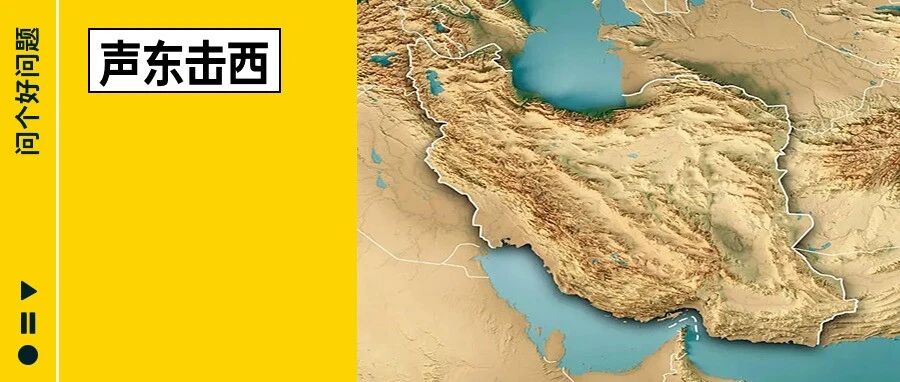
连线迪拜:美伊升级后的海湾困境、战火外溢和秩序挑战|声东击西
声动活泼· 2026-03-03 10:47
Group 1 - The article discusses the military conflict initiated by the US and Israel against Iran on February 28, which escalated tensions in the Gulf region, affecting multiple countries including the UAE, Qatar, Bahrain, Kuwait, and Saudi Arabia [3][4][13] - The conflict has led to significant disruptions, including the closure of airspace and the cancellation of over 3,000 flights, highlighting the immediate impact on regional travel and logistics [9][24] - The article emphasizes the strategic military presence of the US in the Middle East, with estimates of 25 to 30 military facilities, making them legitimate targets for Iranian retaliation [13][14] Group 2 - Gulf countries are facing a dilemma between relying on external security guarantees from the US and managing their own defense capabilities, with smaller nations heavily dependent on US military support [19][20] - The article notes that the recent conflict has disrupted the economic stability of Gulf nations, which have been focusing on economic diversification and investment, raising concerns about the potential long-term impacts on foreign investment [20][25] - The geopolitical risks have increased for Chinese enterprises operating in the region, with a significant percentage of businesses expressing concerns about the impact of geopolitical tensions on their operations [25][26]
瀑布杀 | 谈股论金
水皮More· 2026-03-03 09:24
Market Overview - The A-share market experienced a collective decline, with the Shanghai Composite Index falling by 1.43% to 4122.68 points, the Shenzhen Component down by 3.07% to 14022.39 points, and the ChiNext Index decreasing by 2.57% to 3209.48 points [3] - The total trading volume in the Shanghai and Shenzhen markets reached 3.16 trillion yuan, an increase of 111.8 billion yuan compared to the previous day [3] Market Risks - The primary risk facing the market is that the indices are at relatively high levels after reaching new highs, which makes them vulnerable to significant declines if external markets experience sharp downturns [4] - Ongoing tensions between the U.S. and Iran have not eased, with the potential for prolonged conflict, which could negatively impact the global economy, particularly if the Strait of Hormuz is blocked, leading to uncontrolled oil prices [5] Sector Performance - The A-share market saw limited upward movement, primarily in sectors related to oil, coal, and related industries, while the banking and insurance sectors provided some support [6] - A significant number of stocks declined, with 4675 stocks falling and only 559 rising, indicating a broad market sell-off [6] - The financial sector, particularly banks and insurance, showed resilience due to prior adjustments and relatively low valuations, which allowed them to act as a stabilizing force [7] Investment Trends - The market is witnessing a shift in investment focus, with a notable rotation from previously overhyped sectors like aerospace, military electronics, and semiconductors to undervalued core sectors such as banking and utilities [7] - The trend of capital inflow from northbound trading into Hong Kong stocks continues, with approximately 6 billion Hong Kong dollars flowing into the market, indicating some investors are positioning themselves ahead of potential market movements [8] Conclusion - The current market environment reflects a challenging landscape with significant external risks and sectoral shifts, emphasizing the need for careful analysis and strategic positioning in investment decisions [9]

暴涨120%!三大板块,逆市爆发
证券时报· 2026-03-03 09:16
Core Viewpoint - The oil, gas, and shipping sectors have experienced significant gains despite a broader market downturn, driven by geopolitical tensions and supply chain concerns [12][13]. Group 1: Market Performance - On March 3, major Asia-Pacific stock indices fell sharply, with the Nikkei 225 down over 3% and the Korean Composite Index down 7.24%, marking its largest single-day drop since August 5, 2024 [1]. - The A-share market also declined, with the Shanghai Composite Index dropping 1.43% to 4122.68 points, and the ChiNext Index falling 2.57% [2]. - Despite the overall market weakness, the oil, gas, and shipping sectors saw substantial gains, with major companies like China National Petroleum, China National Offshore Oil, and Sinopec hitting consecutive daily limits [2][5]. Group 2: Sector Highlights - In the oil sector, companies such as Keli Co. and Tongyuan Petroleum reached their daily limits, with Keli Co. up 30% and Tongyuan Petroleum up 20% [6][7]. - The gas sector also showed strength, with Kaiti Gas hitting a 30% limit and several other companies like Shenzhen Gas and Meino Energy seeing gains of over 20% [8][9]. - The shipping sector saw continuous gains, with companies like China Merchants Energy and China Merchants Shipping achieving daily limits [10]. Group 3: Geopolitical Impact - Reports indicate that the Strait of Hormuz has been closed by Iranian forces, raising concerns about global oil supply disruptions, as approximately 20% of the world's oil transport passes through this strait [12]. - The escalation of tensions in the Middle East is expected to significantly increase global shipping prices, benefiting various shipping segments [13]. Group 4: Banking and Insurance Performance - The banking sector showed resilience, with Agricultural Bank of China rising nearly 4% and other major banks like Industrial and Commercial Bank of China and China Construction Bank increasing over 2% [15][16]. - The insurance sector also saw gains, with companies like New China Life and China Life Insurance rising over 1% [17]. Group 5: Semiconductor Sector Decline - The semiconductor sector faced a sharp decline, with companies like Zhenlei Technology and Canxin Technology dropping over 10% [19][20]. - Despite the current downturn, institutions remain optimistic about long-term investment opportunities in semiconductor-related sectors due to ongoing demand for AI infrastructure [21][22].






瑞银:料中国平安(02318)去年营运利润稳健增长 维持目标价88港元
智通财经网· 2026-03-03 07:45
Core Viewpoint - UBS reports that Ping An Insurance (02318) is set to announce its 2025 results after market close on March 26, with a projected 9% year-on-year increase in operating profit attributable to shareholders, indicating a 23% growth in Q4 [1] Group 1: Financial Performance - UBS expects a 5% year-on-year increase in net profit attributable to shareholders for the full year of 2025 [1] - The estimated total dividend for 2025 is projected to be RMB 2.68 per share, reflecting a 5% year-on-year growth [1] - The asset value is anticipated to grow by 7% year-on-year, indicating moderate quarter-on-quarter growth in Q4 [1] Group 2: Business Growth - UBS forecasts a 30% year-on-year growth in new business value for the full year of 2025 [1] - The company is expected to achieve a new business value growth of 25% to 30% in Q1 2026, with an overall growth of 18% for the year, positioning it at an industry-leading level [1] - The growth in new business value is attributed to lower interest rate risks and profit volatility associated with participating policies compared to traditional products [1] Group 3: Strategic Positioning - UBS believes that Ping An is well-positioned to capture opportunities from deposit migration and bancassurance collaboration due to its scale advantages, such as brand strength and bargaining power with banks [1] - The acceleration in Q4 growth is primarily driven by reduced impairment losses in asset management and stronger underwriting profits in property and casualty insurance [1]
瑞银:料中国平安去年营运利润稳健增长 维持目标价88港元
Zhi Tong Cai Jing· 2026-03-03 07:44
Core Viewpoint - UBS reports that Ping An Insurance (601318)(02318) plans to announce its 2025 results after market close on March 26, with an expected 9% year-on-year increase in net operating profit attributable to shareholders, indicating a 23% growth in Q4 year-on-year [1] Group 1: Financial Performance - UBS expects a 5% year-on-year increase in net profit attributable to shareholders for the full year 2025 [1] - The estimated total dividend for 2025 is projected to be RMB 2.68 per share, reflecting a 5% year-on-year growth [1] - The asset value is anticipated to grow by 7% year-on-year, indicating moderate quarter-on-quarter growth in Q4 [1] Group 2: Business Growth - UBS forecasts a 30% year-on-year growth in new business value for the full year 2025 [1] - The company is expected to achieve a new business value growth of 25% to 30% in Q1 2026, with an 18% growth forecast for the entire year 2026, positioning it at an industry-leading level [1] - The report highlights that participating policies present lower interest rate risk and profit volatility compared to traditional products [1] Group 3: Strategic Positioning - UBS believes that Ping An is well-positioned to capture opportunities from deposit migration and bancassurance collaboration due to its scale advantages, such as brand strength and bargaining power with banks [1]