保险业

Search documents
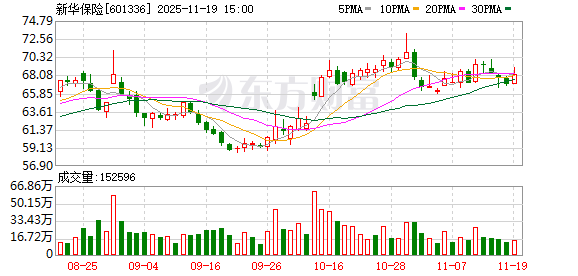
新华保险原党委书记、董事长李全,被判死缓
Shang Hai Zheng Quan Bao· 2025-11-19 09:53
2025年11月19日,山东省济南市中级人民法院一审公开宣判新华人寿保险股份有限公司原党委书记、董 事长李全贪污、受贿案,对被告人李全以贪污罪判处无期徒刑,剥夺政治权利终身,并处没收个人全部 财产;以受贿罪判处死刑,缓期二年执行,剥夺政治权利终身,并处没收个人全部财产,决定执行死 刑,缓期二年执行,剥夺政治权利终身,并处没收个人全部财产。对追缴在案的李全贪污所得财物返还 被害单位,不足部分继续追缴,对追缴在案的李全受贿所得财物及孳息依法上缴国库。 新华人寿保险股份有限公司原党委书记、董事长李全贪污、受贿案一审宣判 济南市中级人民法院认为,被告人李全的行为构成贪污罪、受贿罪,且数额均特别巨大,使国家和人民 利益遭受特别重大损失,均应依法惩处,并予数罪并罚。鉴于其贪污、受贿犯罪中均有未遂情节;到案 后如实供述自己罪行,主动交代办案机关尚未掌握的部分受贿事实;认罪悔罪,积极退赃,其贪污、受 贿实际所得财物及孳息已追缴,依法可以对其从轻处罚。法庭遂作出上述判决。 据悉,济南市中级人民法院于2025年5月14日公开开庭审理了该案。庭审中,检察机关出示了相关证 据,被告人李全及其辩护人进行了质证,控辩双方在法庭的主持下充 ...


1万亿美元缺口下,气候金融如何从承诺走向真正落地?
科尔尼管理咨询· 2025-11-19 09:50
Core Insights - The article emphasizes the importance of building a financial services ecosystem that supports sustainable transformation, focusing on both value protection and value creation [1] - It highlights the progress made in Nature-Positive Finance, including the COP29 agreement aimed at mobilizing resources for low-carbon development, while acknowledging the significant funding gap that remains [1][3] Group 1: Financial Sector's Role - The financial sector is shifting its focus from merely discussing sustainability to taking actionable steps to support sustainable transformation [1] - Major banks are recognizing the financial risks posed by climate change, with JPMorgan committing $2.5 trillion over the next decade to address climate change and promote sustainable development [3] - The insurance industry is also playing a crucial role by providing coverage for renewable energy projects, which helps mitigate financial risks and catalyze the transition to clean energy [5] Group 2: Investment Trends - There is a significant imbalance in climate funding, with over 90% directed towards mitigation efforts, while adaptation funding accounts for less than 10% [7][8] - Private sector investment in adaptation projects is limited due to unclear revenue models and long investment cycles, necessitating innovative financing mechanisms to enhance bankability [8][9] - The potential for substantial returns on investment in adaptation measures is highlighted, with an estimated $7.1 trillion return from a $1.7 trillion investment in key areas [5] Group 3: Collaborative Efforts - The article stresses the need for collaboration among various stakeholders to mobilize climate finance effectively, moving beyond mere capital increases to foster partnerships between businesses and governments [14] - It calls for the involvement of decision-makers with appropriate authority to set priorities and develop clear action plans in climate finance discussions [13] - The use of innovative financial mechanisms, such as blended finance and public-private partnerships, is essential for mobilizing funds for climate transition [9] Group 4: Internal Sustainability Practices - Financial institutions are encouraged to integrate sustainability into their core operations and risk frameworks, with many setting net-zero targets for their operations [10] - The collaboration between Visa and ecolytiq exemplifies how financial technology can help banks visualize and manage carbon footprints, enhancing climate education [10] - The article notes that a significant percentage of financial institutions are adopting climate transition plans to guide their internal decarbonization efforts [10]

上海科创专项信贷产品创新清单不断拉长
Xin Hua Cai Jing· 2025-11-19 05:30
Core Viewpoint - Shanghai's banking sector is continuously innovating its special credit products to better meet the financing needs of technology enterprises, with a focus on intellectual property pledge financing and supportive policies to maximize patent resource value [1][2]. Group 1: Financing Innovations - Shanghai has introduced various special credit products such as "Science and Technology Innovation Assistance Loan" and "New Quality Loan" to address the financing challenges faced by technology companies [1]. - The city has seen a significant increase in intellectual property pledge financing, with 2,223 registrations and a total scale of 32 billion yuan in 2024, representing year-on-year growth of 62.3% and 40.6% respectively [1]. Group 2: Ecosystem Development - The Shanghai Zhujiao High-tech Zone has developed into a "billion-yuan park," generating over 10 billion yuan in fiscal revenue for three consecutive years, and is home to numerous industry leaders and a vibrant knowledge innovation community [1][2]. - The Zhujiao High-tech Zone has established a comprehensive support system for technology finance, including a "platform + service + ecosystem" model, which has facilitated over 3 billion yuan in credit financing and 30 billion yuan in equity financing for enterprises [2]. Group 3: Financial Advisory and Support - The establishment of a financial advisory system covering all 16 districts in Shanghai aims to provide precise financial service recommendations to enterprises through high-level expert advisors [3]. - Financial advisors from various institutions are engaging with technology enterprises to offer tailored advice on credit loans and risk management strategies, enhancing the financial support for early-stage technology companies [3].
网络安全保险试点扩围
Jin Rong Shi Bao· 2025-11-19 01:47
Core Viewpoint - The recent joint notice by the Ministry of Industry and Information Technology and the Financial Regulatory Administration aims to launch the second batch of cybersecurity insurance service pilot projects, enhancing the integration of cybersecurity and financial services, and promoting high-quality development in the cybersecurity industry [1] Group 1: Cybersecurity Insurance Market - The cybersecurity insurance market is increasingly recognized as a crucial tool for transferring and mitigating cybersecurity risks, especially as data breaches and cyberattacks rise significantly [2][3] - In 2024, there were at least 47.16 billion reported data breaches globally, a 354.3% increase from 10.38 billion in 2023, highlighting the urgent need for effective cybersecurity measures [2] - The average cost of data breaches for global enterprises rose from $4.45 million in 2023 to $4.88 million in 2024, marking a 10% increase [2] Group 2: Pilot Program Details - The second batch of pilot projects will focus on small and medium-sized enterprises (SMEs) and will target industries such as telecommunications, internet, manufacturing, and finance [5][6] - The first pilot program resulted in over 1,500 insurance policies with a total premium of over 150 million yuan and total coverage nearing 11.5 billion yuan, demonstrating strong market demand [4] Group 3: Risk Management and Prevention - Cybersecurity insurance promotes a comprehensive risk reduction model that includes preemptive measures, real-time interventions, and post-incident compensation, enhancing enterprises' ability to manage risks effectively [3] - The new pilot program aims to improve the cybersecurity risk management capabilities of SMEs, particularly those recognized for their specialization and innovation [6] Group 4: Industry Development Challenges - The cybersecurity insurance market in China is still in its early stages, facing challenges such as insufficient risk data for pricing and a lack of standardized operational guidelines [7] - There is a need for improved collaboration among various stakeholders in the cybersecurity insurance ecosystem to enhance service delivery and resource sharing [7] Group 5: Future Directions - To promote the healthy development of the cybersecurity insurance market, several strategies are proposed, including enhancing public awareness, accelerating standard development, and fostering innovation in service delivery [8] - The role of cybersecurity insurance is expected to evolve from merely compensating risks to becoming a key component in the digital economy's security framework, supporting the construction of a resilient digital infrastructure [9]
保险业迎利好!养老金融政策礼包遍地开花
Bei Jing Shang Bao· 2025-11-19 01:38
当前,养老保险体系的第三支柱迎来了前所未有的发展机遇,其核心制度框架与试点产品持续精 进,"金融+养老"进入发展快车道。11月17日,广东省地方金融管理局发布《广东省推动养老金融高质 量发展的实施方案》(以下简称《实施方案》)。 广东省并非个例,近两年,陕西、江苏、河北等地金融监管部门已经就金融支持"老有所依"作出相关部 署。作为做好"养老金融"大文章的主力军,保险业是加快健全我国多层次多支柱养老保障体系的重要力 量。政策鼓励下,保险业如何紧跟政策导向和市场需求,积极打造多层次"保险+养老"服务模式? 养老金融政策密集落地 近两年,围绕养老金融的政策框架进一步完善,为我国保险业深度参与养老保障体系建设提供了清晰指 引。 苏商银行特约研究员付一夫表示,政策文件的出台有助于推动养老金融体系的完善,包括产品创新、服 务提升、市场监管等方面。这将有助于形成更加健全、多元化的养老金融体系,为老年人提供更加全 面、优质的金融服务。 日前,广东省发布《实施方案》,明确提及加快商业保险年金产品创新,探索提供"医、护、康、养、 居"一体化的养老金融综合解决方案。积极发展商业健康保险,支持开发符合老年人健康风险保障需求 的保险产 ...
国信证券晨会纪要-20251119
Guoxin Securities· 2025-11-19 01:13
Group 1: Key Recommendations - The report highlights the undervaluation of Luk Fook Holdings (00590.HK), a leading Hong Kong jewelry brand, emphasizing product innovation and channel transformation as new growth drivers [7][8] - For the fiscal year 2025, Luk Fook achieved revenue of HKD 13.341 billion, with 39.5% from mainland China and 60.5% from Hong Kong, Macau, and overseas markets [7][8] - The company has seen same-store sales growth of 5% and 10% in the second and third quarters of 2025, respectively, despite facing challenges from rising gold prices and changing consumer environments [7][8] Group 2: Industry Insights - The jewelry consumption logic has evolved to emphasize both fashion and value retention, with innovative design significantly enhancing the fashion appeal of gold products [8] - The report notes that the recent tax reform on gold in Hong Kong is expected to benefit the market by enhancing brand and price competitiveness, particularly in attracting mainland consumers [8] - The insurance industry has seen a 16.5% year-on-year increase in funds utilized, with a notable shift towards equity investments, indicating a robust demand for investment opportunities [14][19] Group 3: Financial Performance and Projections - Luk Fook is projected to achieve net profits of HKD 1.501 billion, 1.787 billion, and 2.028 billion for the fiscal years 2026 to 2028, representing year-on-year growth rates of 36.48%, 19.08%, and 13.44% respectively [9] - China Gold International (02099.HK) reported a significant revenue increase of 99.83% year-on-year for the first three quarters of 2025, reaching USD 925 million, with a net profit of USD 341 million [25][26] - The report anticipates that China Gold will exceed its production guidance for gold and copper, with a strong outlook for future growth [26][27] Group 4: Strategic Developments - The report discusses the strategic acquisition by Electric Power Investment (002128.SZ) of Baiyin Coal Power, which is expected to enhance the company's capacity and profitability by approximately 38% in revenue and 27% in net profit [29] - Dazhonglin (603233.SH) has shown a 26% year-on-year increase in net profit for the first three quarters of 2025, driven by improved marketing strategies and cost management [30][31] - The education sector is undergoing significant changes, with a focus on AI-driven personalized learning solutions, which are expected to address the challenges of scalability and cost-effectiveness in education [19][20]


多元策略寻求穿越周期,险资加码不动产投资
Xin Lang Cai Jing· 2025-11-18 23:08
Core Viewpoint - Insurance capital is increasingly entering the real estate sector, as evidenced by Lujiazui Guotai Life Insurance's recent agreement to purchase the Qiantan Hui N5 property for its headquarters, reflecting a trend in the industry towards stable cash flow investments [1] Group 1: Investment Trends - Insurance capital is accelerating its investment in real estate this year, indicating a strategic shift in asset allocation [1] - Real estate projects are typically large-scale and long-term, providing relatively stable cash flows that align with the investment needs of insurance capital [1] - The low correlation of real estate with stocks and bonds helps insurance capital optimize their investment portfolios [1]
多元策略寻求穿越周期险资加码不动产投资
Zhong Guo Zheng Quan Bao· 2025-11-18 20:05
Core Viewpoint - Insurance capital is increasingly entering the real estate sector, driven by the need for stable cash flow and portfolio diversification [1][2][3] Group 1: Investment Trends - Lujiazui Guotai Life Insurance has signed an agreement to purchase the Qiantan Hui N5 office building in Shanghai for a total price of 895 million yuan, marking a significant investment in real estate [1] - Multiple insurance companies, including China Pacific Life, CCB Life, and China Life, have disclosed large-scale real estate investments this year [2] - The investment focus includes office buildings, commercial complexes, and industrial parks, with a notable example being the acquisition of the landmark project Bohua Plaza in Shanghai by a fund led by China Post Insurance [1][2] Group 2: Characteristics of Real Estate Investment - Real estate, particularly in first-tier cities, offers long-term stable returns and cash flow, aligning well with the long-term liabilities of insurance capital [2] - High-quality real estate projects are expected to provide stable rental income and potential appreciation, with Bohua Plaza maintaining a stable occupancy rate of 95% and generating over 1.1 billion yuan in annual taxes [2][3] Group 3: Diversification of Investment Methods - The investment approach of insurance capital is becoming more diversified, with examples including the listing of Huaxia Kaide Commercial REIT and the establishment of a 16 billion yuan Pre-REITs acquisition fund [3] - Public REITs, which use real estate projects as underlying assets, offer strong liquidity and relatively stable returns, enhancing investment channels for insurance capital [3] Group 4: Professional Investment Capabilities - The complexity of real estate investment necessitates a high level of professional capability from investment institutions, requiring the establishment of specialized research and investment systems [3][4] - Insurance companies must enhance their asset valuation capabilities and develop differentiated assessment models for various types of underlying assets to optimize returns [4]
张瑜:牛市的税收效应
一瑜中的· 2025-11-18 16:04
Core Viewpoint - Recent tax revenue growth has outpaced economic growth, significantly driven by the bull market, which has contributed to substantial tax revenue increases for the government [2][3] Tax Revenue Contributions from the Bull Market - The bull market is estimated to contribute approximately 310 billion in incremental tax revenue this year, equivalent to 2% of the 2024 tax revenue [3][10] - This contribution is expected to come from two main sources: 1. Securities industry tax revenue growth, estimated at around 270 billion 2. Personal capital market-related tax revenue growth, estimated at around 40 billion [3][10] Securities Industry Tax Revenue Growth - The securities industry is projected to see a tax revenue increase of approximately 270 billion, driven by significant growth in brokerage, proprietary trading, and asset management revenues [5][10] - Historical data indicates that the tax revenue from the securities industry has increased by 56.8% year-on-year, validating the strong correlation between market performance and tax revenue [6][12] Personal Capital Market-Related Tax Revenue Growth - Personal capital market-related tax revenue is expected to grow by about 40 billion, primarily due to increased individual income tax from capital market activities [7][15] - Historical trends show that during bull markets, personal income tax from capital market sources has often exceeded economic growth, with significant contributions from dividend income and capital gains [15][16] Other Tax Revenue Sources - The bull market is also expected to drive tax revenue growth from the insurance industry and non-financial corporate investment income, contributing to overall tax revenue increases [22] - For instance, the insurance industry has reported a year-on-year tax revenue growth of 13.3%, while non-financial corporate investment income has historically shown a potential growth of around 20% during bull markets [22]

银发经济风口来临!多地监管就商保年金、长护险等“做文章”
Bei Jing Shang Bao· 2025-11-18 12:44
当前,养老保险体系的第三支柱迎来了前所未有的发展机遇,其核心制度框架与试点产品持续精 进,"金融+养老"进入发展快车道。11月17日,广东省地方金融管理局发布《广东省推动养老金融高质 量发展的实施方案》(以下简称《实施方案》)。 广东省并非个例,近两年,陕西、江苏、河北等地金融监管部门已经就金融支持"老有所依"作出相关部 署。作为做好"养老金融"大文章的主力军,保险业是加快健全我国多层次多支柱养老保障体系的重要力 量。政策鼓励下,保险业如何紧跟政策导向和市场需求,积极打造多层次"保险+养老"服务模式? 养老金融政策密集落地 引导长期资金布局养老产业 作为长期资本、耐心资本,保险资金具有长周期资金优势,与养老产业长周期相匹配。多地都提到,引 导保险资金为养老服务体系壮大提供长期资金支持。 如广东省发布的《实施方案》明确,引导保险资金通过股权、债券、基金、资产支持计划、保险资产管 理产品等多种形式,为养老服务运营主体、老年助餐服务机构提供资金支持。此前河北省发布的《关于 银行业保险业做好养老金融大文章的通知》也提到,推动"险资入冀"布局养老产业。在风险有效隔离的 基础上,支持保险机构以适当方式参与养老服务体系建设 ...