潮玩

Search documents
港股概念追踪 | 财政部明年继续大力提振消费 机构看好相关产业发展机遇(附概念股)
智通财经网· 2025-12-28 23:14
Group 1 - The Chinese government is focusing on boosting consumption as a key driver of economic growth, with plans to implement special actions and increase funding for consumer goods replacement programs [1][2] - In the first 11 months of the year, China's retail sales of consumer goods grew by 4% year-on-year, indicating a stronger performance compared to the previous year [1] - The government plans to allocate 300 billion yuan for consumer goods replacement programs, an increase of 150 billion yuan from the previous year, and 200 billion yuan for equipment upgrades, an increase of 500 billion yuan [1] Group 2 - The "Consumption Upgrade" phase is characterized by consumers seeking value for money while being willing to pay a premium for innovative products that provide emotional value [4] - The market for home appliances has seen significant growth, with over 128 million units replaced under the old-for-new program, generating sales exceeding 2.5 trillion yuan [2] - The AI consumer spending is projected to grow from $225 billion in 2023 to $699 billion by 2030, with a compound annual growth rate (CAGR) of 21% [3] Group 3 - Companies like Xiaomi are leveraging AI technology to enhance their product offerings across various sectors, including IoT and automotive [6] - Midea Group is expected to achieve a sales growth of approximately 10% year-on-year by 2025, maintaining its position as a preferred stock in the Chinese consumer sector [6] - BYD is projected to have a compound annual growth rate of 30% in profits from 2025 to 2028, with increasing contributions from overseas markets [7]
Z世代重塑消费新逻辑 公募“掘金”赛道新机遇
Zheng Quan Shi Bao· 2025-12-28 17:56
Core Insights - The public fund investment methodology in the consumer sector is undergoing a significant transformation, moving away from traditional frameworks centered on leading brands to a focus on emerging consumer demands driven by the Z generation [1][2][3] Group 1: Consumer Trends - The Z generation, comprising over 260 million individuals in China, represents 20% of the total population but contributes 40% of consumer spending, driving a market worth over 5 trillion yuan [3] - This demographic prioritizes emotional value and product quality over price-performance ratio, leading to a rise in niche markets such as health products, pet care, and experiential consumption [2][3] - The shift in consumer behavior indicates a dual-track new normal in the consumption industry, characterized by rational material consumption and luxurious spiritual consumption [2][5] Group 2: Investment Opportunities - Investment strategies should focus on high-growth sectors that align with the preferences of the Z generation, such as health food, beauty services, and innovative wellness products [4][6] - The recovery of high-end consumption is expected to accelerate, with a focus on sectors that require less capital investment and have optimized competitive landscapes [4][5] - Companies that possess strong local brand barriers and align closely with the new generation's consumption needs are likely to stand out in the evolving market landscape [3][6] Group 3: Market Dynamics - The consumer confidence index in China is showing signs of recovery, with a K-shaped recovery pattern emerging, where high-end consumption is rebounding faster than mid-to-low-end consumption [4][5] - The supply-demand dynamics in various sectors are shifting, with some areas experiencing oversupply while others are stabilizing, leading to a concentration of competition among leading brands [5][6] - The investment landscape is expected to benefit from the ongoing structural changes in consumer behavior, necessitating a reevaluation of traditional investment frameworks [7][8]


——互联网传媒周报20251222-20251226:字节AI春晚合作,游戏潮玩视频消费旺季来临-20251228
Shenwan Hongyuan Securities· 2025-12-28 12:20
Investment Rating - The industry investment rating is "Overweight," indicating that the industry is expected to outperform the overall market [9]. Core Insights - ByteDance's AI collaboration for the Spring Festival is a significant milestone, with its product Doubao achieving over 100 million daily active users. The integration with Douyin's e-commerce platform is expected to enhance monetization through advertising and transaction fees [2]. - Alibaba is focusing on AI advancements, particularly in chip localization and consumer applications, while Tencent is restructuring its AI framework to accelerate the development of large models [2]. - The gaming sector is entering a peak season, with major titles expected to drive user engagement and revenue growth. Notable releases include Giant Network's "Supernatural Action Group" and Tencent's "Delta" [2]. - The collectibles market is also thriving, with Pop Mart's Labubu 4.0 set to launch, reflecting a diverse product range and successful international market expansion [2]. Summary by Sections AI and Technology - ByteDance's AI cloud partnership for the Spring Festival and Doubao's integration with e-commerce are pivotal for future growth [2]. - Alibaba's AI initiatives include the launch of new products and continued growth in cloud services [2]. - Tencent's restructuring aims to enhance its AI capabilities and product offerings [2]. Gaming Industry - The upcoming gaming season is highlighted by major releases that cater to a younger audience, which is crucial for monetization [2]. - Notable games include "Supernatural Action Group" and "Delta," which are expected to perform well during the peak season [2]. Collectibles and Entertainment - Pop Mart's Labubu 4.0 is anticipated to boost sales, supported by a diverse product lineup and international market strategies [2]. - The animation "Chinese Fantasy 2" is set to premiere exclusively on Bilibili, indicating strong collaboration in the entertainment sector [2]. Advertising and Media - Companies like Tencent, Alibaba, and Baidu are expected to benefit from AI product promotions, which will positively impact advertising firms like Focus Media [2]. - The report emphasizes the importance of adapting to AI changes in content production to maintain competitive advantages [2].
互联网传媒周报:字节AI春晚合作,游戏潮玩视频消费旺季来临-20251228
Shenwan Hongyuan Securities· 2025-12-28 10:44
Investment Rating - The report rates the industry as "Overweight," indicating a positive outlook for the sector compared to the overall market performance [2]. Core Insights - ByteDance's AI collaboration for the Spring Festival Gala is expected to significantly enhance user engagement, with Doubao's daily active users surpassing 100 million. This milestone is anticipated to drive commercialization in AI applications in 2026, prompting major internet companies to accelerate their investments and strategies [2]. - Key companies highlighted include Tencent, Alibaba, and Baidu, with a focus on their AI product developments and market strategies. Tencent is restructuring its AI framework to enhance model development, while Alibaba is expanding its AI applications in consumer and enterprise sectors [2]. - The report emphasizes the upcoming peak consumption season in gaming and video content, with significant releases expected to drive user engagement and revenue growth [2]. Summary by Sections AI Developments - ByteDance's Doubao has achieved over 100 million daily active users, with plans for monetization through e-commerce and advertising [2]. - Tencent is reorganizing its AI departments to boost research and development, while Alibaba is focusing on AI applications in cloud services and consumer health [2]. Gaming and Entertainment - The report identifies key gaming titles for the upcoming Spring Festival, including Giant Network's "Supernatural Action Group" and Tencent's "Delta Force," which are expected to perform well during the peak season [2]. - The animation "Chinese Folktales 2" is set to premiere exclusively on Bilibili, highlighting the growing importance of video platforms in content distribution [2]. Company Valuations - The report provides a valuation table for key companies, indicating projected revenue growth and profit margins for firms like Tencent, Alibaba, and Bilibili, with Tencent's market cap at approximately 49.895 billion RMB and expected revenue growth of 14% in 2025 [4].
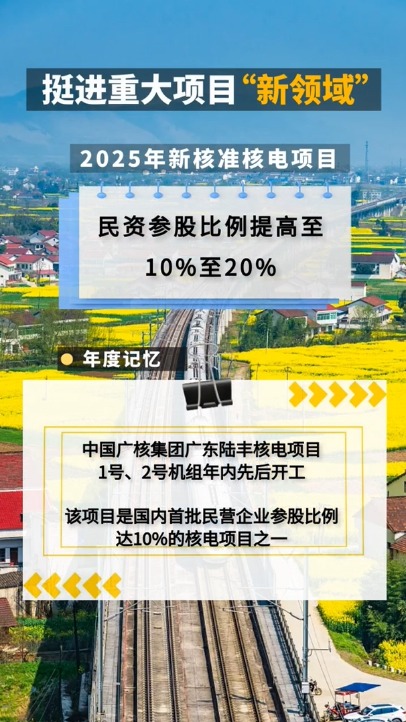
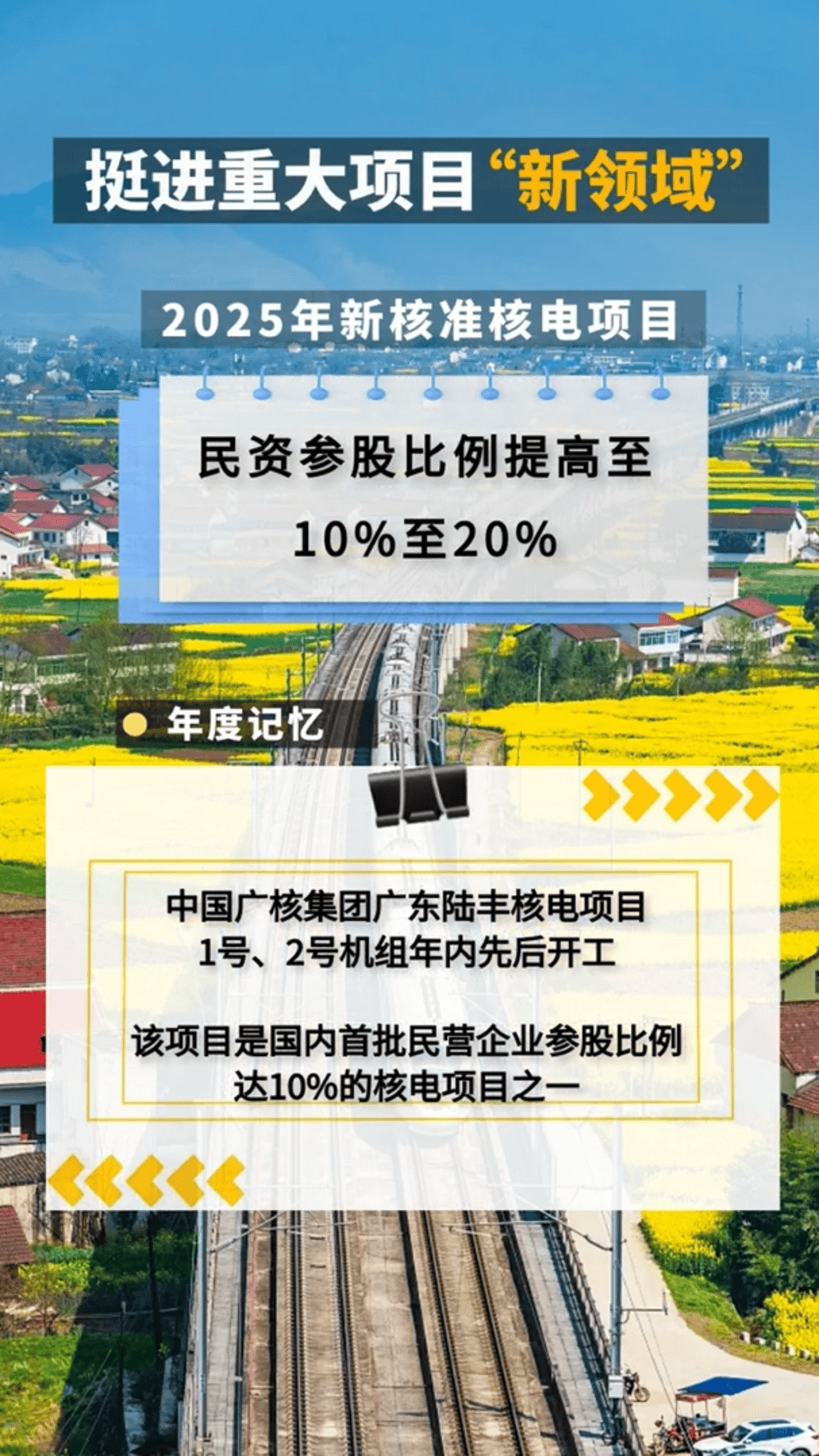
数读2025经济答卷 | 民营经济打开发展新空间
Sou Hu Cai Jing· 2025-12-27 19:53
Group 1 - The core focus of the news is on the robust development of China's economy, particularly highlighting the role of private enterprises in various sectors, including investment, technology innovation, and foreign trade [1] - As of September this year, the scale of China's core artificial intelligence industry has exceeded 900 billion yuan, with over 5,300 AI companies, accounting for 15% of the global market [3] - In the first eleven months, private enterprises' import and export volume reached 23.52 trillion yuan, reflecting a year-on-year growth of 7.1% [4] Group 2 - The share of private enterprises in China's foreign trade has reached 57.3%, with significant developments in logistics for high-value products, such as the first mixed transport train for consumer lithium batteries from Yiwu [5] - In the first three quarters, exports of holiday goods, toys, and animal-shaped toys exceeded 50 billion yuan, reaching over 200 countries and regions globally [6] - Infrastructure investment from the private sector has seen a year-on-year increase of 3.5%, now accounting for 21.8% of total infrastructure investment [7] Group 3 - The top 500 private enterprises in China hold 721,600 valid patents and employ a total of 1.1517 million R&D personnel [9] - A significant milestone was achieved with the establishment of a joint fund by the National Natural Science Foundation and private enterprises, marking a key step in private sector participation in national basic research [12] - As of the end of May this year, there are 185 million private economic organizations in China, representing 96.76% of all business entities [12]
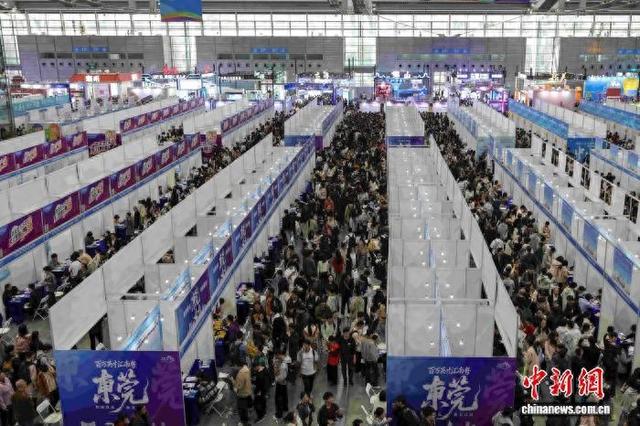
东莞携7676个优质岗位到深揽才 潮玩行业吸引年轻求职者
Xin Lang Cai Jing· 2025-12-27 11:31
Group 1 - The "Million Talents Gather in Nanyue" 2025 Autumn Comprehensive Job Fair was held in Shenzhen, featuring the Dongguan recruitment team with 332 key enterprises and institutions offering 7,676 quality job positions [1][3] - The job fair is the largest and highest-profile talent recruitment event in Guangdong Province at the end of the year, gathering over 1,600 key employers from the Guangdong-Hong Kong-Macao Greater Bay Area, providing more than 65,000 quality job positions [3] - The Dongguan exhibition area attracted high-educated and high-skilled talents, showcasing its strong "Dongguan Manufacturing" enterprise matrix and top-tier innovation platforms [3] Group 2 - The China Spallation Neutron Source Science Center offered over 40 high-end positions with annual salaries ranging from 400,000 to 500,000 yuan, attracting top talents in basic scientific research [3] - Vivo presented positions in imaging testing, hardware testing, and software development, drawing many fresh graduates with bachelor's degrees [4] - Companies like Shengyi Technology and Guangdong Little Genius Technology Co., Ltd. offered competitive salaries for positions in engineering and AI, with annual salaries ranging from 150,000 to 350,000 yuan [4] Group 3 - The Dongguan exhibition area featured a "Trendy Play Capital" section, showcasing nine key enterprises in the trendy play industry, offering positions such as IP designers and e-commerce operators, appealing to young individuals with creative and marketing skills [4][6] - The event included a one-stop talent policy consultation service, providing job seekers with detailed information on support measures in housing, education, healthcare, and entrepreneurship in Dongguan [6]
4家消费公司拿到新钱;奥乐齐中国门店数将达100家;西贝贾国龙“认错”|创投大视野
36氪未来消费· 2025-12-27 11:04
Investment Opportunities - FenYinTa Technology has completed nearly 100 million RMB in Series A financing, focusing on AI applications in elder care and health [3] - Obita has raised nearly 30 million USD in Pre-A financing, developing a blockchain-based payment network for enterprises [4] - YiSu Innovation has secured 100 million RMB in Pre-A financing, specializing in desktop laser processing equipment [5] - Kepler Project has completed 45 million RMB in angel financing, aiming to launch its RV products in the North American market by Q3 2026 [6] Market Expansion - Aldi plans to increase its store count in China to 100 by Q1 2026, with a focus on the East China market and a significant number of new openings in 2025 [8] - Grupo Bimbo has seen significant growth in its e-commerce and O2O channels in China, with a total investment of 72 million USD from 2023 to 2024 [13] Consumer Trends - A report by McKinsey indicates a cautious consumer sentiment in China, with a projected consumption growth rate of 2.3% for 2025, similar to the previous year's 2.4% [14] - Urban affluent elderly consumers have seen a 20% decline in confidence due to asset depreciation, while younger consumers in third-tier cities remain optimistic despite economic challenges [14] Product Innovations - MoLi NaiBai's Christmas strawberry series sold over 360,000 cups on its first day, leveraging social media and limited edition products to engage young consumers [11] - QiMengDao has opened its first flagship store, focusing on immersive experiences and exclusive products to attract fans [12] Brand Responses - BaWang Tea Ji has addressed consumer concerns regarding caffeine content in its products, emphasizing the balance of active ingredients in tea [9] - XiBei's founder has publicly acknowledged mistakes related to the pre-prepared food controversy, implementing price reductions to regain customer trust [10]

Labubu价格崩了,王宁却笑了
盐财经· 2025-12-27 10:38
Core Viewpoint - The article discusses the significant decline in the market for Pop Mart's Labubu toys, highlighting a shift from high demand and prices to oversupply and reduced consumer confidence, indicating a broader trend in the collectible toy market [3][8][9]. Group 1: Market Changes - A year after the peak, the average resale price of Labubu toys has dropped significantly, with some items falling below their original retail prices [3][4]. - The once high resale prices for Labubu collectibles have decreased, with some items that were previously valued at over 5400 yuan now selling for around 500 yuan [7][8]. - The increase in available inventory on resale platforms has coincided with a drop in prices, indicating a shift in market dynamics from scarcity to oversupply [8][22]. Group 2: Supply Chain Adjustments - Pop Mart has significantly increased its production capacity, with monthly output reportedly reaching ten times that of the previous year, aiming to meet rising demand and reduce scarcity [26][29]. - The company has shifted its sales strategy from limited releases to regular pre-sales and rolling production, which has altered consumer expectations and market behavior [26][30]. - This proactive approach to supply management is intended to stabilize the market and reduce speculative trading, which has led to a rapid decline in resale prices [26][30]. Group 3: Consumer Confidence and Quality Issues - There has been a notable increase in consumer complaints regarding product quality, with issues such as defects and poor craftsmanship affecting brand perception [32][33]. - The rising number of complaints has led to a decline in consumer trust, which is particularly damaging for a brand that relies heavily on emotional value [33][34]. - As the novelty of the Labubu brand fades, consumers are beginning to reassess the value of the products based on quality and price rather than emotional appeal [39][40]. Group 4: Strategic Shifts and Future Outlook - The appointment of a new board member with experience in luxury branding signals a strategic shift for Pop Mart towards maintaining brand value and exploring new business avenues [41][44]. - Analysts suggest that for Pop Mart to succeed in the long term, it must navigate challenges such as enhancing product maturity, expanding into practical applications, and evolving its IP into a sustainable cultural symbol [46][49]. - The current market cooling may serve as a necessary recalibration period for Pop Mart, transitioning from speculative collectibles to genuine consumer products [49][50].

跨境出海周度市场观察-20251227
Ai Rui Zi Xun· 2025-12-27 08:17
Investment Rating - The report does not explicitly provide an investment rating for the industry Core Insights - The report highlights the increasing trend of Chinese companies expanding overseas, particularly in sectors like commercial aerospace, durable goods, automotive, and digital culture, indicating a shift from product export to a more integrated approach involving technology and brand development Industry Environment - Chinese commercial aerospace companies are actively expanding into overseas markets, utilizing "rideshare launch" models to reduce costs and improve efficiency, with a focus on emerging markets like Egypt and the UAE [2] - The durable goods sector is expected to face challenges in domestic sales due to weak demand and policy impacts, while overseas markets, particularly in the Americas and emerging markets, present growth opportunities [2] - China's automotive exports are projected to reach 5.859 million units in 2024, maintaining the top position globally, with a shift towards a comprehensive export model that includes technology and brand development [4] - The automotive industry is transitioning from product export to service and ecosystem integration, with a focus on smart and electric vehicles [8] - The digital culture industry is experiencing rapid growth, with Chinese digital content gaining traction globally, particularly among younger audiences [10] Top Brand News - The report discusses the emergence of digital infrastructure as a key driver for Chinese brands expanding into Southeast Asia, highlighting the importance of digital payment systems and logistics efficiency [15] - E-commerce platforms like Amazon are launching initiatives to support cross-border e-commerce, aiming to cultivate 200 overseas brands in Shandong over the next three years [7] - Companies like UR and MICO WORLD are making significant strides in global markets, with UR planning to expand its store presence internationally and MICO WORLD recognized for its global leadership in social entertainment [16][18]

数读2025经济答卷 民营经济打开发展新空间
Ren Min Wang· 2025-12-27 01:50
Group 1: Economic Development - The "14th Five-Year Plan" marks a significant year for China's economic development, showcasing strong momentum through private investment, technological innovation, and logistics [1] - Private enterprises have accelerated their involvement across multiple sectors, demonstrating resilience and innovative capabilities [1] Group 2: Artificial Intelligence Industry - As of September this year, the core scale of China's artificial intelligence industry exceeds 900 billion yuan, with over 5,300 AI companies, accounting for 15% of the global market [3] - Notable developments include the global popularity of the DeepSeek model and the appearance of humanoid robots in major events [3] Group 3: Foreign Trade - In the first 11 months of this year, private enterprises' import and export volume reached 23.52 trillion yuan, a year-on-year increase of 7.1%, making up 57.3% of China's total foreign trade [4] - A significant logistics initiative includes the launch of a mixed cargo train for consumer lithium batteries from Yiwu, facilitating the export of high-value products [4] Group 4: Infrastructure Investment - Private investment in infrastructure has grown by 3.5% year-on-year, now accounting for 21.8% of total infrastructure investment [6] - The issuance of real estate investment trusts (REITs) for data center infrastructure marks a key development in private investment projects [6] Group 5: Technological Innovation - The "2025 China Private Enterprises 500" report indicates that the top 500 private enterprises hold 721,600 valid patents and employ a total of 1.1517 million R&D personnel [7] - Four private enterprises have joined the National Natural Science Foundation's joint fund, indicating a significant step in private sector participation in national basic research [7]