
银行业

Search documents
欧洲央行将欧元流动性支持工具全球化 新工具将提供最高500亿欧元的常态化准入额度
Ge Long Hui· 2026-02-15 01:43
Core Viewpoint - The European Central Bank (ECB) is expanding the access of its euro liquidity support tool to a global scale and transitioning it into a permanent mechanism to enhance the international status of the euro [1] Group 1: ECB's New Measures - The ECB announced that the euro liquidity support tool will be available to all central banks globally, effective from the third quarter of 2026, excluding those central banks that are excluded due to reputational issues such as money laundering, terrorism financing, or international sanctions [1] - The new tool will provide a permanent access limit of up to 50 billion euros for financial institutions to borrow euros against high-quality collateral when they cannot obtain financing from the market [1] Group 2: Context and Implications - ECB President Christine Lagarde emphasized the need for the ECB to prepare for a more turbulent environment during her speech at the Munich Security Conference [1] - Previously, this liquidity support was only available to a limited number of countries, primarily in Eastern Europe [1]
【财经早报】关于AI应用等,华为新合作
Zhong Guo Zheng Quan Bao - Zhong Zheng Wang· 2026-02-15 00:28
Group 1: Financial Support for Rural Enterprises - The People's Bank of China and other regulatory bodies issued an opinion to enhance financial support mechanisms for rural enterprises, aiming to help them utilize multi-level capital markets for financing [1] - The policy includes a "green channel" for companies registered in former poverty-stricken areas to facilitate their listing, and supports refinancing through various methods such as additional issuance and convertible bonds [1] - The initiative also promotes the listing of futures and options for specialty agricultural products, providing risk management tools tailored to rural industry needs [1] Group 2: Regulatory Actions on Major Platforms - The State Administration for Market Regulation held discussions with major platform companies including Alibaba, Douyin, and Tencent, urging them to comply with the Anti-Unfair Competition Law and to avoid "involution" in competition [2] - The aim is to foster a fair competitive market environment and promote innovation and healthy development within the platform economy [2] Group 3: Industry Developments - The Ministry of Industry and Information Technology released guidelines for the tea industry, targeting a total industry scale of 1.5 trillion yuan by 2030, with the goal of cultivating over five tea industry clusters with annual revenues exceeding 10 billion yuan by 2028 [2] - The guidelines emphasize modernization of the industry chain and the development of diverse product types and consumption scenarios [2] Group 4: Corporate Collaborations - Huawei signed a cooperation agreement with Shandong Haohua Group to collaborate on digital transformation, AI applications, and smart mining, aiming for high-quality business development [4] Group 5: Corporate Penalties and Developments - ST Cube was penalized by the Anhui Securities Regulatory Bureau for significant financial misconduct, including inflated revenue through false trading practices, resulting in a fine of 10 million yuan and potential delisting [5] - Xiamen Rural Commercial Bank was fined 6.05 million yuan for governance and management failures across various business operations [5] Group 6: AI and Technology Advancements - ByteDance launched the Doubao Model 2.0, featuring significant upgrades in multi-modal understanding and enterprise-level capabilities, marking a major advancement since its initial release [5] - The AI sector is experiencing explosive growth, particularly among internet giants competing in the AI space, which is straining backend infrastructure and highlighting the scarcity of computing resources [7]


【财经早报】关于AI应用等 华为新合作
Zhong Guo Zheng Quan Bao· 2026-02-15 00:27
Group 1: Financial Support for Rural Enterprises - The People's Bank of China and other regulatory bodies issued an opinion to enhance financial support mechanisms for rural enterprises, aiming to help them utilize multi-level capital markets for financing [1] - The policy includes a "green channel" for companies registered in former poverty-stricken areas to facilitate their listing process [1] - Support will be provided for listed companies to raise funds through various means such as additional issuance, rights issues, and convertible bonds, focusing on local specialty industries and agricultural technology innovation [1] Group 2: Regulatory Actions on Major Platforms - The State Administration for Market Regulation held discussions with major platform companies including Alibaba, Douyin, Baidu, Tencent, JD.com, Meituan, and Taobao, emphasizing compliance with the Anti-Unfair Competition Law and promoting fair competition [2] - Companies were reminded to avoid "involution" competition and to foster a healthy market environment for platform economy innovation [2] Group 3: Company Collaborations and Developments - Huawei signed a cooperation agreement with Shandong Haohua Group to focus on digital transformation, AI applications, and smart mining, aiming for high-quality business development [4] - ByteDance launched the Doubao Model 2.0, which includes three general agent models and a code model, marking a significant upgrade in multi-modal understanding and enterprise-level capabilities [5] - Xiamen Rural Commercial Bank was fined 6.05 million yuan for governance and management violations, highlighting regulatory scrutiny in the banking sector [5] Group 4: Industry Insights and Trends - Open Source Securities reported that demand for domestic high-end luxury passenger vehicles is exceeding expectations, with a favorable competitive landscape suggesting potential growth for related listed companies [7] - Zhongyou Securities noted that major internet companies are intensifying competition in the AI sector, leading to increased traffic and pressure on backend infrastructure, indicating a growing demand for computing resources [7]
高盛:日本市场近期发生了什么?
美股IPO· 2026-02-15 00:08
高盛认为,日本市场定价逻辑发生根本转变:自民党胜选后,市场开始定价日本退出超低实际利率体制,表现为日元走强、收益率曲线趋平。核心驱动力 是投资者预期资产回流。但若日本央行政策不够鹰派,日元走弱等旧有逻辑可能回归,未来几周面临不确定性。 据研报,两周前,高盛分析团队提出了一个框架来理解日本政府债券和日元在当前政策组合下的表现。当时的逻辑是,当政策利率受到约束、通胀上 升、而财政政策又计划扩张时,债券和货币同时走弱是合理的市场反应。 高盛指出, 但选举后市场出现了截然不同的动态。实际利率小幅上升,远期通胀预期略有下降。股市走高,同时伴随着更平坦的名义收益率曲线和更 强劲的日元。 该行认为,这种跨资产类别的联动反应清晰且一致,符合发达市场在实际通胀接近目标水平时的典型相关性模式。 数据显示,2年期3年期远期实际互换利率和通胀互换利率的走势从2025年下半年以来发生了明显分化,实际利率稳步上升,通胀预期则趋于稳定。 日本市场正在经历一场重要的转折,市场定价逻辑出现根本性转变。日本自由民主党在众议院选举中取得压倒性胜利后,日元收益率曲线趋于平坦化, 通胀预期稳定,日元汇率走强——呈现出发达市场面对更高实际利率预期时的典 ...


投顾周刊:1月信贷投放实现“开门红”
Sou Hu Cai Jing· 2026-02-14 23:22
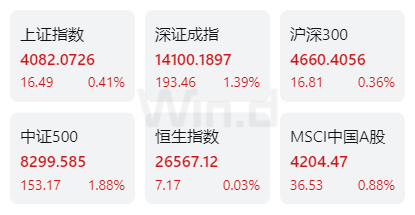
Group 1 - In January, social financing scale reached a record high of 7.22 trillion yuan, with M2 growing by 9% year-on-year, indicating strong support from a moderately loose monetary policy for the economy's stable start [1][5] - The anticipated visit of US President Trump to China in April is expected to ease bilateral trade tensions, potentially extending the "truce" in US-China trade relations and stabilizing global supply chains [1][5] - The launch of ByteDance's AI video model Seedance 2.0 has positively impacted the media sector, leading to a significant rebound in the net value of several media-themed funds [1][5] Group 2 - The bank wealth management market is showing strong capital attraction, with an expected recovery of 1 trillion yuan in February, driven by declining deposit rates and year-end bonuses [2][5] - The expansion of pension wealth management trials nationwide, with increased fundraising limits for institutions, provides a broader business space for wealth management companies and more stable pension growth tools for investors [2][5] - The Federal Reserve's February meeting minutes indicate a hawkish stance, with expectations for interest rate cuts being postponed, leading to a short-term strengthening of the US dollar [2][5] Group 3 - The "AI panic trading" in tech stocks has caused significant market fluctuations, with funds shifting from overvalued AI sectors to more stable cash flow assets, particularly in Chinese internet leaders and high-dividend stocks [3][5] - Global stock markets showed mixed performance before the Spring Festival, with the Shanghai Composite Index rising by 0.41% and the Nasdaq Index declining by 2.10% [4][5] Group 4 - The bond yield performance was mixed, with the 1-year Chinese government bond yield rising by 0.95 basis points to 1.32%, while the 10-year US Treasury yield fell by 18 basis points to 4.04% [8][11] - The overall performance of the Wande Fund Index was stable, with the Wande Stock Fund Index rising by 1.26% [9][10]
四部门发文:常态化金融支持机制助力乡村全面振兴
Xin Lang Cai Jing· 2026-02-14 21:57
Core Viewpoint - The People's Bank of China, along with financial regulatory bodies, has issued guidelines to establish a normalized financial support mechanism aimed at preventing poverty and promoting rural revitalization and urban-rural integration [1][2]. Group 1: Financial Support Mechanism - The guidelines propose a long-term financial support mechanism for key populations, optimizing microloans for impoverished individuals and enhancing credit policies for farmers [1]. - Financial institutions are encouraged to develop loans for specialized industries, with some regions allowed to increase the upper limit for entrepreneurial guarantee loans [1]. - A tiered financial support system for underdeveloped areas will be established, prioritizing new financial resources and services for key rural revitalization counties [1]. Group 2: Agricultural and Rural Development - The guidelines emphasize strengthening financial resource investment in key areas, particularly in grain and oil production, to enhance agricultural productivity and quality [2]. - Supply chain financial services, such as accounts receivable financing, will be developed to meet the financial needs of the entire agricultural industry chain [2]. - Increased long-term funding for rural infrastructure construction will support the integration of agriculture, culture, and tourism [2]. Group 3: Financial Services and Innovation - The guidelines call for enhanced financial service capabilities and the establishment of a robust financial organization system [2]. - The implementation of financial technology initiatives for rural revitalization will be deepened, promoting the adoption of mobile payment and credit evaluation systems [2]. - Financial institutions, especially local ones in underdeveloped areas, are encouraged to issue special financial bonds for small and micro enterprises and agriculture [2].
央视曝光黄金回收套路
Sou Hu Cai Jing· 2026-02-14 16:01
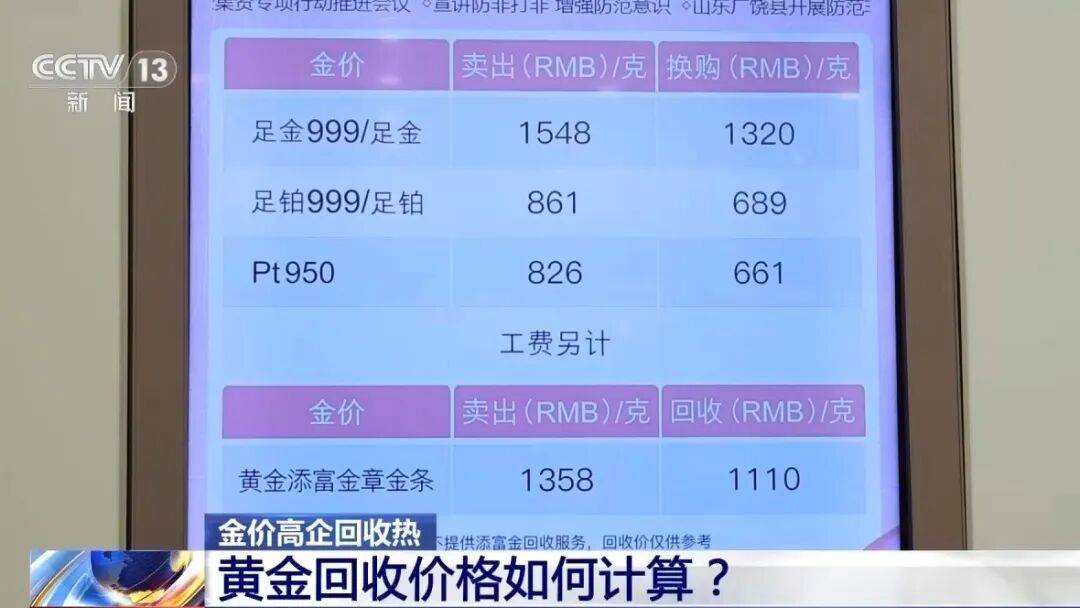
Core Viewpoint - Recent surges in international and domestic gold prices have led to increased consumer interest in gold recycling and "old-for-new" exchange programs, prompting a rise in inquiries about these services. Group 1: Main Recycling Channels - The primary channels for gold recycling include banks, brand-authorized stores, and companies with precious metal recycling qualifications [1][2]. - Banks typically only repurchase gold bars sold by them and require original packaging and certificates, generally not accepting jewelry [1][2]. - Brand-authorized stores mainly recycle their own brand products, while qualified companies can accept various types of precious metal products [1]. Group 2: Pricing Calculation - The recycling price is calculated based on the formula: current Shanghai Gold Exchange price × purity × weight - handling fees [4]. - Consumers should be cautious of inflated quotes and settlement discrepancies during the recycling process [4][10]. Group 3: Consumer Precautions - Many merchants require destructive testing of gold products, which can lead to price manipulation based on the merchant's assessment [6][8]. - Some unscrupulous merchants may use chemicals to alter the appearance of gold, leading to lower price offers [6][8]. - Consumers are advised to choose reputable channels, understand the current gold prices, supervise the weighing and testing process, and retain transaction receipts to protect their rights [10][14]. Group 4: Regulatory Standards - A new national standard for gold recycling and "old-for-new" exchanges has been established, outlining comprehensive regulations for businesses and personnel involved in these services [11][12]. - The standard mandates that businesses must have legal qualifications, and staff must undergo professional training [12]. - The verification process must include customer presence and consent for destructive testing, with accurate documentation of gold content and pricing provided to consumers [12].
加纳央行发布外汇即期干预指导
Shang Wu Bu Wang Zhan· 2026-02-14 15:50
Core Viewpoint - The Bank of Ghana has announced guidelines for foreign exchange spot intervention, utilizing a structured discretionary approach to address market failures without targeting specific exchange rate levels [1] Group 1: Intervention Guidelines - The foreign exchange intervention will allow market forces to determine the exchange rate while limiting excessive short-term volatility, although it cannot eliminate fluctuations [1] - Announcements for foreign exchange intervention auctions will be made when market conditions meet established criteria, either on the decision day or one day in advance [1] Group 2: Auction Participation - Only authorized and licensed foreign exchange trading banks can participate in the foreign exchange intervention auctions, with bids required to be quoted in the local currency (Ghanaian Cedi) against the US dollar, accurate to four decimal places [1] - Authorized banks must submit bids through the LSEG Workspace (Refinitiv) auction platform, with a maximum of three bids per bank, and a minimum bid amount of $500,000, in increments of $250,000 [2]
肯尼亚增加黄金储备
Shang Wu Bu Wang Zhan· 2026-02-14 15:50
Core Viewpoint - The Central Bank of Kenya is initiating its first formal gold purchasing plan as a defensive strategy amid increasing global financial instability, joining other African nations in viewing gold as a strategic reserve asset rather than relying solely on major currencies [1][2]. Group 1: Central Bank's Strategy - The Central Bank of Kenya plans to buy gold to serve as an "additional buffer" for its foreign exchange reserves, aligning with countries like the Democratic Republic of Congo, Rwanda, and Namibia that have increased their gold reserves [1][2]. - The Governor of the Central Bank, Patrick Njoroge, emphasized that this initiative is a well-considered long-term strategy rather than a reaction to short-term market volatility [1]. Group 2: Economic Context - Kenya's foreign exchange reserves stood at $12.46 billion as of February 9, equivalent to 5.4 months of import cover, which is considered adequate by international standards [2]. - The move to increase gold reserves is seen as a way for African governments to reduce dependence on the Western-dominated financial system while leveraging their natural resources [2]. Group 3: Risks and Considerations - While gold is becoming an attractive anchor asset due to its inability to be printed, devalued, or frozen by foreign authorities, it comes with risks such as price volatility, high storage and security costs, and lower liquidity compared to major reserve currencies [2]. - The Central Bank has not provided a timeline or target amount for gold purchases, but preparations are underway, with initial acquisitions expected to be completed within the year [2].
波黑央行外汇储备达182.1亿马克,贷款总额增至286.9亿马克
Shang Wu Bu Wang Zhan· 2026-02-14 15:11
Core Insights - The Central Bank of Bosnia and Herzegovina (CBBH) reported that foreign exchange reserves reached 18.21 billion marks by the end of December 2025, an increase of 572.7 million marks, representing a growth of 3.2% [1] Group 1: Loans - Total loans across domestic sectors amounted to 28.69 billion marks, increasing by 386.5 million marks, with a growth rate of 1.4% [1] - Household loans increased by 111.2 million marks (+0.8%) [1] - Private sector loans rose by 51.4 million marks (+0.4%) [1] - Government agency loans surged by 175.6 million marks (+12.8%) [1] - Non-financial public enterprise loans grew by 34.8 million marks (+4.7%) [1] - Other domestic sector loans increased by 13.6 million marks (+3.5%) [1] - The annual growth rate of total loans was 11.1% [1] Group 2: Deposits - Total deposits in domestic sectors reached 37.32 billion marks, with an increase of 527.8 million marks (+1.4%) [1] - Household deposits rose by 473.3 million marks (+2.5%) [1] - Private sector deposits increased by 27.07 million marks (+3.2%) [1] - Non-financial public enterprise deposits decreased by 24.2 million marks (-1.2%) [1] - Government agency deposits fell by 139.5 million marks (-2.9%) [1] - Other domestic sector deposits declined by 52.5 million marks (-2.4%) [1] - The annual growth rate of total deposits was 10.2% [1]