
智能网联汽车

Search documents
深圳市一季度GDP增长5.2% 工业机器人产量同比增长40.1%
Zhong Guo Fa Zhan Wang· 2025-05-06 06:53
Economic Growth - Shenzhen's GDP reached 895.05 billion yuan in Q1, with a year-on-year growth of 5.2% [1] - The city's industrial output value above designated size grew by 4.2% year-on-year, accelerating by 1.6 percentage points compared to January-February [2] Industrial Performance - High-tech product output showed significant growth, with civil drone production increasing by 48.2% and industrial robot production rising by 40.1% [3] - The smart connected vehicle industry cluster grew by 38.8% year-on-year, while the robot industry cluster saw a growth of 38.0%, with industrial robot manufacturing increasing by 56.2% [4] Real Estate Market - The sales area of commercial housing increased by 17.0% year-on-year, outperforming the national average and ranking first among first-tier cities [5] - In Q1, over 26,000 new and second-hand residential units were sold, marking a 67.7% increase compared to the previous year [5] Investment Trends - Fixed asset investment in Shenzhen decreased by 2.1% year-on-year, but the decline narrowed by 1.1 percentage points compared to earlier months, indicating a potential recovery [5] - Industrial investment grew by 1.4% year-on-year, with technological transformation investment surging by 61.8% [6] Consumer Market - The total retail sales of social consumer goods increased by 3.1% year-on-year, with a 1.4 percentage point acceleration compared to January-February [9] - Government subsidies for replacing old products significantly boosted consumer spending, with home appliances and smart home devices seeing sales increases of 59.3% and 53.1%, respectively [13] Logistics and Tourism - Port container throughput reached 8.40 million TEUs, growing by 17.1% year-on-year, while airport passenger throughput exceeded 16.55 million, marking a 6.3% increase [14] - Overnight tourist numbers reached 8.75 million, with inbound overnight visitors increasing by 10.6% [14]

新质生产力 职业新观察丨智能网联汽车测试员如何给智能网联汽车“把脉问诊”?
Yang Guang Wang· 2025-05-03 03:29
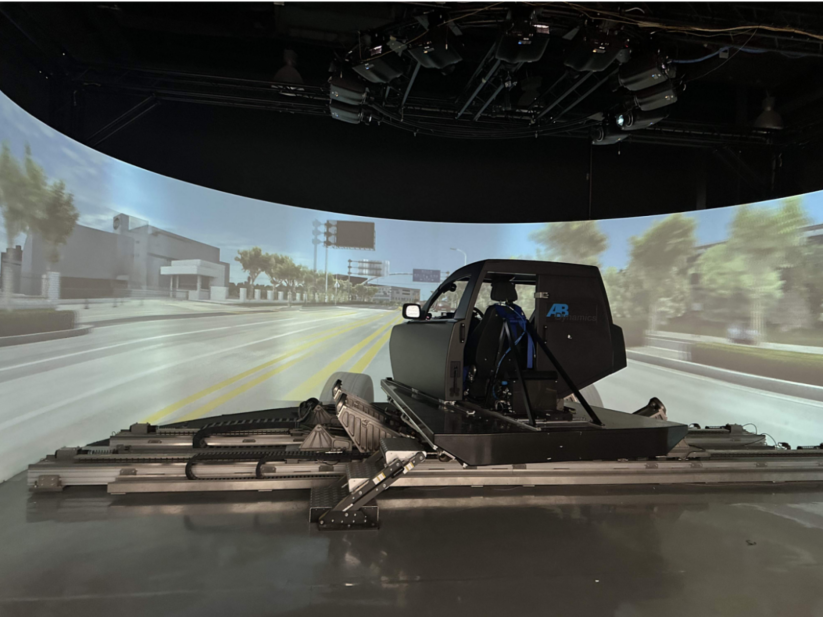
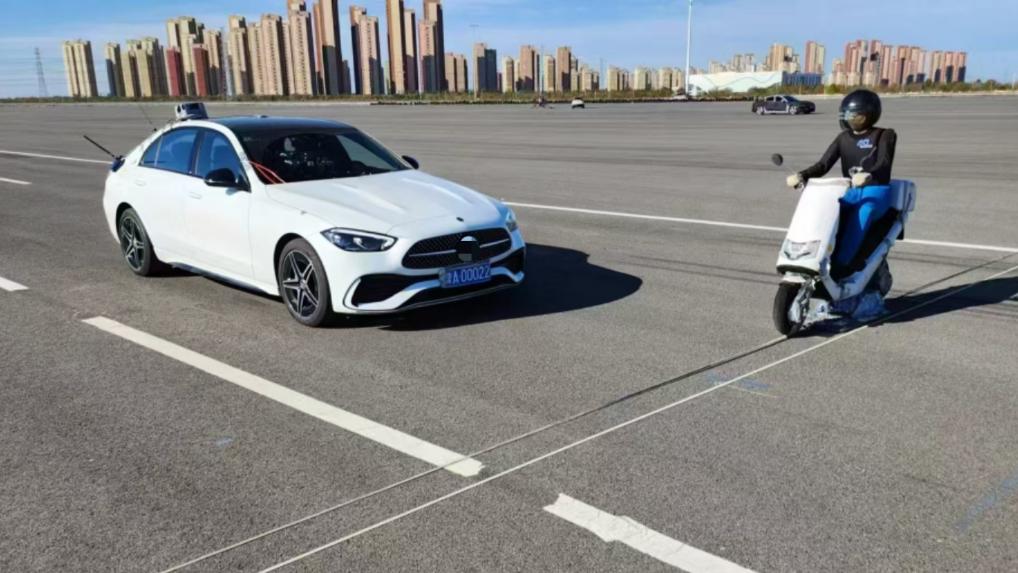
央广网北京5月3日消息(记者孔颖 贾立梁)据中央广播电视总台中国之声报道,近年来,智能网联汽车从一种未来的科技概念,慢慢驶入我们的日 常生活。在人力资源社会保障部去年公布的19个新职业中,智能网联汽车测试员位列其中,定义为"使用工具、量具、检测仪器及设备,对智能网联汽车 及其相关零部件进行功能验证和测试的人员"。 从智能网联汽车技术落地,到相关产品逐渐进入⼤众视野,⽆不传递着一个信号:新的浪潮已至。而在行业快速发展和社会广泛关注背后,智能网联 汽车测试员究竟是一份怎样的职业?中国之声"五一"劳动节特别策划《新质生产力 职业新观察》,记者来到中汽中心天津检验中心,来看看智能网联汽 车测试员们是怎么给智能网联汽车"把脉问诊"的。 把真实的马路"搬"进室内?没错! 一进入智能网联汽车仿真测试联合创新实验室,眼前的场景令人震撼。这个实验室如同摄影棚一般,曲面⼤屏、模拟驾驶舱……各种高精尖设备一应 俱全。智能网联汽车测试员俞彦辉此刻正坐在模拟驾驶舱内,头戴专用VR眼镜,全神贯注地感受着从启动到加速,再到紧急制动的一切细微变化。 俞彦辉:我现在正在进行的是基于驾驶模拟器的驾驶员行为的信息采集实验,⽬的是分析驾驶员在不同的 ...

中国职业“上新”“向新”折射经济发展活力
Xin Hua Wang· 2025-05-02 14:32
Group 1 - The emergence of new professions, such as intelligent connected vehicle testers, reflects the vitality of China's economic development, with over 70% of new jobs serving the new productivity sectors like digital economy and smart manufacturing [4][5] - The testing duration at the Tianjin (Xiqing) National Intelligent Connected Vehicle Pilot Zone exceeded 5,000 hours in 2024, marking a 150% year-on-year increase, indicating a growing demand for talent in the intelligent connected vehicle industry [7] - The demand for artificial intelligence professionals in China is projected to reach 6 million by 2030, with a potential talent gap of 4 million, highlighting the urgent need for skilled workers in emerging fields [7] Group 2 - The development of new professions provides a human resource foundation for the advancement of new productivity, facilitating the transition of labor from low-value-added industries to high-skill areas, thereby improving overall employment quality [6] - The intelligent connected vehicle industry is rapidly evolving, with companies innovating and establishing digital workshops and smart factories, leading to the creation of new jobs and professions [6] - The need for a collaborative mechanism among technology, systems, and education is emphasized to guide the healthy development of new professions and ensure the sustainable growth of new business formats [8]
武汉推动新兴产业保持年均20%以上增速
Chang Jiang Ri Bao· 2025-04-30 07:04
Core Viewpoint - Wuhan is accelerating its transformation and upgrading to establish a modern industrial system characterized by its unique advantages, focusing on advanced manufacturing as the backbone and aiming to develop a competitive industrial cluster aligned with the "51020" strategy [1][4]. Group 1: Industrial Upgrading and Development - Wuhan is focusing on upgrading traditional industries, particularly in steel and traditional fuel vehicles, while implementing capacity reduction [4]. - The petrochemical industry is undergoing a transformation with a focus on reducing oil, increasing chemical production, and enhancing quality through major technological upgrades and equipment renewal [4]. - The city is emphasizing the development of high-value-added sectors such as chips, smart connected vehicles, biomedicine, and industrial mother machines, aiming for an annual growth rate of over 10% in these advantageous industries [4]. Group 2: Emerging Industries and Innovation - Wuhan is seizing opportunities in emerging sectors like software, artificial intelligence, commercial aerospace, and robotics, with a target of maintaining an annual growth rate of over 20% in these new industries [4]. - The city is implementing a "seedling project" to cultivate enterprises across different growth stages, focusing on seven new sectors, thereby forming leading companies that can compete globally [4]. Group 3: Resource and Ecosystem Support - Wuhan is enhancing resource support by focusing on capital empowerment, aiming to attract national-level industrial funds and establishing long-term connections with local investment platforms [5]. - The city is also strengthening scenario empowerment by building innovation laboratories and enhancing the application of artificial intelligence in various scenarios [5]. - Talent support is being prioritized through a mechanism that focuses on the needs of enterprises for selecting, utilizing, and nurturing talent [5].
一体化发展!芜湖宣城明牌了
Guo Ji Jin Rong Bao· 2025-04-30 02:52
Core Viewpoint - The integration of Wuhu and Xuancheng is a strategic initiative aimed at enhancing regional economic collaboration and development, supported by government policies and infrastructure improvements [2][3][4]. Group 1: Policy and Government Support - The Wuhu-Xuancheng integration has been emphasized in the Anhui Province's "14th Five-Year Plan" and further reinforced by the recent government action plan [2]. - Continuous policy support ensures clear objectives and strong actions in the integration process, providing a solid institutional guarantee for regional collaboration [2][3]. Group 2: Economic Performance - Wuhu's GDP is projected to reach 512.05 billion yuan in 2024, growing by 6.4%, making it the second city in Anhui to surpass 500 billion yuan [3]. - Xuancheng's GDP is expected to exceed 205.35 billion yuan, with a growth rate of 5.8%, marking a significant economic milestone for the city [3][4]. Group 3: Infrastructure and Connectivity - The geographical proximity of Wuhu and Xuancheng, along with shared infrastructure like the Wuhu Xuanzhou Airport, enhances their economic integration and connectivity [3][4]. - The development of a comprehensive transportation network, including road, rail, and air, facilitates efficient resource flow and optimization between the two cities [3][4]. Group 4: Industrial Collaboration - Wuhu and Xuancheng possess unique industrial strengths that can complement each other, fostering collaborative development through shared resources and joint industrial parks [6]. - Wuhu has established a robust industrial base in automotive, robotics, and digital economy sectors, while Xuancheng is focusing on new energy and cultural tourism industries [4][6]. Group 5: Innovation and Technology - Wuhu is recognized as an "innovation city," with over 2,000 national high-tech enterprises and a strong emphasis on technological advancement [4][6]. - The G60 Science and Technology Corridor serves as a platform for both cities to enhance technological cooperation and innovation capabilities [6][7]. Group 6: Regional Integration and Future Prospects - The integration of Wuhu and Xuancheng into the Nanjing metropolitan area allows for better resource sharing and collaborative development in various sectors [7]. - The ongoing initiatives, such as the "Wuhu Jiuzi Science and Technology Innovation Bay," aim to position Wuhu as a significant industrial innovation center in the Yangtze River Delta [7].
杭州鸿泉物联财报解读:财务费用大增691.62%,研发投入下降14.40%
Xin Lang Cai Jing· 2025-04-29 21:45
Core Viewpoint - The company, Hangzhou Hongquan Internet of Things Technology Co., Ltd., reported significant changes in its financial data for the year 2024, including a substantial increase in financial expenses and a decrease in R&D investment, reflecting its operational status and potential risks [1]. Revenue - In 2024, the company achieved operating revenue of 523,203,688.71 yuan, a 27.81% increase from 409,348,110.37 yuan in the previous year, driven by a recovery in the commercial vehicle sector and successful entry into passenger vehicles and two-wheeled vehicles [2]. - After excluding unrelated business income, the adjusted operating revenue was 506,509,222.84 yuan, representing a 27.32% year-on-year growth, indicating strong momentum in the core business [2]. Net Profit - The net profit attributable to shareholders was -2,944,087.73 yuan, significantly improved from -71,600,213.55 yuan in the previous year, primarily due to increased operating revenue and cost reduction measures [3]. - Despite the reduction in losses, the company has not yet achieved profitability and needs to further optimize its operational strategies to enhance profitability [3]. Deducted Net Profit - The deducted net profit attributable to shareholders was -7,491,300 yuan, compared to -77,009,906.90 yuan in the previous year, indicating a significant reduction in losses and some operational success in core business [4]. Earnings Per Share - The basic earnings per share was -0.03 yuan, an improvement from -0.71 yuan in the previous year, reflecting gradual enhancement in the company's profitability [5]. - The deducted earnings per share was -0.08 yuan, down from -0.77 yuan in the previous year, showing a narrowing loss and gradual improvement in core business profitability [6]. Expenses - Sales expenses decreased by 12.76% to 23,968,917.71 yuan, attributed to reductions in sales personnel costs, travel expenses, and advertising [7]. - Management expenses increased by 7.67% to 36,257,842.47 yuan, mainly due to increased severance payments, indicating a need for better control over management costs [7]. - Financial expenses surged by 691.62% to 3,097,519.34 yuan, primarily due to increased interest expenses on loans, which could negatively impact profits [7]. - R&D expenses decreased by 14.40% to 127,842,996.62 yuan, reflecting reduced spending on personnel and direct investments, which may pose challenges for future innovation in a competitive industry [7]. R&D Personnel - The number of R&D personnel decreased to 328 from 449, with their proportion of total employees dropping from 64.88% to 55.41%, indicating a stabilization in R&D investment as new products are gradually mass-produced [9]. Cash Flow - The net cash flow from operating activities was -19,154,921.66 yuan, an improvement from -81,599,112.75 yuan in the previous year, indicating better cash management in sales [10]. - The net cash flow from investing activities was 5,476,503.11 yuan, a significant increase from -80,780,551.67 yuan, mainly due to the redemption of financial products [10]. - The net cash flow from financing activities was 42,989,438.14 yuan, up 18.68% from 36,222,001.64 yuan, primarily due to increased borrowings [10]. Overall Assessment - The company has made progress in revenue growth and loss reduction in 2024, but it faces multiple risks and challenges, including rising financial expenses, declining R&D investment, and market dependency issues [12].
工信部今年汽车标准化工作要点聚焦新能源汽车与自动驾驶安全、新业态标准化等 构建自动驾驶系统安全基线
Guang Zhou Ri Bao· 2025-04-29 21:32
Policy Highlights - The Ministry of Industry and Information Technology (MIIT) has released the 2025 automotive standardization work points, focusing on enhancing the safety of new energy vehicles, strengthening standards for intelligent connected vehicles, and accelerating the revision of automotive chip standards [1][2] - The work points emphasize the need to improve the safety level of new energy vehicles, particularly in terms of battery safety and convenience, and to establish a safety baseline for autonomous driving systems [3][4] Focus Areas - **Battery Safety**: The work points highlight the importance of improving the safety and convenience of power batteries, including the review and approval of standards for battery durability and thermal management systems, as well as the development of standards for solid-state batteries and battery labeling [3] - **Autonomous Driving Safety**: There is a strong emphasis on establishing safety standards for autonomous driving systems, including the revision of standards for lane-keeping assistance and the development of standards for parking assistance systems [4] - **Chip Standards**: The work points call for the acceleration of the revision of automotive chip standards, including the implementation of standards for safety chips and power drive chips, to address the industry's challenges related to chip shortages [5] Industry Analysis - The frequent mention of "safety" in the 2025 automotive standardization work points indicates a strong focus on ensuring the safety of new energy vehicles and traditional automotive safety standards [6] - The industry recognizes that safety is paramount for the sustainable and healthy development of the new energy vehicle sector, especially during this critical phase of industry transformation [7]
A股公司交出年度答卷 去年实现净利超5万亿 净利润超千亿企业增至10家
Zheng Quan Shi Bao· 2025-04-29 21:09
截至记者发稿,逾5100家A股公司披露了2025年一季报,其中,超六成企业一季度营收实现增长。进入 今年一季度,多个行业经营再上新台阶,也有部分行业经营下滑趋势得到扭转。如去年下滑明显的影视 院线行业,今年一季度业绩大幅回暖。风电设备行业去年净利润下滑逾20%,但随着去年四季度风电单 价探底回升,风电设备需求迎来高增长。今年一季度,该板块营收同比增长超36%,净利润同比增长近 23%。行业龙头金风科技单季营收逼近百亿元。 去年,比亚迪以542亿元的研发投入,成为A股新的研发投入冠军。在研发投入强度方面,排名前20中 科创板公司占据19席,创新药企业"霸榜"。 在一系列政策的支持和引导下,去年A股公司增持、回购、分红积极性显著提升。截至记者发稿,已有 3550家上市公司披露2024年年度现金分红方案,占比近七成,分红总金额1.59万亿元。统计显示,2024 年,A股公司分红频率明显提升,三七互娱、雅戈尔、玲珑轮胎等公司一年分红达到4次,另有59家公 司一年实施3次分红。 (文章来源:证券时报) A股公司2024年年报披露基本完毕。据证券时报记者统计,截至4月29日19时,已披露年报的上市公司 近5300家。上述 ...
一季度经济数据出炉后,深圳的信心从何而来|湾区观察
Di Yi Cai Jing· 2025-04-29 15:13
Core Viewpoint - Shenzhen's economy is showing signs of recovery and high-quality development despite facing external uncertainties, with key indicators reflecting positive trends [2][3]. Economic Performance - In Q1, Shenzhen's GDP reached 8950.49 billion yuan, growing by 5.2% year-on-year, although this is below the annual target of 5.5% [2][3]. - The total import and export volume in Q1 was 9901.04 billion yuan, a decrease of 2.8%, with exports dropping by 8.7% [2][3]. - The second industry grew by 3.7%, with industrial output increasing by 4.2%, indicating resilience in the face of external challenges [3]. Industrial Growth - Emerging industries such as low-altitude economy and robotics are experiencing rapid growth, with production of civilian drones, industrial robots, and 3D printing equipment increasing by 48.2%, 40.1%, and 38% respectively [3]. - Industrial investment grew by 1.4% despite a 2.1% decline in fixed asset investment, driven by a 61.8% increase in industrial technology transformation investment [3]. Consumer Trends - Retail sales in Q1 reached 2403.17 billion yuan, growing by 3.1%, with a notable increase in consumer traffic and tourism [4]. - The number of inbound and outbound travelers at Shenzhen's ports increased by 15.2%, with airport traffic rising by 32% [4]. Foreign Trade Resilience - After a slowdown in January and February, March saw a strong rebound in foreign trade, with a monthly import and export total of 3870.48 billion yuan, growing by 12.3% [5]. - Shenzhen is implementing policies to stabilize foreign trade growth, including support for market expansion and import scale [5].
深圳一季度GDP增长5.2% 工业机器人产量同比增长40.1%
Nan Fang Ri Bao Wang Luo Ban· 2025-04-29 07:39
Economic Growth - Shenzhen's GDP reached 895.05 billion yuan in Q1, with a year-on-year growth of 5.2% [1] - The city's industrial output value increased by 4.2% year-on-year, accelerating by 1.6 percentage points compared to January-February [2] Industrial Performance - High-tech product output showed significant growth, with charging piles up 11.5%, civil drone production up 48.2%, industrial robots up 40.1%, and service robots up 18.1% [3] - The smart connected vehicle industry cluster grew by 38.8% year-on-year, while the robot industry cluster increased by 38.0%, with industrial robot manufacturing and service robot manufacturing growing by 56.2% and 35.0%, respectively [4] Real Estate Market - The sales area of commercial housing increased by 17.0% year-on-year, outperforming the national average and ranking first among first-tier cities [5] - In Q1, over 26,000 new and second-hand residential units were sold, marking a 67.7% year-on-year increase [5] Investment Trends - Fixed asset investment in Shenzhen decreased by 2.1% year-on-year, but the decline narrowed by 1.1 percentage points compared to earlier months, indicating a potential recovery [5] - Industrial investment grew by 1.4% year-on-year, with technological transformation investment surging by 61.8% [6] Consumer Market - The total retail sales of social consumer goods increased by 3.1% year-on-year, with an acceleration of 1.4 percentage points compared to January-February [9] - Government subsidies for replacing old products significantly boosted consumer spending, with home appliances and smart home devices seeing sales increases of 59.3% and 53.1%, respectively [13] Transportation and Tourism - Port container throughput reached 8.40 million TEUs, a year-on-year increase of 17.1%, while airport passenger throughput exceeded 16.55 million, growing by 6.3% [14] - Overnight tourist numbers reached 8.75 million, with inbound overnight visitors increasing by 10.6% [15]
