
智能制造

Search documents
康冠科技:近期公司已获得“一种陪护机器人”的实用新型专利授权
Mei Ri Jing Ji Xin Wen· 2025-10-14 08:32
Group 1 - The company has a solid technological foundation and large-scale manufacturing capabilities in the smart manufacturing sector [2] - The company is actively exploring opportunities in the integration of robotics and the silver economy, indicating a strategic focus on this area [2] - Recently, the company obtained a utility model patent for a "companion robot," which will support product design and functionality validation for elderly care and home assistance scenarios [2] Group 2 - The upcoming product launch is expected to enhance the company's portfolio of robotic and smart products aimed at serving the silver economy [2]

京沪粤领衔中国基础研究十强省市
Di Yi Cai Jing· 2025-10-14 07:43
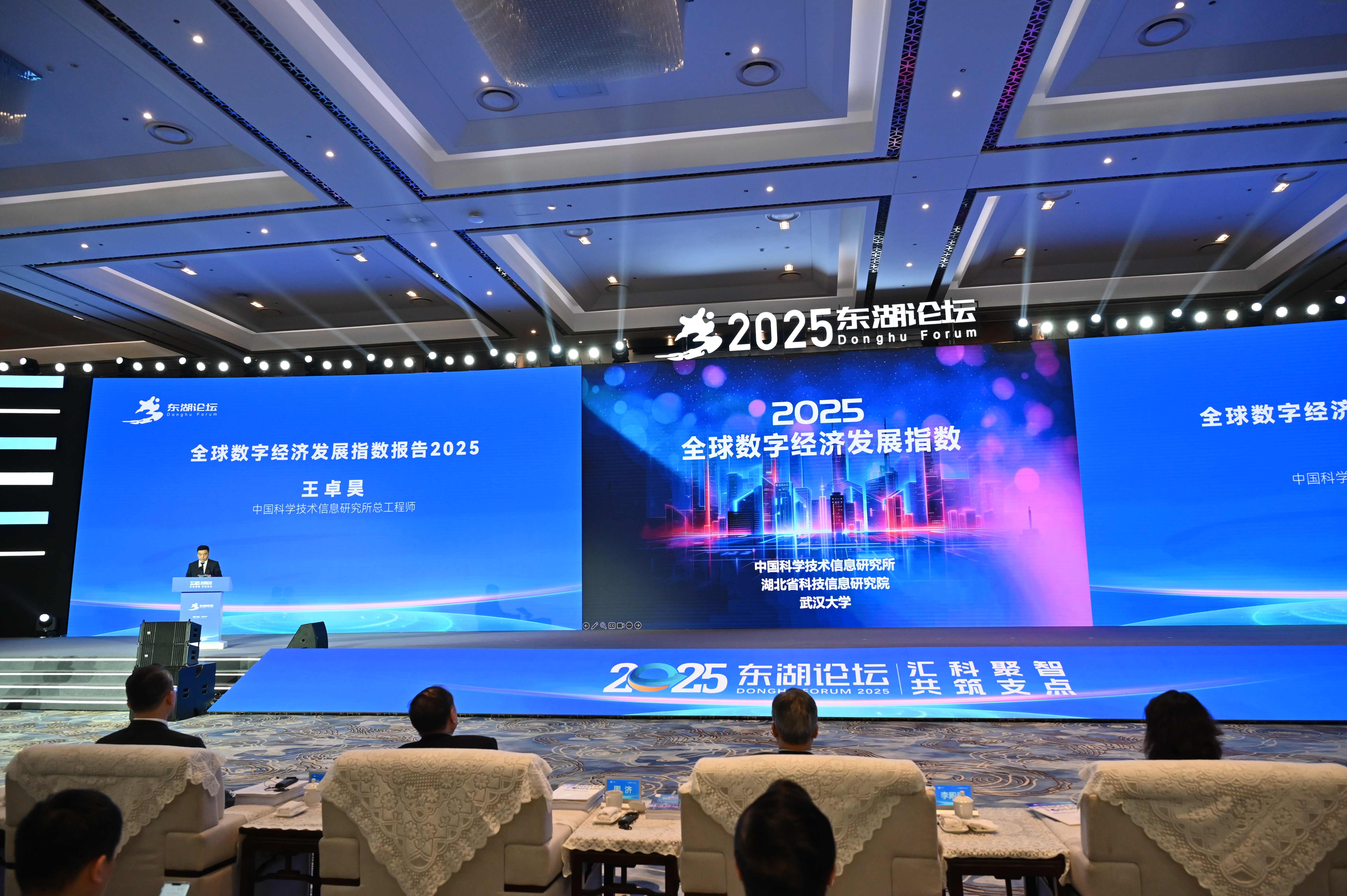
Core Insights - The 2025 East Lake Forum in Wuhan aims to establish itself as a premier platform for the release of research findings and innovative ideas [1] Group 1: Digital Economy Development - The "Global Digital Economy Development Index 2025" report indicates that in 2024, the United States, China, and the United Kingdom will lead the global digital economy rankings, with San Francisco, Beijing, and New York as the top cities [5] - China's digital economy is characterized by four significant trends: continuous enhancement of digital infrastructure, notable effects of digital innovation, accelerated iteration of emerging industry technologies, and deepening integration of industrial digital transformation [5] - The core digital economy industries in Hubei are projected to grow steadily, increasing their share of Hubei's GDP from 5.0% in 2018 to 9.6% in 2024, positioning Hubei as a "digital engine" for central China [5] Group 2: Innovation and Research Competitiveness - The "Wuhan Science and Technology Innovation Center Index Report 2025" shows a 14% increase in Wuhan's innovation capability, with knowledge creation leading the growth [6] - The "China Basic Research Competitiveness Report 2025" ranks Hubei 6th nationally in basic research competitiveness, with strengths in various scientific disciplines [8] - The "Global Enterprise Innovation Index 2025" from Wuhan University highlights that China has 67 companies in the top 100 of five future industries, ranking third globally [8][9] Group 3: Regional Innovation Dynamics - China's future industry innovation resources are concentrated in the Beijing-Tianjin-Hebei, Yangtze River Delta, and Guangdong-Hong Kong-Macau regions, showcasing a "multi-point leading, cluster advancement" spatial development pattern [9] - Hubei is recognized as a strategic support for central China's rise, although it still has significant gaps compared to the leading regions [9] Group 4: Collaborative Initiatives - A technology cooperation framework agreement was signed between the Zhejiang and Hubei provincial science and technology departments to enhance cross-regional innovation collaboration [10]
康冠科技(001308.SZ):已获得“一种陪护机器人”的实用新型专利授权
Ge Long Hui· 2025-10-14 07:10
Core Viewpoint - The company emphasizes its strong technological foundation and manufacturing capabilities in the smart manufacturing sector, particularly focusing on the integration of robotics and the silver economy [1] Group 1: Company Developments - The company has recently obtained a utility model patent for a "companion robot," indicating its commitment to innovation in the field [1] - Future product designs and functionality validations will focus on scenarios such as elderly companionship and home care, aiming to enhance the product matrix of robots and smart products serving the silver economy [1]
海尔牵手阿里,打造数实融合新样板
Sou Hu Cai Jing· 2025-10-14 00:57
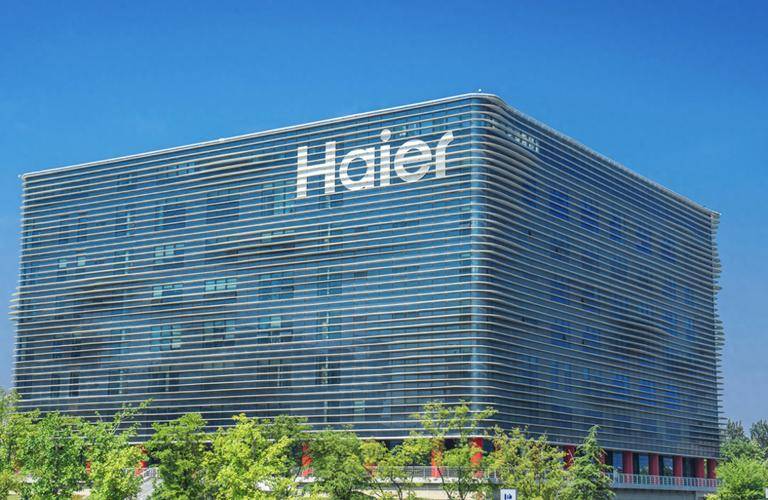
Core Insights - The collaboration between Haier Group and Alibaba Group represents a significant integration of the real economy and digital economy, showcasing a new model for other enterprises [2][11] - The partnership focuses on AI, cloud computing, advanced manufacturing, e-commerce, and globalization, aiming to explore new pathways for industrial AI transformation [2][8] Group 1: AI and Industry Integration - The partnership signifies a new phase in the integration of digital technology and the real economy, with AI as the driving force [3][6] - Haier's strong manufacturing capabilities and Alibaba's robust AI capabilities create a synergistic effect, enhancing both companies' strengths [4][5] Group 2: New Pathways for Industrial AI - The collaboration aims to explore new pathways for industrial AI, which is expected to reach a global market size of $232 billion by 2025 [8] - The integration of AI with industry is not merely additive but transformative, leading to the emergence of new industries and business models [9][10] Group 3: Significance of the Collaboration - The partnership is seen as a new benchmark for AI-driven industrial integration, moving beyond simple digital and real economy combinations [7][11] - The collaboration is positioned as a model for achieving substantial advancements in industrial AI through deep integration of AI and industry [6][9]


东莞举办2025年高校毕业生招聘会 提供优质岗位近600个 吸引超2000人现场求职
Nan Fang Ri Bao Wang Luo Ban· 2025-10-13 08:32
Group 1 - The event "Million Talents Gathering in South Guangdong: Dongguan Employment and Youth Creation" was held on October 11, attracting over 2000 attendees and resulting in 2561 resumes submitted and 538 preliminary employment intentions reached [1] - More than 150 local well-known companies participated in the recruitment fair, including Sanyou Lianzhong Group and Jiu Long Paper, offering nearly 600 quality job positions across various key industries in Dongguan, with a demand for over 2500 candidates [1] - High-paying technical positions such as robot algorithm engineers and data analysts can offer annual salaries up to 420,000 yuan [1] Group 2 - Dazhu Yuedong Laser Group presented five positions, with the highest comprehensive monthly salary reaching 8000 yuan, indicating strong demand for technical, research, and sales talents in the equipment manufacturing sector [2] - A new employment model job area was established at the event, allowing graduates to choose flexible employment roles such as live stream hosts and freelance designers, with support for registering for flexible employment to access government subsidies [2] - The Dongguan Human Resources and Social Security Bureau plans to continue supporting unemployed graduates through a series of services, including policy briefings, career guidance, job recommendations, and skills training, ensuring ongoing recruitment activities [2]
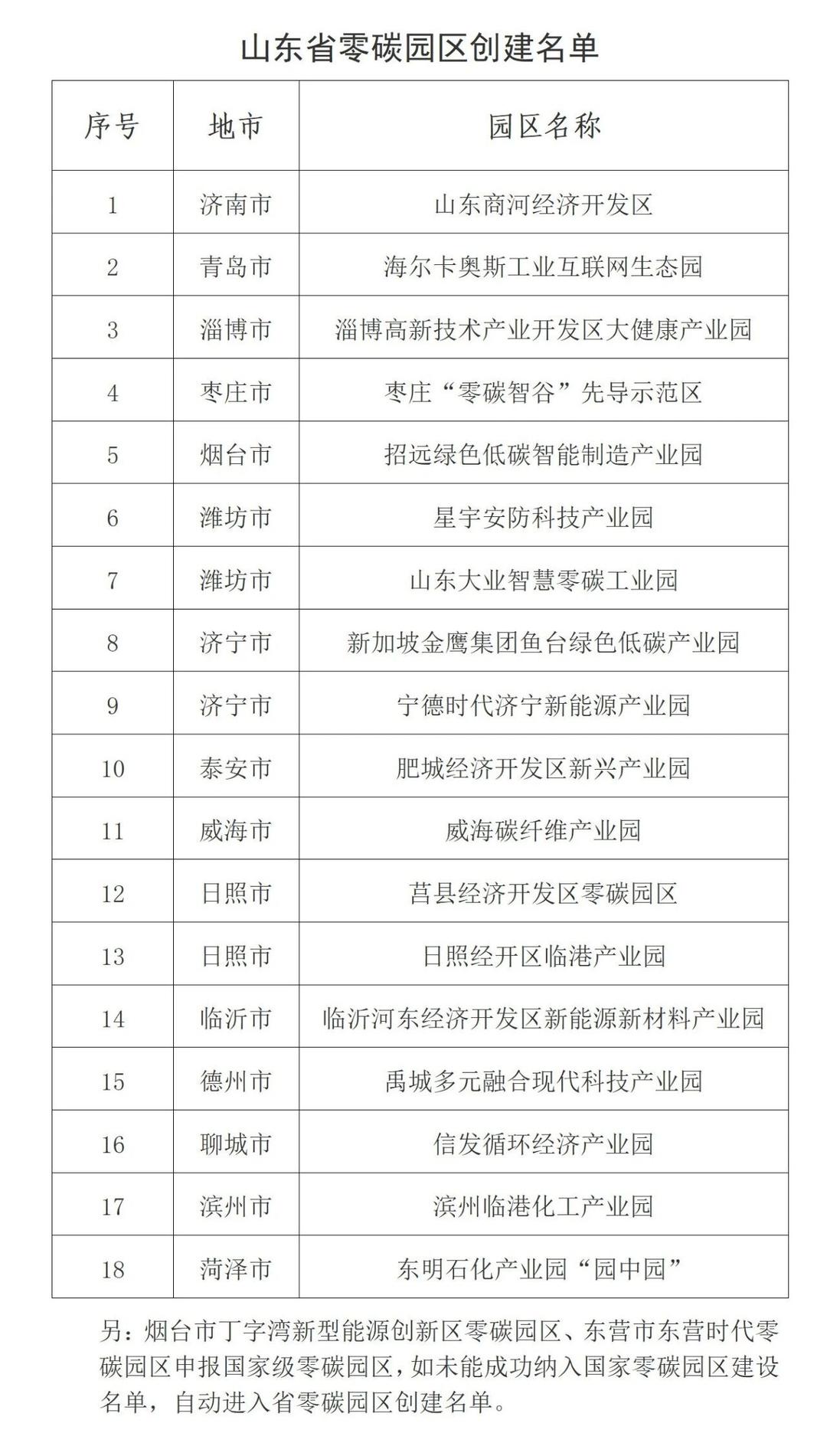
肥城经济开发区新兴产业园入围山东省零碳园区创建名单
Qi Lu Wan Bao Wang· 2025-10-13 08:05
Core Viewpoint - The article discusses the establishment of zero-carbon parks in Shandong Province, highlighting the selection of 18 parks that will undergo evaluation and certification by the end of 2027, aiming to promote sustainable development and reduce carbon emissions [4]. Summary by Categories Zero-Carbon Parks - Zero-carbon parks are defined as areas where carbon dioxide emissions from production and living activities are reduced to "near zero" levels, with the potential to achieve "net zero" conditions [4]. - The Shandong Provincial Government has introduced a "Shandong Province Zero-Carbon Park Construction Plan," outlining ten key aspects for the development of these parks [4]. Evaluation and Certification - The selected 18 parks will be subject to a mid-term evaluation by provincial authorities by the end of 2026, with formal certification as zero-carbon parks expected by the end of 2027 [4]. - The plan aims to establish around 15 provincial-level zero-carbon parks by 2027, with clear technical pathways and sound supporting systems [4]. Long-term Goals - By 2030, the initiative aims to create a number of provincial-level zero-carbon parks with improved technical equipment, policy frameworks, and support services, contributing to a gradual decline in carbon emissions after reaching peak levels [4].
协创数据:直接出口美国的产品收入占比较小
Mei Ri Jing Ji Xin Wen· 2025-10-13 03:58
Core Viewpoint - The company has a global and resilient supply chain that effectively addresses potential risks and challenges, with limited direct exports to the U.S. and a focus on internationalization through capacity building in U.S. factories [1] Group 1 - The company exports goods to the U.S. primarily through its overseas smart manufacturing plants located in the Philippines, the U.S., and Thailand [1] - Direct product revenue from exports to the U.S. is relatively small, indicating a strategic focus on enhancing production capacity in the U.S. [1] - The company is closely monitoring changes in the global trade environment, which has not significantly impacted its production and operations [1]

港股打新千倍认购背后有三重逻辑
Zheng Quan Ri Bao· 2025-10-12 15:56
Core Insights - The Hong Kong IPO market has seen significant activity in 2023, with 69 new listings and an average first-day return of approximately 38%, indicating a robust market environment [1][3] - The total amount raised through IPOs in Hong Kong reached HKD 187.24 billion, a year-on-year increase of 227.72%, reflecting a diverse industry structure and strong investor interest [3][4] Group 1: Market Performance - Over 70% of new stocks listed this year experienced a first-day price increase, with a notable 23% of new stocks facing a price drop on their debut [1] - The average return for new stocks has significantly improved compared to the same period last year, with cumulative earnings for full participation in IPOs reaching HKD 123,700 [1] Group 2: Investor Participation - Nearly 7.45 million individuals participated in IPOs this year, with an average of 108,000 applicants per new stock, indicating high demand for quality listings [3] - The popular stock "Zijin Gold International" attracted 350,000 applicants, resulting in a low winning rate of 0.42% [3] Group 3: Structural Changes - Recent regulatory reforms, including a requirement for investors to prepay at least 10% of the subscription amount, have contributed to a more stable IPO environment [4] - The Hong Kong Stock Exchange has optimized the IPO pricing process, allowing for more flexible subscription mechanisms, which enhances pricing efficiency [4] Group 4: Global Capital Trends - The surge in IPO activity reflects a broader trend of global capital increasing its allocation to Chinese assets, with Hong Kong serving as a key link between mainland China and international markets [5] - The ongoing reforms in the Hong Kong IPO system, including lowering market capitalization thresholds for tech companies, have created a favorable environment for long-term investments [5]
深圳市思湃智能制造有限公司成立 注册资本100万人民币
Sou Hu Cai Jing· 2025-10-12 07:50
天眼查App显示,近日,深圳市思湃智能制造有限公司成立,法定代表人为李丹洋,注册资本100万人 民币,经营范围为一般经营项目是:软件开发;人工智能基础软件开发;人工智能理论与算法软件开 发;人工智能应用软件开发;数据处理和存储支持服务;光电子器件销售;工业机器人制造;工业机器 人安装、维修;工业机器人销售;电子产品销售;国内贸易代理;光学仪器制造;光学仪器销售;照相 机及器材销售;工业自动控制系统装置制造;工业自动控制系统装置销售;人工智能行业应用系统集成 服务;人工智能硬件销售;人工智能通用应用系统;信息系统集成服务;互联网数据服务;专用设备修 理;工业控制计算机及系统制造;工业控制计算机及系统销售;集成电路芯片及产品销售;智能基础制 造装备制造;智能基础制造装备销售;智能控制系统集成;服务消费机器人销售;工业互联网数据服 务;集成电路设计;技术服务、技术开发、技术咨询、技术交流、技术转让、技术推广;大数据服务; 数据处理服务;人工智能公共服务平台技术咨询服务;云计算装备技术服务。(除依法须经批准的项目 外,凭营业执照依法自主开展经营活动),许可经营项目是:无。 ...
看好中国效率 国际巨头20年增资10次
Yang Shi Wang· 2025-10-12 00:57
Core Insights - Danfoss is an international industrial giant focused on electrification, digitalization, and smart manufacturing [1] - Recently, Danfoss inaugurated a global manufacturing base in Haiyan, Jiaxing, Zhejiang, marking its 10th investment increase in the region over the past 20 years [1]