智能网联汽车

Search documents
中汽协发布行业倡议书,进一步规范辅助驾驶成业内共识
Di Yi Cai Jing· 2025-04-21 10:02
Core Viewpoint - The Chinese automotive industry is emphasizing the need for companies to eliminate false advertising and excessive marketing, ensuring the safety of intelligent connected vehicles, especially in light of recent incidents like the Xiaomi SU7 fire accident [1] Group 1: Industry Initiatives - The China Automotive Industry Association and the China Automotive Engineering Society issued a proposal to promote self-discipline among companies and ensure quality commitments and safety responsibilities [1][2] - The proposal calls for companies to clarify and rectify any false information they have released and to take on both corporate and social responsibilities [2] Group 2: Key Aspects of the Proposal - Companies are urged to fulfill their product quality safety responsibilities by enhancing their capabilities, establishing robust quality management systems, and ensuring timely and understandable information prompts for users [2] - Marketing practices must adhere to the standards set by GB/T 40429—2021, avoiding misleading statements and ensuring scientific naming of functions to prevent misuse by drivers [2] - A user notification mechanism should be established to inform drivers about their responsibilities, system information, proper usage, and emergency procedures, ensuring a clear understanding of the differences between driving assistance and autonomous driving [2] Group 3: Industry Perspectives - The Ministry of Industry and Information Technology emphasized the importance of conducting thorough testing and validation of driving assistance systems, highlighting the need for companies to take responsibility for product consistency and safety [3] - Industry leaders, such as Horizon's CEO, noted that tighter regulations would positively impact the industry by promoting a focus on safety rather than merely pursuing autonomous driving [3] - NIO's CEO stressed that safety should be a top priority and that all stakeholders, including government and society, must work together to enhance traffic safety [4]
中汽协最新发布!事关辅助驾驶
券商中国· 2025-04-21 08:40
近年来,我国智能网联汽车产业快速发展, 组合驾驶辅助(2级驾驶自动化)系统已进入 规模化应用关键期。为了进一步引导企业强 化自律意识,践行质量承诺与安全责任,构 建良性发展生态,推动组合驾驶辅助功能产 品安全推广应用,中国汽车工业协会联合中 国汽车工程学会发出如下倡议: 校对:陶谦 百万用户都在看 最新!国常会,重磅定调!提及楼市、股市 1.切实履行产品质量安全主体责任。 企业应 加强能力建设,健全产品质量管理体系;强 化产品安全设计,明确系统功能边界与安全 响应机制;合理设计人机交互方式,确保信 息提示及时并易于理解;开展充分的研发、 测试与生产管理,持续保障智能网联汽车产 品质量安全。 2.规范营销宣传行为。 企业应严格依据《汽 车 驾 驶 自 动 化 分 级 》 ( GB/T 40429— 2021), 杜绝虚假宣传与过度营销,避免使 用模糊或误导性表述,确保功能命名科学严 谨,防止驾驶员误用、滥用风险。 对已发布 的失实信息应及时澄清并整改,主动承担企 业主体责任和社会责任。 3.切实履行告知义务。 企业应建立面向用户 的组合驾驶辅助功能产品告知机制。全面告 知驾驶员责任、系统基本信息、正确使用方 式 ...

深圳自主泊车迈入2.0时代,深业上城商区试点启动 升级车路云 泊车更自如
Shen Zhen Shang Bao· 2025-04-20 16:50
Core Insights - Shenzhen has officially launched the Autonomous Parking 2.0 and pilot program for autonomous parking valet services in the Shenye Shangcheng business district, marking the first implementation of integrated vehicle-road-cloud applications in a commercial area [1][2] - The upgraded version 2.0 enhances the vehicle-road-cloud integration system, establishing a smart parking platform that improves parking efficiency, safety, and convenience compared to the previous version [1][2] Group 1 - The Autonomous Parking 2.0 version includes high-precision physical modeling and dynamic information standardization for vehicle access, enhancing parking space dispatch efficiency and event warning capabilities [1][2] - The "Shen i Park" platform integrates real-time parking space availability, charging station status, and indoor navigation, providing users with a one-stop service for precise queries, autonomous scheduling, and guided arrival [2] - The platform will soon be available for trial use, significantly reducing the time citizens spend searching for parking and increasing parking space utilization [2] Group 2 - Shenzhen plans to accelerate the promotion of the Autonomous Parking 2.0 model, aiming to replicate the pilot experience in various scenarios such as hubs, business districts, hospitals, and industrial parks [3] - Future developments will include features like automatic car washing and charging, aiming to create fully intelligent autonomous parking facilities [3] - The city will continue to advance the construction of core digital platforms for intelligent networked safety monitoring and comprehensive traffic scheduling, facilitating the large-scale application of autonomous parking and information integration [3]
严禁夸大宣传、诱导脱管 智驾迎“最严监管”
Zhong Guo Jing Ying Bao· 2025-04-19 12:20
Core Viewpoint - The intelligent driving industry in China is undergoing a significant transformation due to "strong regulation," shifting from unregulated growth to a new phase of safety and control [1] Group 1: Regulatory Developments - The Ministry of Industry and Information Technology organized a meeting to discuss the management of intelligent connected vehicle product access and software online upgrades, emphasizing the need for compliance with new regulations [1] - The meeting highlighted the importance of conducting thorough testing and validation of driving assistance systems, ensuring that companies take responsibility for product safety and quality [1][3] Group 2: Safety Concerns - The rapid market adoption of driving assistance features like NOA has raised safety concerns, as the technology's maturity does not match market enthusiasm, leading to accidents due to driver misuse [2][4] - There is a growing issue of consumer misunderstanding regarding the capabilities of driving assistance systems, with some drivers confusing them with fully autonomous driving, resulting in increased accident rates [2][4] Group 3: Marketing and Advertising Regulations - The new regulations require companies to provide accurate and comprehensive information about the capabilities and limitations of their intelligent driving products, prohibiting misleading advertising [3][4] - Companies are warned against using terms that imply their systems can operate as fully autonomous vehicles, which could lead to consumer over-reliance and misuse [4][5] Group 4: Legal Implications - Violations of advertising laws regarding the exaggeration of driving assistance capabilities can lead to severe penalties, including fines and potential imprisonment for responsible parties [6][7] - The legal framework emphasizes that drivers must maintain responsibility for vehicle operation, especially as most vehicles on the market currently only offer Level 2 assistance [8][9]
武汉新增四条自动驾驶接驳线路 市民即日起可体验智能出行
Chang Jiang Ri Bao· 2025-04-11 00:41
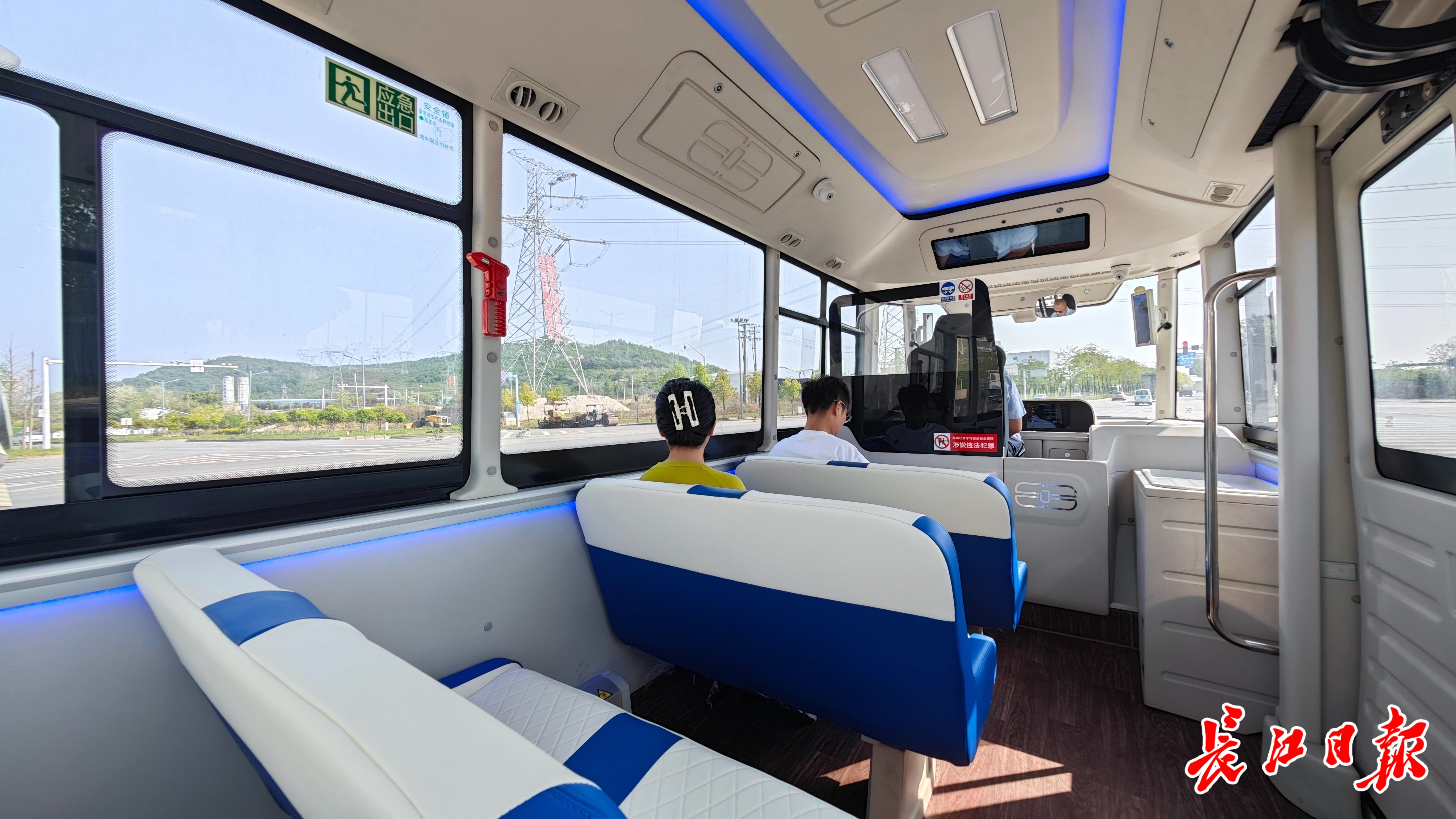
4月10日,武汉经开区军山新城,一辆辆银色东风悦享自动接驳小巴正在忙碌穿梭。这是武汉又一新的自动驾驶应用场景,东风悦享 的四条自动驾驶小巴接驳线路正式投入运营。即日起,市民在相关线路乘车点等候,就可以免费体验"未来出行"。 此次开通的四条线路,覆盖教育、民生、企业通勤、旅游四大出行场景。其中,教育、民生两条线路各投放8台运营车辆,起点分别 设在华科大军山校区和小军山地铁站;企业通勤线路从东风公司地铁站发车,投入6台车服务上下班高峰;旅游线路则同样从小军山地铁 站出发,首日运营2台车,周末将增至7台,方便游客灵活出行。 10日中午两点半,记者从小军山地铁站搭乘其中一辆小巴,车上配有显眼的线路标识和停靠站点指示,车辆可搭乘9人,并配备一名 安全员,负责监测车辆运行情况。在行驶途中,一旦出现行人和障碍物,车辆就会提前20米减速,精准避让。 民生线路 小军山地铁站→海伦小镇→印江山→佳兆业→春笋→同济医院→华科大中试基地。 "我们希望通过这四条线路,让更多市民实实在在感受到智能交通带来的便利。"朱彬榕介绍,线路设计充分结合周边人群的日常出行 需求,并已配套多项安全保障措施和便民服务。后续,还将根据运营数据和市民反馈, ...
【私募调研记录】同犇投资调研鸿泉物联
Zheng Quan Zhi Xing· 2025-04-04 00:11
Group 1 - The core viewpoint of the news is that the commercial vehicle market, particularly in construction machinery and heavy trucks, is experiencing a year-on-year sales increase, which is expected to benefit the traditional commercial vehicle business of the company [1] - The recent policy issued by the Ministry of Transport, National Development and Reform Commission, and Ministry of Finance regarding the scrapping and updating of old operating trucks is anticipated to boost the sales of new heavy trucks, given the significant remaining stock of National IV heavy trucks [1] - The company is expanding into the passenger vehicle and two-wheeler markets, which have a larger capacity than the commercial vehicle market, providing better growth potential [1] Group 2 - The company has made significant investments in research and development, particularly in new national standard recorders, eCall systems, cockpit products, and controllers, which are now entering mass production [1] - The intelligent cockpit and controller segments are expected to see rapid growth in 2024, with an increasing number of product types and mass production projects [1] - The company has completed the development of the eCall product and has obtained the eCall certification from the UAE, as well as meeting all testing requirements for the EU E-MRK certification, with certificates expected to be issued soon [1]

南财快评| 小米SU7事故:是时候重新审视狂飙的智驾
2 1 Shi Ji Jing Ji Bao Dao· 2025-04-02 05:05
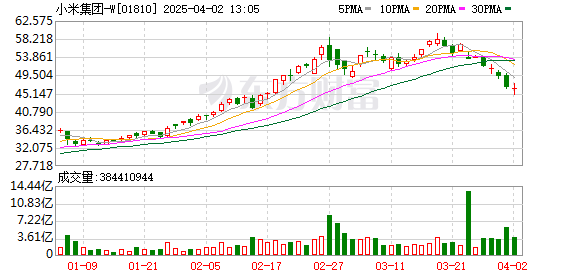
Core Viewpoint - The recent accident involving Xiaomi's SU7 has raised significant concerns about the safety and maturity of smart driving technology, highlighting the gap between consumer perception and the actual capabilities of such systems [2][3][4]. Group 1: Incident Overview - The accident occurred on March 29, resulting in three fatalities, and has prompted Xiaomi and its founder Lei Jun to respond, although the investigation is ongoing and the cause remains unclear [2]. - The incident has sparked a nationwide discussion on the application of smart driving technology, which is perceived as a promising area within artificial intelligence [2]. Group 2: Current State of Smart Driving Technology - The global state of smart driving technology is primarily between Level 3 (L3) and Level 4 (L4) automation, with no vehicles currently achieving true L4 capabilities [3]. - Consumers often lack a clear understanding of the development stage of smart driving technology, leading to over-reliance on these systems without adequate knowledge of their limitations [3]. Group 3: Marketing and Consumer Perception - Car manufacturers, including Xiaomi, often emphasize the trendy and intelligent aspects of their products while downplaying safety concerns, which are typically relegated to user manuals rather than marketing materials [3][4]. - The marketing strategies employed by companies may mislead consumers regarding the safety and reliability of smart driving technologies, creating a disconnect between consumer expectations and actual technological capabilities [3][4]. Group 4: Industry Responsibility and Future Directions - The rapid advancement of smart connected vehicles is driven by technological progress, but there is a critical need for safety validation and regulatory oversight to ensure public safety [4][5]. - Companies must prioritize human safety and needs in their product development and marketing strategies, moving away from a purely sales-driven approach to foster responsible innovation in smart driving technology [5].

《北京归国留学人员蓝皮书》发布
Ke Ji Ri Bao· 2025-03-31 01:10
Group 1 - The "Beijing Returned Overseas Students Blue Book" was released, presenting trends in talent mobility and innovation effectiveness among returnees in Beijing [1] - As of 2024, the estimated number of returned overseas students in Beijing is 1.2285 million, with over 76% holding master's or doctoral degrees [1] - More than 60% of returned students studied in the United States and the United Kingdom, primarily working in science and technology, economics, and education [1] Group 2 - 78% of returned overseas students are employed in Beijing, while 14.2% are engaged in innovation and entrepreneurship [1] - Among those employed, 60% are in emerging industries such as artificial intelligence, healthcare, and smart vehicles [1] - Over 80% of those in innovation and entrepreneurship are contributing to new productivity and emerging industries, focusing on technological and business model innovation [1] Group 3 - In 2024, 32.2% of founders or co-founders of 115 unicorn companies in Beijing have overseas study experience, with a focus on hard technology sectors [2] - A significant number of returned overseas students are key contributors in universities and research institutions in Beijing, leading to breakthroughs in technology innovation [2] - Among the Chinese Academy of Sciences members working in Beijing, 75% have overseas study experience, while 47% of the Chinese Academy of Engineering members also have such backgrounds [2]
四大科技打开全空间无人交通
Guang Zhou Ri Bao· 2025-03-25 19:02
Core Insights - The article discusses the development of an all-space unmanned transportation system in Guangzhou, particularly in the Nansha area, which includes land, sea, and air transportation technologies [1][12] - The initiative is part of the Guangdong Province's action plan to enhance modern industrial systems by improving infrastructure for electric vehicle charging and vehicle-network collaboration [1][12] Group 1: Vehicle-Network Collaboration - In Nansha, the use of unmanned smart connected taxis has become a common mode of transportation for residents [2] - A real-time monitoring platform for smart connected vehicles has been established to objectively collect and analyze testing data [2] - The proportion of vehicles in autonomous driving mode has reached over 90%, indicating significant advancements in autonomous driving technology [3] Group 2: Information Complementation - Autonomous vehicles equipped with cameras can collect data on 14 types of urban events, enhancing the information available to smart roadside devices [4] - This data collection does not increase costs for car manufacturers and reduces the need for additional camera installations [4] Group 3: Advanced Networking - The deployment of 5G-A networks is crucial for the success of the vehicle-network collaboration and all-space unmanned systems [6] - 5G-A offers significant improvements in latency and device connectivity, supporting millions of devices per square kilometer [6] - Smart lamp posts equipped with weather monitoring devices can provide necessary forecasts and warnings for low-altitude vehicles [6] Group 4: Smart Roadside Systems - Smart roadside systems, primarily composed of intelligent lamp posts, play a vital role in the vehicle-network collaboration [7] - These systems can monitor road conditions and send real-time alerts to connected vehicles using C-V2X communication protocols [7][9] - Edge computing capabilities allow for low-latency responses to road conditions, enhancing the safety and efficiency of autonomous vehicles [8] Group 5: Satellite Network Development - The "Five Rams Constellation" satellite network is being designed to provide comprehensive monitoring and information services for low-latitude regions [10][11] - This network aims to improve the efficiency of government services and expand applications in various sectors, including economic development and emergency management [11] Group 6: Industry Development - The all-space unmanned system in Guangzhou has a solid industrial foundation and application scenarios, with ongoing advancements in technology [12] - The city is actively promoting its capabilities in the IoT sector, attracting interest from other cities and supporting various vehicle-network projects across the country [12]
【行业政策】一周要闻回顾(2025年2月24日-3月2日)
乘联分会· 2025-03-03 08:35
Core Viewpoint - The article discusses the Chinese government's initiative to enhance charging and battery swapping infrastructure in rural areas to boost the consumption potential of new energy vehicles (NEVs) by launching a pilot program for 2025 [3][4]. Group 1: Pilot Program Details - The program aims to support 75 pilot counties, encouraging collaboration among counties for joint applications and infrastructure development [4][6]. - The selection of pilot counties will consider factors such as current NEV and charging infrastructure status, future potential, and financial conditions [4][6]. - The pilot program will utilize a real-time data monitoring system to ensure transparency and accountability in the operation of charging facilities [6][7]. Group 2: Financial and Operational Guidelines - Central government funding will be specifically allocated for the construction and operation of charging facilities, with strict regulations against using these funds for other projects [7][8]. - Counties must submit implementation plans that align with the pilot program's objectives, ensuring efficient use of resources and avoiding redundancy in infrastructure [8][9]. Group 3: Technological Innovations - The program encourages the application of new technologies, such as vehicle-to-grid (V2G) systems, to enhance the efficiency of charging infrastructure [6][22]. - The initiative aims to promote the commercialization of new charging technologies and expand the application of intelligent networked vehicles [22][20]. Group 4: Expected Outcomes - The program anticipates the promotion of over 250,000 NEVs and the construction of more than 240,000 charging stations by 2026, contributing to significant fuel savings and carbon reduction [22][20]. - The initiative is expected to facilitate the development of new energy vehicle technologies and enhance the integration of charging infrastructure with other transportation systems [22][20].