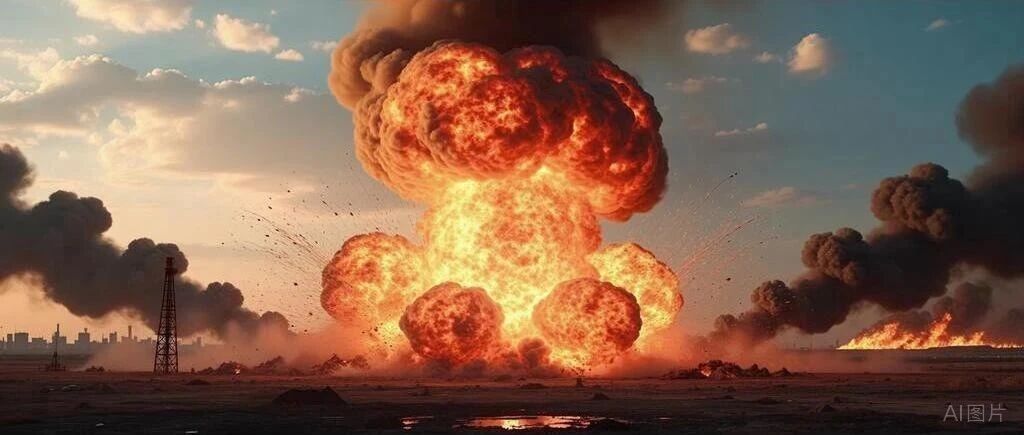
石油

Search documents
格林期货早盘提示:全球经济-20260309
Ge Lin Qi Huo· 2026-03-09 01:08
Report Industry Investment Rating - Not provided Core Viewpoints - The wave of production cuts by Middle Eastern oil - producing countries has pushed the Brent crude oil price to a two - year high, breaking $93 per barrel. Oil prices are likely to break through $100 next week and may exceed historical peaks if the strait remains blocked in March [1][2] - The current high asset prices and blind profit - seeking are reminiscent of the pre - 2008 financial crisis, and a credit cycle reversal may trigger an unexpected default wave [2] - The world is on the verge of a "capital war" due to geopolitical tensions and high capital market volatility [2] - The Fed's uncertainty is expected to peak from July to November 2026, and there may be a trend of "fleeing from US assets" [2] - The US's return to the Monroe Doctrine and the Fed's policy shift will have a profound impact on major asset classes [3] - The closure of the Strait of Hormuz due to the conflict between the US, Israel and Iran may cause a sharp rise in oil prices, which will impact the global economy [4] - The US stock market decline may have a significant negative impact on US consumption, and the global economy has started to decline since the end of 2025 [4] Summary by Related Catalogs Global Economic Logic - Middle Eastern oil - producing countries' production cuts have pushed Brent crude oil prices to a two - year high, and the supply shock is 17 times that of Russia's peak production decline in April 2022. Oil prices may break $100 next week and exceed historical peaks in March [1][2] - High asset prices and blind profit - seeking are similar to the pre - 2008 financial crisis, and a credit cycle reversal may lead to an unexpected default wave [2] - The world is on the verge of a "capital war" due to geopolitical tensions and capital market volatility [2] - The Fed's uncertainty may peak from July to November 2026, and there may be a trend of "fleeing from US assets" [2] - Consumers are experiencing a K - shaped differentiation, with high - income consumers maintaining spending resilience and low - and middle - income families tightening their belts [2] - Funds are flowing from technology stocks to defensive sectors, and investors should be wary of subsequent sharp fluctuations [2] US Policy Impact - The US's return to the Monroe Doctrine will have a profound impact on major asset classes such as the global economy, US bonds, US stocks, the US dollar, precious metals, and industrial metals [3] - The Fed's policy shift (interest rate cut + balance sheet reduction) will have a strong liquidity contraction expectation for equity assets [3] Geopolitical Impact - The conflict between the US, Israel and Iran, and the closure of the Strait of Hormuz may cause a sharp rise in oil prices and impact the global economy [4] - The decline of the US stock market may have a significant negative impact on US consumption, and the global economy has started to decline since the end of 2025 [4]
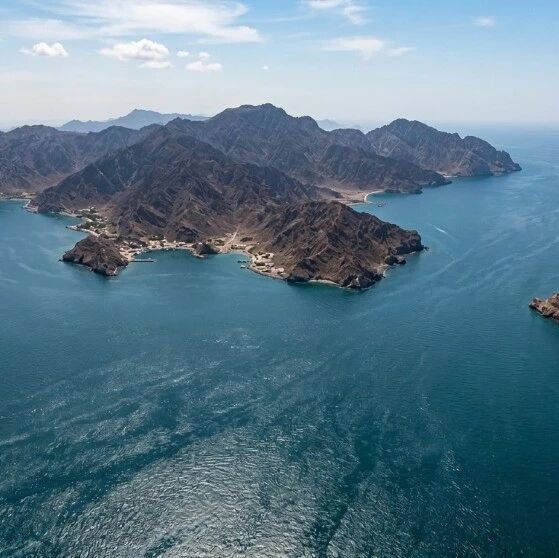
霍尔木兹海峡实况:连续7天“近乎停滞”,过去24小时只有伊朗船只通过
华尔街见闻· 2026-03-09 00:49
Core Viewpoint - The article discusses the significant disruption in maritime trade through the Strait of Hormuz, primarily affecting oil shipments, due to security threats and the resulting operational changes by shipping companies [1][2][18]. Group 1: Maritime Trade Disruption - The Strait of Hormuz has experienced a near-total halt in commercial shipping, with only one Iranian-related cargo ship leaving the Persian Gulf in the past 24 hours, and no vessels entering from the Oman Gulf [1][2]. - The ongoing missile and drone attacks targeting commercial vessels have led to a critical risk perception among shipowners, causing most to avoid the waterway [2][18]. - Approximately 1,000 vessels, valued at around $25 billion, are currently trapped in the Gulf and surrounding waters, with many awaiting further developments [2]. Group 2: Alternative Shipping Routes - Saudi Arabia is shifting its crude oil exports to the Red Sea route, with a record number of supertankers loaded from the Yanbu and Al Muajjiz terminals in the first week of March [8]. - If Saudi Arabia maintains this loading pace, the average monthly export could reach approximately 2.3 million barrels per day, a 50% increase compared to any month since late 2016 [8]. - However, the alternative route faces uncertainties regarding its long-term operational capacity and the concentration of Saudi oil buyers in Asia, which limits the effectiveness of this route [9][10]. Group 3: Supply Chain Impact - The blockade in the Strait of Hormuz is causing a ripple effect along the energy supply chain, leading to oil storage tanks accumulating and some refineries reducing output [17]. - Iraq has already cut oil production, with Kuwait and the UAE following suit, resulting in only nine supertankers remaining available in the Persian Gulf [17]. - The Strait of Hormuz is crucial for global oil trade, accounting for about 20% of the world's oil flow, and its disruption poses significant risks to the global energy market [18].

中东停产潮冲击!油价暴涨20%突破110美元,全球股债双杀、韩股跌7%,金银大跌
华尔街见闻· 2026-03-09 00:49
Group 1: Geopolitical Impact on Oil Prices - The latest developments in the Middle East geopolitical situation are significantly reshaping global asset pricing logic, with oil prices strongly breaking the $100 mark, triggering deep concerns among investors about inflation rebound and economic slowdown [1][2] - On March 9, WTI crude oil surged by 22% to over $110, marking the highest level since 2022, influenced by shipping disruptions in the Strait of Hormuz and production cuts by major oil-producing countries in the Middle East [1][2] - The sharp rise in energy prices has led to discussions among central bank officials about the feared term "stagflation," indicating a potential economic tax imposed by rising oil prices [2][5] Group 2: Stock Market Reactions - U.S. stock index futures experienced significant declines, with the Dow Jones futures dropping over 1000 points, and the S&P 500 and Nasdaq 100 futures falling approximately 1.7% [1][2][10] - European and Asian stock indices also faced sharp declines, with the Euro Stoxx 50 futures down 2.2% and Japan's Nikkei 225 index dropping over 4% [2][10] - Analysts from Wedbush indicated that while the current conflict represents short-term volatility for the U.S. stock market, risks are accumulating, and a de-escalation in the Middle East is necessary for market stabilization [10] Group 3: Bond Market and Inflation Concerns - The global bond market saw widespread declines, with U.S. Treasury yields rising due to inflation concerns, and German 10-year bond futures hitting their lowest level since July 2011 [3][12] - The rise in oil prices is expected to stimulate global inflation pressures, complicating the Federal Reserve's position as it prepares for upcoming inflation data releases [10][12] Group 4: Energy Market Dynamics - The spot premium in the oil market is rapidly expanding, indicating extreme short-term supply tightness, with Brent crude's spot price spread exceeding $8.50 per barrel, the highest level since 2013 [5] - Governments are beginning to take measures in response to soaring energy prices, with South Korea considering reinstating oil price caps for the first time in nearly three decades [5]
刚刚,崩了!暴跌超3300点!
天天基金网· 2026-03-09 00:46
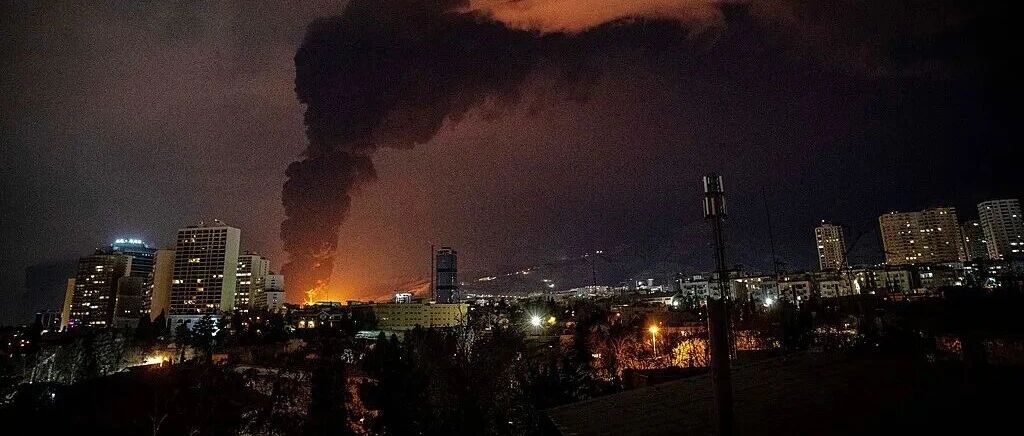
Market Overview - Japanese and South Korean stock markets experienced significant declines, with the Nikkei 225 index dropping over 3000 points, a decrease of more than 6% [2]. - The KOSPI index in South Korea also fell over 6%, with a peak decline of more than 7% [2][3]. Commodity Market - In the commodities market, spot gold prices fell by over 2% [3]. - Oil prices surged dramatically, with both WTI and Brent crude oil exceeding $100 per barrel, reaching a peak of $110 per barrel during trading [5][6]. Geopolitical Developments - The Abu Dhabi National Oil Company (Adnoc) and Kuwait Petroleum announced production cuts, citing storage demand and threats to shipping safety in the Strait of Hormuz as reasons for the reductions [5]. - Iran's media reported the appointment of Mojtaba Khamenei as the new Supreme Leader of Iran, following the death of the previous leader [6]. - U.S. President Trump issued threats regarding the legitimacy of Iran's new leadership, stating that the new leader must receive U.S. approval to remain in power [7]. - The Israeli Defense Forces declared intentions to target the new Iranian Supreme Leader and members of the Assembly of Experts, indicating heightened tensions in the region [8].

刚刚!暴跌,熔断!亚太股市,遭遇“黑色星期一”!伊朗局势,彻底引爆!
券商中国· 2026-03-09 00:38
韩国、日本股市暴跌 日韩股市大跌! 3月9日早间,日韩股市低开低走。截至发稿,韩国KOSPI指数大跌近400点,跌幅超过7%;日经225指数跌近 6%。另外,澳大利亚标普200指数下跌3.78%,MSCI亚太指数下跌近3%。 值得注意的是,韩国交易所于KOSPI 200指数期货下跌5%后启动KOSPI指数熔断机制,程序化交易暂停5分 钟。 原油价格飙升,是日韩股市剧烈波动的主要推手。受霍尔木兹海峡航运受阻及伊拉克、卡塔尔、科威特、阿联 酋等主要产油国减产的影响,国际油价今日早间再度暴涨,WTI原油期货一度涨超22%,布伦特原油一度也飙 升近20%,双双突破110美元/桶。当前,投资者担心油价飙升将带来通胀,可能会提高全球的生活成本,甚至 利率。 伊朗局势最新消息方面,据央视新闻报道,伊朗武装部队总参谋部和哈塔姆·安比亚中央司令部当地时间9日凌 晨发布声明,祝贺穆杰塔巴·哈梅内伊当选伊朗最高领袖。 另外,当地时间3月8日,美国中央司令部表示,一名在3月1日沙特阿拉伯境内美军遭袭事件中重伤的美军士兵 因伤不治身亡。这是"史诗怒火"行动中第七名阵亡的美军士兵。 另据韩联社报道,消息人士3月8日称,鉴于中东冲突升级引 ...

政策托底,商品波折:申万期货早间评论-20260309
申银万国期货研究· 2026-03-09 00:30
Core Viewpoint - The article emphasizes the impact of Chinese policy support and global commodity volatility, highlighting the expected GDP growth and monetary policy adjustments in China, alongside geopolitical tensions affecting commodity supply and prices [1]. Domestic Policy and Economic Outlook - The National Development and Reform Commission (NDRC) anticipates a GDP increase exceeding 6 trillion yuan this year and has established a national-level merger and acquisition fund [1]. - The People's Bank of China (PBOC) is set to implement a moderately loose monetary policy, utilizing tools like reserve requirement ratio (RRR) cuts and interest rate reductions to support economic liquidity [1][7]. Global Commodity Market Dynamics - Geopolitical conflicts, particularly in the Middle East, have heightened uncertainty in the commodity markets, with significant price increases in energy sectors following military actions [1][12]. - The conflict has led to supply disruptions, with Iraq cutting production by over half and concerns over energy supply intensifying due to attacks on key infrastructure [2][12]. Key Commodities Analysis Oil - Oil prices have surged to their highest levels in two and a half years due to ongoing conflicts in the Persian Gulf, which have disrupted shipping routes and led to significant supply cuts [2][12]. - The situation has been exacerbated by production cuts from major oil-producing countries, including Iraq and Qatar, and attacks on Saudi oil facilities [2][12][13]. Gold - Gold prices are expected to trend upward in the long term, driven by inflation concerns and geopolitical risks, despite short-term pressures from a strengthening US dollar [3][18]. - The People's Bank of China has increased its gold reserves for 16 consecutive months, reflecting a strategic move towards diversifying reserves [7][18]. Methanol - Methanol prices have increased by 5.43%, with domestic production facing challenges due to maintenance shutdowns and a slight decrease in operational capacity [4][14]. - Coastal methanol inventories remain high, with a year-on-year increase of 35.76%, indicating a robust supply situation despite recent production adjustments [4][14]. Market Sentiment and Investment Strategies - The market is transitioning from a broad-based rally to a more selective approach, focusing on companies with strong earnings as financial reports begin to be released [10]. - The geopolitical climate is contributing to increased risk aversion, impacting market sentiment and leading to a cautious outlook for various sectors [10][11].

油价飙到100美元,只是一个开始
吴晓波频道· 2026-03-09 00:29
Core Viewpoint - The article discusses the significant rise in international oil prices due to the ongoing conflict between the U.S. and Iran, particularly focusing on the blockade of the Strait of Hormuz, which has drastically reduced oil flow and created a potential global oil crisis [2][5]. Group 1: Reasons for Rising Oil Prices - The blockade of the Strait of Hormuz by Iran has led to a 90% decrease in daily oil flow, dropping from 20 million barrels to approximately 2 million barrels per day [8]. - Alternative oil transport routes are insufficient, with only two pipelines available that can theoretically transport 4 million barrels per day, but actual transport has only increased by 900,000 barrels per day in recent days [9]. - The ongoing military conflict has damaged oil facilities across the Middle East, further complicating oil production and transport [12][13]. - The duration of the conflict appears uncertain, with both U.S. and Iranian leaders indicating a prolonged struggle, which could exacerbate the situation [19]. - Insurance costs for shipping have skyrocketed, increasing from 0.25% to 3%, raising shipping costs and contributing to higher oil prices [20][21]. Group 2: Current Oil Price Trends - As of March 6, Brent crude oil prices surged by 9.26%, while WTI crude rose by 12.67%, both surpassing $90 per barrel [26]. - Predictions indicate a 72% probability that oil prices could reach $110 per barrel and a 54% chance of hitting $120 by the end of March [30]. - Countries in the Middle East are beginning to announce production cuts due to limited storage capacity, with Iraq's production halving from 4.3 million barrels per day to 1.7-1.8 million barrels per day [32]. Group 3: Global Responses to the Oil Crisis - Countries like South Korea and Japan are implementing emergency measures to address the rising oil prices, with South Korea proposing a $683 billion stimulus plan [36][38]. - The U.S. government is also taking steps to stabilize oil prices, including offering political risk insurance for ships in the Strait of Hormuz and potentially easing sanctions on Russian oil [40][44]. - China is reportedly negotiating with Iran to ensure safe passage for oil tankers and has diversified its oil imports to reduce dependency on any single supplier [46][50].

刚刚,暴跌!重挫超3000点,日韩股市跳水
证券时报· 2026-03-09 00:21
Market Overview - The Japanese and South Korean stock markets experienced significant declines, with the Nikkei 225 index dropping over 3,000 points, a decrease of more than 6% [2]. The KOSPI index in South Korea also fell by over 6%, with a peak decline exceeding 7% [2]. Commodity Market - In the commodity market, spot gold prices fell by more than 2% [3]. - Oil prices surged dramatically, with both WTI and Brent crude oil surpassing $100 per barrel, reaching a peak of $110 per barrel during trading [5]. Geopolitical Developments - The Abu Dhabi National Oil Company (Adnoc) and Kuwait Petroleum announced production cuts, with Adnoc adjusting offshore production levels to meet storage demands, while Kuwait attributed its cuts to threats from Iran regarding maritime safety in the Strait of Hormuz [5]. - Iran's new Supreme Leader, Mojtaba Khamenei, was appointed following the death of the previous leader, Ali Khamenei. This appointment occurred amidst significant internal and external pressures, including a bombing that resulted in casualties among staff and security personnel [6]. - U.S. President Trump issued stern warnings regarding the new Iranian leadership, stating that the new leader must receive U.S. approval to remain in power, suggesting potential military involvement if a leader aligned with the previous regime is appointed [7]. - The Israeli Defense Forces declared intentions to target the new Iranian Supreme Leader and all members of the Assembly of Experts, indicating a continuation of aggressive posturing towards Iran [8][9].

穆杰塔巴成为伊朗新任最高领袖;中东原油“停产潮”推高油价……盘前重要消息一览
证券时报· 2026-03-09 00:21
Key Points - The article discusses several important updates in the financial and investment sectors, including new stock offerings, regulatory changes, and geopolitical developments affecting oil prices. Group 1: New Stock Offerings and Regulations - A new stock, Zuxing New Materials, is available for subscription with a price of 6.98 yuan per share and a subscription limit of 1.035 million shares [3] - The China Securities Regulatory Commission (CSRC) plans to deepen the reform of the ChiNext board, introducing more inclusive listing standards to support new industries and technologies [3] - The CSRC has issued new regulations on short-term trading, effective from April 7, aimed at stabilizing market expectations and clarifying the scope of short-term trading regulations [4] Group 2: Central Bank and Economic Policies - The People's Bank of China will collaborate with the CSRC to implement policies that support the capital market and enhance stability [4] - As of the end of February, China's gold reserves increased to 74.22 million ounces, marking the 16th consecutive month of gold accumulation [4] Group 3: Geopolitical Developments and Oil Market Impact - The Abu Dhabi National Oil Company and Kuwait Petroleum have announced production cuts, with oil prices reaching over $110 per barrel [5] - Morgan Stanley warns that a full-scale production halt in the Middle East could lead to a $30 increase in oil prices [5] Group 4: Company News - Zhongnan Culture plans to acquire a 57.3% stake in Sulong Thermal Power, with its stock resuming trading [7] - Shandong Molong states that fluctuations in international oil prices will not have a significant positive impact on its performance in the short term [8] - Various companies are planning share buybacks or stake reductions, including Hongbai New Materials and Fimiao Technology [9][10][11]

见证历史!刚刚,暴涨超22%!伊朗传来重大消息
天天基金网· 2026-03-08 23:56
Core Viewpoint - The article highlights a significant surge in oil prices due to escalating tensions in the Middle East, leading to production cuts by major oil-producing countries and disruptions in oil transportation [3][5]. Oil Market Surge - WTI crude oil futures opened with a surge of over 22%, reaching a peak of $111.24 per barrel, while Brent crude oil futures rose over 19%, peaking at $110.7 per barrel [3][6]. - The ongoing crisis has led to a near paralysis of commercial shipping in the Strait of Hormuz, causing oil exports from the Gulf region to be increasingly obstructed [7]. Production Cuts and Supply Disruptions - Morgan Stanley reports that the "shutdown wave" among Middle Eastern oil producers is rapidly spreading, with potential production cuts nearing 6 million barrels per day [5][8]. - Iraq's oil production has plummeted by approximately 60%, dropping from about 4.3 million barrels per day to around 1.7 to 1.8 million barrels per day due to the conflict [7][8]. Market Implications - Goldman Sachs warns that if the situation does not improve, oil prices could exceed historical peaks from 2008 and 2022, with a significant probability of breaching $100 per barrel in the coming week [8]. - The potential supply shock from the Gulf region could reach 17.1 million barrels per day, which is 17 times the peak reduction seen from Russia in April 2022 [8]. Political Developments in Iran - The Iranian Assembly of Experts has elected Mojtaba Khamenei as the new Supreme Leader, following the assassination of the previous leader [9]. - The Iranian Revolutionary Guard has pledged to uphold the values of the Islamic Revolution under the new leadership [10].