超市

Search documents
深圳超市兴衰史:把山姆买成全球销冠,却造不出“胖东来”
Hu Xiu· 2025-05-16 03:14
5月初,"人人乐"被退市了。 这家深圳老牌超市已经连续4年亏损,在过去的一年,人人乐超市共关闭门店45家,转让门店15家。 新开的门店,只有1家。 作者供图 相比之下,山姆在深圳的第五家门店即将在今年开业,深圳也成为了全国拥有山姆超市第二多的城市。 更多人不知道的是,早在2008年开始,福田的山姆超市连续15年成为山姆全球单店销售额冠军。 真的是外来的和尚会念经吗?事实上,深圳曾是中国超市的代表。 今年是深圳特区建立45周年,在小圳子看来,深圳零售业最大的遗憾不是捧出了一家外来的山姆销冠,而是这里曾经诞生了一堆本土超市巨头,最终却出 不来一家"胖东来"。 一、深圳超市"三巨头" 深圳,是改革开放的窗口。 这是全国首家仓储式平价超市,在朴素的水泥地和仓库货架中,深圳人第一天就贡献了24万元的营业额,创下深圳零售业最高纪录。 万佳这只"现金牛"的成功,让当时身穿吊带裤的王石,常常亲自去现场视察。而作为万佳的投资人,毕业于中山大学的李彬兰嗅到了商机。 1995年,年仅33岁的李彬兰带着部分万佳员工离职,在拿到中国核电集团的投资后,在宝安开设了自己的第一家超市——"新一佳"。 这种开放式自选购物的方式,让深圳人眼前一 ...


奥乐齐昆山首店单日破110万,“社区超市战”打响?
3 6 Ke· 2025-05-14 23:56
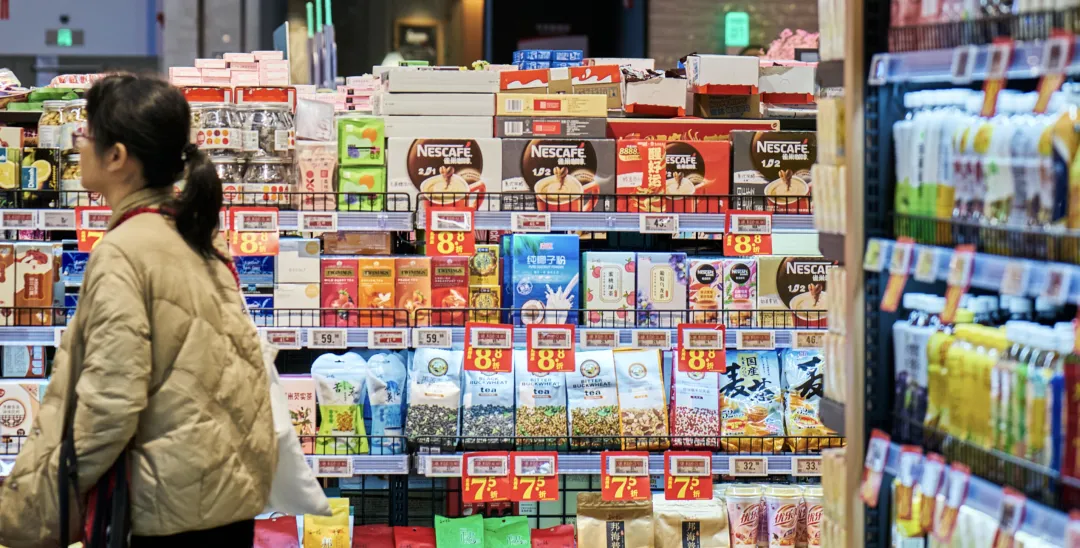
Group 1 - Aldi's first store in Kunshan opened on May 10, attracting over 100,000 visitors and achieving sales of 1.1 million yuan in a single day, setting a new record for the company [1] - Kunshan, a county-level city with a GDP of 538 billion yuan and a per capita disposable income exceeding 70,000 yuan, demonstrates significant consumer potential comparable to some provincial capitals [1] - The rise of Aldi in Kunshan reflects a broader trend of retail revolution in county markets, with various supermarket brands increasing their presence in these areas [1] Group 2 - Aldi's transformation in China involved shifting from a high-end boutique supermarket to a budget community supermarket, with a key turning point in 2023 when it reduced its SKU count to 1,600 and increased its private label share to 90% [2] - Aldi has developed 13 private label series in China, including a value series priced at 9.9 yuan, with over 500 low-priced items making up about 25% of its total SKU [2] - Unlike Sam's Club and Costco, Aldi employs a community store strategy with smaller store sizes (500-1,000 square meters) and no membership fees, catering to daily shopping needs within a 3-kilometer radius [2] Group 3 - Aldi's competitive advantage lies in its global supply chain and localization efforts, exemplified by its direct sourcing and cold chain logistics, which significantly reduce costs and enhance efficiency [4] - Over 80% of Aldi's suppliers are local, with major supply bases in the Yangtze River Delta and Shandong, allowing for cost advantages through scale procurement and local sourcing [4] - Aldi's partnerships with local farms and cooperatives in Jiangsu help maintain low fresh product costs, supporting its reputation for "low price without low quality" [4] Group 4 - The rise of Aldi signifies a trend where the perception of "low price does not equal low quality" is becoming possible in a rational consumption era, with vertical supply chain integration and regional closures forming core barriers to entry [6] - The community supermarket sector is experiencing intense competition, with major players like Hema NB rapidly expanding their footprint in the Yangtze River Delta [7] - Hema NB's smaller, more flexible stores have become a key format for penetrating lower-tier markets, with over 200 stores planned by March 2025 [9] Group 5 - The competition in community retail has entered a phase driven by efficiency, with Aldi and Hema NB leveraging their strengths to build competitive moats [10] - The awakening of consumer power in county markets is evident, with retail sales in these areas projected to exceed 22 trillion yuan in 2024, growing at a rate of 8.7% [11] - Aldi's strategies include upgrading fresh supply chains, multi-channel layouts, and differentiated product offerings to enhance customer experience and reduce fulfillment costs [13][14]
永旺或将作别天河城
Guang Zhou Ri Bao· 2025-05-14 19:05
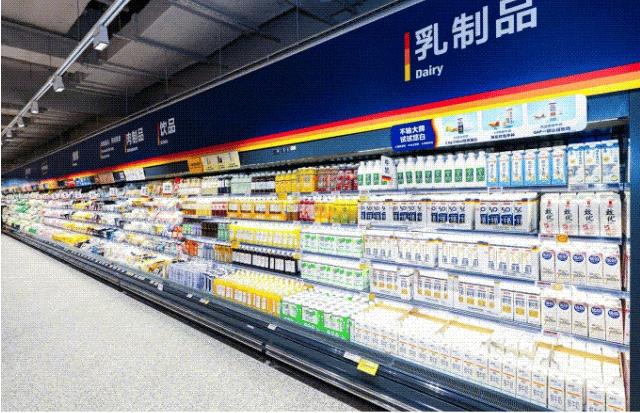
Core Viewpoint - The news highlights the potential closure of the AEON store in Guangzhou's Tianhe City, a significant commercial landmark, and the ongoing discussions regarding its lease renewal, indicating a broader trend of commercial transformation in Guangzhou's retail landscape [1][2][4]. Group 1: Company Developments - AEON's Tianhe City store lease is set to expire on June 30, 2025, and discussions for renewal are ongoing, with the possibility of a new operator, Yonghui, entering the market [2][3]. - Despite the rumors of AEON's withdrawal, customer traffic remains high, reflecting the store's long-standing presence and emotional connection with the community [2][3]. Group 2: Industry Trends - The retail landscape in Guangzhou is undergoing significant changes, with traditional supermarkets like AEON facing challenges from online shopping and evolving consumer preferences, leading to store closures and the emergence of new retail formats [4][5]. - Guangzhou's commercial infrastructure is set for a comprehensive upgrade by the end of 2025, with an expected increase of over 1 million square meters in commercial space, driven by projects like the renovation of Tianhe City [1][6]. - The city is implementing policies to stimulate high-quality development in commercial areas, aiming to create a balanced and functional network of shopping districts by 2035 [5][6].
美媒:“即时排班”成美国打工人噩梦
Huan Qiu Shi Bao· 2025-05-13 22:44
美国《大西洋月刊》 5 月 10 日文章,原题:兼职工作如何沦为陷阱 如今,对于数百万美国低薪工人而 言,过度劳累并非问题,关键是工作时长不足。几年前,我曾在一家大型仓储式商店的仓库工作了6个 月,我原以为同事们会因每小时12.25美元的起薪而沮丧,但实际上,他们更关心的并非时薪,而是不 规律的工作时间。这家商店与美国许多零售店一样,采用"即时排班"制度,员工们可能这周工作4小 时,下周工作30小时。我和同事们根本无法预知每周工作多长时间,实际上也就不清楚工资总额。这种 波动的薪水几乎让他们难以获批汽车贷款或租到公寓,遑论存钱了。 更令人窒息的是,在美国许多州,医疗补助等社会保障项目都要求受益人记录工作时间,这意味着,若 特定时间段内的工时过短,受益人可能会失去所需福祉。美国劳动法在20世纪的伟大成就之一,就是限 制雇主们要求员工工作时间过长。然而近年来,工时过短反而成为美国工薪阶层更容易遭受的剥削形 式。大公司通常不会给员工分配过长的工作时间,而是通过雇用多名兼职员工来替代招聘一名全职员 工。这些不稳定的临时工没有福利,工作时间安排不稳定,每周工作时长波动大。 在1938年美国罗斯福政府通过《公平劳动标准法 ...
永旺广州天河城店将撤场?永辉胖改店将入驻?各方都回应了
Nan Fang Du Shi Bao· 2025-05-13 14:22
Core Viewpoint - AEON's first comprehensive department store in mainland China, located in Guangzhou Tianhe City, is set to close in June 2023 due to a renovation plan that will see Yonghui Supermarket replace it [2][12][20]. Company Overview - AEON Tianhe City store opened in July 1996 and has been operational for nearly 29 years [5][13]. - AEON currently operates 16 other stores in Guangzhou and has a total of 40 stores in Guangdong, including 21 comprehensive department stores and 19 supermarkets [21][23]. Market Dynamics - The closure is attributed to the mismatch between rental costs and revenue, as AEON's brand appeal and product competitiveness have declined over time [20]. - AEON's revenue from its mainland operations has been on a downward trend since 2018, with a reported revenue of HKD 4.339 billion in 2024, down 4.68% year-on-year, and an operating loss of HKD 65.856 million [23]. Competitive Landscape - Yonghui Supermarket will take over the space vacated by AEON, launching a new store format that focuses on optimizing product structure and enhancing the shopping environment [25][27]. - Yonghui's new store is expected to feature a product structure similar to that of its successful "Pang Dong Lai" format, with a significant increase in ready-to-eat products and a focus on customer service enhancements [25][26]. Future Plans - Despite the closure of the Tianhe City store, AEON plans to open eight new stores in Guangdong in 2023, indicating a strategy to expand its footprint despite challenges [21][23].

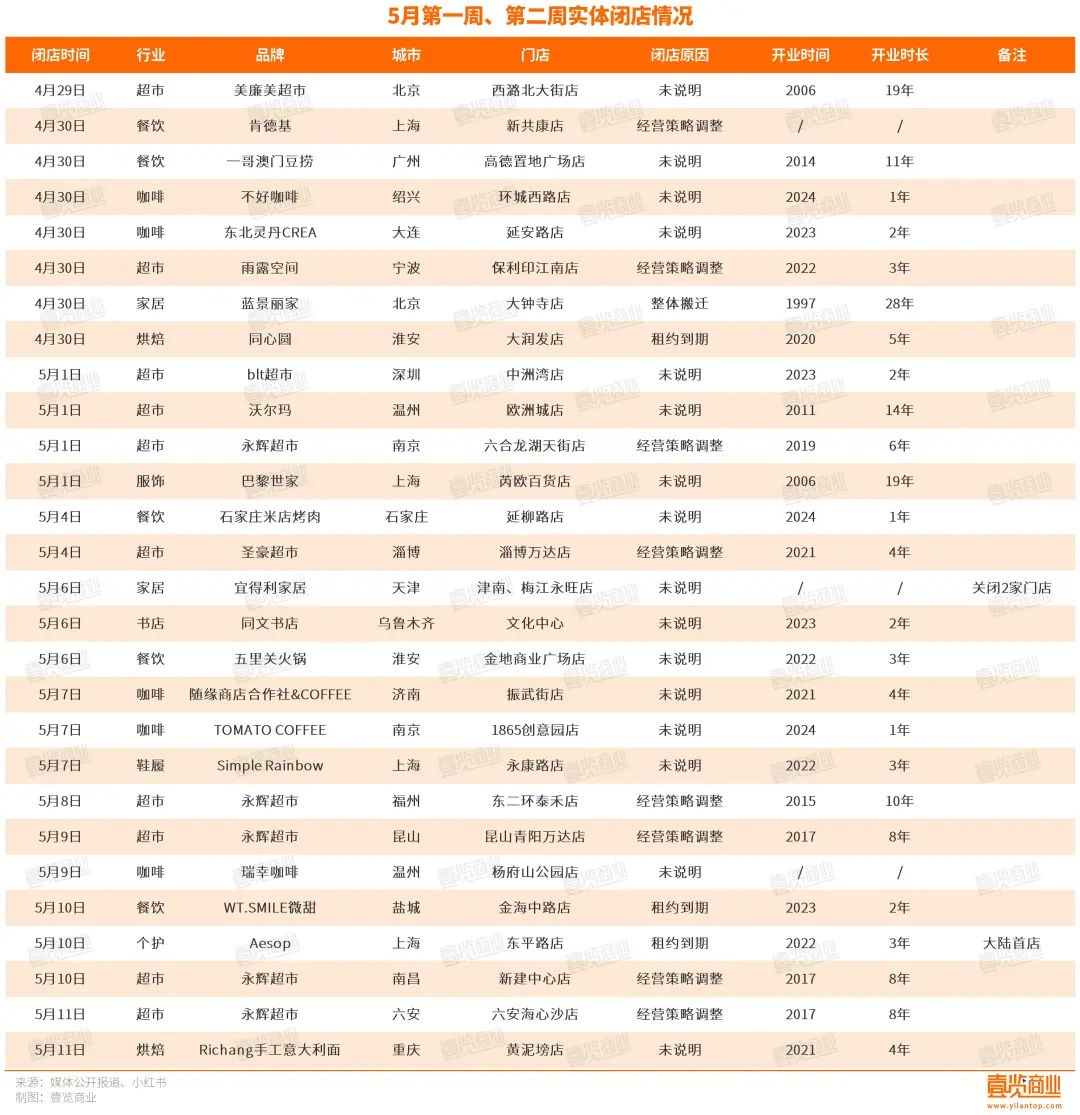
半个月关闭29家门店,永辉、宜得利、沃尔玛持续调整
3 6 Ke· 2025-05-12 23:19
据壹览商业不完全统计,5月第一、第二周,共24个品牌关闭了至少29家门店。 | | | | 200 200 | 1807 33 =157 3= 14-1-3712 11-3 (1) | | | | | | --- | --- | --- | --- | --- | --- | --- | --- | --- | | 闭店时间 | 行业 | 品牌 | 城市 | 门店 | 闭店原因 | 开业时间 | 开业时长 | 备注 | | 4月29日 | 超市 | 美廉美超市 | 北京 | 西潞北大街店 | 未说明 | 2006 | 194 | | | 4月30日 | 餐饮 | 肯德基 | 上海 | 新共康店 | 经营策略调整 | 7 | 1 | | | 4月30日 | 餐饮 | 一哥澳门豆捞 | 广州 | 高德置地广场店 | 未说明 | 2014 | 11年 | | | 4月30日 | 颜佳 | 不好咖啡 | 绍兴 | 环城西路店 | 未说明 | 2024 | It | | | 4月30日 | 顾非 | 东北灵丹CREA | 大连 | 延安路店 | 未说明 | 2023 | 2年 | | | 4月30日 | 超市 | 雨露 ...
超市行业出现 “管严了留不住人,管松了一团糟” 的困境,主要有以下原因
Sou Hu Cai Jing· 2025-05-12 06:04
当超市管理过严时,员工流失问题日益凸显。严格的管理通常对员工的工作时间、流程等制定极为细致且严苛的标准,员工稍有不慎违规就会面临处罚。 长期处于这样的高压环境下,员工始终保持高度紧张状态,工作压力巨大。并且,过于严苛的管理模式往往忽视员工的个人需求与感受,在工作着装、时 间安排等方面缺乏灵活性,让员工难以获得归属感与舒适感,仅将自己视为执行命令的工具,极大地降低了工作满意度与忠诚度。同时,在严格管理下, 员工的工作方式与思维容易受到束缚,创新与自我提升空间受限,他们会担忧自身职业技能发展受阻,难以实现个人职业目标,从而更倾向于寻找其他更 具发展潜力的工作机会。 超市行业要摆脱"管严留不住人,管松一团糟"的困境,就需要深入剖析这些原因,在管理中寻求平衡,既要制定合理规范的管理制度保障运营秩序,又要 注重人性化管理与员工的职业发展,激发员工的工作积极性与创造力,实现良性发展。 在日常企业管理中,"管严了留不住人,管松了一团糟"已成为普遍面临的棘手难题,这一困境背后有着复杂且多面的原因。 而当超市管理过于宽松时,运营秩序则容易陷入混乱。由于缺乏明确的工作规范与约束,员工工作纪律变得涣散,迟到早退、工作时间闲聊偷懒等 ...
零会员费模式引爆“新消费”
Xin Hua Ri Bao· 2025-05-12 05:25
Core Insights - The opening of the third Aldi store in Jiangsu has sparked significant consumer interest, with products like Australian grain-fed beef and fresh milk selling out quickly, indicating strong demand for affordable international supermarket options [1] - Aldi's strategy of "zero membership fees" is attracting consumers in lower-tier markets, contrasting with membership-based competitors like Sam's Club and Costco [1][5] - The rapid expansion of Aldi in Jiangsu reflects a broader trend of international retailers adapting to local market conditions and consumer preferences in China [5] Market Dynamics - The domestic consumption market is maturing, leading to increased demand for high-quality, cost-effective foreign supermarkets in second and third-tier cities [2] - The "low-price penetration + localized transformation" business model is prompting domestic retailers to enhance their product selection and logistics capabilities to compete effectively [2] - The competition among international supermarket chains is intensifying, with Aldi's unique approach allowing it to avoid direct competition with established membership-based stores [5] Consumer Behavior - Consumers are drawn to Aldi's low prices and promotional offers, which are designed to build loyalty among local families [5] - The initial "honeymoon period" for new stores is critical, as retaining customers post-opening requires strong product offerings and service [3] - The presence of multiple international supermarket chains in cities like Suzhou and Nanjing indicates a growing consumer preference for diverse shopping options [3][4]
法国家乐福、英国乐购、韩国乐天……在中国零售业消亡的9大洋品牌
3 6 Ke· 2025-05-12 04:49
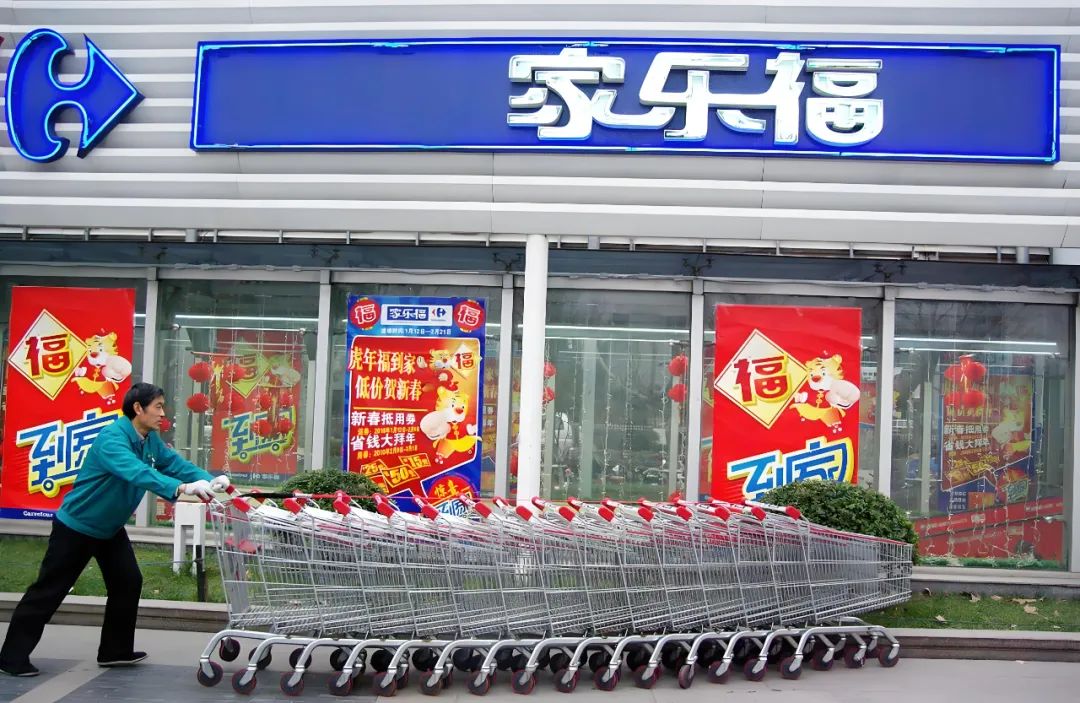
Core Insights - The article discusses the challenges faced by foreign supermarket brands in the Chinese retail market, highlighting their struggles to adapt to local consumer preferences and competition from domestic brands [1][32]. Group 1: Carrefour - Carrefour entered the Chinese market in 1995 and quickly expanded, reaching 155 stores and sales of 43.7 billion yuan by 2009 [4]. - The rise of e-commerce and local competitors led to Carrefour's decline, as it struggled to adapt its management and operational strategies [5]. - In 2019, Carrefour sold 80% of its Chinese business to Suning, and by 2023, only four stores remained, indicating a complete exit from the market [5]. Group 2: Marks & Spencer - Marks & Spencer entered China in 2008 but failed to resonate with local consumers due to its conservative product style and high pricing [8]. - The company closed all its Chinese stores in 2018, although it continues to operate an online flagship store [8][9]. Group 3: Tesco - Tesco entered China in 2004 but faced challenges due to insufficient localization and poor supply chain management [12]. - The company sold its Chinese operations to China Resources in 2014, marking its exit from the market [12]. Group 4: E-Mart - E-Mart, a South Korean brand, entered China in 1997 but failed to adapt its product offerings to local consumer preferences [15]. - The company exited the Chinese market in 2017 after selling all its stores [15]. Group 5: Takashimaya - Takashimaya opened its only Chinese store in 2012 but struggled with high-end positioning that did not align with the broader market [18]. - The company closed its Shanghai store in 2019, reflecting the challenges of high-end retail in China [18]. Group 6: Auchan - Auchan entered China in 1999 but faced difficulties due to slow digital transformation and competition from local supermarkets [21]. - The brand gradually faded from the market after 2020, with its stores being taken over by China Resources [21]. Group 7: Lotte Mart - Lotte Mart entered China in 2008 but faced a significant setback due to the "THAAD incident," leading to a boycott of its stores [24]. - The company closed 87 of its 112 stores in China and began selling its operations in 2018 [24]. Group 8: C.P. Lotus - C.P. Lotus entered China in 1997 but faced continuous losses, with a cumulative loss exceeding 1.1 billion yuan from 2012 to 2016 [27]. - The company is on the verge of privatization and is effectively exiting the Chinese market [27]. Group 9: Metro - Metro entered China in 1996 and was initially successful but faced challenges from e-commerce and local competitors [30]. - In 2019, the company sold 80% of its Chinese operations to Wumart, marking a significant reduction in its market presence [30]. Conclusion - The article emphasizes the importance of understanding local market dynamics and consumer preferences for foreign retailers in China, as many have failed to adapt and ultimately exited the market [32].

商贸零售行业周报:关注零售行业中期投资策略:深挖情绪消费景气赛道
KAIYUAN SECURITIES· 2025-05-12 00:23
Investment Rating - The investment rating for the retail industry is "Positive" (maintained) [1] Core Insights - The retail industry is experiencing a slow recovery in social consumption, with overall business pressure on retail enterprises. The report emphasizes the importance of emotional consumption and suggests focusing on high-quality companies in high-growth segments [4][27] - The report identifies key segments within the retail industry, including traditional retail, gold and jewelry, cosmetics, and medical aesthetics, each with unique dynamics and investment opportunities [4][27] Summary by Sections Retail Market Overview - The retail industry index rose by 0.88% during the week of May 6 to May 9, 2025, underperforming the Shanghai Composite Index, which increased by 1.92% [6][15] - The brand cosmetics sector showed the highest growth, with a weekly increase of 2.89% and a year-to-date increase of 15.91% [18][21] Investment Strategy - The report recommends focusing on high-quality companies in segments driven by emotional consumption, including: 1. **Gold and Jewelry**: Emphasizing brands with differentiated products and consumer insights, recommending companies like Laopuhuangjin, Chaohongji, and Zhou Dasheng [7][48] 2. **Offline Retail**: Highlighting companies that are actively transforming and exploring new models, recommending Yonghui Supermarket and Aiyingshi [7][48] 3. **Cosmetics**: Focusing on domestic brands with strong growth potential, recommending brands like Pola, Shangmei, and Juzi Biological [7][49] 4. **Medical Aesthetics**: Suggesting attention to differentiated product manufacturers and leading medical aesthetic institutions, recommending Aimeike and Kedi-B [7][49] Segment Analysis - **Traditional Retail**: The report notes that offline retail must leverage its strengths in customer service and emotional satisfaction to attract consumers back from online channels [4][28] - **Gold and Jewelry**: The industry is shifting from supply-driven to demand-driven, with emotional consumption becoming a key factor. High-end and fashionable gold segments are emerging as significant opportunities [4][36] - **Cosmetics**: The industry is stable in the short term, with a long-term trend favoring domestic brands. Emotional consumption is spreading across various cosmetic categories [4][41] - **Medical Aesthetics**: The industry is experiencing accelerated differentiation, with high-end products showing resilience due to their safety and scarcity [4][44]