
奢侈品

Search documents
路威酩轩集团(LVMH)二季度时尚及皮革制品有机销售额下降9%,市场预计下降7.82%。
news flash· 2025-07-24 15:49
路威酩轩集团(LVMH)二季度时尚及皮革制品有机销售额下降9%,市场预计下降7.82%。 ...

LV母公司两月三起数据泄露,分析师:二季度业绩或跌入谷底
Nan Fang Du Shi Bao· 2025-07-24 10:14
Core Insights - LVMH's luxury brand Louis Vuitton (LV) faced a data breach affecting approximately 420,000 customers in Hong Kong, adding to previous incidents in South Korea and China, totaling over one million affected customers in the Asia-Pacific region within two months [2][8][9] - The company issued a profit warning on July 23, indicating a continued decline in performance, with a projected revenue drop of 3% for the second quarter and a 6% decline in its fashion and leather goods segment [2][8] - The Hong Kong Privacy Commissioner is investigating the incident, which may take six months to a year, and if LV is found to have failed in correcting the breach, it could face criminal prosecution [4][9] Data Breach Details - The leaked data includes customer names, passport numbers, birth dates, addresses, email addresses, phone numbers, shopping records, and product preferences, but does not include payment information [6][8] - Similar data breaches have occurred with other LVMH brands, such as Dior, which also reported customer data leaks earlier this year, highlighting a trend of increasing data security issues within the luxury sector [8][9] Market Impact - LVMH's first-quarter revenue fell by 2% to €20.3 billion, with a significant 11% drop in the Asia-Pacific market, indicating a challenging environment for luxury brands [8][9] - Analysts have pushed back the timeline for recovery in the luxury sector to at least the second half of 2026, as brands reassess their strategies and communication with consumers amid a slowdown in price increases [8][9] Industry Concerns - The frequency of data breaches in the luxury sector raises concerns about data security during the digital transformation of these brands, emphasizing the need for improved data protection measures [9] - The luxury industry is under pressure to balance product and service quality with enhanced data security and customer privacy protection [9]


转型初期业绩表现稳健,品牌焕新战略逐步显效
Haitong Securities International· 2025-07-23 15:29
Performance Overview - In Q1 FY26, Burberry's retail same-store sales declined by 1% year-over-year, an improvement from the previous quarter's decline of 6%[9] - Retail sales in the Americas and EMEIA regions increased by 4% and 1% year-over-year, respectively, while Greater China and Asia-Pacific saw declines of 4% and 5%[9] Strategic Initiatives - The company closed 4 stores in Q1 FY26, resulting in a 1% year-over-year decrease in store space, aimed at enhancing overall channel quality and productivity[10] - Burberry expects to save approximately £80 million in operating expenses (OPEX) throughout the year due to strict cost control measures[10] Product and Pricing Strategy - The Autumn 25 collection has outperformed expectations, achieving the highest sell-out rate in three years, significantly boosting brand recovery[11] - Burberry is implementing a "Good-Better-Best" pricing strategy to cater to diverse consumer tiers, which is expected to increase the average unit retail (AUR) and overall customer spending[12] Marketing and Consumer Engagement - The company has a clear annual marketing strategy, with expenditures expected to remain at a high single-digit percentage of revenue, focusing on enhancing brand appeal among different consumer groups[13] - Increased marketing efforts targeting Generation Z consumers in China are planned, especially around key festivals to boost brand attractiveness[13] Risks and Challenges - Potential risks include weak macroeconomic consumption, underperformance of brand transformation efforts, and significant contraction in wholesale channels[14]
消费者反抗情绪升温,奢侈品巨头们终于踩下涨价刹车
Hua Er Jie Jian Wen· 2025-07-23 14:17
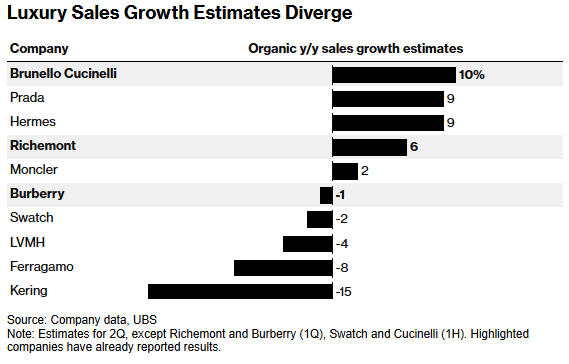
Group 1: Industry Overview - The luxury goods industry is experiencing a prolonged downturn, leading to a significant slowdown in price increases among top luxury brands [1][2] - UBS data indicates that luxury prices rose by only 3% from January to May 2025, marking the slowest increase since 2019 [1] - The previous years' strategy of relying on price hikes to drive sales is shifting as the industry begins to stabilize [1][3] Group 2: Consumer Behavior - High-net-worth individuals are becoming more price-sensitive, with even affluent consumers feeling discomfort from continuous price increases [2][3] - There is a noticeable shift towards niche and trendy designer brands, as consumers move away from traditional luxury brands that are perceived as overpriced [3] Group 3: Financial Performance - The upcoming Q2 earnings season is expected to reveal a downturn, with LVMH projected to report a 3% decline in organic sales, and a 6% drop in its core fashion and leather goods segment [4] - Analysts predict that LVMH's Q2 results may represent the low point of the current cycle, with recovery expectations pushed back to at least the second half of 2026 [4] - Some luxury brands, like Richemont, are performing well, with double-digit organic sales growth driven by strong jewelry performance [5] Group 4: Market Dynamics - The luxury sector is facing challenges from geopolitical tensions and high inflation, which are dampening consumer spending in the high-end market [3][4] - Brands that did not significantly raise prices during the boom period, such as Hermès and Cartier, are expected to have room for price increases in the coming years [5]
财报季来了:奢侈品股冰火两重天,Burberry狂飙LVMH承压
智通财经网· 2025-07-23 10:37
Core Insights - The current earnings season for European luxury goods stocks highlights a widening gap between winners and losers in the industry [1] - Burberry Group reported strong performance, with its stock price surging by 9%, while Richemont's sales exceeded expectations [1] - LVMH, Kering, and Salvatore Ferragamo face a bleak outlook, with potential further declines in stock prices if their sales fall short of already weak expectations [1] Industry Performance - The luxury goods sector is experiencing significant divergence, exemplified by the contrast between LVMH and Hermes [4] - Analysts predict a 7.8% decline in LVMH's core fashion and leather goods sales for Q2, while Hermes is expected to see a 12% increase in its leather goods revenue [4] - LVMH's stock has lost about half its market value over the past two years due to concerns over weak demand in the Chinese market, while Hermes has seen a 160% increase in stock price since the end of 2020 [4] Market Dynamics - Pricing power is crucial in the current economic environment, with some brands not performing as strongly as previously thought [6] - The industry is experiencing a stark contrast to the boom period from 2021 to 2023, where luxury brands thrived post-pandemic [6] - Investors are now focusing on brands that can consistently attract consumers, leading to sell-offs of less appealing stocks [6] Notable Winners - Burberry's stock has risen over 30% this year, attributed to its transformation plan and successful outdoor apparel offerings [8] - Despite some stocks declining significantly, the overall valuation of luxury goods remains high, with an average expected P/E ratio of 27, representing an 85% premium over the broader market [8] Future Outlook - The luxury goods industry is exposed to tariff impacts and a weakening dollar, leading to a challenging outlook [10] - Analysts maintain a cautious stance on the sector, suggesting a low allocation to luxury stocks [10]
当着全世界的面!马克龙给特朗普“当头一棒”,还提到了中方
Sou Hu Cai Jing· 2025-07-23 02:54
Group 1 - French President Macron rejected the unequal tariff agreement proposed by the U.S., emphasizing that France will use all means to respond to U.S. tariff measures, escalating the trade dispute between the two nations [1][3] - The U.S. has increased tariffs on French goods, including aircraft parts (15% tariff) and wine (25% tariff), claiming it is to correct trade imbalances, while France views this as unilateralism [1][3] - Macron advocates for a "zero tariff for zero tariff" agreement to achieve a fair and mutually beneficial trade relationship, indicating that if the U.S. maintains a 10% tariff, Europe will respond with equivalent measures [3][5] Group 2 - The EU plans to impose retaliatory tariffs on $95 billion worth of U.S. goods, covering various sectors such as civil aircraft, automobiles, medical devices, and agricultural products [3] - France is considering non-tariff measures, such as a digital services tax, to counter U.S. actions, with the French Minister of Economy and Finance stating that responses may include regulatory measures and targeted tax tools [3][5] - The trade dispute is seen as a continuation of historical tensions between the U.S. and France, with previous tariff actions dating back to 2019, and France's current firm stance exceeds U.S. expectations [3][5] Group 3 - The trade conflict has drawn criticism not only from France but also from other countries like Japan and India, which oppose the U.S. "reciprocal tariff" policy and have taken countermeasures [5] - U.S. wine retailers and importers have expressed opposition to the potential tariffs, arguing that they would harm American businesses and workers, while the National Retail Federation warns that tariffs will ultimately burden consumers [5] - France's luxury goods sector is less affected by U.S. tariffs due to support from the Chinese market, indicating a shift in reliance that diminishes the impact of U.S. tariff threats [5][7] Group 4 - Ongoing negotiations between the U.S. and France are tense, with the EU Commission President stating that the EU prioritizes negotiations but is prepared for retaliatory measures [7] - Macron's firm stance reflects France's determination to protect its interests, with the outcome of the trade dispute likely to have significant implications for global trade dynamics [7] - The International Monetary Fund warns that protectionist measures could slow global economic growth, urging all parties to resolve differences through dialogue [5][7]

LVHK42万客户资料外泄,延迟通报引监管调查
2 1 Shi Ji Jing Ji Bao Dao· 2025-07-22 11:49
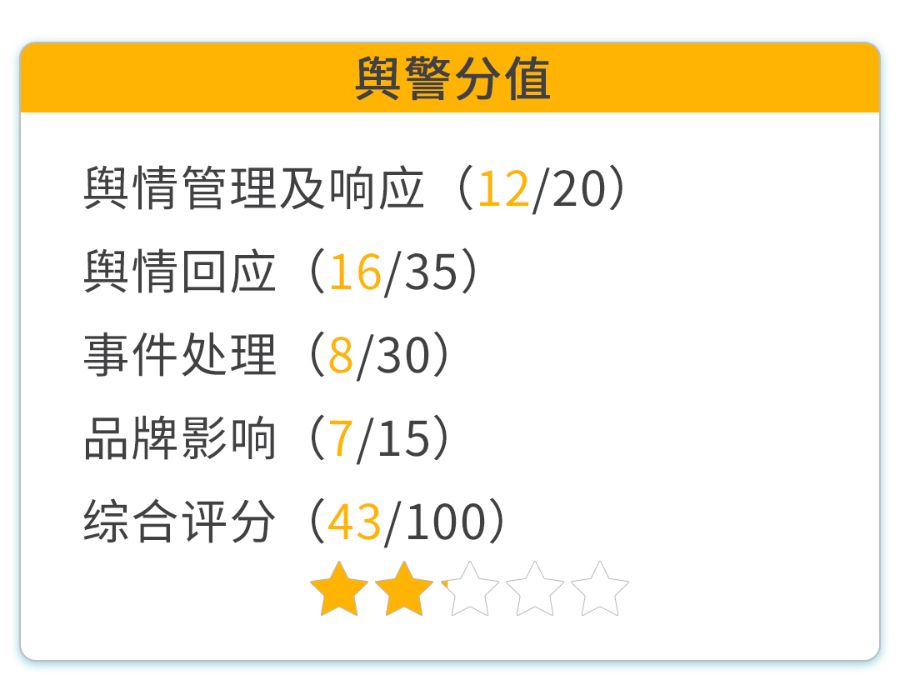
Core Viewpoint - Consumer trust and preference are invaluable market resources for consumer-facing companies, and the handling of public opinion crises reflects the effectiveness of brand management and corporate culture [1] Group 1: Incident Overview - Louis Vuitton (LV) confirmed a data breach affecting approximately 420,000 Hong Kong customers, with leaked information including names, passport numbers, birth dates, addresses, phone numbers, shopping records, and product preferences, but excluding payment information [2] - The breach was reported to the Hong Kong Privacy Commissioner on July 17, with the suspicious activity first detected on June 13, and the impact on Hong Kong customers identified on July 2 [2] Group 2: Company Response - LV's customer service stated there is currently no evidence that the leaked data has been misused, and measures have been taken to prevent unauthorized access and enhance system security [6] - The company has notified relevant government authorities and affected customers, assuring that payment information remains secure [6] Group 3: Industry Implications - Data security is a critical asset in the digital age, especially for luxury brands that rely on customer trust [6] - The delay of 15 days from the discovery of the breach to the notification of authorities raises concerns about compliance and accountability, with potential criminal liability if privacy violations are confirmed [6] - The luxury industry has seen similar data breaches recently, indicating a widespread issue with data security that needs to be addressed collectively [7]
7.22犀牛财经晚报:二季度末金融机构贷款余额268.56万亿元 淘宝闪购澄清未上线“1分钱自提”产品
Xi Niu Cai Jing· 2025-07-22 10:29
Group 1: Financial Institutions and Loans - As of the end of Q2 2025, the balance of RMB loans from financial institutions reached 268.56 trillion yuan, marking a year-on-year growth of 7.1% with an increase of 12.92 trillion yuan in the first half of the year [1] - The balance of RMB real estate loans stood at 53.33 trillion yuan, showing a year-on-year increase of 0.4%, with a half-year increase of 416.6 billion yuan [1] - The balance of personal housing loans was 37.74 trillion yuan, reflecting a slight year-on-year decline of 0.1%, but with a half-year increase of 51 billion yuan [1] Group 2: Display Panel Market - Global shipments of display panels larger than 9 inches are expected to grow by 2.9% year-on-year to 876 million units in 2025, an improvement from the previous forecast of 2.6% growth [2] Group 3: Telecommunications Industry - The telecommunications industry in China reported a total revenue of 905.5 billion yuan in the first half of 2025, representing a year-on-year growth of 1% [2] - The total telecommunications business volume increased by 9.3% year-on-year when adjusted for last year's prices [2] Group 4: Distributed Database Market - OceanBase has captured a 21.2% market share in the local deployment of distributed transaction databases in China, ranking first in the market [3] - In the financial sector, OceanBase holds a 23.9% market share, again leading in local deployment [3] - The market for locally deployed distributed transaction databases is expected to grow faster than the public cloud market starting in 2025 [3] Group 5: AI and Technology Developments - OpenAI's "Star Gate" AI project with SoftBank has faced delays, with plans to construct only one small data center by the end of the year instead of the initially promised larger scale [4] - ByteDance has launched a new general-purpose robot model, GR-3, capable of understanding complex language instructions and manipulating flexible objects [5] Group 6: Corporate Financial Performance - Microelectronic physiology expects a net profit increase of 76.34% to 105.73% for the first half of 2025, with projected revenues between 215 million and 230 million yuan [8] - Anfu Technology reported a net profit of 107 million yuan for the first half of 2025, reflecting a year-on-year growth of 14.38% [10] Group 7: Market Performance - The three major indices in the market saw slight increases, with the Shanghai Composite Index rising by 0.62% and the Shenzhen Component Index by 0.84%, both reaching new highs for the year [11] - The market turnover reached approximately 1.89 trillion yuan, with significant activity in infrastructure-related stocks [11]
金十图示:2025年07月22日(周二)全球富豪榜
news flash· 2025-07-22 03:03
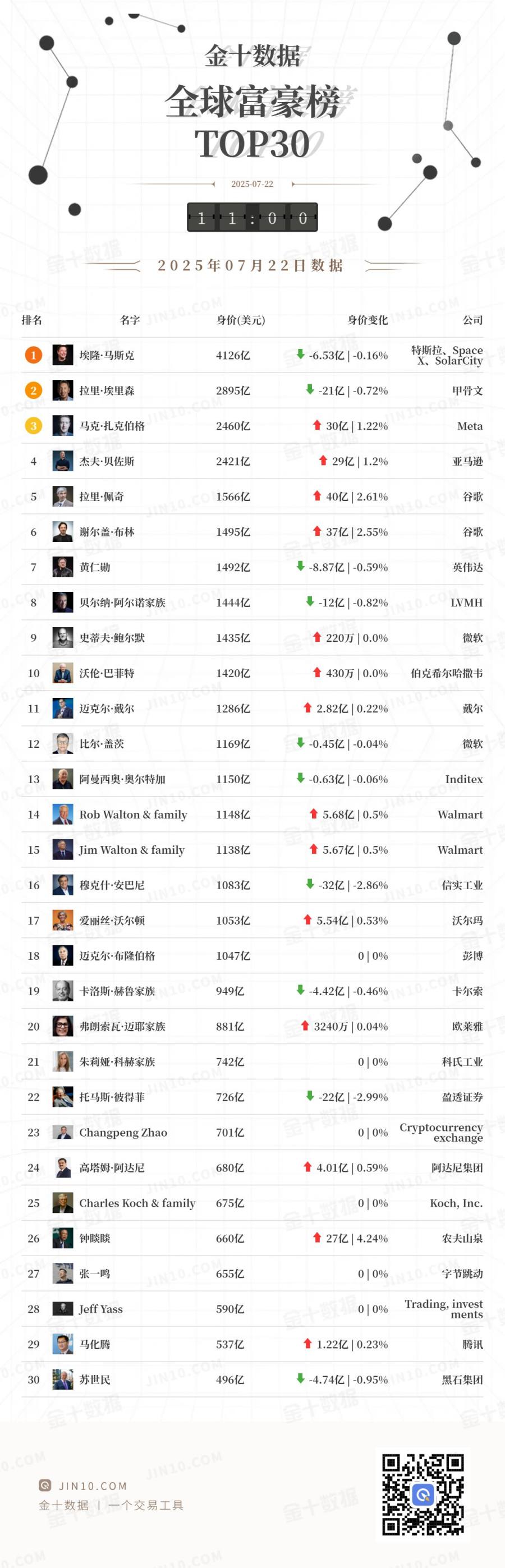
Wealth Rankings - Elon Musk remains the richest person with a net worth of $412.6 billion, experiencing a decrease of $6.53 million or 0.16% [2] - Larry Ellison ranks second with a net worth of $289.5 billion, down by $21 million or 0.72%, associated with Oracle [2] - Mark Zuckerberg's net worth increased by $130 million or 1.22%, bringing it to $246 billion, linked to Meta [2] - Jeff Bezos saw an increase of $290 million or 1.2%, with a net worth of $242.1 billion, related to Amazon [2] - Larry Page's wealth rose by $140 million or 2.61%, totaling $156.6 billion, connected to Google [2] - Sergey Brin's net worth increased by $137 million or 2.55%, reaching $149.5 billion, also associated with Google [2] - Nvidia's Jensen Huang's wealth decreased by $8.87 million or 0.59%, totaling $149.2 billion [2] - The Arnault family's net worth decreased by $12 million or 0.82%, amounting to $144.4 billion, linked to LVMH [2] - Steve Ballmer's wealth remained stable with a slight increase of $2.2 million, totaling $143.5 billion, associated with Microsoft [2] - Warren Buffett's net worth increased by $4.3 million, reaching $142 billion, connected to Berkshire Hathaway [2] Additional Notable Figures - Michael Dell's net worth rose by $28.2 million or 0.22%, totaling $128.6 billion, linked to Dell [3] - Bill Gates' wealth decreased by $4.5 million or 0.04%, amounting to $116.9 billion, associated with Microsoft [3] - Amancio Ortega's net worth decreased by $6.3 million or 0.06%, totaling $115 billion, linked to Inditex [3] - The Walton family's wealth saw slight increases, with Rob Walton at $114.8 billion and Jim Walton at $113.8 billion, both up by approximately $5.68 million and $5.67 million respectively [3] - Mukesh Ambani's net worth decreased by $3.2 billion or 2.86%, totaling $108.3 billion, associated with Reliance Industries [3] - The Koch family remains stable at $67.5 billion, with no change reported [3]




武汉国资将控股良品铺子;利洁时剥离部分业务;宇树科技开启上市辅导
Sou Hu Cai Jing· 2025-07-22 02:10
Investment Dynamics - Wuhan State-owned Assets will become the controlling shareholder of Liangpinpuzi, with a total transaction value of 1.046 billion yuan, resulting in a 21% stake in the company [3] - This transaction is viewed as a long-term strategic choice for Liangpinpuzi, aimed at preparing for development over the next decade [3] Brand Dynamics - Reckitt Benckiser announced the divestiture of its Essential Home business to Advent International for $4.8 billion, retaining a 30% stake, with projected 2024 net revenue of approximately £2 billion [6] - This divestiture aligns with Reckitt's strategy to focus on high-growth, high-margin brands [6] Financial Data - Mango reported a revenue of €1.728 billion for the first half of the year, a 12% increase year-on-year, with international markets contributing 78% of total revenue [17] - Burberry's retail revenue for the first fiscal quarter was £433 million, a 6% decline at reported rates but a significant improvement compared to previous double-digit declines [21] Personnel Dynamics - Shiseido Americas announced layoffs as part of a business transformation to restore growth, with a 19% sales decline in the Americas region [23] - Nordstrom appointed Kelly Dilts as CFO, effective August 29, to oversee core financial functions and strategic initiatives [26] - Burberry appointed four regional presidents to its executive committee, aiming to bring leadership closer to customer decision-making [30]

