煤化工

Search documents
康波的齿轮:农产品“箭在弦上”
Western Securities· 2026-03-15 06:31
Core Conclusions - The report identifies four "bullish options" for 2026: petrochemicals, agriculture, Hang Seng technology, and liquor, with a strong bullish outlook on oil prices since January 2026 when oil prices hit a bottom [2][11] - The first bullish option (petrochemicals) has been validated and is expected to further penetrate the coal chemical sector, while the second bullish option (agriculture) is anticipated to see a rebound in the second quarter of 2026 [2][11] Group 1: Bullish Options - The first bullish option (petrochemicals) is experiencing significant impacts from rising oil prices, with coal chemicals expected to follow suit as oil prices remain above $80 per barrel, enhancing the substitution effect [3][16] - The second bullish option (agriculture) is poised for a price increase driven by rising oil prices, which boost downstream biofuel demand and allow upstream agricultural chemical costs to be passed on, leading to higher agricultural product prices [4][22] Group 2: Agricultural Sector Insights - The agricultural sector is currently at a historically low valuation relative to the broader market, indicating limited downside and significant upside potential, making it an attractive investment opportunity [4][22] - Historical trends suggest that agricultural products often lag behind other commodities in price increases, positioning them as the last "value fill" in the commodity supercycle, especially after metals and energy have already risen [5][30] Group 3: Industry Allocation Strategy - The report recommends increasing allocations to petrochemicals and agriculture in the first half of 2026, followed by liquor and Hang Seng technology in the second half, as these sectors are expected to show clear improvements in market conditions [6][34] - The strategy emphasizes the importance of eliminating undervalued assets, with the identified sectors being positioned for significant returns due to their relatively low valuations and improving economic outlooks [6][34]
能化品种大分化,农产品补涨,下一个周期之王是谁?
对冲研投· 2026-03-14 06:05
Core Viewpoint - The article discusses the impact of rising energy prices on agricultural products, highlighting the interconnectedness of energy markets and agricultural commodities, and outlines three main logical pathways through which these effects manifest. Group 1: Energy Price Impact on Agricultural Products - Historical patterns show that surges in energy prices lead to increased demand for alternative fuels, which in turn boosts industrial consumption of agricultural products, resulting in rising grain prices [2] - The current energy crisis is expected to follow a similar trajectory, with varying degrees of impact across different agricultural commodities [2] Group 2: Oilseeds and Fats - Oilseeds, particularly palm oil, are closely linked to crude oil prices, with approximately 28% of global oilseed consumption used for biodiesel production. Rising crude oil prices make biodiesel production more economically viable, increasing demand for oilseeds [3] - As of March 12, 2026, domestic palm oil futures rose by 1.13% to 9818 CNY/ton, driven by crude oil price increases and potential policy changes in Indonesia that could raise palm oil consumption by approximately 3 million tons [3] - The price spread between palm oil and diesel is narrowing, indicating a shift in the valuation of oilseeds due to high oil prices [3] Group 3: Oilseed Meal - The price increase in soybean meal and rapeseed meal is driven by two factors: overall commodity price increases and rising shipping costs due to delays in soybean imports from Brazil and disruptions in the Strait of Hormuz [5] - As of March 12, 2026, domestic soybean meal prices rose, with Tianjin at 3380 CNY/ton, influenced by reduced import volumes and strong pricing intentions from oil mills [5] - The correlation between rising crude oil prices and soybean prices is evident, as higher oil prices enhance the profitability of soybean oil production, thereby increasing soybean prices [5] Group 4: Cotton - Cotton prices are supported by two main factors: the competitiveness of cotton against synthetic fibers due to rising raw material costs and increased planting costs driven by higher fertilizer prices [6] - The price of urea, a key fertilizer, has risen significantly, impacting cotton production costs and potentially leading to stronger cotton prices in the market [6] Group 5: Sugar - The relationship between sugar and ethanol production is highlighted, with rising crude oil prices making ethanol production more attractive, thereby reducing sugar supply and increasing prices [8] - The expectation of reduced sugar production in Brazil due to the shift towards ethanol is becoming more pronounced, with domestic sugar prices also showing signs of support despite high industrial inventories [9] Group 6: Corn - Corn prices are influenced by both international market trends and domestic supply-demand dynamics, with rising import costs due to increased shipping expenses [10] - As of March 12, 2026, domestic corn prices ranged from 2360 to 2510 CNY/ton, with market pressures from increased rice supply affecting corn pricing [10] Group 7: Livestock and Eggs - The livestock sector, particularly for pigs and eggs, faces pressure from rising feed costs, which constitute a significant portion of total production costs [11] - As of March 12, 2026, the average price of pigs was 10.16 CNY/kg, with rising feed prices squeezing profit margins for producers [11] Group 8: Fertilizers - Fertilizer prices, particularly urea, are rising due to supply chain disruptions, which will ultimately affect the planting costs of various agricultural products [13] - The increase in fertilizer prices is expected to have a slow but significant impact on the overall cost structure of agricultural production [13] Group 9: Summary of Agricultural Product Logic - The article summarizes the impact of geopolitical tensions on agricultural products through three main lines: energy substitution logic, cost-push logic, and substitution product logic [14] - Rising crude oil prices enhance the attractiveness of biofuels, increase import costs for key agricultural inputs, and improve the competitiveness of domestic products against imports [14]


中伦助力中国神华完成A股最大规模发行股份购买资产项目
Xin Lang Cai Jing· 2026-03-13 13:27
Core Viewpoint - China Shenhua Energy Co., Ltd. has completed the transfer of assets in a significant restructuring project involving the acquisition of equity from 12 subsidiaries of its controlling shareholder, China Energy Investment Corporation, with a total transaction value of RMB 133.598 billion, marking the largest asset purchase by share issuance in A-share history [2][28]. Group 1: Restructuring Details - The restructuring involves issuing A-shares and cash payments to acquire assets and raise supporting funds, with a maximum fundraising amount of RMB 20 billion [2][28]. - The transaction covers various sectors including coal, coal-fired power, and coal chemical industries, demonstrating a comprehensive approach to asset integration [2][28]. Group 2: Significance and Policy Alignment - This restructuring serves as a model for state-owned enterprise asset injections and aligns with the State-owned Assets Supervision and Administration Commission's policies encouraging mergers and acquisitions to enhance the core competitiveness of listed companies [29]. - China Shenhua is positioned as a flagship A+H share company under China Energy, the world's largest coal company and China's second-largest railway operator, highlighting its strategic importance in the energy sector [29]. Group 3: Legal Advisory and Execution - Zhong Lun Law Firm provided comprehensive legal services throughout the restructuring process, showcasing its expertise in handling large and complex transactions within the energy sector [29]. - The project faced multiple challenges, including large asset scale, numerous participants, tight timelines, and regulatory requirements, which were effectively managed by the legal team [29].


中国神华(01088) - 2026年2月份主要运营数据公告
2026-03-13 10:54
以上主要運營數據來自本公司內部統計。運營數據在月度之間可能存在較大差 異,其影響因素包括但不限於天氣變化、設備檢修、季節性因素和安全檢查等。運營 數據可能與相關期間定期報告披露的數據有差異。投資者應注意不恰當信賴或使用以 上信息可能造成投資風險。 承董事會命 中國神華能源股份有限公司 總會計師、董事會秘書 香港交易及結算所有限公司及香港聯合交易所有限公司對本公告之內容概不負責,對 其準確性或完整性亦不發表任何聲明,並明確表示概不就因本公告全部或任何部份內 容而產生或因倚賴該等內容而引致之任何損失承擔任何責任。 (在中華人民共和國註冊成立的股份有限公司) (股份代碼: 01088) 2026 年 2 月份主要運營數據公告 (海外監管公告) 中國神華能源股份有限公司(「本公司」)董事會及全體董事保證本公告內容不 存在任何虛假記載、誤導性陳述或者重大遺漏,並對其內容的真實性、準確性和完整 性承擔法律責任。 | | | 2026 | 年 | 2025 | 年 | 同比变化 | | | --- | --- | --- | --- | --- | --- | --- | --- | | 運營指標 | 單位 | | | | ...

迈入百亿俱乐部!宝丰能源2025年扣非净利超115亿,同比劲增近七成
新浪财经· 2026-03-13 08:47
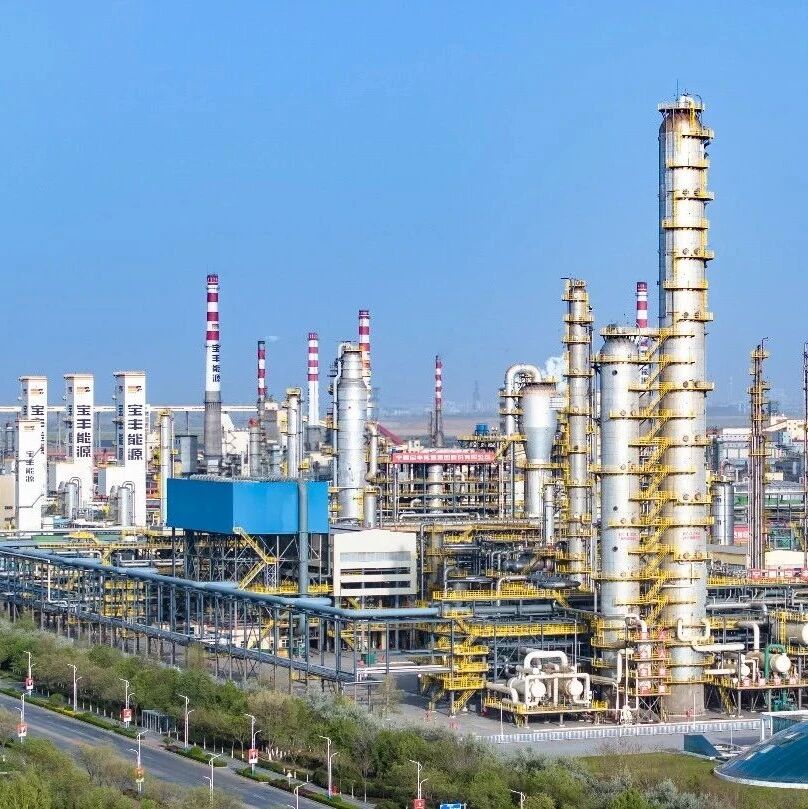
Core Viewpoint - Baofeng Energy demonstrates strong performance in a challenging macroeconomic environment, achieving high growth, profitability, and cash flow, solidifying its leading position in the industry [2]. Financial Performance - In 2025, Baofeng Energy reported revenue of 48.038 billion yuan, a year-on-year increase of 45.64% - The net profit attributable to shareholders, excluding non-recurring items, exceeded 10 billion yuan for the first time, reaching 11.519 billion yuan, a growth of 69.91% - Operating cash flow net amount reached 16.851 billion yuan, with an increase of 89.39% - Basic earnings per share were 1.56 yuan, up 79.31% year-on-year [2]. Capacity Expansion - 2025 marks a year of capacity explosion for Baofeng Energy, with the Inner Mongolia coal-to-olefins project reaching full production capacity of 3 million tons per year, boosting total polyolefin capacity to nearly 6 million tons per year, maintaining the top position in the domestic industry - The company can achieve over 30 million tons of oil import substitution annually, enhancing the security of the energy supply chain [3]. Cost Advantage - In 2025, Baofeng Energy's cost advantage was amplified due to scale effects and technological breakthroughs, with the total cost of the Inner Mongolia project being nearly 10% lower than that of the Ningxia Ningdong base - The gross profit per ton of olefin products was 2,500 yuan, with a gross margin of 38.61% - The company has achieved full localization of key core equipment, with 23 technologies reaching international leading levels, ensuring a strong cost advantage [5]. Technological Innovation - In 2025, Baofeng Energy's R&D investment reached 961 million yuan, a year-on-year increase of 27.11% - The company implemented 115 technology transformation projects, achieving precise material distribution and process control, leading to a year-on-year decrease in energy consumption per unit product - The company established an intelligent operation system across the entire industry chain, with significant achievements in smart factory construction [7]. Future Outlook - With the continuous improvement of the Ningxia Ningdong base, full production at the Inner Mongolia base, and steady progress on the Xinjiang 4 million tons per year project, Baofeng Energy is forming a collaborative development pattern - The company is transitioning from "scale-driven" to "product-driven," focusing on high-value-added products like high-end polyolefins and EVA, which will open up broader profit opportunities [8].

油价中枢抬高,哪些行业受益?
雪球· 2026-03-13 08:09
Group 1 - The article discusses the recent increase in oil prices and its impact on the upstream oil and gas sector, highlighting the revaluation of resource value and increased cash flow for upstream giants like CNOOC and PetroChina [4] - The oil service industry is expected to benefit from increased capital expenditure by oil and gas companies, leading to improved business for firms like China Oilfield Services and Jereh [4] - The coal chemical sector presents a unique structural opportunity in the A-share market, focusing on the cost advantage of coal over high-priced oil, with leading companies like Baofeng Energy and Hualu Hengsheng showing strong performance [4] Group 2 - Supply shocks from overseas production cuts are driving price increases in certain commodities, with companies like Yun Aluminum and Xingfa Group benefiting from China's stable energy supply and competitive export capabilities [5] - The resilience of the A-share market is noted, with strong performance across the identified sectors, and an expectation for increased trading volume in the future [6]



兖矿能源20260312
2026-03-13 04:46
Summary of Yanzhou Coal Mining Company Conference Call Company Overview - **Company**: Yanzhou Coal Mining Company (兖矿能源) - **Industry**: Coal and Coal Chemical Industry Key Points Industry and Market Dynamics - The central price of coal for 2026 has been raised to **850 CNY/ton**, with potential spot prices in Q2 possibly exceeding **1,000 CNY/ton** [2][8] - The increase in coal prices is attributed to the Indonesian RKEB policy reducing exports and geopolitical factors driving global energy prices higher [2][4] - New domestic safety regulations are limiting the release of production capacity [2] Financial Projections - Yanzhou Coal's estimated net profit for 2026 is **22 billion CNY**, with coal business contributing **17.5 billion CNY** [2] - The company benefits from a market coal sales ratio exceeding **70%**, with a profit elasticity coefficient of **5**; a **1%** increase in coal prices leads to a **5%** increase in coal profits [2][14] - The coal chemical segment is entering a capacity release phase, with expected capacity increasing to **9.2 million tons** (+10%) by 2026, contributing conservatively **2.2-2.5 billion CNY** in profits [2] Dividend and Valuation - Expected dividend yields for A-shares in 2026/2027 are **6.6%/6.8%** and for H-shares **9.8%/10.2%** [2][13] - The company commits to a minimum dividend payout ratio of **60%** [2] - Current valuation shows a potential upside of **40%-60%**, with a reasonable PE range of **12-15 times** based on 2026 earnings forecasts [3][15] Price Forecast and Supply-Demand Analysis - The forecast for coal prices has been adjusted from **700-750 CNY/ton** to **800-900 CNY/ton** due to supply constraints from Indonesia and geopolitical tensions [4][5] - Domestic coal supply is expected to remain tight due to increased safety standards and a gradual exit of pre-approved production capacity [6][8] - Anticipated seasonal demand increases in Q2 2026, driven by summer coal usage and European natural gas storage needs, are expected to push prices higher [7][8] Long-term Growth and Capacity Expansion - Yanzhou Coal aims to expand coal production capacity to **300 million tons** by 2026, with significant contributions from new projects and acquisitions [11] - The company has ongoing projects that will enhance its coal chemical production capacity, targeting over **20 million tons/year** [11][12] Investment Recommendations - Yanzhou Coal is recommended as a top investment due to its dual elasticity in coal and coal chemical sectors [16] - Other recommended stocks include Guanghui Energy and China Coal Energy, with a focus on companies with strong coal price elasticity [16] Conclusion - Yanzhou Coal Mining Company is positioned for significant growth in the coal and coal chemical sectors, with favorable market conditions and robust financial projections supporting its investment appeal [2][15]

煤化工专家分享
2026-03-13 04:46
Summary of Coal Chemical Industry Conference Call Industry Overview - The coal chemical industry is highly sensitive to international oil prices. When oil prices reach $70 per barrel, coal-to-olefins (CTO) becomes economically viable, while coal-to-ethylene glycol (EG) can break even. If oil prices stabilize between $80-$90 per barrel, it may trigger policy relaxation and an investment surge [2][6]. - The capacity utilization rate is expected to rise from 70%-80% to over 95% if oil prices stabilize in the $70-$80 range, potentially increasing coal consumption for chemical use by 80 million to 100 million tons [2][10]. - Profitability varies among core products: coal-to-olefins (MTO/MTP) has a reduced consumption of 2.6-2.8 tons of methanol, showing significant profitability; coal-to-ethylene glycol has been in long-term losses with a utilization rate of only 60%-70%; coal-to-oil requires oil prices to reach $110-$130 to break even [2][6]. Key Insights - **Approval Policies and Regional Differences**: Post-2023, policies have relaxed due to economic pressures, with Xinjiang being the most favorable region for approvals. The number of projects in preparation has decreased by over 50% compared to the previous five years [2][9][10]. - **Cost Structure and Resource Endowment**: Companies with their own coal mines have a significant advantage, with internal coal prices around 450 RMB per ton. Energy consumption indicators in the northwest have improved, with reductions of 30%-40% from 2016 levels, and CCUS technology is helping to lower carbon emission constraints [2][6][15]. Product-Specific Insights - **High Elasticity Products**: In the context of widening coal-oil price differentials, by-products like benzene and coal tar show the highest profitability elasticity. Methanol, with million-ton capacity leverage, significantly contributes to profits for large enterprises [3][17]. - **Coal-to-Methanol**: The industry is currently at a breakeven point, with companies producing over 1 million tons able to maintain profitability, especially if they own coal mines. However, profitability dropped in early 2026 before recovering [8][12]. - **Coal-to-Ethylene Glycol**: The industry is facing long-term losses, with an overall utilization rate of 60%-70%. Future profitability largely depends on oil prices exceeding $80 per barrel [12][13]. Challenges and Opportunities - The coal chemical industry faces challenges such as high sensitivity to international oil prices, environmental and water resource constraints, and a lack of advanced product development. Some sectors are experiencing overcapacity [6][15]. - The potential for policy relaxation in the coal chemical sector depends on sustained high oil prices and international geopolitical stability, which could lead to increased investment and project approvals [13][14]. Regulatory Environment - Recent important policy documents emphasize the clean and efficient use of coal and the need for high-end, diversified, and low-carbon development in the coal chemical industry. The approval pace for new projects has slowed, with large projects typically limited to around 10 approvals per year [14][15]. Conclusion - The coal chemical industry is at a critical juncture, with potential for growth contingent on oil price stability and favorable regulatory conditions. The ability to adapt to environmental standards and leverage technological advancements will be crucial for future profitability and sustainability [15].
深度拆解煤化工产业链及中国化学优势
2026-03-13 04:46
Summary of Key Points from the Conference Call on Modern Coal Chemical Industry Industry Overview - The modern coal chemical industry focuses on coal gasification/liquefaction, producing clean fuels and basic chemical raw materials, which is crucial for national energy security and reducing reliance on imported crude oil, currently at 73.36% [1][5][6]. Core Insights and Arguments - **Cost Advantages in Xinjiang**: Coal prices in Xinjiang range from 120-230 RMB/ton, significantly lower than the port price of 725 RMB/ton. Profit margins for coal-to-olefins can reach 20%, and for coal-to-gas, over 10% [1]. - **Technological Advancements**: The third-generation MTO technology has reduced methanol consumption to 2.65 tons. When crude oil prices exceed 60 USD/barrel, Xinjiang's coal-to-olefins cost competitiveness becomes evident [1][8]. - **Environmental Improvements**: From 2019 to 2024, coal-to-oil/gas/olefins' unit coal and water consumption have significantly decreased, indicating a shift towards green low-carbon and green hydrogen coupling [1][9]. - **Policy Support**: A series of policies from 2021 to 2024 emphasize the urgency of modern coal chemical construction, with major project environmental assessments expected to be approved in the second half of 2025 [1][4][12]. Industry Development and Economic Viability - **Production Capacity**: By 2024, coal-to-natural gas capacity is 7.45 billion cubic meters, coal-to-oil is 823,000 tons, coal-to-olefins is 13.42 million tons, and coal-to-ethylene glycol is 1.14 million tons, with significant shares in domestic production [7]. - **Economic Analysis**: The total cost for coal-to-olefins in Xinjiang is approximately 5,779 RMB/ton, with a profit margin of 20% compared to the market price of 7,260 RMB/ton. Coal-to-natural gas and coal-to-oil projects also show competitive cost structures [13][16]. Environmental and Technological Progress - **Efficiency Improvements**: Key operational indicators such as coal and water consumption have improved significantly, with coal-to-oil consumption dropping from 4.9 tons to 3.7 tons and water consumption from 8.8 tons to 6.6 tons from 2019 to 2024 [9]. - **Technological Maturity**: Coal-to-oil and coal-to-gas technologies have reached a mature stage with stable operations, while coal-to-ethylene glycol technology is still developing [7][8]. Regional Advantages - **Resource Richness**: Xinjiang has abundant coal resources, with predicted reserves of 2.19 trillion tons, accounting for over 40% of the national total. The region also benefits from low coal prices and a growing transportation network [10][11]. - **Policy and Infrastructure Support**: Continuous policy support and infrastructure improvements enhance the economic viability of coal chemical projects in Xinjiang [12]. Key Players and Market Position - **China Chemical**: Holds a dominant position in the coal chemical engineering sector, expected to capture over 90% market share in Xinjiang's coal chemical construction [1][16]. - **Other Beneficiaries**: Companies like Donghua Technology, Sinopec Engineering, and 3D Chemical are also positioned to benefit from the growth in the modern coal chemical industry [16]. Conclusion - The modern coal chemical industry in China, particularly in Xinjiang, is poised for significant growth driven by technological advancements, favorable policies, and economic viability, with key players well-positioned to capitalize on these trends [1][5][16].

油气上涨-煤炭替代需求空间及煤化工弹性测算
2026-03-13 04:46
Summary of Key Points from Conference Call Records Industry Overview - The records focus on the coal industry and its role as a substitute energy source amid rising oil and gas prices due to the Russia-Ukraine conflict [1][2][3]. Core Insights and Arguments - During the Russia-Ukraine conflict, the increase in coal demand in Europe and the U.S. was approximately 40 million tons, representing about 3% of the global tradable thermal coal resources (1.3 billion tons) [1][2]. - In Europe, coal consumption increased by 0.8 percentage points due to rising oil and gas prices, translating to a physical demand increase of between 11 million to 23.5 million tons [1][2]. - In the U.S., the increase in coal demand was about 1.1 percentage points, corresponding to a physical demand increase of 19 million to 30 million tons [1][2]. - The potential upper limit for coal substitution demand could rise from 40 million tons to between 50 million tons and 100 million tons due to a significant increase in the proportion of coal-to-gas conversion units in Europe and the U.S. [1][3]. - A $10 per barrel increase in Brent crude oil prices results in an average price increase of approximately 100 RMB per ton for coal chemical products, significantly expanding profit margins for coal companies [1][3]. Profitability Impact on Coal Companies - The impact of a $10 increase in oil prices on profits for major coal companies is quantified as follows: - Yanzhou Coal Mining: Profit increase of approximately 650 to 700 million RMB [1][3]. - China Coal Energy: Profit increase of about 450 million RMB [1][3]. - Huaibei Mining: Profit increase of around 100 million RMB [1][4]. - Guanghui Energy (coal chemical business only): Profit increase of about 200 million RMB [1][4]. - China Xuyang Group: Profit increase of approximately 450 million RMB, similar to China Coal Energy [1][4]. - Lanhua Sci-Tech: Profit increase of about 100 million RMB, comparable to Huaibei Mining [1][4]. Additional Important Insights - The increase in coal demand during the conflict may not fully reflect the current potential demand due to the increased capacity for coal-to-gas conversion units post-2022 [3]. - The ongoing geopolitical tensions and domestic electricity shortages in the U.S. have already led to some coal-to-gas conversions prior to the conflict, indicating that the current demand may still be underrepresented [3].