
半导体制造

Search documents
企业自身受到影响,全球汽车面临“断供”,荷兰称将与中方化解安世僵局
Huan Qiu Shi Bao· 2025-10-20 22:57
Group 1 - The Netherlands is seeking to meet with China to discuss the current "stalemate" involving Nexperia, which impacts both Sino-Dutch economic relations and the global automotive chip supply chain [1] - Dutch Economic Affairs Minister Vincent Karremans stated that the Dutch government's intervention aims to prevent the transfer of business and intellectual property out of Europe by Nexperia's former Chinese CEO [1] - The "stalemate" originated from the U.S. "penetration rules" issued on September 29, leading to direct Dutch government intervention in Nexperia's internal affairs, which has disrupted the company's global operations [1][2] Group 2 - Nexperia's Chinese subsidiary issued an open letter asserting its independence and normal operations, emphasizing that external forces will not influence its operations or harm employee interests [2] - The automotive industry is under pressure due to concerns that if the stalemate continues, there could be a supply shortage or production halts for global car manufacturers [2] - The American Automotive Innovation Alliance's CEO warned that delays in automotive chip transportation could impact production in the U.S. and other countries, potentially affecting other industries as well [2] Group 3 - A researcher from the Ministry of Commerce emphasized that the Netherlands must maintain independence and not politicize economic issues under U.S. pressure, advocating for adherence to contracts and market principles [3] - The incident highlights the need for countries to focus on developing key technologies and maintaining autonomy in technological advancements amid increasing geopolitical uncertainties [3]
台积电美股盘前涨超2%,现报302.34美元
Mei Ri Jing Ji Xin Wen· 2025-10-20 08:17
Group 1 - TSMC's stock price increased by over 2% in pre-market trading, currently reported at $302.34 [1]
曝:安世半导体东莞工厂限制出货,员工将“上四休三”!
是说芯语· 2025-10-20 04:43
Core Viewpoint - The article discusses the impact of Dutch government intervention on Anshi Semiconductor's operations in Dongguan, leading to shipment restrictions and reduced working hours for employees, which may affect the supply chain and production efficiency [1][2]. Group 1: Company Operations - Anshi Semiconductor's Dongguan factory has restricted shipments since the National Day holiday due to Dutch government intervention, with some positions shifting to a "four days on, three days off" schedule starting next week, and overtime hours being reduced from 70-80 hours per month to 40-50 hours [1][2]. - The Dongguan factory is responsible for 70% of global packaging tasks, but currently faces raw material shortages, with inventory only sufficient until the end of December [2]. Group 2: Supply Chain and Market Impact - Trade merchants have confirmed that the products are facing shortages and price increases, indicating a significant supply chain disruption [2]. - The parent company, Wentai Technology, has initiated a "self-rescue" strategy in China to localize the supply chain, but challenges remain due to core design and wafer manufacturing being based in Europe, complicating technology transfer and customer certification [2]. Group 3: Regulatory and Management Changes - On October 12, Wentai Technology announced that Anshi Semiconductor's assets and intellectual property were frozen due to Dutch government directives, effective from September 30, for a period of one year [2]. - Some foreign executives at Anshi Semiconductor have requested to transfer their shares and have suspended the CEO position appointed by Wentai Technology [2].


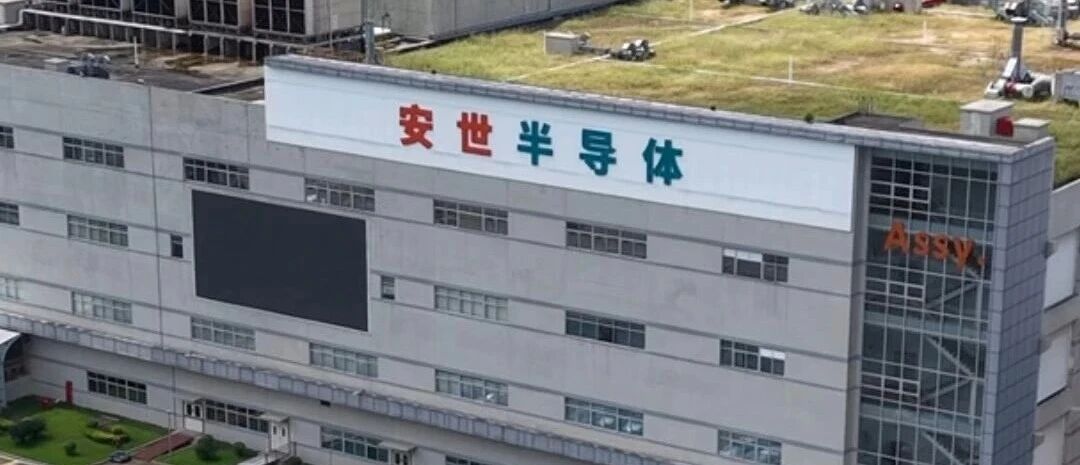
切断权限,安世中国发文硬刚,拒绝荷兰总部指令,欧洲车企急眼了
Xin Lang Cai Jing· 2025-10-20 04:26
Core Viewpoint - The Netherlands is intensifying efforts to sever ties with Chinese investments, particularly targeting Nexperia, a semiconductor company, leading to significant reactions within Europe [1][3]. Group 1: Company Actions - Nexperia's China division swiftly issued a statement distancing itself from directives from the Dutch headquarters, indicating a clear divide [2][5]. - On October 18, 2025, Nexperia's China team faced a critical situation as their access to accounts and systems from the Dutch headquarters was abruptly cut off [4]. - The Chinese division's statement on October 19 directly confronted the Dutch headquarters' unilateral changes to internal regulations and the controversial replacement of the CEO [7][8]. Group 2: Response to Export Controls - The Chinese division emphasized that any external directives not approved internally could be rejected by employees, hinting at the potential refusal to acknowledge the CEO change [10][11]. - Concurrently, the European Automobile Manufacturers Association (ACEA) warned of an urgent need to address the semiconductor shortage affecting the automotive industry, exacerbated by China's export controls on specific semiconductor products [12][20]. Group 3: Impact on European Automotive Industry - The export controls imposed by China on Nexperia's products have led to a looming chip shortage for European car manufacturers, highlighting the critical reliance on various semiconductor components [12][14]. - Europe's semiconductor manufacturing share has plummeted to around 10%, with a significant gap in the production of advanced chips below 7nm, which poses a risk to the automotive sector [14][16]. - The automotive industry in Europe is particularly vulnerable due to its dependence on a wide range of low-margin components, which are increasingly sourced from China [14][19]. Group 4: Nexperia's Production Facilities - Nexperia operates two major production bases in China, including a 12-inch wafer factory in Shanghai with an initial design capacity of approximately 400,000 wafers per year, primarily for automotive-grade MOSFET products [16][18]. - The Dongguan packaging and testing facility is crucial for Nexperia's global operations, being one of the largest production bases for small-signal components [18][19]. - The Dutch headquarters has historically attempted to mitigate reliance on Chinese production by diversifying manufacturing across Malaysia and the Philippines [19].
冻结17天之后,中、荷公司脱钩,欧洲施压,荷兰日损230万欧元
Sou Hu Cai Jing· 2025-10-20 04:23
Core Viewpoint - The Dutch government's abrupt takeover of Nexperia, a semiconductor company controlled by Chinese capital, has led to significant operational disruptions and highlighted the complexities of global supply chains, revealing that true control lies with those who possess core technology and production capabilities rather than mere legal ownership [1][21][29]. Group 1: Dutch Government Actions - On September 30, the Dutch government initiated a takeover of Nexperia using Cold War-era legislation, citing "corporate governance deficiencies" without substantial evidence [1][3]. - The takeover resulted in the immediate revocation of system access for the Chinese CEO and the transfer of 99% of shares to a foreign board, leaving the original controlling party with only a symbolic share [3][9]. - The Dutch government underestimated the operational significance of Nexperia's facilities in Dongguan, China, which house over 70% of the company's production capacity [5][7]. Group 2: Impact on Operations - Following the Dutch takeover, Nexperia's Chinese operations issued a directive stating that employees must follow the instructions of the Chinese legal representative, effectively severing the Dutch control [9][11]. - China's export control measures on Nexperia's core products led to a complete halt in daily shipments from the Dongguan factory, which previously averaged 380 million units [11][19]. - The disruption in chip supply has severely impacted major European automotive manufacturers, with General Motors cutting SUV production in North America due to chip shortages [17][19]. Group 3: Reactions from the Automotive Industry - Major automotive companies, including BMW and Volkswagen, expressed urgent concerns over the chip supply issues, with BMW's CEO warning of potential monthly losses of up to 1 billion euros [15][19]. - A coalition of 16 European and American automakers sent a final ultimatum to the Dutch government, threatening to boycott Dutch agricultural products if the supply issues were not resolved [17][19]. - The European Commission intervened, demanding a comprehensive risk assessment from the Dutch government regarding the impact of the takeover on the automotive industry [19][21]. Group 4: Geopolitical Implications - The Dutch government's actions were influenced by external pressures, particularly from the United States, which sought to undermine China's position in the semiconductor supply chain [21][23]. - The situation has revealed that the Netherlands has become a pawn in a larger geopolitical strategy, with its economy facing significant repercussions as a result of the semiconductor crisis [25][27]. - The incident underscores the fragility of global supply chains and the risks associated with attempting to control them through non-market means, leading to self-inflicted damage for the Dutch economy [29][31].

安世中国区遭总部“技术封锁”,权限已被掐断,停发中国员工报酬
Sou Hu Cai Jing· 2025-10-20 03:01
Core Viewpoint - The semiconductor industry has become a focal point of global competition, highlighted by the Dutch government's forced takeover of China's leading semiconductor company, Wentech's subsidiary, Nexperia, which has raised significant concerns about the future of Chinese semiconductor firms and their supply chains [1][3]. Group 1: Impact on Companies - Nexperia's Chinese team faced account freezes, disrupting fund flows and prompting Wentech to take emergency measures to ensure supply chain continuity for domestic clients [1]. - Reports indicate that Nexperia has halted salary payments to its Chinese employees, raising alarms about the company's operational stability [1]. - The Dutch government's actions are perceived as a direct threat to Wentech's future and China's innovation progress, reflecting a broader geopolitical struggle [3]. Group 2: Geopolitical Context - The incident is viewed as part of the ongoing U.S.-China trade conflict, with the Netherlands acting under U.S. influence to implement stringent measures against Chinese enterprises [3]. - The U.S. had previously pressured the Netherlands to replace Nexperia's Chinese CEO to facilitate exemptions from the "entity list," indicating a strategic alignment between the U.S. and the Netherlands [3]. - The European Automobile Manufacturers Association warned that a lack of chips produced by Nexperia could halt automotive production in Europe and the U.S., highlighting the interconnectedness of the semiconductor supply chain and the automotive industry [5]. Group 3: Response and Future Implications - The EU may exert pressure on the Netherlands to reconsider its hardline stance to protect the automotive sector, which is vital for the European economy [5]. - China has begun to formulate countermeasures, with its Ministry of Commerce and Foreign Affairs emphasizing the protection of Chinese enterprises' rights, suggesting potential retaliatory actions [5]. - The situation underscores the shifting dynamics of global supply chains and the increasing intensity of national protectionism in technology sectors [7].
离谱!某车企试行研发部门两班倒,程序员也要上夜班;闻泰安世半导体对抗升级:中国员工被断薪、系统全面中断,官方回应;王腾称考虑创业
雷峰网· 2025-10-20 00:39
Group 1 - A certain automotive company is implementing a two-shift system in its R&D department to compress the vehicle development cycle from over 20 months to within 12 months [2][3] - The company has identified four core bottlenecks in its development process, including difficulties in matching intelligent driving software and hardware, and delays in data release and prototype delivery [3] - Concerns have been raised about the potential quality risks associated with the push for speed in development, reminiscent of past issues with insufficient validation before market launch [3] Group 2 - Anshi Semiconductor has faced operational disruptions, including salary cuts for Chinese employees and a complete system shutdown, amid escalating tensions with its parent company [5][6] - The company has assured employees that domestic operations and salary benefits remain normal, emphasizing compliance with Chinese laws [5] - Reports indicate that Anshi's Chinese team has been forced to adopt independent measures to maintain supply chains and ensure customer service amid the crisis [6] Group 3 - NIO's CEO Li Bin has emphasized the importance of achieving profitability in the fourth quarter of 2025, breaking down the goal into specific actions related to marketing, supply chain management, and software delivery [11] - The company is experiencing a resurgence in confidence as new models are launched and sales improve, with Li Bin urging the team to focus on long-term competitiveness [11] Group 4 - Xiaohongshu has raised its employee stock option price to $25 per share, marking a significant increase from previous valuations and reflecting the company's growth trajectory [12] - The company has conducted multiple rounds of stock option buybacks, indicating strong financial health and a commitment to employee incentives [12] Group 5 - The average price of new energy vehicles in China has dropped below 160,000 yuan, reflecting a significant decrease from previous years and making these vehicles more accessible to consumers [13] - The decline in prices is attributed to advancements in the supply chain and government policies aimed at promoting electric vehicle adoption [13] Group 6 - Nvidia's CEO Jensen Huang announced the company's complete exit from the Chinese market, resulting in a dramatic drop in market share from 95% to 0% due to U.S. export controls [26][27] - Huang expressed concerns that U.S. policies could harm both American and Chinese markets, highlighting the potential long-term implications of such restrictions [27] Group 7 - Apple CEO Tim Cook announced efforts to introduce Apple Intelligence in China, indicating the company's commitment to expanding its AI offerings in the region [28] - Cook emphasized the positive impact of AI on society and the importance of maintaining innovation and passion in technology [28]




晚间公告丨10月19日这些公告有看头
第一财经· 2025-10-19 13:46
Core Viewpoint - Multiple companies in the Shanghai and Shenzhen stock markets have announced significant developments, including investments in semiconductor manufacturing, clinical research advancements, and changes in corporate governance, which may present investment opportunities and insights for stakeholders [3]. Investment Announcements - Silan Microelectronics plans to invest 20 billion yuan to establish a 12-inch high-end analog integrated circuit chip manufacturing line, aiming for a production capacity of 54 million chips annually after completion [4]. - Xidilong intends to invest no more than 400 million yuan to purchase land use rights and build an innovation industrial base, adding chromatography and mass spectrometry production lines [8]. - Tianhe Magnetic Materials' subsidiary plans to invest 850 million yuan in high-performance rare earth permanent magnets and component manufacturing [9]. - New City plans to allocate 157 million yuan of remaining fundraising to a green energy and zero-carbon park planning project [10]. - Yanguang Nuohuo proposes to invest 15 million yuan to increase the registered capital of Yuanma Zhiyao, focusing on innovative CAR-T cell therapies [15]. Corporate Governance Changes - Xiling Information's controlling shareholder and general manager has had their detention lifted, allowing them to resume normal duties [5][6]. Regulatory Developments - Haizheng Pharmaceutical's Taizhou factory has had its GMP non-compliance status revoked by the EU, positively impacting its product sales in the EU market [7]. - Zhonghe Titanium White will change its stock name to "Titanium Energy Chemical" starting October 20, 2025, while retaining its stock code [14]. Performance Reports - China Life expects a net profit increase of approximately 50% to 70% for the first three quarters of 2025, estimating profits between 156.785 billion yuan and 177.689 billion yuan [20]. - Yangjie Technology reported a 52.4% increase in net profit for Q3 2025, driven by growth in the semiconductor sector [21]. - Xiangsheng Medical's Q3 net profit grew by 41.95%, despite a decline in revenue [22]. - Zhuhai Guanyu anticipates a net profit increase of 36.88% to 55.54% for the first three quarters of 2025 [23]. - Huiquan Beer reported a 23.7% increase in net profit for Q3 2025 [24]. - Darui Electronics' net profit grew by 26.84% in the first three quarters of 2025 [25]. - Xingwang Yuda turned a profit in Q3 2025, reporting a net profit of 38.3749 million yuan [27]. - Tongyou Technology reported a net profit of 27.6683 million yuan in Q3 2025, marking a turnaround from losses [28]. Shareholding Changes - Hongfuhan's shareholder, Hengmei International, plans to reduce its stake by up to 1.5% [30]. - Intelligent Control's controlling shareholder's associate plans to reduce its stake by up to 1% [31].




总投入200亿元!半导体龙头士兰微拟投建12英寸高端模拟集成电路芯片项目
Mei Ri Jing Ji Xin Wen· 2025-10-19 13:25
Core Viewpoint - The semiconductor industry is set to witness a significant investment project worth 20 billion RMB, focusing on high-end analog integrated circuit chip manufacturing in Xiamen [1][2]. Investment Project Overview - The project involves a total planned investment of 20 billion RMB, divided into two phases: the first phase will invest 10 billion RMB, aiming to start construction by the end of 2025, with initial production expected in Q4 2027 and full production by 2030, achieving an annual capacity of 240,000 12-inch analog integrated circuit chips [2][3]. - The second phase will also invest 10 billion RMB, targeting an annual production capacity of 540,000 chips [2][3]. Technical and Market Context - The project is positioned in the high-end analog chip sector, characterized by high technical barriers, complex designs, and stringent performance, reliability, and power consumption requirements [2]. - The domestic market for analog chips currently has a low localization rate, particularly in high-end segments, indicating substantial growth potential as industries like electric vehicles, large computing servers, and robotics expand [2][5]. Financial Structure and Capitalization - The first phase's investment of 10 billion RMB will be financed through 6.01 billion RMB in equity and 3.99 billion RMB in bank loans, with funds allocated for constructing facilities and purchasing equipment [3]. - The project company, Xiamen Silan Jihua Microelectronics Co., Ltd., will see its registered capital increase to 5.11 billion RMB, with contributions from various stakeholders, including Silan Micro and Xiamen Semiconductor [4]. Strategic Importance - Successful implementation of this investment is expected to enhance the company's competitive edge in the high-end analog integrated circuit sector and support its long-term strategic development [5]. - The project aligns with the company's previous collaborations in Xiamen, including a 12 billion RMB investment in an 8-inch SiC power device chip manufacturing line, which is also progressing towards production [5].
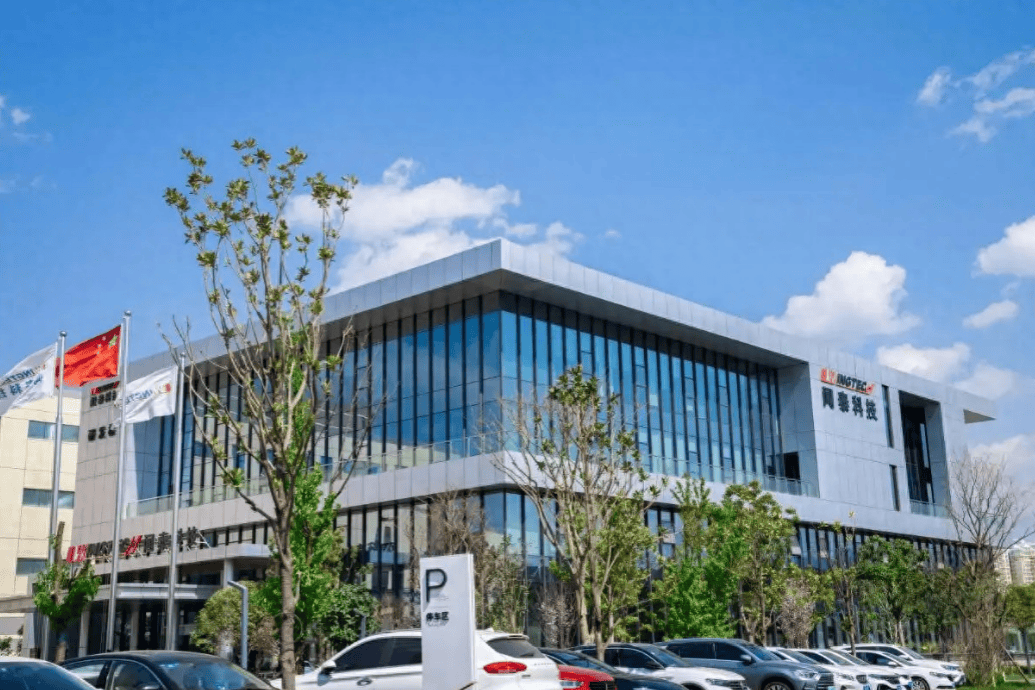
497亿半导体巨头闻泰科技面临上市以来最难时刻,公司最新回应:安世国内全部主体运营及员工薪资福利正常
2 1 Shi Ji Jing Ji Bao Dao· 2025-10-19 12:24
Core Viewpoint - The situation surrounding Nexperia, a subsidiary of Wentech Technology, has escalated due to external pressures, particularly from the Dutch government, which has imposed restrictions on the company's operations and governance, leading to significant operational challenges and market reactions [1][9][10]. Group 1: Company Operations and Employee Relations - Nexperia China has assured employees that all operations and employee benefits are functioning normally, emphasizing compliance with Chinese laws and independent decision-making [3][4]. - The company has established that any external directives not approved by its legal representative can be disregarded by employees without disciplinary repercussions [4][6]. Group 2: Market Performance and Financial Impact - Since the Dutch government's directive on September 30, Wentech Technology's stock has seen a decline of over 20%, although there has been a recent recovery, with a reported stock price of 38.5 yuan and a market capitalization of 479 billion yuan as of October 17 [7][9]. - The company has faced significant financial challenges, with a reported loss of 6.85 billion yuan in its ODM/OEM business for the first half of 2025, prompting a strategic divestment of this segment for approximately 43.89 billion yuan [10][11]. Group 3: Legal and Regulatory Challenges - The Dutch court has imposed emergency measures, including suspending the CEO's powers and appointing an independent foreign director with decisive voting rights, which has temporarily stripped Wentech of governance over Nexperia [9][10]. - The U.S. Department of Commerce has also introduced new export control measures that further complicate Wentech's operational landscape, particularly affecting its subsidiaries [10][11]. Group 4: Management Changes and Strategic Shifts - Wentech has undergone significant management restructuring, with key executives resigning and new leadership from Nexperia taking over operational decisions [12][13]. - The company has shifted its focus from a dual-industry strategy to a singular emphasis on semiconductor operations, effectively making Nexperia the primary focus of Wentech's business model [13][14]. Group 5: Geopolitical Context and Industry Implications - The ongoing geopolitical tensions, particularly between China and Western nations, have led to increased scrutiny and intervention in Chinese investments abroad, as evidenced by the actions taken against Nexperia [10][11]. - The semiconductor industry is facing heightened regulatory challenges, with companies like Nexperia becoming targets of international scrutiny, impacting their operational strategies and market positioning [17][18].
