生物医药

Search documents
各地驻京办集结“驻京通”路演 累计落地项目总金额169.8亿元
Zhong Guo Jing Ying Bao· 2026-01-31 11:46
Core Insights - The "Zhu Jing Tong" investment sharing platform held its first offline project roadshow in 2026, focusing on addressing homogenized competition, optimizing the business environment, and innovating investment attraction models [1] Group 1: Platform Performance - Since its launch, the "Zhu Jing Tong" platform has significantly improved investment service efficiency, hosting 12 online and offline investment recommendation events in 2025, attracting 236 government units [1] - The platform has facilitated the establishment of 19 projects nationwide, with a total investment amount of 16.98 billion yuan [1] Group 2: Government and Institutional Support - The platform has received high recognition from various government agencies, including the National Administration for the Management of State Affairs and local government offices [1] - The Hangzhou Municipal Government's representative emphasized the platform's role in enhancing industry services and investment cooperation, while also expanding channels for collaboration between Beijing and Hangzhou [1] Group 3: Project Diversity - Eleven projects from cities such as Beijing, Shanghai, Zhejiang, Shenzhen, and Hefei were presented during the roadshow, covering sectors like new materials, biomedicine, new energy vehicles, unmanned logistics, and digital cultural performances [1] Group 4: Collaborative Mechanisms - The platform fosters a collaborative environment among national institutions, enabling mutual information sharing and resource exchange [2] - The Hangzhou Municipal Government's office is leveraging its strengths in big data and artificial intelligence to create broader platforms for project exchanges and negotiations [2] Group 5: Strategic Positioning - The "Zhu Jing Tong" platform is seen as a "navigation tool" for cities to identify their unique positioning, aligning resource-rich cities with energy powerhouses and tech-focused cities with scientific innovation [2] - The platform promotes a comprehensive service ecosystem that integrates central and local government efforts, regional collaboration, and resource aggregation, marking a shift from policy competition to ecological competition [2]
31项重点任务助推副中心“十五五”蝶变
Xin Lang Cai Jing· 2026-01-31 07:08
Core Viewpoint - The "14th Five-Year" plan for the urban sub-center (Tongzhou District) has been implemented, focusing on innovation, coordination, green development, openness, sharing, and safety to enhance economic capacity, urban functions, governance efficiency, and quality of life [1] Group 1: Urban Development and Infrastructure - The sub-center will enhance service capabilities for the capital's administrative functions while improving hard and soft infrastructure, including the development of cultural showcases along the North Canal [2] - The completion of the second batch of municipal state-owned enterprise relocations will be pushed forward, with plans for a third batch, including the establishment of various educational and healthcare institutions [2] - The opening of the 22nd subway line will significantly reduce travel time to the urban sub-center, allowing access from surrounding areas in as little as 9 minutes [2] Group 2: Economic and Industrial Growth - The sub-center aims to establish a modern industrial system with an annual investment scale of 100 billion, focusing on advanced manufacturing sectors such as new energy vehicles, biomedicine, and integrated circuits [3] - Plans include the creation of Beijing's largest blue economic belt, enhancing the urban lifestyle with scenic waterways and vibrant commercial spaces [3] - The goal is to increase total land revenue by approximately 70% by the end of the "14th Five-Year" period [3] Group 3: Green Development Initiatives - The urban sub-center will be developed as a national green development demonstration zone, integrating green principles into all aspects of economic and social development [4] - High-quality ecological spaces will be created, including the construction of a high-line park expected to open by May 1st [4] - Initiatives will include the development of waterway connections and pedestrian-friendly areas, promoting a healthy and vibrant urban environment [4]
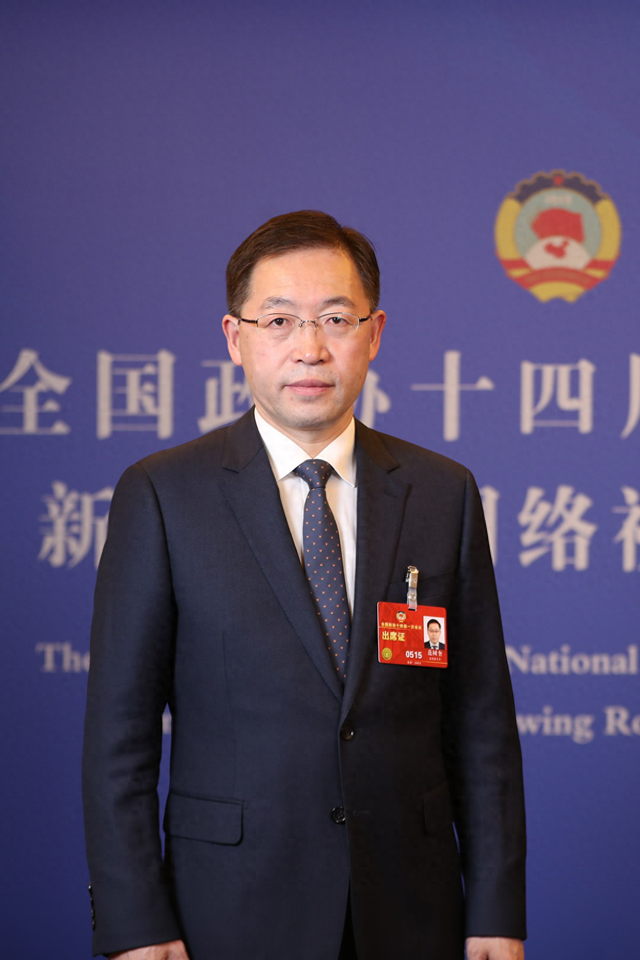
代表委员通道|罗晓东委员:为“云药”腾飞插上科技翅膀
Xin Lang Cai Jing· 2026-01-31 06:05
Core Insights - Yunnan has a rich biodiversity and ranks among the top in China for traditional Chinese medicine cultivation area and variety, providing a solid foundation for the biopharmaceutical industry [1] - The biopharmaceutical industry in Yunnan has shown significant development, with companies like Yunnan Baiyao and Beitaini leading the market with their unique products [1] - Despite the potential, the industry faces challenges such as low levels of deep processing, insufficient core technological support, and a lack of integration between research and industry [1][2] Group 1: Industry Development - Yunnan's biopharmaceutical industry has made notable progress, with leading companies capitalizing on unique product offerings [1] - The industry is characterized by a strong foundation in traditional medicine, but it requires advancements in technology and processing capabilities [1] Group 2: Challenges and Recommendations - Key challenges include insufficient core technology, gaps in the translation of laboratory results to industry applications, and low levels of automation [1][2] - Recommendations include transitioning from resource-dependent to innovation-driven models, emphasizing technological empowerment in deep processing [1][2] - Establishing interdisciplinary innovation teams and enhancing collaboration between universities, research institutions, and enterprises is crucial for overcoming existing barriers [2] Group 3: Technological Advancements - The focus should be on modernizing traditional drugs and enhancing smart manufacturing through digital quality management systems and intelligent production lines [2] - The adoption of AI technology is recommended to optimize production parameters, reduce R&D cycles, and lower production costs [2] - Strengthening brand development and upgrading standards to promote the internationalization of natural drug products is essential for increasing the visibility of Yunnan's biopharmaceutical offerings [2]
上海生物医药构筑多元增长极 产业迈入创新生态迭代的正向循环
Jie Fang Ri Bao· 2026-01-31 02:13
Core Insights - The global biopharmaceutical industry is still experiencing a "capital winter" in 2025, undergoing deep structural adjustments and facing a critical period of transformation and reconfiguration [1] - Shanghai's biopharmaceutical industry has shown resilience and steady growth, with manufacturing output reaching 209.9 billion yuan, driven by a shift towards innovative and high-quality enterprises [2] Structural Optimization: Full-Chain Innovation Development - The shift from generic drugs to innovative drugs is exemplified by the success of Silver诺药业, which launched the first original human long-acting GLP-1 drug in China, benefiting many patients with type 2 diabetes [3] -艾力斯医药's revenue surged from 530 million yuan in 2021 to 3.56 billion yuan in 2024, with a compound annual growth rate of 88.6% [3] - In 2025, Shanghai approved nine domestic Class 1 innovative drugs, ranking second nationally, and accounted for 33% of business development transactions in the country, leading the nation [3] Policy Support and Innovation Ecosystem - Over the past five years, Shanghai has approved 32 domestic Class 1 innovative drugs, maintaining its position as a leader in the industry [4] - The city has implemented forward-looking policies, such as the drug listing license holder system, to address the challenges of "having technology but no factory" [4] New Growth Areas: Diverse Expansion - Shanghai is emerging as a leader in brain-computer interface technology, with nearly 30 registered companies and significant funding in this sector [5] - The city also leads in cell and gene therapy, with 57% of the country's products launched between 2021 and September 2025 [5] AI-Driven Pharmaceutical Innovation - AI-driven drug development is reshaping research paradigms, with 英矽智能 discovering 27 preclinical candidates, 13 of which have received clinical trial approvals [6] - By the end of 2025, 英矽智能 is expected to become the first AI pharmaceutical company listed on the Hong Kong Stock Exchange, raising a record 2.277 billion HKD [6] Global Value Co-Creation - Shanghai's innovative drugs are increasingly entering global markets, transitioning from a one-time sale model to a co-creation model, enhancing their bargaining power [8] - 和铂医药's licensing transactions exceeded 7 billion USD in 2025, reflecting the growing international recognition of Shanghai's innovative drug development capabilities [8] Globalization of Innovative Medical Devices - 联影医疗 has launched over 140 proprietary products, entering more than 90 countries and regions, showcasing the global reach of Shanghai's innovative medical devices [9] - The city has established supportive policies for innovative drugs and devices that achieve registration and sales in multiple countries, providing up to 10 million yuan in support for qualifying projects [9]
苏州市人力资源服务业与制造业融合发展十大工程(2026-2027年)
Su Zhou Ri Bao· 2026-01-31 00:27
Group 1 - The core viewpoint of the news is the comprehensive upgrade of the "Suzhou Talent Network" employment service portal, which aims to enhance data sharing between departments and utilize big data analysis and intelligent prediction technologies to align human resources with industry development trends [1] - The initiative includes the release of key industry and human resource maps covering advanced manufacturing and service sectors, facilitating precise talent cultivation and improving service quality [1] Group 2 - The project targets the top 100 global human resource service providers and aims to attract over 10 leading institutions in intelligent manufacturing and digital economy by 2027 [2] - It plans to nurture high-growth human resource service institutions, with a goal of cultivating more than 10 institutions with annual revenues exceeding 1 billion by 2027 [2] Group 3 - The focus is on collaborative innovation within key industry clusters such as electronic information and biomedicine, supporting the selection of leading enterprises and institutions for pilot projects in overseas talent development and high-end recruitment services [3] - By 2027, the goal is to establish at least 10 "Human Resource Service-Manufacturing Innovation Alliances" and set up at least 2 postdoctoral research stations or provincial innovation practice bases [3] Group 4 - The initiative aims to create skill training complexes that encourage collaboration among enterprises, human resource service providers, and vocational schools, with a target of establishing at least 10 training bases by 2027 [4] Group 5 - The plan includes forming regional and industry-specific recruitment coalitions to address structural and seasonal labor shortages, with a target of creating at least 10 effective recruitment coalitions by 2027 [5] - These coalitions aim to serve over 500 key enterprises and resolve labor needs for more than 100,000 individuals annually [5] Group 6 - The project emphasizes enhancing human resource service exports by establishing overseas service points and fostering collaboration with enterprises venturing abroad [6][7] - By 2027, the goal is to cultivate over 10 quality overseas service institutions and provide services to more than 1,000 outbound enterprises [7] Group 7 - The initiative supports the development of AI applications in human resources, focusing on areas like intelligent recruitment and virtual training, with a target of nurturing at least 30 innovative projects by 2027 [8] Group 8 - The plan includes providing public management diagnostic services to small and medium-sized enterprises (SMEs) and developing modular, lightweight, and SaaS-based service packages to enhance recruitment efficiency [9] - By 2027, the goal is to serve over 1,000 SMEs and develop at least 20 standardized service products [9] Group 9 - The initiative aims to build an innovative ecosystem by organizing industry training and activities, targeting to conduct at least 200 events by 2027 and serve over 1,000 human resource-related enterprises [10] Group 10 - The project supports the construction of human resource service industrial parks, aiming for full coverage at the county level by 2027 and promoting the development of specialized and branded parks [11] - It plans to establish at least 100 service stations in manufacturing clusters to enhance resource sharing and functional complementarity [11]
【聚焦2026云南省两会】一体推进教育科技人才发展|云岭时评
Xin Lang Cai Jing· 2026-01-30 23:53
Core Viewpoint - Education, technology, and talent are foundational and strategic supports for building a modern socialist country, creating a virtuous cycle that enhances high-quality development [1] Group 1: Education and Talent Development - The province focuses on cultivating localized application-oriented talents in industries such as green energy, biomedicine, and cultural tourism, addressing structural contradictions in talent supply and demand [1] - There is a need to optimize educational resource supply and enhance the integration of ideological and political courses with curriculum, ensuring education returns to its essence of nurturing individuals [1] Group 2: Technological Innovation - Strengthening technology empowerment is essential, linking basic research with applied research, and promoting the growth of specialized and innovative small and medium-sized enterprises as well as high-tech companies [1] - A systematic approach to technology transfer and transformation of achievements is necessary to attract high-quality resources to the region [1] Group 3: Talent Evaluation and Collaboration - The construction of an innovative talent team should be prioritized, establishing a collaborative model for technological breakthroughs, talent cultivation, discipline development, and industrial growth [1] - Reforms in talent evaluation are crucial to support the integrated development of education, technology, and talent [1] Group 4: Strategic Importance - Recognizing the integrated development of education, technology, and talent is vital for solidifying the foundation of high-quality development, contributing to the construction of a strong technological nation and achieving high-level self-reliance in technology [1]
上海美迪西生物医药股份有限公司 2025年年度业绩预告
Zheng Quan Ri Bao· 2026-01-30 23:24
证券代码:688202 证券简称:美迪西 公告编号:2026-003 本公司董事会及全体董事保证本公告内容不存在任何虚假记载、误导性陈述或者重大遗漏,并对其内容 的真实性、准确性和完整性依法承担法律责任。 重要内容提示: ● 经上海美迪西生物医药股份有限公司(以下简称"公司")财务部门初步测算,预计2025年度将出现亏 损,公司实现归属于母公司所有者的净利润为-18,600万元到-12,400万元,与上年同期(法定披露数 据)相比,亏损预计减少14,485万元到20,685万元,同比减亏43.78%至62.52%。 ● 预计2025年年度实现归属于母公司所有者的扣除非经常性损益后的净利润为-20,400万元到-13,600万 元,与上年同期(法定披露数据)相比,亏损预计减少14,371万元到21,171万元,同比减亏41.33%至 60.89%。 一、本期业绩预告情况 (一)业绩预告期间 2025年1月1日至2025年12月31日。 (二)业绩预告情况 (1)经公司财务部门初步测算,预计2025年年度实现归属于母公司所有者的净利润为-18,600万元 到-12,400万元,与上年同期(法定披露数据)相比,亏损 ...

德展大健康股份有限公司2025年度业绩预告
Zhong Guo Zheng Quan Bao - Zhong Zheng Wang· 2026-01-30 23:22
Group 1 - The company expects a negative net profit for the fiscal year 2025, which spans from January 1, 2025, to December 31, 2025 [1] - The preliminary financial data for the profit forecast has not been audited by the accounting firm, but there are no disagreements between the company and the auditors regarding this forecast [1] - The expected negative net profit is attributed to several factors: ongoing investments in nurturing business and R&D innovation, the impact of centralized procurement policies on revenue, and prudent impairment provisions for long-term equity investments, goodwill, and other receivables [1]

上海君实生物医药科技股份有限公司2025年年度业绩预告
Shang Hai Zheng Quan Bao· 2026-01-30 23:17
Core Viewpoint - The company, Junshi Biosciences, forecasts a significant increase in revenue for the year 2025, alongside a reduction in net losses compared to the previous year [2][9]. Financial Performance Forecast - The company expects to achieve approximately 2.5 billion yuan in revenue for 2025, representing a year-on-year increase of about 28.32% [2]. - Research and development expenses are projected to be around 1.353 billion yuan, reflecting a growth of approximately 6.10% compared to the previous year [2]. - The net loss attributable to the parent company is anticipated to be around 873 million yuan, a reduction of approximately 31.85% year-on-year [2][3]. - After excluding the impact of share-based payments, the net loss is expected to be around 799 million yuan, indicating a decrease of about 37.62% compared to the previous year [2][3]. Previous Year Performance - In 2024, the company reported a revenue of approximately 1.949 billion yuan [5]. - The R&D expenses for 2024 were about 1.275 billion yuan [6]. - The total profit for 2024 was a loss of approximately 1.358 billion yuan, with a net loss attributable to the parent company of around 1.281 billion yuan [6]. Reasons for Performance Changes - The increase in revenue is primarily attributed to the growth in sales of commercialized drugs, particularly the core product, Toripalimab injection (brand name: Tuoyi), which saw significant sales growth in the domestic market [8][9]. - The company has expanded its global commercialization network, with Toripalimab approved for sale in over 40 countries and regions, enhancing its competitive edge [8][9]. - Despite the expected net loss, the company has improved its commercial capabilities and cost management, focusing on high-efficiency advancement of its core pipeline, including several innovative drugs in clinical trials [9].

范树奎:国家级并购基金将引领产业整合升级
Xin Lang Cai Jing· 2026-01-30 18:44
Core Viewpoint - The establishment of a national-level merger and acquisition (M&A) fund is expected to drive China's industrial integration into a "strategic-led" new phase, shifting the core logic from spontaneous market integration to a dual-driven approach of national strategy and market efficiency [3][4]. Group 1: Characteristics of the National-Level M&A Fund - The national-level M&A fund will have six key characteristics: clearer strategic orientation, optimized resource allocation, more flexible investment methods, stronger risk control, enhanced innovation drive, and promotion of industry advantages [4][5]. - It will focus on critical areas such as key core technology breakthroughs, supply chain security, and the development of strategic emerging industries, thereby enhancing the overall competitiveness of the national industry [4][5]. Group 2: Collaboration with Regional Funds - The national-level M&A fund will work in conjunction with regional funds in areas like Beijing-Tianjin-Hebei, the Yangtze River Delta, and the Greater Bay Area, creating a synergistic system that promotes high-quality development [6][7]. - It will facilitate the flow of technology, talent, and capital across regions, forming a "research-development-transformation-industry" cross-regional chain [7]. Group 3: Investment Focus Areas - The fund will prioritize investments in three main dimensions: traditional pillar industries (e.g., steel, non-ferrous metals, construction materials), emerging technology industries (e.g., integrated circuits, renewable energy), and future industries (e.g., quantum computing, brain-machine interfaces) [8][9]. - Companies that align with these investment areas should possess digital transformation capabilities, core technologies, and clear equity structures to attract early-stage investment or acquisition [9]. Group 4: Avoiding Internal Competition - To prevent "involution" competition between the national-level M&A fund and local industry funds, it is crucial to strengthen top-level design, improve coordination mechanisms, and clarify functional positioning [10][11]. - Establishing a multi-level, complementary fund ecosystem will maximize capital aggregation and effectively support the construction of a modern industrial system [12].