电子信息

Search documents
从“制造立市”到“文旅兴城”,衡阳市交出“十四五”精彩答卷
Chang Sha Wan Bao· 2025-10-20 10:46
Core Insights - Hengyang has demonstrated significant development over the past five years, aligning with the "14th Five-Year Plan" and focusing on the "three highs and four new" blueprint [3][5] - The city's GDP has increased from 350.85 billion yuan in 2020 to 449.17 billion yuan in 2024, with an average annual growth rate of 6%, ranking second in the province [3] - Hengyang has achieved notable success in industrial cluster development, with several clusters recognized at the national level, contributing to its status as a key player in advanced manufacturing and digital economy [3][4] Economic Development - Hengyang's per capita disposable income has improved to 1.61, maintaining the highest level in Hunan province, indicating significant progress in common prosperity [3] - The city has received 45 national and provincial platform recognitions, including being designated as a national key city and provincial sub-center [5] - Policies such as "Park 18 Articles" and "Heng 10 Articles" have been implemented to optimize the development environment [5] Industrial Growth - The city is focusing on five key industries, including high-voltage transmission and salt chemical industries, with strong leading enterprises in these sectors [6] - Emerging industries such as intelligent weighing measurement, resource recycling, and digital economy are being prioritized, with the intelligent weighing measurement industry expected to exceed 20 billion yuan this year [6] - Hengyang is also laying the groundwork for future industries, including humanoid robotics and commercial manned spaceflight, with significant investments and developments underway [6] Social and Environmental Progress - Hengyang has seen a continuous decline in production safety incidents and fatalities over the past five years, indicating improved safety standards [4] - The city's air quality has remained stable, with over 87% of days classified as having good air quality, reflecting ongoing environmental improvements [4] - Community governance initiatives have been recognized at both national and provincial levels, showcasing effective local governance models [3]

50亿,江夏科投与北京电控产投拟共同成立产业投资基金
FOFWEEKLY· 2025-10-20 10:09
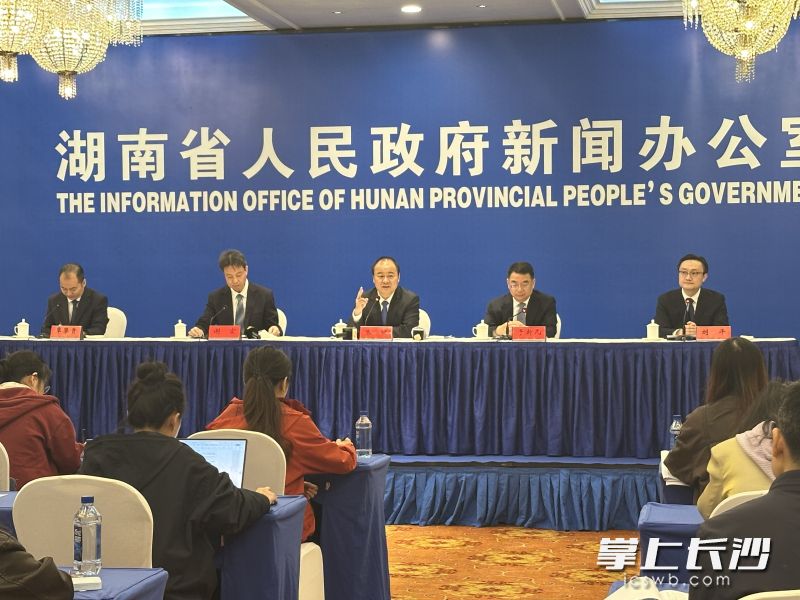
Core Viewpoint - The strategic cooperation agreement between Jiangxia Technology Investment Group and Beijing Electric Control Industry Investment focuses on leveraging national strategic emerging industries and global information technology industry chain restructuring opportunities, aiming for resource sharing and complementary advantages in key sectors like integrated circuits and new information technologies [1]. Group 1 - Jiangxia Technology Investment Group and Beijing Electric Control Industry Investment will establish a 5 billion yuan industry investment fund to be registered in Jiangxia [1]. - The collaboration will emphasize comprehensive cooperation in the electronic information industry and the broader financial sector, utilizing capital operation and investment platform resources [1]. - The partnership targets forward-looking layouts in key industries such as integrated circuits, new displays, next-generation information technology, and optoelectronics [1].

深圳领跑前三季度城市外贸,单月增速转负
Di Yi Cai Jing· 2025-10-20 08:29
Core Insights - Shenzhen's foreign trade showed resilience in the first three quarters of 2024, maintaining its position as the leading city for foreign trade in mainland China with a total import and export value of 3.36 trillion yuan, a year-on-year increase of 0.1% [1][2] - In September, however, Shenzhen experienced a decline in monthly trade for the first time in four months, with total trade dropping by 1.3% to 403.6 billion yuan, driven by geopolitical factors and fluctuations in the international shipping market [1][2] - The overall decline in September was less severe compared to the same month last year, where the year-on-year drop in total trade was 4.2% [1] Trade Composition - General trade accounted for over half of Shenzhen's foreign trade, with a total of 1.81 trillion yuan, representing 53.8% of the total trade value [2] - Private enterprises dominated the trade landscape, contributing 2.32 trillion yuan, or 68.9% of the total, while foreign-invested enterprises saw a 12.7% increase in trade [2] - The top ten trading partners accounted for nearly 80% of Shenzhen's trade, with significant growth in exports to regions such as Hong Kong, Taiwan, and the EU [2] Sector Performance - The traditional electronics sector maintained a competitive edge, with exports of electromechanical products reaching 1.54 trillion yuan, a 4.5% increase, making up 75.7% of total exports [2][3] - Key products in the electronics sector included computers and components, with exports of 236.65 billion yuan and 67.53 billion yuan, respectively, showing growth rates of 10.6% and 6.3% [3] - Emerging industries also performed well, with lithium batteries and 3D printers seeing export growth of 36.6% and 14%, respectively [4] Import Trends - Imports of electromechanical products grew by 10.7% to 1.08 trillion yuan, accounting for 81.4% of total imports, driven by the rapid application of artificial intelligence technology [4] - Integrated circuits were a significant import category, totaling 591.75 billion yuan, reflecting a 17.7% increase [4] - Agricultural imports also saw growth, with total imports of agricultural products reaching 75.23 billion yuan, a 9.3% increase [4] Long-term Growth - Shenzhen's foreign trade has demonstrated strong resilience, with an average annual compound growth rate of 10.2% over the past five years, surpassing the national average by 2.1 percentage points [4] - The city is projected to surpass 3 trillion yuan in trade in 2023 and 4 trillion yuan in 2024, contributing over 30% to national foreign trade growth [4]
广东将率先完成约200个产品碳足迹核算评价 探索建立粤港澳大湾区产品碳足迹互认机制
Nan Fang Ri Bao Wang Luo Ban· 2025-10-20 07:58
Core Viewpoint - The Guangdong Provincial Ecological Environment Department announced a plan to establish a carbon footprint management system by 2027, aiming to evaluate the carbon footprint of approximately 200 products [1][2]. Group 1: Carbon Footprint Assessment - The carbon footprint refers to the total carbon dioxide and greenhouse gas emissions directly or indirectly released during production and daily activities [2]. - The focus will be on assessing the carbon footprint of key products in Guangdong, including electronics, offshore wind equipment, new energy vehicles, home appliances, and textiles, which have significant production volumes and market shares [2]. - Priority will be given to products in industries with carbon footprint reporting requirements, such as steel, cement, aluminum, fertilizers, electricity, and hydrogen, especially in light of the EU's carbon border adjustment mechanism [2]. Group 2: Support for Low-Carbon Products - The plan aims to expand the application of product carbon footprints, integrating them into financial policies and encouraging financial institutions to consider carbon footprint disclosures in their evaluations [3]. - Government procurement will increasingly favor products with lower carbon footprints, with initiatives linked to major events like the National Games [3]. - The initiative promotes the establishment of zero-carbon parks and encourages green factories to conduct carbon footprint assessments [3]. Group 3: International Recognition Mechanism - The plan proposes exploring a mutual recognition mechanism for product carbon footprints within the Guangdong-Hong Kong-Macao Greater Bay Area, focusing on shared methodologies and standards [4]. - It emphasizes international cooperation, aiming to establish a carbon footprint alliance involving key enterprises and industry associations to collaborate on standards and databases [4].
打造内陆开放新高地 安徽蚌埠综合保税区通过国家验收
Yang Shi Xin Wen Ke Hu Duan· 2025-10-20 07:29
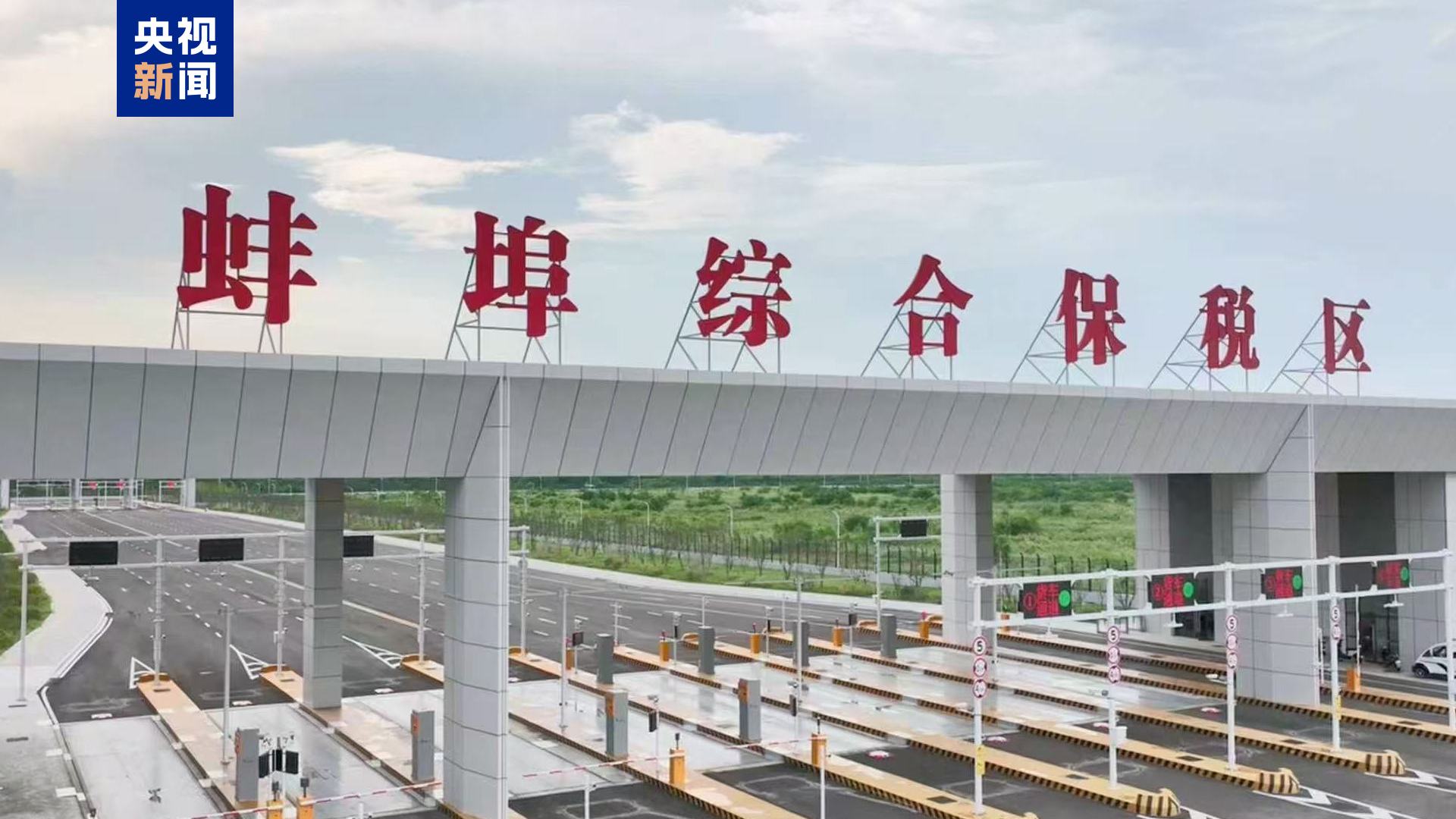
Core Viewpoint - The successful acceptance of the Bengbu Comprehensive Bonded Zone by a joint inspection team from seven national ministries marks the establishment of the first comprehensive bonded zone in northern Anhui Province, enabling it to commence operations [1][3]. Group 1: Infrastructure and Evaluation - The joint inspection team conducted a thorough evaluation of the zone's infrastructure, including checkpoints, inspection areas, patrol roads, fencing, and customs service halls, concluding that they meet national standards [3]. - The Bengbu Comprehensive Bonded Zone was approved for establishment by the State Council on July 28, 2024, with a planned area of 1.26 square kilometers [3]. Group 2: Functional Areas and Industry Focus - The zone is designed to include five functional areas: bonded processing, bonded logistics, bonded research and development, bonded services, and customs inspection, focusing on key industries such as electronic information, auto parts, new energy, and new materials [3]. Group 3: Economic Impact and Strategic Advantages - Once operational, the Bengbu Comprehensive Bonded Zone will leverage its position as a national transportation hub and the combined advantages of being a national high-tech zone, a free trade pilot zone, and a comprehensive bonded zone to attract and extend the industrial chain [5]. - The zone is expected to play a significant role in promoting foreign trade, attracting foreign investment, and facilitating industrial transformation and upgrading, while also enhancing the transfer of industries from the Yangtze River Delta region [5].
3.36万亿元,保持首位!深圳外贸韧性何来?
Sou Hu Cai Jing· 2025-10-20 05:49
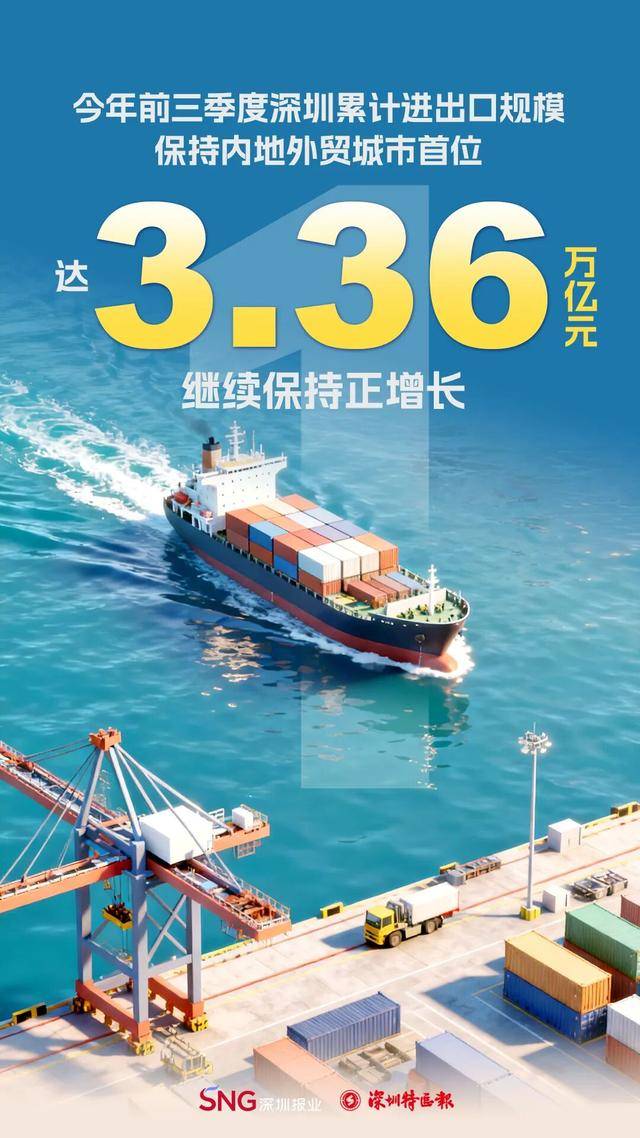
Core Viewpoint - Despite a challenging external environment, Shenzhen's foreign trade continues to show resilience and maintain a steady growth momentum, with a total import and export scale of 3.36 trillion yuan in the first three quarters of the year, marking a year-on-year increase of 0.1% [1][3]. Group 1: Trade Performance - Shenzhen's total import and export volume reached 3.36 trillion yuan, maintaining its position as the leading foreign trade city in mainland China [1]. - Exports amounted to 2.04 trillion yuan, while imports reached 1.32 trillion yuan, with imports growing by 8.4% [1]. - In the first three quarters, Shenzhen's private enterprises accounted for 68.9% of total imports and exports, amounting to 2.32 trillion yuan [9]. Group 2: Role of Private Enterprises - Private enterprises, which make up 97% of the market, are the main force in stabilizing Shenzhen's foreign trade and driving market expansion [5]. - Traditional industries are actively transforming by aligning with diverse overseas demands and moving up the value chain [5]. - Innovations such as the V'mo fingerprint lock bag, which won the 2025 German iF Design Award, exemplify the technological advancements and market adaptability of Shenzhen brands [5][6]. Group 3: Product Innovation - Product innovation is identified as the core competitive advantage for brands going global, with many Shenzhen companies achieving significant breakthroughs [6]. - Shenzhen's bicycle manufacturer, Xidesheng, has developed a carbon fiber bike frame weighing only 560 grams, showcasing its technological prowess [7]. - In the first three quarters, Shenzhen exported bicycles worth 770 million yuan, reflecting a year-on-year growth of 34.5% [7]. Group 4: Export Structure and New Industries - The general trade method, characterized by longer supply chains and higher added value, accounted for 53.8% of Shenzhen's total import and export value, amounting to 1.81 trillion yuan [10]. - Emerging industries, including 3D printing and lithium batteries, are driving export growth, with lithium battery exports increasing by 36.6% [11]. - Shenzhen's traditional electronic information products, such as computers and audio-visual equipment, also maintained a competitive edge, with exports growing by 10.6% and 6.3% respectively [11]. Group 5: Expanding Trade Partnerships - Shenzhen's foreign trade partnerships are expanding, with total imports and exports to the top ten trading partners reaching 2.63 trillion yuan, a growth of 2.2% [13]. - The ASEAN region has become a significant trading partner, providing more export opportunities, especially for high-value products [13]. - The 22nd China-ASEAN Expo facilitated significant orders for Shenzhen's innovative products, further solidifying its influence in the ASEAN market [13]. Group 6: Import Trends - Imports of electromechanical products reached 1.08 trillion yuan, growing by 10.7% and accounting for 81.4% of total imports [15]. - Agricultural product imports also saw a growth of 9.3%, amounting to 752.3 million yuan [15].
3.36万亿!前三季度深圳外贸继续领跑
Nan Fang Du Shi Bao· 2025-10-20 05:14
Core Insights - Shenzhen's foreign trade has shown resilience in 2023, maintaining its position as the leading city for foreign trade in mainland China with a total import and export scale of 3.36 trillion yuan, reflecting a year-on-year growth of 0.1% [2] Group 1: Trade Performance - Total exports reached 2.04 trillion yuan, while imports amounted to 1.32 trillion yuan, marking an 8.4% increase in imports [2] - General trade accounted for over half of the total trade, with a value of 1.81 trillion yuan, representing 53.8% of the total [2] - Bonded logistics saw a significant growth of 8.7%, totaling 902.43 billion yuan, which is 26.8% of the total trade [2] - Processing trade recorded an import and export value of 635.64 billion yuan, growing by 2.1% [2] Group 2: Enterprise Contributions - Private enterprises contributed significantly to trade, with a total of 2.32 trillion yuan in imports and exports, accounting for 68.9% [2] - Foreign-invested enterprises also showed robust growth, with imports and exports reaching 926.88 billion yuan, a 12.7% increase, making up 27.6% of the total [2] - State-owned enterprises had a smaller share, with imports and exports totaling 117.6 billion yuan [2] Group 3: Trade Partners - The top ten trading partners accounted for nearly 80% of Shenzhen's total trade, with a combined value of 2.63 trillion yuan, reflecting a growth of 2.2% [2] - Trade with Hong Kong, Taiwan, the EU, South Korea, Japan, and Mexico saw respective growth rates of 8.6%, 16.2%, 2.4%, 8.2%, 17.3%, and 1.6% [2] Group 4: Export Composition - The export of electromechanical products reached 1.54 trillion yuan, growing by 4.5% and constituting 75.7% of total exports [3] - In the traditional electronics sector, exports of computers and components, as well as audio-video equipment, grew by 10.6% and 6.3%, totaling 236.65 billion yuan and 67.53 billion yuan respectively [3] - Integrated circuit exports surged by 40.3%, amounting to 179.43 billion yuan [3] - Emerging industries such as lithium batteries, 3D printers, and medical devices also showed strong export growth rates of 36.6%, 14%, and 5.3% respectively [3] Group 5: Import Trends - Imports of electromechanical products totaled 1.08 trillion yuan, reflecting a growth of 10.7% and accounting for 81.4% of total imports [3] - Integrated circuit imports reached 591.75 billion yuan, growing by 17.7%, while imports of computer components, primarily graphics cards and servers, increased by 24.3% to 222.96 billion yuan [3] - Agricultural product imports amounted to 75.23 billion yuan, with significant growth in grain and aquatic products, increasing by 117.6% and 34.2% respectively [3]

这项增速全国“三连冠”,释放海南“向新力”
Hai Nan Ri Bao· 2025-10-20 01:06
Core Insights - Hainan Province's R&D expenditure reached 10.961 billion yuan in 2024, marking a year-on-year increase of 1.981 billion yuan, or 22.1%, significantly outpacing the national growth rate of 13.2% [1] - This marks the third consecutive year that Hainan has led the nation in R&D expenditure growth, indicating a sustained commitment to technological innovation and high-quality development [1][2] Group 1: R&D Expenditure Overview - R&D expenditure is defined as the total funds invested in basic research, applied research, and experimental development aimed at achieving technological breakthroughs and product innovations [2] - Hainan's R&D expenditure has shown a clear upward trajectory, increasing from 3.267 billion yuan in 2018 to 6.837 billion yuan in 2022, maintaining double-digit growth for three consecutive years [2] - In 2022, Hainan's R&D expenditure intensity surpassed 1% for the first time, reaching 1.02%, and continued to lead the nation in growth rates in 2023 and 2024 [2] Group 2: Government and Policy Support - The Hainan government has placed significant emphasis on technological innovation as a key driver for the development of the Hainan Free Trade Port [3] - Strategic government initiatives and policy support have fostered an environment conducive to innovation, integrating innovation deeply into the fabric of the Free Trade Port's development [3] Group 3: Innovation Ecosystem and Investment Structure - In 2024, the distribution of R&D funding sources in Hainan was 26.7% from enterprises, 53.2% from government research institutions, 19.7% from higher education institutions, and 0.4% from other sources, reflecting a "government-led, multi-party collaboration" innovation model [7] - The allocation of R&D funds in 2024 was 20.6% for basic research, 22.1% for applied research, and 57.3% for experimental development, indicating a strong focus on industrial application and results transformation [7] Group 4: Regional Focus and Development - The cities of Haikou and Sanya accounted for 84.6% of Hainan's total R&D expenditure in 2024, with Haikou investing 5.073 billion yuan and Sanya 4.203 billion yuan [8] - Haikou is developing as an innovation city with a concentration of research institutions and high-tech enterprises, while Sanya is focusing on becoming a hub for seed industry and deep-sea technology [8] Group 5: Future Outlook - The continuous increase in R&D funding signals Hainan's commitment to becoming a nurturing ground for innovation, attracting global talent, capital, and technology [8] - The "three consecutive years" of leading growth in R&D expenditure is viewed as a new starting point for Hainan's goal of becoming an innovative province [9]
GDP更新!我国70强城市公开:深圳远超重庆,杭州增速11.5%,镇江约3000亿!
Sou Hu Cai Jing· 2025-10-19 17:45
Core Insights - The GDP rankings of China's top 70 cities for the first half of 2025 reveal a shifting economic landscape driven by regional coordination and innovation [1][3] - Shanghai and Beijing lead the rankings, while Shenzhen shows a significant advantage over Chongqing, and Hangzhou emerges as a growth leader with an 11.5% growth rate [1][3] Group 1: Economic Performance - The number of cities with a GDP exceeding 1 trillion yuan has increased to 9, with Shanghai and Beijing surpassing 2.5 trillion yuan [3] - Notable growth rates include Hangzhou and Xi'an, both exceeding 10%, while some traditional industrial cities have growth rates below 4% [3][4] - The Yangtze River Delta and Pearl River Delta city clusters contributed over half of the GDP growth, with central and western cities like Chengdu and Wuhan maintaining steady growth [3][4] Group 2: Key Cities Analysis - Shenzhen's GDP reached 18,322.26 billion yuan, maintaining a lead over Chongqing by over 3,200 billion yuan, driven by its geographical advantages and innovation [9][10] - Hangzhou's GDP for the first half of 2025 was 11,302.72 billion yuan, with a growth rate of 11.5%, largely fueled by its digital economy and the influence of Alibaba [12] - Zhenjiang, with an annual GDP of approximately 3000 billion yuan, demonstrates resilience through its high-end manufacturing sector, which accounts for 41% of its economy [14] Group 3: Sectoral Insights - Shenzhen's focus on high-tech industries, such as integrated circuits and artificial intelligence, is reflected in its R&D investment, which constitutes 5.07% of its GDP [9][10] - Hangzhou's service sector, driven by the digital economy, has risen to 68% of its GDP, highlighting the city's reliance on technology [12] - Zhenjiang's strategy includes enhancing its aerospace industry and increasing the patent conversion rate from local universities to strengthen its economic base [14] Group 4: Future Challenges and Opportunities - The rapid growth in cities like Hangzhou raises concerns about risk management due to the high proportion of the digital economy, necessitating diversification into sectors like biomedicine [12] - Zhenjiang faces challenges in scaling its economy beyond 3000 billion yuan, requiring strategic collaboration with the Nanjing metropolitan area to attract talent and resources [14] - The overall competition among cities reflects a need to balance growth quality and speed while fostering regional cooperation [16]
专访黄群慧:推进产业基础高级化,加大新基建投资
2 1 Shi Ji Jing Ji Bao Dao· 2025-10-19 12:15
Core Insights - The article discusses the transition from the "14th Five-Year Plan" to the "15th Five-Year Plan" in China, emphasizing the need for economic growth and industrial transformation during this critical period [1][6]. Economic Growth and Modernization - The "15th Five-Year Plan" requires a higher economic growth target compared to the "14th Five-Year Plan," aiming for around 5% growth to achieve a middle-income level by 2035 [6][7]. - As a country approaches modernization, its potential economic growth rate tends to decline, necessitating a focus on high-quality development rather than just quantitative growth [6][7]. Industrial Transformation - Traditional industries must undergo deep transformation, particularly through the integration of artificial intelligence in key sectors such as manufacturing, energy, and consumer goods [2][12]. - The construction of new infrastructure, particularly in computing power, is essential to support the transformation of traditional industries and enhance their competitiveness [2][13]. Technology and Innovation - There is a pressing need to enhance the integration of technological innovation and industrial innovation, focusing on upgrading the industrial foundation and increasing high-quality technological supply [7][8]. - The proportion of basic research funding in overall R&D investment should increase from 8% to around 12% by the end of the "15th Five-Year Plan" to align with international standards [8]. New Infrastructure Investment - Investment in new infrastructure should be accelerated, particularly in areas that support the digital and green transformation of industries [11][13]. - A unified national computing power trading market is proposed to optimize resource allocation and support industrial upgrades [13]. Addressing "Involution" in Emerging Industries - The "15th Five-Year Plan" emphasizes the need to combat "involution" in emerging industries by promoting innovation and limiting subsidies that encourage capacity expansion [15][16]. - A focus on enhancing market regulation and preventing monopolistic practices is crucial to ensure fair competition and protect smaller enterprises [16][17]. Expanding Domestic Demand - Expanding domestic demand is essential to alleviate capacity issues in certain industries, with a shift from investment-driven growth to consumption-driven growth [17]. - The establishment of a unified national market is necessary to facilitate resource integration and collaboration across regions, enhancing overall economic stability [17].