
旅游业

Search documents
海南离岛且离境旅客免税购物超2000万元
Xin Lang Cai Jing· 2025-12-31 20:03
Core Insights - The article discusses the expansion of the duty-free shopping policy in Hainan, which now includes departing travelers, effective from November 1, 2025 [1] Group 1: Policy Changes - The new policy allows "departing and leaving travelers" to enjoy duty-free shopping, defined as travelers over 18 years old who have purchased tickets to leave Hainan and possess valid exit documents [1] - The annual duty-free shopping limit for these travelers is set at 100,000 RMB, with no restrictions on the number of purchases [1] Group 2: Regulatory Measures - Haikou Customs has implemented innovative regulatory measures to ensure the smooth implementation of the policy, including centralized and automated review processes [1] - The customs authority has introduced a "review upon arrival" service for duty-free products to expedite the availability of new and popular items [1] Group 3: Future Plans - Haikou Customs aims to further optimize the regulatory services for departing travelers and enhance the construction of Hainan as an international tourism consumption center [1]
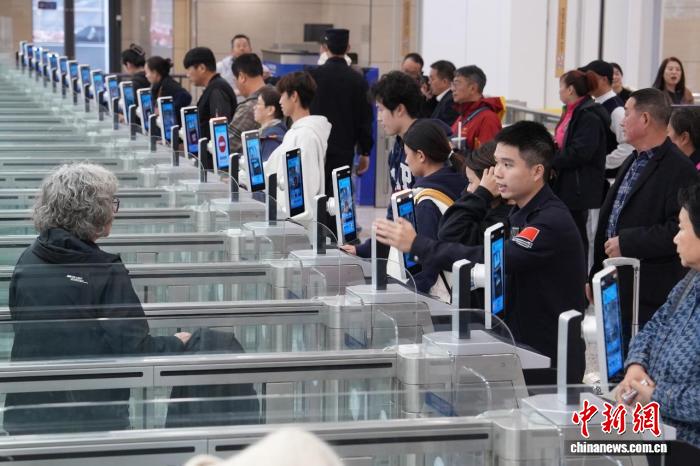
横琴“一签多行”政策实施一周年成效显著
Zhong Guo Xin Wen Wang· 2025-12-31 13:31
Core Insights - The "One Permit, Multiple Entries" policy in Hengqin has shown significant results one year after its implementation, with over 830,000 people using the permit to cross the border into Macau [1][3]. Group 1: Policy Impact - The policy has activated new momentum for integrated development between Hengqin and Macau, with a notable increase in cross-border travel [1]. - As of September 2025, the resident population in the Hengqin Guangdong-Macau Deep Cooperation Zone reached 46,000, a year-on-year increase of 20.4% [3]. - Approximately 60% of eligible residents have successfully applied for the "One Permit, Multiple Entries" permit, indicating a strong alignment between the policy and public demand for cross-border convenience [3]. Group 2: Usage Statistics - The usage of the "One Permit, Multiple Entries" permit has shown a steady growth trend, with monthly crossings increasing from 32,000 in January to over 120,000 in December, representing a growth of over 275% [3]. - Most permit holders travel to Macau at least once a month, with some residents making weekly trips for various purposes such as tourism, shopping, and visiting friends [3]. Group 3: Future Projections - The Hengqin border inspection station anticipates that daily passenger flow during the New Year holiday in 2026 will exceed 100,000, a year-on-year increase of over 30% [4]. - Peak outbound traffic is expected between 9:00 AM and 2:00 PM, while peak inbound traffic will occur from 4:00 PM to 10:00 PM [4].

省文旅厅发布《2026年贵州文旅优惠活动方案》
Xin Lang Cai Jing· 2025-12-31 12:42
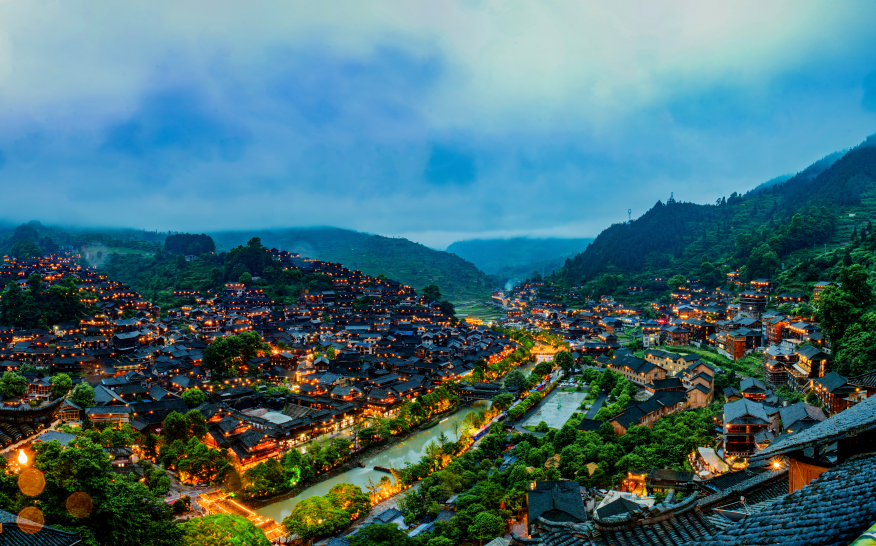
Core Viewpoint - The Guizhou Provincial Culture and Tourism Department has released the "2026 Guizhou Cultural and Tourism Discount Activity Plan" aimed at boosting tourism consumption and promoting high-quality development of the cultural and tourism industry in Guizhou [1][5]. Summary by Sections Discount Policies - From January 1 to December 31, 2026, various groups will enjoy free admission to state-owned A-level tourist attractions in Guizhou, including children under 6, seniors over 65, active and retired military personnel, police, firefighters, healthcare workers, teachers, first-time visitors from Taiwan, and people with disabilities [1][5]. - The plan also includes discounts for students of all levels with valid student identification [1]. Targeted Visitor Groups - The plan targets multiple core visitor groups such as families, educational trips, and senior tourism, significantly reducing travel costs and encouraging more visitors to choose Guizhou as a destination in 2026 [1][5]. Innovative Measures - Two innovative measures have been introduced: 1. A "one ticket, multiple days" policy allowing unlimited access to participating A-level tourist attractions within five days of ticket purchase [4]. 2. A discount for purchasing tickets through the "Yima You Guizhou" platform, offering 50% off on tickets for other A-level attractions within five days of visiting a core scenic area [4]. Economic Impact - The plan continues the trend of "discounts for the public" in Guizhou's tourism strategy, expanding the free admission group and promoting cross-strait cultural exchange with the inclusion of first-time visitors from Taiwan [5]. - The shift from a "ticket economy" to a "comprehensive economy" is emphasized, encouraging tourists to spend on accommodation, dining, shopping, and cultural experiences, thereby extending the tourism industry's benefits [5]. Overall Outlook - As 2026 approaches, a year-long "Colorful Guizhou" initiative has begun, expected to ignite a new wave of tourism in Guizhou with its comprehensive "cultural and tourism gift package" [5].
海南砸重金促旅游,多项补贴2026年起实施
2 1 Shi Ji Jing Ji Bao Dao· 2025-12-31 10:59
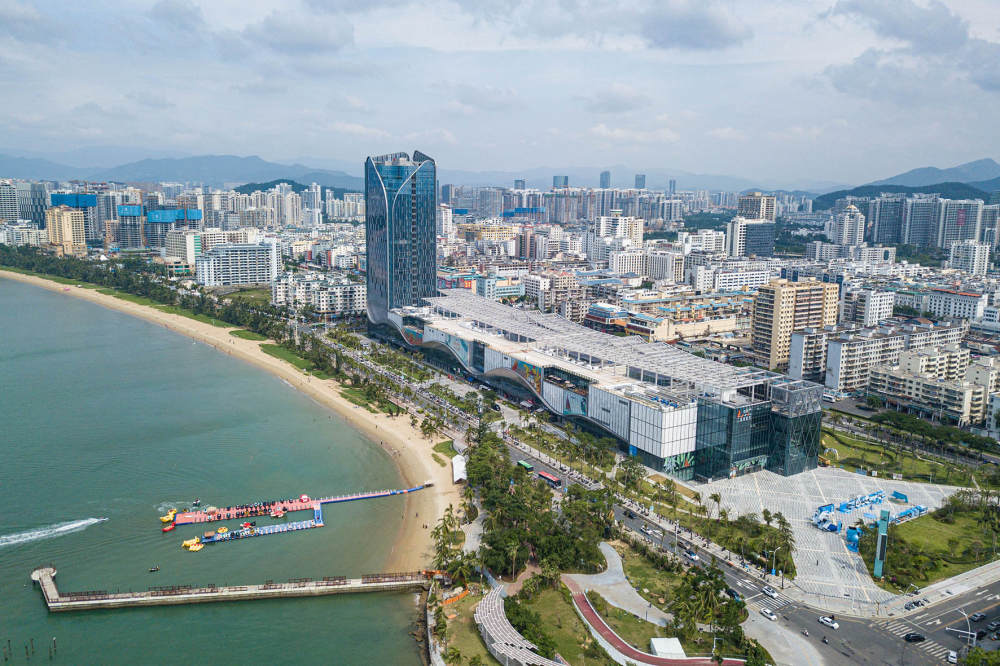
Core Viewpoint - Hainan Province has introduced a series of fiscal measures to boost tourism consumption, aiming to enhance the international tourism consumption center and stimulate economic growth through various support policies [1][3]. Group 1: Fiscal Support Measures - The measures include 16 fiscal support policies covering sports events, performing arts, inbound tourism, and the issuance of consumption vouchers, with individual rewards up to 80 million yuan [1][3]. - Key sports events such as the Hainan Island International Road Cycling Race and the Hainan Island International Sailing Race will receive a total reward of up to 80 million yuan, linked to six performance indicators [3]. - A tiered reward mechanism for the performing arts has been established, with large concerts eligible for rewards ranging from 200,000 to 2.5 million yuan based on ticket sales and revenue [3]. Group 2: Inbound Tourism Enhancement - Five special support policies for inbound tourism have been introduced, focusing on travel agency development, airline promotion, and international marketing efforts [5]. - The visa-free entry for 86 countries and the operation of 87 international passenger routes are expected to further enhance Hainan's appeal to international tourists [7]. Group 3: Financial Support and Infrastructure - The measures include financial support policies to assist tourism enterprises, extending the "Qiong Travel Insurance Loan" program until December 2028, with loan terms up to five years [7]. - The policies also support the operation of island tourism road projects and cruise tourism, aiming to improve the overall tourism product supply [6]. Group 4: Expected Outcomes - Hainan is projected to receive 106 million domestic and international tourists in 2025, a 9% increase year-on-year, with total tourist spending expected to reach 224.98 billion yuan, a 10.3% increase [8].
全链创新与生态深耕——众信旅游集团发布2025年大数据报告
Xin Lang Cai Jing· 2025-12-31 08:53
Core Insights - The report by Zhongxin Tourism Group outlines its strategic practices and performance in the high-quality development phase of the tourism market, showcasing its core competitiveness as an industry leader [1]. Group 1: Business Performance - In 2025, Zhongxin Tourism achieved significant growth, serving over 1.68 million customers, with all three main business segments advancing simultaneously, enhancing product diversity and service quality [3]. - The group has established a multi-brand collaborative development model in the wholesale business, with brands like Unide and Panorama leading the industry [3]. - The product layout covers over 100 global destinations from more than 30 domestic port cities, with over 70,000 SKUs to meet diverse consumer travel needs [3]. Group 2: Retail and Marketing - Retail channel expansion accelerated, with coverage in key regions such as Guangzhou and Chongqing, increasing the number of offline partner stores to 3,000 in 2025, with a target of 5,000 by the end of 2026 [3]. - Successful marketing campaigns, such as "Old Friends to Spring Light" and "The World Belongs to You," generated significant sales, with the former achieving over 130 million yuan in GMV [4]. Group 3: Integrated Marketing Services - Zhongxin Borui served over 240,746 government and corporate clients, executing 14 large-scale events with over 1,000 participants each, collaborating with 1,800 excellent enterprises and government institutions [6]. Group 4: Product Innovation - In 2025, Zhongxin Tourism focused on innovation, creating differentiated product systems to meet diverse customer needs, with product richness increasing by 50% compared to the previous year [8]. - The introduction of unique travel products, such as the "Land Business Class" for European land tours, achieved a 100% satisfaction rate [8]. Group 5: New Business Development - The company expanded into high-end travel, study tours, and inbound tourism, creating a multi-faceted business structure to meet various consumer demands [11]. - The inbound tourism segment saw a growth of over 150% in foreign guest reception compared to 2024, with new product lines catering to Muslim tourists [14]. Group 6: Technology and Service Enhancement - Zhongxin Tourism integrated VR and AI technologies into its services, enhancing customer experience and operational efficiency [15]. - The company established a comprehensive service standard system, achieving 100% coverage and implementation rates across all service stages [16]. Group 7: Future Outlook - Looking ahead to 2026, Zhongxin Tourism plans to expand its partner store network to 5,000, deepen global resource integration, and enhance product innovation, aiming for continuous improvement in business scale and quality [17].

2026年15大行业趋势预测 世界经济将如何变革?
Sou Hu Cai Jing· 2025-12-31 07:21
Group 1: Global Economic Trends - In 2026, global defense spending is expected to reach a historic high of $2.9 trillion, influenced by geopolitical tensions and U.S. policies, with NATO countries planning to increase defense spending to 5% of GDP by 2035 [3][4] - Global energy demand is projected to grow by only 1% in 2026, driven by economic slowdown and improved energy efficiency, while carbon emissions are expected to increase by just 0.7% [4] - The global financial sector will face a new landscape of policy divergence, with major economies expected to lower interest rates, leading to a nearly 5% growth in global bank loans [7][8] Group 2: Automotive Industry - The global automotive market is anticipated to show a complex picture in 2026, with overall new car sales expected to grow by 2.5%, driven by a 15% increase in electric vehicle sales to 24 million units, with China accounting for over half of this market [3] - U.S. automakers are adjusting their electric vehicle strategies due to reduced policy support, with companies like Audi and Aston Martin delaying electric vehicle launches [3] Group 3: Energy Sector - Non-hydro renewable energy generation is expected to surpass 30% of the global energy mix for the first time, exceeding coal [4] - China is projected to add over 300 GW of wind and solar capacity, sufficient to power millions of households [4] Group 4: Healthcare Industry - Global healthcare spending is expected to grow by 5% to nearly $12 trillion, but actual government investment may remain tight due to prioritization of defense and debt reduction [10] - The pharmaceutical market is expected to see a 5% increase in sales, driven by the popularity of oral weight-loss drugs and the introduction of generic drugs in India and China [10] Group 5: Infrastructure Investment - Global infrastructure investment is projected to grow by 6%, exceeding $30 trillion, with nearly half of the investment concentrated in Asia [10][11] - The U.S. is focusing on digital infrastructure, with major tech companies expected to invest $400 billion in data centers [11] Group 6: Consumer Goods and Retail - Global retail sales growth is expected to be limited to 2% in 2026, with markets like India and the Philippines projected to grow by 5% and 7% respectively [15] - Companies are reshaping supply chains in response to trade tensions, with Nike planning to reduce reliance on Chinese manufacturing [16] Group 7: Tourism and Travel - The global tourism industry is expected to see a strong recovery, with international travelers projected to exceed 2 billion and total spending reaching $1.8 trillion [19][20] - The cruise market is set to expand, with at least 16 new cruise ships expected to enter service despite environmental regulations [20] Group 8: Technology and AI - The use of generative AI in businesses is expected to rise significantly, with the proportion of companies utilizing this technology projected to jump from under 5% in 2023 to about 80% by 2026 [18][19] - The demand for AI-related talent is expected to surge, with India alone needing 1 million skilled professionals by 2026 [19]

马踏春风去,麻章过大年
Nan Fang Nong Cun Bao· 2025-12-31 04:33
Core Viewpoint - The article highlights the rich cultural and natural attractions of Mazhang District in Zhanjiang, emphasizing its unique geological features, historical significance, and local culinary delights, making it an appealing destination for the Spring Festival celebrations [2][3][4][5][103]. Natural Attractions - Mazhang Lake and the surrounding geological park are recognized as a World Geopark and a national 4A scenic area, featuring a well-preserved maar lake formed by volcanic activity 140,000 to 160,000 years ago [6][7]. - The lake is noted for its clear waters and unique ecological phenomena, such as the absence of frogs and snakes, which adds a layer of mystery to the area [8][9]. - The area is also home to the ancient Lengyan Temple, built into volcanic rock, which is the only temple in China constructed within a tuff cave [12][13]. Cultural Heritage - The article mentions the historical significance of the old county site in Mazhang, which has a history of over 1,400 years, showcasing ancient architecture and cultural relics [51][52]. - The performance of the Zhanjiang Nuo Dance, a national intangible cultural heritage, is highlighted as a key cultural experience, featuring colorful masks and traditional costumes [57][59]. Culinary Delights - Local cuisine is a major attraction, with specialties such as Mazhang roast pig, praised for its crispy skin and tender meat, which has historical acclaim from figures like Su Dongpo [81][82]. - Fresh seafood from the South China Sea, including shrimp, crabs, and oysters, is emphasized for its authentic flavors, along with traditional snacks like leaf-wrapped rice cakes and century-old pastries [94][96][99]. Community and Festivities - The article encourages visitors to experience the vibrant community life in Mazhang, including local farming culture and the charm of rural villages, especially during the festive season [62][70]. - The narrative promotes a sense of family and togetherness during the Spring Festival, inviting people to escape urban life and enjoy the warmth and hospitality of Mazhang [105][117].

以文化人 以文惠民
Xin Lang Cai Jing· 2025-12-31 04:31
Core Viewpoint - Guizhou is actively promoting cultural heritage and innovation, showcasing the vitality of ethnic culture and enhancing cultural prosperity during the "14th Five-Year Plan" period [1][2]. Cultural Heritage and Innovation - Guizhou's rich cultural heritage is being revitalized through protection, excavation, and innovative creation [2]. - The province has established a robust protection system for red cultural resources, including the implementation of regulations for the Long March National Cultural Park and the protection of red resources [3]. Technological Empowerment - Technology is being utilized to animate cultural relics, with initiatives like immersive exhibitions and AR technology bringing historical artifacts to life [4]. Living Cultural Heritage - During the "14th Five-Year Plan" period, Guizhou has cultivated one national-level cultural ecological protection zone and established over 519 intangible cultural heritage workshops and more than 200 experiential spaces for intangible cultural heritage [5]. Cultural Development and Accessibility - Cultural development in Guizhou is focused on benefiting the people, with public cultural facilities being made freely accessible across urban and rural areas [6][11]. Cultural Innovation and Community Engagement - The popularity of local cultural events, such as "Village BA," reflects the empowerment of the people and the confidence in ethnic culture [7][8]. Cultural Products and Media - Recent television dramas and local artistic productions have achieved significant viewership and acclaim, highlighting the cultural narratives of Guizhou [10]. Tourism and Cultural Integration - Guizhou is transitioning from resource-driven tourism to innovation-driven tourism, with significant growth in visitor numbers and tourism revenue [12]. - The province has seen an increase in the number of high-rated tourist attractions and is recognized as a national model for cultural tourism integration [12]. Cultural Experience and Digital Innovation - Guizhou is enhancing its tourism strategy through immersive cultural experiences and digital innovations, such as AI-driven services and digital archives for cultural heritage [13].
深挖特色文化资源潜能 推动文化大发展大繁荣
Xin Lang Cai Jing· 2025-12-31 04:31
Core Viewpoint - The cultural prosperity and development in Guizhou is a significant marker of Chinese-style modernization and serves as a deep force for high-quality development and modernization in the province [1] Group 1: Cultural Projects and Initiatives - Guizhou is implementing "Four Major Cultural Projects" to enhance cultural resources and promote cultural industries, which are increasingly demonstrating their role in leading trends, educating the public, serving society, and driving development [2] - The establishment of a systematic and standardized red culture research system aims to integrate research efforts on the historical context of the Red Army's Long March in Guizhou, leading to high-quality research outcomes and educational materials [2] - The promotion of the "Long March Spirit" through the construction of the Long March National Cultural Park in Guizhou focuses on protecting and utilizing red cultural resources [2] Group 2: Cultural Heritage and Ethnic Culture - A comprehensive survey and research initiative on the history, language, and traditions of various ethnic groups in Guizhou is underway, emphasizing the protection and transmission of intangible cultural heritage [4] - The development of cultural products and services that incorporate traditional crafts and performances aims to revitalize intangible cultural heritage and improve livelihoods [4] Group 3: Cultural Brand Development - The "Mountain Park Province · Colorful Guizhou Wind" cultural tourism brand has gained significant recognition, enhancing Guizhou's cultural influence and identity [6] - Various regional cultural brands, such as "Red Zunyi" and "Cool Guiyang," showcase the unique characteristics of different areas within Guizhou [6] Group 4: Cultural Products and Quality - Guizhou's cultural originality is on the rise, with a focus on creating works that reflect the spirit of the times and local characteristics, including television dramas and stage plays that resonate with audiences [7] - Initiatives like "Our China Dream" aim to bring cultural activities to rural areas, benefiting millions of people annually [7] Group 5: Cultural Heritage Protection - The establishment of a cultural heritage protection system is being enhanced through revised regulations and a coordinated approach among relevant departments, ensuring effective management and utilization of cultural resources [8] - Significant progress has been made in protecting traditional villages and intangible cultural heritage, with notable projects recognized at national and international levels [8] Group 6: Integration of Culture and Tourism - The integration of culture and tourism is being deepened, with the development of high-quality tourism projects that highlight Guizhou's unique cultural and natural resources [9] - New tourism consumption models, such as immersive performances and heritage experiences, are being cultivated to enhance the attractiveness of the cultural tourism sector [9] Group 7: Community Cultural Life - The implementation of the "Guizhou Province New Era Citizen Moral Construction Implementation Plan" is promoting the integration of core socialist values into daily life and governance [10] - Public cultural services are being improved, with a focus on expanding access and enhancing the quality of cultural experiences for the community [10] Group 8: Cultural Resource Innovation - The establishment of mechanisms for creative transformation and innovative development aims to invigorate cultural resources and enhance their modern relevance [11] - Policies supporting cultural prosperity are being developed, focusing on legal frameworks and financial incentives to foster a sustainable cultural environment [11] Group 9: Cultural Industry Development - Guizhou is leveraging its unique cultural resources to create a diverse and complementary cultural industry structure, integrating with tourism, agriculture, and other sectors [13] - Major cultural projects are being planned and implemented to drive the development of the cultural industry and enhance its contribution to social development [13] Group 10: International Cultural Exchange - A modern communication matrix is being established to enhance the dissemination and dialogue of Guizhou's culture on a global scale [14] - Efforts are being made to promote Guizhou's cultural products and engage in international cultural exchanges, showcasing both traditional and contemporary narratives [14]
动画组图|盘点2025中国经济:举多元之力 绘发展新篇
Zhong Guo Jing Ji Wang· 2025-12-31 01:52
Group 1 - In 2025, China's economy is expected to demonstrate resilience and accelerate growth across various sectors, including event economy, embodied intelligence, and social welfare [1] - The event economy will play a significant role in driving domestic demand and promoting consumption upgrades, connecting various consumption chains from international to grassroots events [1] - The embodied intelligence industry is set for critical growth in the next 3 to 5 years, supported by increasing policy backing and integration into multiple sectors [1] Group 2 - The inbound tourism market in China is heating up, with foreign visitors contributing to new consumption growth and enhancing China's image as an open and vibrant country [2] - The A-share market has surpassed a total market value of 100 trillion yuan, with the Shanghai Composite Index reaching a 10-year high, indicating improved investor confidence and market resilience [2] - The concept of "good housing" has gained traction, reflecting the public's desire for safe, comfortable, and green living spaces, which will drive the construction industry towards sustainable practices [2] - The integration of domestic and foreign trade is accelerating, with significant progress in policies that support the formation of a strong domestic market and higher levels of openness [2]