非银金融

Search documents
【盘中播报】52只A股封板 电力设备行业涨幅最大
Zheng Quan Shi Bao Wang· 2025-10-29 06:42
Market Overview - The Shanghai Composite Index increased by 0.36% with a trading volume of 1,078.52 million shares and a transaction value of 18,285.62 billion yuan, representing a 2.13% increase compared to the previous trading day [1] Industry Performance - The top-performing sectors included: - **Electric Power Equipment**: Increased by 4.00% with a transaction value of 2,463.73 billion yuan, up 33.06% from the previous day, led by Arctech with a rise of 19.97% [1] - **Non-ferrous Metals**: Rose by 3.07% with a transaction value of 1,125.00 billion yuan, down 4.62% from the previous day, with Chang Aluminum leading at 10.08% [1] - **Non-bank Financials**: Gained 1.20% with a transaction value of 808.22 billion yuan, up 54.88% from the previous day, led by State Grid Yingda at 9.95% [1] Declining Sectors - The sectors with the largest declines included: - **Banking**: Decreased by 1.56% with a transaction value of 297.44 billion yuan, up 7.80% from the previous day, with Chengdu Bank falling by 5.36% [2] - **Food and Beverage**: Fell by 0.78% with a transaction value of 206.60 billion yuan, up 7.50% from the previous day, led by Guyue Longshan at -4.04% [2] - **Light Industry Manufacturing**: Decreased by 0.53% with a transaction value of 153.13 billion yuan, down 7.44% from the previous day, with Longzhu Technology dropping by 13.16% [2]
中国平安(601318):3Q25归母净利润/归母营运利润yoy+45%/+15%,表现亮眼
Shenwan Hongyuan Securities· 2025-10-29 05:57
Investment Rating - The report maintains a "Buy" rating for the company, with an upward adjustment of profit forecasts for 2025-2027 [6]. Core Insights - The company's net profit attributable to shareholders for Q3 2025 increased by 45.4% year-on-year, reaching 648.09 billion yuan, while the operating profit rose by 15.2% to 385.32 billion yuan, indicating strong performance [4][5]. - For the first three quarters of 2025, the company achieved a net profit of 1,328.56 billion yuan, a year-on-year increase of 11.5%, and an operating profit of 1,162.64 billion yuan, up 7.2% [4]. - The company’s new business value (NBV) for Q3 2025 surged by 58.3% year-on-year, reflecting robust growth momentum driven by anticipated interest rate cuts [5][8]. Financial Performance Summary - The company’s total revenue for 2025 is projected to be 1,064.09 billion yuan, with a year-on-year growth rate of 3.4% [7]. - The net profit attributable to shareholders is expected to reach 142.92 billion yuan in 2025, representing a 12.9% increase compared to the previous year [7]. - The company’s price-to-earnings (P/E) ratio for 2025 is estimated at 7.32, while the price-to-embedded value (P/EV) is projected to be 0.69 [7]. Business Segment Performance - The life insurance, property insurance, and banking segments reported operating profits of 787.68 billion yuan, 150.74 billion yuan, and 222.21 billion yuan respectively, with year-on-year growth rates of 1.9%, 8.3%, and a decline of 3.5% [4]. - The asset management segment showed improvement, turning profitable with a contribution of 49.7 billion yuan to operating profit [4]. Investment Asset Growth - The company’s investment assets grew by 11.9% year-to-date, reaching 6.41 trillion yuan, with non-annualized net and comprehensive investment returns of 2.8% and 5.4% respectively [6].

就市论市丨沪指4000点一线震荡整固 投资者如何把握?
Sou Hu Cai Jing· 2025-10-29 04:28
Core Viewpoint - The overseas disturbances are gradually settling, leading to a positive outlook on interest rate cuts. External liquidity remains loose, with most non-US equities performing strongly [1] Group 1: Market Conditions - Domestic monetary supply is relatively loose, with structural tools replacing total monetary supply maintenance. However, fiscal efforts are relatively restrained, resulting in moderate overall credit growth [1] - Equity market liquidity remains generally loose, but certain high-valuation technology stocks may face performance verification challenges in Q3 [1] Group 2: Investment Strategies - The index is likely to maintain a fluctuating upward trend, with low-position rotation and rebound being the main strategy. Sectors such as non-bank financials, military industry, power grid equipment, lithium battery supply chain, media, and new technology breakthroughs are expected to attract capital inflows [1] - There may also be potential for a phase rebound in certain consumer, cyclical, and infrastructure sectors [1]

今日沪指涨0.37% 有色金属行业涨幅最大
Zheng Quan Shi Bao Wang· 2025-10-29 04:08
| 食品饮料 | | | | 古越龙山 | | | --- | --- | --- | --- | --- | --- | | 通信 | -0.77 | 964.46 | 11.80 | 中兴通讯 | -6.96 | | 美容护理 | -0.93 | 35.76 | -7.36 | 倍加洁 | -7.85 | | 银行 | -1.01 | 220.30 | 4.30 | 成都银行 | -5.08 | 证券时报·数据宝统计,截至上午收盘,今日沪指涨0.37%,A股成交量846.16亿股,成交金额14341.75 亿元,比上一个交易日增加5.58%。个股方面,2057只个股上涨,其中涨停46只,3218只个股下跌,其 中跌停5只。从申万行业来看,有色金属、电力设备、非银金融等涨幅最大,涨幅分别为2.78%、 2.45%、1.70%;银行、美容护理、通信等跌幅最大,跌幅分别为1.01%、0.93%、0.77%。(数据宝) 今日各行业表现(截至上午收盘) | 申万行业 | 行业涨跌(%) | 成交额(亿元) | 比上日(%) | 领涨(跌)股 | 涨跌幅(%) | | --- | --- | --- | --- | ...
上证180ETF华夏(510670)今日正式上市,A股三大指数悉数上涨,创业板指涨超1.5%
Mei Ri Jing Ji Xin Wen· 2025-10-29 02:53
Market Overview - On October 29, A-shares saw all three major indices rise, with the ChiNext Index increasing by over 1.5% [1] - Key sectors such as Hainan Free Trade Port, ultra-high voltage, copper-clad laminates, and energy storage remained active [1] ETF Performance - The newly listed Shanghai Stock Exchange 180 ETF (510670) experienced a slight increase, with top-performing holdings including Huaneng International, Industrial Fulian, TBEA, LONGi Green Energy, China Aluminum, and Top Group [1] - The Sci-Tech Innovation 50 ETF (159783) rose over 1% at one point, with leading stocks such as Canadian Solar, Sungrow Power Supply, Sanan Optoelectronics, Tigermed, and EVE Energy [1] Policy Insights - The Central Committee of the Communist Party of China released suggestions for the 15th Five-Year Plan on October 28, emphasizing the cultivation of emerging and future industries [1] - Strategic emerging industry clusters such as new energy, new materials, aerospace, and low-altitude economy are prioritized for development [1] - The plan aims to enhance the inclusiveness and adaptability of capital market systems and improve the coordination between investment and financing functions [1]

中国平安(601318):3Q25归母净利润、归母营运利润yoy+45%、+15%,表现亮眼
Shenwan Hongyuan Securities· 2025-10-29 02:45
Investment Rating - The report maintains a "Buy" rating for Ping An Insurance (601318) [1] Core Insights - The company's net profit attributable to shareholders for Q3 2025 increased by 45% year-on-year, while the operating profit rose by 15%, indicating strong performance [4] - For the first three quarters of 2025, the company achieved a net profit of 132.86 billion yuan and an operating profit of 116.26 billion yuan, with year-on-year growth of 11.5% and 7.2% respectively [4] - The report highlights a significant increase in the new business value (NBV) by 58% in Q3 2025, driven by a favorable adjustment in expected interest rates [5] Financial Performance Summary - The company reported a total revenue of 913.79 billion yuan for 2023, with a projected growth rate of 3.8% [7] - The net profit attributable to shareholders is expected to reach 142.92 billion yuan in 2025, reflecting a year-on-year growth of 12.9% [7] - The earnings per share (EPS) is projected to be 7.89 yuan for 2025, with a price-to-earnings (P/E) ratio of 7.32 [7] Business Segment Performance - The life insurance, property insurance, and banking segments reported operating profits of 78.77 billion yuan, 15.07 billion yuan, and 22.22 billion yuan respectively for the first three quarters of 2025 [4] - The asset management segment turned profitable, contributing an additional 4.97 billion yuan to the operating profit [4] - The company’s investment assets grew by 11.9% year-to-date, reaching 6.41 trillion yuan, with a non-annualized net investment return of 2.8% [6]
10月28日电子、国防军工、电力设备等行业融资净买入额居前
Zheng Quan Shi Bao Wang· 2025-10-29 02:18
Core Insights - As of October 28, the market's latest financing balance reached 24,769.91 billion yuan, an increase of 12.703 billion yuan compared to the previous trading day [1] - Among the 24 industries classified by Shenwan, the electronic industry saw the largest increase in financing balance, rising by 2.79 billion yuan [1] - The industries with notable increases in financing balance also include defense and military, electric equipment, and communication, with increases of 1.46 billion yuan, 1.07 billion yuan, and 0.81 billion yuan respectively [1] - Conversely, seven industries experienced a decrease in financing balance, with non-ferrous metals, non-bank financials, and food and beverage sectors seeing the largest declines of 0.505 billion yuan, 0.408 billion yuan, and 0.168 billion yuan respectively [2] Industry Financing Balance Changes - The electronic industry had a latest financing balance of 3,732.18 billion yuan, increasing by 2.79 billion yuan, representing a growth of 0.59% [1] - The defense and military industry reported a financing balance of 792.90 billion yuan, with an increase of 1.46 billion yuan, reflecting a growth of 1.88% [1] - The electric equipment sector's financing balance reached 2,050.71 billion yuan, increasing by 1.07 billion yuan, which is a growth of 0.52% [1] - The communication industry had a financing balance of 1,130.72 billion yuan, with an increase of 0.81 billion yuan, marking a growth of 0.72% [1] - The textile and apparel industry saw a decrease in financing balance to 81.89 billion yuan, down by 0.44 billion yuan, a decline of 0.53% [2] - The real estate sector's financing balance decreased to 348.83 billion yuan, down by 1.56 billion yuan, reflecting a decline of 0.44% [2] - The non-ferrous metals industry reported a financing balance of 1,194.91 billion yuan, decreasing by 5.05 billion yuan, which is a decline of 0.42% [2]
光大证券晨会速递-20251029
EBSCN· 2025-10-29 01:47
Group 1: Industry Research - The core view is that the basic chemical industry is expected to experience a recovery in profitability due to macroeconomic improvements and supply-side policy advancements, with a focus on sectors like phosphate chemicals, potash fertilizers, and pesticides [1] - New materials driven by AI and robotics are anticipated to maintain strong growth momentum, suggesting investment in leading companies with strong cost control and complete industrial chains [1] - Recommendations include focusing on leading enterprises in semiconductor materials, OLED materials, PEEK, and AI materials that possess technological barriers and customer validation advantages [1] Group 2: Company Research - Nanjing Bank reported a revenue of 41.9 billion with an 8.8% year-on-year growth and a net profit of 18 billion, reflecting strong performance and resilience [2] - Ningbo Bank's revenue and net profit growth rates were 8.3% and 8.4% respectively, indicating a stable expansion despite external economic challenges [3] - Wuxi Bank achieved a revenue of 3.77 billion with a 3.9% year-on-year increase, and a net profit of 1.83 billion, showcasing steady growth in non-interest income [4] - China Ping An's net profit increased by 11.5% year-on-year, with new business value growing by 46.2%, indicating a positive outlook for future growth [5] - New Yangfeng's new fertilizer products showed strong growth, with net profit forecasts for 2025-2027 at 1.686, 1.890, and 2.148 billion respectively [7] - Wanhua Chemical's net profit forecasts for 2025-2027 are 12.8, 16.0, and 18.9 billion, supported by steady production and sales growth in polyurethane and new materials [8] - Jianghua Micro's revenue reached 910 million with a 10.92% year-on-year increase, although net profit decreased by 8.66% due to price declines [9] - Runfeng's net profit forecasts for 2025-2027 are 1.141, 1.338, and 1.626 billion, reflecting a positive outlook in the agricultural chemical sector [10] - Shanghai Petrochemical's net profit forecasts for 2025-2027 were adjusted downwards due to declining refining product sales, but future growth is expected from new material projects [11] - Jiuli Special Materials, a leader in industrial stainless steel pipes, maintains net profit forecasts of 1.624, 1.876, and 2.160 billion for 2025-2027 [12] - Hualing Steel's net profit forecasts for 2025-2027 are 4.012, 4.373, and 4.760 billion, indicating a focus on high-end product structure [13] - Shengxin Lithium's net profit forecasts for 2025-2027 are -0.5, 0.17, and 0.37 billion, with improvements expected from lithium price increases [14] - Puyang Refractories reported a revenue of 4.18 billion with a 4.3% year-on-year increase, but net profit decreased by 22.8% [15] - Kingsoft Office's revenue grew by 25% year-on-year, with net profit increasing by 35%, indicating strong performance driven by AI [16] - Nobon Co. achieved a revenue of 2.02 billion with a 29.7% year-on-year increase, and net profit growth of 38.3% [17] - Betain's revenue decreased by 13.8% year-on-year, with a net profit decline of 34.5%, leading to a downward revision of profit forecasts [18] - Furuida's revenue decreased by 7.3% year-on-year, with a net profit decline of 17.2%, but future growth is expected from brand performance [19] - Baoxin Bird's revenue decreased by 1.6% year-on-year, with a significant drop in net profit, leading to a downward revision of profit forecasts [20] - Weikang Medical's revenue increased by 30.1% year-on-year, with net profit growth of 32.4%, indicating strong performance across sectors [21] - Nanwei Medical's net profit forecasts for 2025-2027 are 0.652, 0.765, and 0.927 billion, reflecting a clear growth path [22] - Songcheng Performing Arts reported a revenue decline of 8.98% year-on-year, with a net profit decrease of 25.22%, leading to a downward revision of profit forecasts [23] - Xueda Education's revenue increased by 11.2% year-on-year, but net profit dropped significantly due to cost pressures [24] - Qianwei Central Kitchen's revenue reached 1.378 billion with a 1% year-on-year growth, but net profit declined by 34.06% [25] - Qingdao Beer reported a revenue of 8.88 billion with a slight decline, but net profit increased by 1.6%, indicating stable profitability [26] - Bairun Co. achieved a revenue increase of 3% year-on-year, but net profit declined due to increased investment costs [27] - Gujia Home's revenue forecasts for 2025-2027 are 2.04, 2.27, and 2.54 billion, reflecting strong growth momentum [28] - Sun Paper's net profit forecasts for 2025-2027 are 3.28, 3.84, and 4.58 billion, indicating long-term growth potential [29]
用精准金融服务夯实制造强国根基
Jin Rong Shi Bao· 2025-10-29 01:44
Core Viewpoint - The manufacturing industry is crucial for national economic stability and growth, with a projected value-added output of 8 trillion yuan during the "14th Five-Year Plan" period, contributing over 30% to global manufacturing growth. The focus is on enhancing financial services tailored to the manufacturing sector to support its high-quality development [1]. Group 1: Financial Services for Manufacturing - Non-bank financial institutions, such as leasing companies, financial companies, and trust companies, are essential in providing specialized financial solutions to support the manufacturing sector's needs for innovation and equipment upgrades [2]. - Financial leasing companies can utilize their "financing + asset" advantages to facilitate connections between equipment producers and users, while trust companies can offer comprehensive financial services through various financial instruments [2]. Group 2: Integration of Digital and Physical Economies - The integration of artificial intelligence into manufacturing is accelerating the convergence of the real economy and digital economy, with the financial leasing sector experiencing a compound annual growth rate of 66.05% in technology finance projects from 2021 to 2024 [3]. - Non-bank institutions are encouraged to support the entire process of technological innovation, from providing "patient capital" in early stages to offering lifecycle services and specialized leasing products for tech companies [3]. Group 3: Green Manufacturing Support - China has established a robust green manufacturing system, with 6,430 national green factories and 491 green industrial parks. Non-bank institutions are expected to develop differentiated financial services to meet the green transformation needs of manufacturing enterprises [4]. - Financial leasing companies can create multi-layered service systems in strategic technology sectors, while trust companies can offer a range of green financial products, including green trust loans and carbon asset trusts [4]. Group 4: Challenges and Strategic Focus - Some non-bank institutions face challenges in effectively integrating finance and industry, often prioritizing capital arbitrage over genuine industry engagement. This is attributed to a lack of deep understanding of manufacturing cycles and supply chain structures [4]. - As the "14th Five-Year Plan" concludes and the "15th Five-Year Plan" begins, non-bank institutions are urged to enhance their sense of responsibility and focus on specialized operations to support the modernization of the industrial system [5].
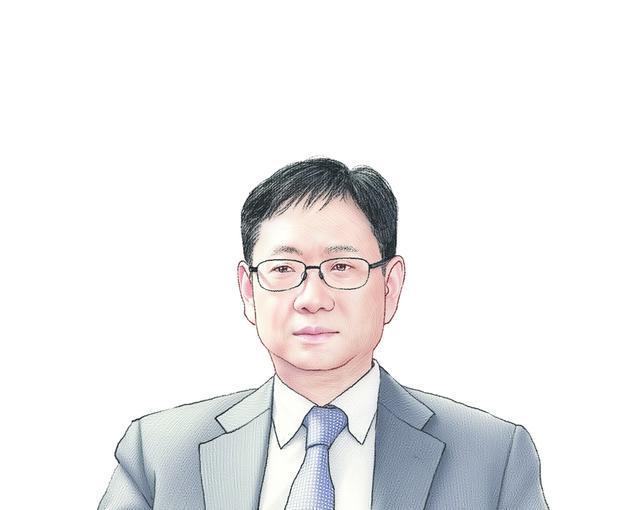
探索非银机构流动性支持,筑牢金融安全网丨曾刚专栏
2 1 Shi Ji Jing Ji Bao Dao· 2025-10-28 22:58
Core Viewpoint - The People's Bank of China (PBOC) is exploring mechanisms to provide liquidity to non-bank financial institutions (NBFIs) under specific circumstances, marking a new phase in the construction of China's financial safety net [2][5]. Group 1: Importance of Non-Bank Financial Institutions - NBFIs have become increasingly significant in China's financial system, managing assets worth trillions of yuan and actively participating in various financial markets [3]. - The business models of these institutions often involve liquidity transformation, making them inherently susceptible to liquidity risks [3]. Group 2: Need for Liquidity Support Mechanism - Although China has not experienced a systemic liquidity crisis among NBFIs, proactive measures are necessary to prevent potential issues [4]. - Current liquidity tools from the PBOC primarily target commercial banks, leaving NBFIs reliant on indirect support, which may fail under market stress [4]. Group 3: Conditions for Liquidity Support - The PBOC's emphasis on "specific circumstances" for providing liquidity reflects a cautious and forward-looking policy design [5]. - These conditions aim to prevent moral hazard by ensuring that liquidity support is not a routine measure but rather a response to systemic pressures [5]. Group 4: International Practices and Lessons - Global central banks have evolved their stance on providing liquidity support to NBFIs, recognizing their systemic importance post-2008 financial crisis [6]. - Emergency tools created by the Federal Reserve during crises serve as examples of how liquidity support can be structured for NBFIs [6]. Group 5: Challenges in Preventing Moral Hazard - Establishing clear triggering conditions for liquidity support is crucial to avoid indiscriminate aid to struggling NBFIs [7]. - A cost mechanism should be designed to ensure that liquidity support is not free or low-cost, thereby incentivizing institutions to restore normal financing capabilities [7]. Group 6: Mechanism Design Innovations in China - China's diverse types of NBFIs necessitate a flexible liquidity support mechanism tailored to their unique needs [9]. - The financial market structure in China, which includes both interbank and exchange markets, requires consideration of cross-market effects in liquidity support design [10]. Group 7: Coordination with Macro-Prudential Management - The exploration of liquidity support mechanisms aligns with the need to build a comprehensive macro-prudential management system [11]. - Macro-prudential measures can help mitigate liquidity risks at NBFIs by enforcing regulatory indicators and conducting stress tests [11]. Group 8: Institutional Framework and Continuous Improvement - Establishing a legal foundation for liquidity support is essential to clarify the PBOC's responsibilities and conditions for providing aid [12]. - Continuous evaluation and optimization of the liquidity support mechanism are necessary to adapt to evolving market conditions and risks [13].