
化工

Search documents
美国若打击伊朗,后果更致命!中国能源与经济将迎三重挑战?
Sou Hu Cai Jing· 2026-02-16 04:54
Group 1: Conflict Overview - The Middle East situation has been escalating since 2025, particularly the tensions between the US and Iran, primarily due to Iran's nuclear program, which the US suspects involves secret weapon development [1] - The conflict began with Israel's airstrikes on Iranian nuclear facilities on June 13, 2025, leading to a twelve-day retaliatory war where Iran launched missiles at Israeli cities [1][3] - The US military actions included bombing three major Iranian nuclear facilities on June 21, 2025, which prompted Iran to retaliate with missile strikes on a US airbase in Qatar [3] Group 2: Economic Implications - The military actions have severely disrupted Iran's oil production and exports, impacting China, the largest importer of Iranian oil, which relies heavily on the Strait of Hormuz for energy supplies [7] - China's imports from the Middle East constitute a significant portion of its total imports, with a high dependency on oil transported through the Strait of Hormuz [7][12] - The conflict has led to fluctuations in chemical raw material prices in China, affecting industries such as home appliances and automotive manufacturing [7] Group 3: Geopolitical Dynamics - The US has increased military deployments in the Middle East, including aircraft carriers and strategic bombers, while Iran's parliament discussed the potential closure of the Strait of Hormuz as a countermeasure [5] - European nations have called for dialogue to prevent further escalation, while China has opposed unilateral actions and advocated for negotiations [5][12] - The US has warned countries trading with Iran of potential additional tariffs, complicating China's trade relations with Iran, which involve significant exports of machinery [9][10] Group 4: China's Position and Strategy - China has emphasized the importance of maintaining energy security and has accelerated efforts to diversify energy sources and strengthen reserves in response to potential disruptions [12][16] - China's assistance to Iran has been primarily economic and diplomatic, avoiding military involvement, while maintaining a balanced relationship with Gulf countries [14] - The Chinese government has actively promoted dialogue to resolve disputes and has facilitated talks aimed at restoring negotiations regarding Iran's nuclear issue [16]

一周安徽上市公司要闻回顾(2.09-2.15)
Xin Lang Cai Jing· 2026-02-16 03:52
Group 1 - *ST Lifan plans to terminate its listing due to false disclosures in annual reports from 2021 to 2023, with over 500 million yuan in inflated revenue [1] - The stock will be suspended from trading starting February 24, and if delisted, it will enter a 15-day trading period under the name "XX退" [1] - Dragon Magnetic Technology plans to raise up to 760 million yuan through a private placement to expand production capacity in Vietnam and enhance AI chip inductors [2][3] Group 2 - Hanbo High-tech's subsidiary plans to acquire 70% of a special purpose company in South Korea for approximately 142.1 million USD to enter the wet electronic chemicals market [3] - Tuoshan Heavy Industry intends to acquire 51% of Xin Kaiyuan for 219 million yuan, making it a controlling subsidiary [4] - iFLYTEK has received approval from the Shenzhen Stock Exchange for a private placement, pending further registration with the China Securities Regulatory Commission [5] Group 3 - Blue Shield Optoelectronics' subsidiary has decided to waive its rights to purchase and subscribe for shares in a semiconductor company amid strategic considerations [6][7] - Qizhong Technology reported a fire at its subsidiary, which may reduce its revenue growth forecast for 2026 by 5-8 percentage points [8] - Huaihe Energy expects a net profit increase of 96.31% to 107.97% for 2025, with projected profits between 1.684 billion and 1.784 billion yuan [9] Group 4 - Wanlang Magnetic Plastic's controlling shareholder has pledged 11.09% of the company's shares, totaling 9.48 million shares [10] - Hanma Technology plans to increase capital in its subsidiary by 575 million yuan before transferring 100% of its shares to another company for 485 million yuan [11] - Efort intends to acquire 100% of Shengpu shares, valuing the company between 1 billion and 1.2 billion yuan [12]





法国要对中国打贸易战?德国不点头、东欧不买账,欧盟内部吵翻了
Sou Hu Cai Jing· 2026-02-16 02:11
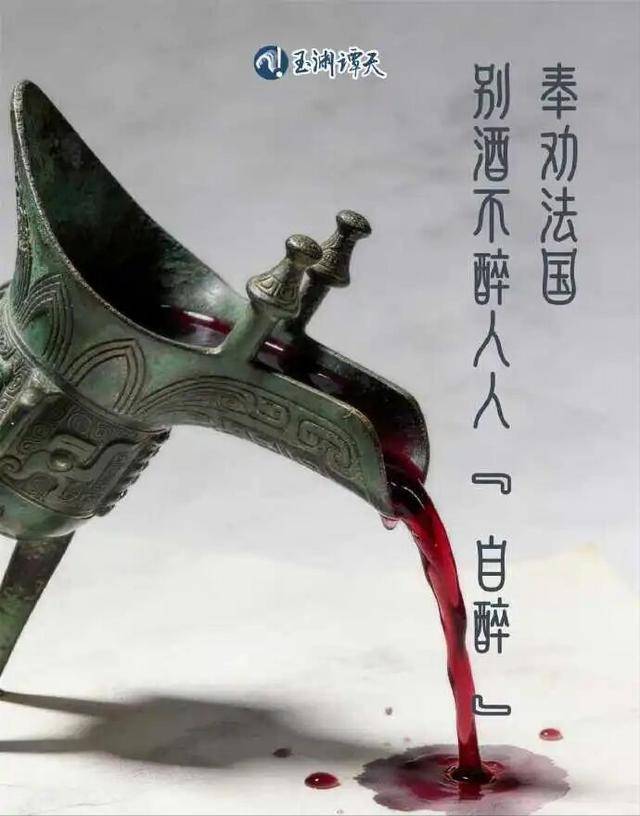
Group 1 - The core issue revolves around France and the EU's proposal to impose high tariffs on Chinese goods, interpreted by some as a potential trade war against China [1][9] - A strategic report from a French government advisory body suggests a uniform tariff of approximately 30% on Chinese imports to protect European industries from the influx of cheaper Chinese products [1][4] - The report highlights concerns from the French and European industrial sectors regarding the competitive pressure from Chinese manufacturing, particularly in sectors like automotive, machinery, chemicals, and batteries [5][10] Group 2 - Chinese official media responded to the tariff proposal, asserting its illegitimacy and indicating potential countermeasures, including investigations into EU products like French wine [3][7] - There are differing opinions within France regarding the proposed tariffs, with the Finance Minister advocating for more targeted trade defense measures rather than blanket tariffs [5][9] - The complexity of the EU's internal decision-making process and the lack of consensus among member states on trade protectionism are highlighted, indicating that the proposal is still in the advisory stage and not yet formal policy [9][10] Group 3 - If the EU were to implement stricter tariffs, China has several potential countermeasures, including anti-dumping investigations and reciprocal tariffs on EU products [7][12] - The ongoing trade discussions reflect deeper global trade tensions, where countries are balancing globalization with domestic industry protection, as seen in the U.S. and EU's approaches to Chinese products [10][12] - The situation emphasizes the need for dialogue and adherence to multilateral trade rules to manage trade disputes effectively, rather than resorting to unilateral actions [10][12]
【图】2025年9月新疆维吾尔自治区乙烯产量数据
Chan Ye Diao Yan Wang· 2026-02-16 01:47
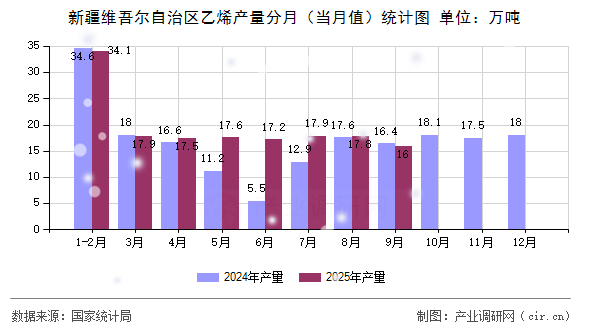
摘要:【图】2025年9月新疆维吾尔自治区乙烯产量数据 2025年9月乙烯产量统计: 乙烯产量:16.0 万吨 同比增长:-2.4% 增速较上一年同期变化:低22.0个百分点 据统计,2025年9月新疆维吾尔自治区规模以上工业企业乙烯产量与上年同期相比下降了2.4%,达16.0 万吨,增速较上一年同期低22.0个百分点,增速较同期全国低7.7个百分点,约占同期全国规模以上企业 乙烯产量299.22137万吨的比重为5.4%。 详见下图: 图1:新疆维吾尔自治区乙烯产量分月(当月值)统计图 产业调研网为您提供更多 乙烯产量:155.9 万吨 同比增长:17.3% 增速较上一年同期变化:高27.6个百分点 据统计,2025年1-9月,新疆维吾尔自治区规模以上工业企业乙烯产量与上年同期相比增长了17.3%, 达155.9万吨,增速较上一年同期高27.6个百分点,增速较同期全国高10.3个百分点,约占同期全国规模 以上企业乙烯产量2739.93477万吨的比重为5.7%。详见下图: 图2:新疆维吾尔自治区乙烯产量分月(累计值)统计图 注:从2011年起,我国规模以上工业企业起点标准由原来的年主营业务收入500万元提高 ...
辽宁春晚演绎振兴豪情
Xin Lang Cai Jing· 2026-02-15 22:17
Group 1 - The 2026 Liaoning Spring Festival Gala celebrated over 40 years of tradition, emphasizing themes of family reunion, cultural heritage, and revitalization [1][2] - The gala featured a significant portion of comedy programs, with over 60% of the content dedicated to humor, showcasing established comedians and new talents [1] - The event highlighted the integration of technology and culture, with performances that paid tribute to traditional art forms while showcasing modern innovations [1][2] Group 2 - The gala included a special segment featuring former Liaoning football players, evoking nostalgia and embodying the spirit of perseverance and determination among the people of Liaoning [2] - Programs like "Integrity as the Foundation" and "Night Market New Star" focused on themes of business ethics and improving the business environment, reflecting a forward-looking image of Liaoning [2] - The event concluded with a powerful message of unity and hope, as performers and attendees celebrated their connection to their hometown and the broader cultural narrative of progress [2]
27国外援待命,马克龙向全球发话,对我们出手在先,中方坚决奉陪到底
Sou Hu Cai Jing· 2026-02-15 17:24
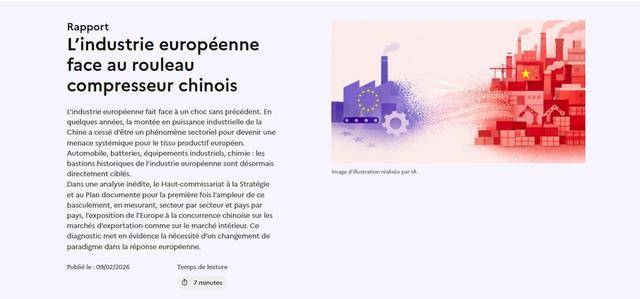
Core Viewpoint - A recent report from a French government think tank proposes aggressive measures to curb China's trade expansion, including a 30% import tariff on all goods from China and a plan to force a 30% appreciation of the yuan against the euro, aiming to pressure China into concessions in trade disputes [1][2]. Trade Imbalance - The report highlights a significant trade imbalance, predicting that the EU's trade deficit with China will soar to €304.5 billion by 2024, indicating a substantial one-way flow of funds into China [1]. - France views this imbalance as unfair, particularly in key industries such as automotive, chemicals, batteries, and precision machinery, where Chinese products are rapidly gaining market share due to cost advantages [1]. Economic Impact of Tariffs - Increasing the import tariff by 30% is expected to significantly raise the final prices of Chinese goods in the European market, potentially leading to a decline in sales and providing breathing room for local European businesses [2]. - The proposed yuan appreciation aims to fundamentally weaken the price competitiveness of Chinese products, making them more expensive in euro terms even if domestic prices in China remain unchanged [2]. Internal EU Opposition - Germany and the Netherlands, closely tied to the Chinese economy, have expressed strong opposition to the proposed tariffs, fearing retaliation from China that could severely impact their automotive industries and logistics sectors [4]. - The opposition from these countries represents a pragmatic force within the EU, prioritizing tangible economic interests over abstract concepts of "fair trade" [4]. Internationalization of Pressure - France is attempting to internationalize the issue by seeking support from allies in platforms like the G7, aiming to elevate the pressure on China to a collective Western action [6]. - The U.S. has shown support for France's aggressive stance, aligning with the report's recommendations and providing France with more leverage in pushing its agenda within the EU [6][11]. China's Response - China has firmly rejected external interference in its currency policy, asserting its ability to withstand economic pressure and signaling readiness to initiate anti-dumping and countervailing investigations against EU products, particularly targeting French wine and luxury goods [8][17]. - The report underestimates the strength of China's cost advantages, as Chinese goods are generally priced 30% to 40% lower than European counterparts, suggesting that even with a 30% tariff, Chinese products may still be cheaper [8][16]. Impact on French Companies - French companies, deeply integrated into global supply chains and reliant on Chinese components, may suffer from increased production costs and reduced sales channels due to heightened trade barriers [9]. - The aggressive stance taken by France may inadvertently harm its own businesses, as the pursuit of strategic goals could come at the expense of domestic economic interests [9][19]. Broader Implications - The ongoing tensions are reshaping the previously stable economic relationship between China and Europe, with geopolitical calculations increasingly influencing trade dynamics [9][15]. - The complexity of the EU's internal divisions complicates the formation of a unified trade strategy towards China, as different member states have varying interests and stakes in the relationship [16].
欧洲工业危机,美法中是三大赢家
Sou Hu Cai Jing· 2026-02-15 06:57
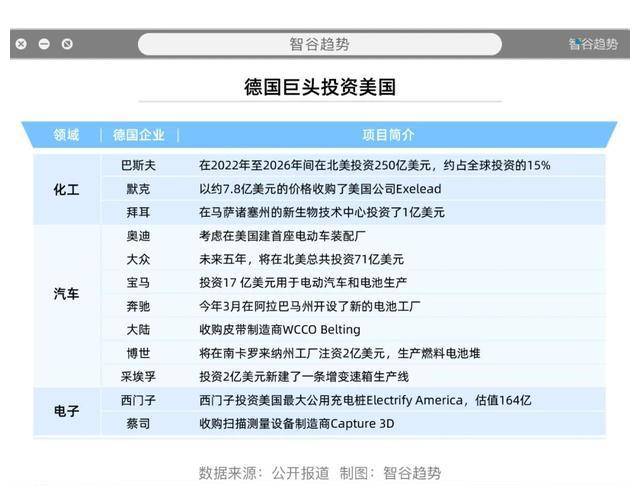
Core Viewpoint - German companies are increasingly investing in the United States due to energy crises and inflation in Germany, leading to a shift in production capacity to regions with more favorable conditions, particularly the U.S. and China [1] Group 1: Investment in the U.S. - BMW Group announced an investment of $1.7 billion (approximately 12.3 billion RMB) in electric vehicle and battery production in the U.S. [1] - Volkswagen plans to invest $7.1 billion (approximately 51.4 billion RMB) in the U.S. over the next five years [1] - BASF will invest $25 billion (approximately 181.1 billion RMB) in North America over four years [1] - Other German companies like Mercedes, Bosch, Siemens, and Bayer are also increasing their investments in the U.S. [1] - The U.S. offers cheap energy, a large consumer market, and attractive business policies, making it an appealing destination for German manufacturers [1] Group 2: Investment in China - BASF plans to invest €10 billion in China, while Audi, Volkswagen, and Merck have significant investment plans in the country [3] - Investments are concentrated in coastal cities, particularly Shanghai, which is favored for its strong infrastructure and business environment [3] - French companies are also looking to benefit from the situation, as Germany's energy crisis creates market opportunities for them [3] Group 3: Industry Trends - The shift of German industries is focused on high-value sectors such as organic chemicals, electronic devices, and automotive components [1] - The historical trend of industrial transfer shows a movement from advanced regions to less developed areas, but current conditions favor the U.S. and China for advanced manufacturing [1][3] - Germany's reliance on natural gas, particularly from Russia, has exacerbated its energy crisis, while France's energy strategy positions it to capitalize on Germany's challenges [3]

美国通胀重回2%?贝森特亮出底牌,大宗商品迎来十年一遇配置窗口
Sou Hu Cai Jing· 2026-02-15 04:39
Group 1 - The U.S. Treasury Secretary's statement that tariffs do not lead to inflation has sparked significant debate, especially given his previous stance that tariffs would raise prices [1] - The January Consumer Price Index (CPI) showed a year-on-year increase of 2.4%, which is below market expectations and indicates a slowdown from December's 2.7% [3] - The core CPI, excluding food and energy, remained steady at 2.5%, marking the slowest growth since March 2021 [3] Group 2 - Following the CPI data release, market expectations shifted towards the likelihood of multiple interest rate cuts by the Federal Reserve, with predictions of two to three cuts in 2026 [4] - Goldman Sachs forecasts the first rate cut in June and a second in September, each by 25 basis points, while some analysts suggest the cuts could exceed current market expectations [4] Group 3 - The decline in inflation has led to a renewed focus on commodities, driven by three macro forces: changes in financial attributes, a shift in demand drivers, and a reallocation of capital [6][7] - The demand for commodities is now linked to broader themes such as the AI revolution, energy transition, and supply chain security, termed "supercycle 2.0" [6] Group 4 - The supply side of commodities is under pressure, with declining ore grades and a lack of large new projects, leading to historically low inventory levels [9] - The chemical sector is experiencing significant value differentiation, with high-end chemical products gaining pricing power compared to traditional petrochemical products [9] Group 5 - Gold is increasingly viewed as a hedge against credit risk, with central banks continuing to purchase gold, reflecting concerns over the U.S. dollar's credit system [10] - Predictions for gold prices in 2026 range between $4,500 and $5,000 per ounce, while silver's industrial demand is also expected to rise due to its dual financial and industrial roles [10] Group 6 - The macroeconomic environment is shifting, moving away from reliance on single-country urbanization to a new paradigm driven by technological revolution, energy security, and geopolitical dynamics [11] - The focus is now on tangible "hard materials" that support these transformations, with attributes of copper, silver, specialty chemicals, and gold becoming critical for future wealth allocation [11]
法国有意对中方加征关税,马克龙要出尔反尔了?中欧关系很快转型
Sou Hu Cai Jing· 2026-02-15 03:42
Core Viewpoint - Europe is currently in a complex situation, facing the escalating threat of the Russia-Ukraine conflict and the pressures from the US trade tariff war, making it challenging to manage its stance towards China [1] Group 1: Economic Impact and Competition - A report from France's High Council for Strategic Planning indicates that Chinese products, benefiting from a 30% to 40% cost advantage, are gradually penetrating traditional European industries such as automotive, batteries, machine tools, and chemicals [1] - The report warns that without significant policy adjustments, the industrial sector in France could face a survival crisis, with one-quarter of French exports and two-thirds of German industrial output under strong competitive pressure from China [1] - Germany's trade with China is expected to reach €253 billion by 2025, with a shift from low-end to mid-range products in imports, indicating a pragmatic approach to economic interests rather than ideological constraints [5] Group 2: Policy Recommendations and Internal Debate - The report suggests extreme measures such as imposing a 30% tariff on Chinese goods or devaluing the euro against the yuan by 30%, which has garnered some domestic support but faces significant opposition due to potential inflation and economic growth suppression [3] - French Minister of Economy and Finance, Bruno Le Maire, emphasizes that there is no one-size-fits-all solution and advocates for increasing savings rates and innovation to compete with China [3] - The proposal for large-scale tariffs lacks practical operational basis and is seen as a reaction to current anxieties rather than a well-considered strategy [7] Group 3: Future of China-Europe Relations - Europe is increasingly viewing China as a systemic competitor, while also desiring Chinese investment and technology transfer to boost local industries [7] - The ongoing conflict between the desire for economic cooperation and the need to address ideological concerns, such as human rights and geopolitical issues, complicates the relationship [7] - A stable and coherent policy framework towards China is urgently needed to avoid uncertainty in China-Europe relations, which could burden both parties, especially Europe [12]
市生态环境局启动环境风险隐患排查整治工作
Xin Lang Cai Jing· 2026-02-14 19:49
Core Viewpoint - The city’s ecological environment bureau has initiated a comprehensive environmental risk prevention task for the year, focusing on identifying and rectifying environmental risks in key sectors and critical areas [1] Group 1: Environmental Risk Prevention - The environmental risk inspection and rectification work will continue from February to the end of November this year [1] - The focus is on chemical parks, with a full coverage inspection of 59 key enterprises to check environmental risk prevention measures and emergency facility construction [1] - The goal is to complete the rectification process by the end of October [1] Group 2: Heavy Metal Pollution Control - In-depth inspections will be conducted on 10 enterprises involved in heavy metal pollution, emphasizing the regulation of pollution control facilities and the management of solid waste [1] - The aim is to strictly control environmental risks associated with heavy metals [1] Group 3: Special Hazard Inspections - A special hidden danger inspection will be carried out on key environmental protection facilities related to water and air (VOC) for 106 enterprises in the city [1] - The initiative aims to ensure that enterprises fulfill their primary responsibility for safe production [1]