软件

Search documents
万兴科技股价跌5.04%,汇添富基金旗下1只基金重仓,持有4.84万股浮亏损失26.77万元
Xin Lang Cai Jing· 2026-01-15 06:10
Group 1 - The core point of the news is that Wanjing Technology's stock price dropped by 5.04% to 104.29 CNY per share, with a trading volume of 2.548 billion CNY and a turnover rate of 13.96%, resulting in a total market capitalization of 20.163 billion CNY [1] - Wanjing Technology, established on September 28, 2003, and listed on January 18, 2018, is based in Shenzhen, Guangdong Province, and specializes in the design, development, sales, and operation of software products and services related to video creativity, drawing creativity, document creativity, and practical tools [1] - The revenue composition of Wanjing Technology's main business includes video creativity at 67.43%, practical tools at 19.03%, document creativity at 7.34%, drawing creativity at 5.82%, and others at 0.38% [1] Group 2 - From the perspective of major holdings, one fund under Huatai Fuhua holds Wanjing Technology as a significant investment, with 48,400 shares representing 0.39% of the fund's net value, ranking as the seventh-largest holding [2] - The Huatai Fuhua Guozheng 2000 Index Enhanced A fund, established on November 7, 2023, has a latest scale of 672 million CNY, with a year-to-date return of 7.07% and a one-year return of 68.36% [2] - The fund manager, Wu Zhenxiang, has a tenure of 15 years and 348 days, with a total asset scale of 19.781 billion CNY, achieving a best return of 209.42% during his tenure [3]

软件ETF(515230)连续3日净流入超13亿元,AI应用商业化兑现赋能软件板块
Mei Ri Jing Ji Xin Wen· 2026-01-15 04:05
Group 1 - The software sector is experiencing a bullish trend, with software ETFs (515230) seeing over 1.3 billion yuan in net inflows over three consecutive days, driven by the commercialization of AI applications [1] - By 2026, the commercialization of AI applications is expected to be a significant driver of revenue growth in the software industry, similar to the cloud computing era when new technology revenue surpassed 10% [1] - The current penetration of AI applications in the software industry is in its early acceleration phase, with some companies expected to disclose AI orders by 2025, marking the beginning of new technology applications [1] Group 2 - The software ETF (515230) tracks the software index (H30202), which reflects the overall performance of publicly listed companies in the software sector, focusing on system software and application software development and services [1] - The software industry in China is characterized by customized solutions, with software vendors accumulating significant industry know-how, which is crucial for the successful implementation of AI applications [1] - The most commercially viable AI application areas currently identified include AI Agents, multimodal applications, AI coding, and AI marketing, with AI's penetration in healthcare management also accelerating [1]
谷歌推出Agentic AI购物系统,创业板软件ETF华夏(159256)近5日“吸金”6.55亿元
Mei Ri Jing Ji Xin Wen· 2026-01-15 03:47
每日经济新闻 (责任编辑:董萍萍 ) 【免责声明】本文仅代表作者本人观点,与和讯网无关。和讯网站对文中陈述、观点判断保持中立,不对所包含内容 的准确性、可靠性或完整性提供任何明示或暗示的保证。请读者仅作参考,并请自行承担全部责任。邮箱: news_center@staff.hexun.com 在AI产业链中,软件行业主要处于中游技术层和下游应用层,扮演着核心技术支撑和应用落地的 关键角色。具体来看,软件行业在中游技术层主要提供AI框架、开发平台和算法模型,这些技术是AI 应用开发的基础。在下游应用层,软件行业通过将AI技术与各行业结合,推动AI应用的落地。 中金公司指出,人工智能作为新一轮科技革命的核心驱动力,其最大的价值不在于提升效率,而在 于创造新的可能性,推动各行各业向智能化跃迁。大模型技术正深刻重塑全球产业格局,其发展有望为 金融业带来规模达数万亿元的增量商业价值,实现从效率提升到价值创造的范式重构。同时,大模型的 迭代发展需直面技术瓶颈、高投入成本以及与监管框架的平衡等挑战。 相关产品:创业板软件ETF华夏(159256)、创业板200ETF华夏(159573)、人工智能AIETF (515070) ...

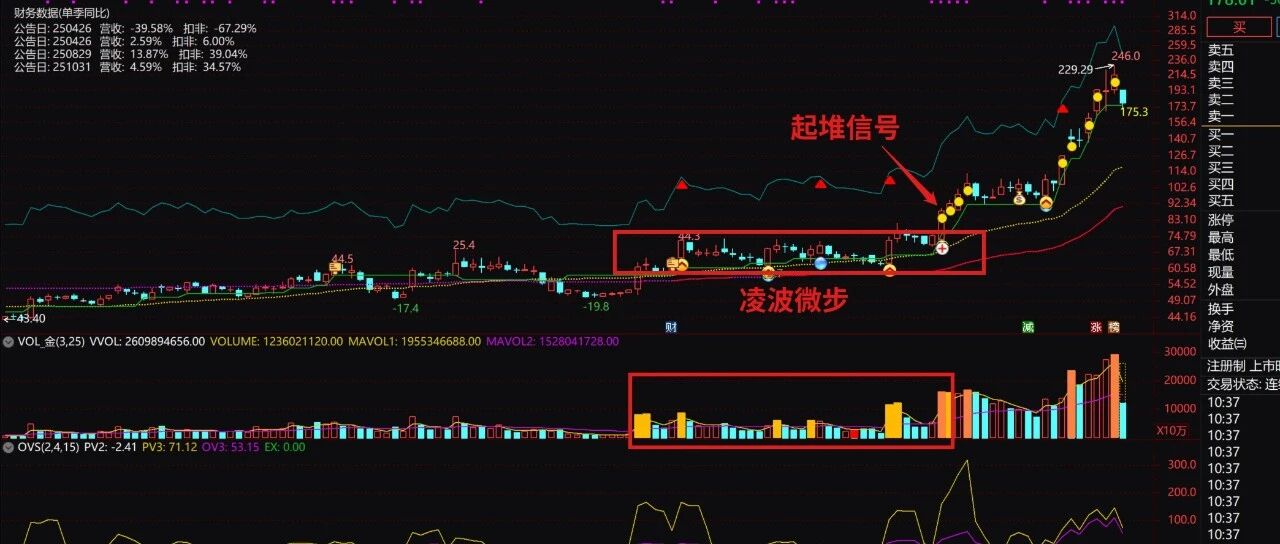
怎样运用起堆信号
猛兽派选股· 2026-01-15 03:36
Core Viewpoint - The article emphasizes the importance of understanding market dynamics and the interrelation of themes and sectors, rather than getting lost in technical signals and individual stock patterns [1][2]. Group 1: Investment Strategy - The recommended approach is to identify thematic and sectoral momentum from the early stages of accumulation, suggesting that the first signal should prompt action [2]. - Not all stocks with signals should be pursued; investors should focus on what they understand and are comfortable with [6]. Group 2: Sector Analysis - The article expresses skepticism about the sustainability of media stocks, indicating that their rallies often signal the end of a market trend, contrasting with the more robust buildup seen in aerospace stocks [4][11]. - Aerospace stocks are noted for their consistent pre-rally structures, while media stocks are described as chaotic and unappealing [11]. Group 3: Learning and Adaptation - The methodology for identifying stocks is rooted in a deep understanding of market conditions and a long-term cognitive framework, encouraging readers to study foundational texts like "Laughing at Bulls and Bears" for insights on identifying exceptional stocks [8].

科技板块ETF领涨 资金流向持续分化
Zhong Guo Zheng Quan Bao· 2026-01-14 21:07
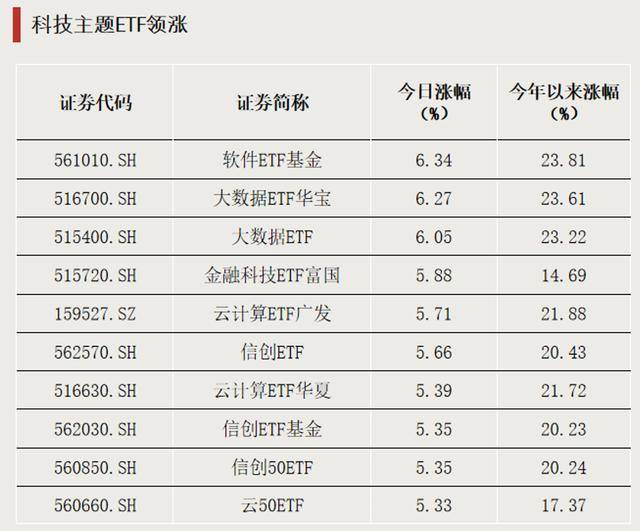
Group 1: Market Overview - On January 14, the overall ETF market saw more gains than losses, with over half of the ETFs closing higher, particularly in technology themes such as software, big data, and fintech, which dominated the top ten gainers with each showing an increase of over 5% [1] - The overall net inflow into the ETF market reached 5.66 billion yuan on January 13, a significant increase from 1.157 billion yuan on January 12, with stock ETFs continuing to attract capital [4] Group 2: Technology Theme ETFs - Technology-themed ETFs were the market focus on January 14, with all top ten gainers being such products, many of which exhibited premiums in the market [2] - The software ETF (561010) led the market with a daily increase of 6.34% and a premium rate of 2.19%, tracking the CSI All-Share Software Development Index, which includes 117 stocks [2] - Several technology ETFs have seen cumulative gains exceeding 20% since the beginning of the year, indicating a strong profit effect [2] Group 3: Underperforming Sectors - In stark contrast to the technology sector, ETFs related to the electric grid and banking were among the top ten losers, highlighting a clear market structure divergence [3] - The electric grid ETF (561380) experienced a significant decline of 5.81% on January 14, while another electric grid ETF (159320) fell by 1.75% [3] - Three ETFs tracking the CSI Bank Index also reported declines of over 1.6%, with only one stock remaining stable among the 42 components [3] Group 4: Fund Flow Dynamics - The net inflow of 5.66 billion yuan on January 13 was primarily driven by industry-themed ETFs, which occupied seven of the top ten positions for net inflow, including sectors like media, software, and internet [4] - The media ETF (512980) alone saw a net inflow exceeding 4 billion yuan on January 13, indicating strong investor interest in specific sectors [4] - Non-equity ETFs, particularly money market ETFs, faced significant outflows, with notable withdrawals exceeding 2 billion yuan from specific funds [4][5] Group 5: Investment Focus Areas - Institutions are currently focusing on commercial aerospace and AI applications as high-interest areas, with a positive long-term outlook for technology sectors [6] - The commercial aerospace sector is at a critical transition point, moving from technology validation to commercialization, suggesting potential investment opportunities in companies with core technologies [6] - The AI sector is also gaining attention, with expectations for significant investment opportunities arising from technological breakthroughs and application implementations [7]
科技板块ETF领涨资金流向持续分化
Zhong Guo Zheng Quan Bao· 2026-01-14 20:51
Group 1: Market Overview - On January 14, the overall ETF market saw more gains than losses, with over half of the ETFs closing higher. Technology-themed ETFs, including software, big data, and fintech, dominated the top gainers, each with an increase of over 5% [1][2] - The total net inflow into the ETF market on January 13 reached 5.66 billion yuan, a significant increase from 1.157 billion yuan on January 12, with equity ETFs continuing to attract capital [3][4] Group 2: Technology-Themed ETFs Performance - Technology-themed ETFs were the market focus on January 14, with all top ten gainers being such products, many showing premiums in the market. Several technology-themed ETFs have seen cumulative gains exceeding 20% within just eight trading days this year [1][2] - The Software ETF (561010) led the market with a daily increase of 6.34% and a premium rate of 2.19%. The underlying index includes 117 stocks, with 10 stocks rising over 10% on the same day [1][2] Group 3: Sector Performance Disparity - In stark contrast to the technology sector, ETFs related to the electric grid and banking sectors saw multiple products in the top ten losers. The Electric Grid ETF (561380) experienced a decline of 5.81%, while another electric grid ETF (159320) fell by 1.75% [2][3] - Three ETFs tracking the banking index also reported daily declines exceeding 1.6%, with all but one of the 42 constituent stocks closing lower [3] Group 4: Fund Flow Dynamics - The inflow of funds into industry-themed ETFs was notably strong, with seven out of the top ten ETFs by net inflow on January 13 being industry-themed, including media, software, and satellite sectors. The Media ETF (512980) alone saw a net inflow exceeding 4 billion yuan [3][4] - Non-equity ETFs faced net outflows, particularly in money market ETFs, with significant outflows exceeding 2 billion yuan for specific funds [4] Group 5: Investment Focus Areas - Institutions have highlighted commercial aerospace and AI applications as key areas of interest, with a positive long-term outlook for technology sectors. The commercial aerospace sector is at a critical transition point towards commercialization [4][5] - The AI sector is also gaining attention, with expectations for significant investment opportunities driven by technological breakthroughs and application implementations [6]
今夜,热门股密集公告:可能停牌
Shang Hai Zheng Quan Bao· 2026-01-14 15:21
Core Viewpoint - The recent surge in A-share stocks related to GEO (Generative Engine Optimization) and AI applications has led multiple companies to issue warnings about potential trading risks in the secondary market [1][5][6]. Group 1: Company Announcements - Aowei New Materials announced that its stock price has significantly deviated from its fundamentals since July 2025, and it may apply for a trading suspension if prices continue to rise [1]. - Zhaoyi Information reported a cumulative price deviation of over 100% in its stock over ten trading days, indicating potential for a trading suspension if abnormal price increases persist [2]. - Yibang Ceiling stated that its stock has experienced a cumulative deviation of 103.76% over nine trading days, and it may apply for a trading suspension if prices continue to rise [2]. - Guangyun Technology noted a cumulative price deviation of over 100% in its stock over ten trading days, and it may apply for a trading suspension if prices continue to rise [3]. - Inertia Media highlighted a cumulative stock price increase of 104.03% over ten trading days, warning of potential risks due to market sentiment and irrational speculation [4]. Group 2: Business Operations and Financial Impact - Aowei New Materials indicated that its AI-related business has not yet achieved mass production or revenue generation, and significant future investments are required [1]. - Zhaoyi Information mentioned that its AI programming products are still in the market introduction phase and have not formed a scalable product system [2]. - Guangyun Technology clarified that its AI-related products are integrated with third-party models, and its revenue from these products is currently minimal [3]. - Inertia Media stated that its main business has not undergone significant changes, but the stock price has risen sharply, deviating from its fundamentals [4]. - Nengke Technology reported that its AI-related products are still in development and do not involve the research and development of general AI models, indicating uncertainty in future business performance [7].
截至今天收盘,超三成跨境ETF场内交易价格出现溢价
Sou Hu Cai Jing· 2026-01-14 15:02
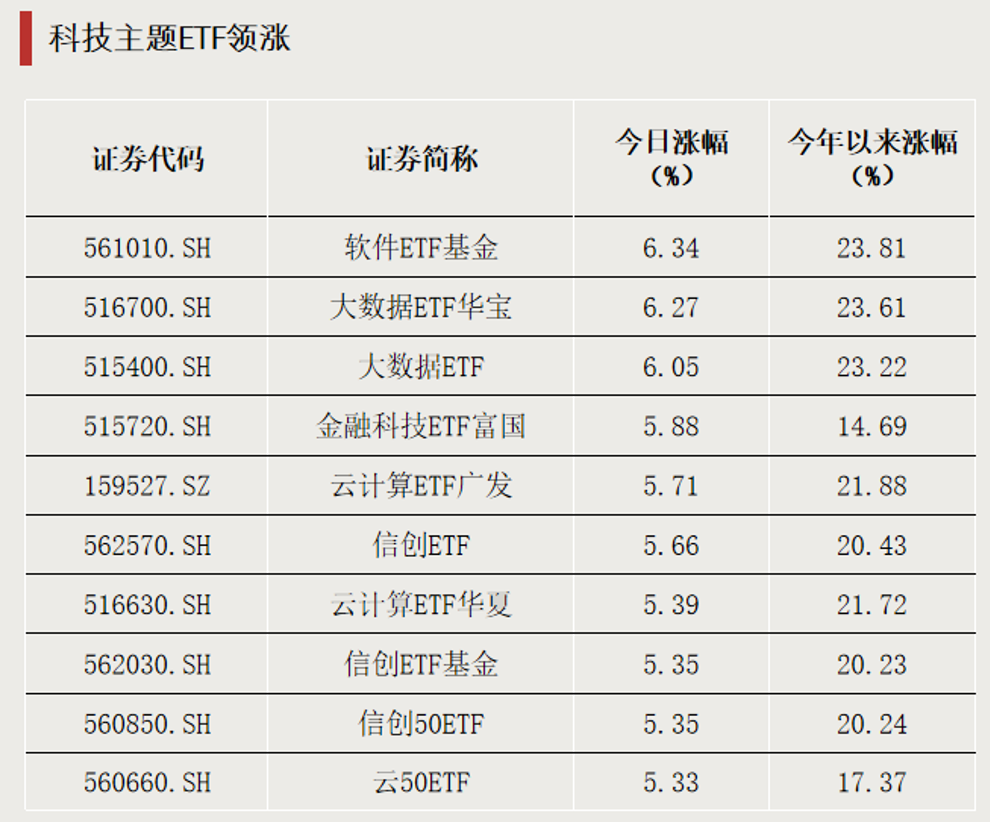
Group 1: ETF Market Overview - On January 14, the overall ETF market saw more funds rising than falling, with over half of the funds closing higher, particularly in technology sectors such as software, big data, fintech, and cloud computing, where several products rose over 5% [1][4] - The total scale of cross-border ETF products has surpassed 1 trillion yuan, with the number of products reaching 207. More than 30% of cross-border ETFs are trading at a premium, with the highest premium rate for the Nasdaq Technology ETF at 19.36% [2][15] - The ETF market experienced a net inflow of approximately 5.66 billion yuan, an increase from 1.157 billion yuan on January 12, with stock ETFs being the main attraction for capital [3][8] Group 2: Performance of Technology ETFs - Technology sector ETFs performed exceptionally well on January 14, with all top ten gainers being technology-related products, each rising over 5%. Several technology ETFs have seen gains exceeding 20% in the first eight trading days of the year [4][5] - The Software ETF (561010) topped the gainers list with a rise of 6.34% and a premium rate of 2.19%. It tracks the CSI Software Development Index, which includes 117 constituent stocks, with 10 stocks rising over 10% [4][5] - Two ETFs tracking the CSI Big Data Industry Index also saw gains exceeding 6%, with notable performances from Tianyuan Dike and Yidian Tianxia, which rose 18.61% and over 16%, respectively [4] Group 3: Decline in Other Sectors - Several ETFs in the electric grid and banking sectors saw significant declines on January 14, with the Electric Grid ETF (561380) dropping 5.81%, marking the largest decline of the day [6][7] - The banking sector ETFs also experienced widespread declines, with three ETFs falling more than 1.6%, reflecting a broader downturn in the sector [6][7] Group 4: Fund Flow Dynamics - The inflow of funds into stock ETFs showed a clear divergence, with many industry ETFs attracting significant capital while some broad-based index ETFs faced net outflows [8][9] - The Media ETF (512980) alone attracted over 4 billion yuan in net inflows in just one trading day, indicating strong investor interest in specific sectors [8][9] Group 5: Cross-Border ETF Insights - The cross-border ETF market is expanding, with a significant portion of new products targeting the Hong Kong stock market. The premium rates for many cross-border ETFs indicate strong demand [15] - The Nasdaq Technology ETF has issued a premium risk warning and will suspend trading for one hour if the premium does not decrease, highlighting the volatility and investor caution in this segment [15]
大幅溢价!明天,停牌一小时
Zhong Guo Zheng Quan Bao· 2026-01-14 13:07
Group 1 - The overall ETF market saw more gains than losses on January 14, with over half of the funds rising, particularly in technology sectors such as software, big data, fintech, and cloud computing, where several products increased by over 5% [1][2] - The total scale of cross-border ETF products has surpassed 1 trillion yuan, with the number of products reaching 207. More than 30% of cross-border ETFs experienced premium trading prices, with the highest premium rate for the Nasdaq Technology ETF at 19.36% [1][13] - The ETF market had a net inflow of approximately 5.66 billion yuan, an increase from 1.157 billion yuan on January 12. Stock ETFs remain the main attraction for capital, although there is a divergence in internal structure [1][7] Group 2 - Technology sector ETFs performed exceptionally well on January 14, with all top gainers being technology-related products, each rising over 5%. Several technology ETFs have seen gains exceeding 20% in the first eight trading days of the year [2] - The Software ETF (561010) topped the gainers list with a 6.34% increase and a premium rate of 2.19%. The fund tracks the CSI All-Share Software Development Index, which includes 117 constituent stocks, with 10 stocks rising over 10% [2][3] - The two ETFs tracking the CSI Big Data Industry Index also saw gains exceeding 6%, with notable increases in stocks like Tianyuan Dike (300047) and Yidian Tianxia (301171) [2] Group 3 - Several ETFs in the electric grid and banking sectors experienced significant declines on January 14, with the electric grid ETF (561380) dropping 5.81%, marking the largest decline of the day [4][5] - The banking sector ETFs also saw widespread declines, with three ETFs falling more than 1.6%, all tracking the CSI Banking Index, where 41 out of 42 constituent stocks declined [5][6] - The electric grid ETF (561380) had a notable increase in turnover rate, reaching 51.72%, indicating heightened trading activity despite the price drop [5] Group 4 - The net inflow of 5.66 billion yuan into the ETF market indicates strong interest in stock ETFs, particularly in sectors like media, satellite, and software, while some broad-based index ETFs faced net outflows [7][8] - The Media ETF (512980) alone attracted over 4 billion yuan in net inflows in just one trading day, highlighting the strong demand for sector-specific ETFs [7][8] - Non-equity ETFs, particularly money market funds, have seen significant net outflows, with two money market ETFs experiencing outflows exceeding 2 billion yuan each [9][10]
主力资金丨5股尾盘获主力资金大手笔抢筹
Zheng Quan Shi Bao Wang· 2026-01-14 11:16
Group 1 - The core point of the article highlights that on January 14, the main funds in the Shanghai and Shenzhen markets experienced a net outflow of 504.74 billion yuan, with the ChiNext board seeing a net outflow of 210.18 billion yuan and the CSI 300 index stocks a net outflow of 154.4 billion yuan [1] - Among the 17 primary industries, the computer industry had the highest increase, rising by 3.42%, while the banking and real estate sectors saw declines exceeding 1% [1] - Ten industries experienced net inflows of main funds, with the computer industry leading at a net inflow of 46.7 billion yuan, followed by non-bank financials and telecommunications with inflows exceeding 11 billion yuan each [1] Group 2 - In individual stock performance, the automotive parts company Shanzi Gaoke had the highest net inflow of main funds at 21.18 billion yuan, with a trading volume of 128.48 billion yuan and a turnover rate of 24.14% [2] - PCB concept stock Hu Dian shares saw a net inflow of 13.28 billion yuan, ranking second, while AI financial stock Lakala had a net inflow of 12.91 billion yuan [2] - The article also notes that over 250 stocks had net outflows exceeding 1 billion yuan, with 10 stocks seeing outflows over 10 billion yuan [3] Group 3 - The article mentions that leading sectors for net outflows included robotics, electricity, and wind power, with each seeing outflows exceeding 21 billion yuan [4] - Hai Ge Communication experienced a net outflow of 14.3 billion yuan, with the company announcing expected losses for the 2025 fiscal year [4] - The tail-end trading session saw a net outflow of 54.14 billion yuan, with the CSI 300 index stocks experiencing a net outflow of 49.52 billion yuan [5]